


Movement & Belonging
Architecture for Growth: A Kindergarten Designed from Within
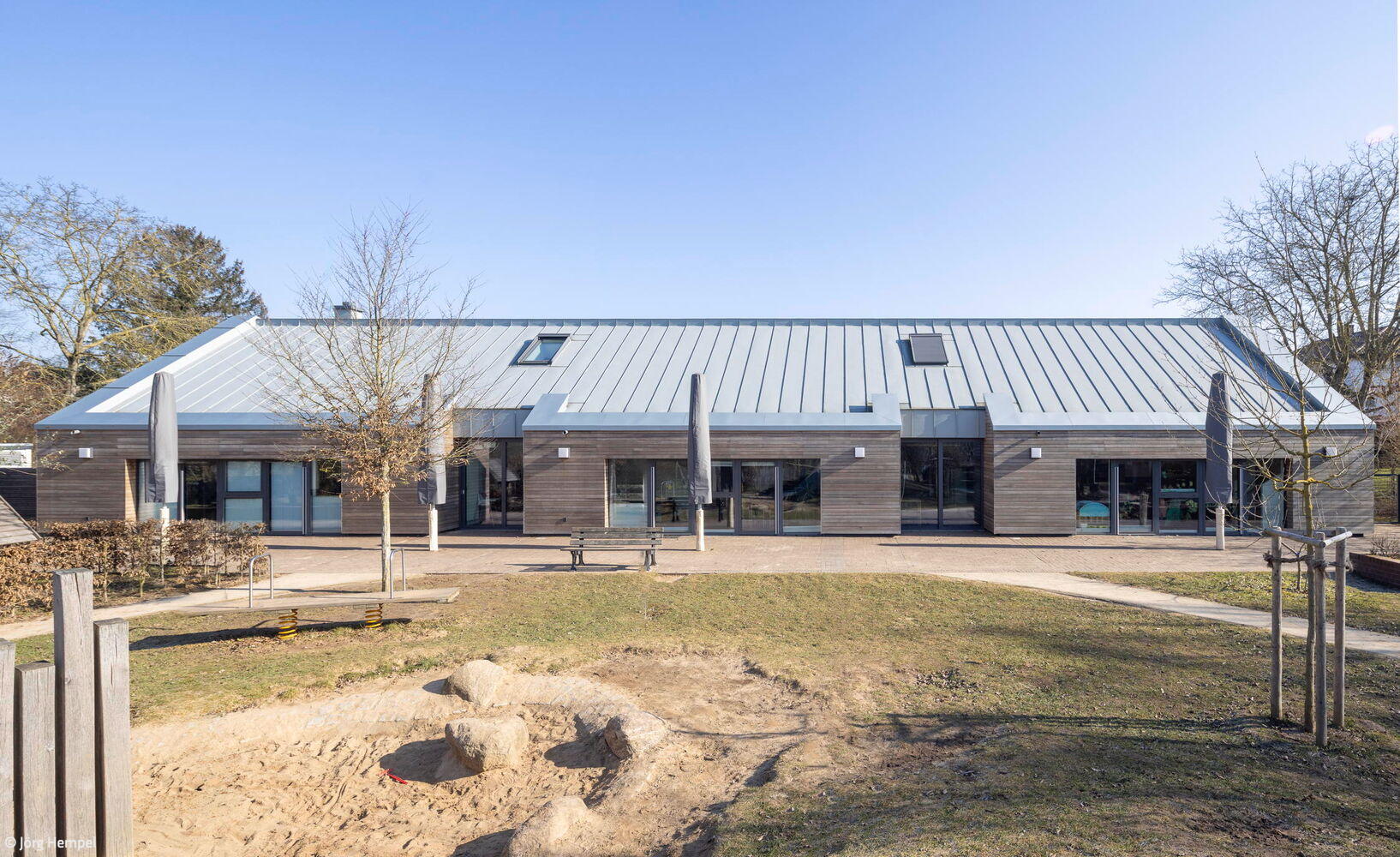
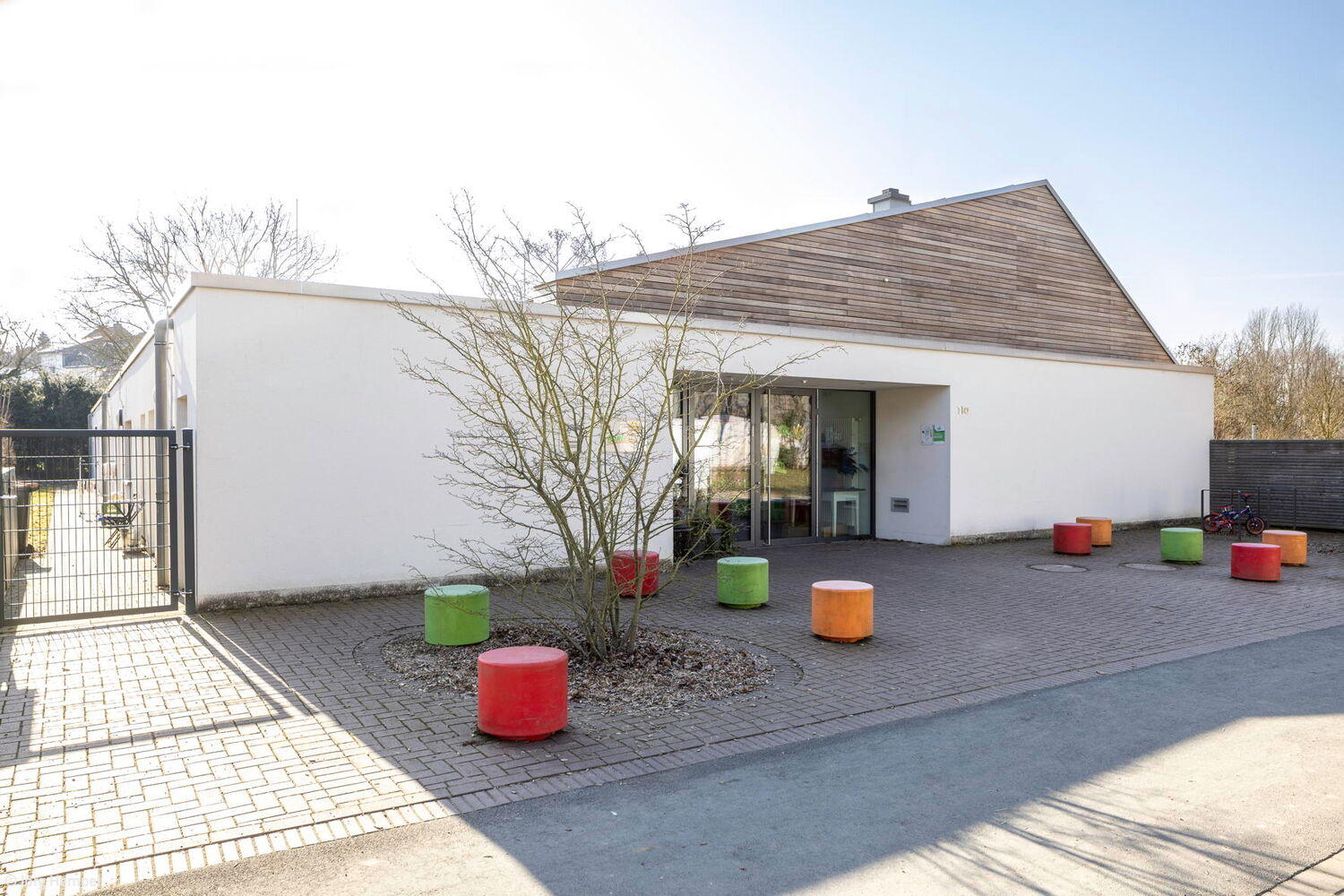
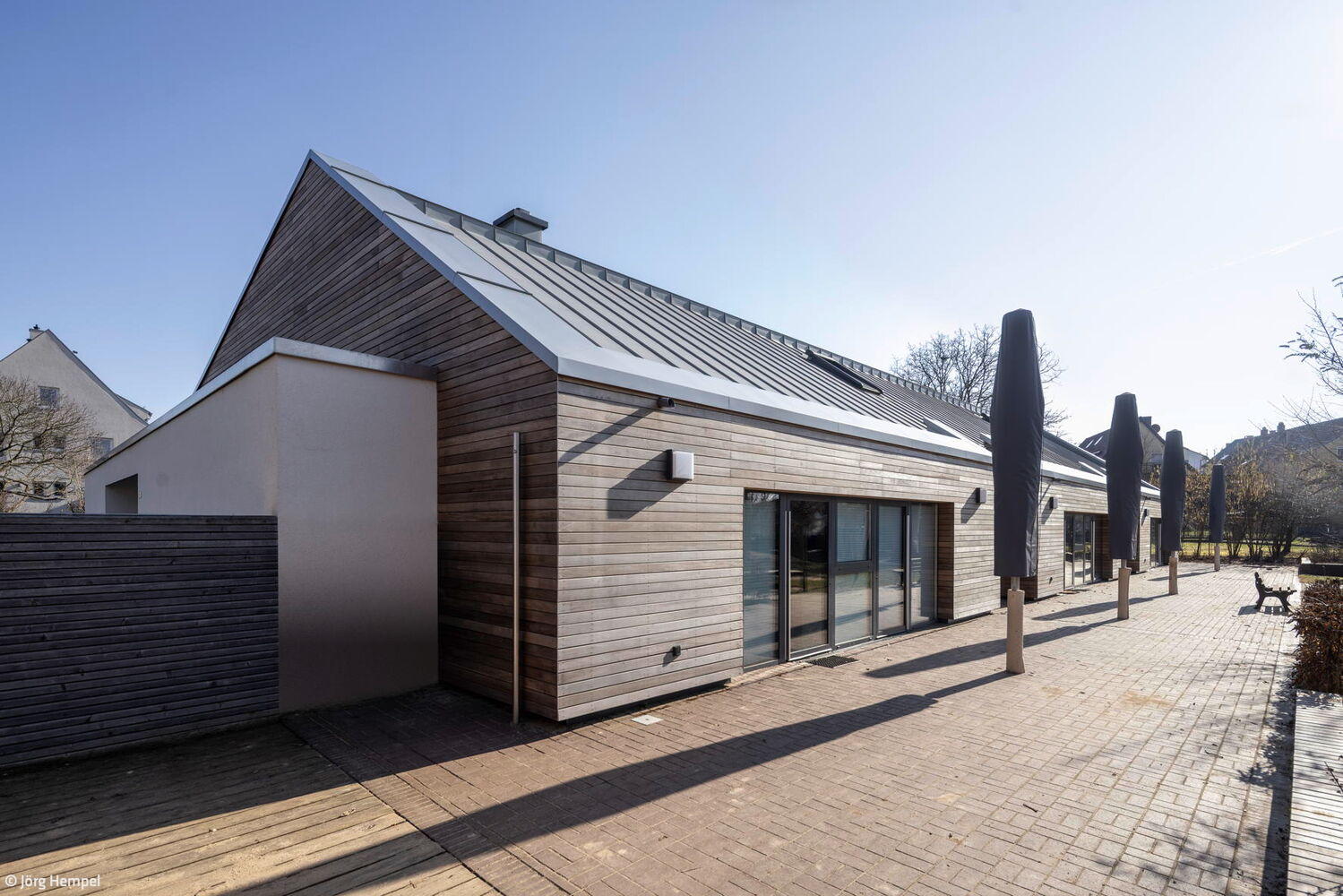
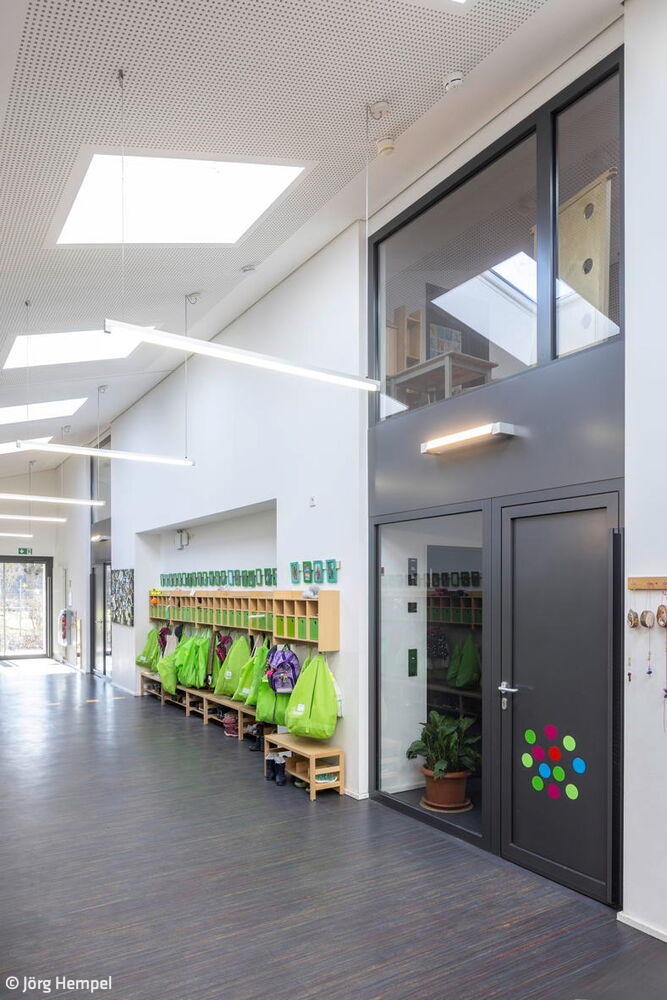
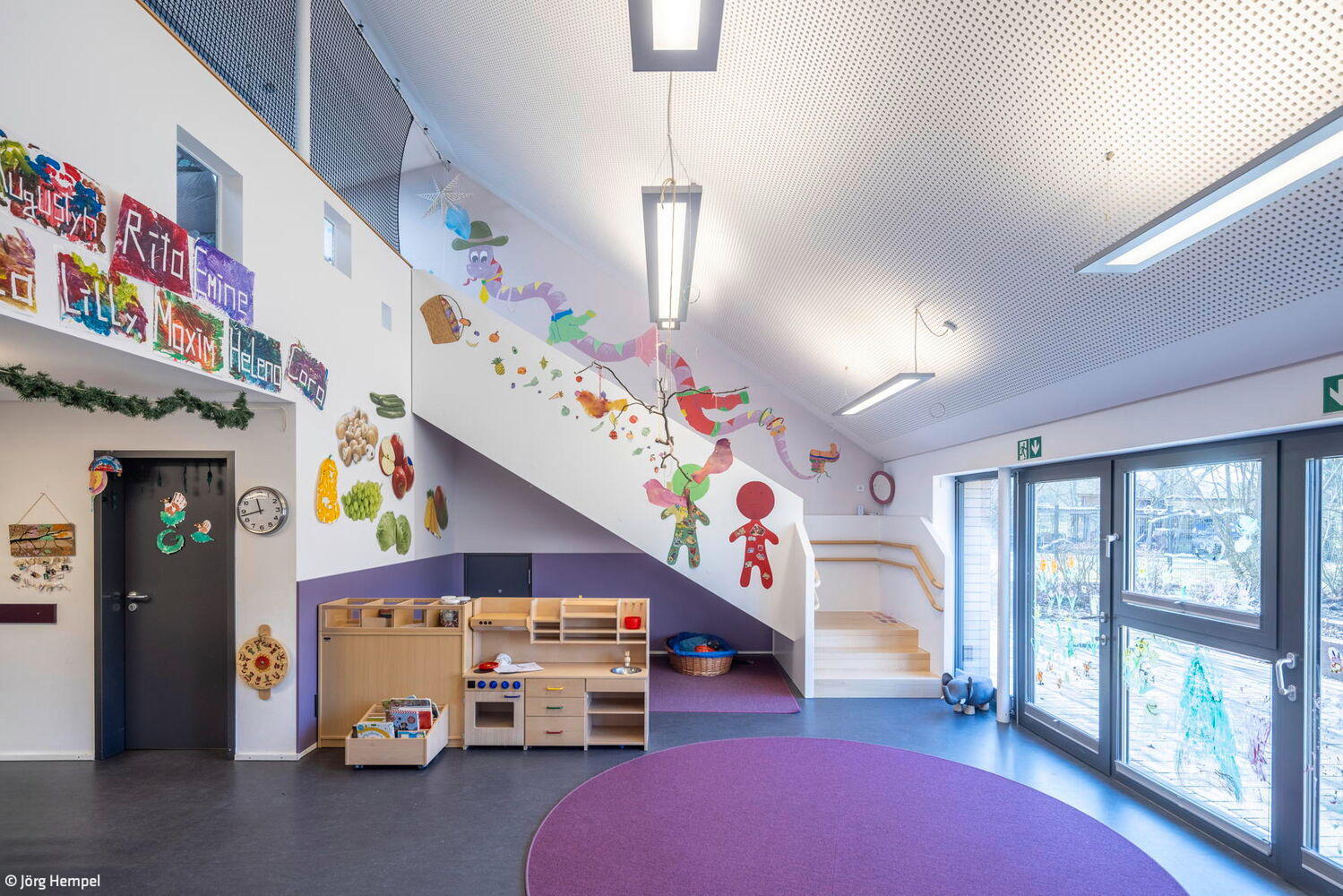
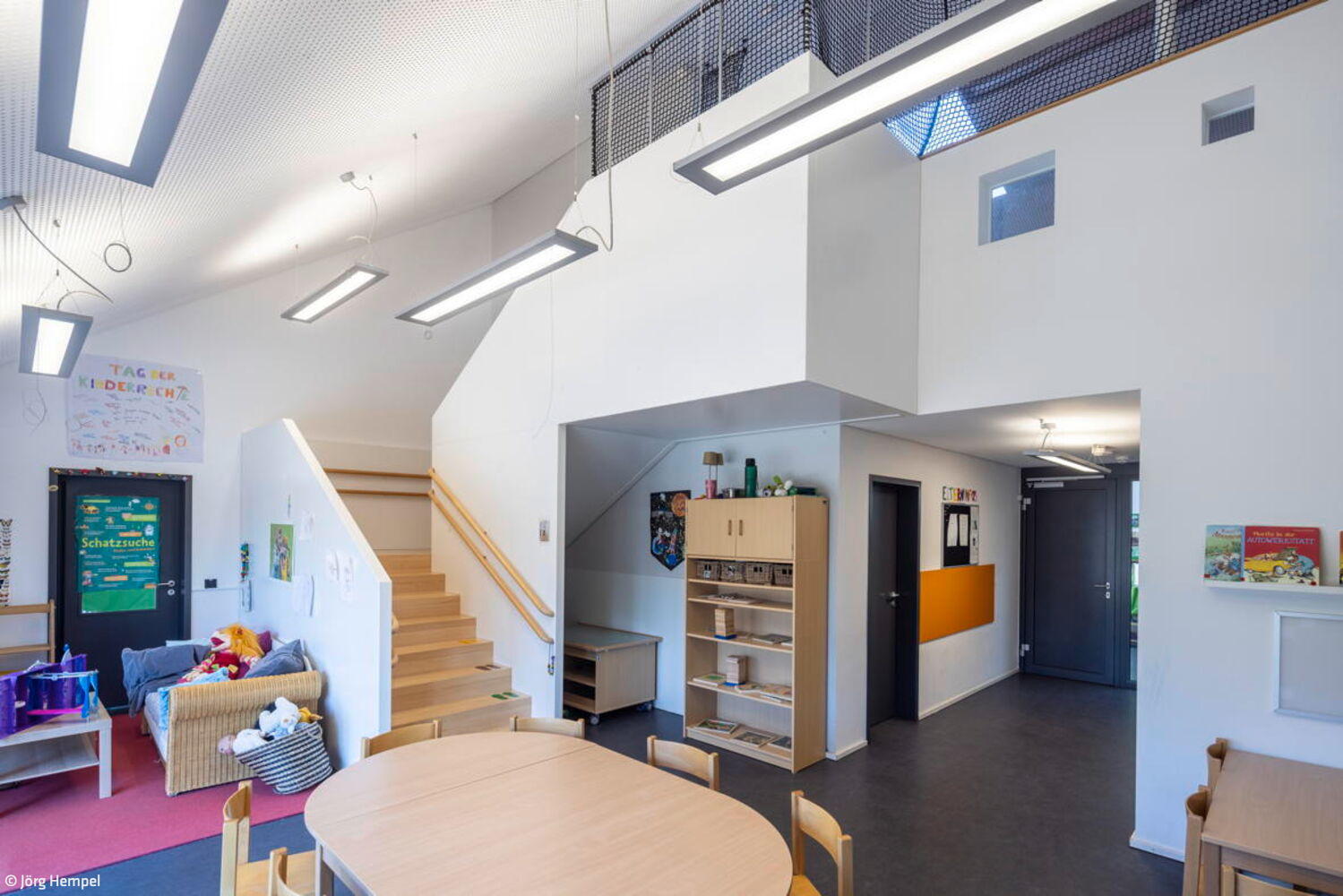
The vision was unambiguous: a three-stream daycare centre unified under a single roof—cohesive in function, design, and atmosphere. The municipal client sought far more than utilitarian architecture; they wanted a space for children that weaves together movement, belonging, and freedom. "Indifferent geometries in romanticised disorder" was among the more intriguing directives—a framework that invited creative interpretation while demanding clear artistic intention. Completing this vision was the aspiration for a generously proportioned play corridor that transcends mere circulation: an open stage for encounter, play, and authentic childhood exploration.
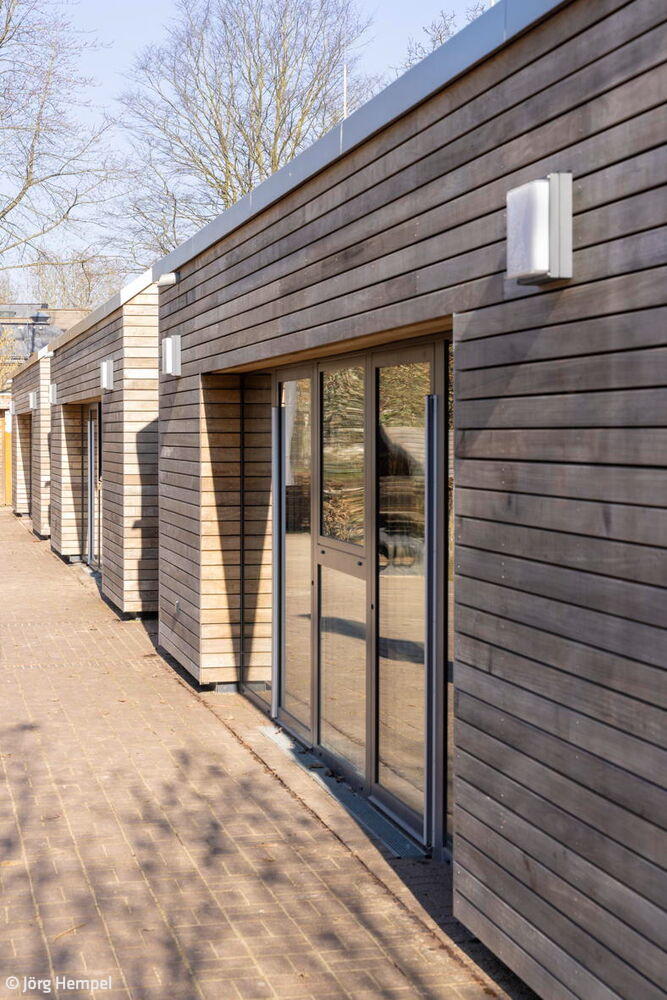
Friedberg architects Müller & Kölsch approached these requirements with a concept that places interior function at the heart of its design: rather than simply fitting group rooms into a predetermined form, they arranged them to become the building's very structure. These spaces express themselves through volume and roofscape—not as hidden elements, but as defining gestures. This integration of function and form fundamentally shapes the entire design. The central play corridor transcends its role as a mere circulation path. It serves as the living spine of the facility. Suffused with natural light from expansive skylights, it transforms into a vibrant stage for daily life—a play street that extends the group rooms beyond their walls. The group and support spaces—offices, kitchen, and more—radiate from this functionally essential spine. Single-story requirements initially seemed restrictive, but sparked an elegant solution: sleeping galleries nestled within the gable roof, a clever adaptation that turns constraint into character. A two-story structure might have offered greater flexibility, but this limitation reimagines the roof as a sanctuary for rest above the animated activity below. Photovoltaic panels, requested by the client, find their natural home on the pitched roof. Sited within a river floodplain, the architects selected solid mass construction wrapped in a wooden façade—a material choice that embodies the project's core values: connection to nature, warmth, and sustainability. The wooden façade is far more than a protective shell; it acts as an atmospheric filter, infusing the building with a welcoming presence.
Photography:
Jörg Hempel
www.joerg-hempel.com
(Featured in CUBE Frankfurt 02|25)

Built for the Future
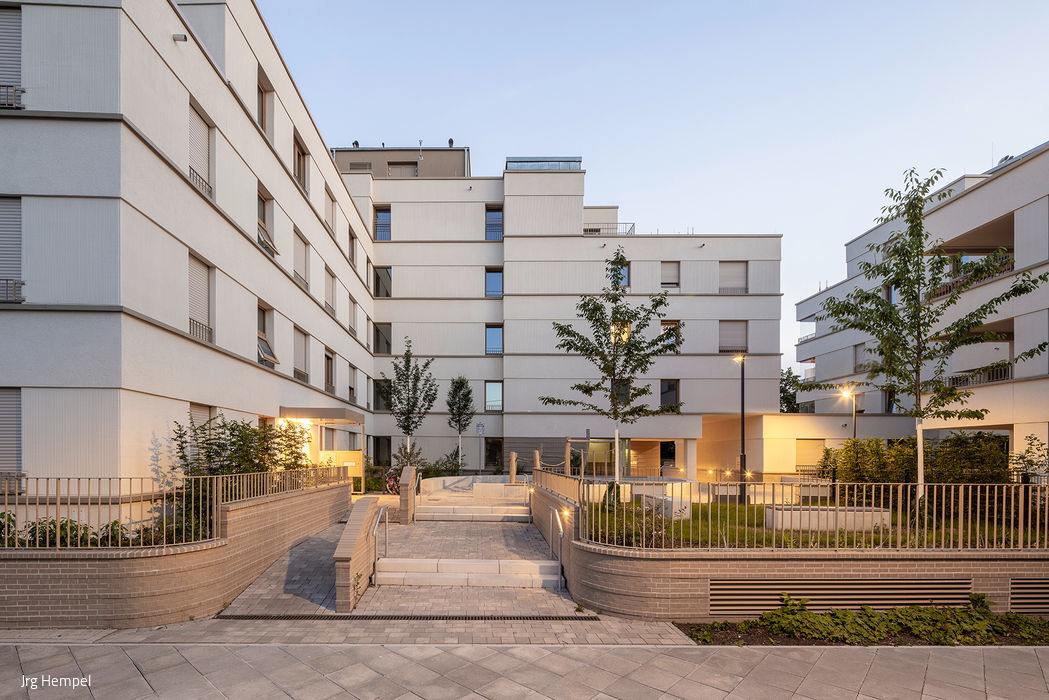
New School Building: Designing Spaces for Learning, Connection, and Growth
Clean Design Concept
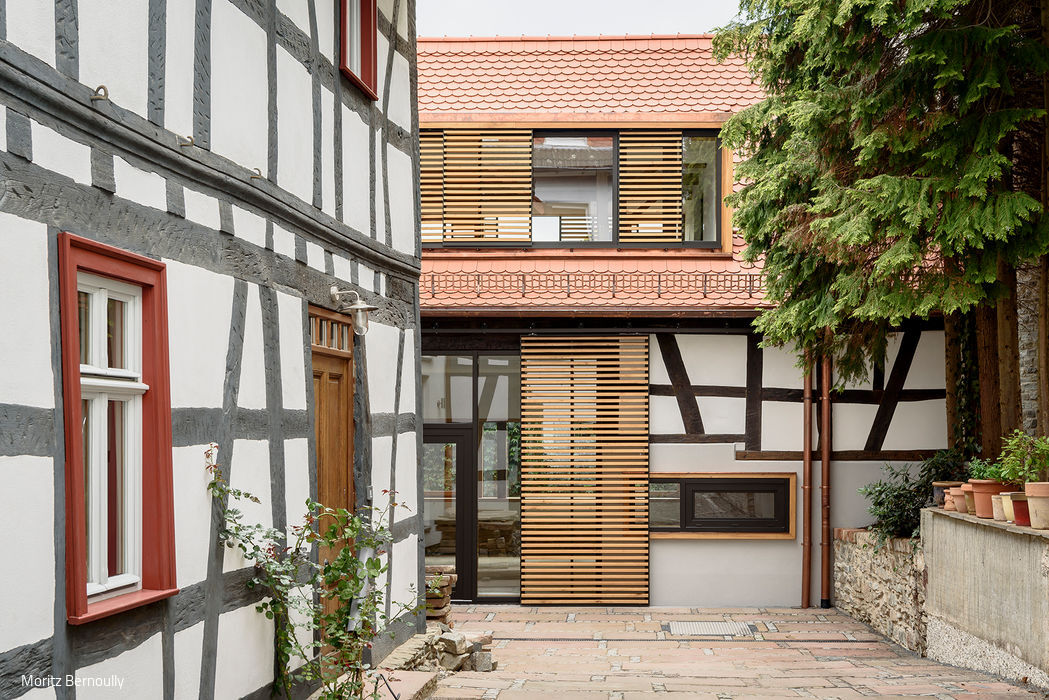
Respecting Heritage, Shaping the Future: A Conservation Project in Königstein
Understated & Self-Assured
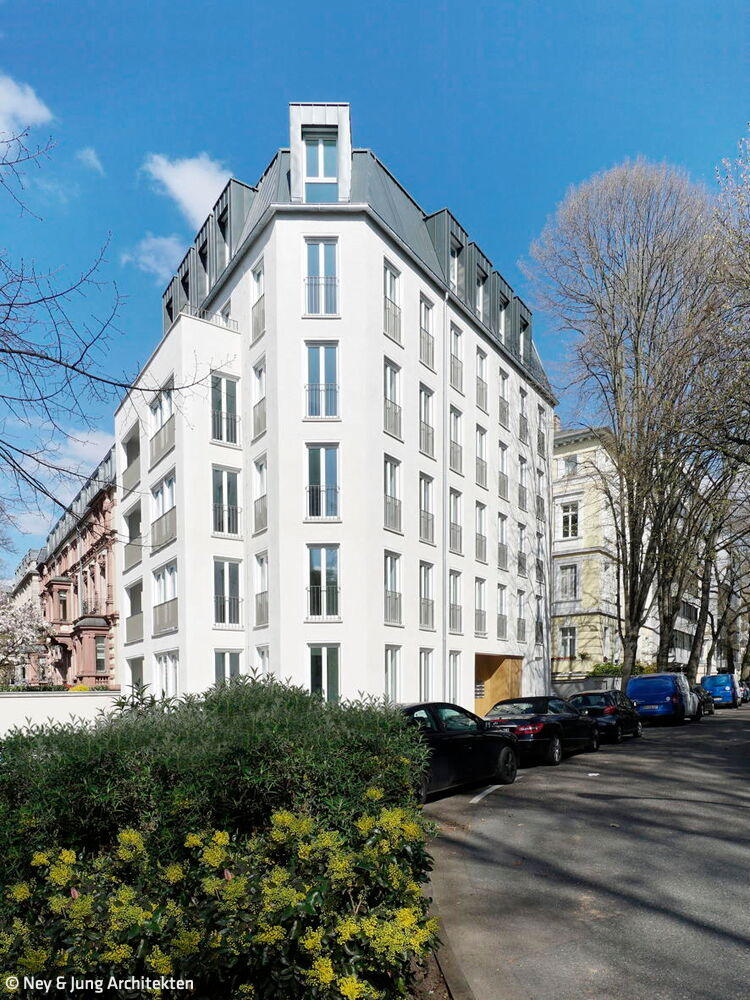
Eight apartments rise on the site of a former office tower.

Focus & Experience
Transforming Office Space into a Dynamic Workplace & Social Hub