


Bungalow 2.0
A modern detached house impresses with its sustainable timber construction
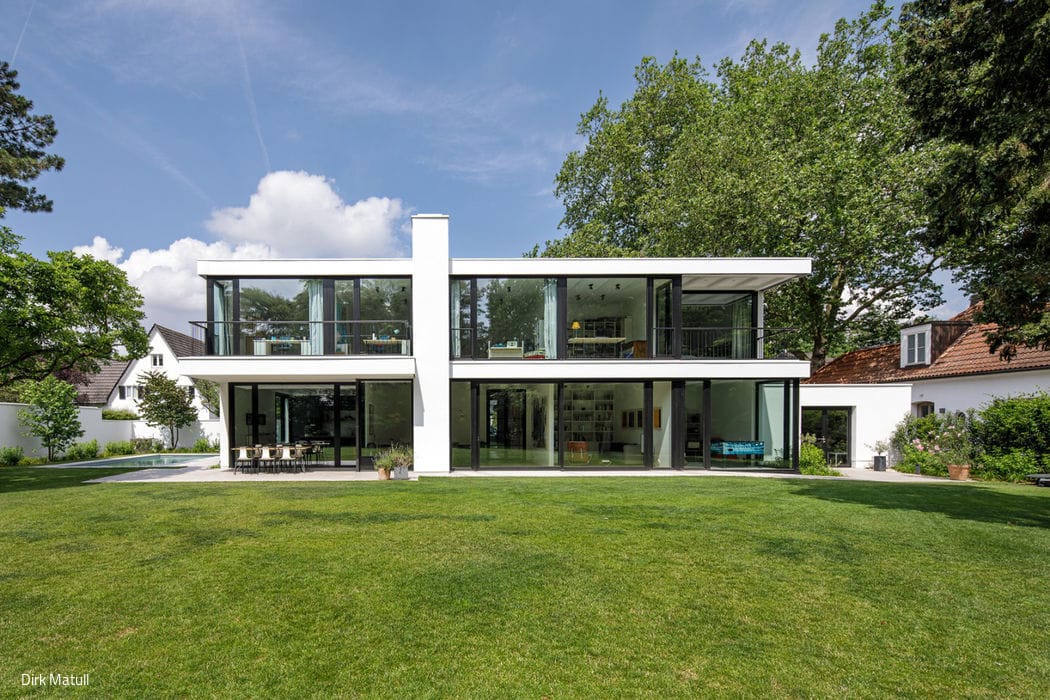
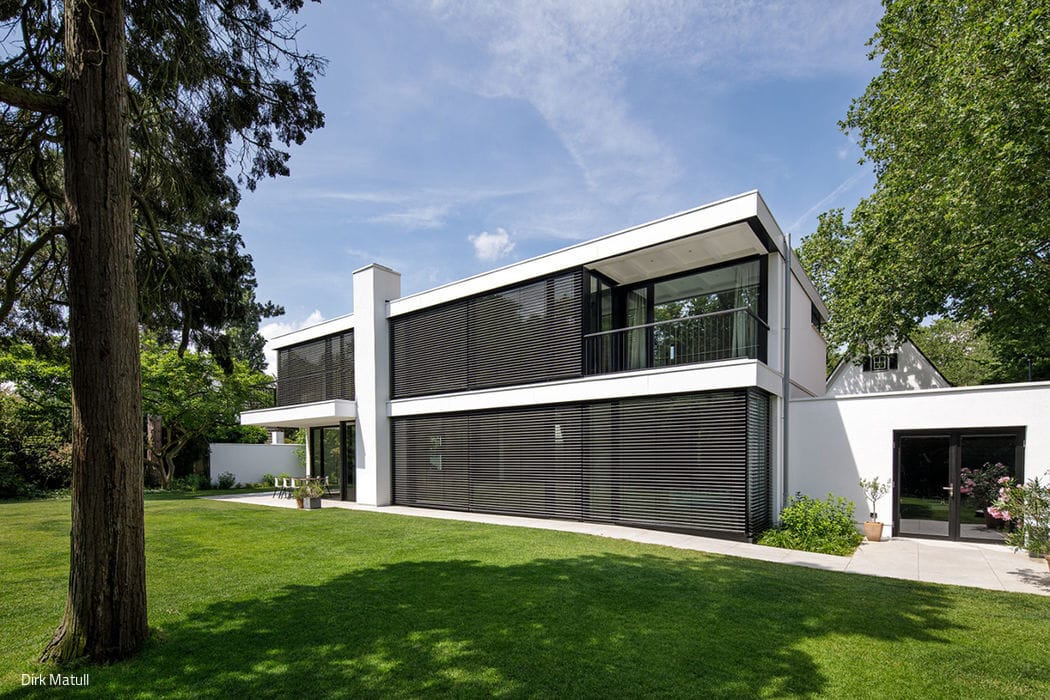
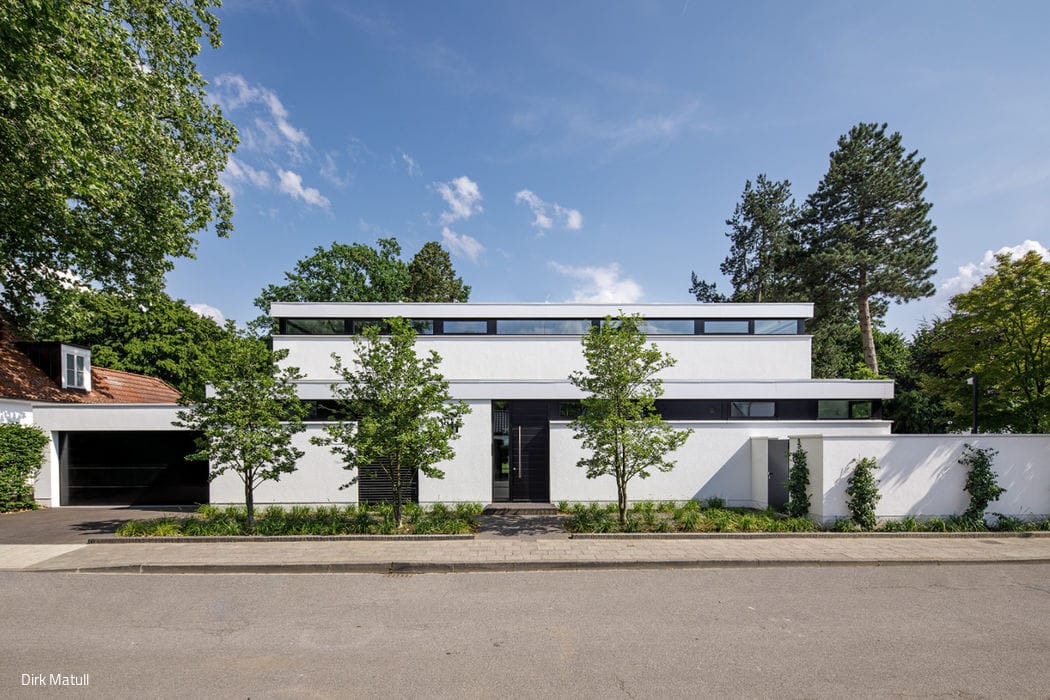
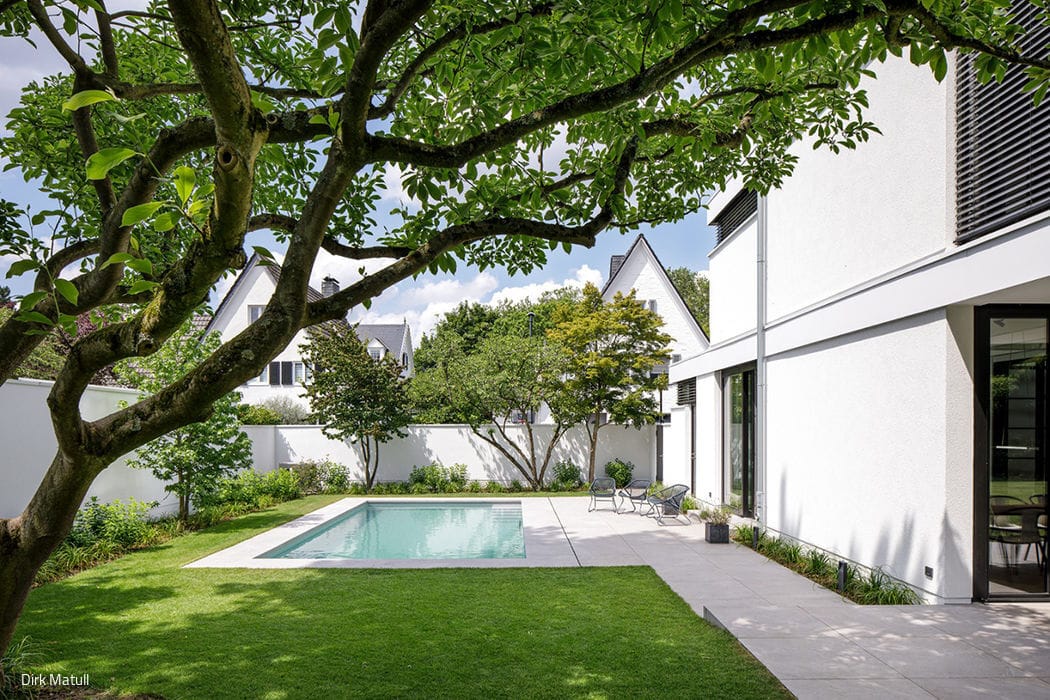
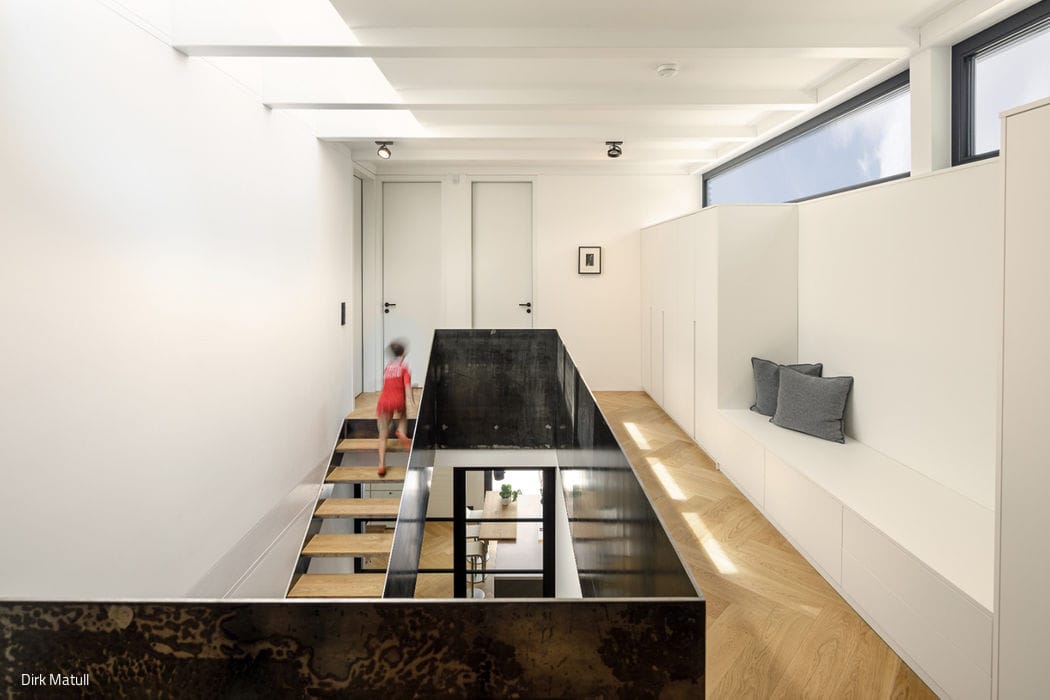
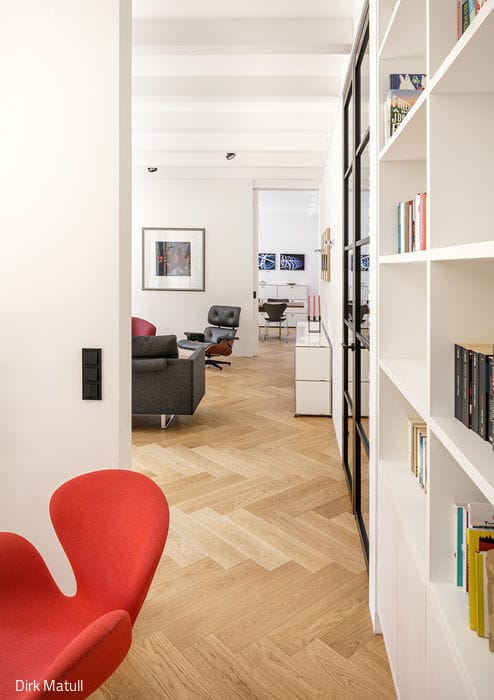
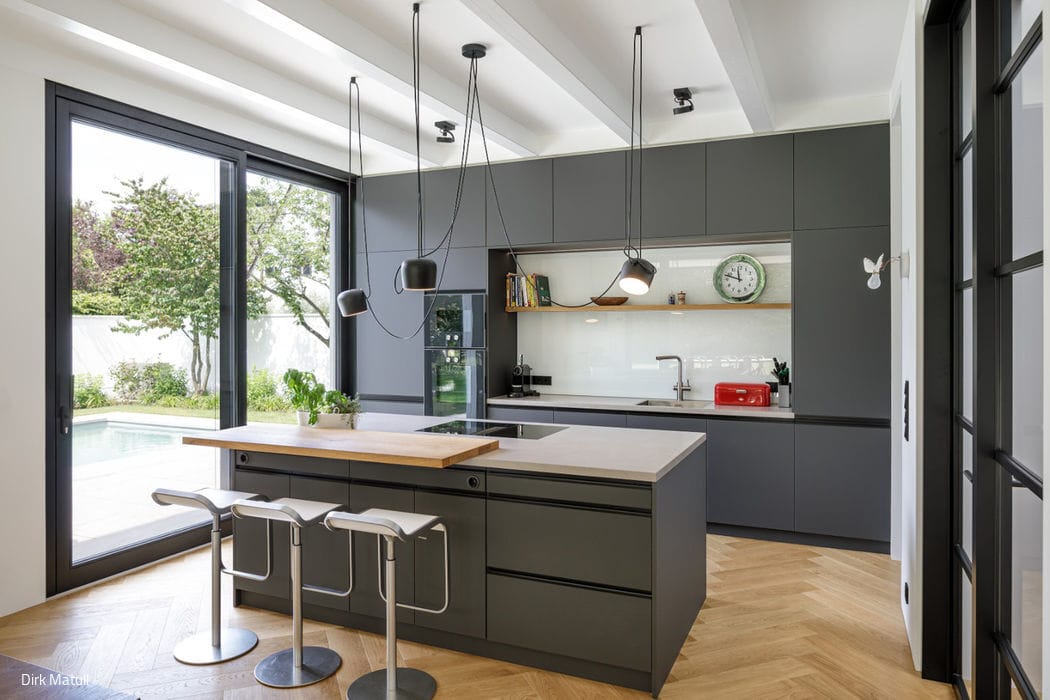
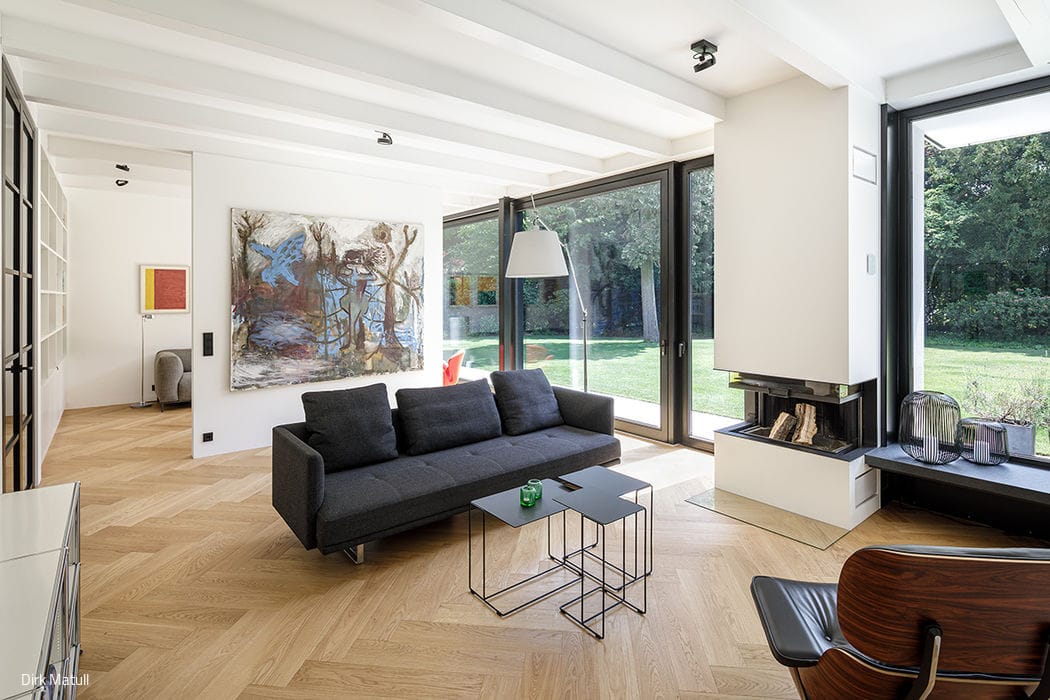
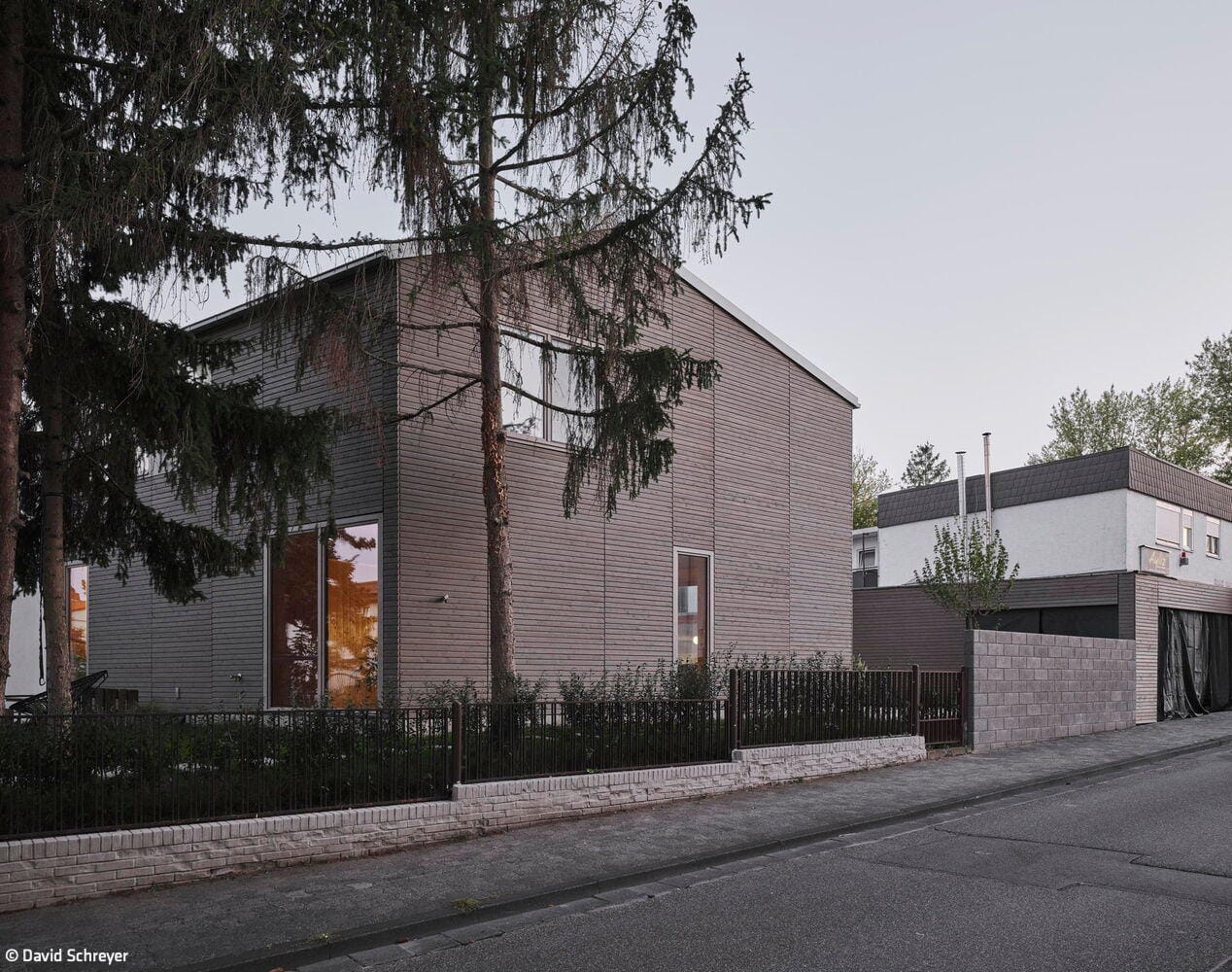
Around 100 years ago, architect Ludwig Mies van der Rohe established the construction principle of the detached bungalow – and the associated ideas of spatial freedom, variability and transparency. Architect Ben Dieckmann from Meerbusch took up these ideas: he used them as the basis for his design for a house for a young family with three children and reinterpreted them. Instead of steel and concrete, the building relies on wood as a renewable building material, which is only apparent at second glance. The starting point was a spacious plot of land with a dilapidated and oversized house. However, the garden featured beautiful trees that had to be preserved when the existing building was demolished. Urban planning regulations only allowed for a single-storey building with an attic on the plot. Accordingly, an elongated rectangular structure was erected, integrating the garage and property walls facing the street. The recessed penthouse above may not occupy more than two-thirds of the ground floor area. For this reason, the ground floor was enlarged by dispensing with a basement. Storage and technical rooms, which are traditionally located in the basement, were arranged on the ground floor facing the street in a single-storey section. The new building with green flat roofs was constructed entirely in a prefabricated timber frame construction with wood fibre insulation. The beam construction of the floor slabs has been left exposed throughout. This gives the rooms facing the garden a particular sense of direction and structure. A clear floor plan divides the house into distinct zones: the ancillary rooms on the ground floor facing the street to the north are lit by a strip of skylights, which also provide privacy. The other three sides feature living, cooking and dining areas, which provide plenty of daylight and views of the garden thanks to floor-to-ceiling glazing. External sun protection and a cantilevered canopy over the outdoor seating area protect against overheating. Both the white plastered exterior façade and the wooden interior walls and ceilings are monochrome in a shade of white. This is combined with light herringbone parquet flooring, which extends throughout all living and sleeping areas. A staircase with thin raw steel stringers adds a sculptural accent. In terms of energy efficiency, the bungalow meets the KfW55 energy standard. This is achieved through the high level of insulation resulting from the construction, controlled living space ventilation and the use of a geothermal heat pump. The latter is also used to cool the building in summer. The flat roof is extensively greened and has been fitted with a PV system with storage.
Photography Credits:
Dirk Matull
www.dirkmatull.de
(Published in CUBE Düsseldorf 04|23)

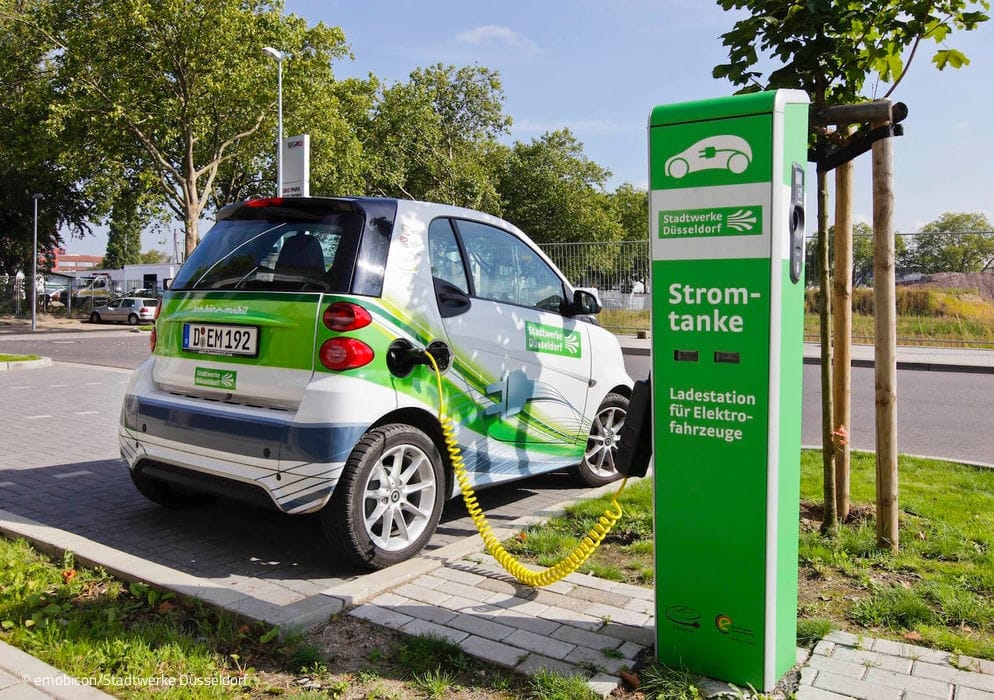
The dynamics of electric mobility
Private Adoption: The Growing Engine of EV Growth
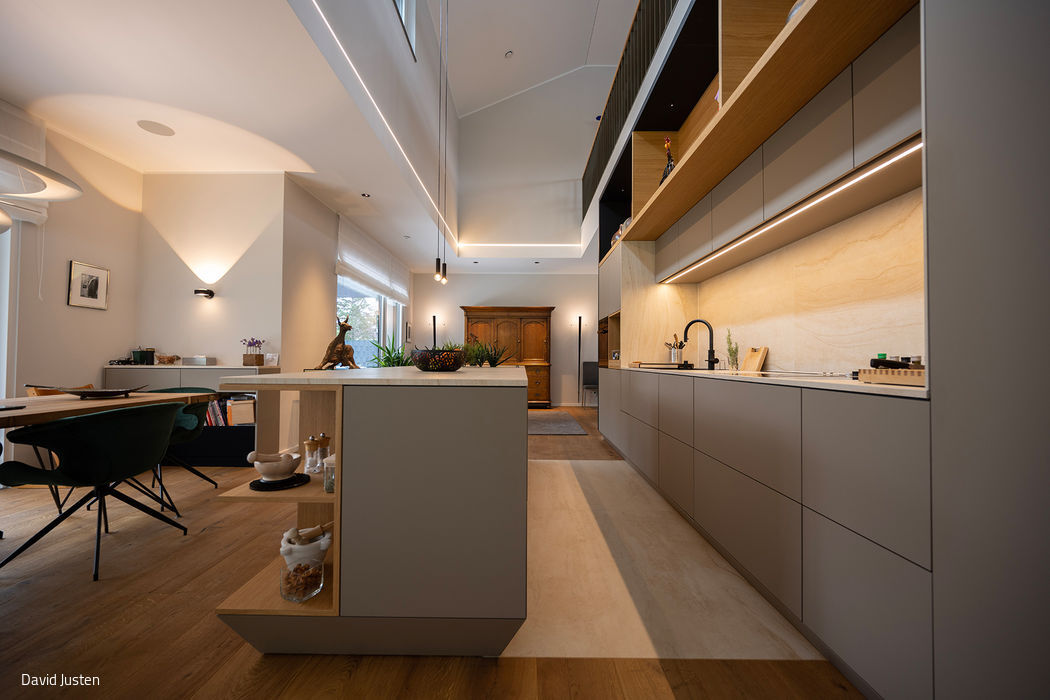
Smart, Warm, and Industrial
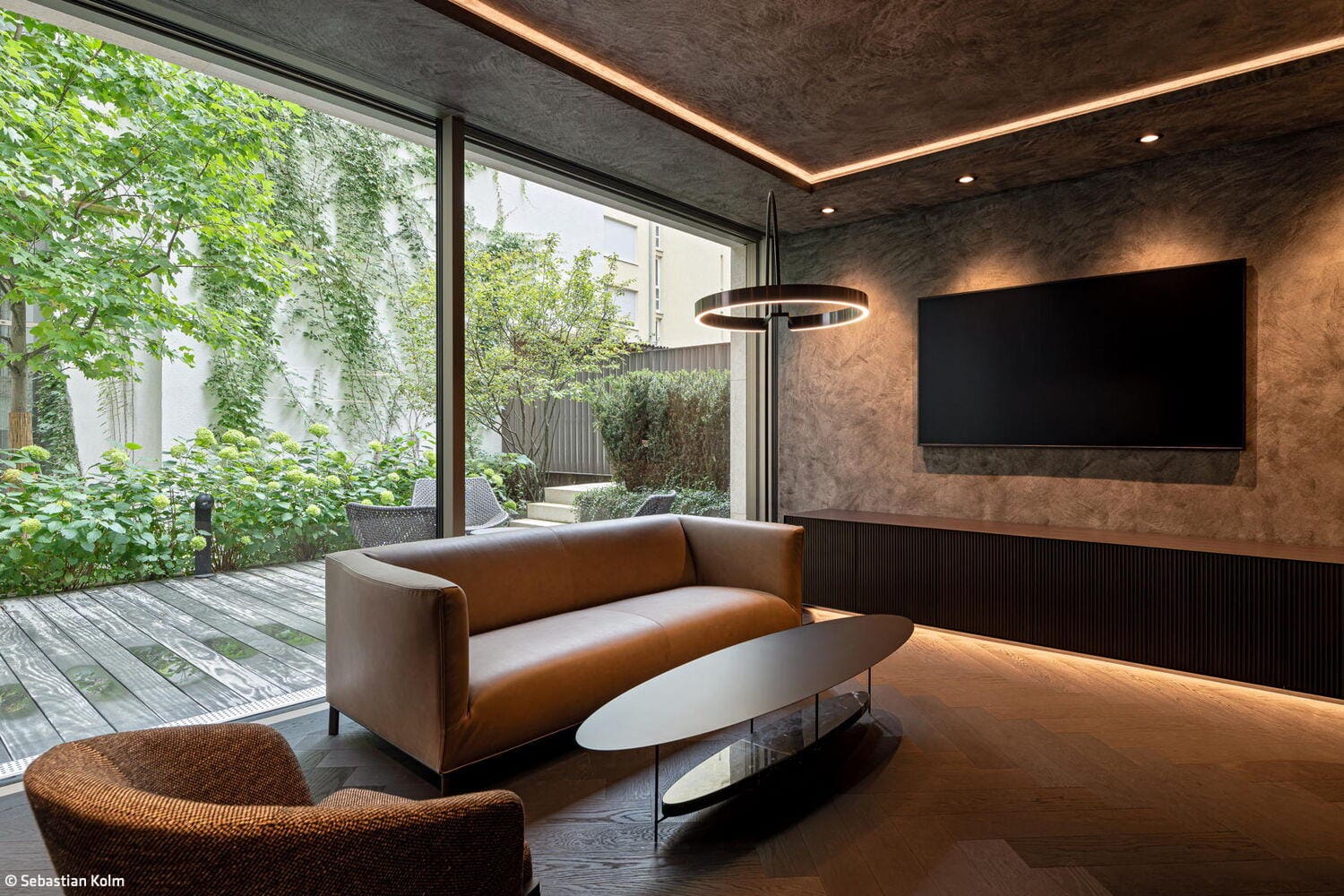
A single-family home that merges meticulous interior design with cutting-edge building systems.
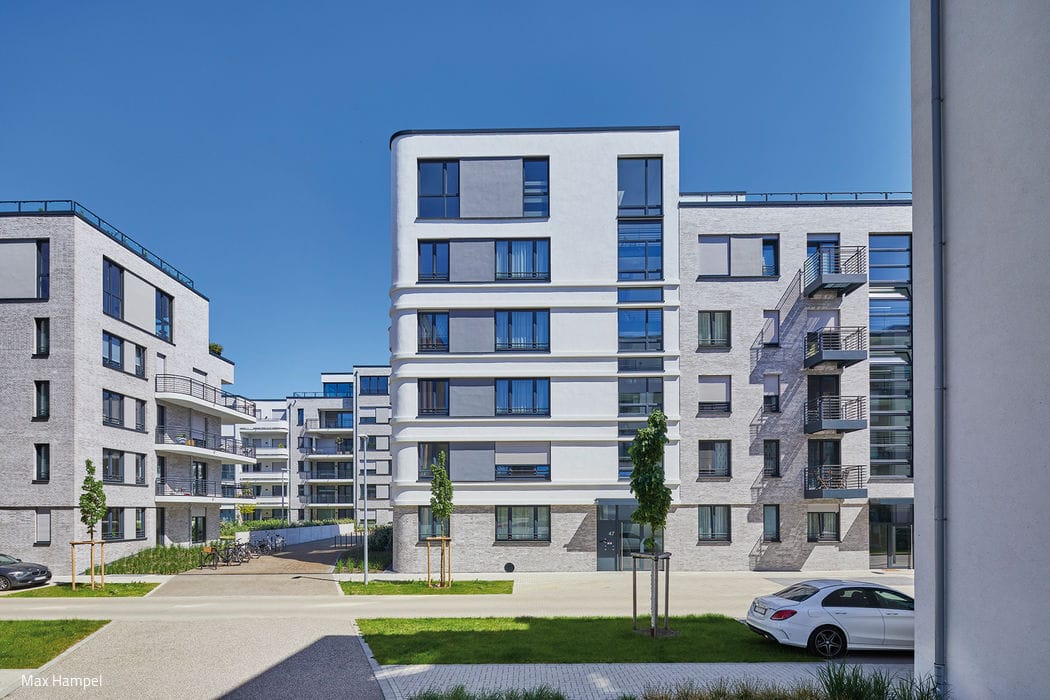
Grafental Meets White City
The result is a richly textured urban fabric—one where each building possesses its own distinctive presence.
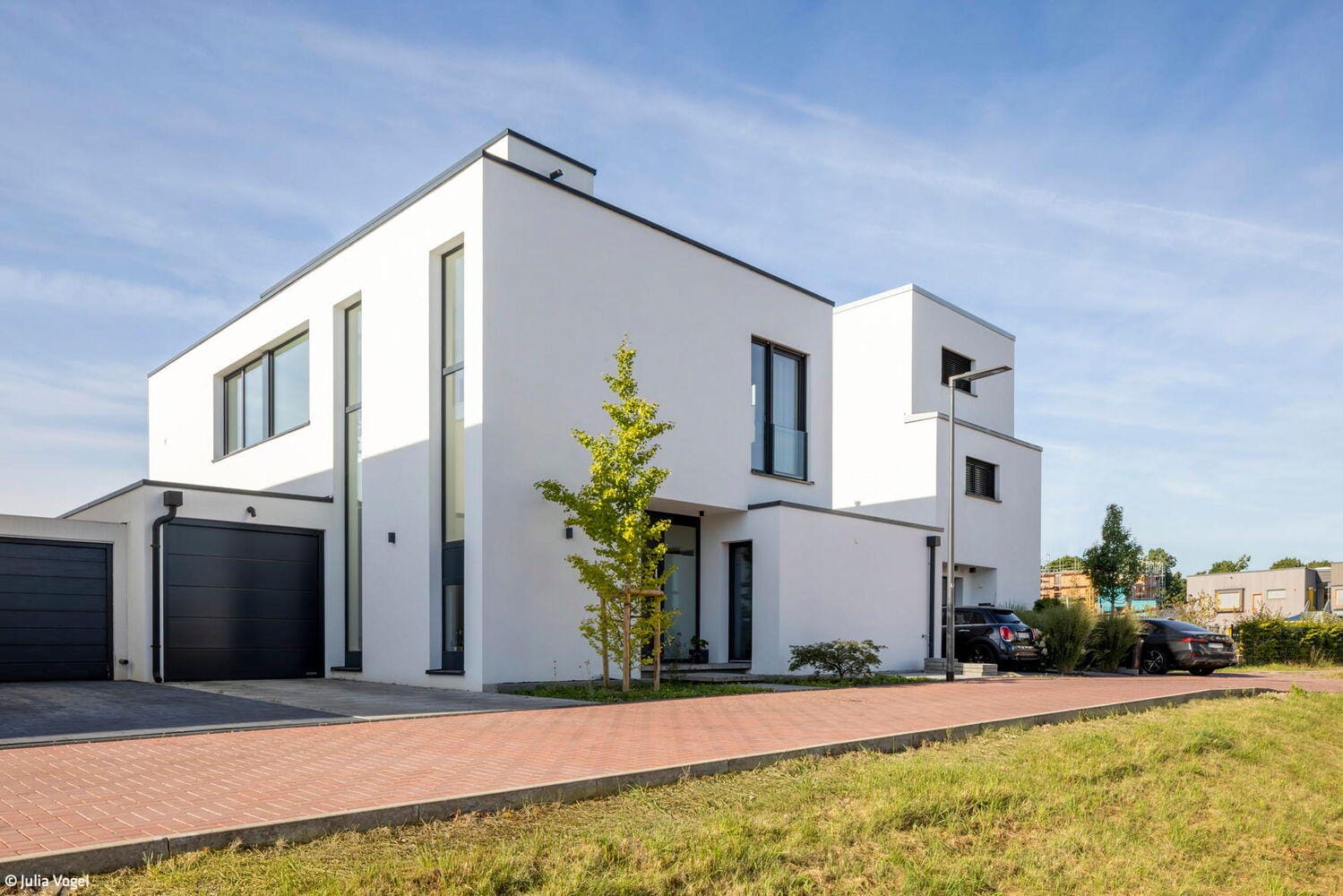
Seamlessly flowing into the garden
A detached house that captivates with its generously proportioned living spaces.