


Building Code amendment: there's more to it than meets the eye
On July 30th of this year, the Federal Ministry of Construction released its draft amendment to the Building Code—officially titled the Act to Strengthen Integrated Urban Development—for consultation with the federal states and associations.
If the current timeline holds, Parliament is expected to pass the amendment by year's end. Federal Minister Klara Geywitz has emphasized that the goal is to make planning, permitting, and construction significantly less bureaucratic. To that end, the legislation proposes a range of measures: streamlining the expansion of existing buildings, increasing density within neighborhoods, expediting approval procedures, and strengthening climate adaptation requirements.
Yet the legislators have also attended to some finer details—and even introduced entirely new provisions. Take, for instance, the somewhat tongue-in-cheek addition of a dedicated category for "music clubs" in the Building Use Ordinance. Beyond the wordplay, this represents a genuine commitment to music culture. Music clubs will now have their own classification as special-use areas under the ordinance. As the Federal Ministry's press release explains, this reflects the recognition that music clubs serve as vital cultural anchors and community gathering spaces.
This legislative move shouldn't come as a shock. The coalition agreement already highlighted the cultural importance of clubs and live music venues, and cross-party efforts—including the parliamentary forum on club culture established in Berlin in May 2023—have been building momentum. The prominence given to music clubs is no mere footnote: the justification alone spans over six pages of the bill. Lawmakers argue that these venues are essential not just for the music industry, but as neighborhood anchors that draw foot traffic and spending power to local communities. Practically speaking, the new "music clubs" category means these establishments can now operate in mixed-use zones, urban centers, core commercial areas, special residential districts, village areas, and commercial zones.
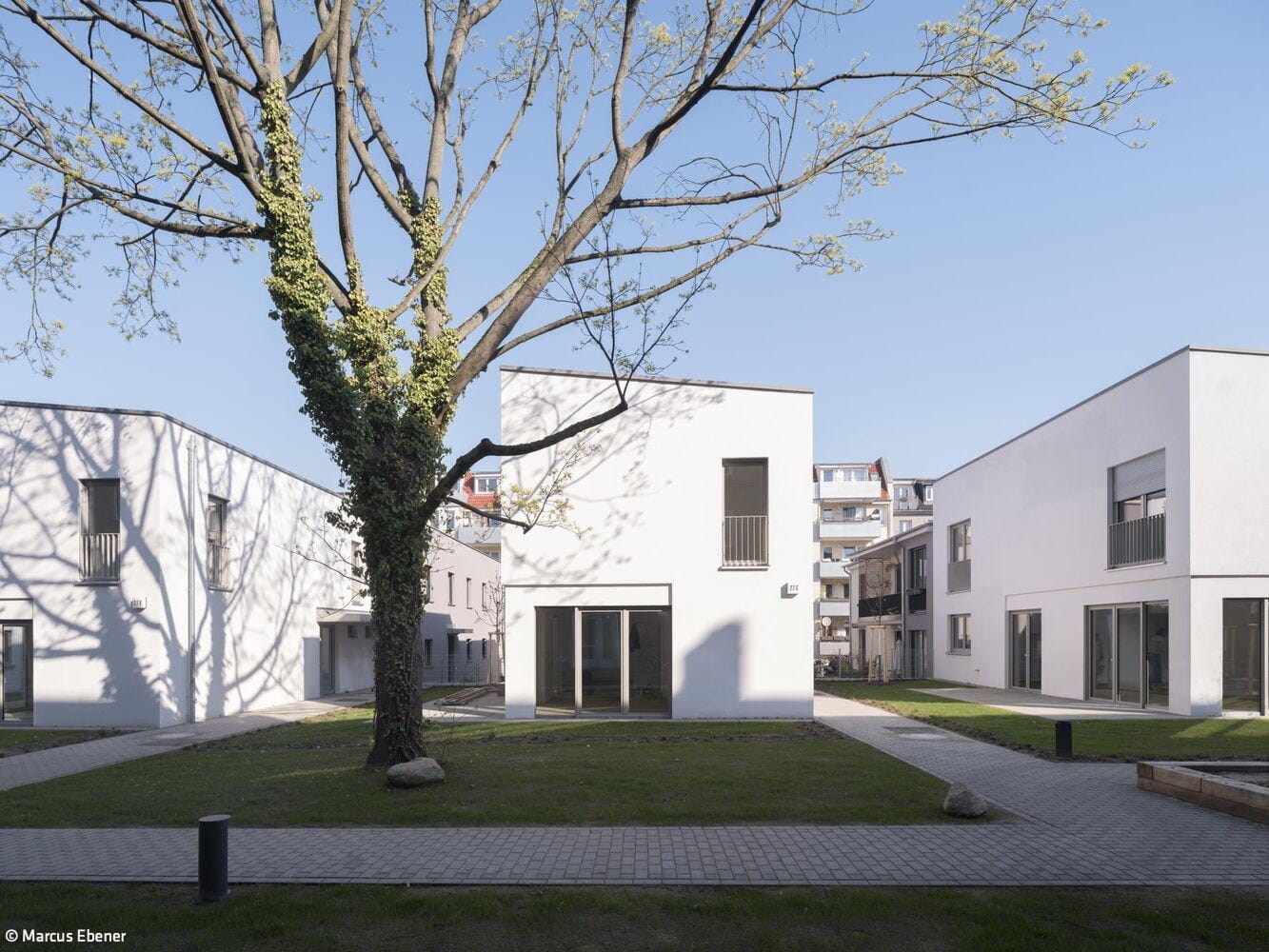

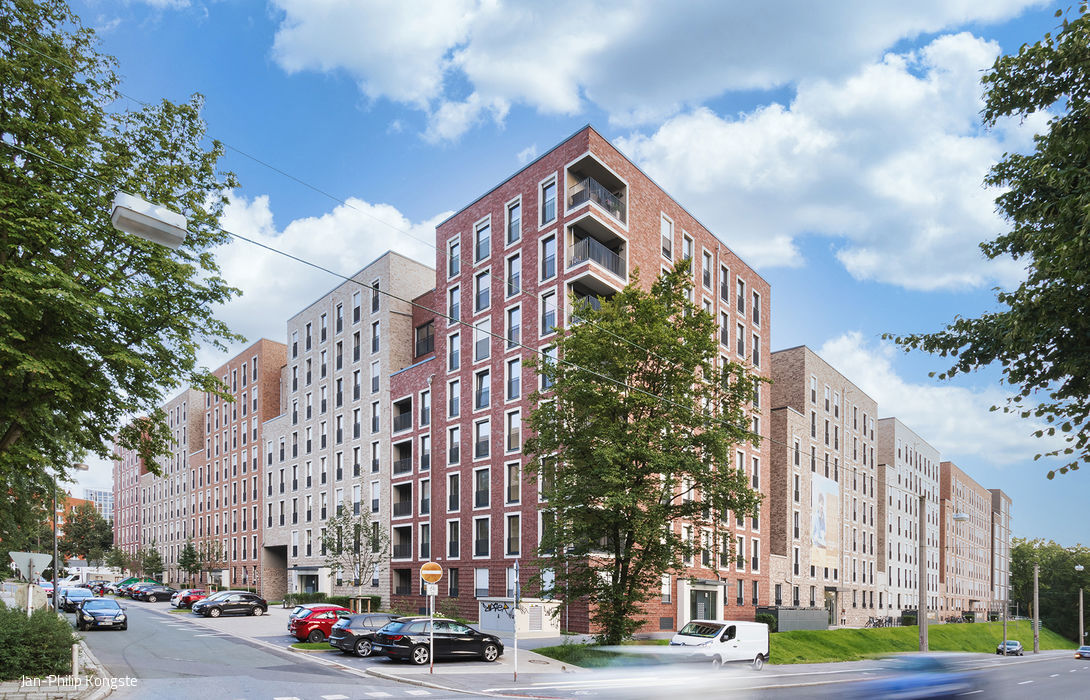
An ensemble with presence
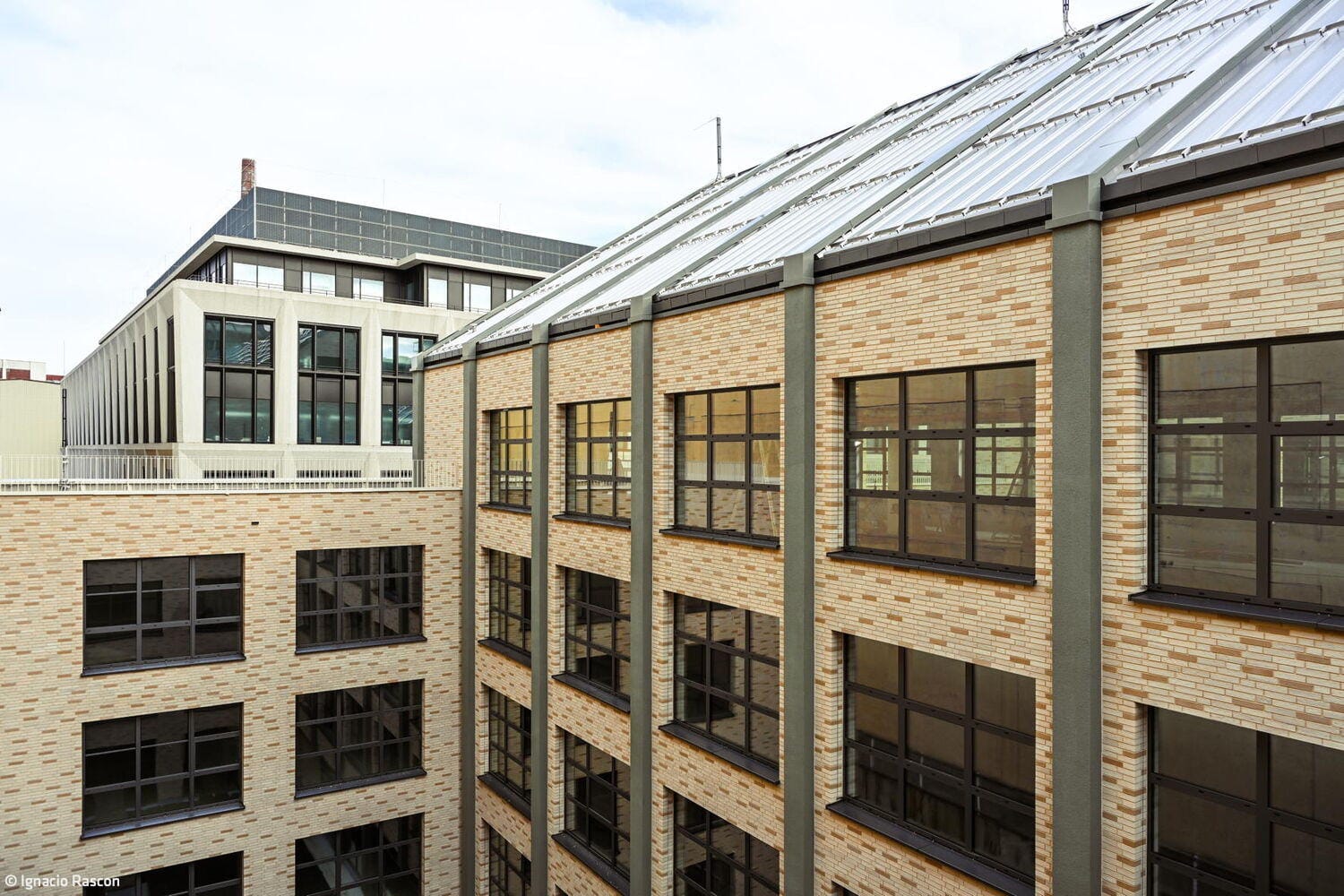
The Berswordt Quarter in Dortmund skilfully plays with clinker bricks and projections and recesses.
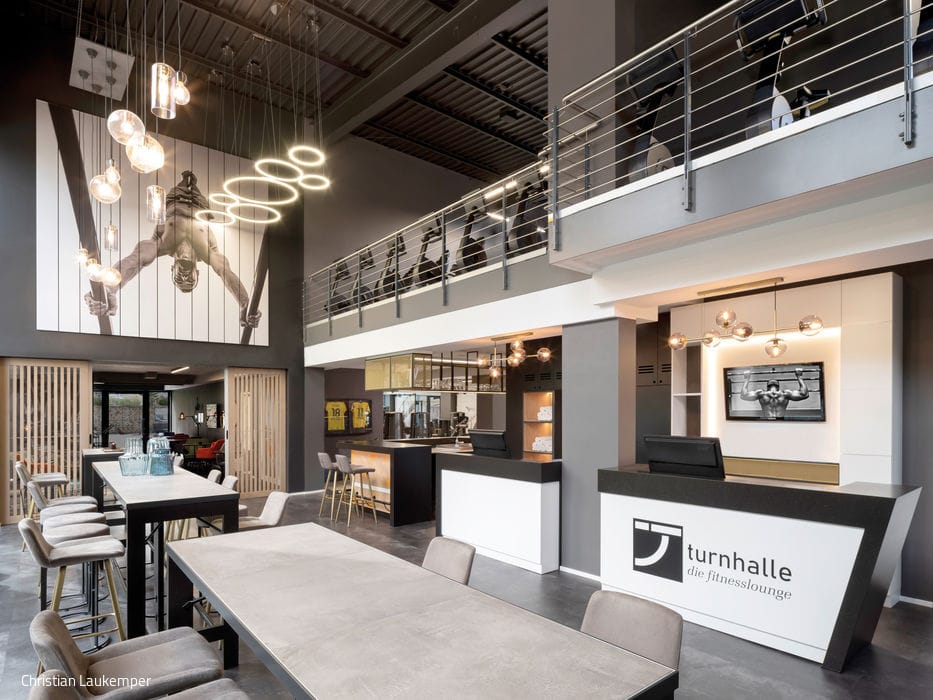
Ready for Wellness
Dortmund Fitness Lounge Reimagined as a Wellness and Performance Destination
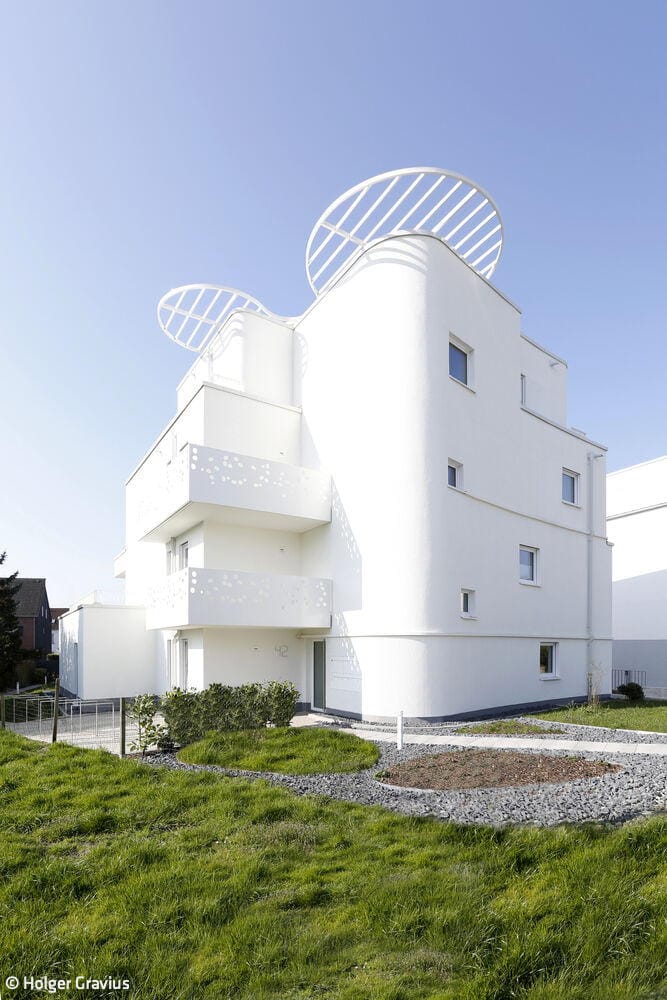
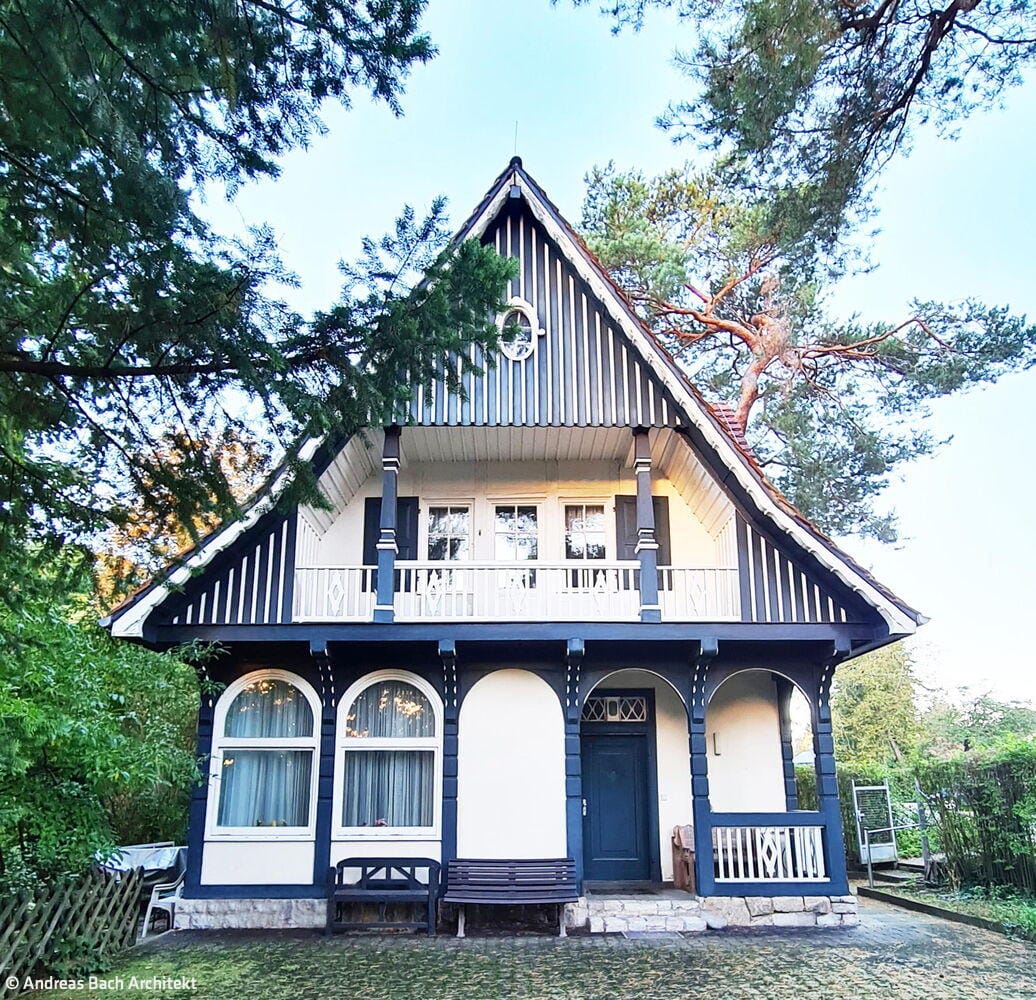
Geometry and Context
An Essen-Bedingrade apartment building that engages thoughtfully with its surroundings
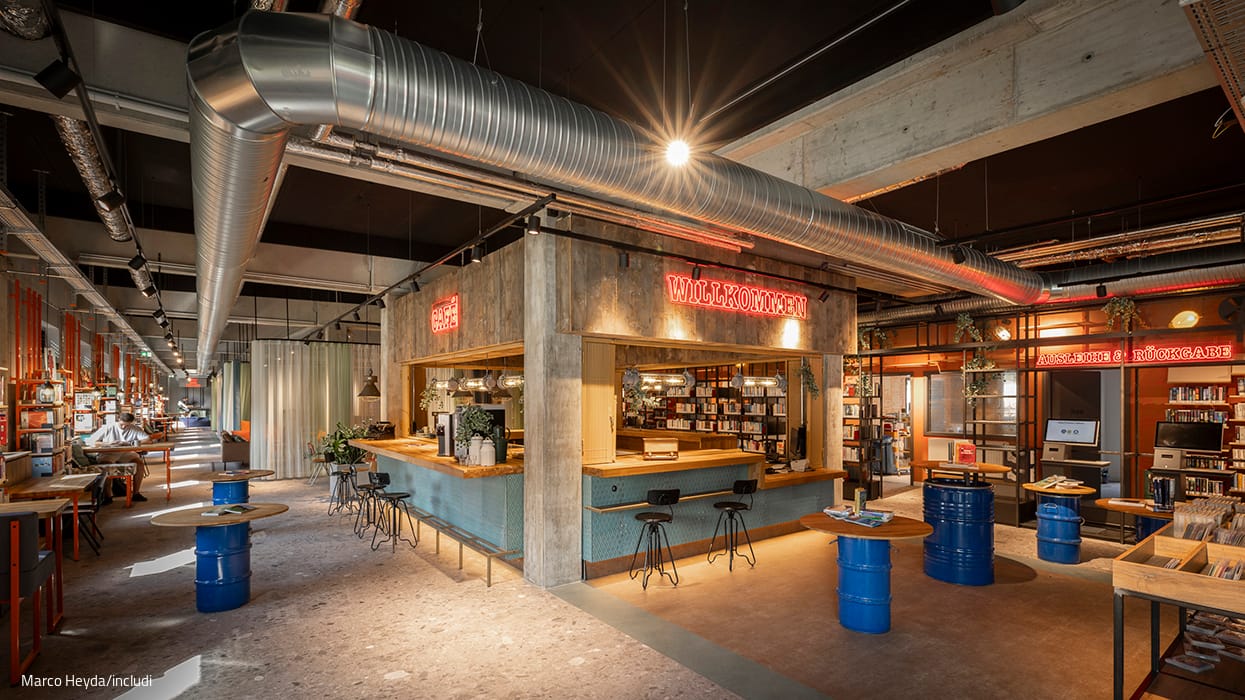
An invitation to read and explore
The Huttrop district library in Essen is a place of inspiration.