


Unlocking Potential
An attic conversion in Bilk demonstrates exceptional space and energy efficiency.
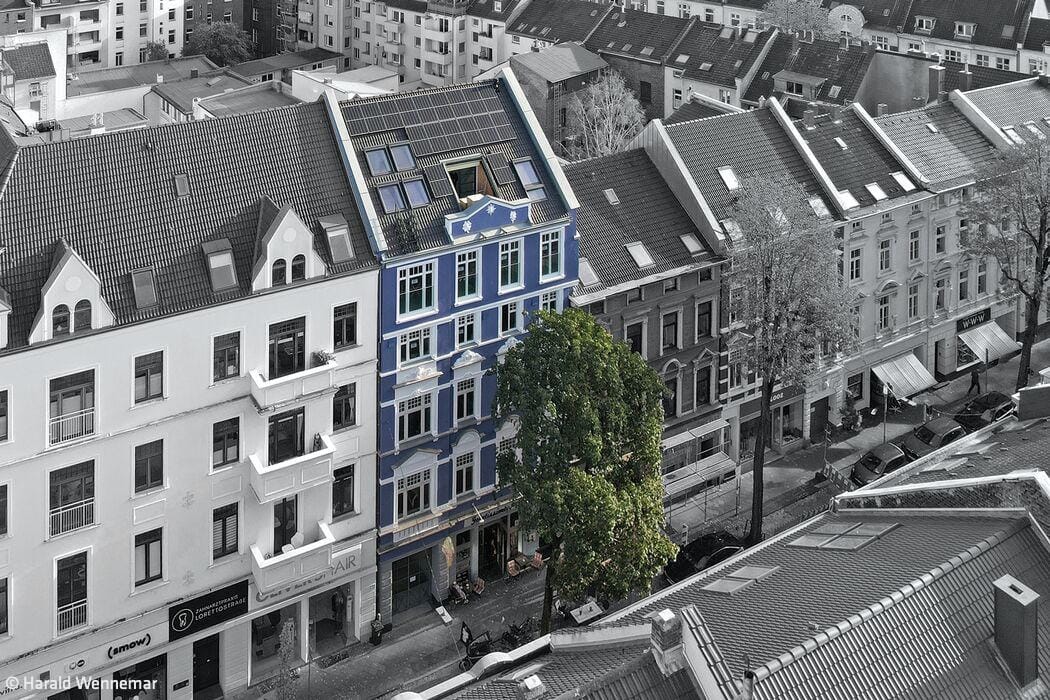
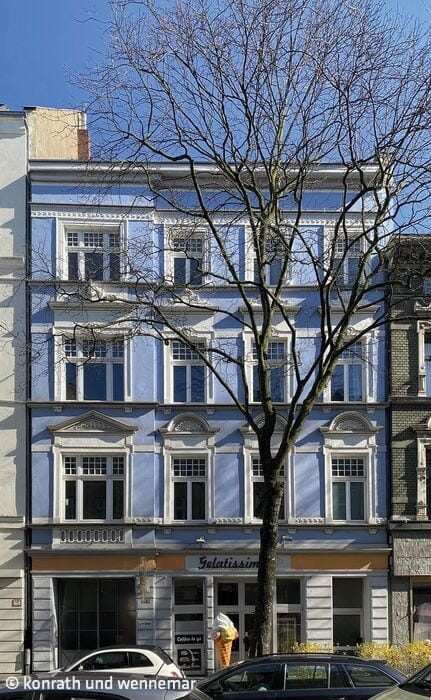
Cities face a housing shortage that fuels demand for large-scale residential developments. Yet the true cost—the vast tracts of land required and the infrastructure investments needed—often goes unexamined. Before more land is irreversibly consumed, we must do more to unlock and optimize the untapped potential within our existing city centers. The Düsseldorf-based architecture firm Konrath und Wennemar demonstrates this principle through a turn-of-the-century residential and commercial building in Bilk, showing how thoughtful vertical expansion can activate unused building height while meeting strict energy standards.
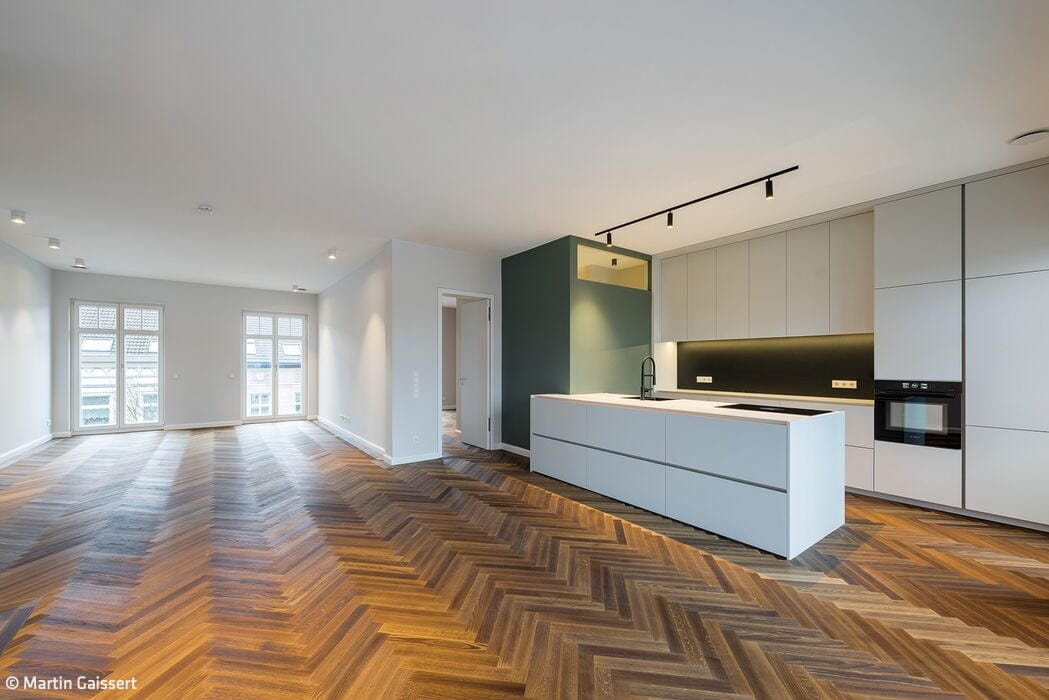
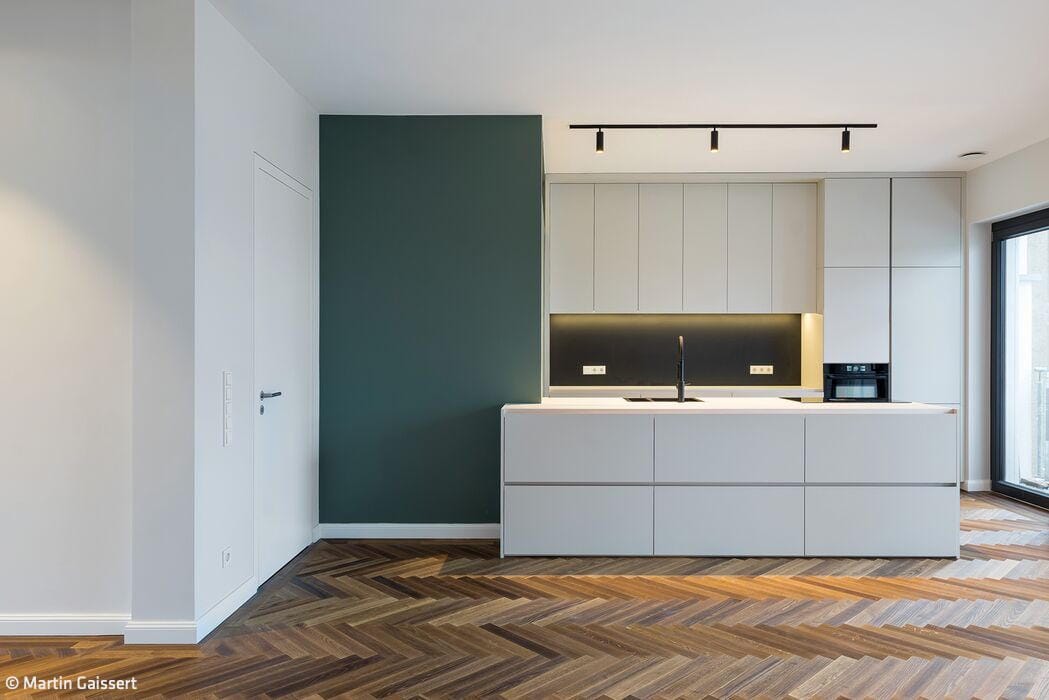
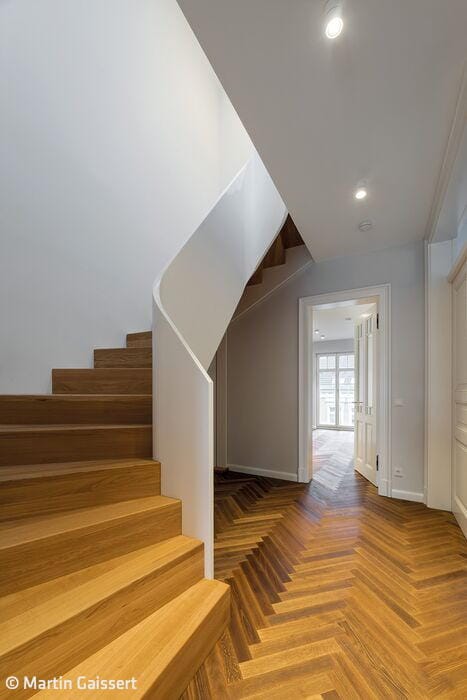
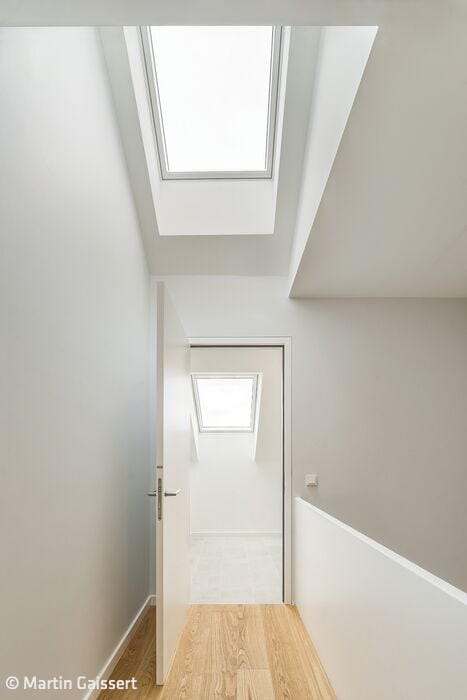
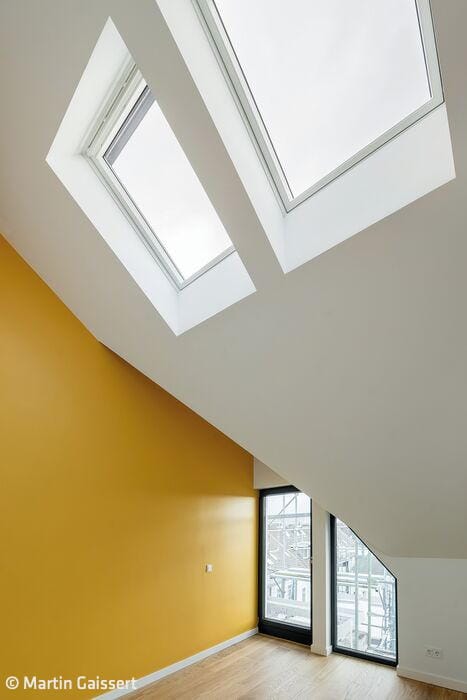
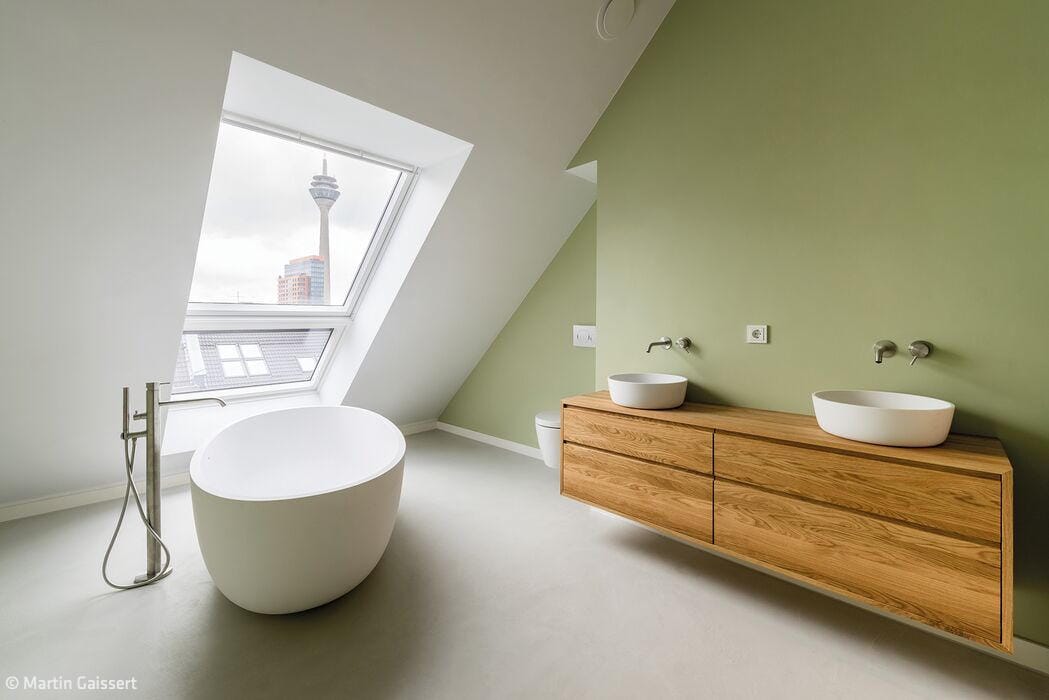
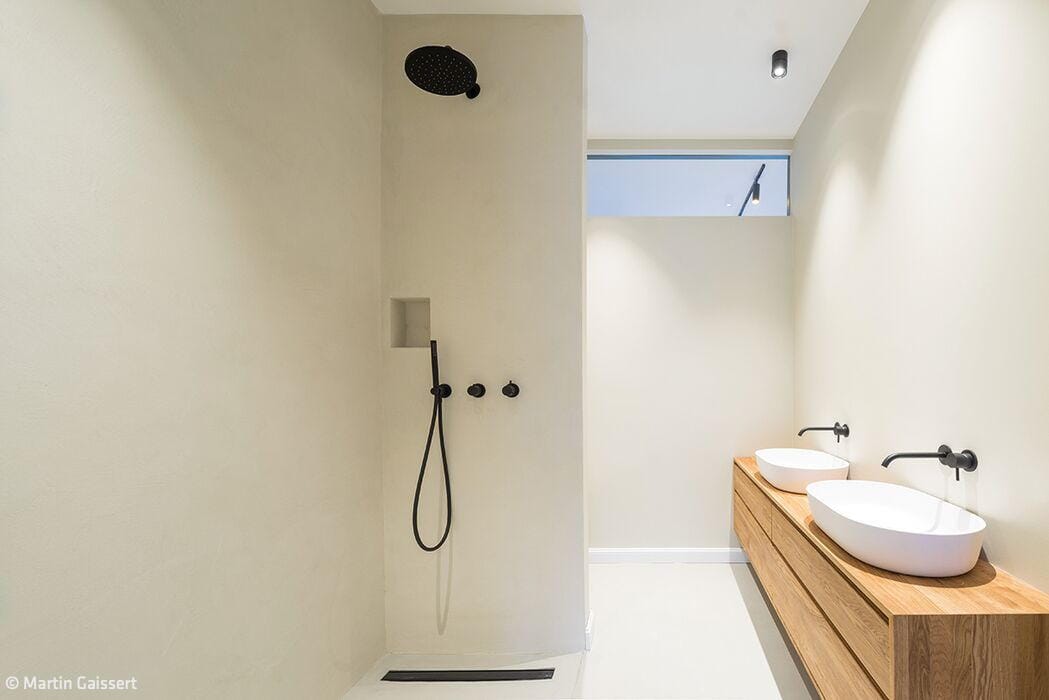
Built in 1897, this well-preserved residential and commercial building sits prominently on Lorettostraße. Originally comprising four full storeys topped with a low knee wall and pitched roof truss, the structure was expanded by adding another floor and installing an elevator to create a new 195 m² residential unit. This required completely removing the top floor slab and roof structure. Respecting the ridge height of adjacent buildings, the architects added a full storey at traditional old-building height, along with a two-level roof truss. The tight inner-city setting and minimal construction space necessitated a resourceful approach using cross-laminated timber (CLT) elements. True to the building's historic preservation mandate, the façade draws its design language from the original—windows, colour palette, and architectural details form a seamless dialogue with the existing structure. Thermal insulation meets KfW 55 efficiency standards, employing high-performance rock wool composite panels. The new residential unit connects via the existing stairwell; an elevator—integrated where a former floor bathroom stood—now serves the penthouse while providing accessibility throughout. The lower level flows seamlessly from street to courtyard, housing an open-plan living, cooking, and dining area with a courtyard-facing balcony, plus the master bedroom and home office. Above, the children's floor accommodates three bedrooms and a generously proportioned family bath with a freestanding tub. Skylights flood these spaces with daylight and sky views. A guest room enjoys a small roof terrace on the street side, framed by a decorative gable and offering views toward the nearby Rhine Tower. The second roof level—reserved entirely for storage and mechanical systems—sits directly beneath the ridge. Beyond expanded living space, this addition excels in energy performance: an air-source heat pump, photovoltaic arrays across both roof surfaces, and controlled mechanical ventilation make it a self-sufficient, sustainable home.
Photography:
Martin Gaissert
www.martingaissert.de
Harald Wennemar
konrath und wennemar
(Published in CUBE Düsseldorf 03|24)
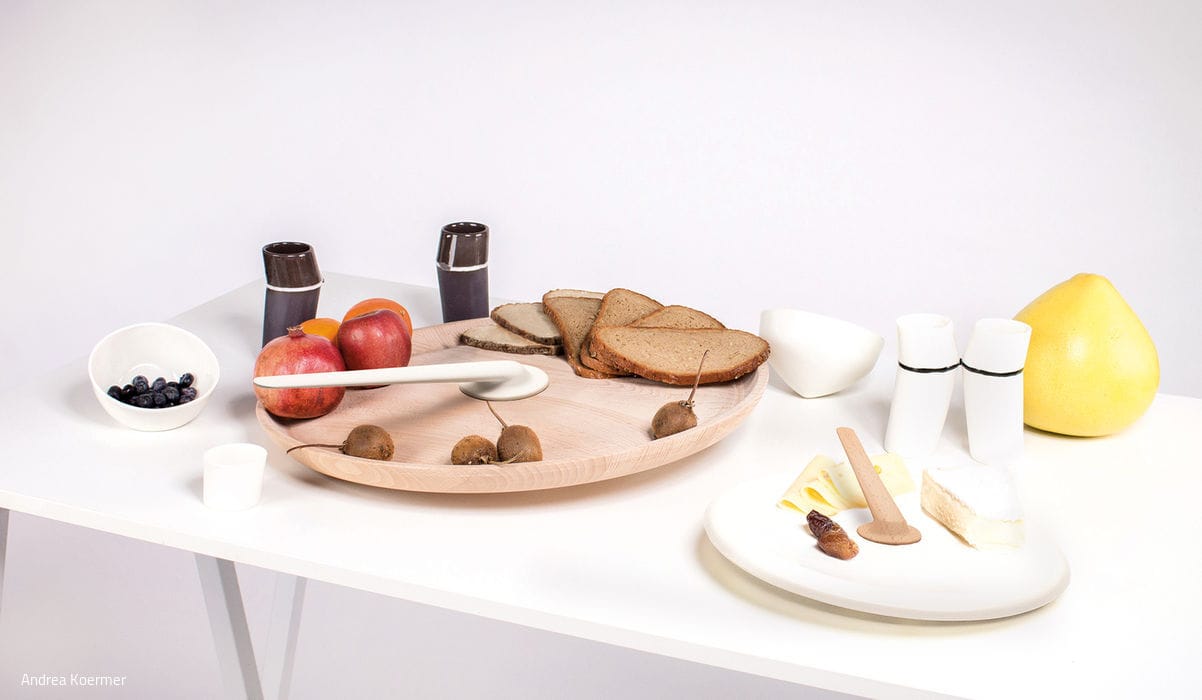
Timeless and Functional
Andrea Körmer's designs are rooted in a clear, purposeful formal language.
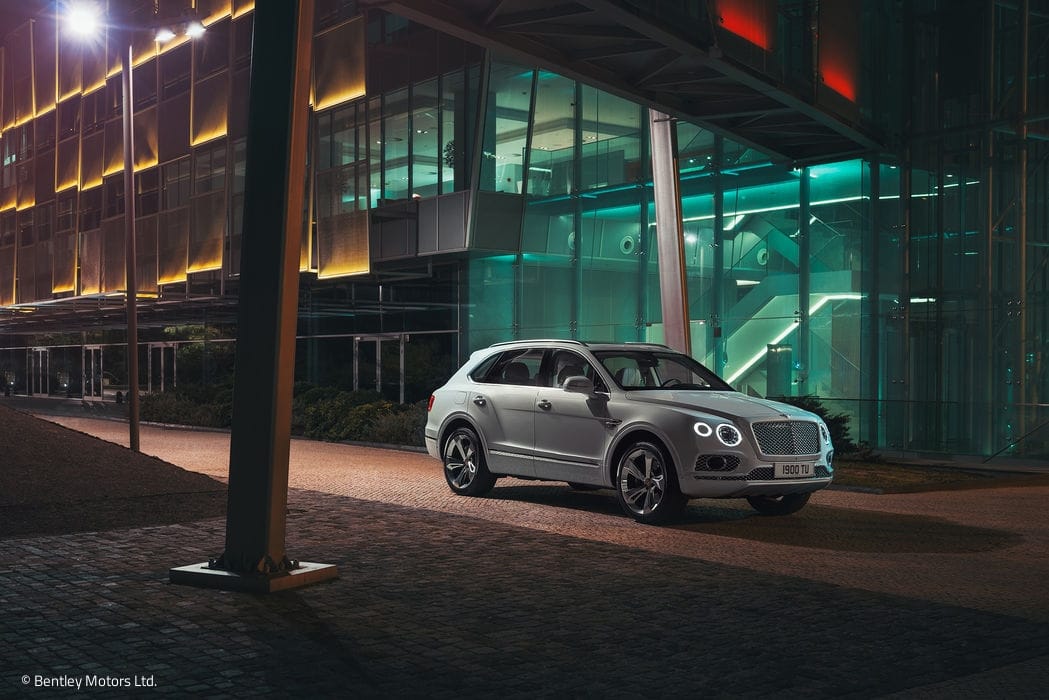
Welcome to the Future
With the EXP 100 GT and the Bentayga Hybrid, Bentley charts the course toward electric mobility.
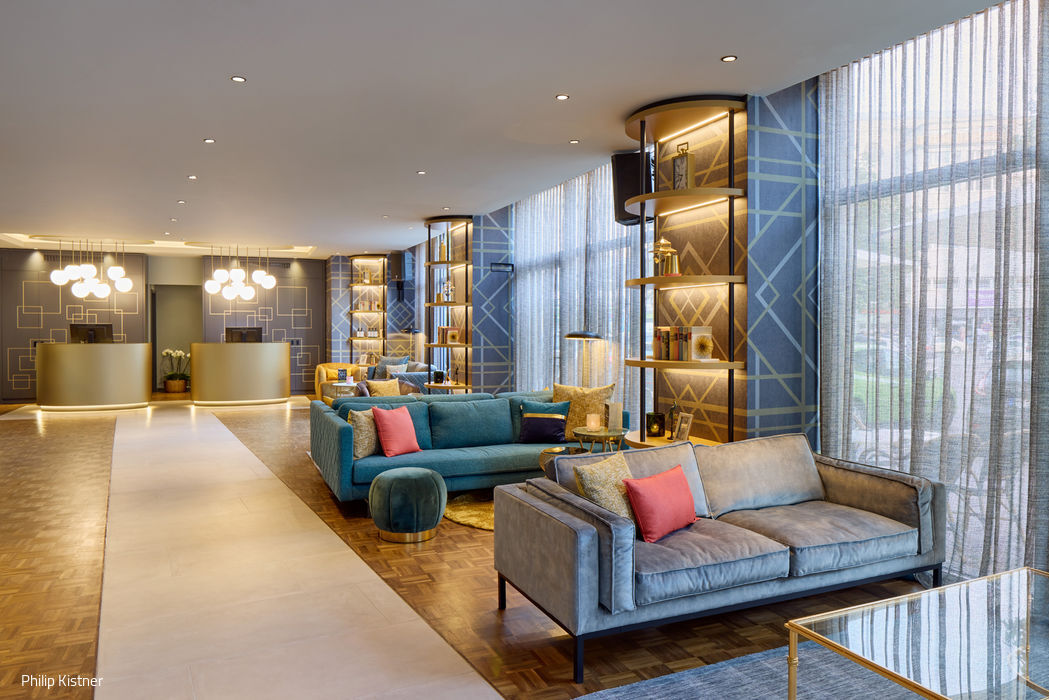
Elegance in a Historic Landmark
Glamour and elegance await at the Postboutique Hotel—thoughtfully positioned in the heart of the city.
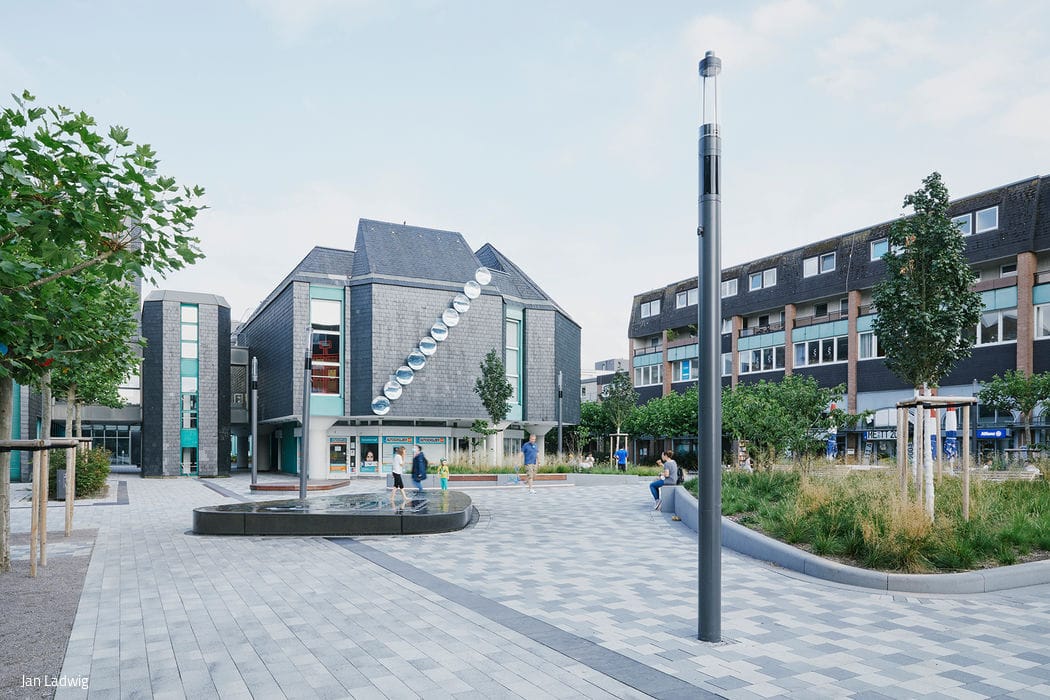
A Town Square with Multiple Focal Points
User-centered revitalization of Konrad-Adenauer-Platz in Langenfeld