


Awakening a Legacy
A World War II bunker transforms into the Marienhof
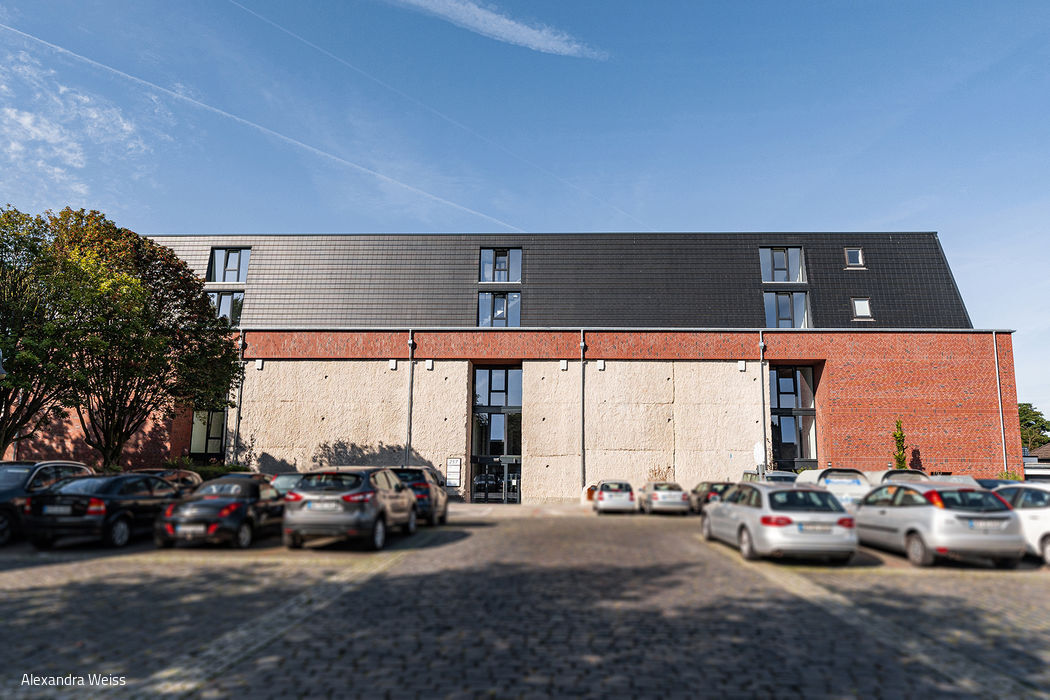
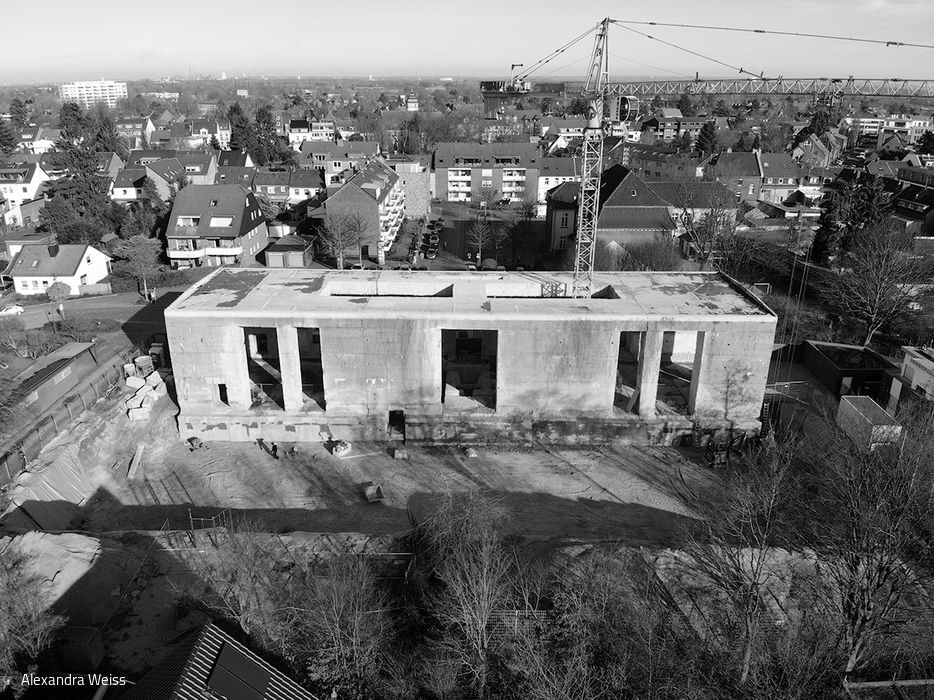
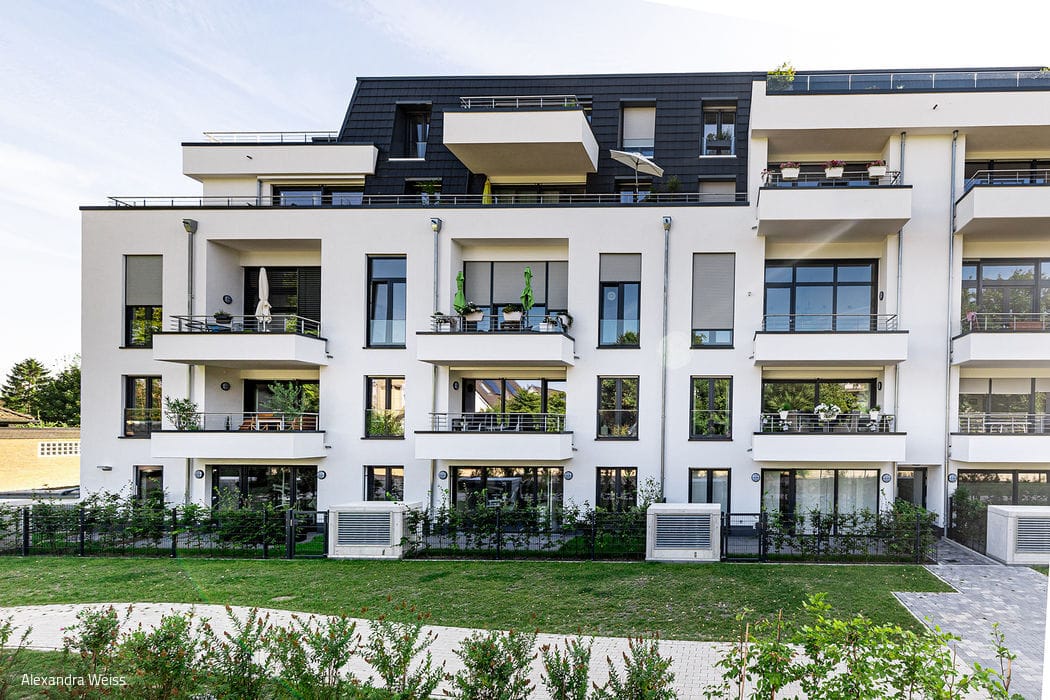
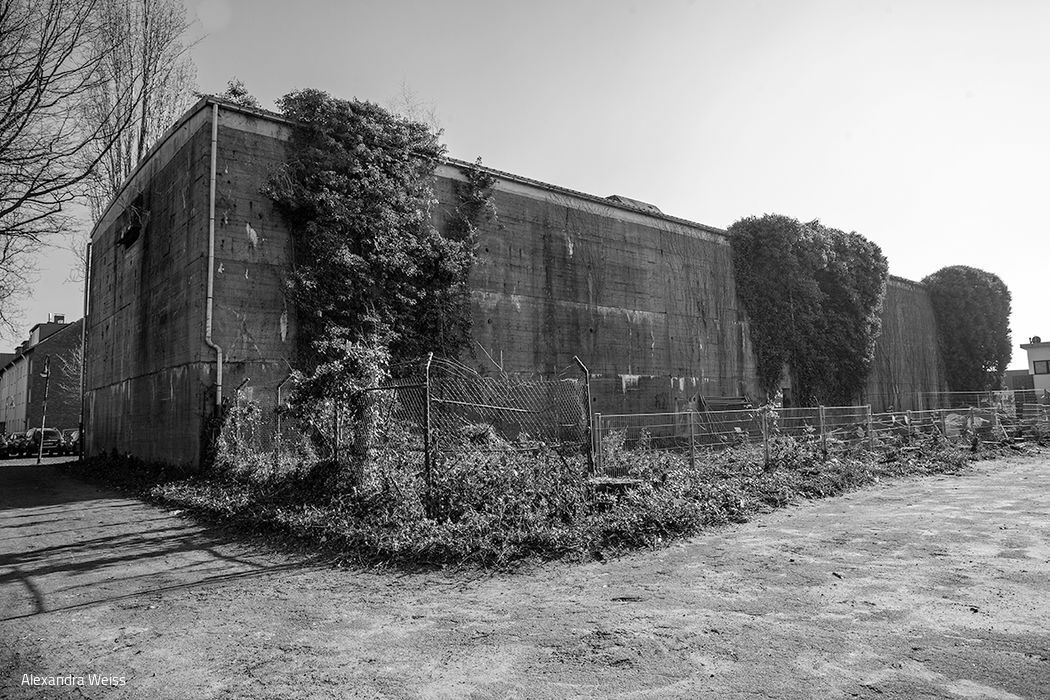
For more than seventy years, the World War II bunker at Marienplatz lay dormant and overgrown, nearly lost beneath decades of tangled vegetation. Working closely with local government and civic authorities, the Krefeld-based planning office Hambloch spearheaded its transformation: the imposing structure—a solid, unreinforced concrete mass—would be gutted and carefully expanded to maximize residential and commercial potential across five levels. The solution: 30 accessible apartments ranging from 65 to 155 m², along with three commercial units, all efficiently accommodated within the existing footprint. The integration of commercial spaces was guided largely by local planning requirements, as the site sits within a mixed-use urban zone.
The renovation and conversion demanded careful respect for the neighboring Marienschule, a listed building. The design team honored the school's distinctive eaves and roof ridge heights while adding new stories, and drew inspiration from the region's characteristic red clinker brickwork for the Marienplatz-facing façade. The mansard roofline of the original school building informed the treatment of the two new penthouse floors, which feature a pitched roof clad in sleek roof tiles. From an urban design perspective, the formerly isolated municipal playground behind the bunker was seamlessly reconnected to the public square: the long, linear block was strategically opened to create new sightlines and provide direct pedestrian access to the Marienschule.
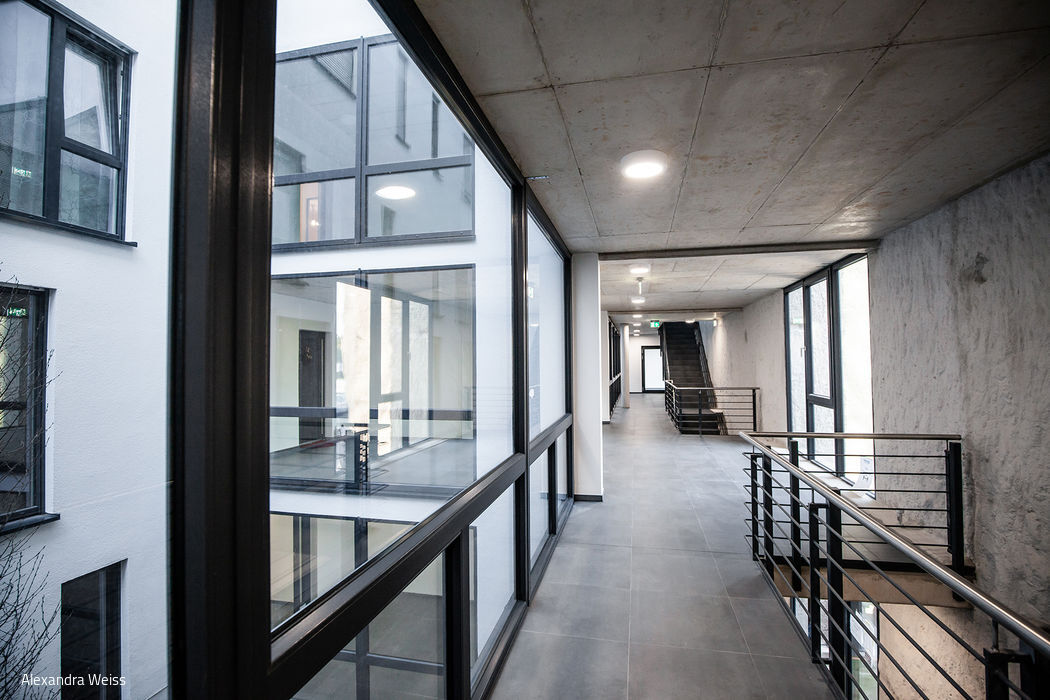
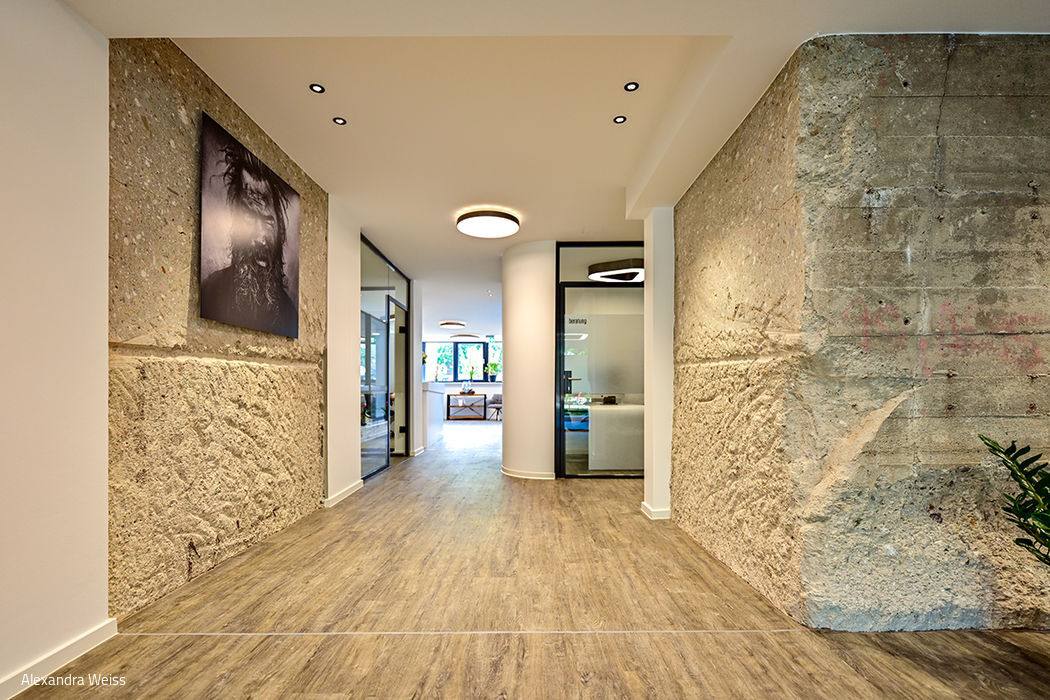
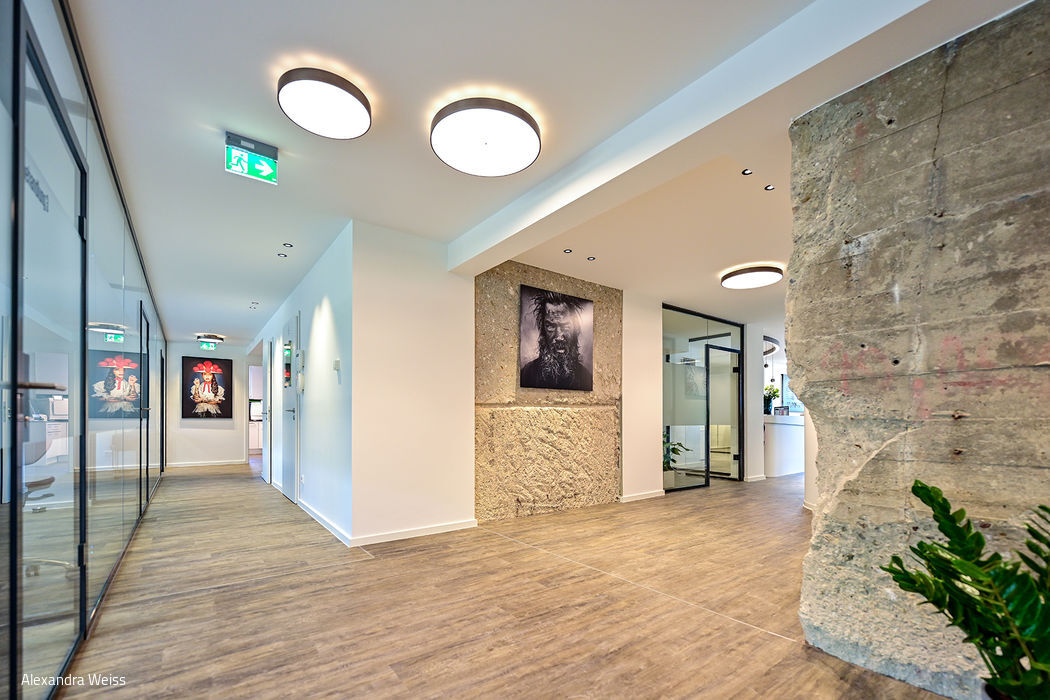
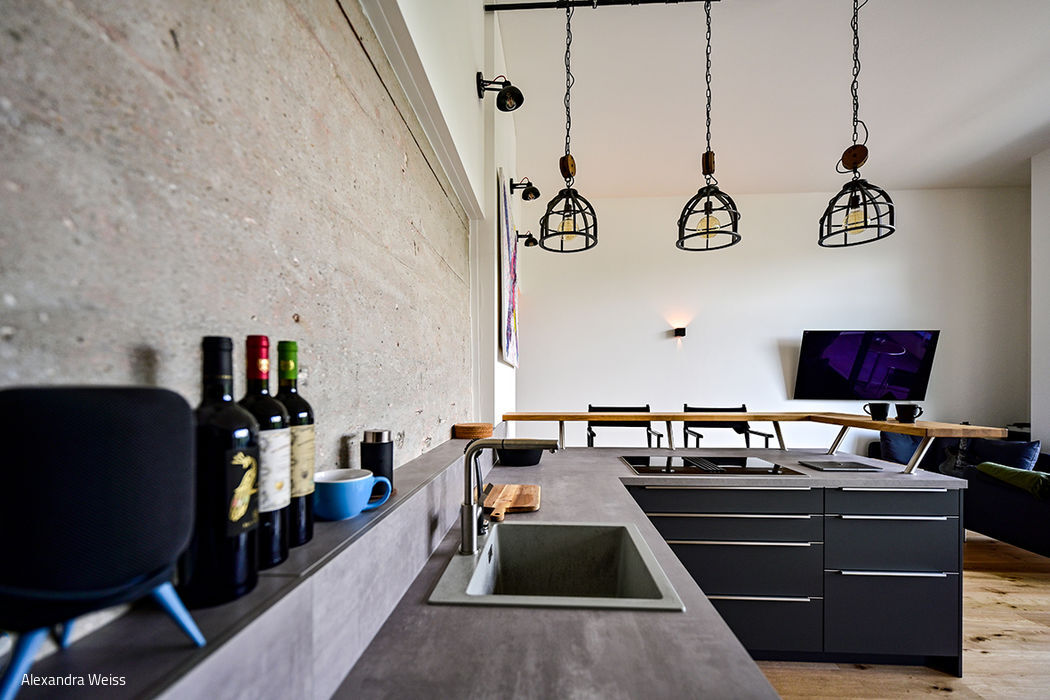
The project began with clearing decades of accumulated vegetation from the structure's surface, revealing a stark concrete mass: 56 metres long, 16 metres wide, and 9 metres tall. The team then employed wire saws to methodically cut through this monolith, optimizing both structural efficiency and construction economics. The bunker's unusual hall-like internal configuration kept the volume of excavated material manageable—approximately 3,500 tonnes—which was recycled on-site into road-building material. The resulting skeletal frame already constituted roughly one-third of the finished structural shell. Acoustic considerations shaped the layout: residential units face westward toward the playground, buffered by a front staircase, two glass atriums, and the bunker's distinctive two-metre-thick concrete walls—completely isolating residents from the activity and events that regularly occur on Marienplatz. The design philosophy prioritized sustainable stewardship of the existing fabric: concrete surfaces were simply scarified, all saw cuts left exposed, and recessed ceiling undersides preserved in their raw state. In both the apartments and three commercial spaces—including a dental practice—portions of the original bunker structure were thoughtfully revealed and integrated. Expansive windows, private balconies, roof terraces, and the soaring glass atriums flood the interiors with light and create a sense of generous, open living. Residents benefit from a 32-space underground parking facility situated beneath portions of the adjacent playground.
Photography Credits:
Alexandra Weiß
www.alexandraweiss.net
(Published in CUBE Düsseldorf 01|22)
Growth Through Design
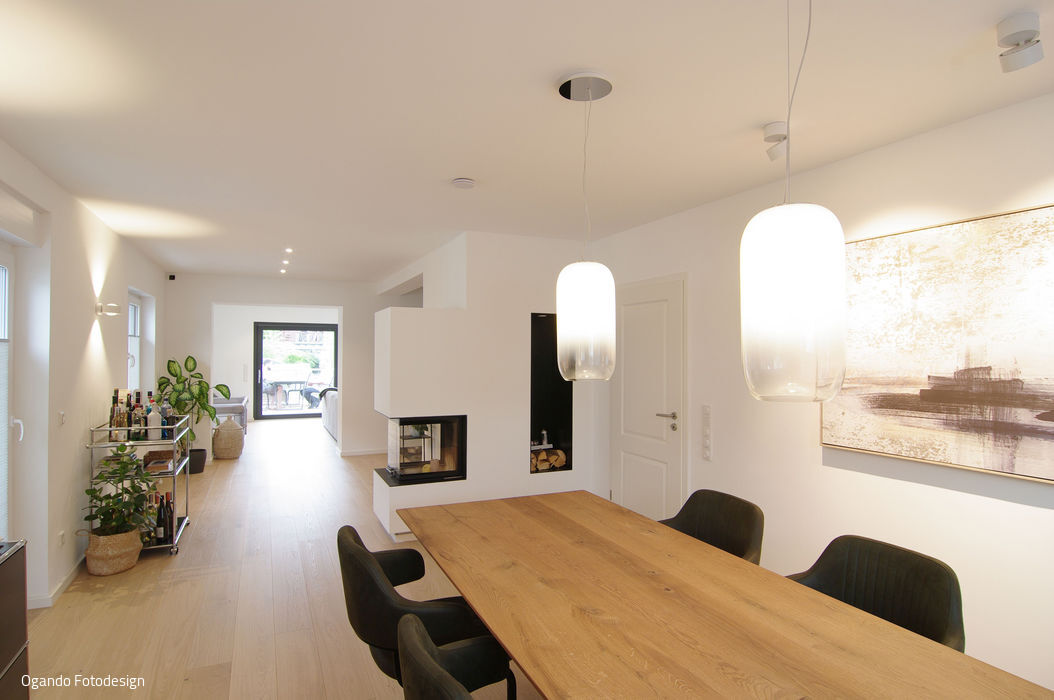
A Single-Family Home in Ratingen Transforms into a Two-Family Residence

Innovative Transformation
From Retail Vacancy to Vibrant Homes: Mörsenbroich's Reimagined Future

Concept Done Right
Löbbeckestraße Housing Quarter Nominated for German Building Award
The Circle's Crowning Achievement
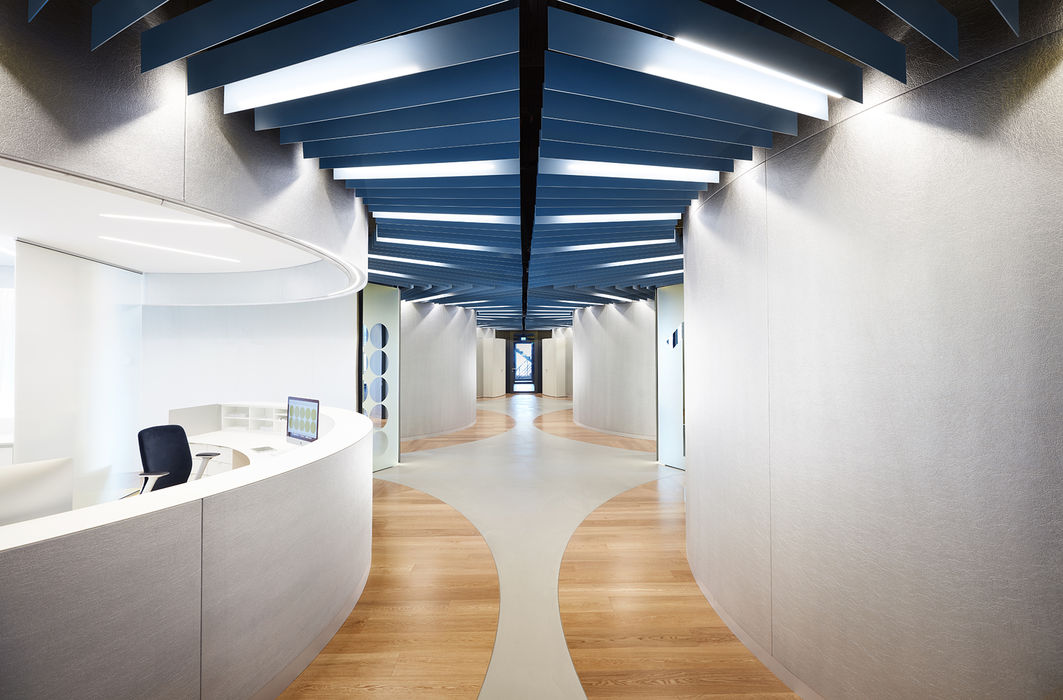
A radiology practice in the Media Harbour reimagines historic silo architecture