


Distinctive Architecture
The New Apostolic Church in Essen-Rüttenscheid stands out as a bold architectural statement
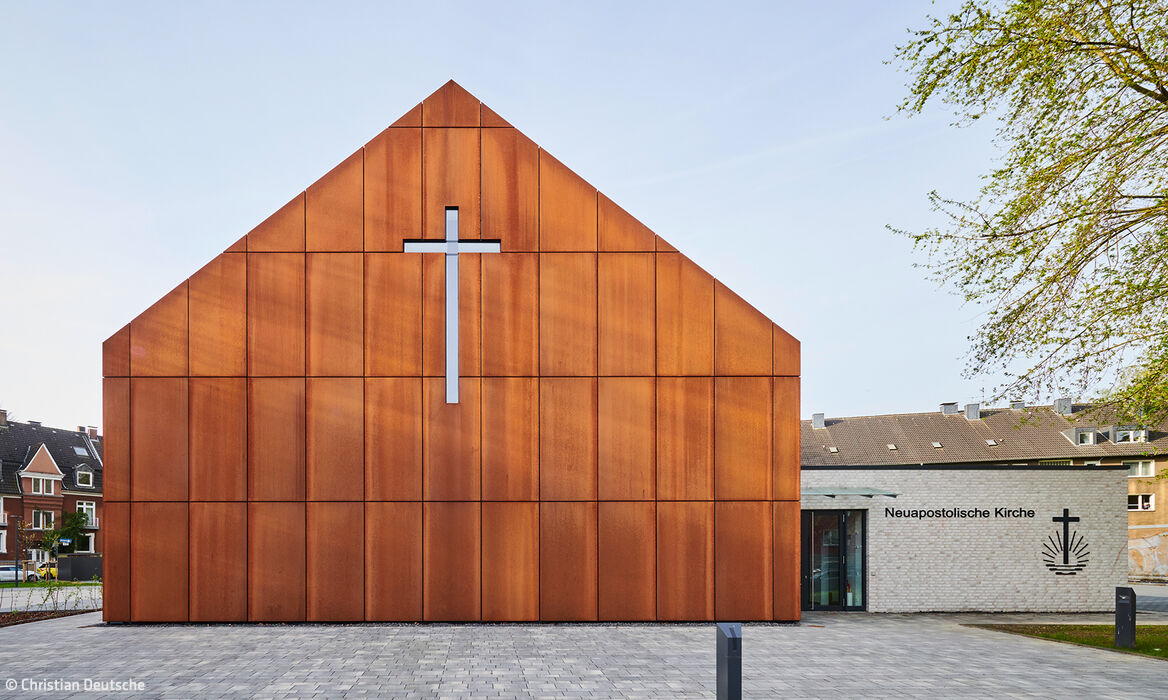
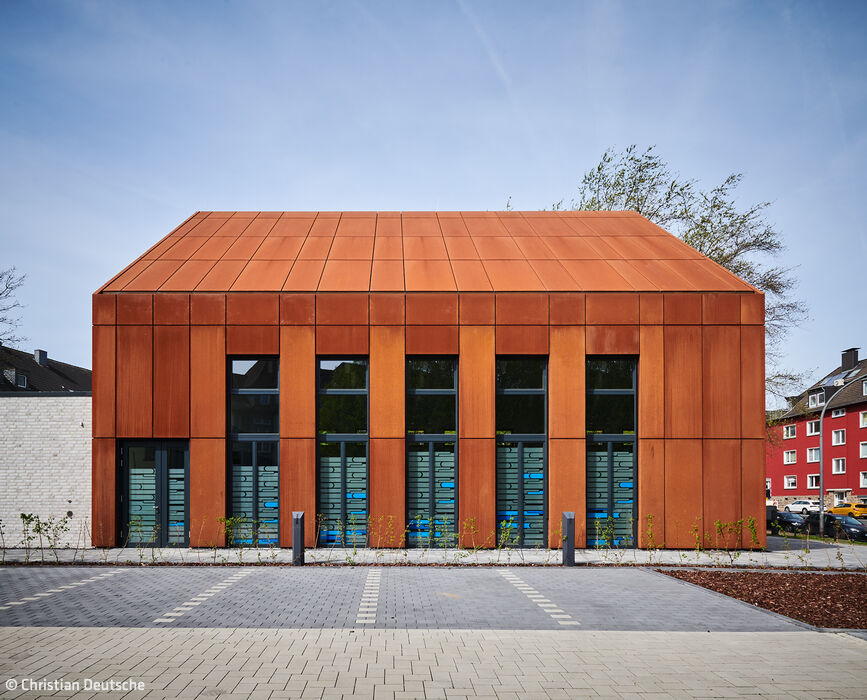
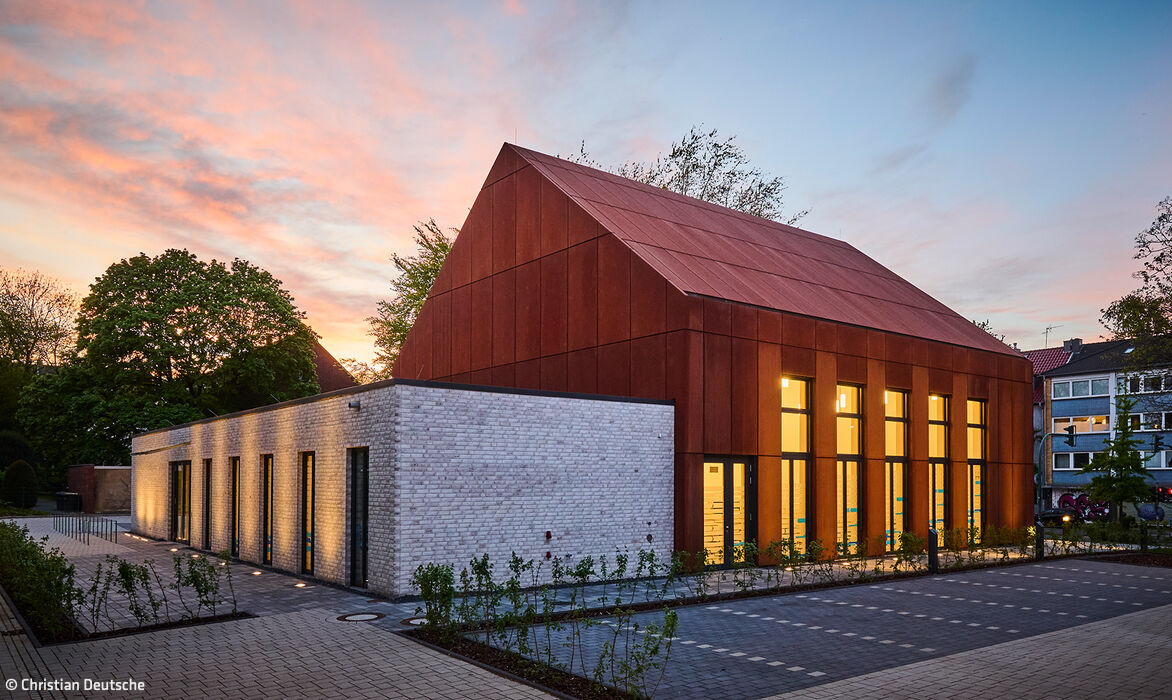
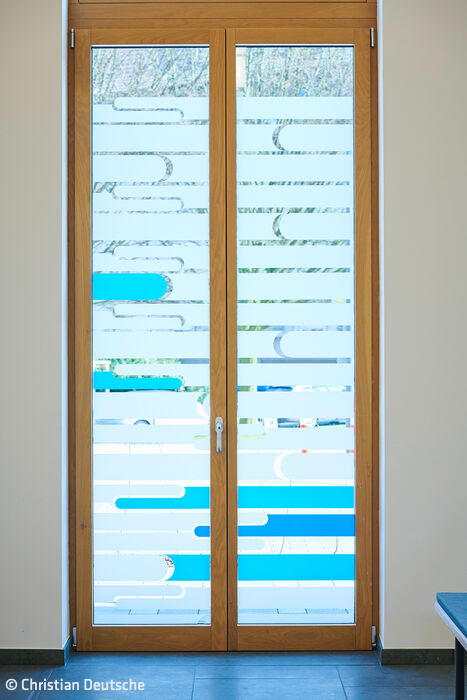
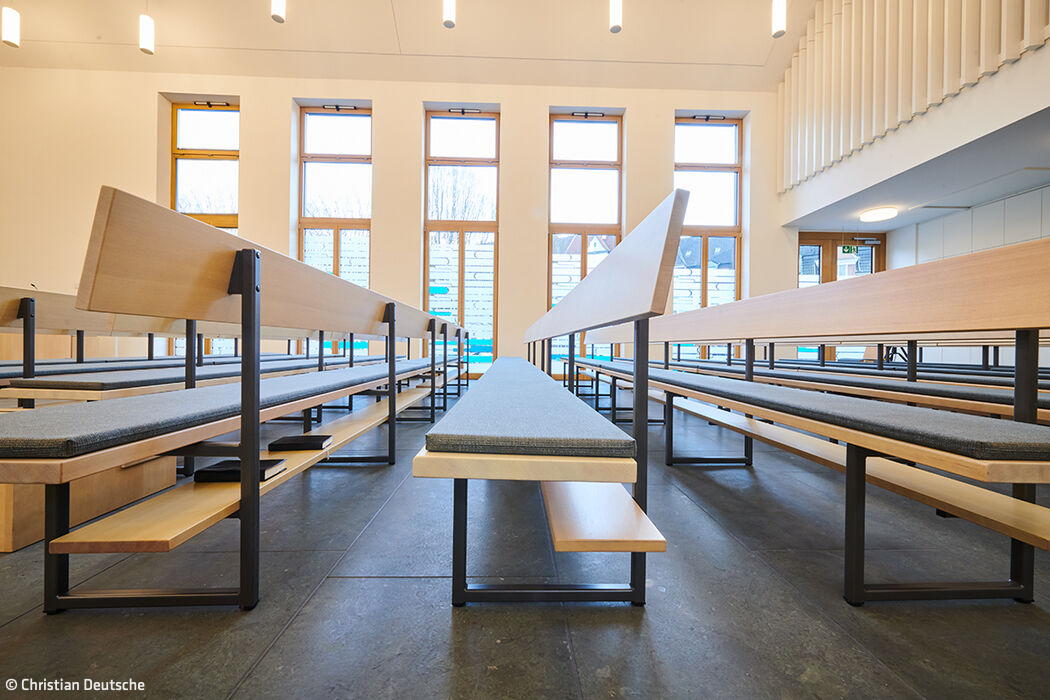
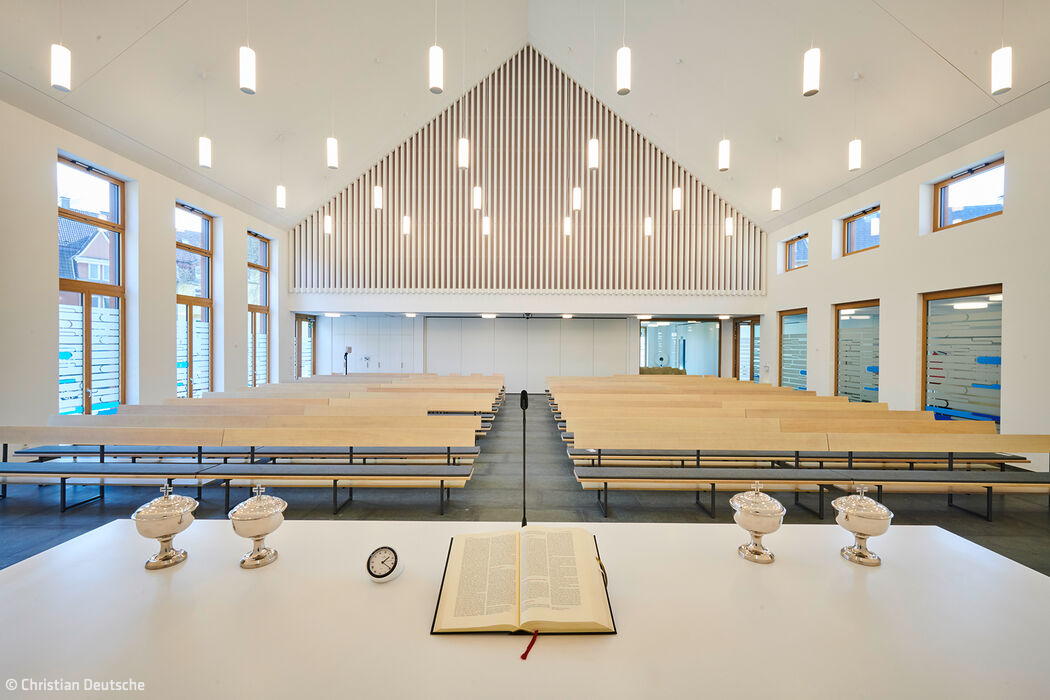
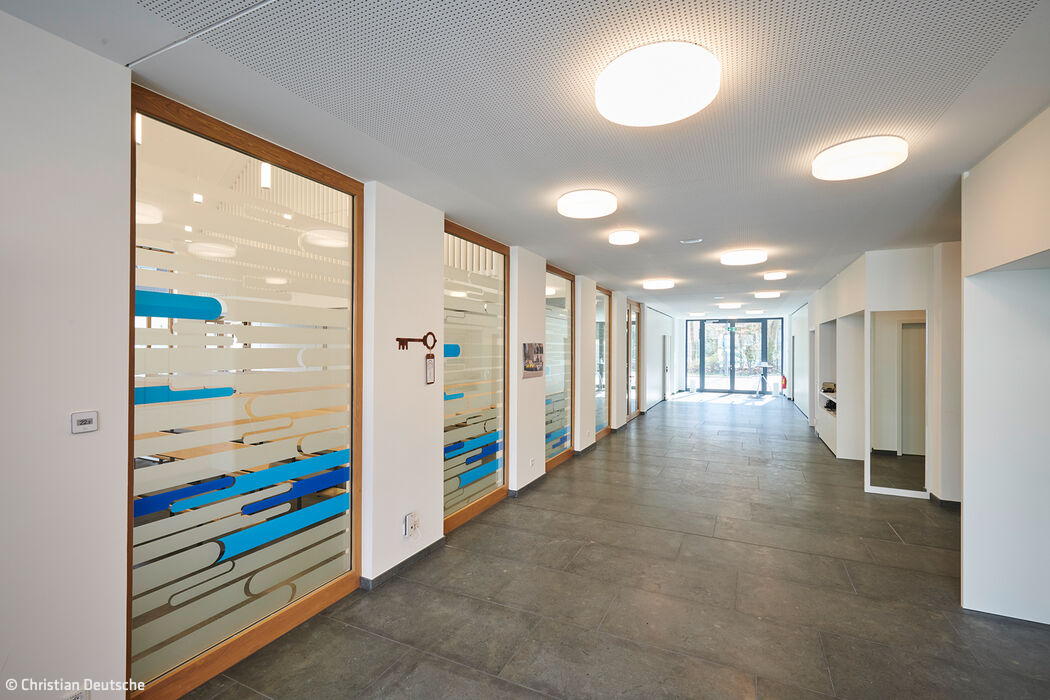
With its weathered steel façade and cross-shaped window facing Franziskastraße, the new New Apostolic Church in Essen-Rüttenscheid commands immediate attention. Built on the same site as its predecessor, it now serves as a contemporary, multifunctional hub for the Essen-Mitte congregation—recently unified from three parishes. Designed by Daria Kliem, head of construction for the New Apostolic Church West Germany, the building embodies a straightforward, functional approach that responds directly to the needs of its community.
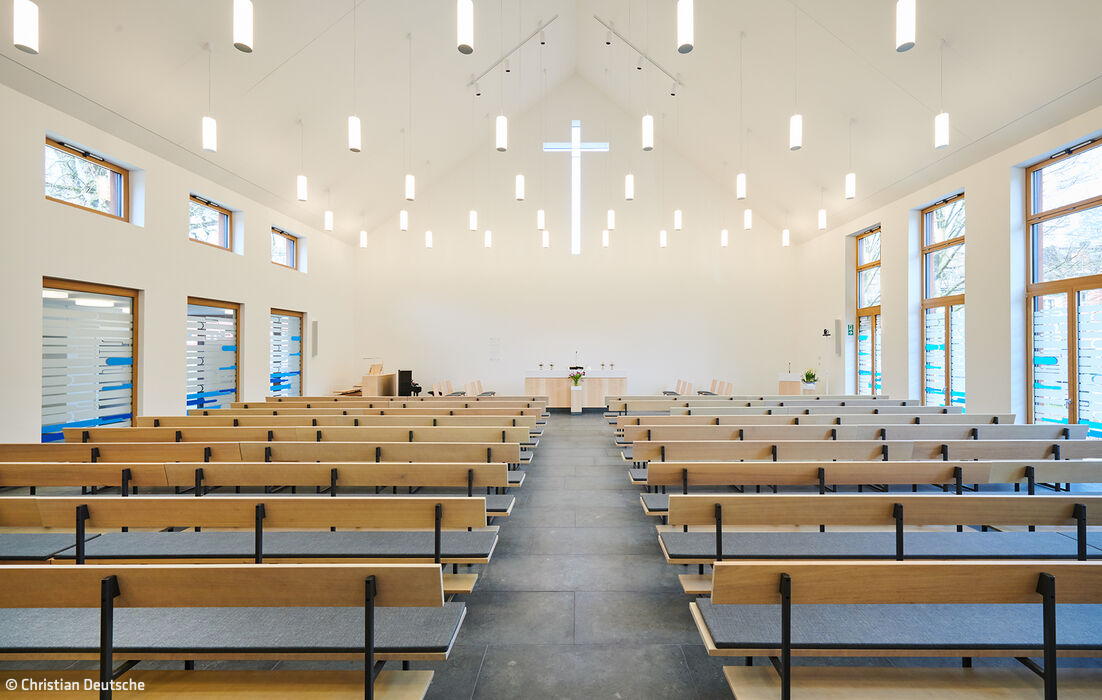
Though the deteriorating predecessor had to be demolished, the new structure tells a compelling story of sustainable thinking among all those involved. The pipe organ was carefully restored and reinstalled on a newly built gallery designed for it. The pews, too, have been given a second life. The refurbished meranti wood benches bear little trace of their original dark 1970s aesthetic. "We maintain a warehouse of salvaged materials from church closures available for reuse," interior architect Heidi Peter explains. Here, the tropical wood was bleached and refinished. The bench frames follow strict ergonomic principles. The sanctuary itself captivates through understated elegance—Anröchter stone flooring, precisely positioned ceiling lights that bathe the bright hall in even illumination. Behind the Corian altar sits a projection-ready surface, with technical equipment discreetly concealed behind white cabinetry. Floor-to-ceiling windows offer carefully composed views in and out, their stylised blue and white wave pattern echoing the church's logo while providing subtle privacy.
Adjoining the sanctuary is a light-brick extension connected via a passageway to the 258-seat main hall. The welcoming entrance opens directly onto the main entry, with a 40-space car park positioned at the rear. "The sanctuary can be expanded by a movable wall to include a generous multipurpose room with an additional 60 seats," Kliem notes. "This secondary space connects to the foyer, which provides access to both the sacristy and kitchenette, giving us complete flexibility." The building's heating relies on geothermal energy, integrated with a heat pump and thermal storage system for efficient climate control. Sascha Werth's planning office handled both the technical design development and ongoing project coordination.
Photography:
Christian Deutscher
www.deutscher-fotografie
(From CUBE Ruhrgebiet 02|24)
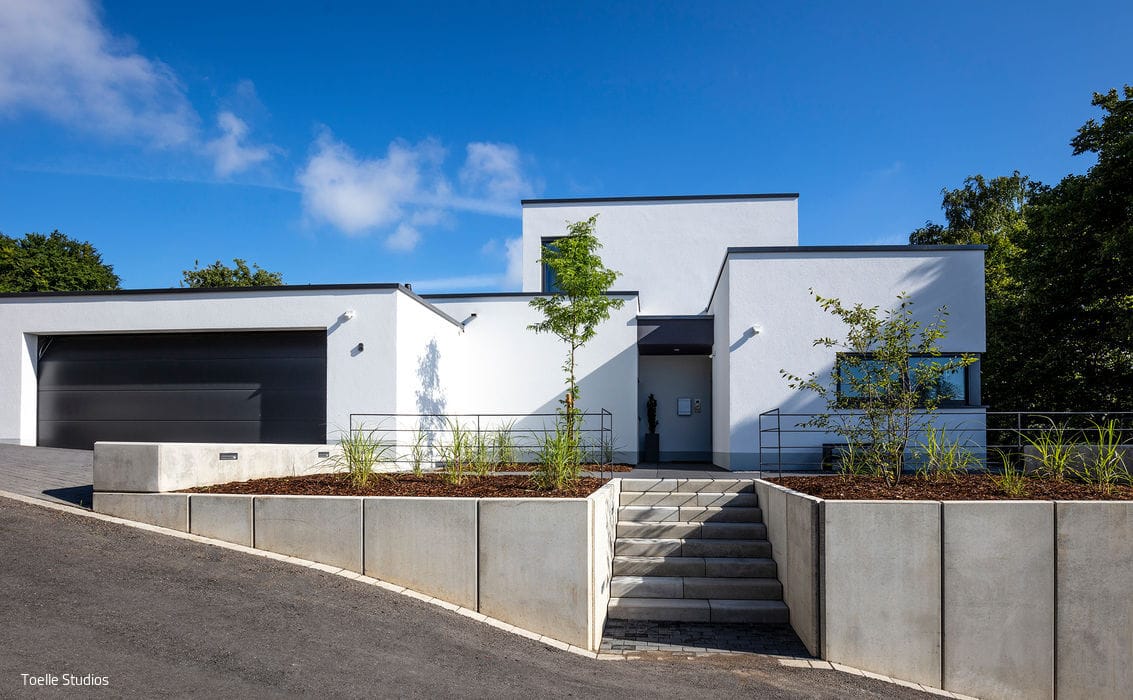
A House with Clear Vision
A Detached Home That Embraces Its Landscape
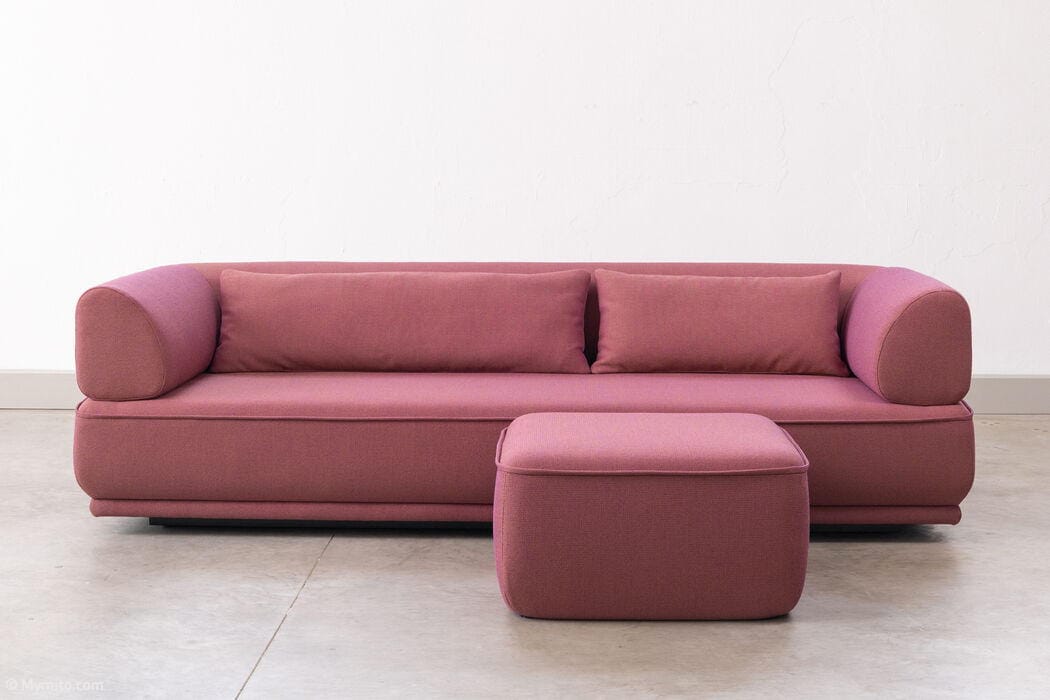
Contemporary Design
Merlin C. Everding designs innovative, functional furniture and products for everyday living.
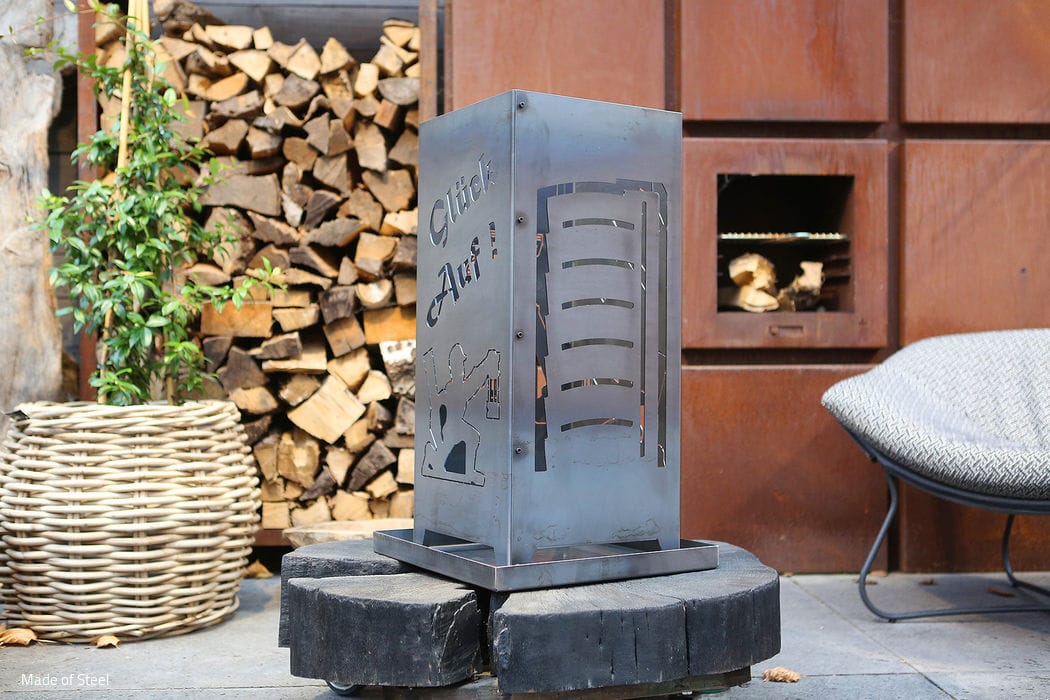
made of steel
Alexandra Viefhaus creates fire columns and decorative pieces celebrating the Ruhr region.