


A Model of Excellence
Seven-storey office and commercial building in hybrid timber construction
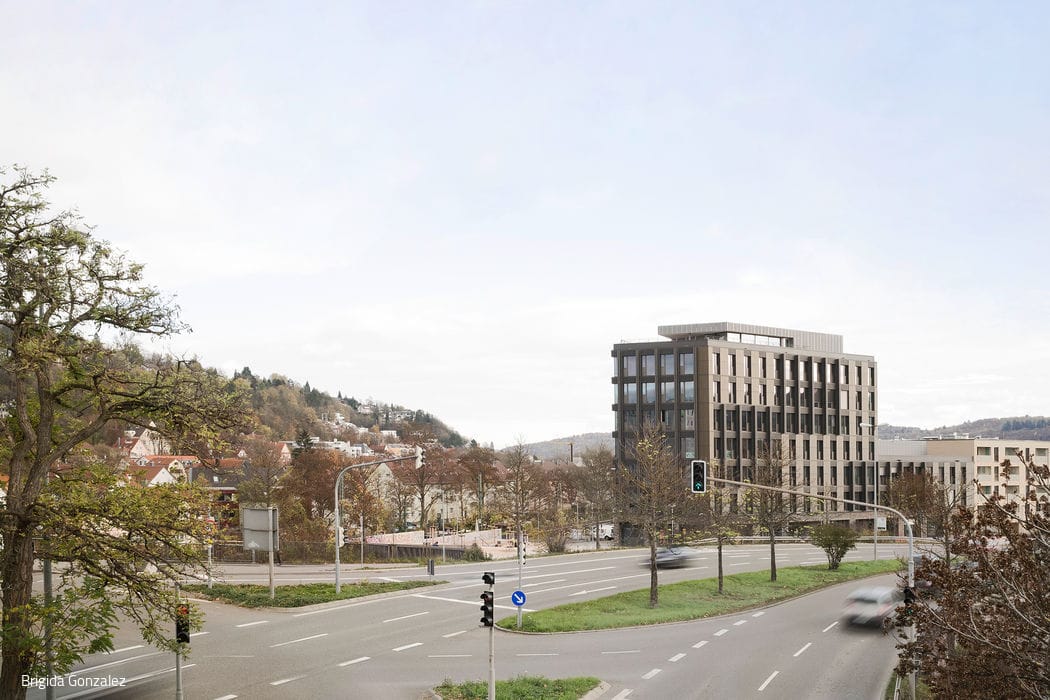
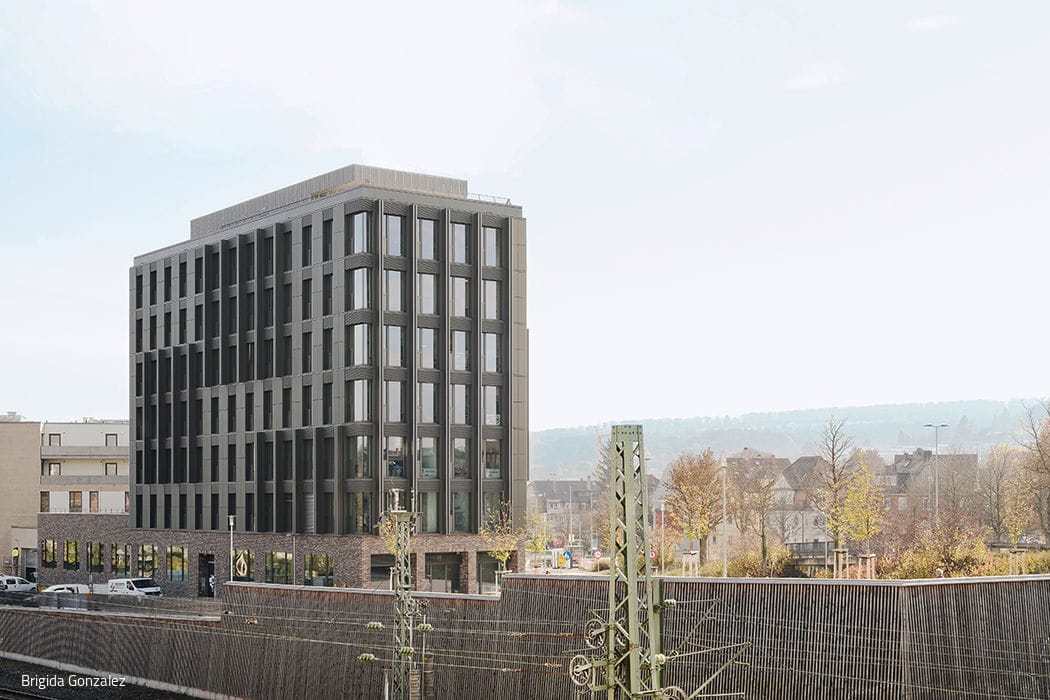
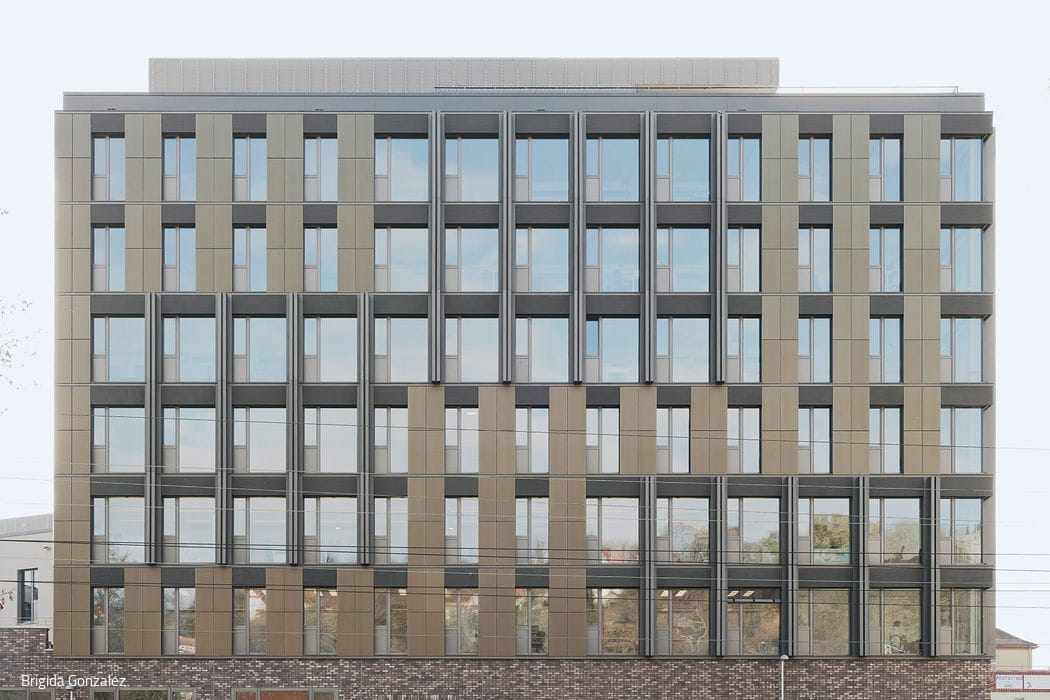
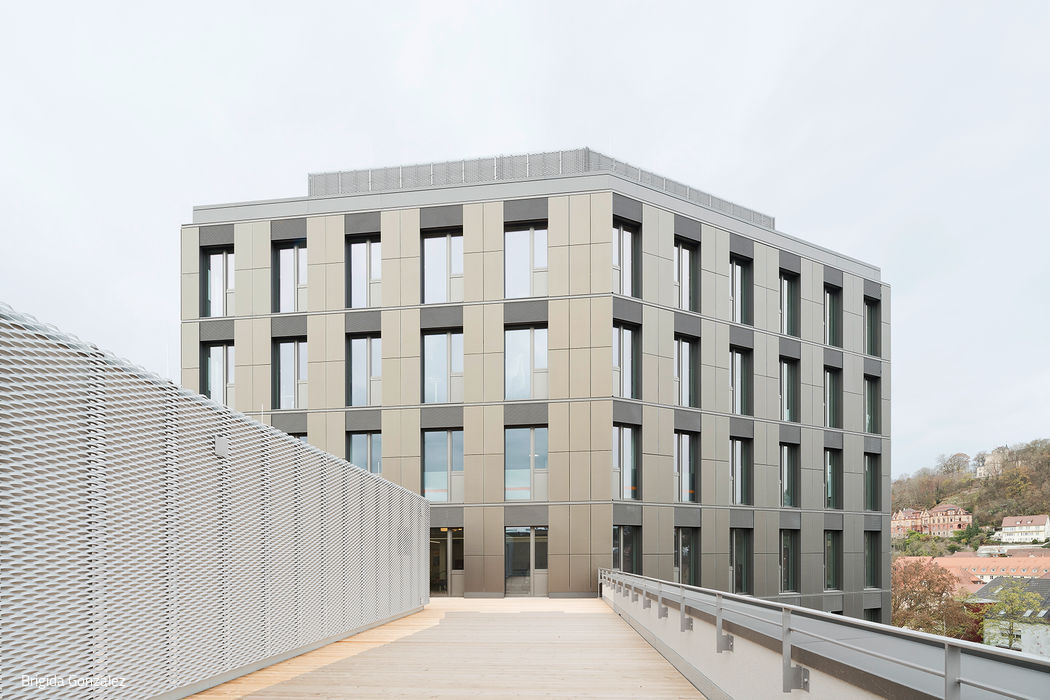
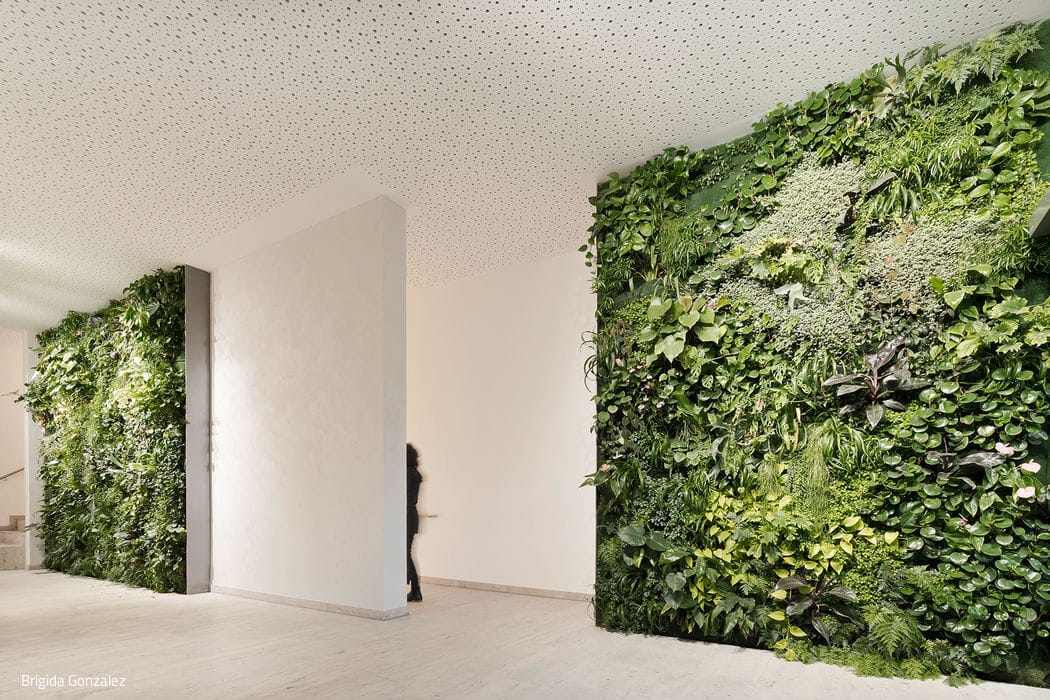
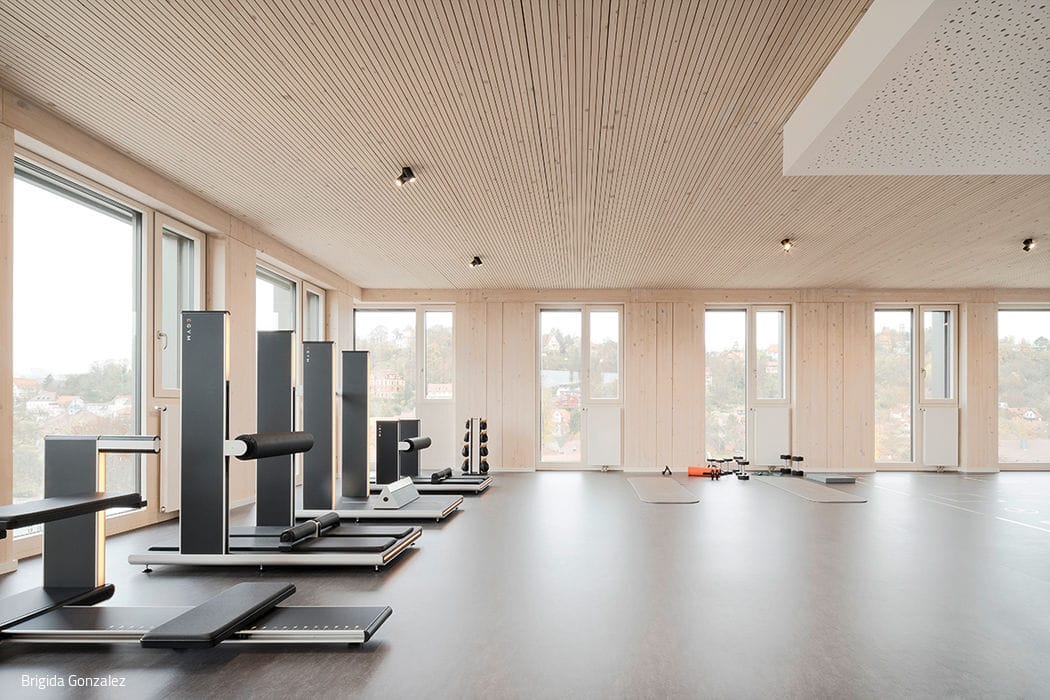
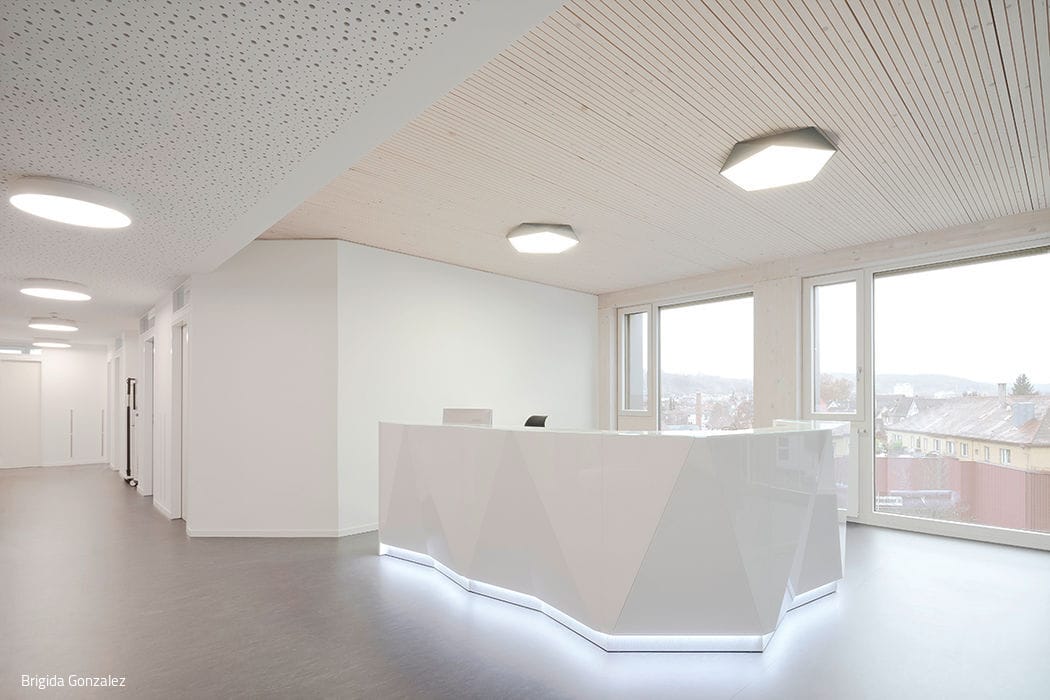
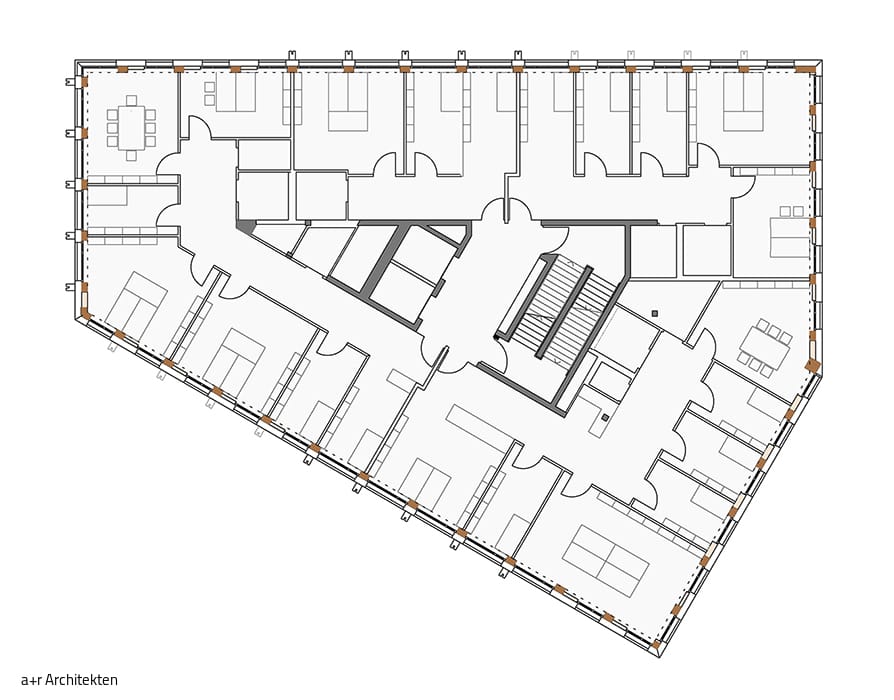
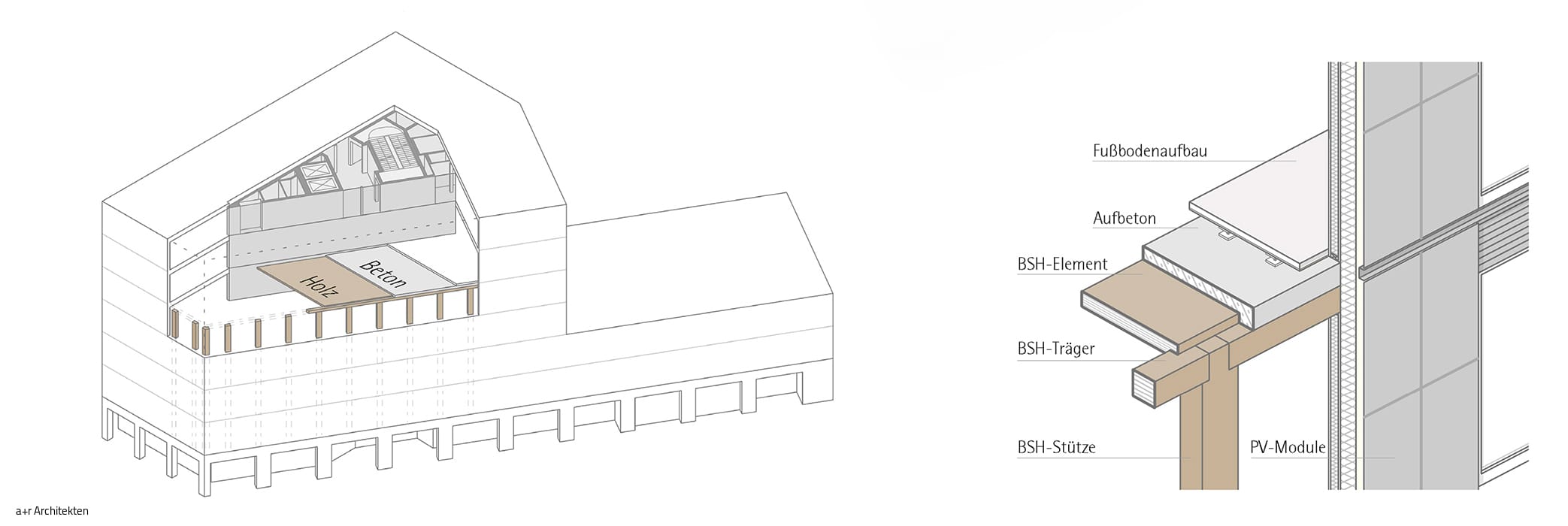
The Westspitze stands among Germany's first large-scale office and commercial buildings to embrace hybrid timber construction. This innovative, sustainable approach came with a 20 percent cost premium compared to conventional construction. The complexity was considerable—the planning office a+r Architekten couldn't rely on off-the-shelf solutions, and all stakeholders shared the additional investment in ecological quality. Their commitment paid off: today's tenants increasingly demand workspaces in forward-thinking, sustainable buildings.
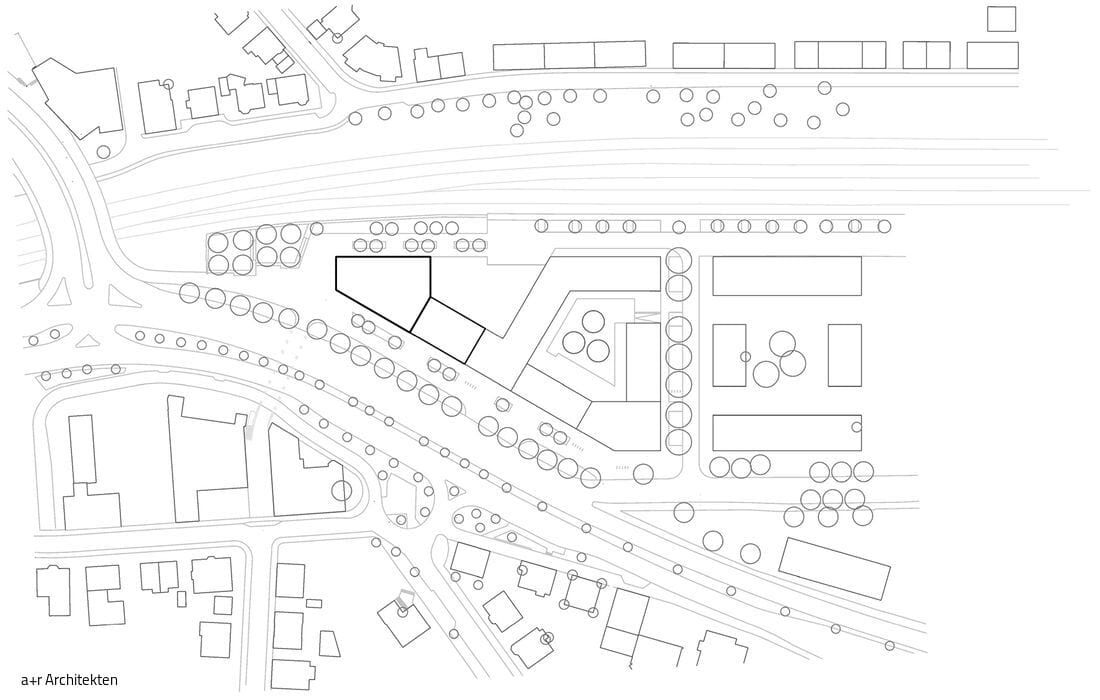
From the outset, the architects faced considerable design challenges with this warm, earth-toned "tower." The plot itself was the first obstacle—an irregularly angled parcel that didn't conform to the rectangular footprints typically ideal for timber-hybrid structures. The solution required ingenuity: a concrete base clad in dark clinker brick, paired with a triangular reinforced concrete core housing the stairwell and elevators. This core provided essential lateral stability and enabled the connection of rectangular timber ceiling elements. At the client's direction, photovoltaic panels were woven seamlessly into the façade without compromising its refined aesthetic. Rather than a purely technical appearance, the architects specified colour-coated elements integrated into a powder-coated aluminium curtain wall that shifts subtly with changing light. Every façade detail was precisely calibrated to suit the timber structure's demands. In total, approximately 1,100 m³ of solid spruce—harvested locally from the Northern Black Forest and Upper Swabia—was incorporated into the exterior walls and ceilings, with steel and concrete deployed only where structurally necessary.
Inside this 4,500 m² commercial space, vertical gardens planted with rainforest species greet occupants and visitors on each level, cultivating an inviting greenhouse ambiance throughout. The timber-composite structure is deliberately exposed on the underside of ceilings, as are the wooden columns lining the façade—a design choice that celebrates the building's structural logic. Floor-to-ceiling glass floods the interiors with natural light and amplifies the sense of openness. The ground floor features a generously proportioned hall suited for conferences, events, and cultural gatherings of all kinds. On the seventh floor, a shared rooftop terrace welcomes all tenants with commanding 360-degree views. Completing the development behind the Westspitze is a mixed-use neighbourhood designed by the same architects, comprising 106 residential units of varying sizes, a supermarket, and additional commercial space.
Photography Credits:
Brigida González
www.brigidagonzalez.de
(Published in CUBE Stuttgart 02|21)

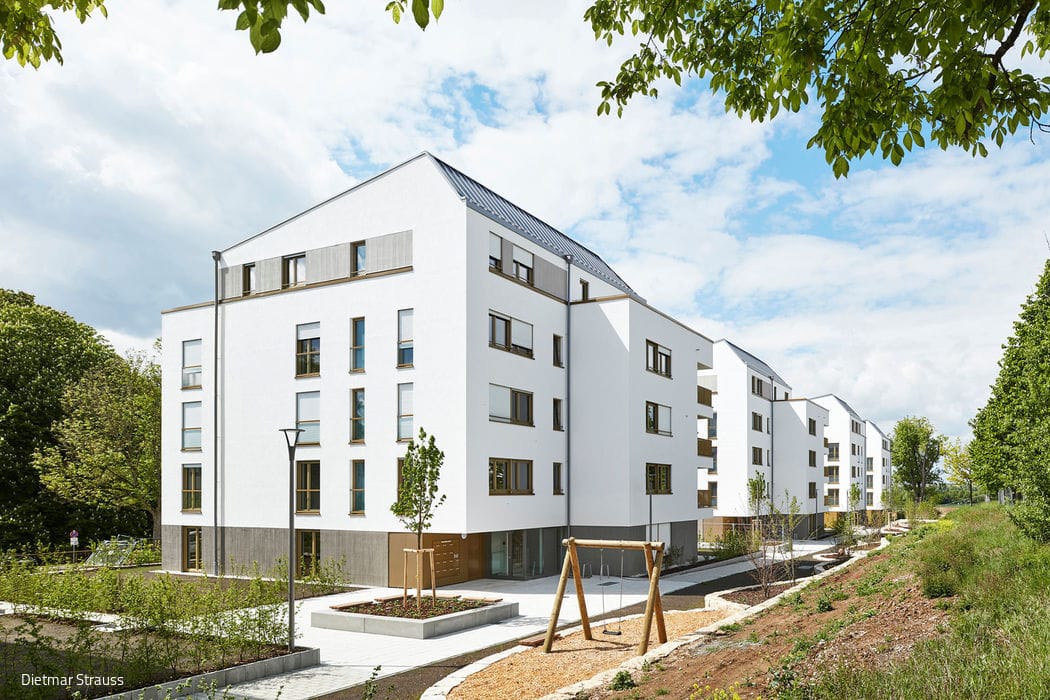

Confidently Articulated
Residential home with a restrained material palette redefines the urban villa concept
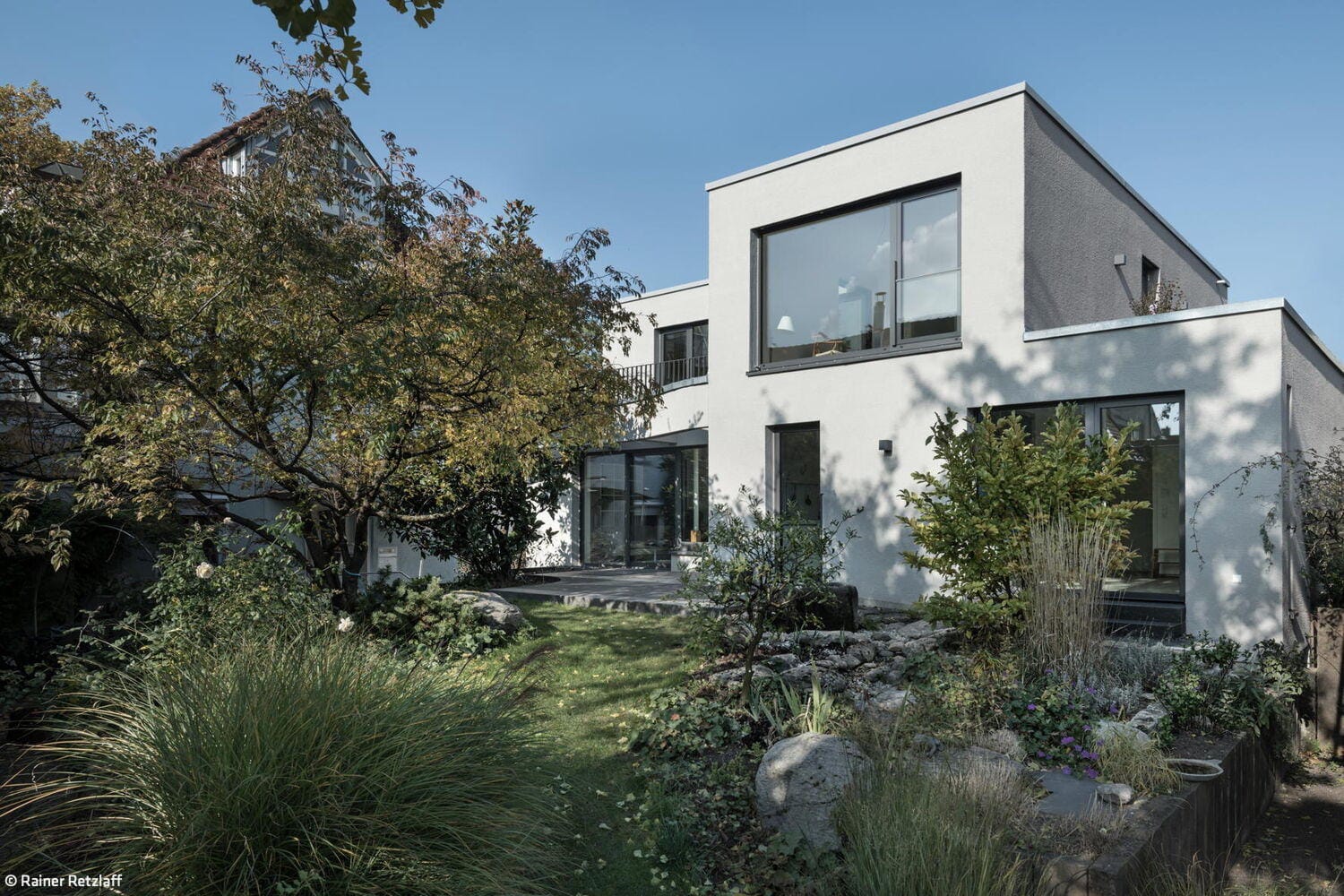
Home Again
Adaptive Renewal: Converting and Extending a Neckarsulm Home for Active Living
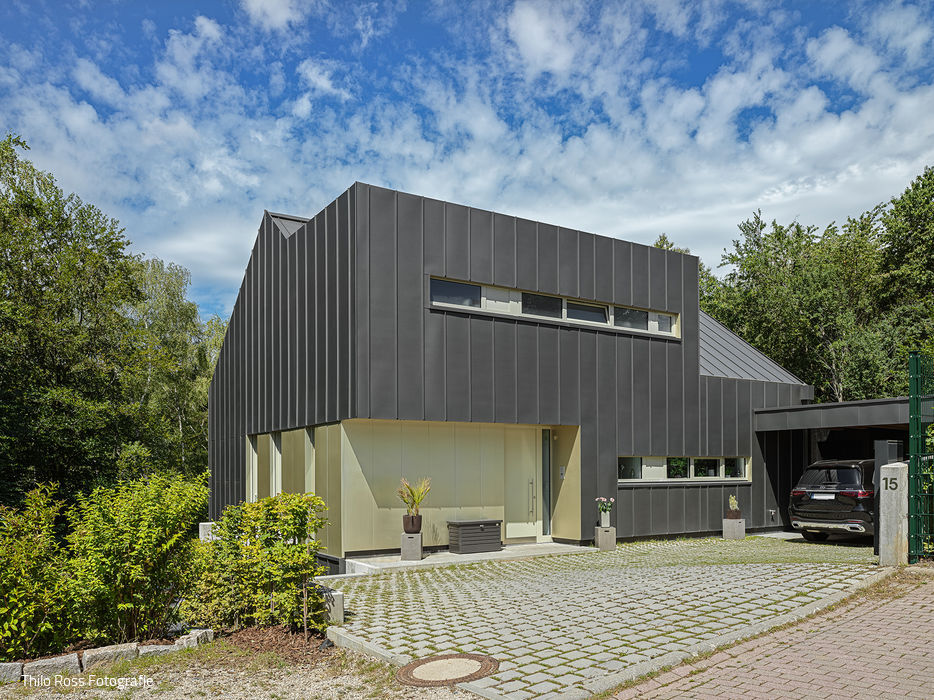
Design-Focused Wellness Retreat
A Distinctive Home in Harmony with Nature
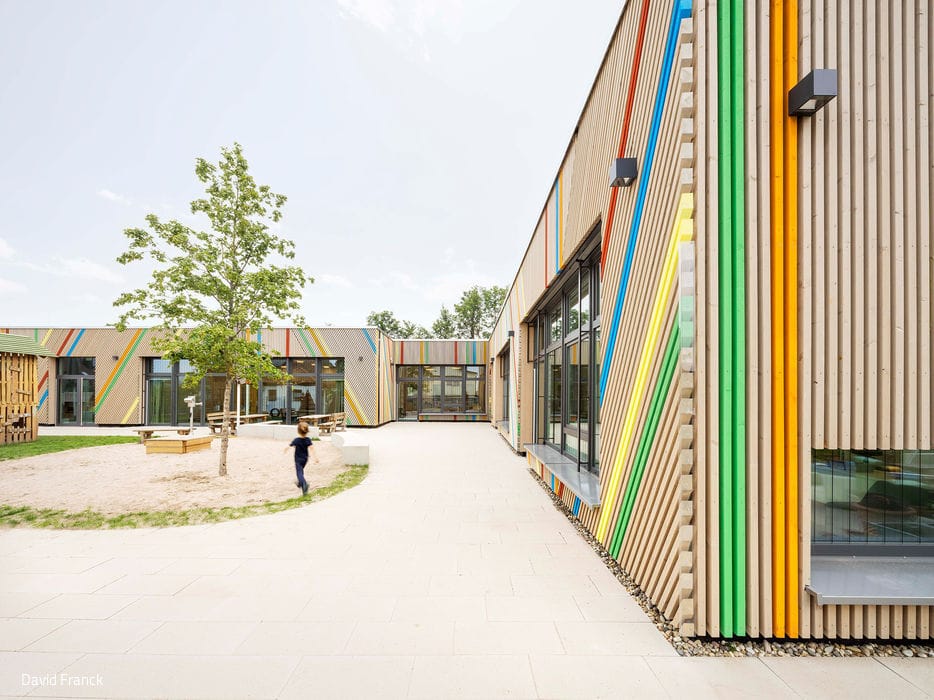
Vibrant, Lively – and Clear
Accessible, plus-energy nursery: a four-group facility designed for dynamic learning experiences