


Touching the Munich sky
Masterful penthouse addition crowning a 1950s building
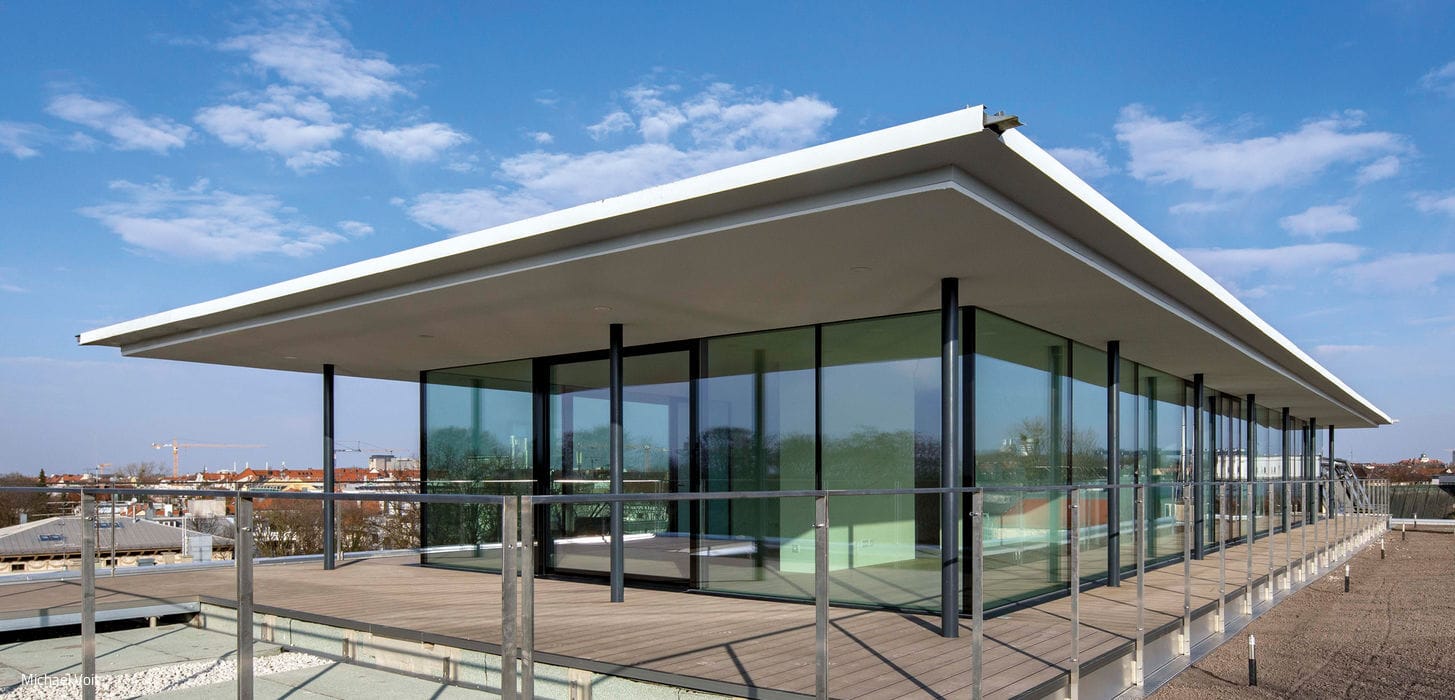
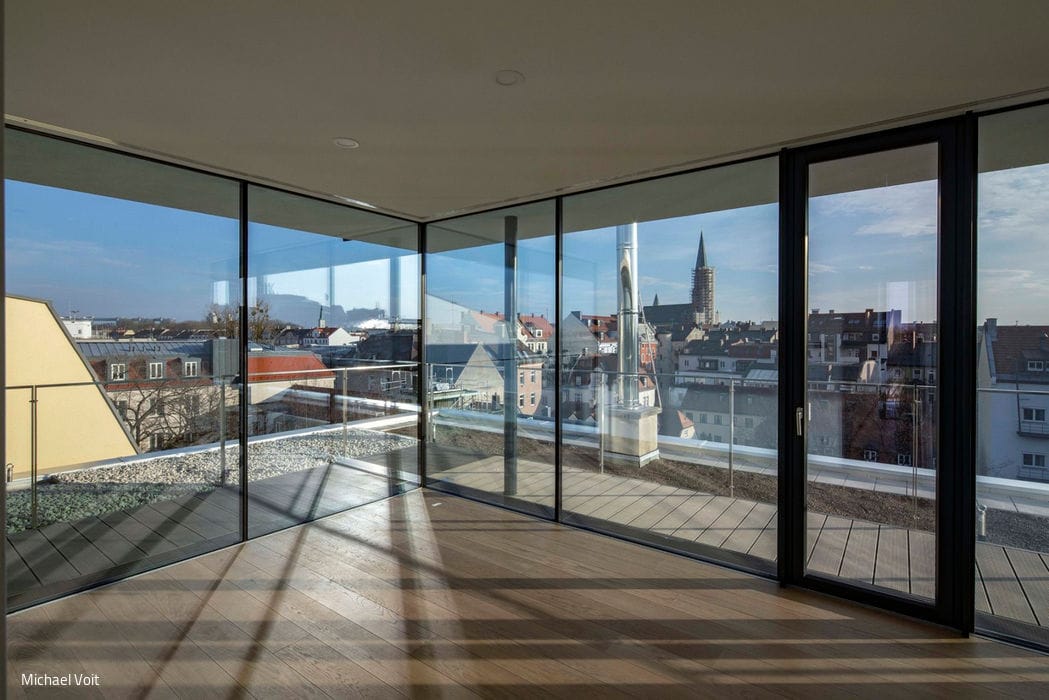
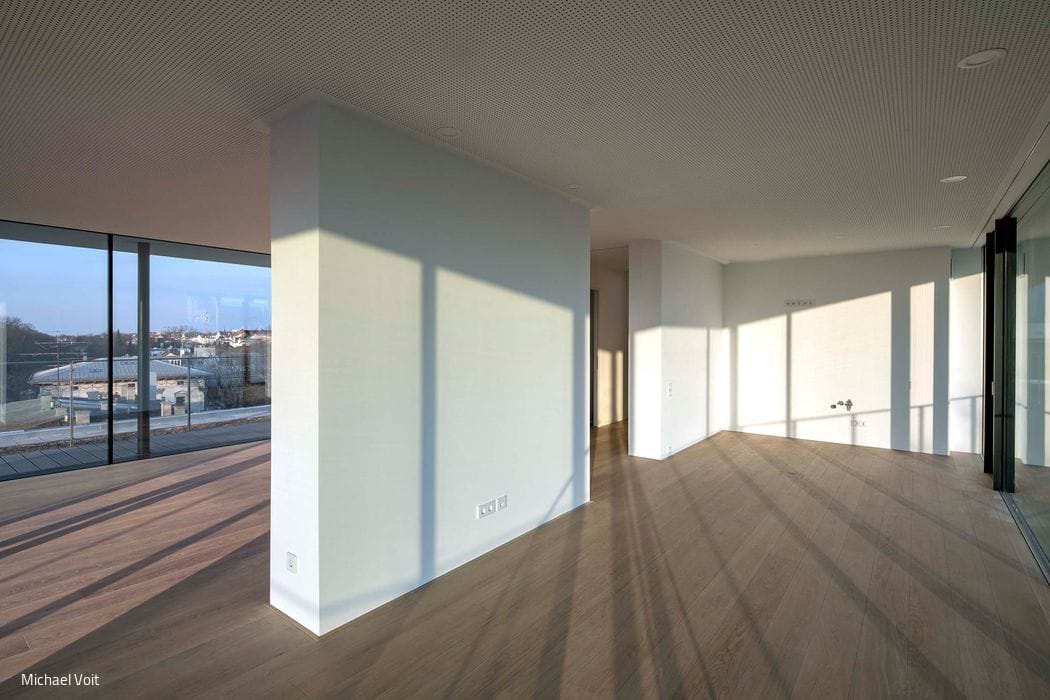
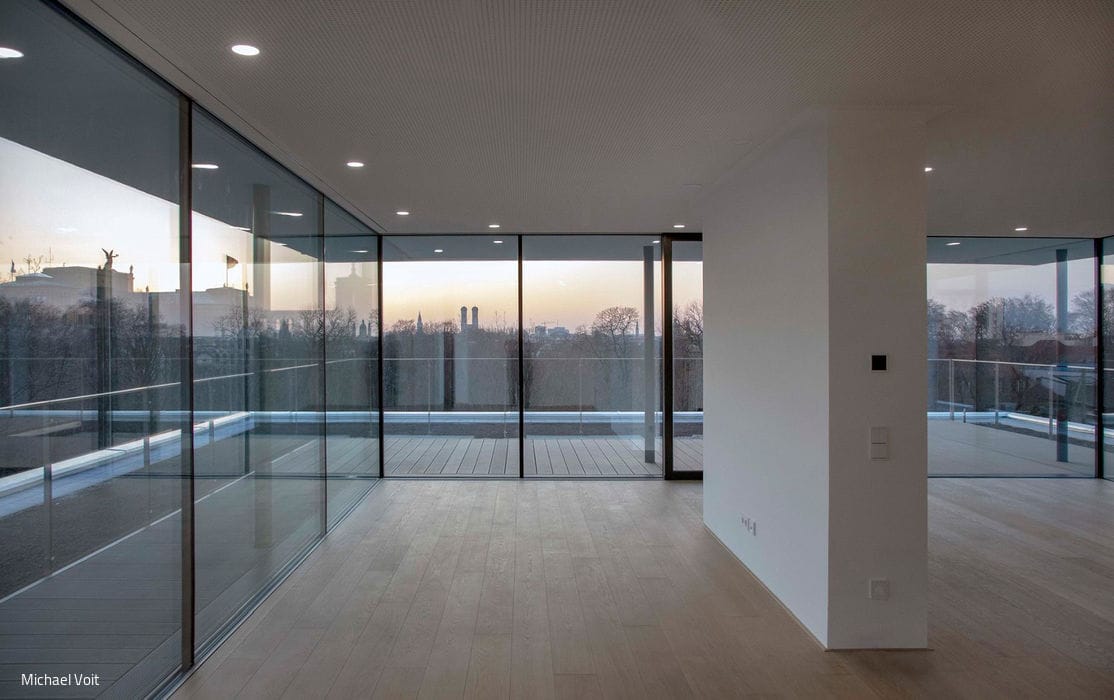
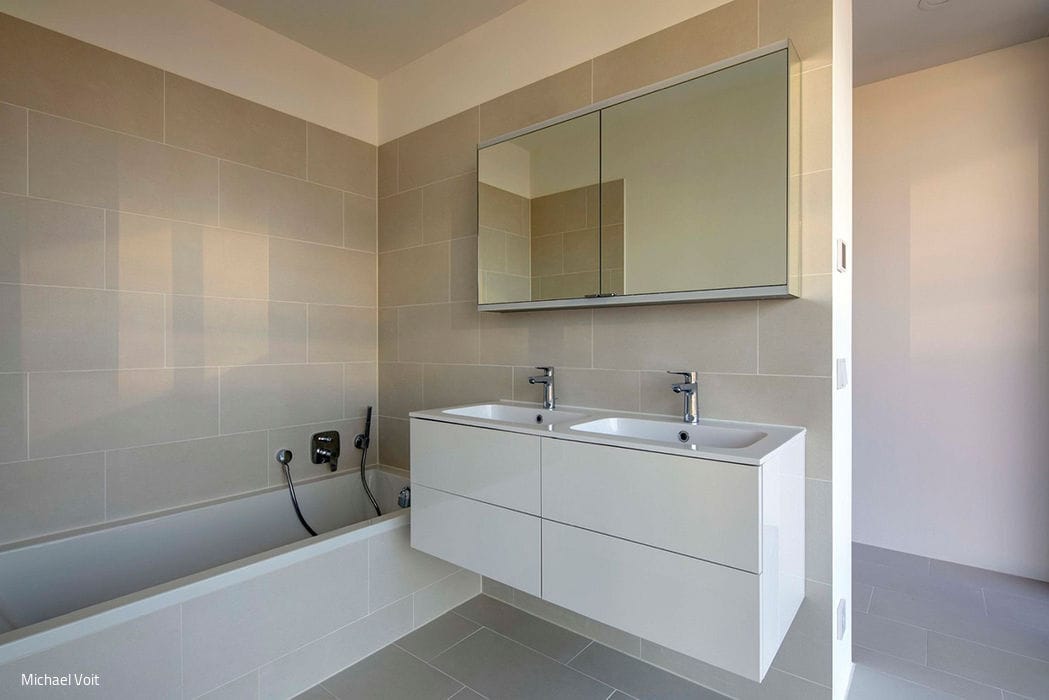
Thriving cities with abundant employment opportunities, robust infrastructure, and excellent connectivity have been experiencing explosive growth for years. The consequence: developable land grows scarce—and expensive. So what's the solution? Escape to the countryside? Not necessarily. There's still that magic word: "densification." The approach is simple: take an existing building and add stories on top. Result: more living space. Cities across the globe showcase both stellar and lackluster examples of this strategy—and Haidhausen boasts a particularly impressive one in a prime location.
Here, a+p architects conceived and executed the penthouse addition to an existing structure built in 1958/59. The challenge demanded sensitivity: the site occupies a prominent urban vista. The building sits directly in the sightline of the district's architectural landmarks—the Maximilianeum, the Haidhauser Herbergsviertel ensemble, the Friedensengel monument, and the Maximiliansanlagen public park overlooking the Isar.
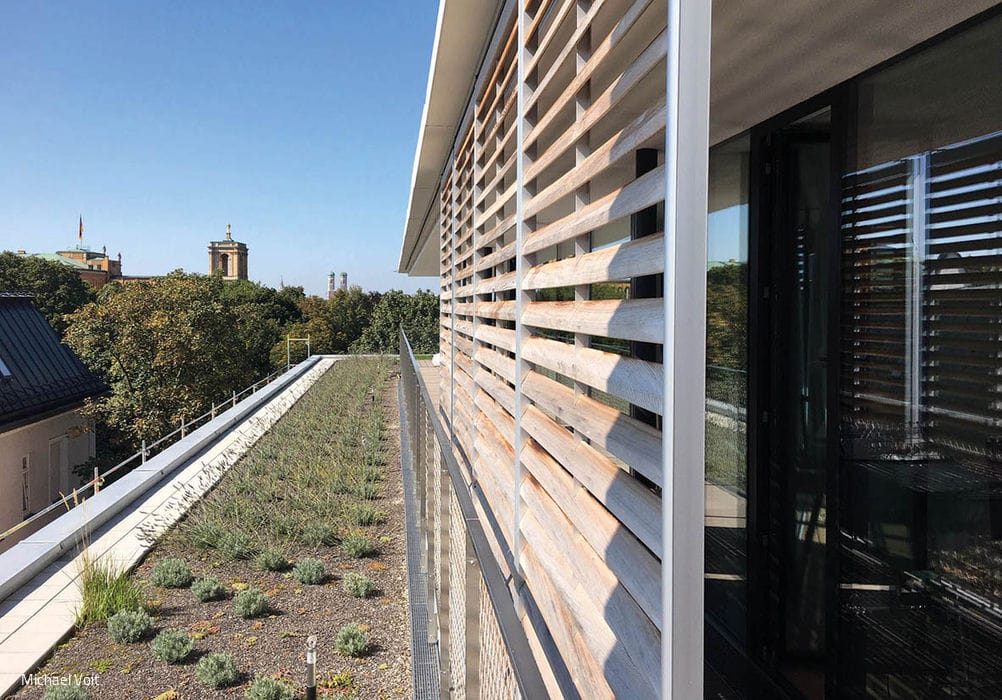
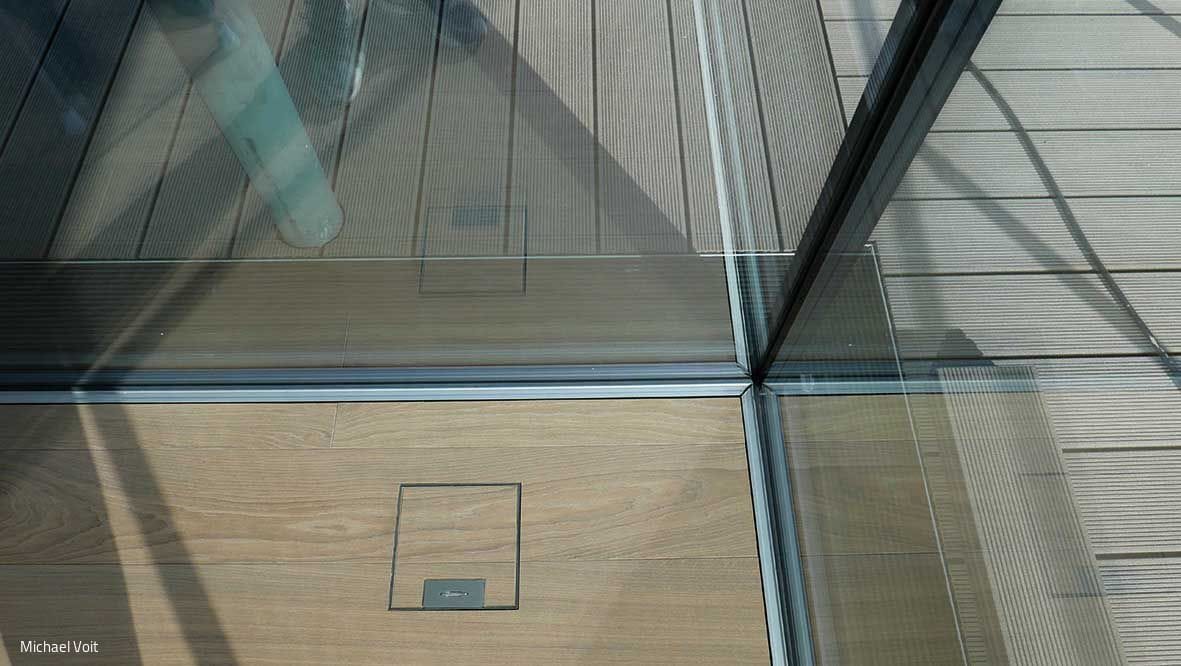
The architects' answer to this exceptional location: an elegant, weightless design. The façade wraps the structure as a continuous triple-glazed glass skin with seamless floor-to-ceiling integration and flush-mounted terrace doors. The result: unobstructed 360-degree views across Munich—undeniably one of the apartment's crowning features. Motorized louvered shading elements run along the roofline for climate control.
Before constructing the new seventh-floor penthouse, the team first upgraded the entire roof assembly for energy performance and installed fresh materials. The remaining roof areas received both intensive and extensive green landscaping, as did the penthouse's laminated wood ceiling. The elevator also required modernization—a crucial intervention that maximized the originally cramped cabin. Now, accessing the rooftop sanctuary in a wheelchair is effortless, making that panoramic Munich vista available to everyone.
Photography Credits:
Michael Voit
www.michaelvoit.de
(Published in CUBE Munich 01|21)
Simply Wow
From Warehouse to Wonder: Inside a Stunning Sendling Loft Transformation
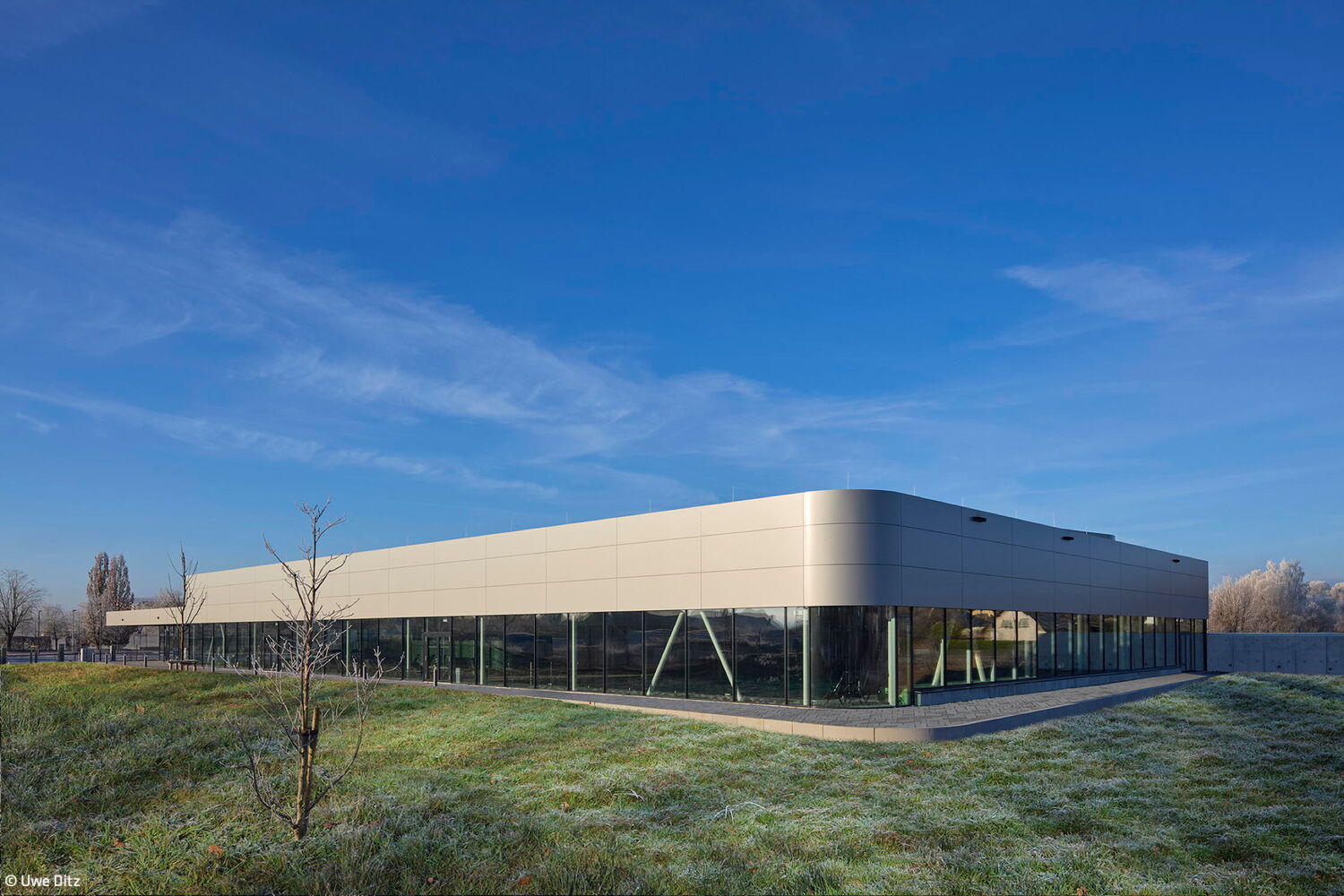
Clean Forms – Bold Colors
Light-Filled Sanctuary – Where Wellness Meets Community
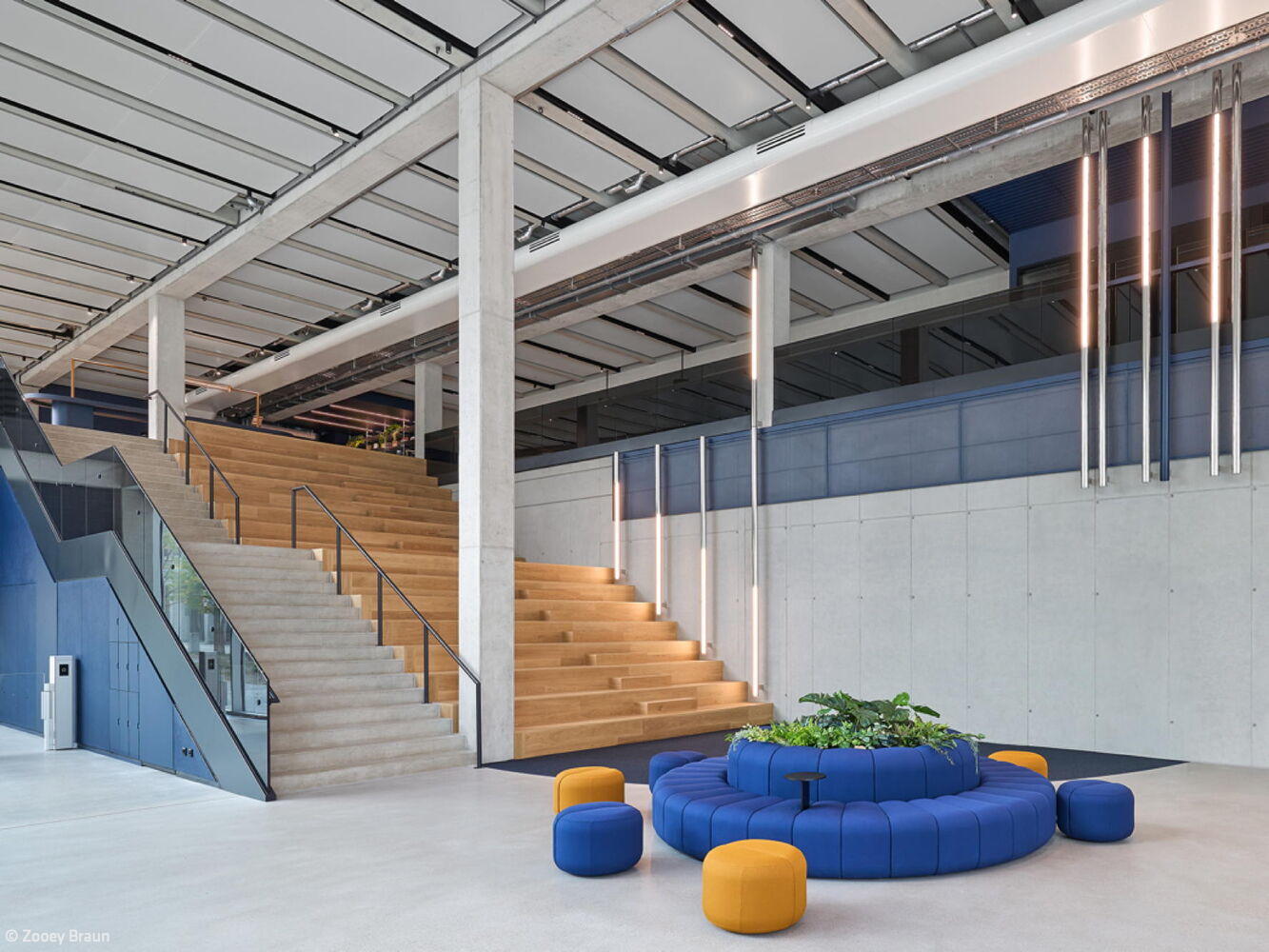
Working with the Comfort Factor
A Unified Vision for Collaboration and Creative Work
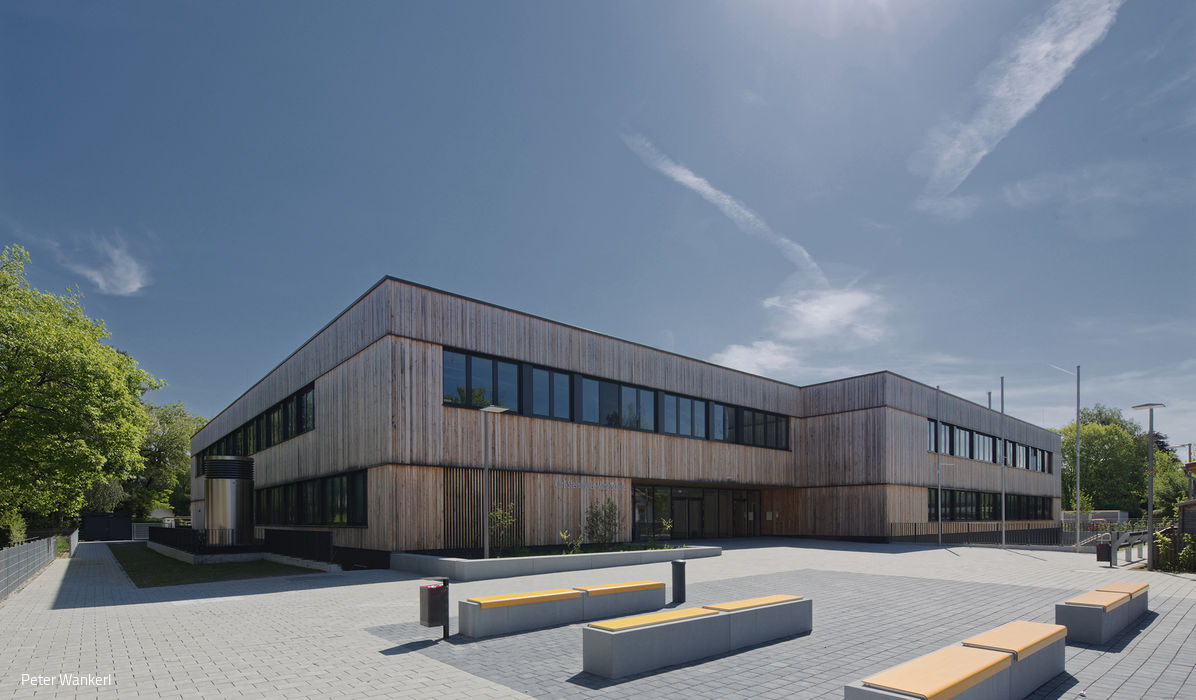
School with a Sense of Well-Being
Award-Winning Secondary School in Hohenbrunn