


A Gem Beneath the Eaves
Where a historic laundry storage space becomes a modern, timeless maisonette
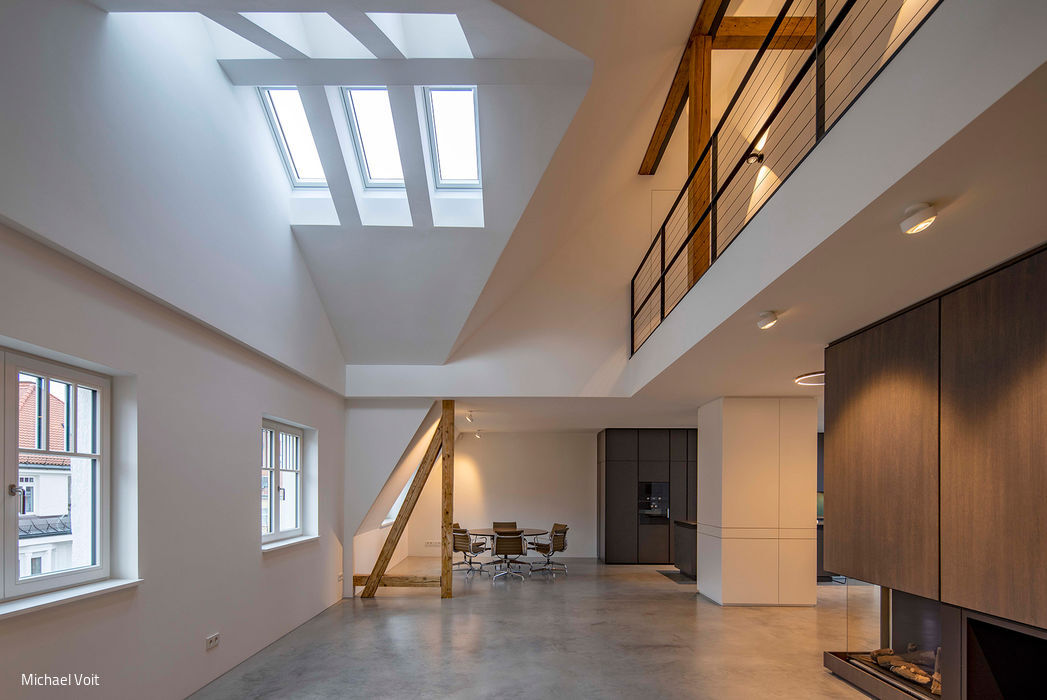
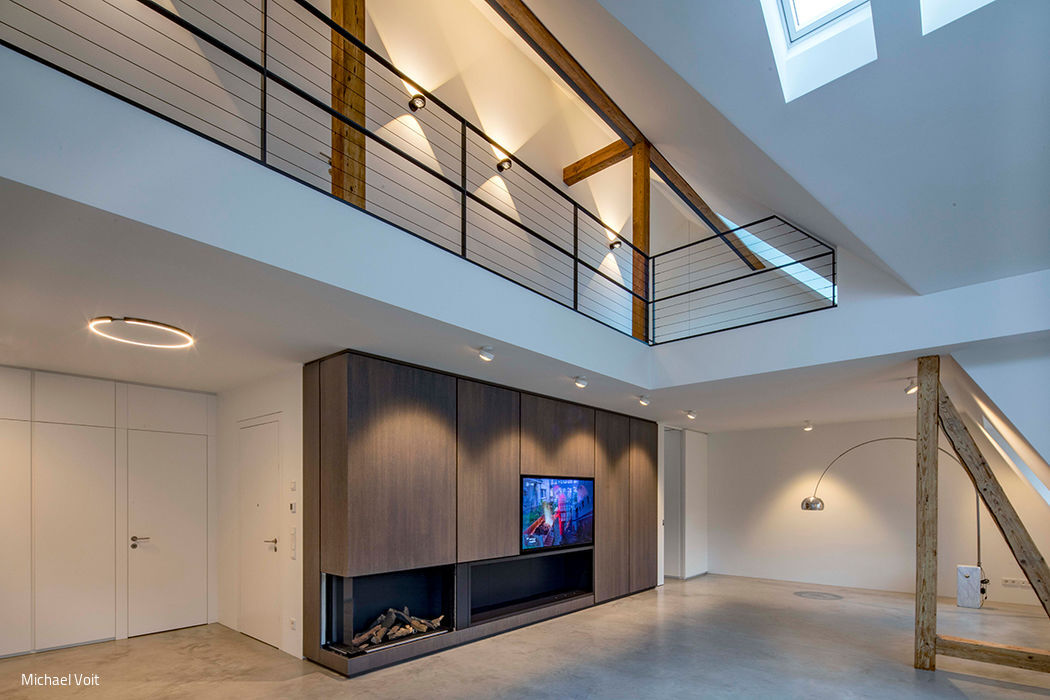
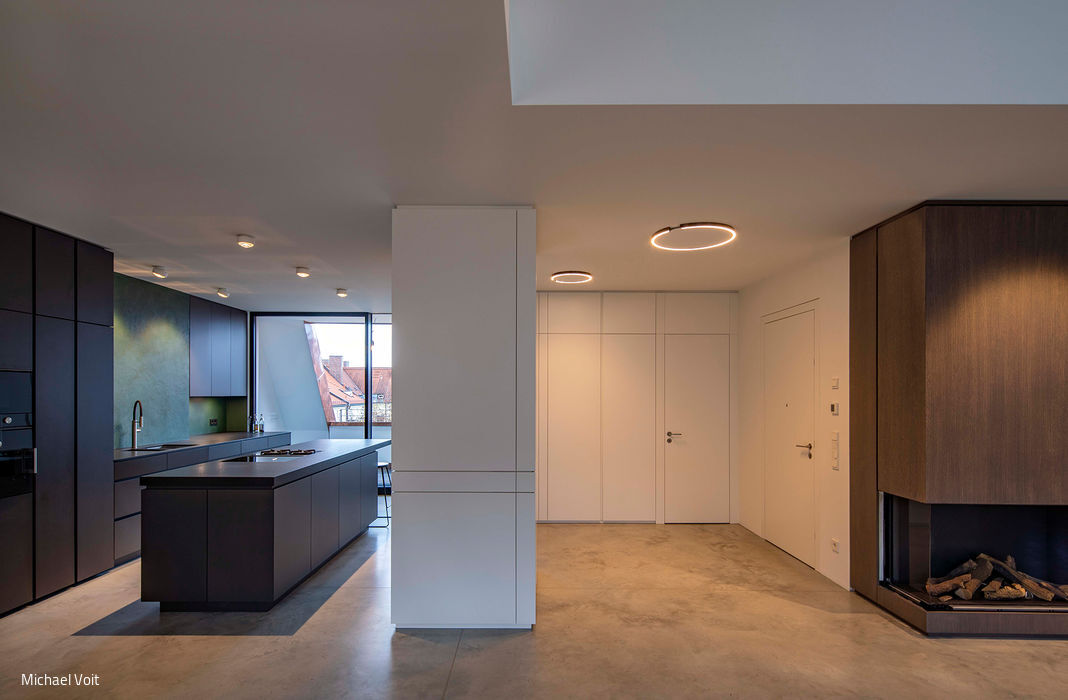
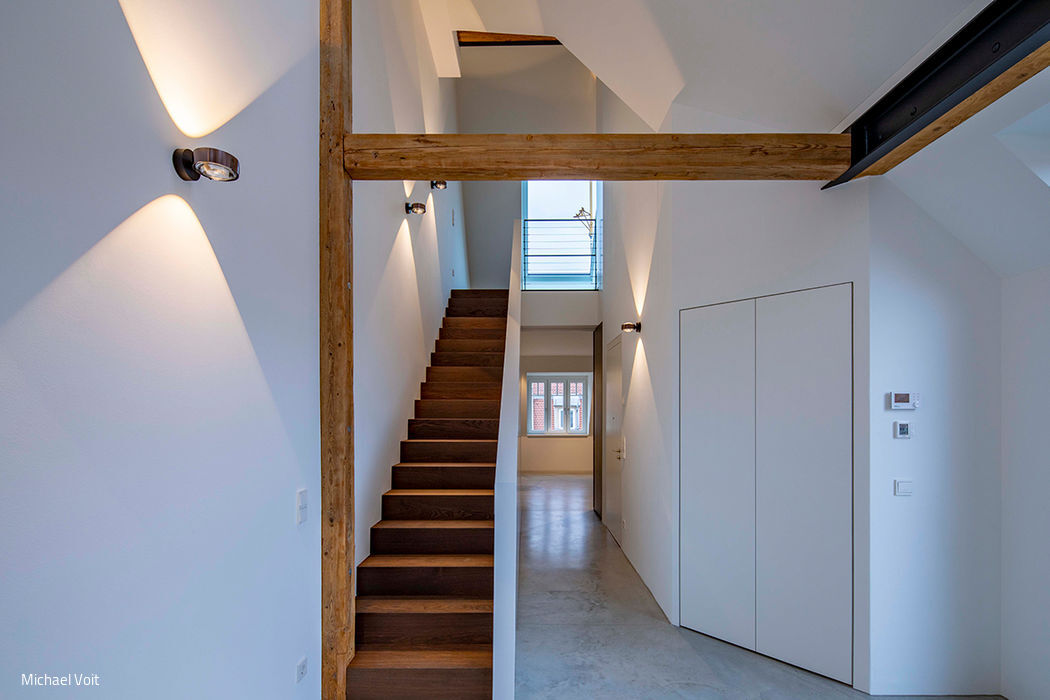


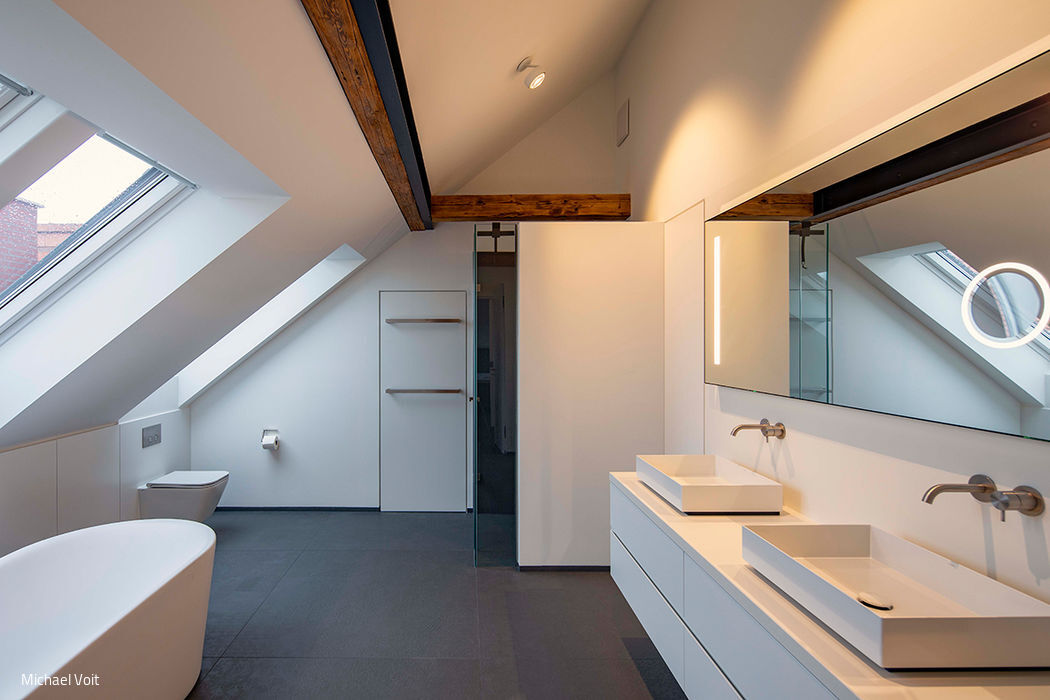

The attic of this historic building once served as a laundry storage space—a function that the recent conversion proves to be a tragic underutilization of valuable real estate. Working with a private client, the architectural firm a + p Architekten transformed the space into expansive, light-filled living areas that offer generous privacy alongside their open character. Preserving the essential spirit of the attic throughout proved to be a complex undertaking. The architects first confronted substantial existing damage: fire damage and wooden beam ceilings compromised by decay. Beyond structural repairs, they navigated competing demands between energy efficiency measures—including internal insulation of solid exterior walls and protective wood treatment—alongside fire safety codes and building systems integration. "Rather than viewing these as obstacles, we brought our specialists into the process early: wood preservation consultants and structural engineers worked alongside us from the start," the architects explain. "This collaborative approach allowed us to implement our vision without compromise or delay." They draw on previous experience; a decade earlier, they completed a similar attic conversion in the adjacent rear building. The design's primary objective was ambitious: flood the old storage space with natural light and ventilation while honoring the building's heritage and allowing its history to remain tangible. The result seamlessly weaves all rooms and levels together into one flowing, unified space.
To tame the visual restlessness created by sloped ceilings and irregular corners, the architects exercised restraint in their material palette. Polished concrete screed—the most neutral of materials—allows furnishings and art to command attention without distraction. The living areas feature warm parquet flooring, creating an inviting residential quality that concrete alone cannot convey. The ceiling received particular attention: renovated using a wood-concrete composite system that meets all contemporary building standards while preserving the original structure. Strategic lighting reinforces the design's emphasis on spatial flow and visual continuity. The finished project—realized over twelve months of planning and sixteen months of construction—achieves a rare balance: functional clarity married with understated elegance.
Photography Credits:
Michael Voit
www.michaelvoit.de
(Published in CUBE Munich 04|21)
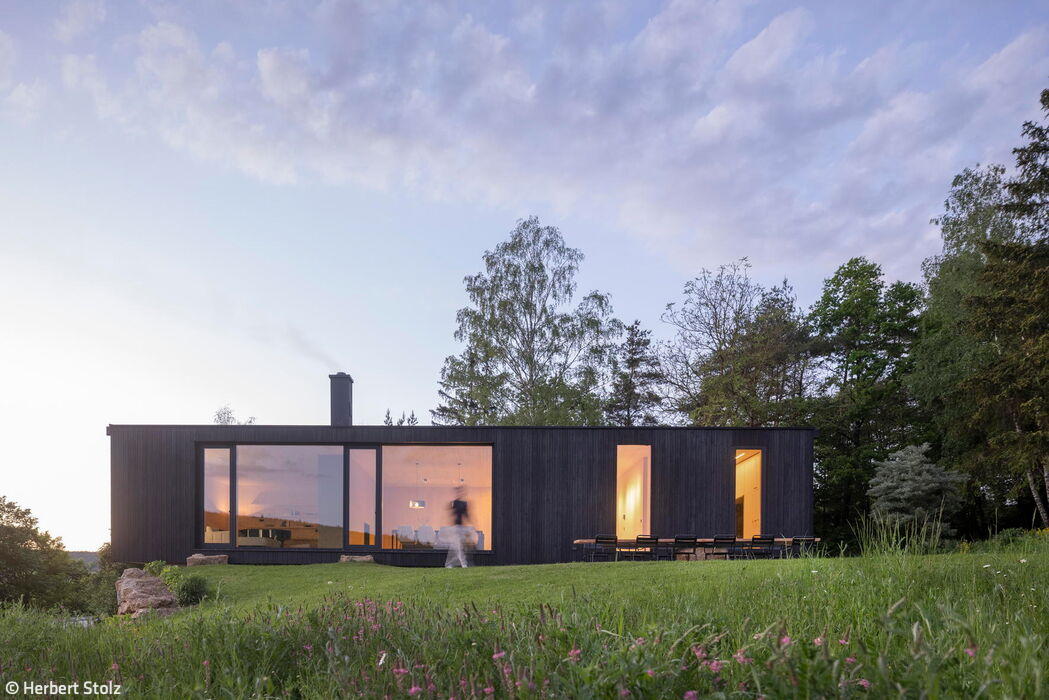

Cubic Glass House
A contemporary residential extension with undeniable visual impact
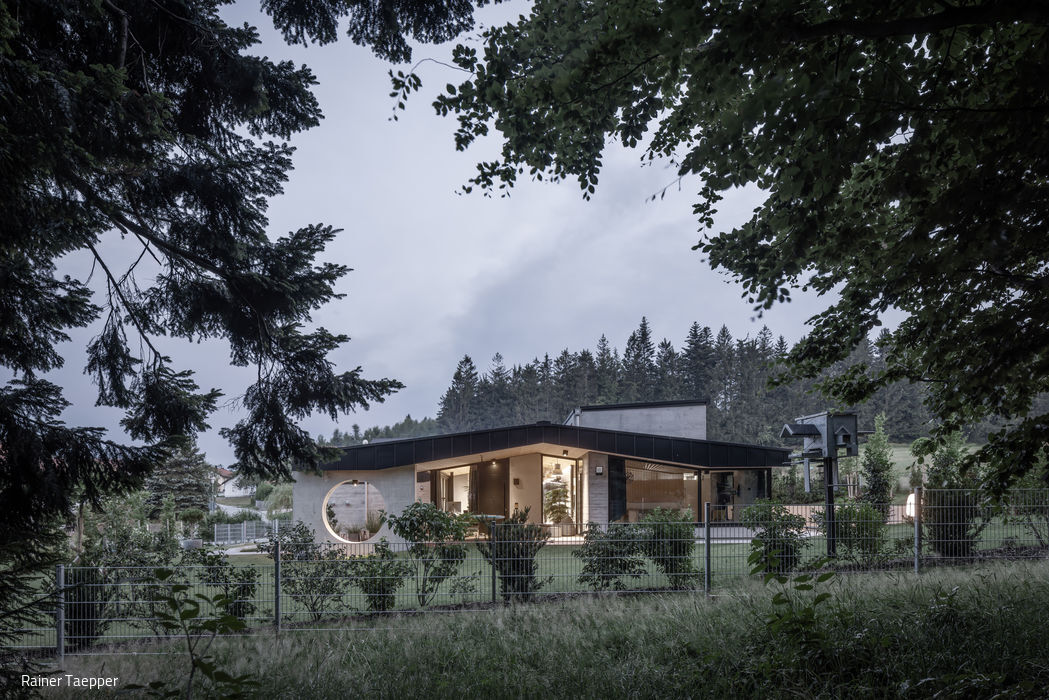
"Four-Sided House" Northern Lights
Multiple Perspectives—Deep in the Bavarian Forest
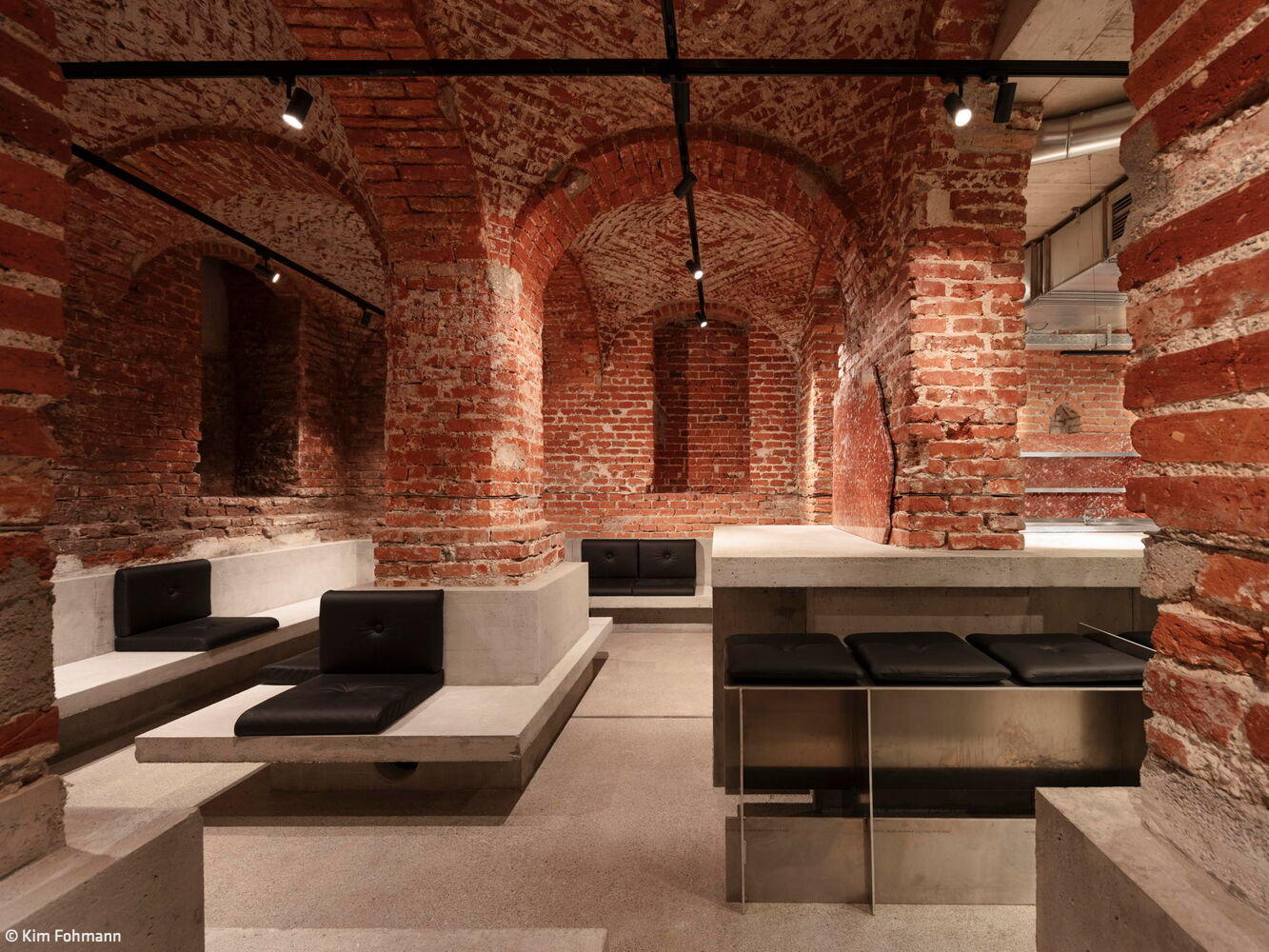
Cold Design – Hot Ideas
A Concrete Bar as Architectural Masterpiece
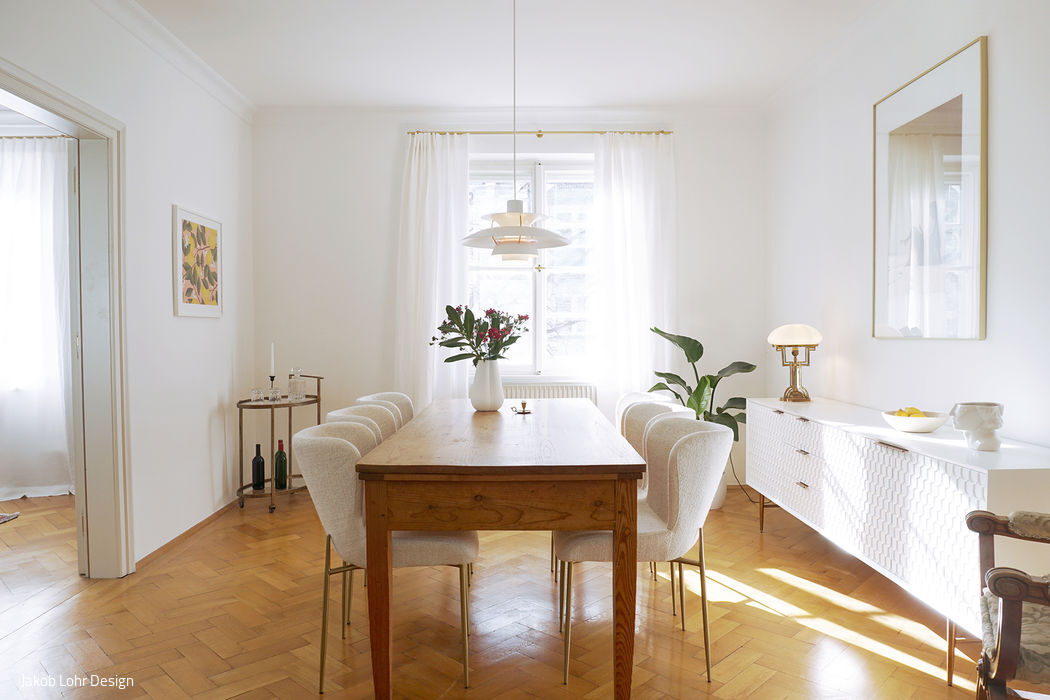
Blending Old and New
The ground floor of a Laim villa transformed into an entirely new spatial experience.