


Tradition and Innovation
Historic bridge reimagined in striking new light that creates remarkable depth

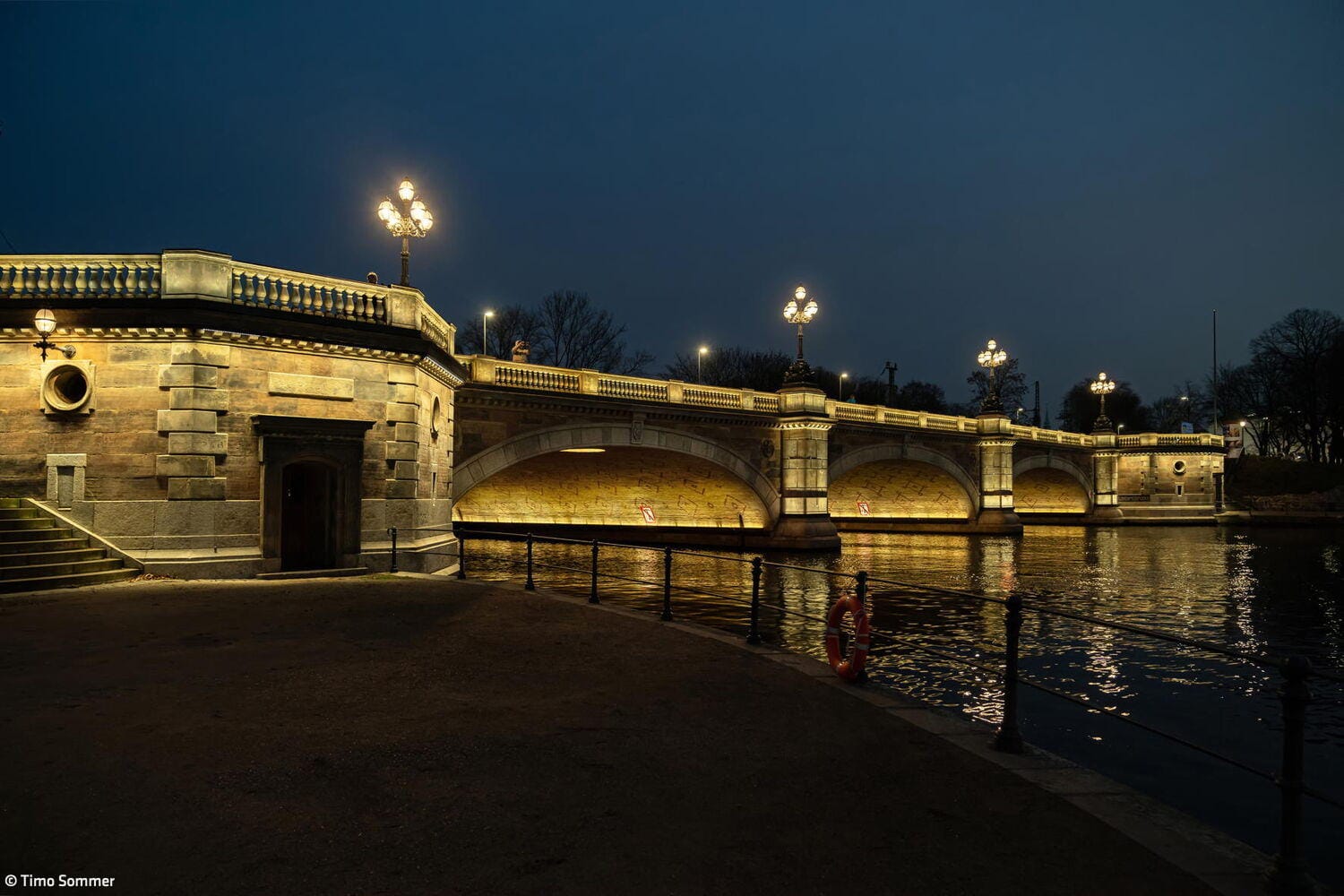
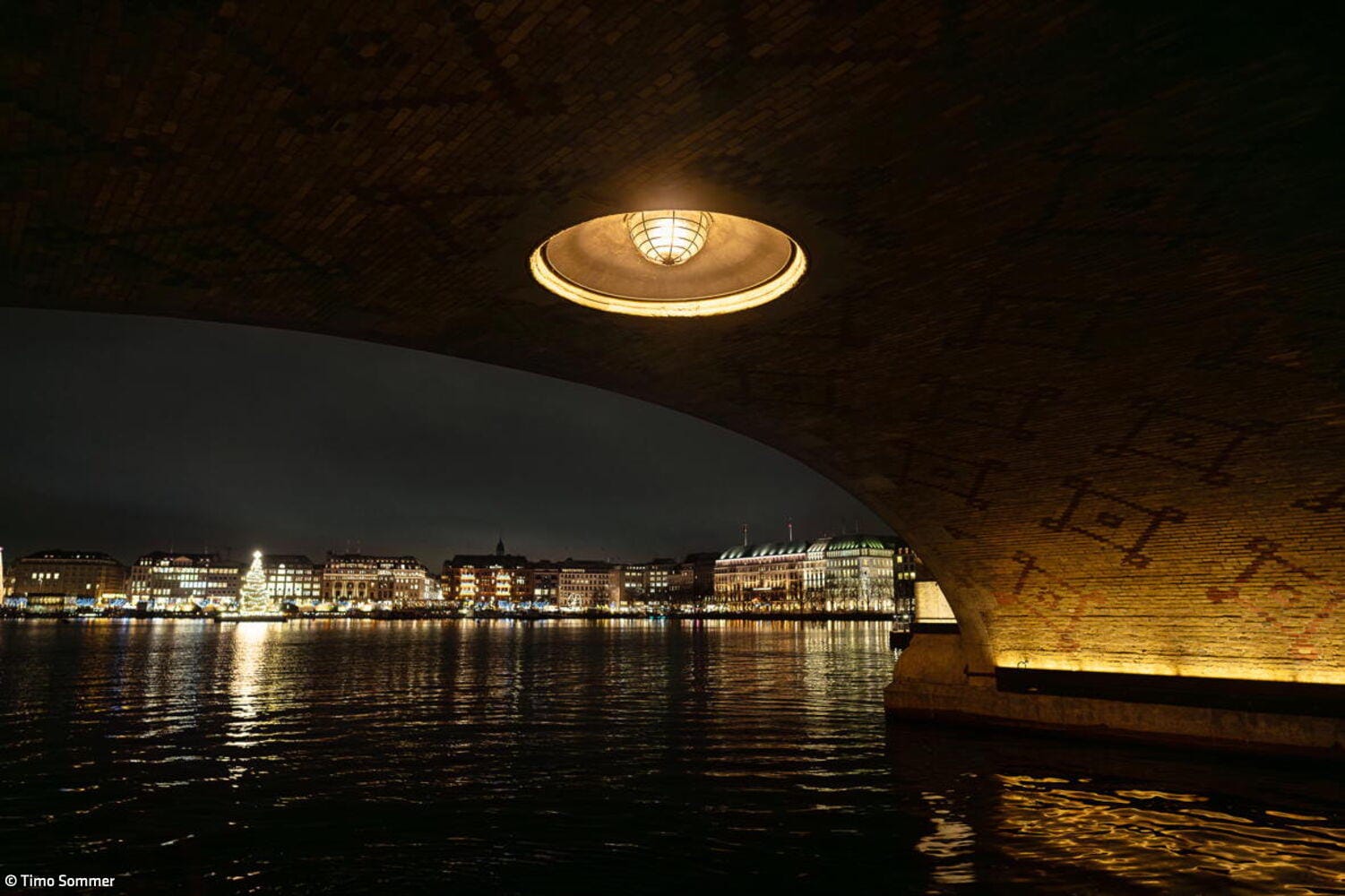
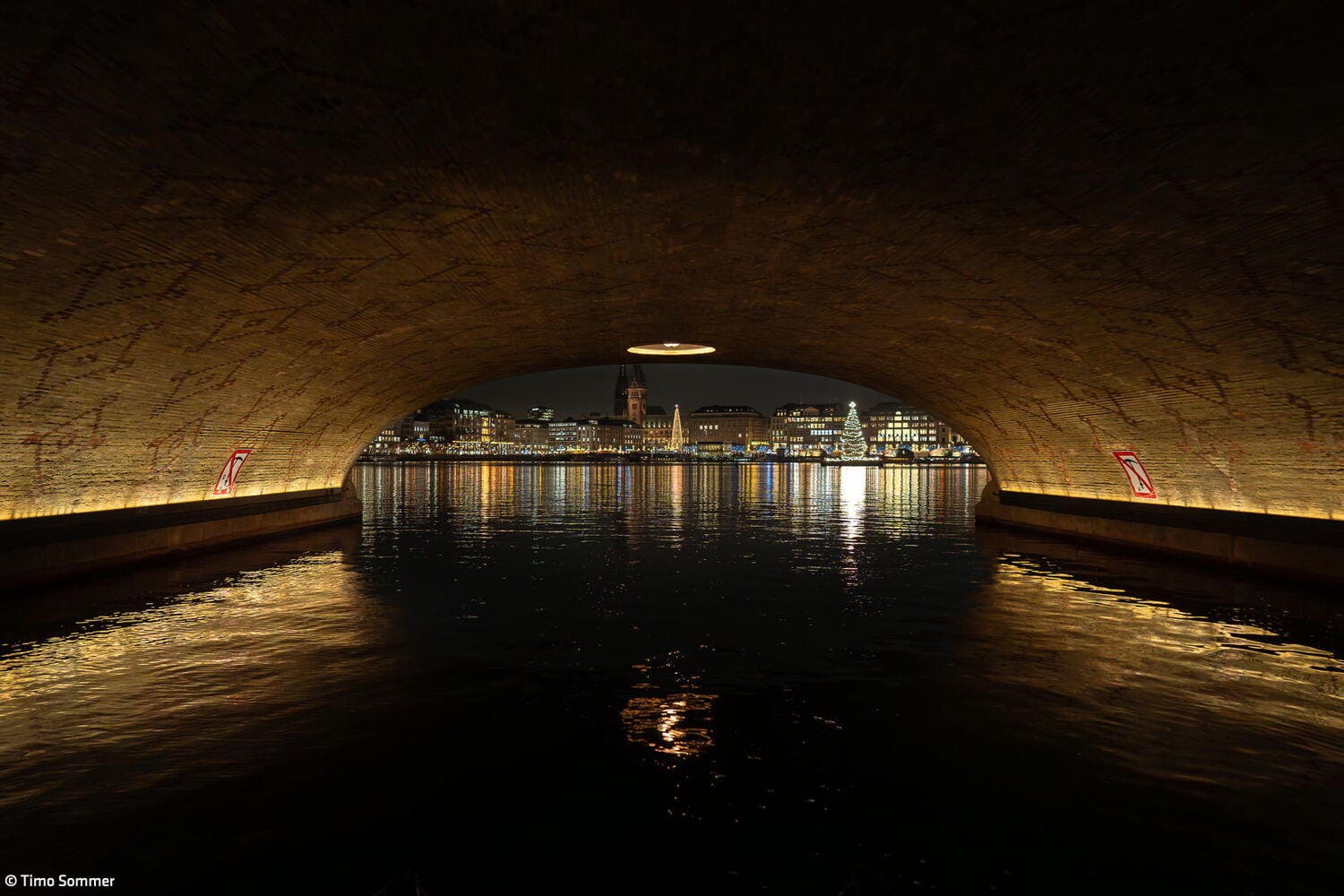
Built in 1868 by Johann Hermann Maack, the Lombardsbrücke has been meticulously restored. Team Licht's lighting design transforms this architectural landmark into an atmospheric centerpiece of the city's skyline. The designers' approach treats the bridge as a unified composition—with select sections deliberately highlighted to guide the eye. Strategic luminaire placement emphasizes the bridge's horizontal sweep, with light catching along the structured edge to enhance its architectural clarity. Atmospheric illumination flows along the balustrade and through the archways, reinforcing visual continuity and establishing a compelling sense of spatial depth.
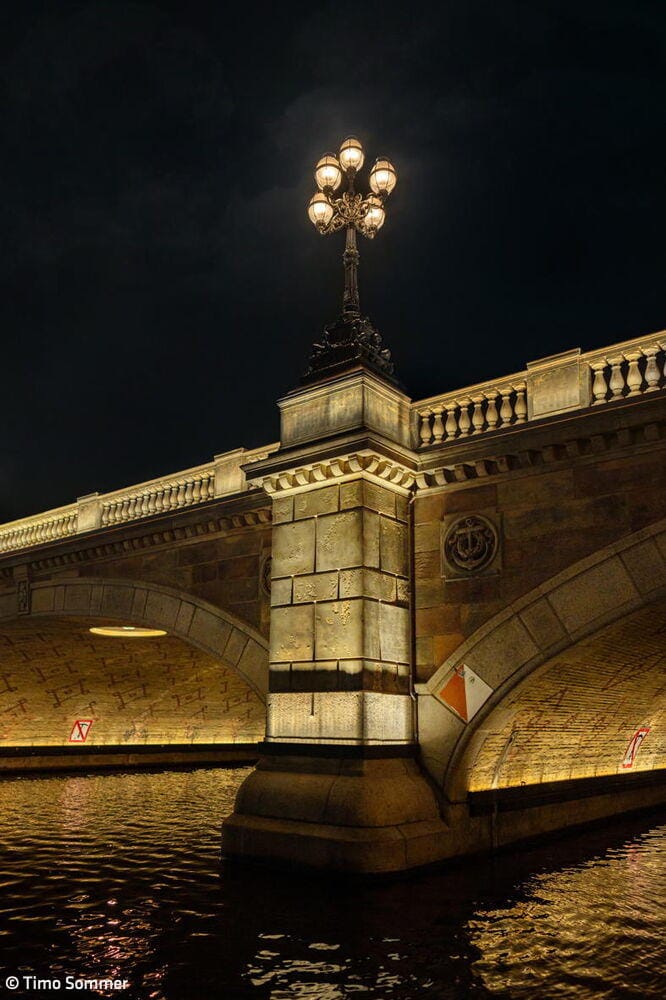
The bridge's pillars command special attention through concentrated light, which accentuates their vertical form and strengthens their visual presence. The horizontal character remains evident through thoughtfully placed balustrade lighting and upward-directed beams. The design transitions smoothly while avoiding glare—achieved through honeycomb grids and precise luminaire positioning. To preserve the landmark's integrity, custom supply profiles were engineered to run discreetly along the structure, eliminating the need for invasive drilling while housing both luminaires and technical systems. Linear fixtures integrated into side profiles employ grazing light across the archways, revealing depth and emphasizing the waterway's visual connection.
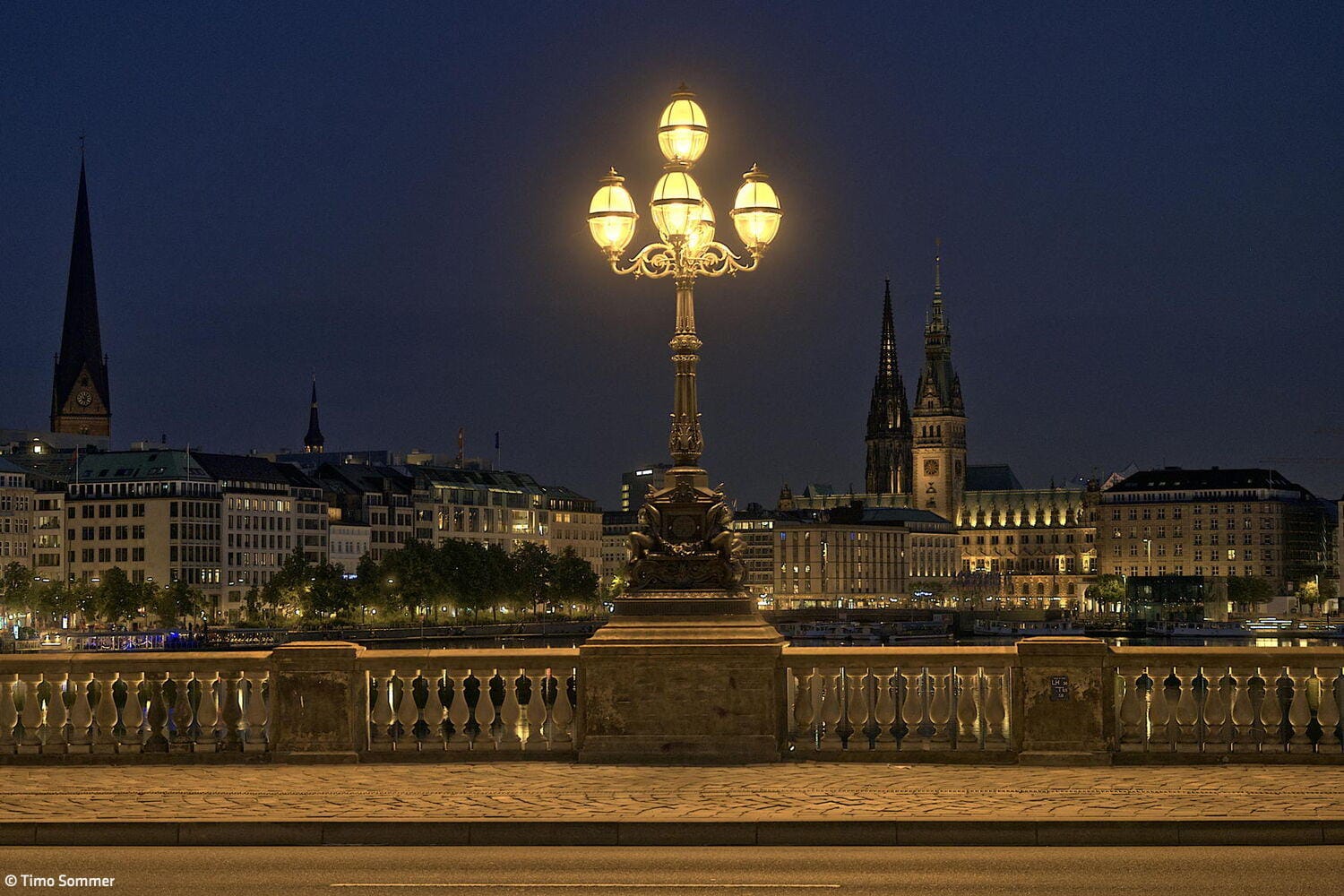
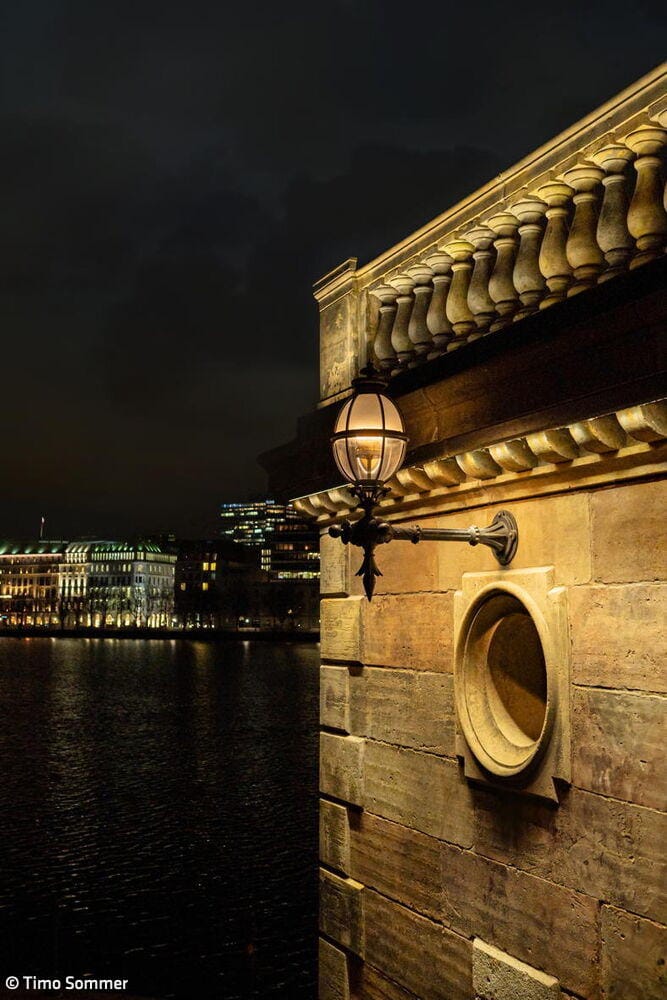
The bridge's iconic Carl Börner candelabras—which once crowned the structure and lit its traffic lanes—have been faithfully restored and reimagined as integral design elements. Period wall sconces have been similarly preserved. Even the "gas lamps" within the archways have been reinstated, casting enchanting reflections across the water and adding a luminous sparkle to the composition. App-controlled dimming and color adjustment allow the lighting to evolve with the sandstone's natural weathering. Every color temperature, intensity level, and operating schedule was refined in consultation with Hamburg's city lighting board. The result is a concept that honors historical character while embracing cutting-edge technology—celebrating the bridge's architectural integrity while artfully spotlighting its defining elements.
Photography:
Timo Sommer
www.timosommer.com
(Published in CUBE Hamburg 04|25)
The Craft of Quality Construction
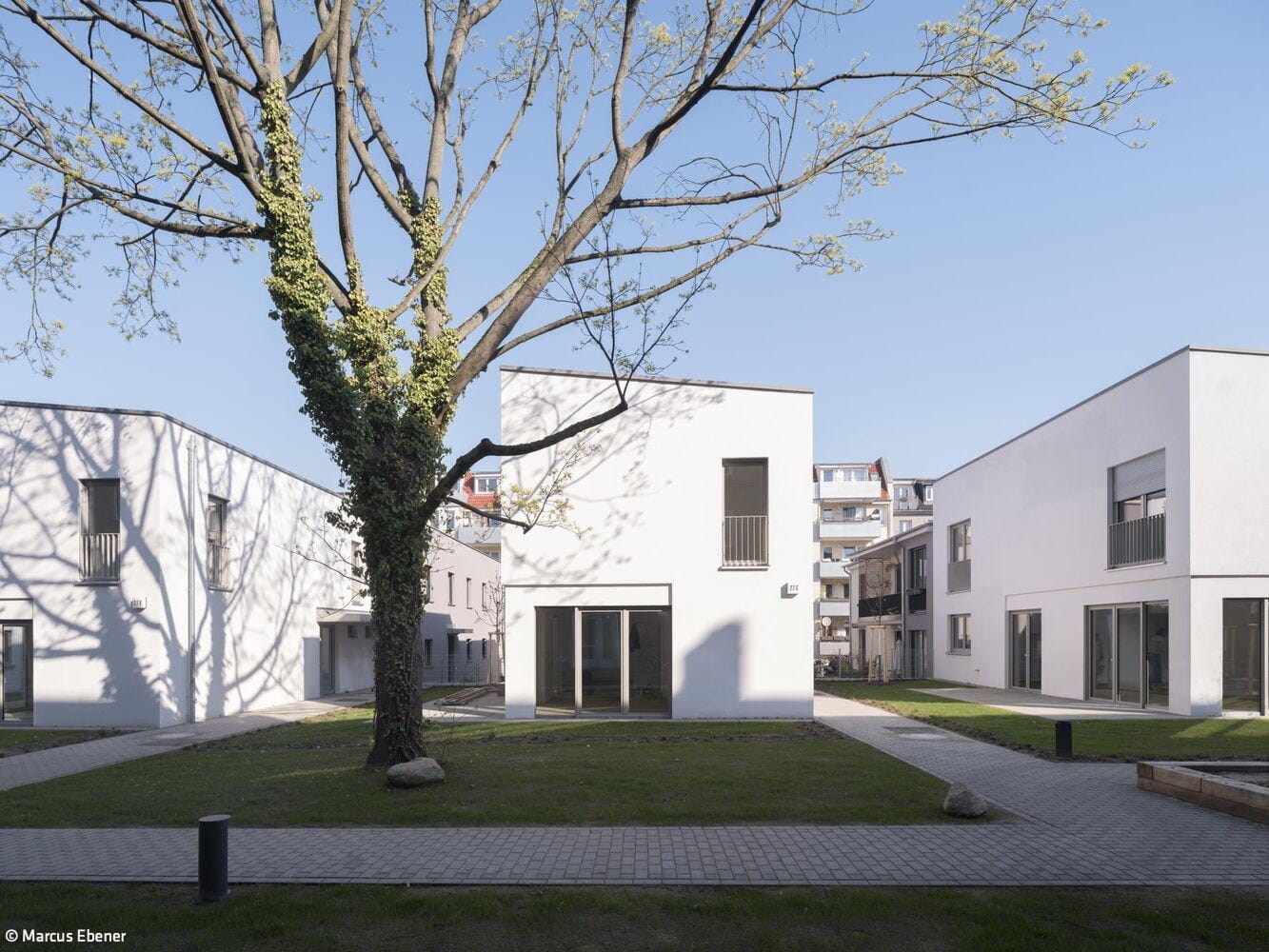
Where public funding meets exceptional design: these residential courtyards demonstrate the power of both.
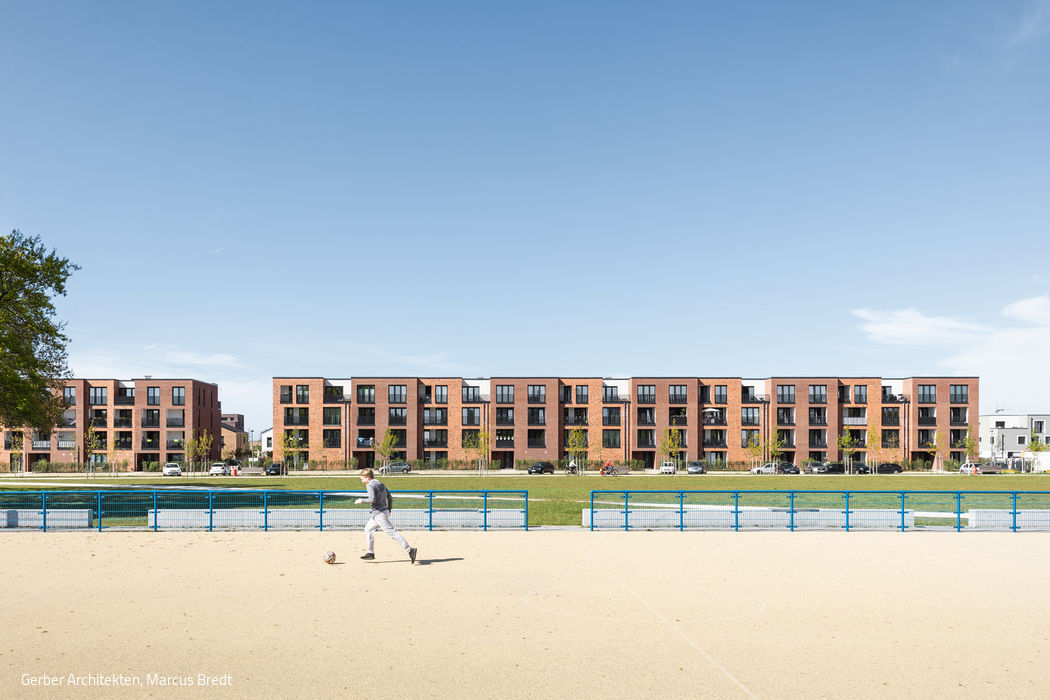
Living in harmony with nature
Open-Plan Residential Community at Vogelkamp Neugraben
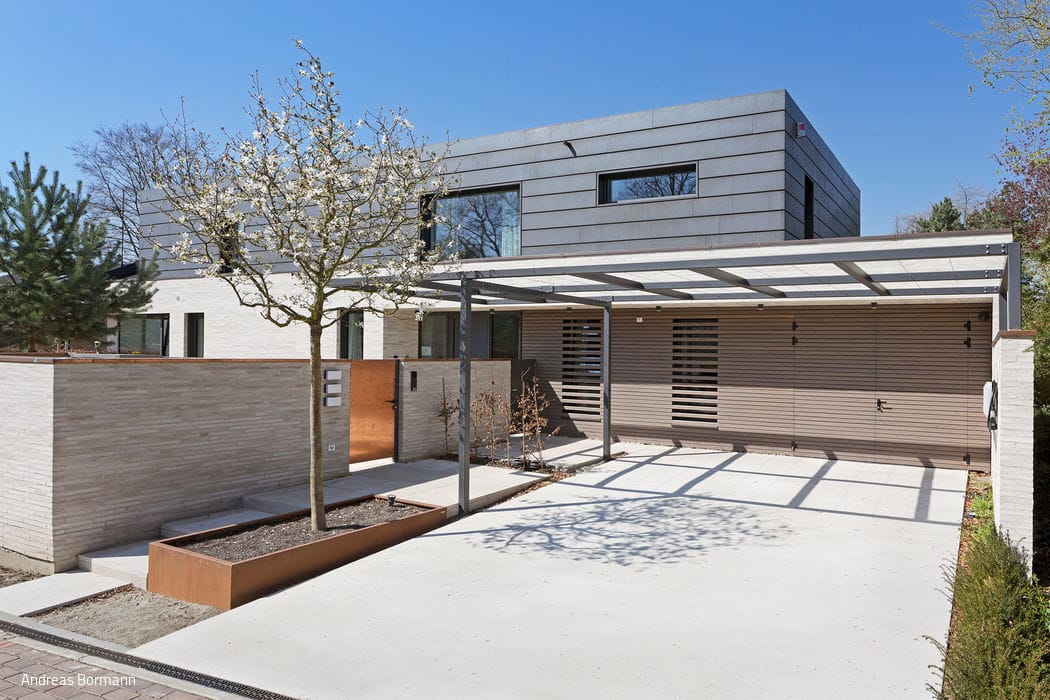
A North German courtyard house
A modern reinterpretation achieving maximum privacy, inside and out
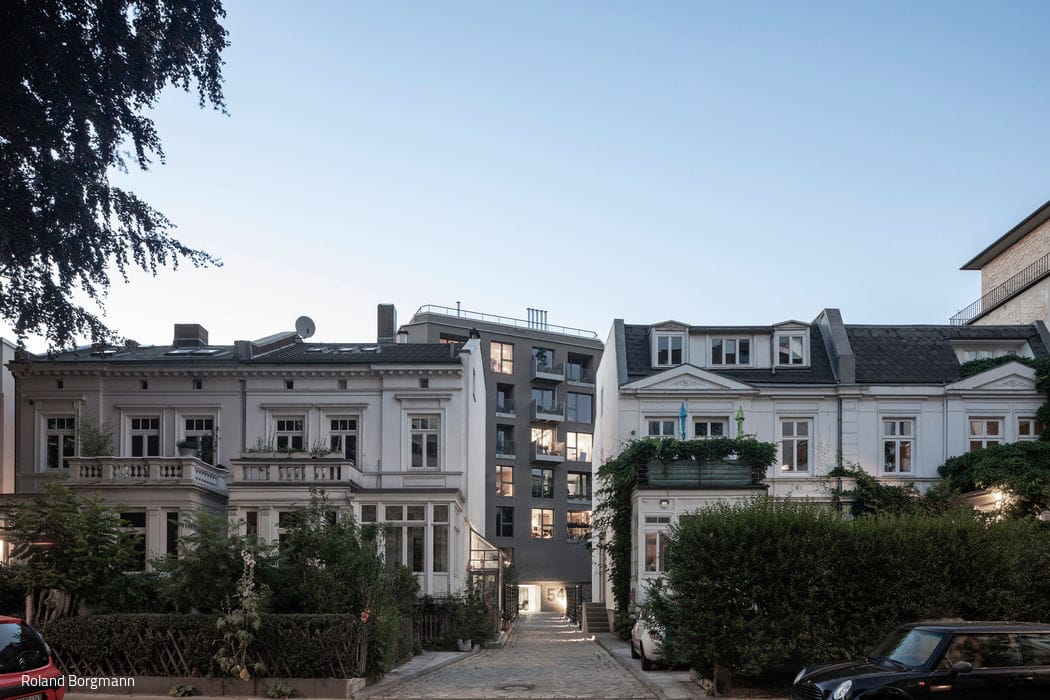
A Masterful Balancing Act
Transforming a bunker into homes for tomorrow