


A Distinctive Design Language
Architect Thomas Wacker on bespoke building, sustainability, and creating spaces where people thrive
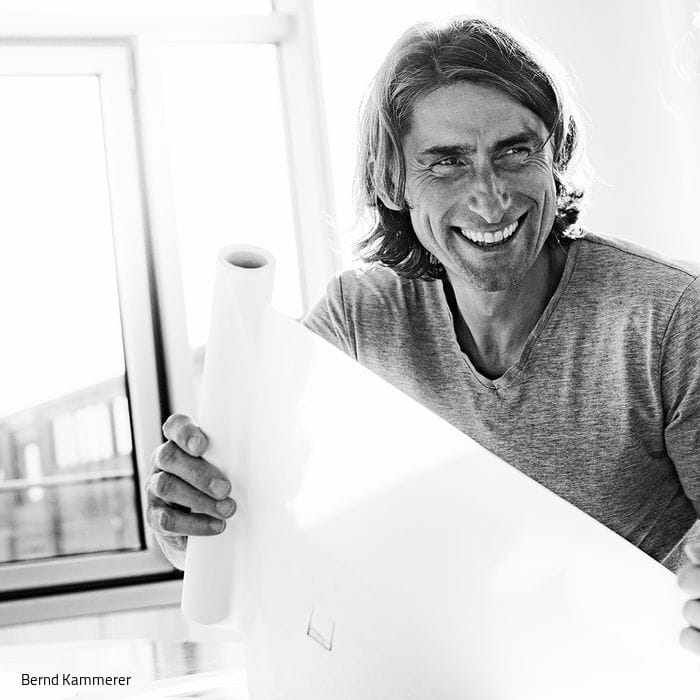
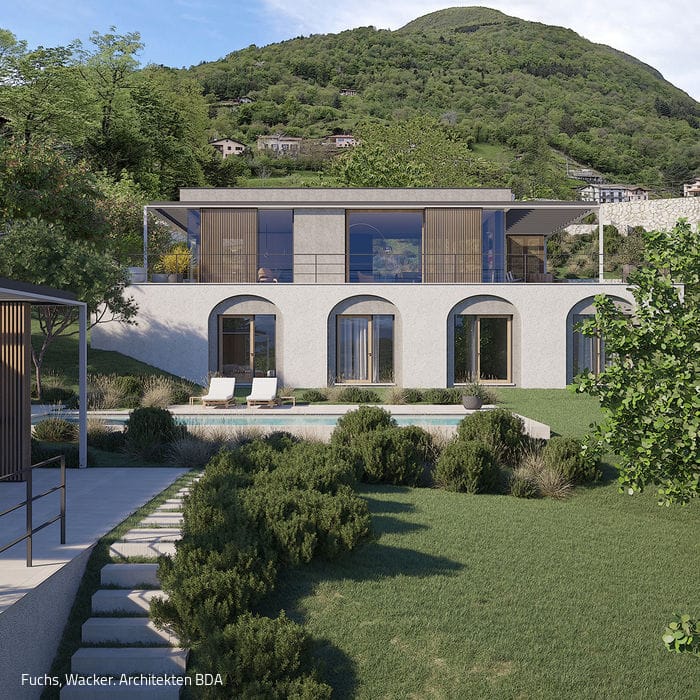
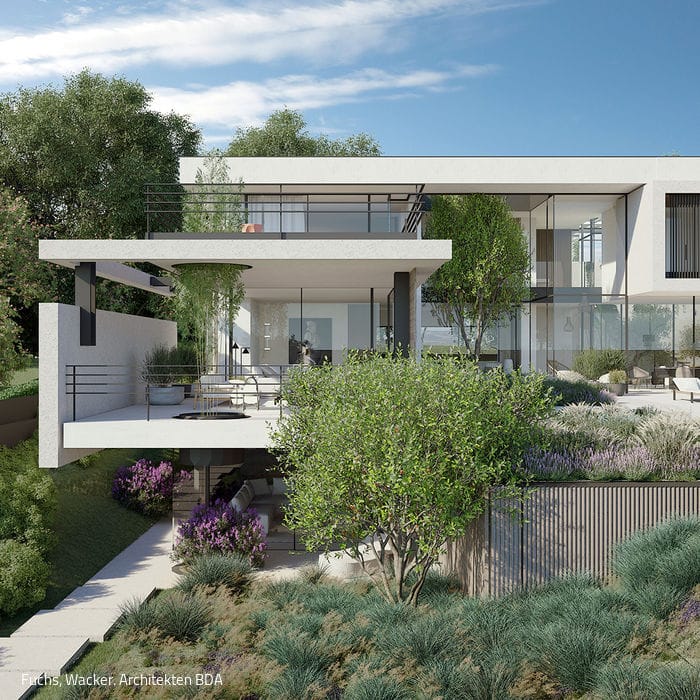
CUBE: Fuchs, Wacker Architects are currently creating remarkable villas in prime locations across Germany and internationally. What's driving this momentum?
Thomas Wacker: Despite the Covid-19 slowdown, the construction industry remains robust. Our firm has particularly benefited from market uncertainty, which continues to drive investor interest in real estate—particularly residential properties for personal use. In fact, the pandemic may have intensified this demand. As for how clients find us, there are several factors at play. Primarily, it's the caliber of our work. With over 20 years of experience designing exceptional homes, we've built a reputation for responsible stewardship of our clients' investments. Quality work speaks for itself—it generates referrals and publications like yours. We've also cultivated a strong media presence; it's remarkable how geographically diverse our followers are. This global reach has opened doors to international projects. Recently, Interni—the world's leading interior design publication—selected us as the only German architectural firm for its global recommendations list. As a result, we're now fielding inquiries for holiday residences on the lakes of northern Italy and along the Riviera from an international clientele.
Does your practice operate from a particular design philosophy? How would you characterize your architectural language?
We approach every design challenge holistically. From the start, we think simultaneously as landscape designers, interior specialists, and architects. Our designs are centered on the lived experience—the diverse scenes that unfold within a home, whether that's hosting a gathering of friends or children playing safely in the garden. A residence must accommodate profound contrasts: the need for sanctuary alongside connection to the outdoors, practical function alongside emotional resonance. A home should hold space for grief and celebration alike. We work to give form to all of these dimensions through material selection, spatial flow, and carefully calibrated light. The result is that each house—shaped by the client's personality and needs—carries the unmistakable signature of its inhabitants.
Are there recurring architectural elements or material choices that define a Fuchs, Wacker home?
Our practice has developed a distinctive visual language that's instantly recognizable—regardless of the project type or which team member leads it. We've achieved this through a modular approach: a carefully curated set of design elements that recur throughout our work. Our design philosophy centers on creating spatial continuity, flowing connections between interior and exterior spaces, and soaring air volumes that link different levels. Yet we never lose sight of what a home needs to be: a sanctuary that provides the right atmosphere in both good times and challenging ones, with a climate that feels comfortable and welcoming. Consider roof overhangs—they offer practical sun protection while simultaneously conveying warmth and security. Our façades balance openings with closed surfaces, integrating movable screens for privacy and combining heavy and light elements using materials selected for their structural performance. To stay true to our vision without simply repeating ourselves, we continuously refine these elements, ensuring thoughtful evolution with each new project.
Your roots are in Stuttgart. Does its topography make it an ideal setting for striking architecture?
Yes, we are Stuttgarters—and that Swabian sensibility shapes our work. Our homes don't announce themselves loudly; we favor a measured, understated approach that still radiates character and individuality. In Stuttgart specifically, resale value often influences client thinking, which typically leads people to favor homes that are distinctive without being too unconventional. While Stuttgart's topography certainly permits dramatic architecture, building codes on sloped sites impose substantial constraints that often work against spectacle.
How comprehensive is your scope on a villa project? Do you oversee interior design, landscape design, and even the selection of furnishings and art?
We consider every dimension of design. We think like masons, tillers, painters, cabinetmakers, gardeners—even household managers. Our practice includes Fuchs, Wacker Design, which complements our work as architects and interior designers. Through the design division, we operate as interior stylists: we curate loose furnishings, decorative lighting, rugs, and more, and source them for our clients. We also create bespoke furniture and objects for individual projects. One of our design pieces recently received a design award.
Does a client purchase a Fuchs Wacker–designed home, or is every villa uniquely tailored to the client's vision?
Our clients' aspirations are paramount—they're the reason each house differs. Our role is to anchor these individual dreams within our larger body of work, so the result is highly personalized while still unmistakably part of our architectural vocabulary.
Should a contemporary villa aspire to be climate-neutral and sustainable?
Our mandate is to deliver homes that are economical to maintain, ecologically responsible, and centered on genuine well-being. We're currently designing all our houses as net-zero-energy residences. Our philosophy is simple: if a home generates the energy it consumes, it can operate very efficiently. Policymakers are transitioning the grid toward electricity, making photovoltaics essential for future homes. Currently, excess power flows back to the grid, but we anticipate that in less than a decade, local battery storage will enable homes to retain their own generated energy—a significant step toward meaningful carbon reduction.
Do you maintain long-term partnerships with specific manufacturers and craftspeople?
Absolutely—it's essential for quality control. While this doesn't apply to every trade, it's critical for key specialists: window makers, plasterers, painters, stone workers, and carpenters. These partners travel with us across the country on projects. The same principle applies to our preferred manufacturers.
Are there architects whose work profoundly influences you? Who would you most want to share an evening with and discuss architecture?
We deeply admire Richard Meier's precise lines. We're equally inspired by the lifestyle quality that American architects like Pierre Koenig and Richard Neutra brought to the 1950s and '60s. Kengo Kuma's work resonates with us for its quiet poetry, and we draw inspiration from Luciano Giubbilei's gardens as well as the way Belgian designers Axel Vervoordt and Vincent van Duysen engage with tradition. These are just a few of our touchstones.
Finally, a personal question: What remains on your architectural wish list?
My dream project would be designing a private museum for contemporary art. I came close to realizing it once. Right now, we're building for a couple who run an art gallery—it's as close as I've gotten so far. I'm watching to see what unfolds.
Mr Wacker, thank you for your time and insights.
Thomas Wacker
Fuchs, Wacker Architects BDA
– Architecture studies in Kaiserslautern and Stuttgart
– 1996 Diploma
– Work experience in various practices (hg merz, Otto Steidle, hotz + architekten, HPP)
– Since 1998 Fuchs, Wacker Architects BDA with Stephan Fuchs
– 2011 Lecturer in Interior Design – Design at Rosenheim University of Applied Sciences
– 2016 Three-month residency with Piero Lissoni in Milan (architecture, interior design, product design)
(Published in CUBE Stuttgart 04|20)
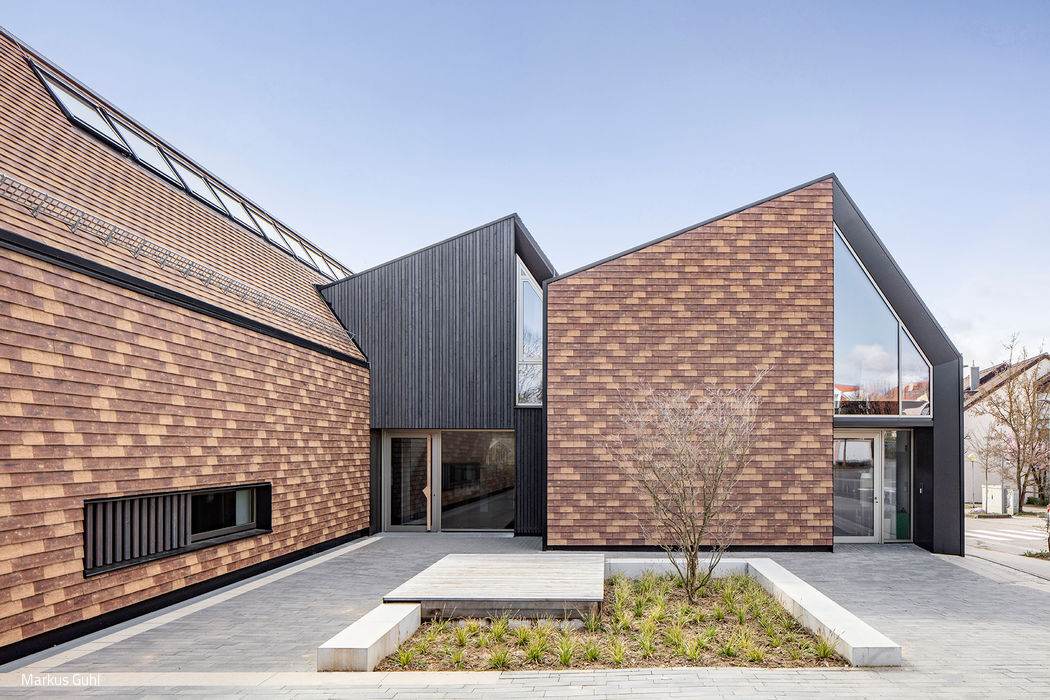
Living Well
A compact, sustainable apartment building with three units and gardens at the heart of the city

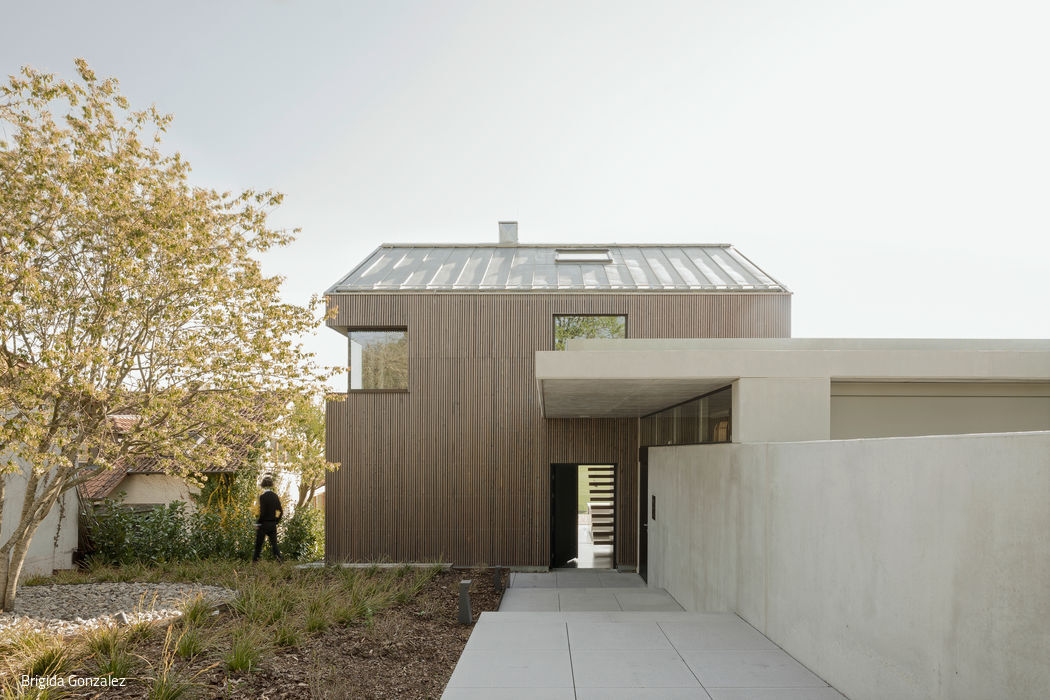
With Lightness
A refined structure with wooden slat facade—proof that exceptional design quality can thrive within strict building constraints
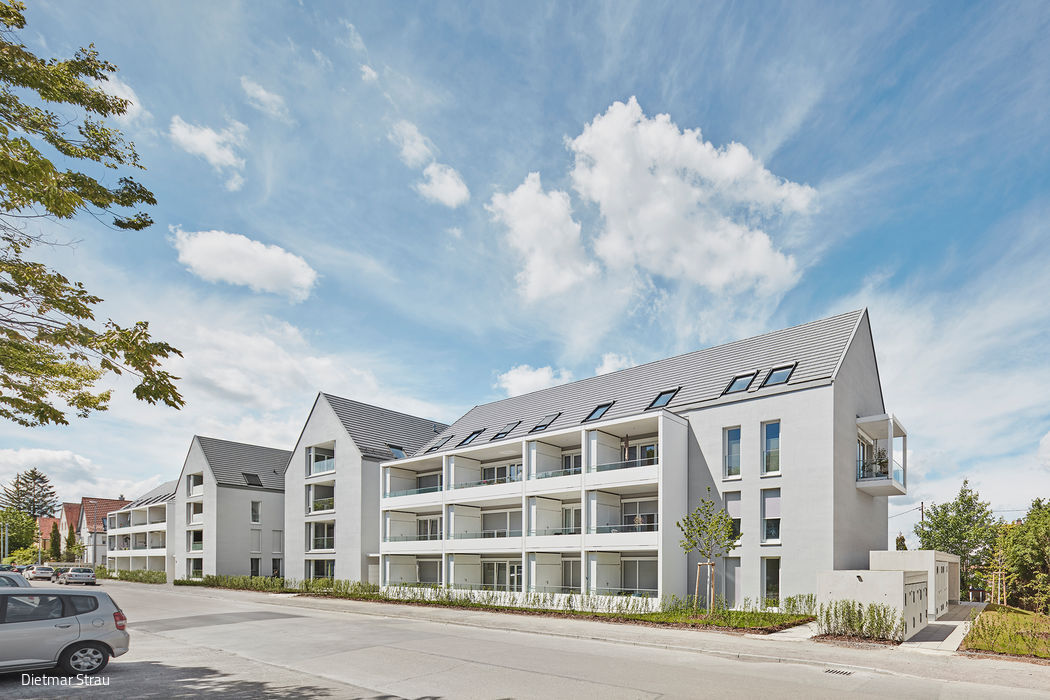
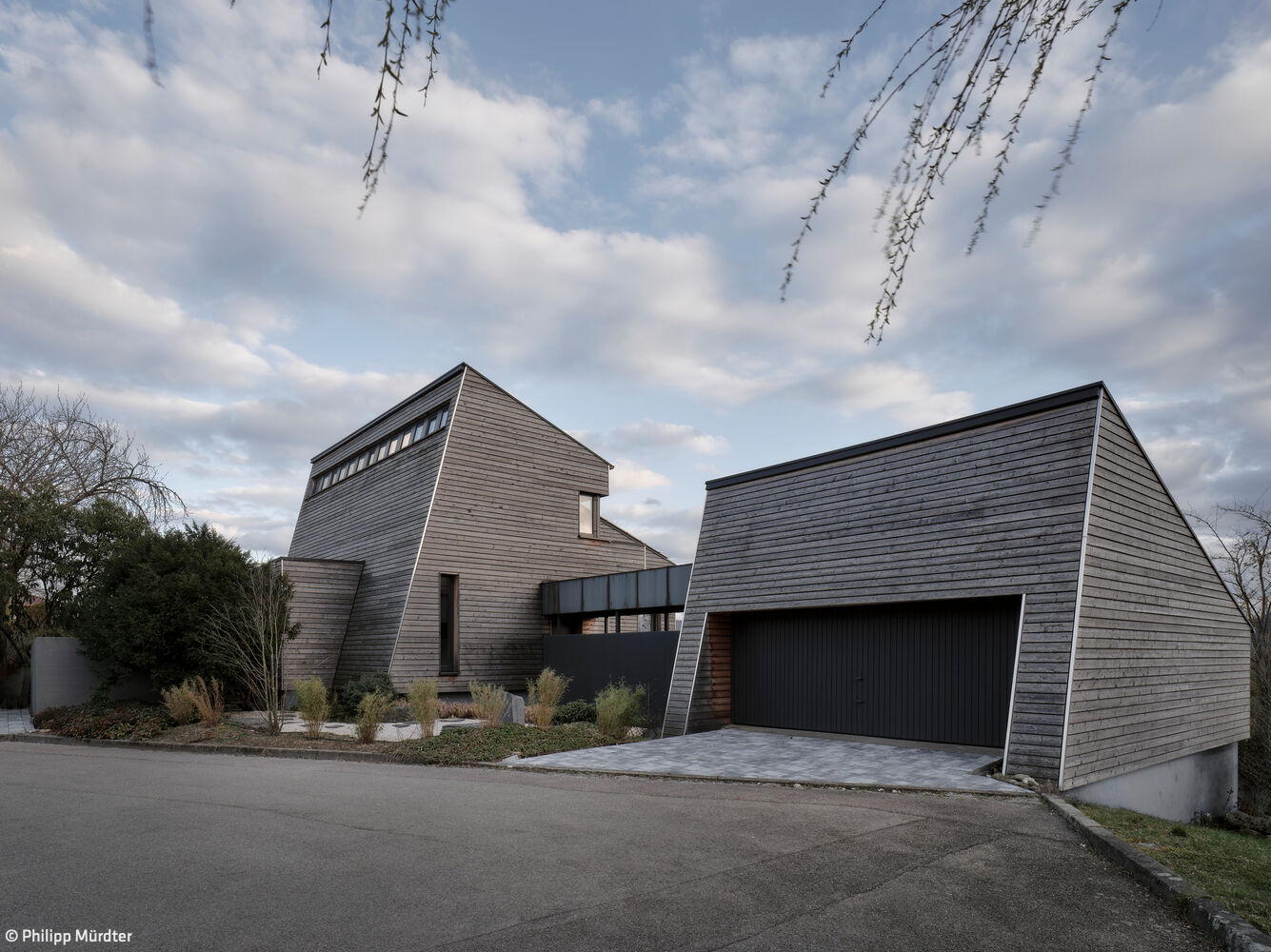
Local and efficient
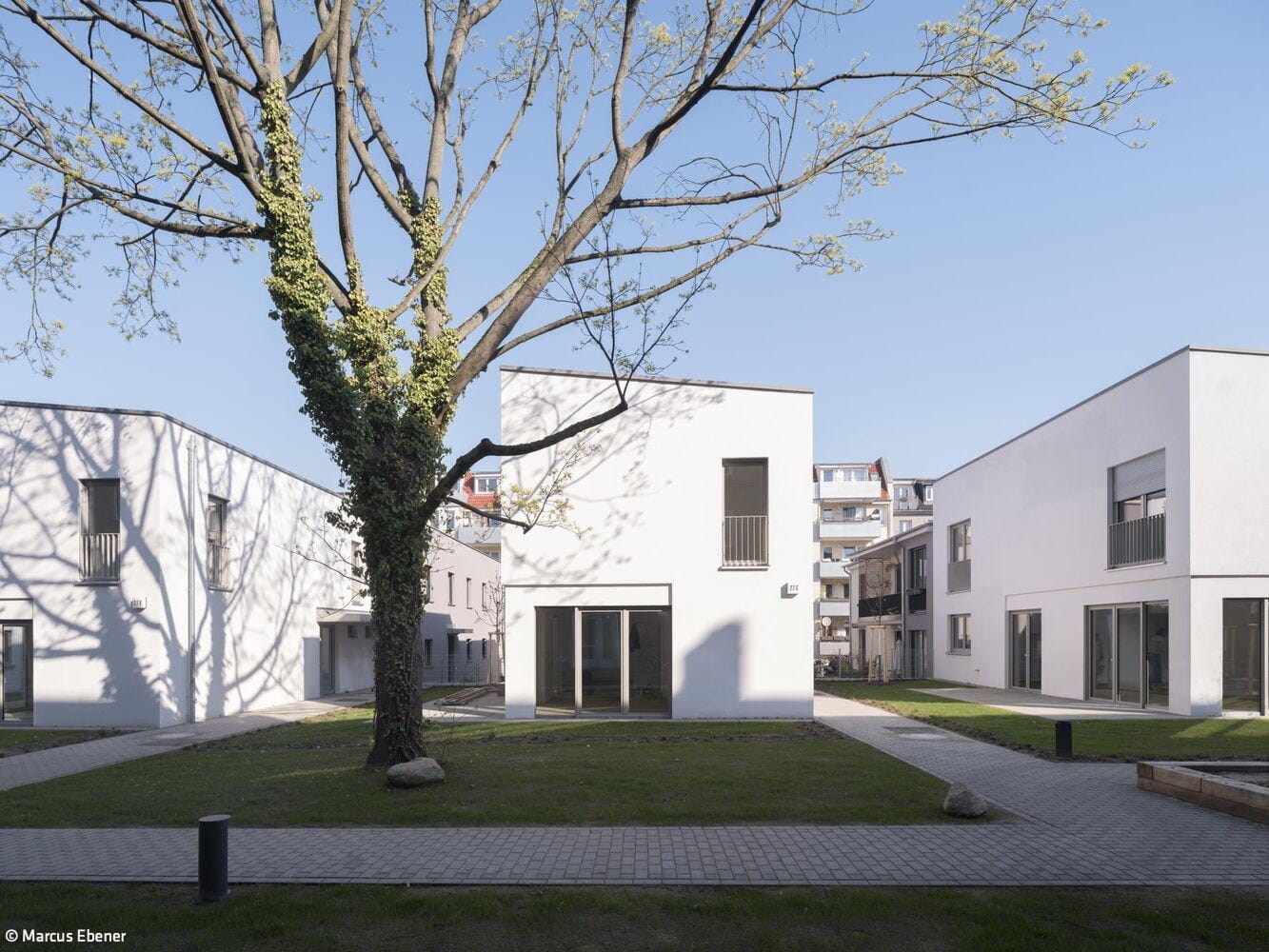
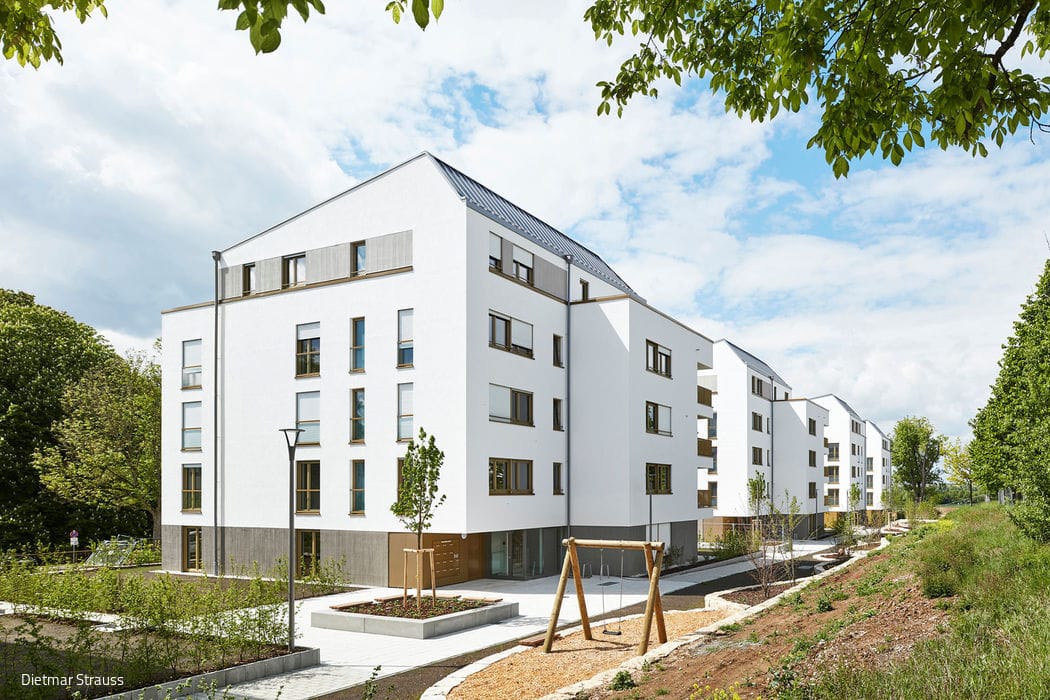
Four energy-efficient, sustainable buildings accommodate a diverse mix of housing types.
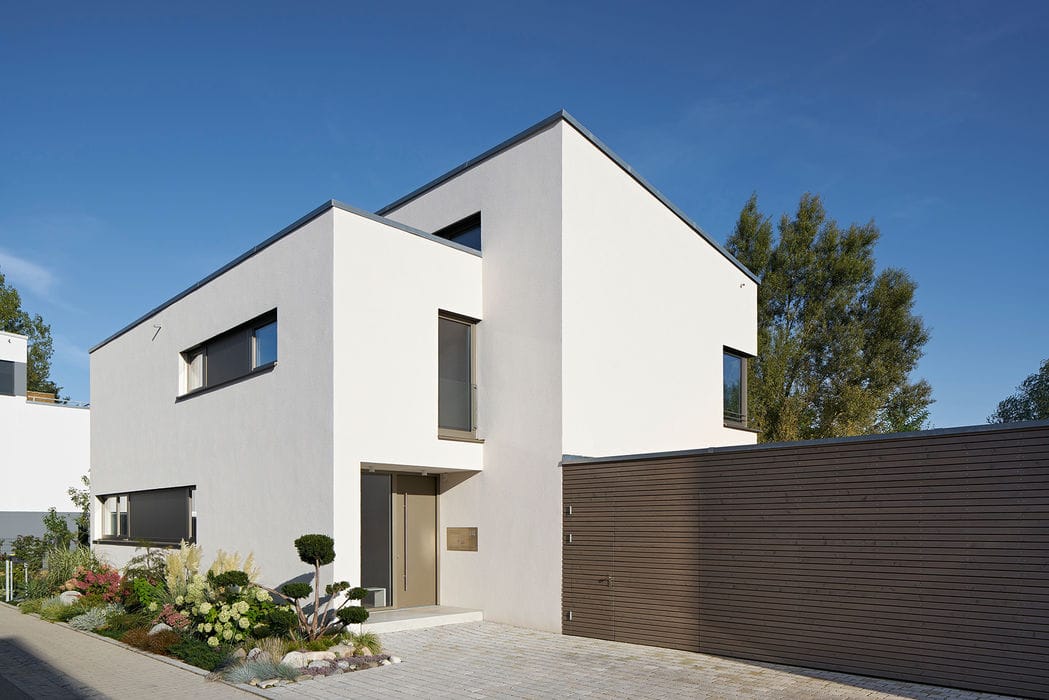
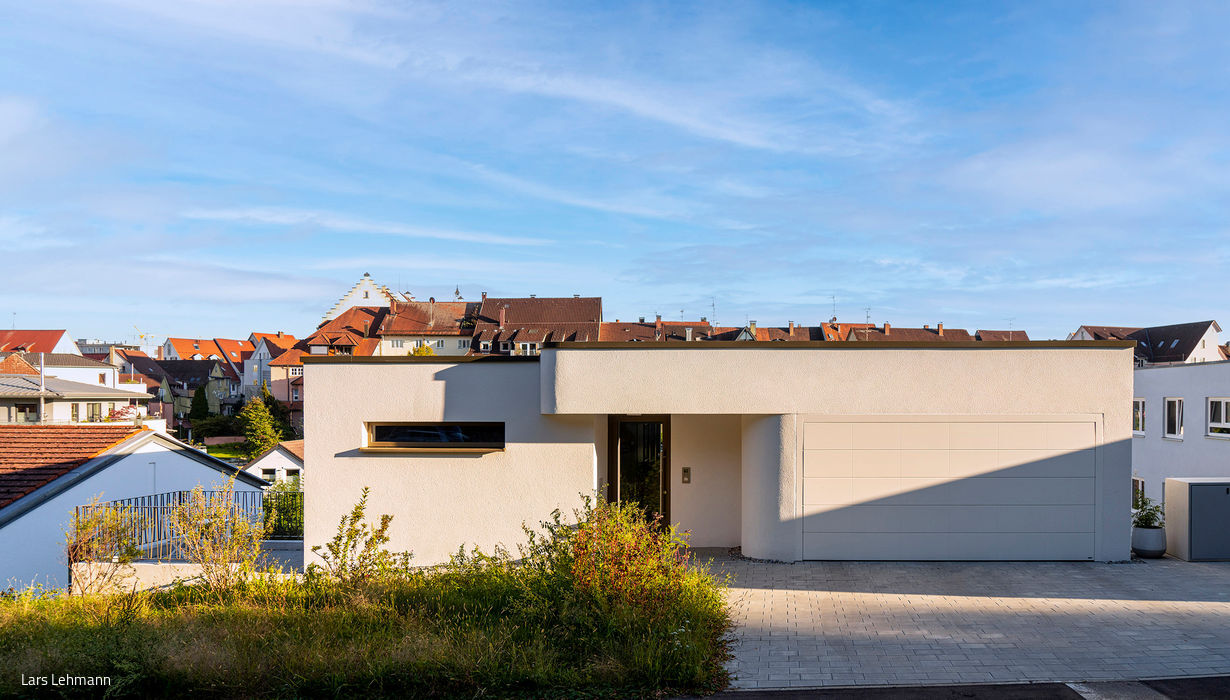
The art of detail
A Refined Detached Home: Clean Geometry, Living Roofs, and Thoughtful Spatial Design