


Refined simplicity: elegance within a restrained façade
New residence in Munich's verdant Sendling neighbourhood
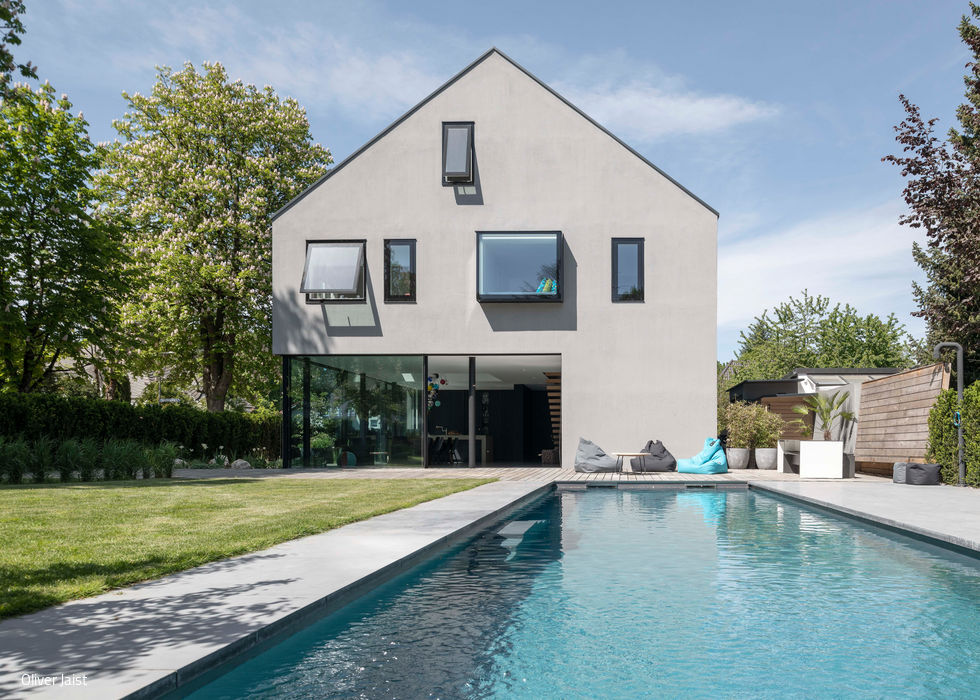
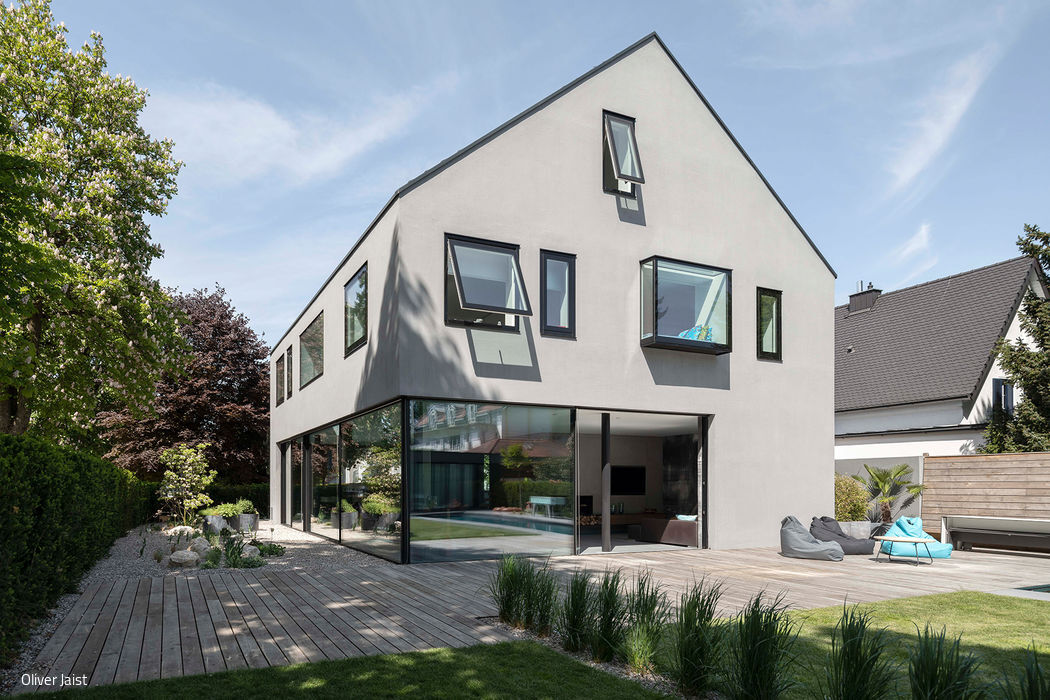
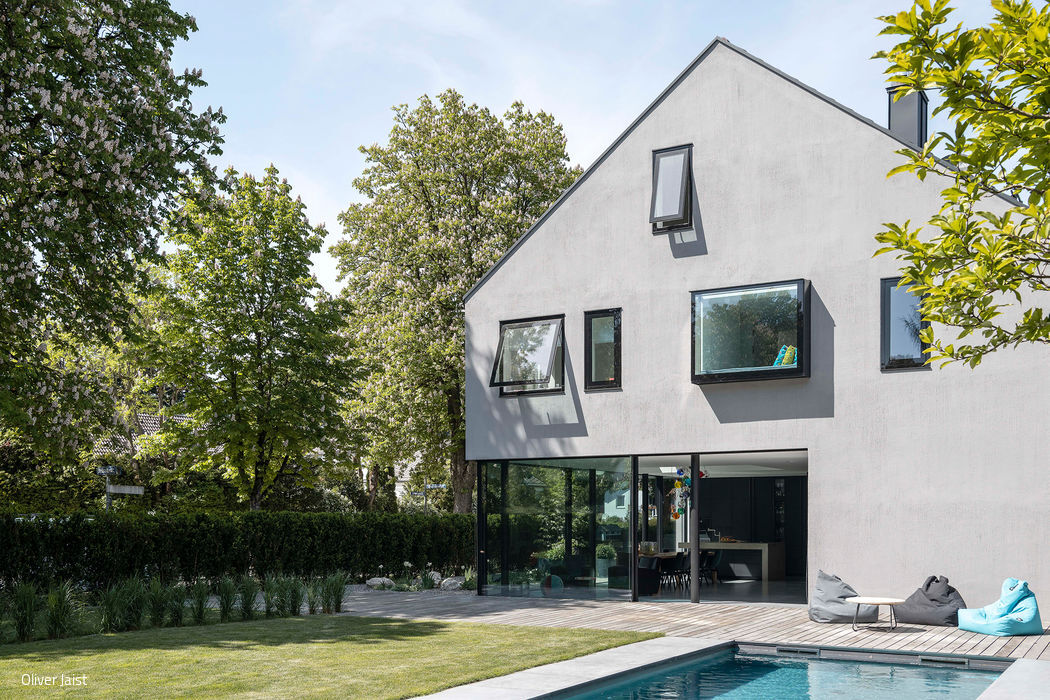
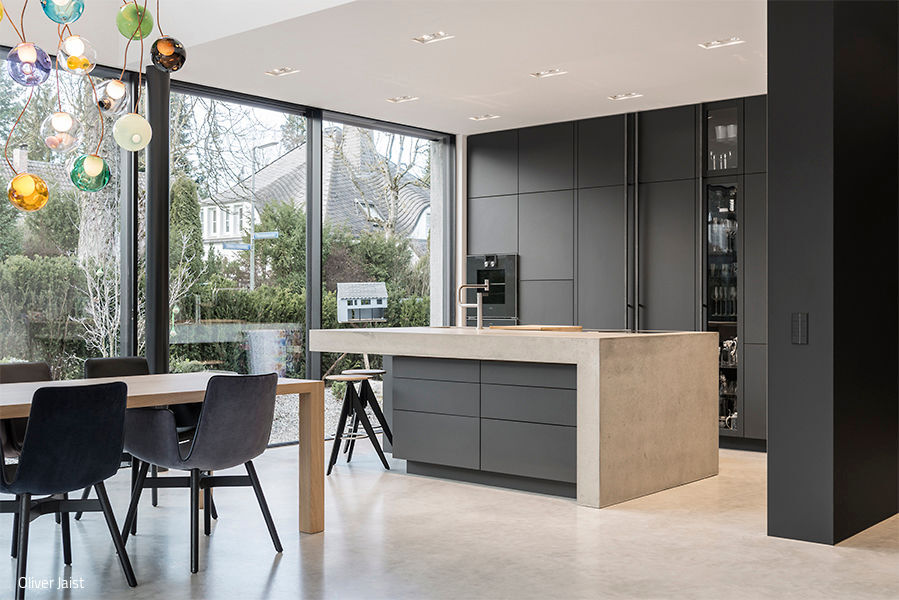
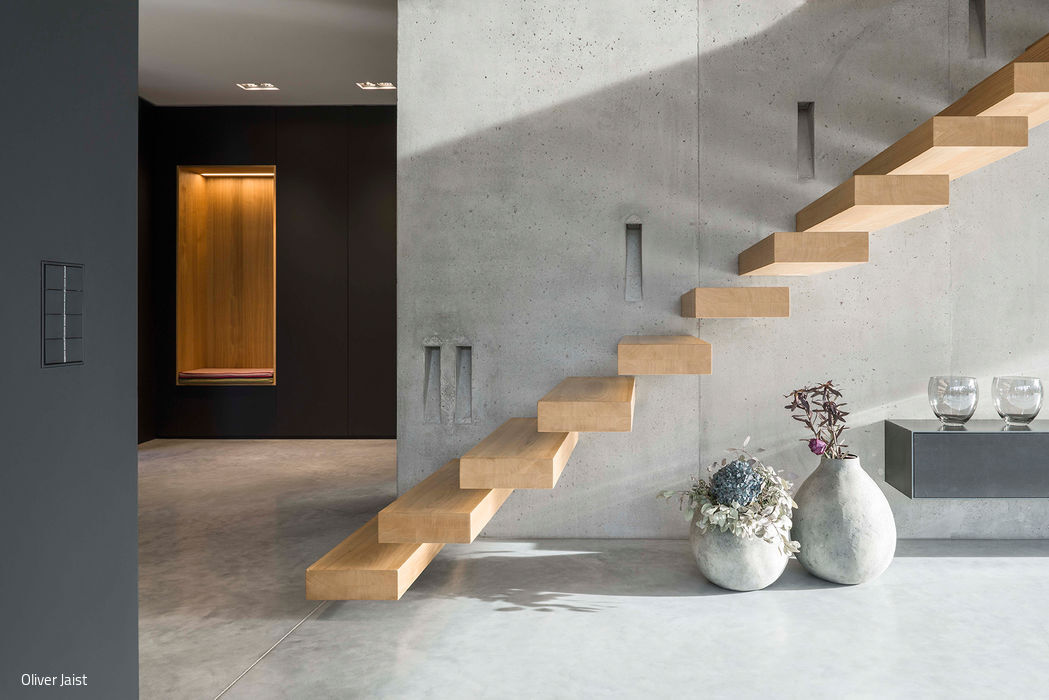
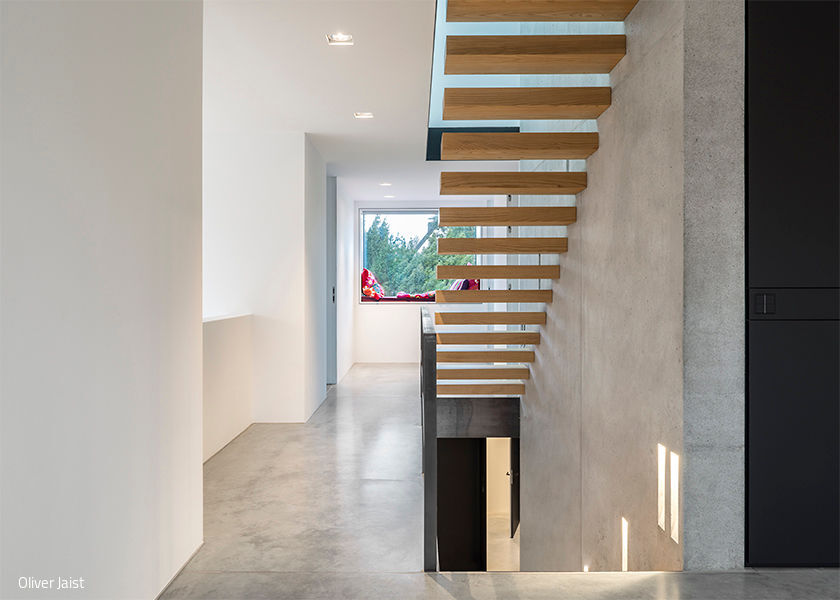
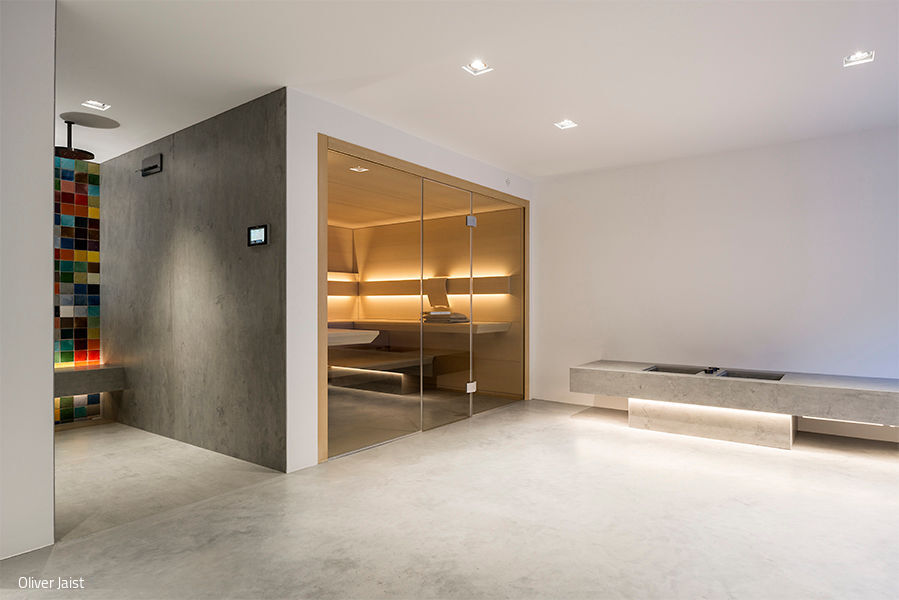
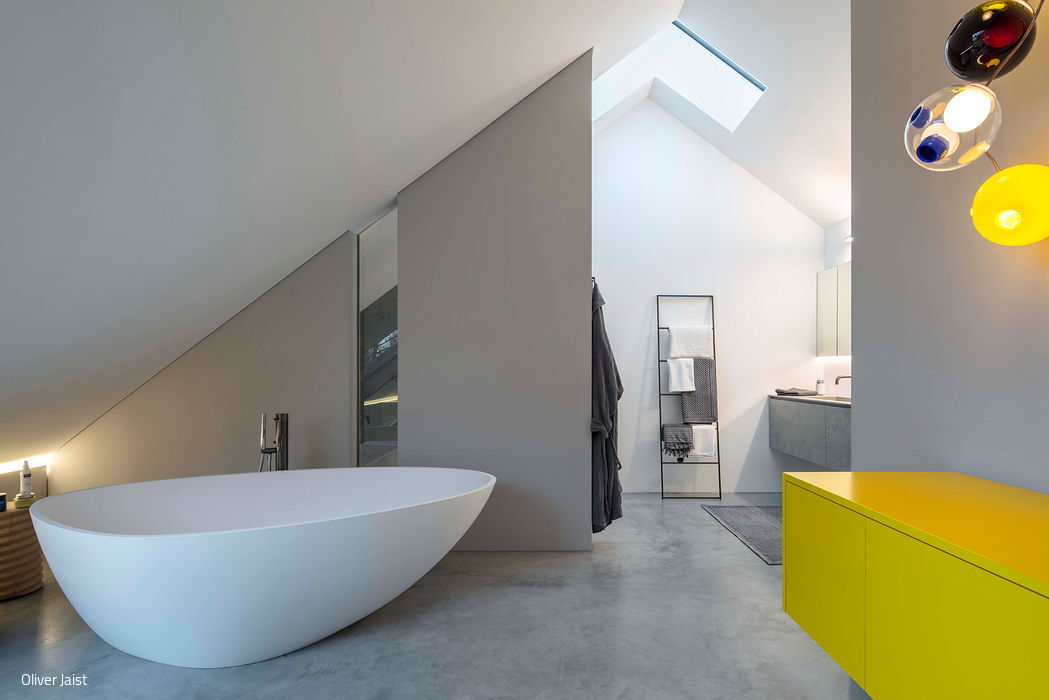
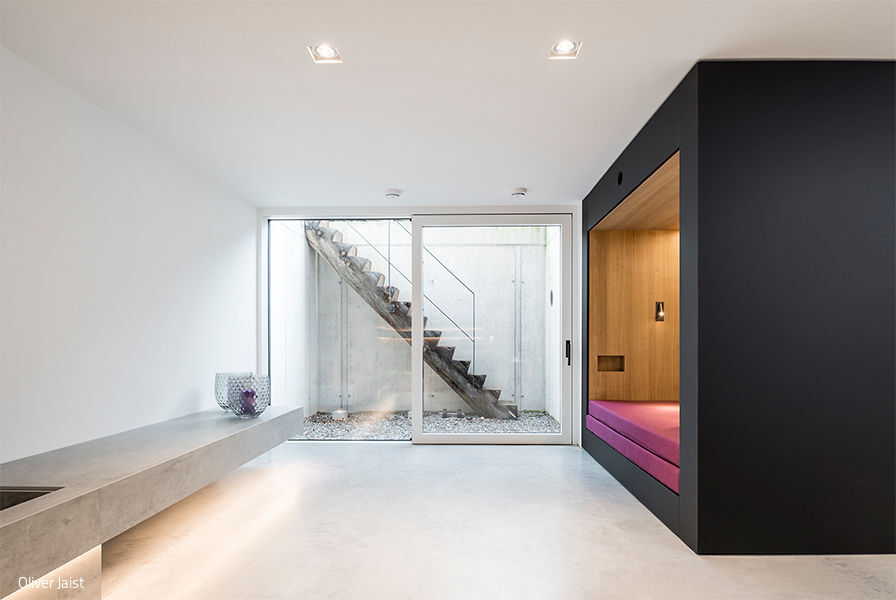
Pictures tell stories words cannot: such was the case with this corner lot's remarkable transformation. A 1980s housing development that could no longer be salvaged has been reimagined as a contemporary residence—enlarged, refreshed, thoroughly modern. Architect Thomas Metzner connected with the property owners through a referral, and their vision for new construction proved compelling. The lot itself is generously proportioned, much like other garden-community-style neighbourhoods on the city's periphery: detached homes facing the street, with expansive gardens stretching behind.
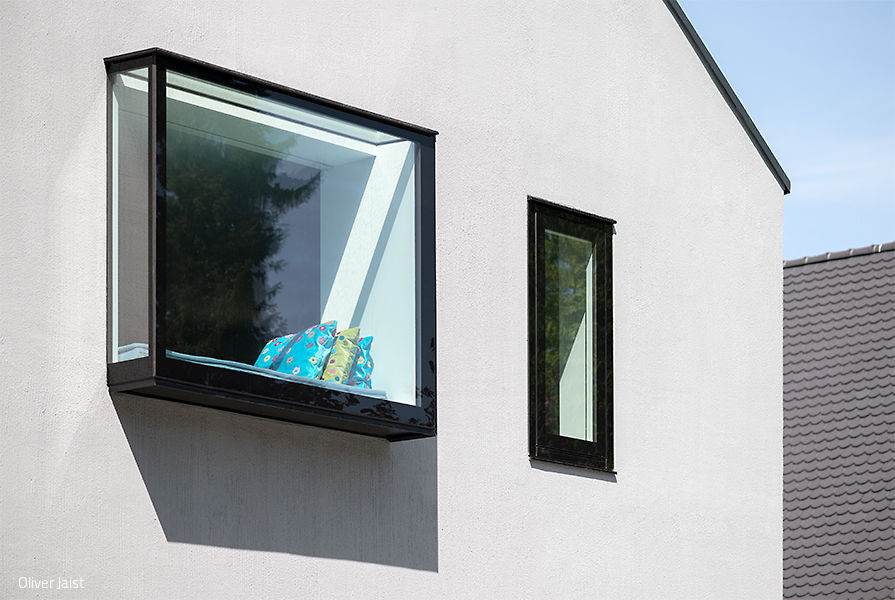
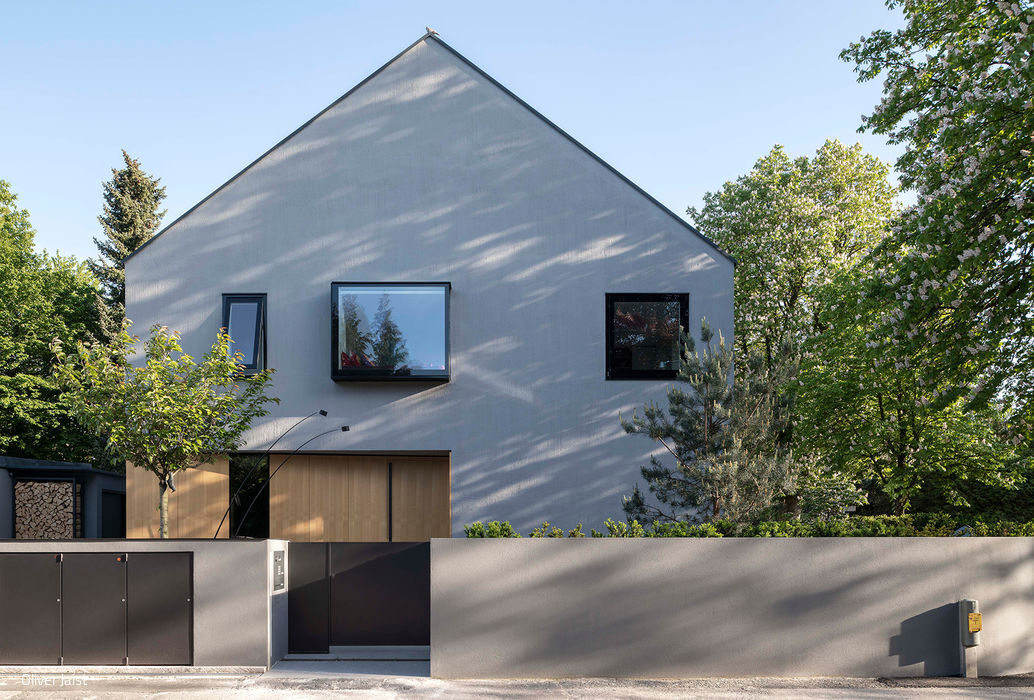
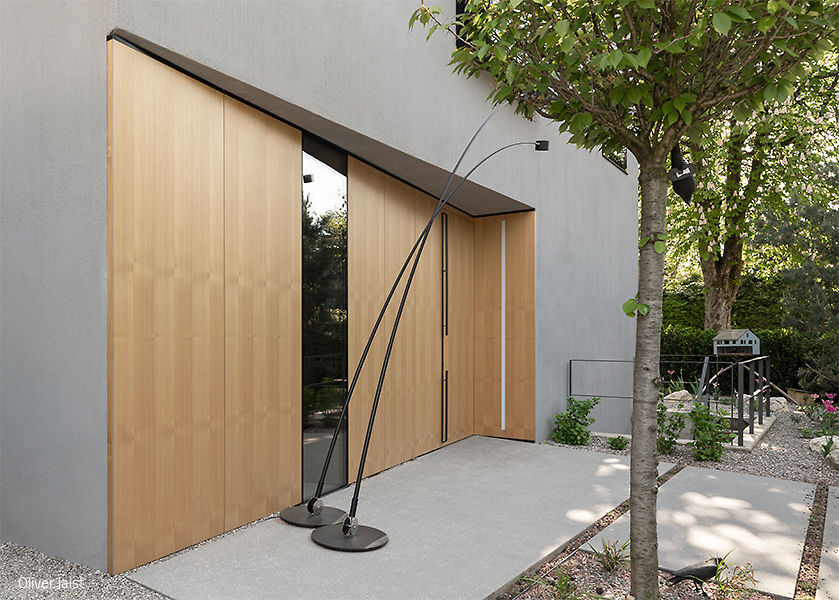
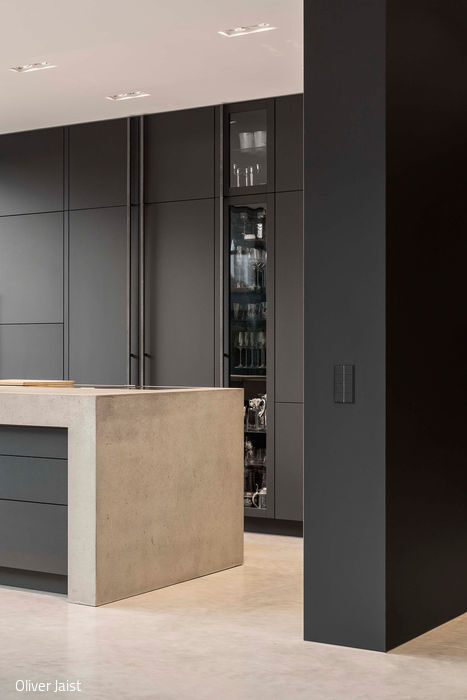
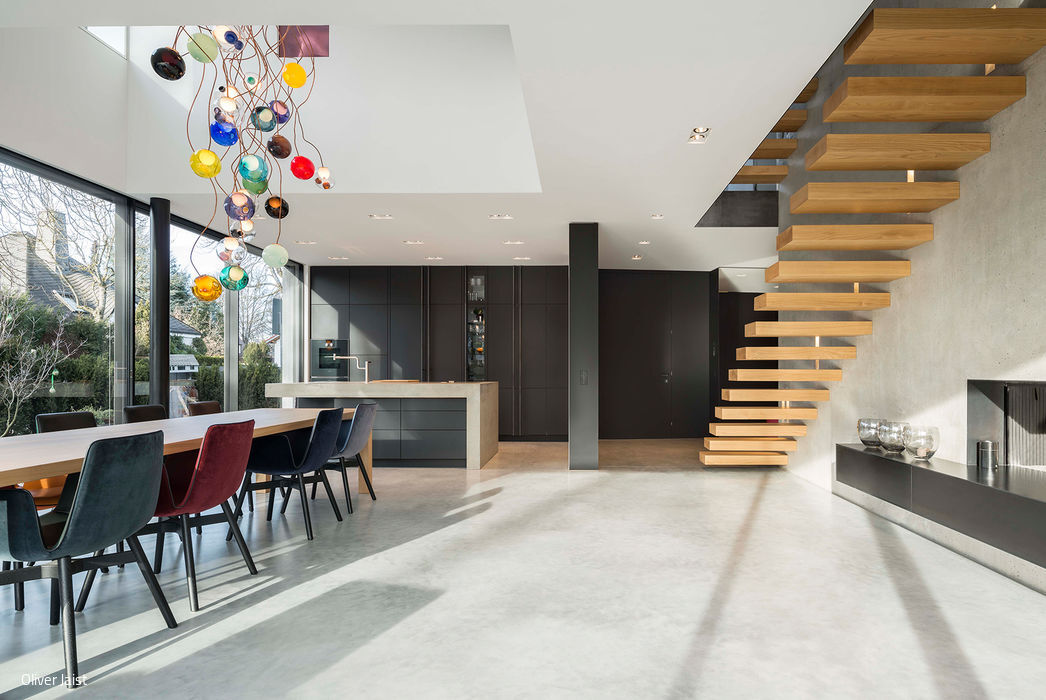
Standing on a corner lot within a cohesive row of residences, the new Sendling home anchors a neighbourhood of one- and two-family dwellings with gardens—a peaceful residential enclave. The cubic, basement-integrated design follows classical principles: living spaces on the ground floor, bedrooms above. The owners' core wish was simplicity and luminosity—details executed with flawless precision, seamless and refined. A flat roof would have been ideal, yet neighbourhood design guidelines mandated a pitched roof. Metzner began by studying the site itself: the approach, the sun's path, focal views, the location's inherent character and strengths. This formed his foundation. He then layered the owners' programme, spatial requirements, material choices, and aesthetic aspirations. Through multiple refinement cycles—planning, discarding, reimagining, beginning anew—the vision crystallized into something exceeding expectations. The façade, rendered in subdued grey across brick and concrete construction, reads as a singular, unified plane. A complementary grey boundary wall, salvaged from the original structure, defines the street-facing edge. A man-height hedge provides privacy along the side. Dark, nearly black metal gates mark entrances to the bicycle and tool storage, and to the home itself. The front door—light chestnut wood—strikes a warm contrast against the cool grey. Rectangular "reading windows" punctuate the gable ends, their deep recesses framed in black, revealing interior window seats. Elsewhere, fenestration becomes more restrained: narrow verticals, squares, and modest openings, all flush-mounted and black-framed. The garden accommodates an elongated pool and terrace. Ground-floor engineering proved demanding: load-bearing walls and columns were eliminated entirely, with the upper-floor walls carrying the ceiling as a suspended system. Here, the residence transforms into a glass pavilion—soaring windows and sliding glass doors dissolve the boundary between living spaces and garden, opening the home to pool and landscape. This glazed zone serves as living, dining, and culinary heart, anchored by a bespoke Wiedemann kitchen. Another defining detail: polished cement screed unifies all floors throughout—from basement mechanical spaces to the attic master suite. The basement culminates in an indulgent touch: a wellness retreat lined with vibrant Moroccan tiles, a material accent recurring throughout the home.
Photography Credits:
Oliver Jaist
www.oliverjaist.com
(Published in CUBE Munich 02|21)
A Complete Transformation
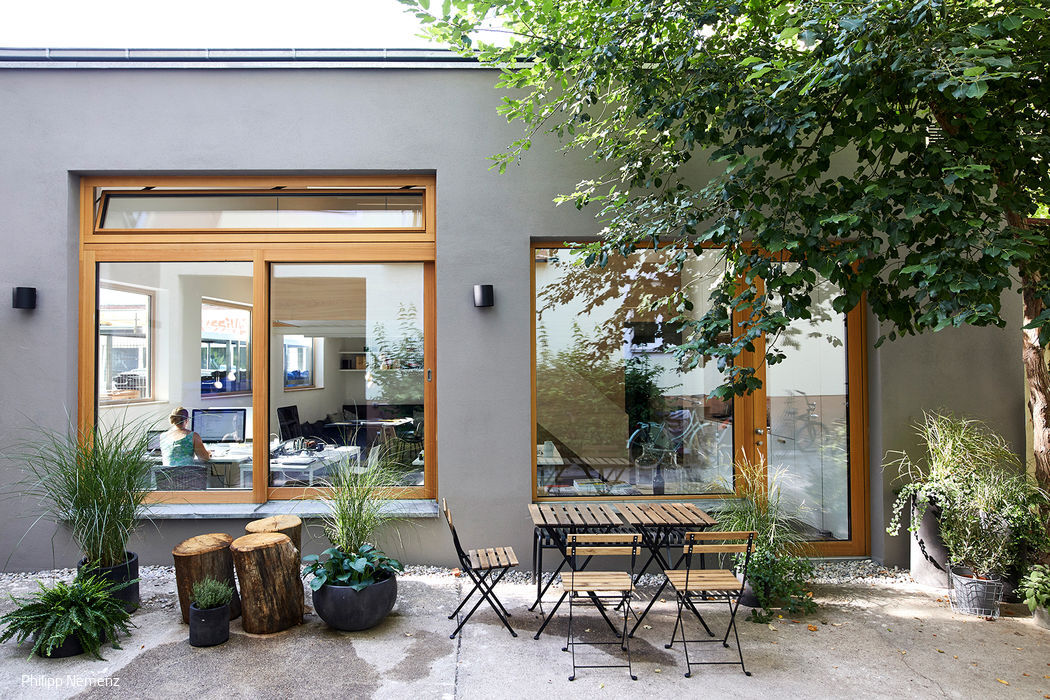
A 1950s backyard workshop reinvented as a contemporary office
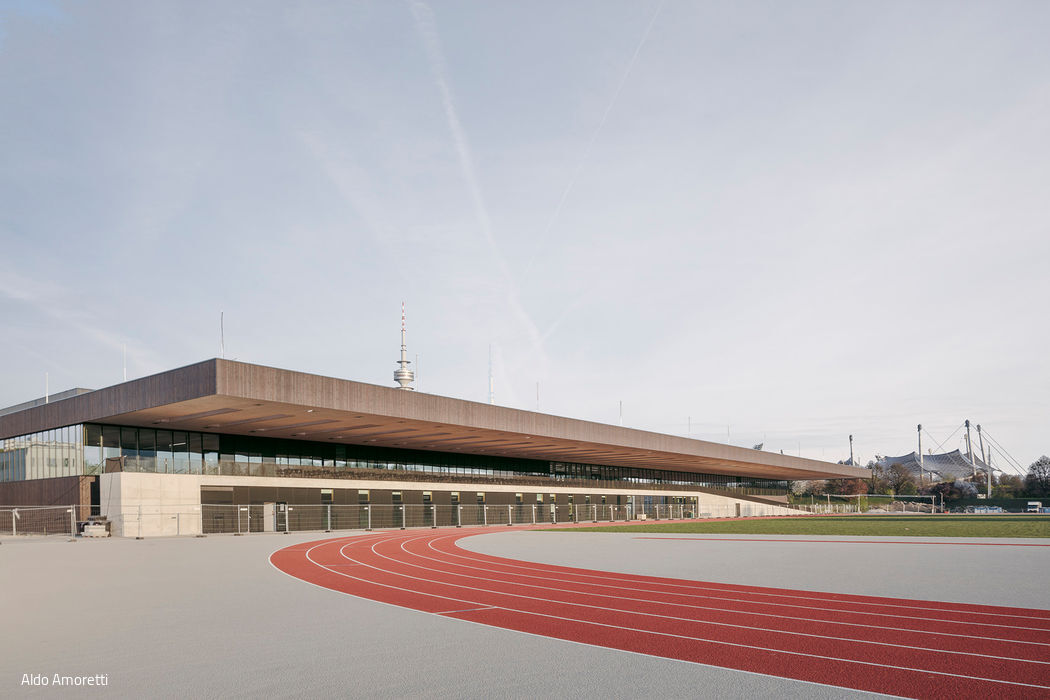
Sports for the Masses
The New TUM Campus – Europe's Largest University Sports Complex in Timber

A Pair of Sphinxes in the Garden
Like identical twins, two villas command the landscape above the lake.
Reborn
A Remarkable Transformation: 1970s Villa Reimagined