


Thoughtful Modernization
Marie Curie Gymnasium in Neuss-Furth upgrades its science facilities
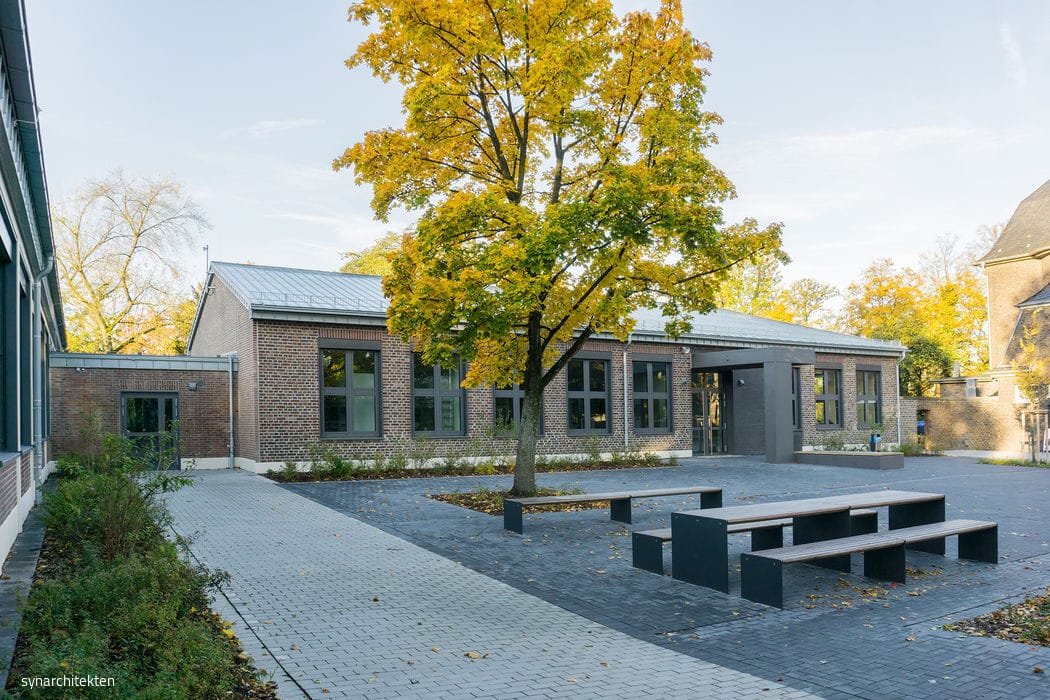
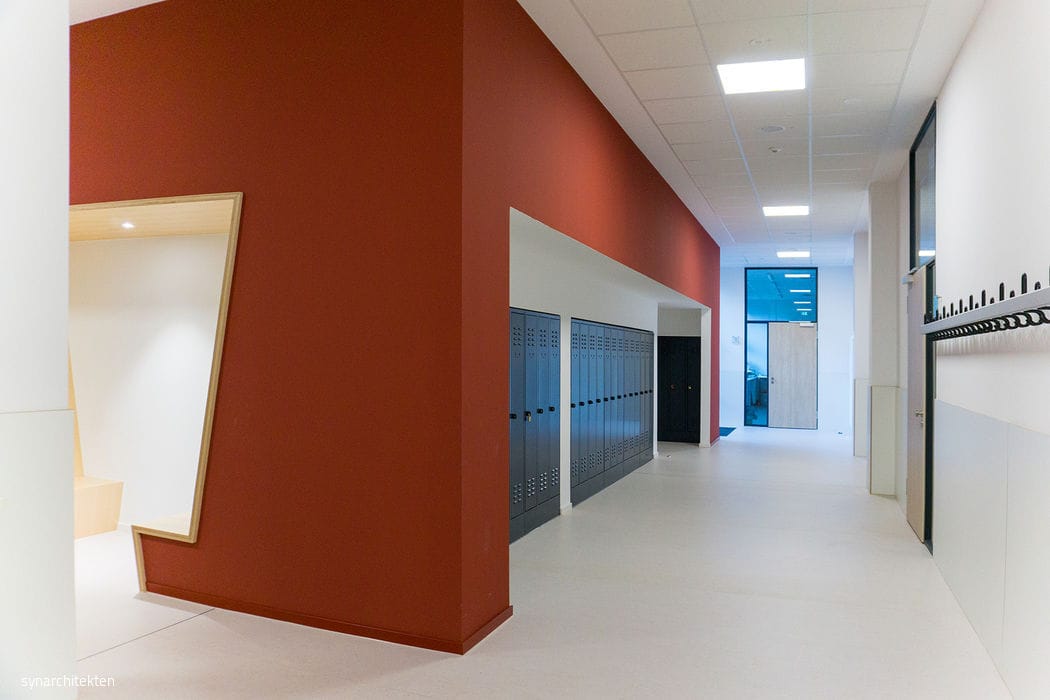
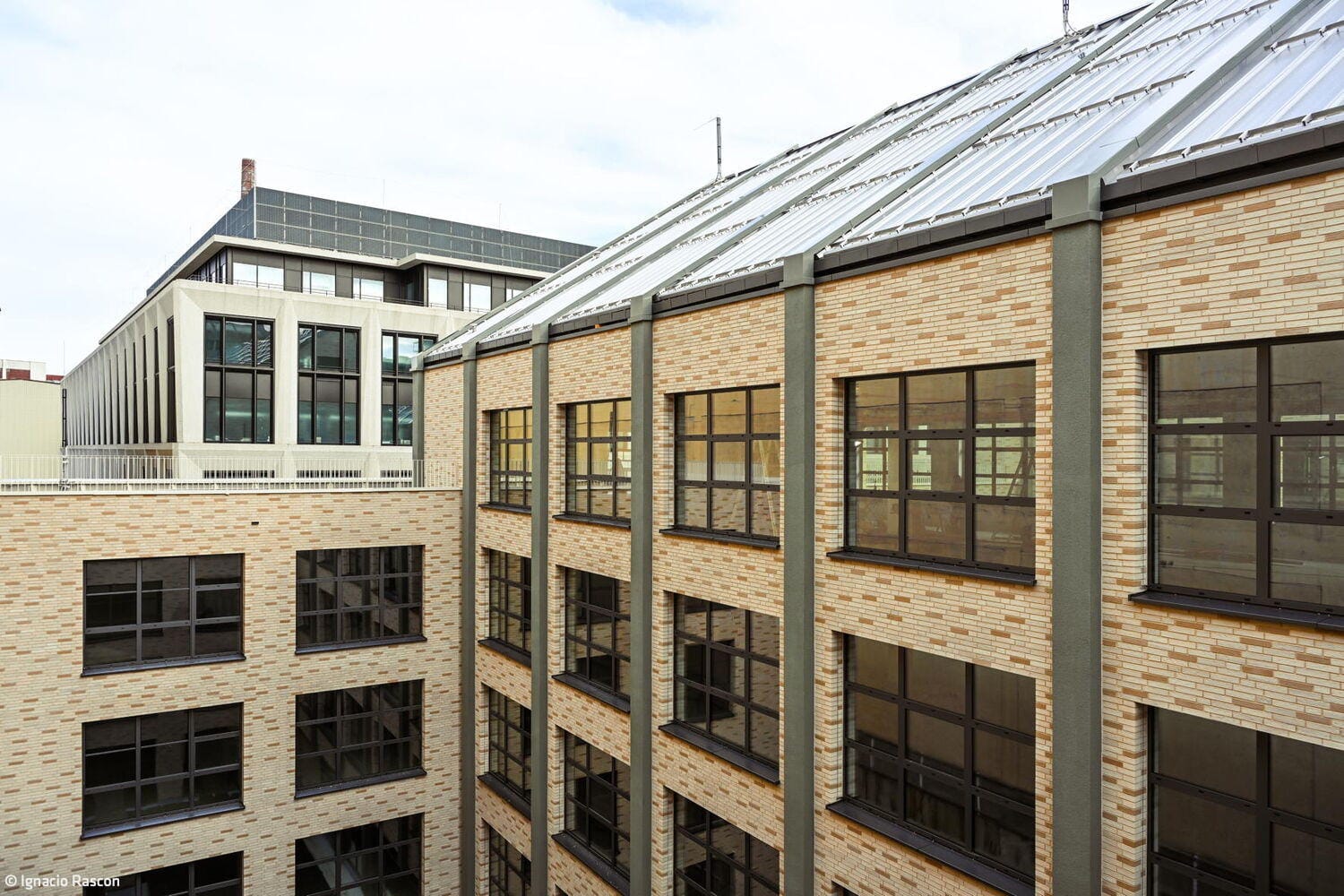
For the past fifty years, Marie Curie Gymnasium has occupied Jostenallee in a neoclassical building dating to 1914/15, which previously served as a vocational school for decades. The adjacent workshop buildings on Plankstraße, constructed immediately after World War II and now home to the school's science program, are relics of that earlier era. Science education remains a cornerstone of the school's identity. The Cologne-based firm synarchitekten won a direct commission from the City of Neuss to comprehensively modernize and improve the energy efficiency of the entire building complex.
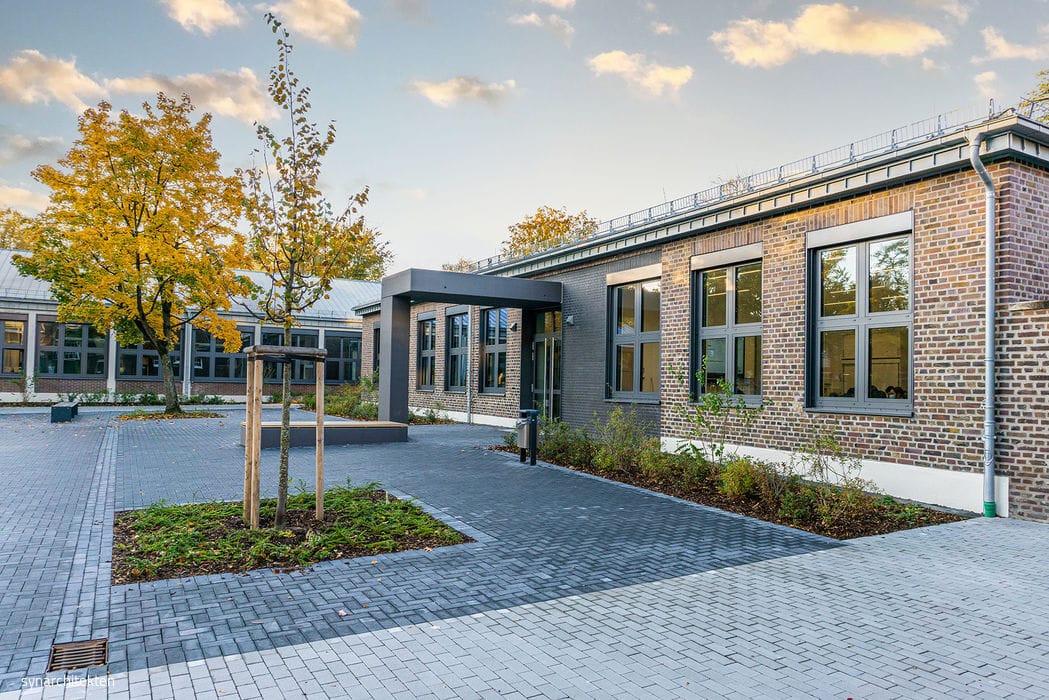
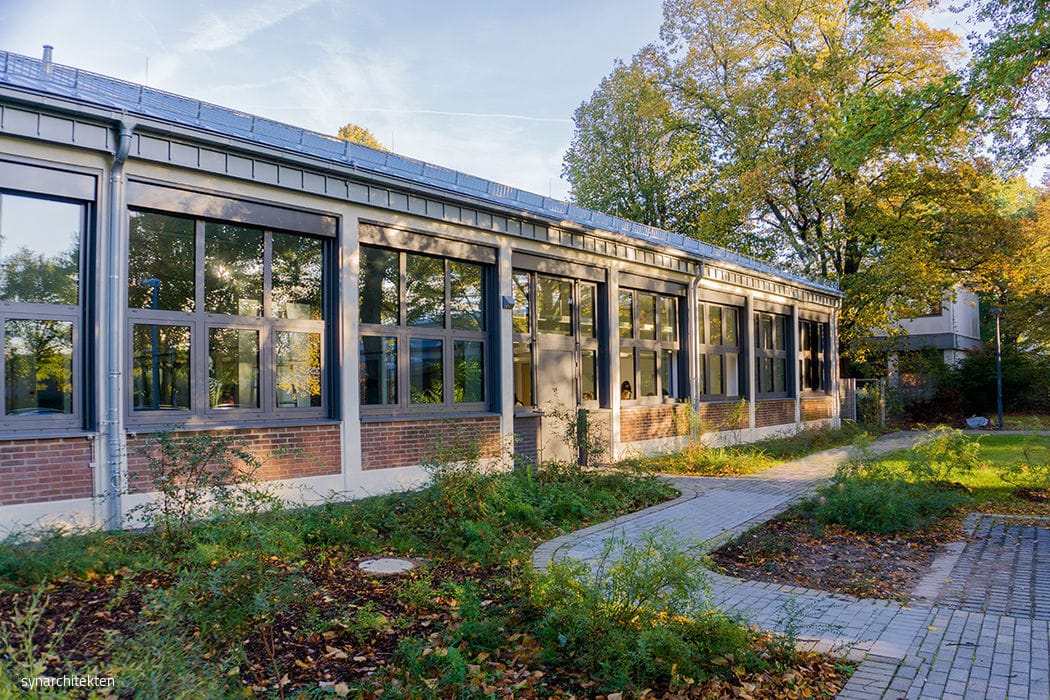
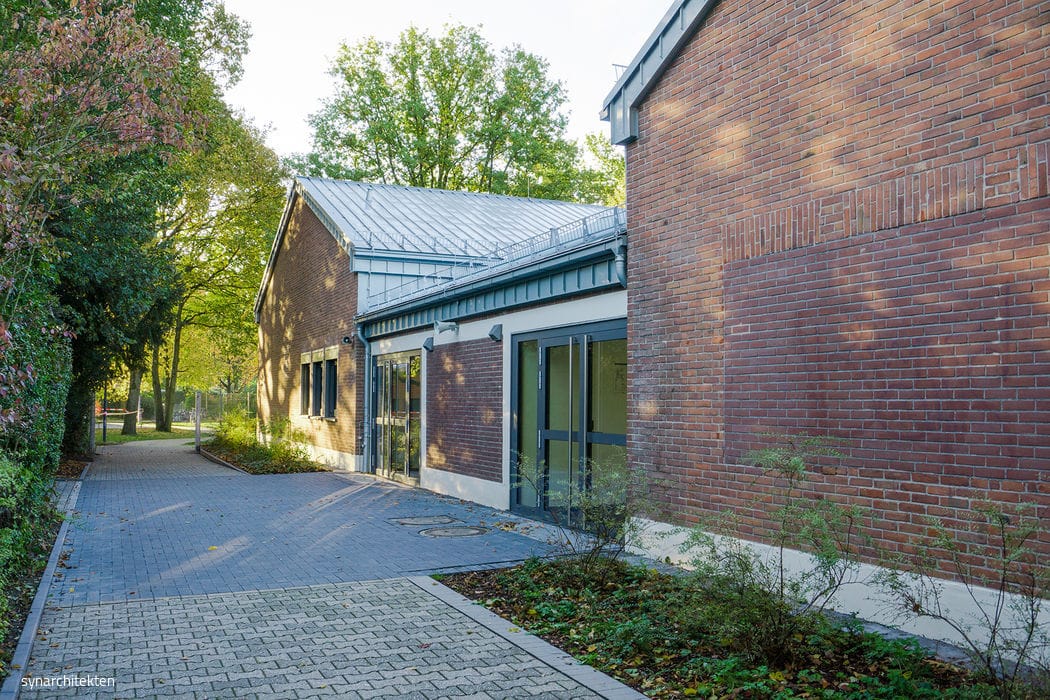
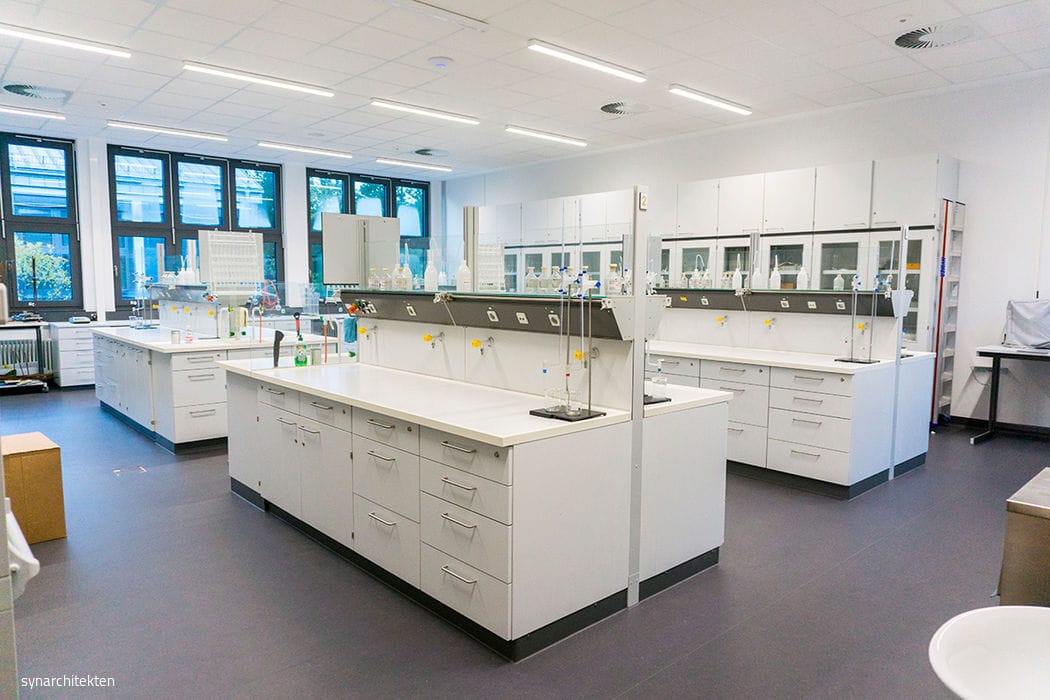
The three-winged structure, along with its adjoining annex, required both preservation and renovation—first and foremost to eliminate all hazardous substances. Early 1970s classroom renovations had introduced asbestos in various building components and polychlorinated biphenyls (PCBs) in paints, making a complete gutting of the building essential. The original brick façade was subsequently restored to its full character. The entire school wing now features new, thermally insulated windows with external solar shading. The historic roof framework was retained and given new roof insulation, with a zinc standing seam system replacing the original covering. The toilet facilities between the buildings operated under strict heritage protection rules: this meant installing small-format white tiles and carefully restoring the original wooden doors. A completely new MEP system—complete with controlled ventilation, a dedicated extraction system for the chemistry lab, along with integrated smart boards and ceiling-mounted media infrastructure—rounded out the renovation.
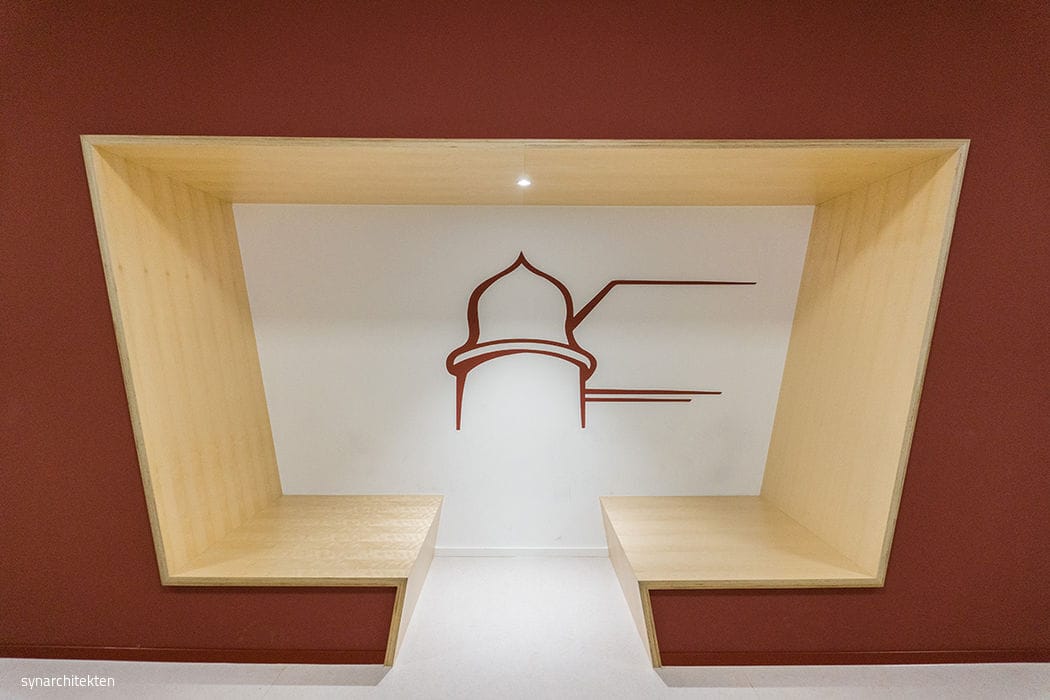
To maximize spatial efficiency and clarify circulation, the interior layout was completely reorganized: the larger building section now welcomes visitors through a generous foyer, where integrated wooden seating built into the walls creates an inviting atmosphere. This required extending the building by approximately 60 m² into the courtyard—a move that also expanded the collection room. Beyond seven specialized classrooms for physics, chemistry, and biology, the project added a dedicated chemistry laboratory and multiple storage spaces, along with two flexible multipurpose rooms. At the courtyard entrance, a bespoke precast concrete element—color-coordinated with the existing palette—marks the main threshold. It functions simultaneously as canopy, bench, and welcoming statement.
Photography:
synarchitekten
(Featured in CUBE Düsseldorf 02|23)


Simply Continuous Living
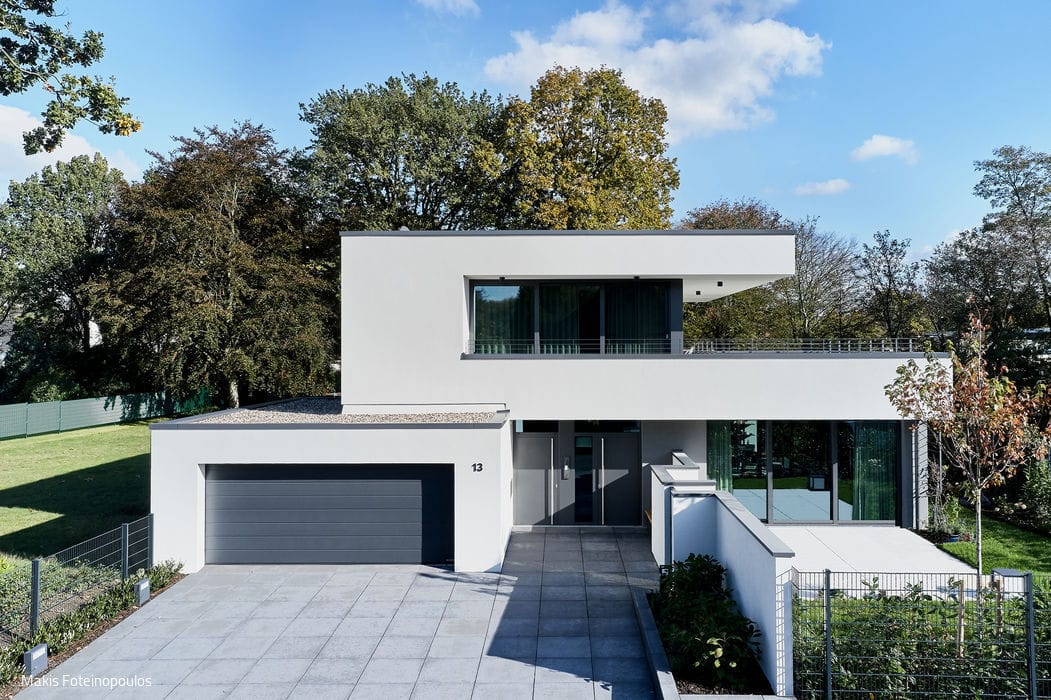
A detached home with guest apartment, designed entirely for barrier-free living.
Love at First Sight
Designer Olaf Kitzig on "The Flat" – navigating heritage and transformation
A Haven of Its Own
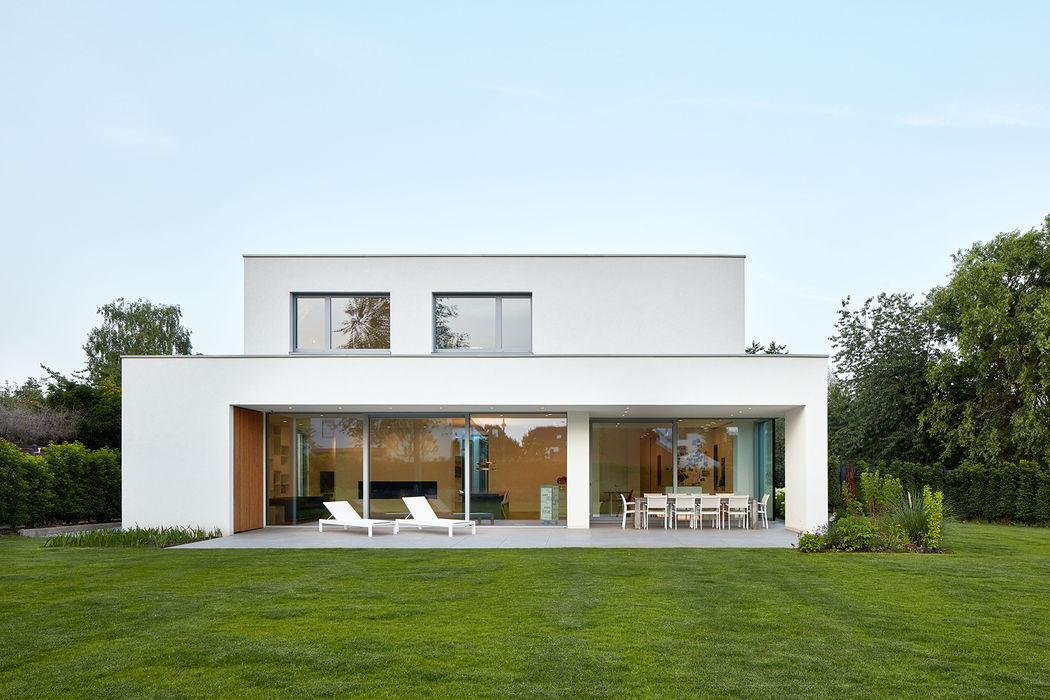
A family home in Angermund—flooded with natural light and framed by lush greenery

Flexible and Connected
Medical Research Centre I fuels interdisciplinary collaboration at the University Hospital