


Simple on the outside – impressive on the inside
The salt factory at Zollverein was converted into the Ruhr Museum's display depot.
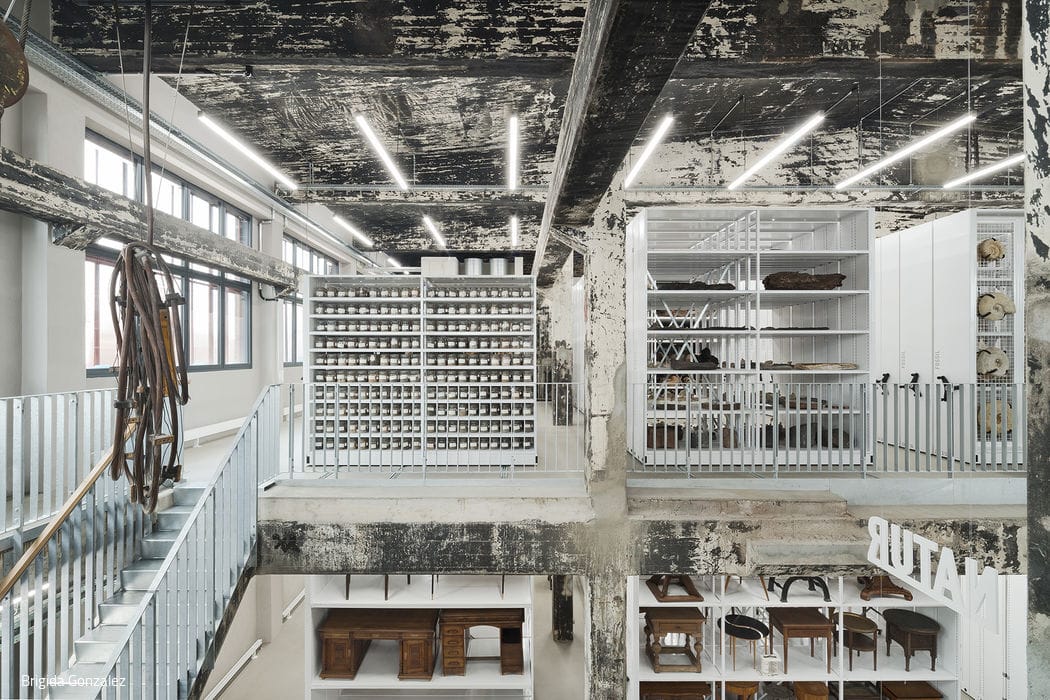
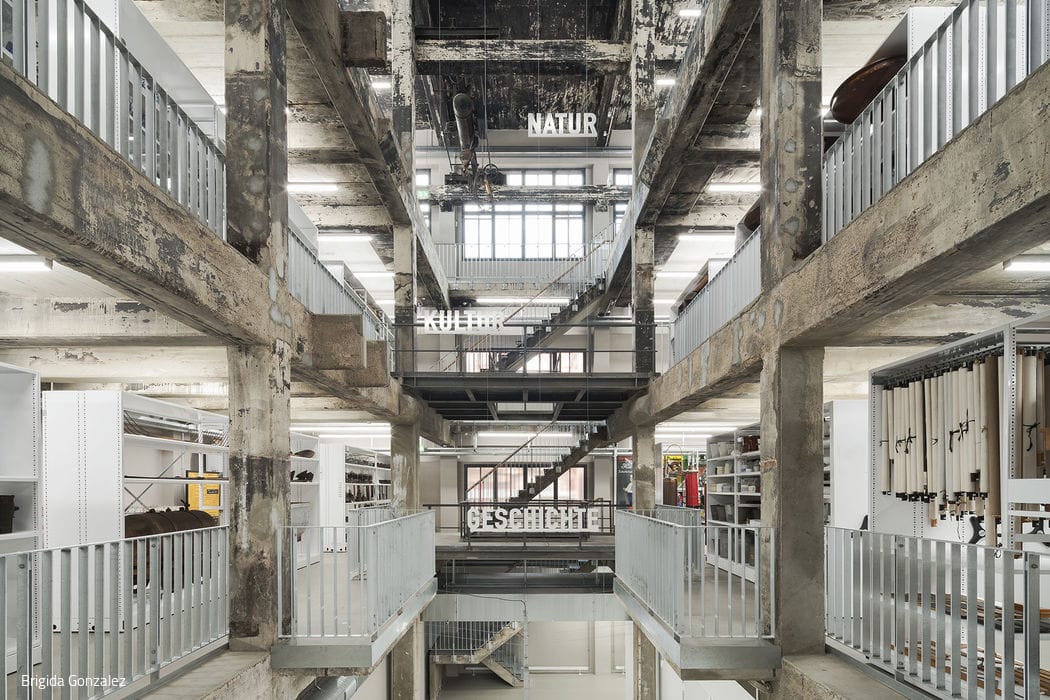
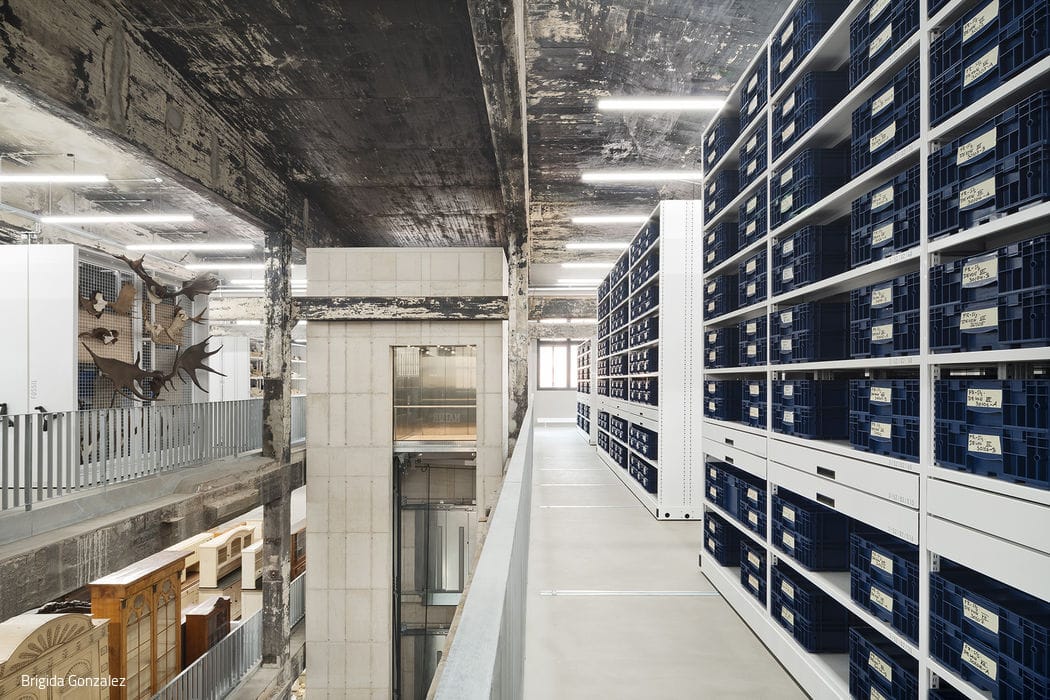
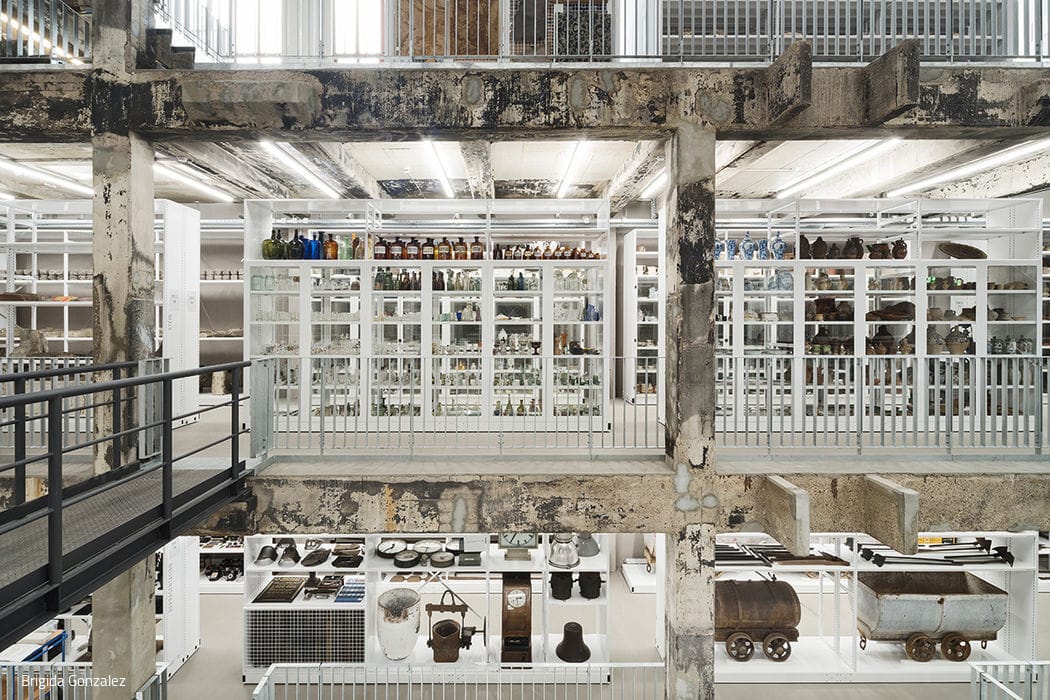
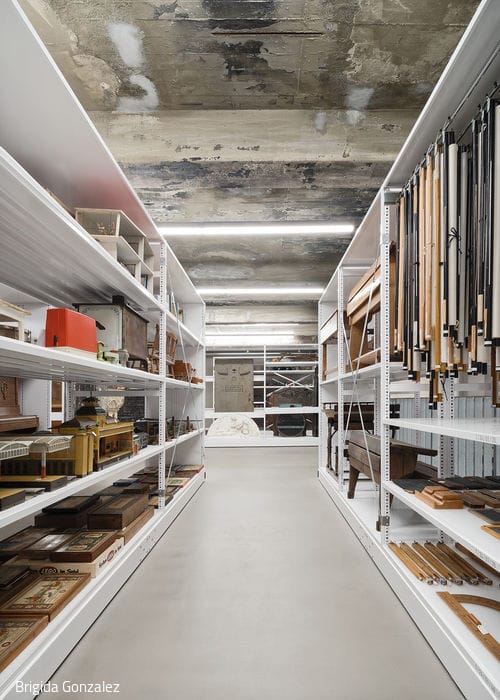
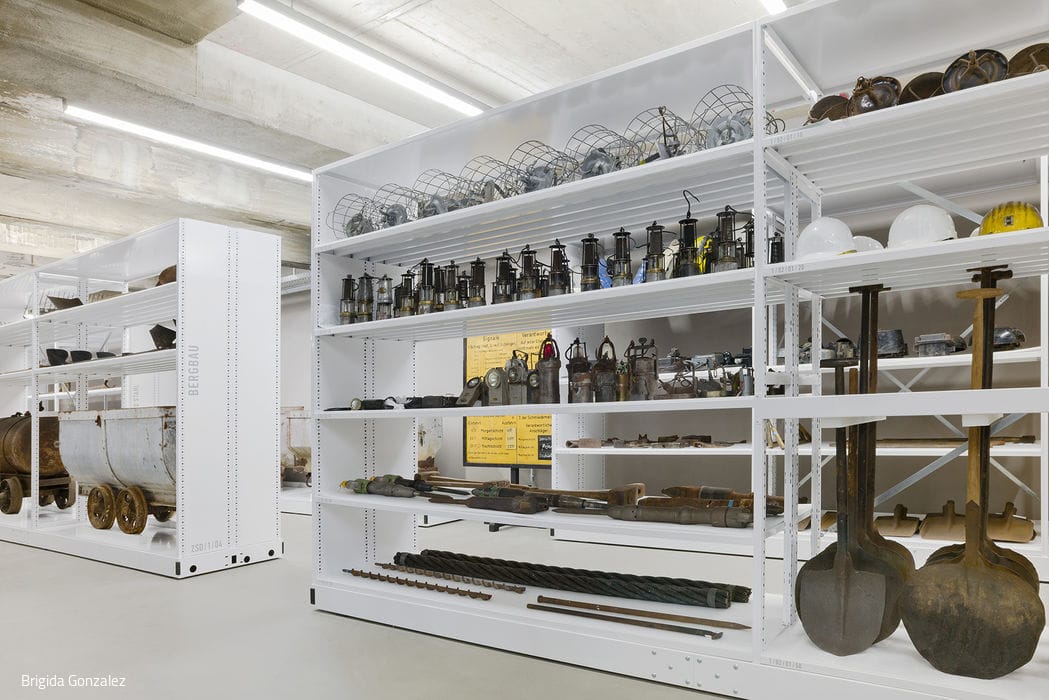
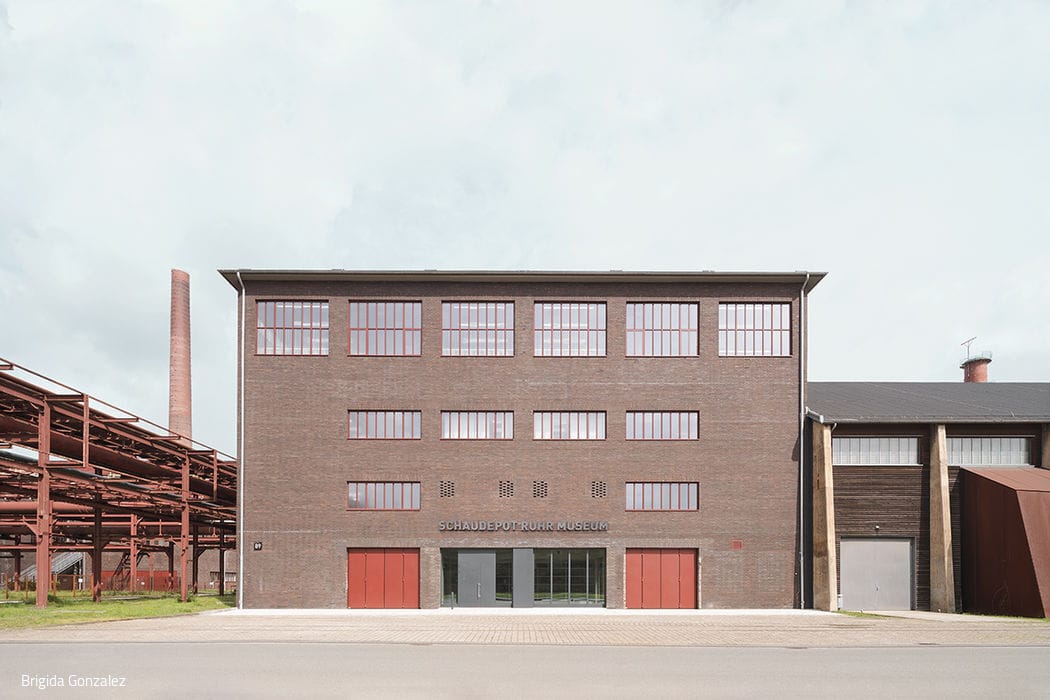
The salt factory on the Zollverein Coking Plant site in Essen was built in 1959, began operating as a production and processing facility in 1961, and was shut down in 1993. Unused in the following years, the "National Urban Development Projects" programme enabled the salt factory to be converted into the new exhibition depot of the Ruhr Museum in 2016. In 2017, Planinghaus Architekten from Darmstadt was commissioned by the Zollverein Foundation to carry out the conversion and renovation. The Stuttgart-based firm Südstudio, which has long been associated with the Ruhr Museum through numerous conversion and renovation projects, was responsible for the exhibition architecture. Architects and interior designers worked closely together at the interlocking interfaces, involving the monument authority. The display depot was handed over to the Ruhr Museum in autumn 2020.
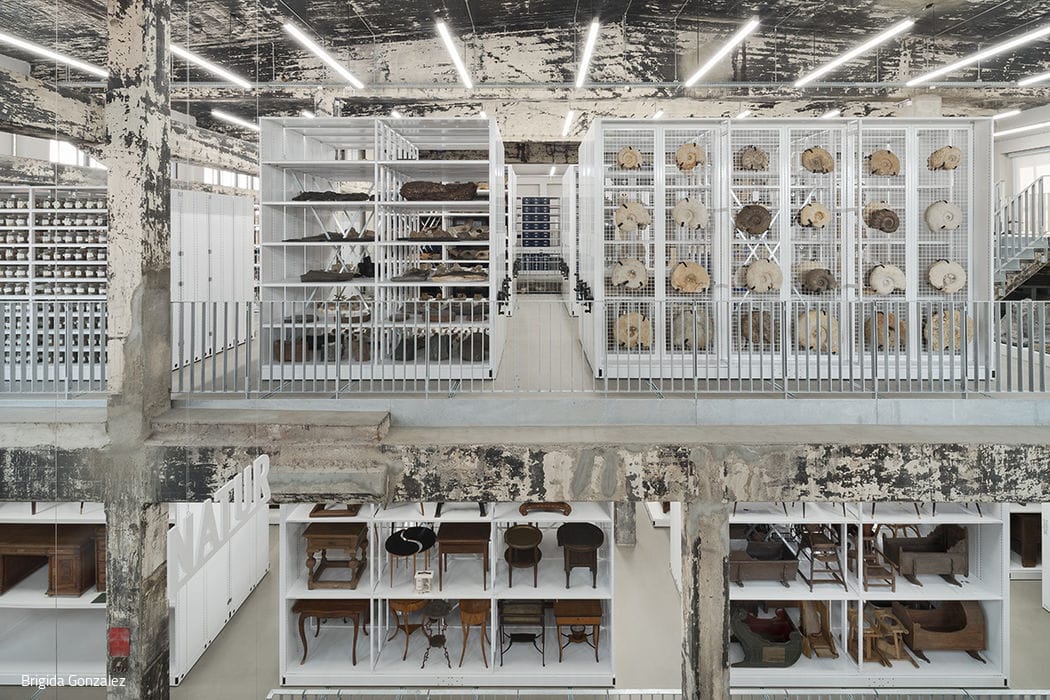
The functional building, which is unassuming from the outside, reveals its qualities on the inside. Unlike the historical entrance situation, access to the display depot is not via the two existing large gates, but centrally via a glass foyer that leads directly to the display shelves. Visitors then become aware of the two imposing 18-metre-high atriums with their connecting bridges and notice the impressive concrete skeleton structure, which unadulteratedly reveals the massive traces of industrial production. A panoramic lift takes visitors to the third floor, from where the exhibition can be accessed. On the way there, fantastic views of the atriums and beyond to the other levels of the building unfold. The exhibition concept leads through the three levels of nature, culture and history back to the ground floor. From the oldest geological collection pieces to archaeology and the pre-modern holdings from the Middle Ages and early modern period, the exhibition moves on to the industrial and contemporary history of the last 200 years. "It was important to us to preserve as much of the original substance as possible, such as the patina on the walls with its slightly morbid charm. The other colours and lighting were then sensitively coordinated with the building," explains interior designer Hannes Bierkämper. The warm grey tone of the newly insulated exterior walls now forms the colour scheme, and the lighting does not focus on individual exhibits, but illuminates the entire room. In addition – completely unusual for normal storage furniture – there are white shelves that appear bright and friendly and show off the approximately 25,000 exhibits, around a third of which are on display, to their best advantage.
www.planinghaus.de
www.suedstudio.de
Photography Credits:
Brigida González
www.brigidagonzalez.de
(Published in CUBE Ruhrgebiet 04|21)
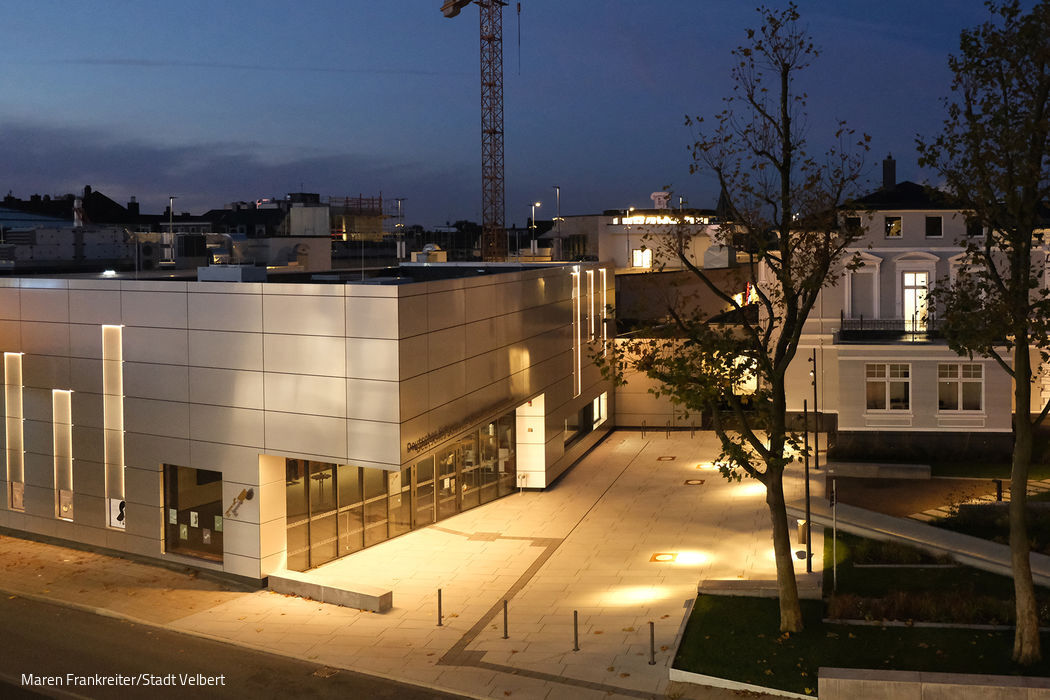
Bridging Old and New
Velbert's German Lock and Fittings Museum Expands with Striking New Addition
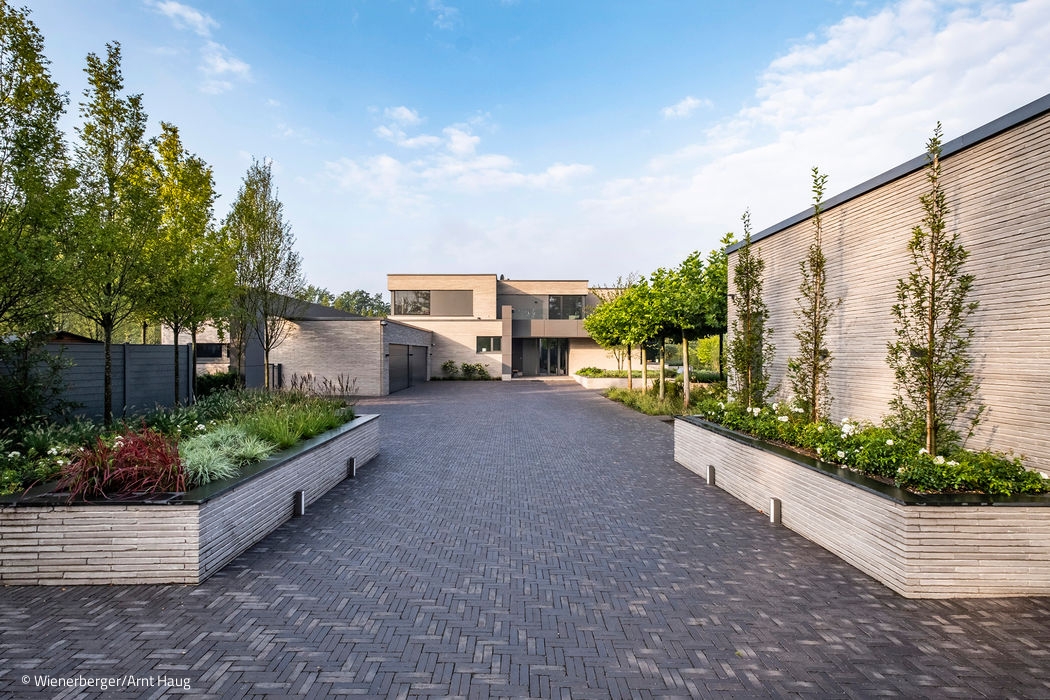
In praise of brick
This expansive family residence comprises three distinct volumes—main house, pool pavilion, and guest quarters—unified through a striking cubic design with offset positioning that...
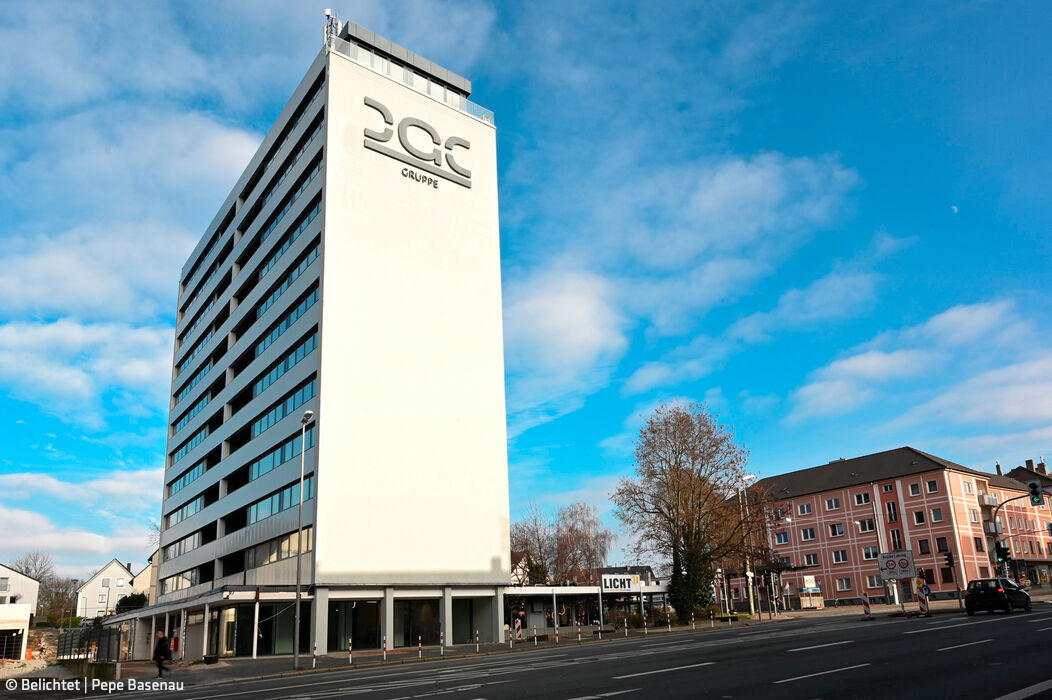
Extending the Building's Lifespan
From overlooked high-rise to Bochum's most coveted address
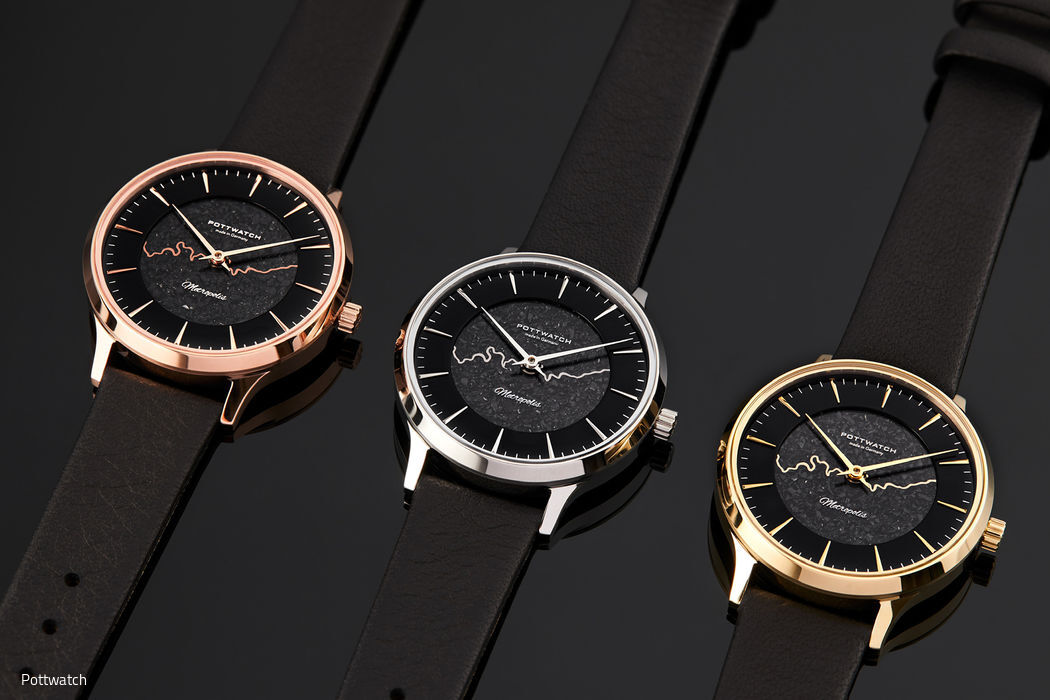
Home on Your Wrist
Pottwatch Creates Watches with Authentic Ruhr Coal