


Counterbalance
New museum complex reimagined as a hub for Jewish culture
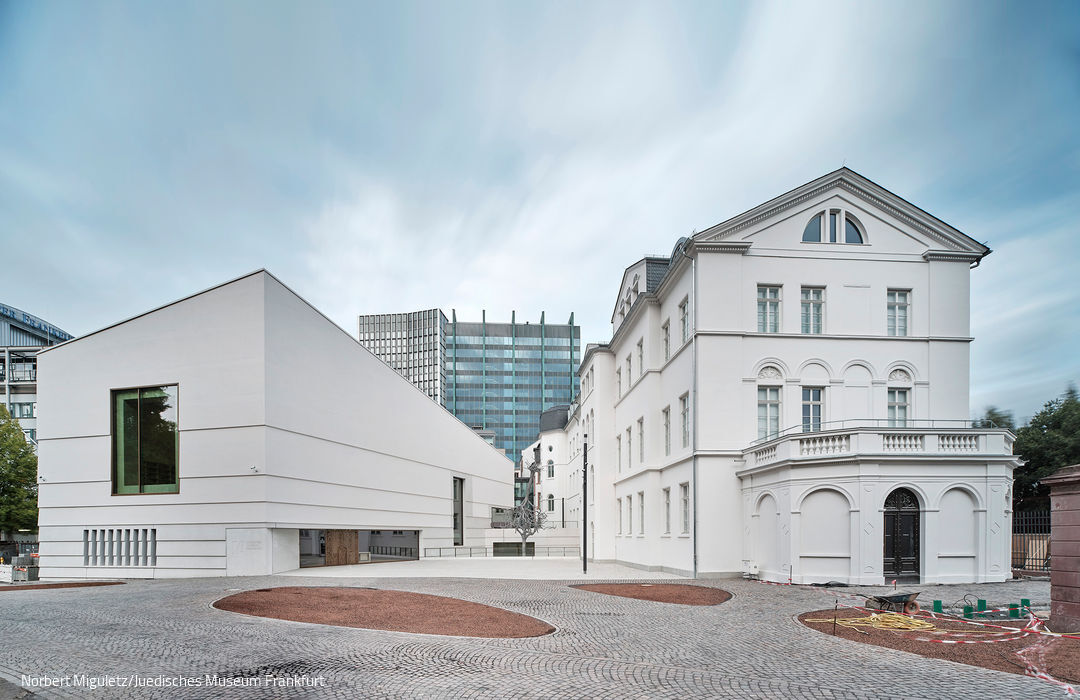
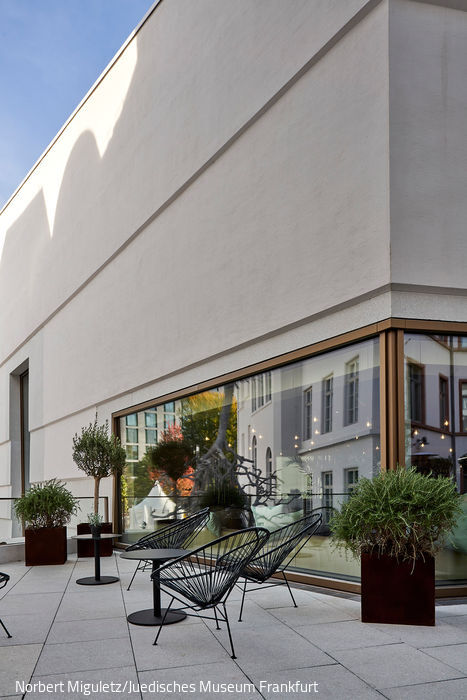
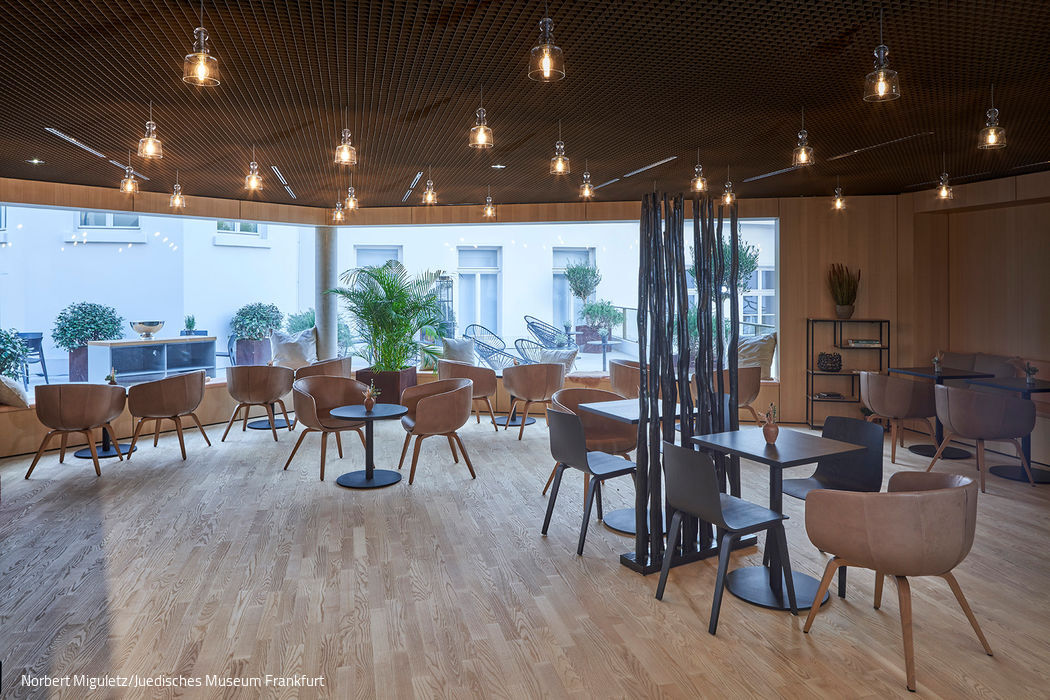
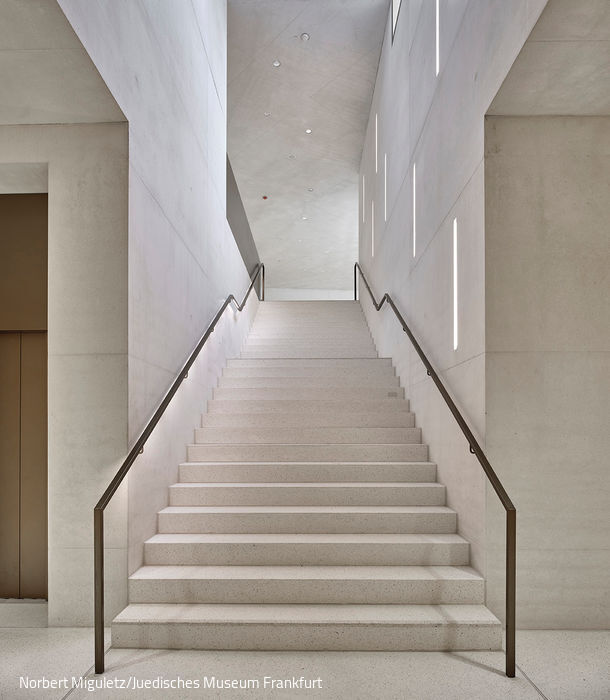
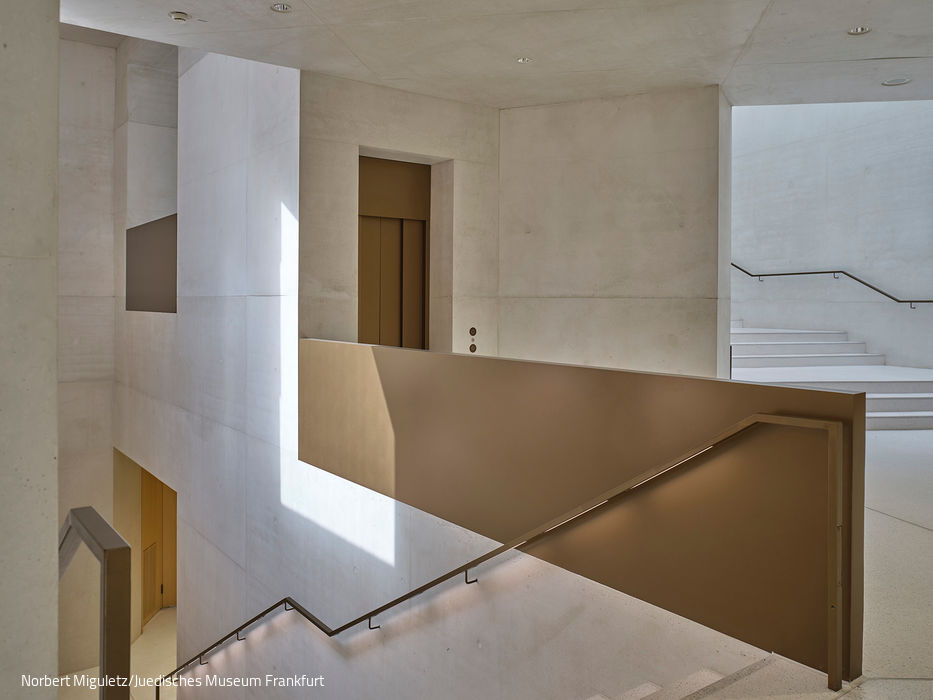
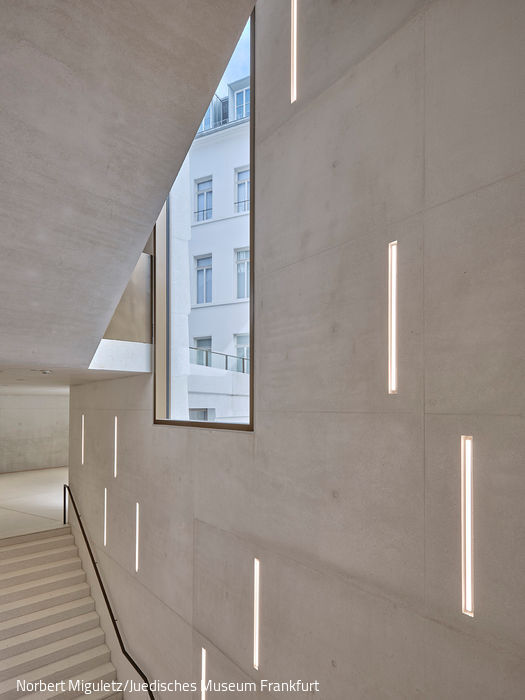
After five years of construction, the Jewish Museum Frankfurt reopened in October—now twice its original size. The expanded complex seamlessly combines the meticulously restored Rothschild Palace with the Lichtbau, a striking new wing by Berlin architects Staab Architekten. A newly created public plaza connects these two structures and serves as the museum's address: Bertha-Pappenheim-Platz 1. This reimagined institution positions itself as a vibrant hub for Jewish culture—both historical and contemporary—with a particular commitment to exploring how diverse communities can thrive together.
Germany's oldest Jewish museum now encompasses over 2,000 square metres of exhibition space. The neoclassical palace houses the new permanent exhibition "We Are Now: Jewish Frankfurt from the Enlightenment to the Present," while the new building provides dedicated galleries for temporary exhibitions and events, a public library, Frankfurt's first dairy-certified kosher café, and a museum shop. Behind the scenes, the complex includes conservation studios, workshops, and administrative offices.
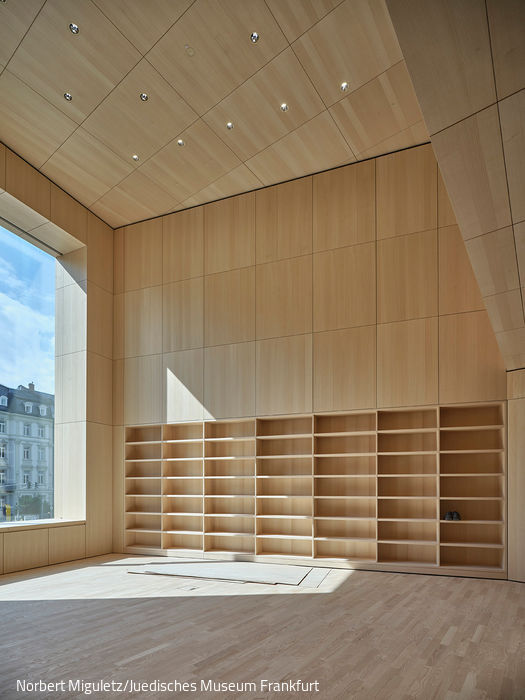
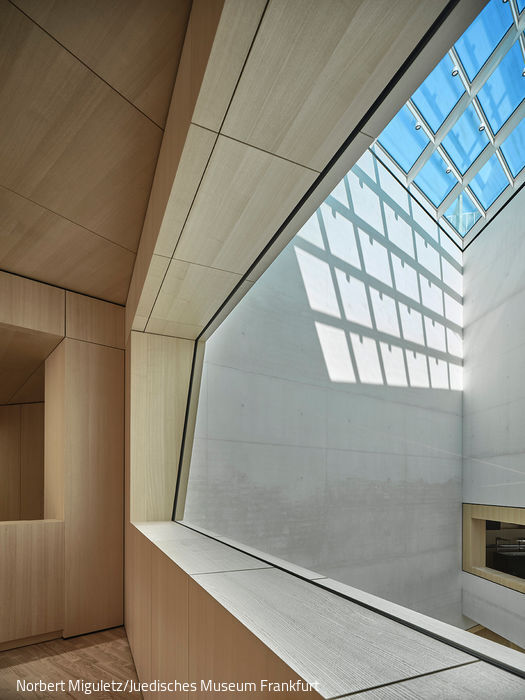
The luminous Lichtbau serves as a striking counterbalance to the classical Rothschild Palace, yet respects rather than overwhelms its historic neighbor. Inside, the interplay of raw concrete surfaces with warm, light ash wood panelling creates an inviting aesthetic. Carefully orchestrated openings, natural light, and split-level spaces combine to craft an engaging spatial experience.
The Jewish Museum embraces the concept of a "museum without walls"—a vision that shaped every architectural decision. The designers faced a meaningful challenge: balancing necessary security with genuine connection to the city. Large windows throughout the building achieve this balance. A light-filled public space welcomes visitors free of charge and invites them to linger in generously proportioned foyers with complimentary WiFi. The public library's 130 m² reading room, lined in ash wood, opens to the urban landscape through expansive glazing. Thoughtfully arranged seating encourages visitors of all ages to explore the collection of children's books, young adult literature, graphic novels, and non-print materials exploring Jewish history and culture.
www.juedischesmuseum.de
www.staab-architekten.com
Photography Credits:
Norbert Miguletz/Jewish Museum Frankfurt
www.miguletz.de
(Published in CUBE Frankfurt 04|20)
Refined Texture
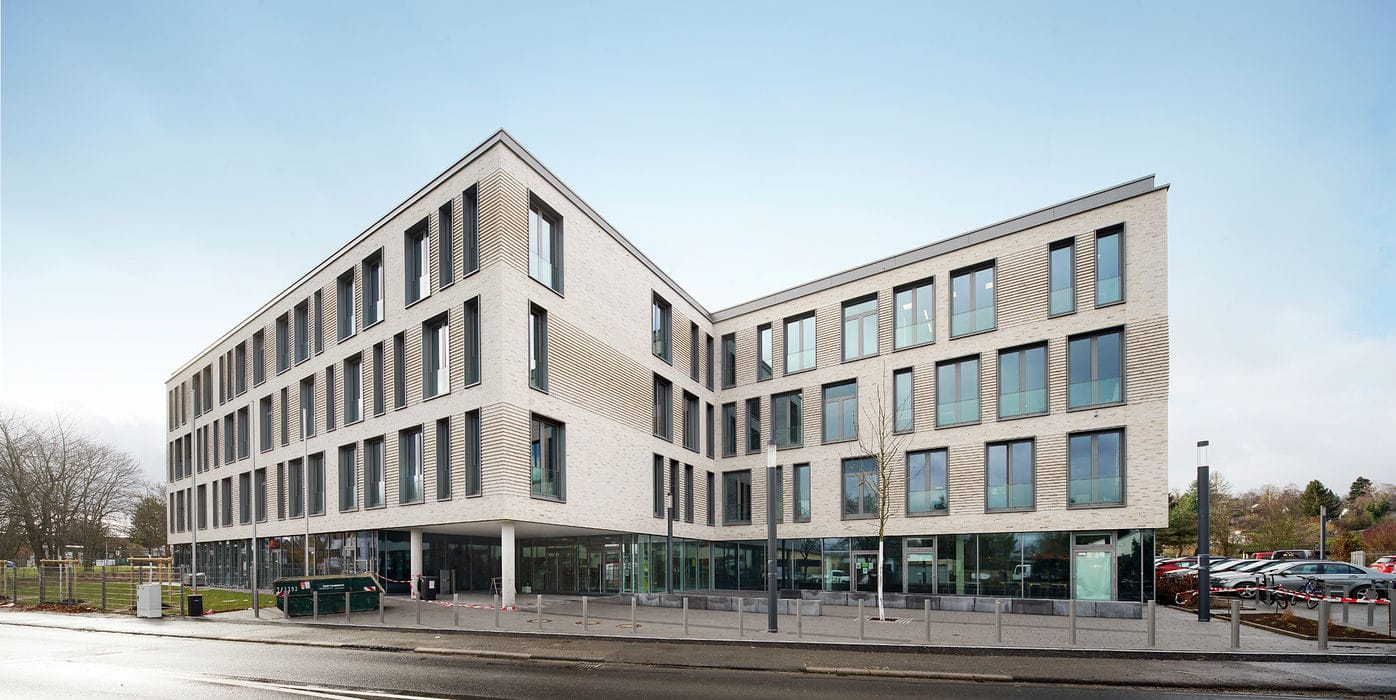
New school building designed to modern educational standards
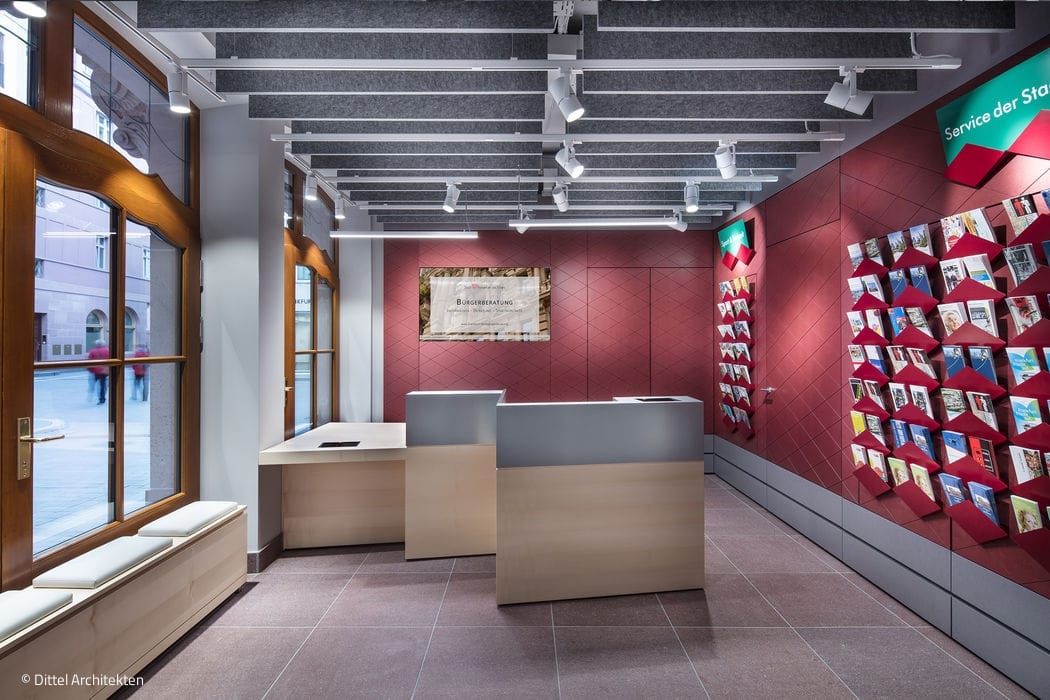
Where Tradition Meets Modernity
A refined spatial concept that positions the city as a living, multisensory experience.
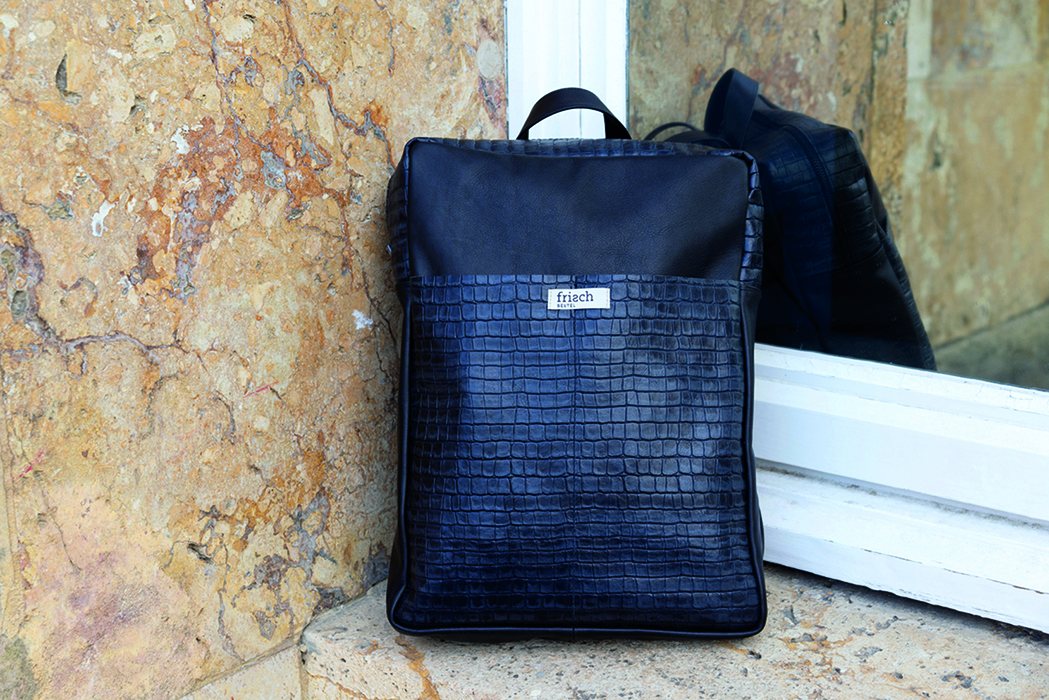
Sustainable and Local
Lisa Frisch and Katharina Pfaff offer a thoughtful alternative to fast fashion