


Maximising existing potential
A modest barn transforms into a multi-level home with character
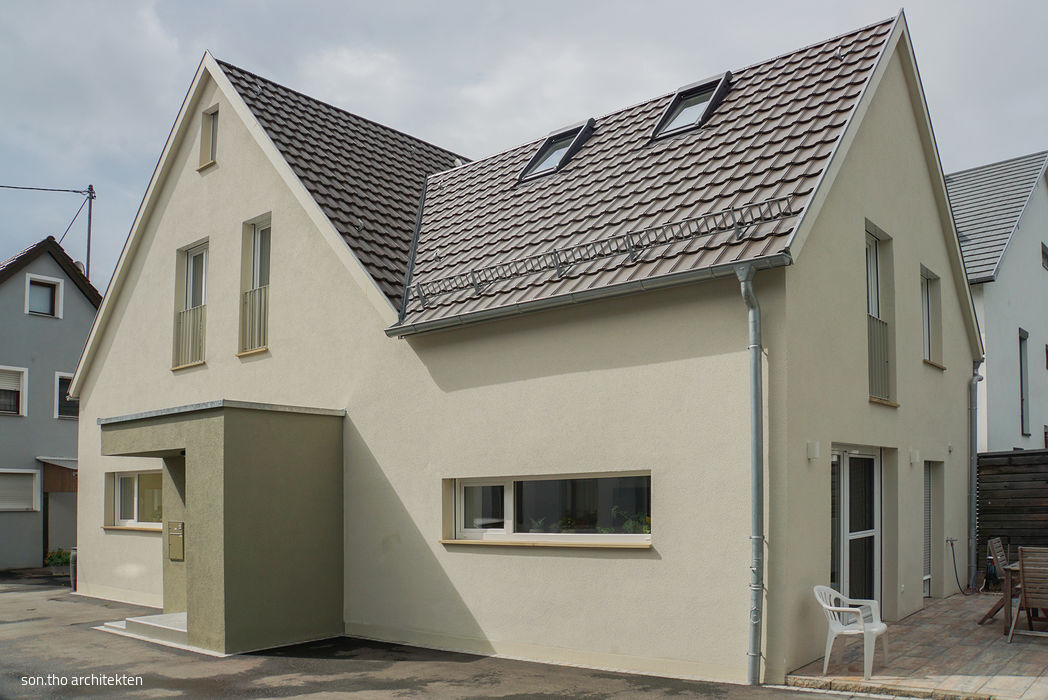
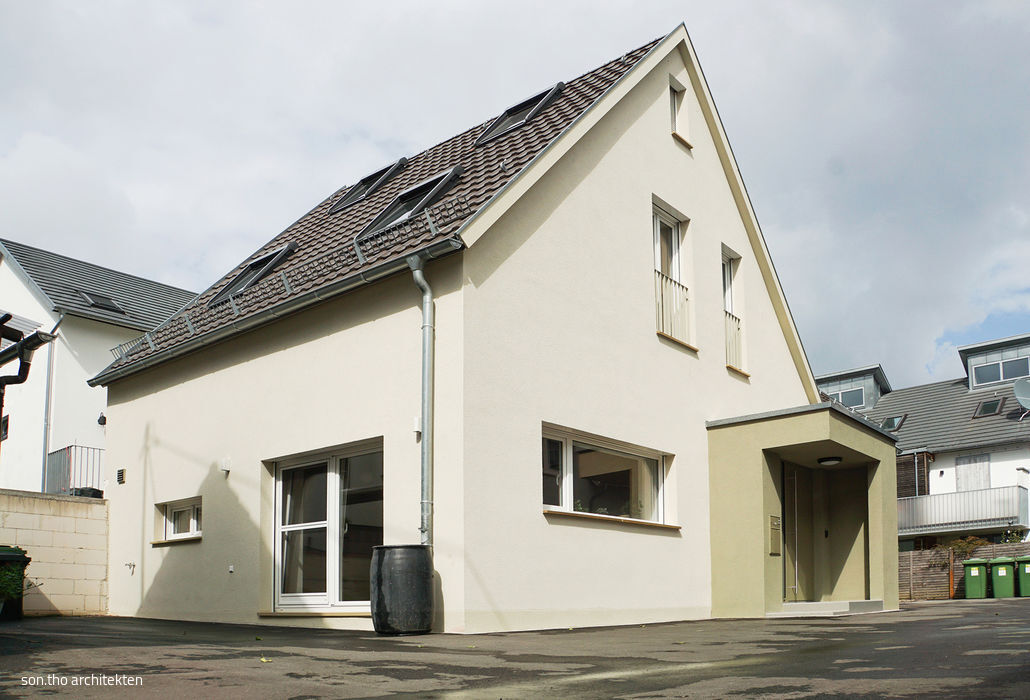
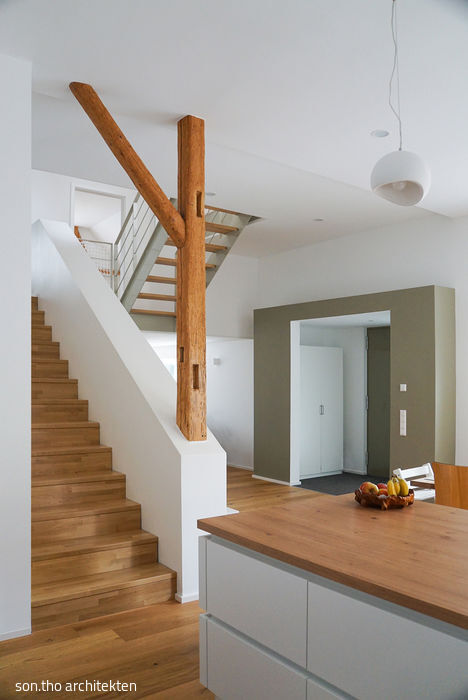
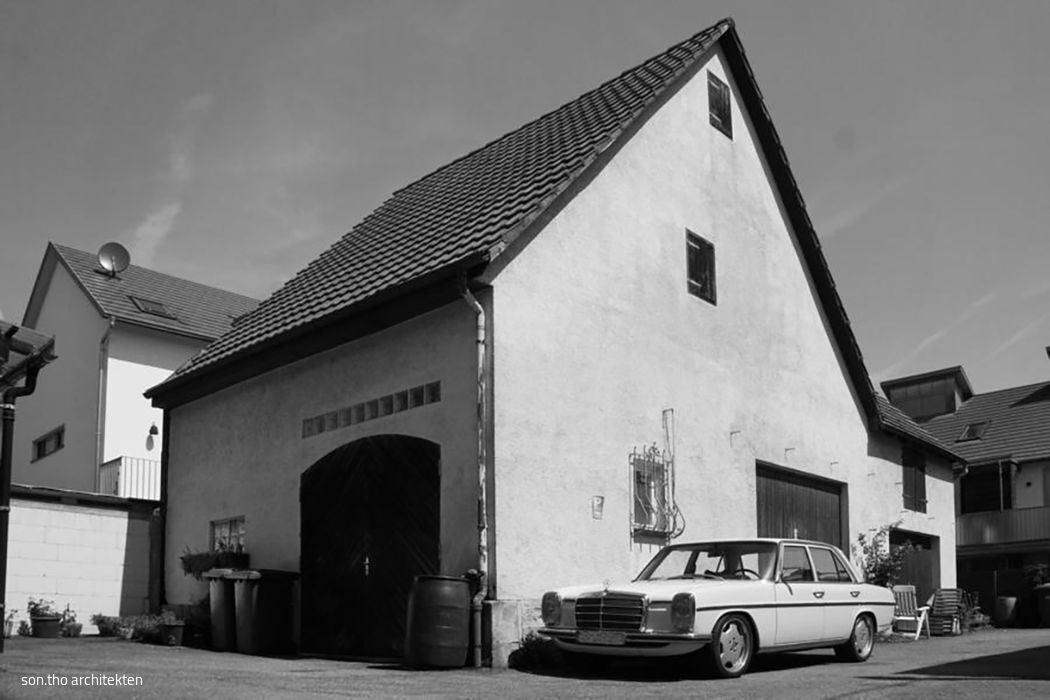
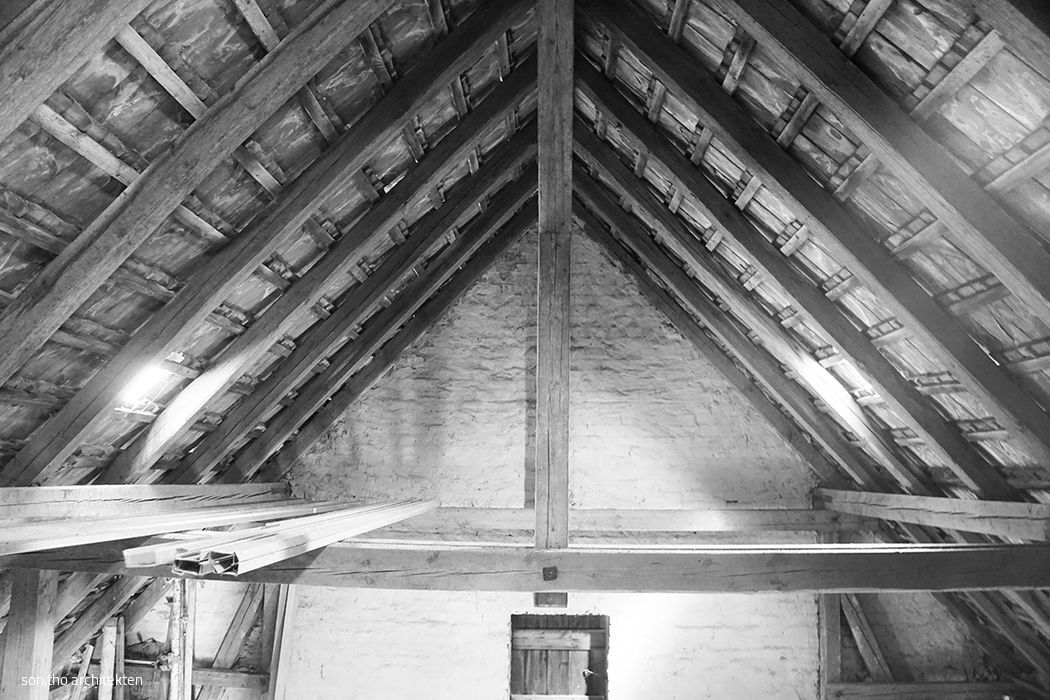
A family searching for a new home discovered it in an unexpected place—a barn on their parents' property. From the outside, the courtyard structure seemed modest at best, but its interior revealed something promising: multiple levels that offered genuine potential for conversion. Architect Sonja Rupp of son.tho architekten was captivated by this architectural gem and her conviction soon proved contagious. The masonry was largely sound, but the half-timbered framework and roof told a different story. Years earlier, the demolition of the adjacent barn to the north had left deep scars. The north wall, originally an interior partition, had endured decades exposed to the elements as an external façade—now heavily weathered and deteriorating. The roof leaked, and moisture had penetrated deep into the masonry. Every wall required its own tailored repair strategy. The east façade demanded a three-part steel girder insertion to adequately support the masonry. The northern boundary wall received additional interior insulation. The expansive roof needed reinforcement only in specific areas, and portions were replaced to accommodate new skylights before being insulated and reroofed. Throughout the project, new openings were carefully integrated directly into existing half-timbered sections, allowing the owners to manage portions of the demolition themselves.
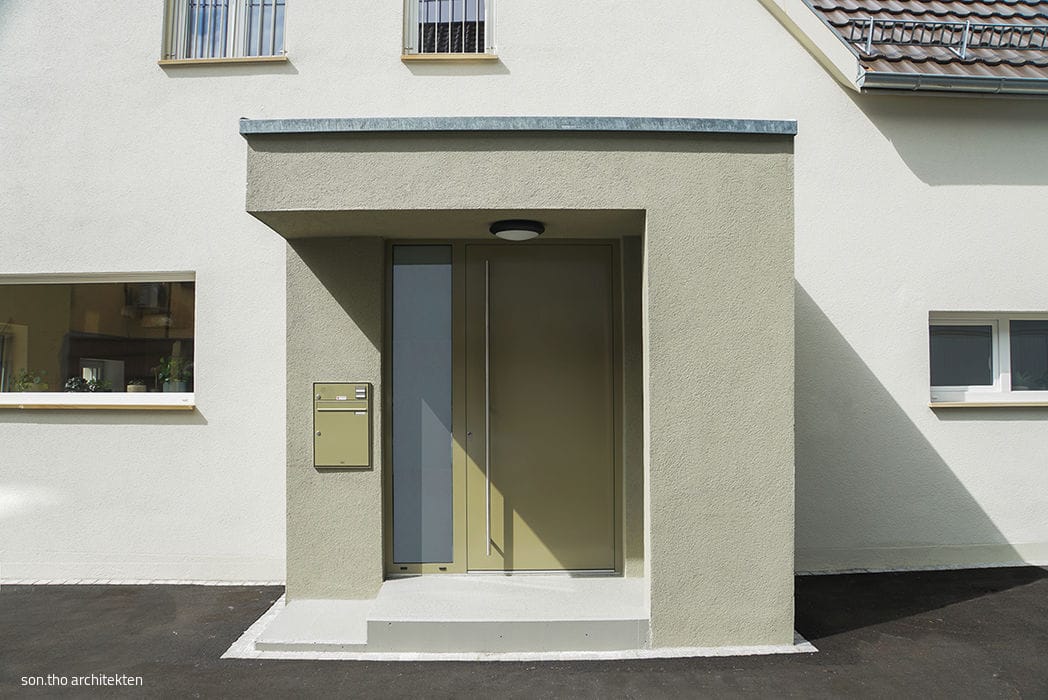
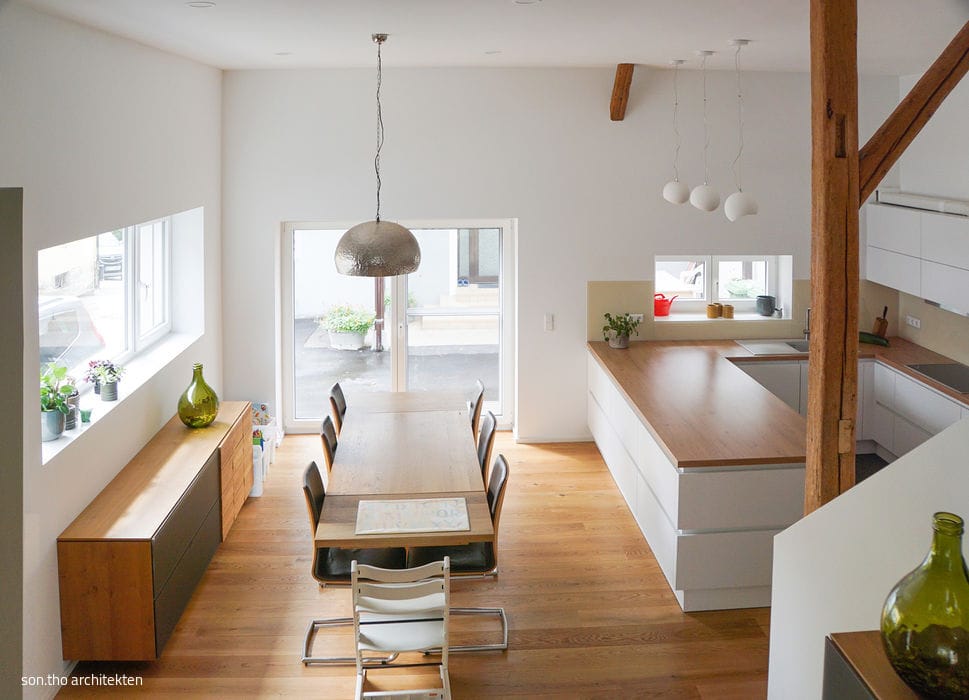
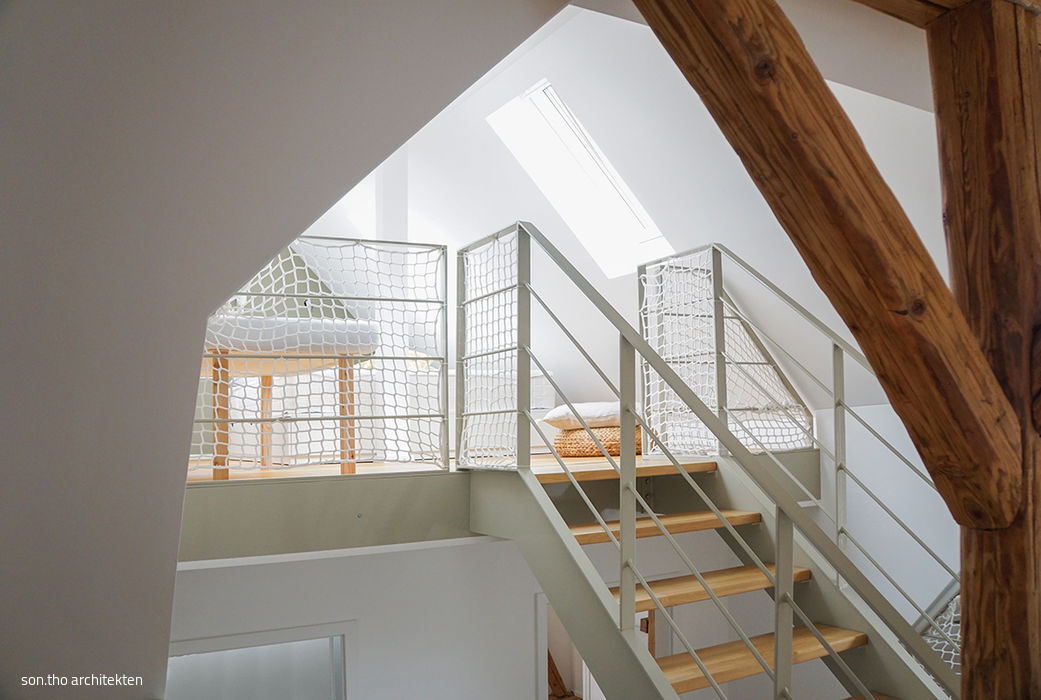
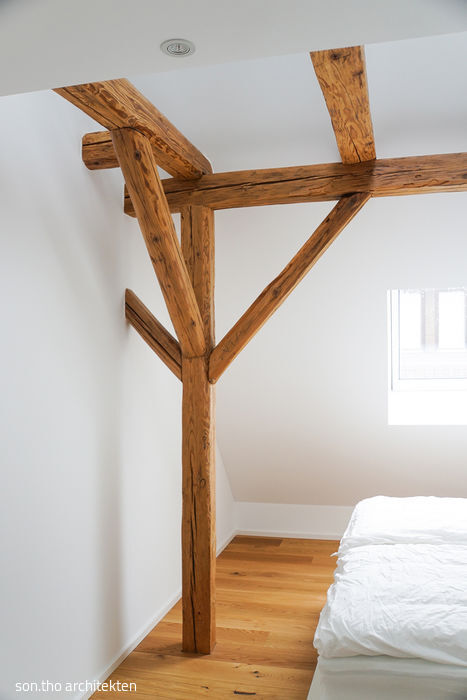
The barn's exterior form remained virtually untouched through its residential conversion—with one intentional exception: a pronounced new entrance that repurposes an existing garage door opening. Within the old garage—the structure's lowest level—Rupp positioned the living quarters, narrowing the door aperture to enhance privacy toward the courtyard. A fresh eastern opening establishes visual and physical connection to the terrace beyond. By removing the wall separating the former garage from the barn proper, living and dining spaces now flow together. Steel beams above the dining area reinforce the original ceiling joists. To create spatial continuity between ground and upper floors, the garage parapet was removed and beams replaced in the larger barn section. An open steel staircase accesses the additional two levels, while a continuous void enables sightlines across all elevations. The palette is restrained: crisp white walls paired with natural oak flooring in living zones, cool grey rubber flooring in utility and bath spaces. The steel staircase with timber treads echoes this grey tone. Original wooden posts and curved brackets remain visible—brushed and oiled to emphasize their character. An air-source heat pump efficiently manages hot water, heating, and cooling throughout. Radiant heating elements embedded in floors, walls, and ceilings provide warmth when needed and support cooling during summer months.
Photography Credits:
son.tho architekten
(Published in CUBE Stuttgart 01|23)


Color, Form, and Light
A 1980s Family Home Reimagined as a Finely Calibrated Sanctuary
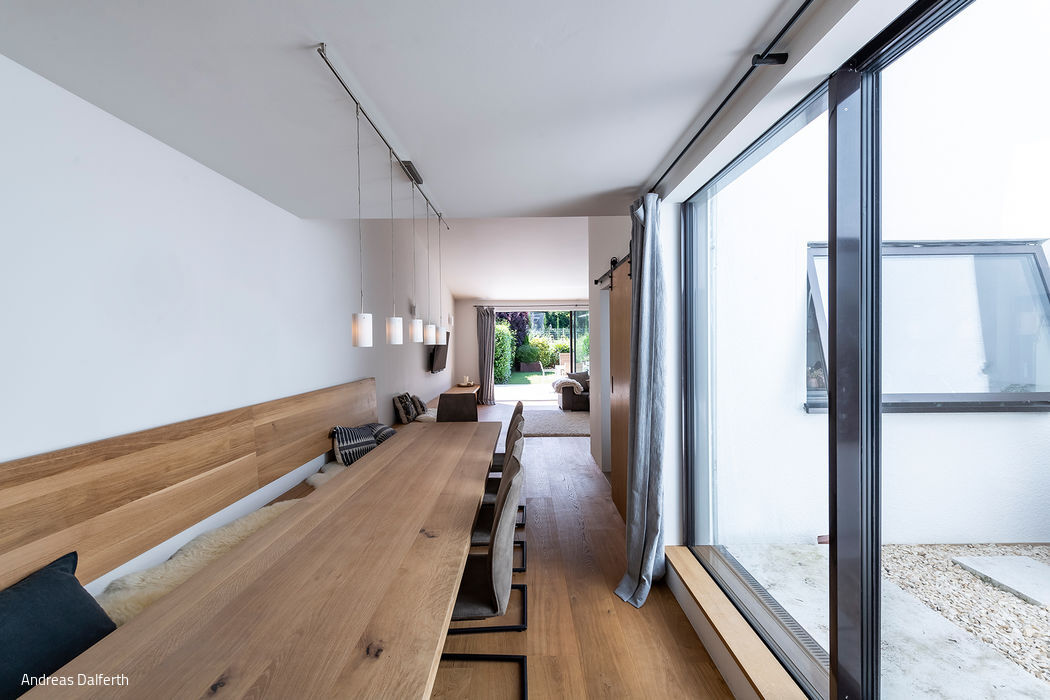
Guided by light
Long and narrow need not mean dark—this terraced house proves it.
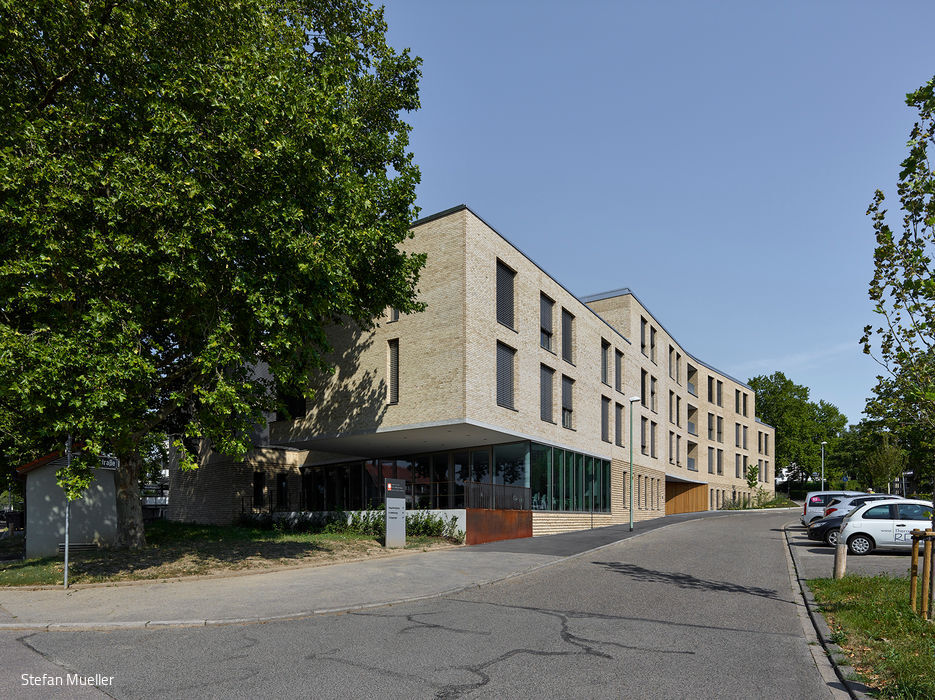
At the Heart of Community
Timeless and unique new building for assisted living and care
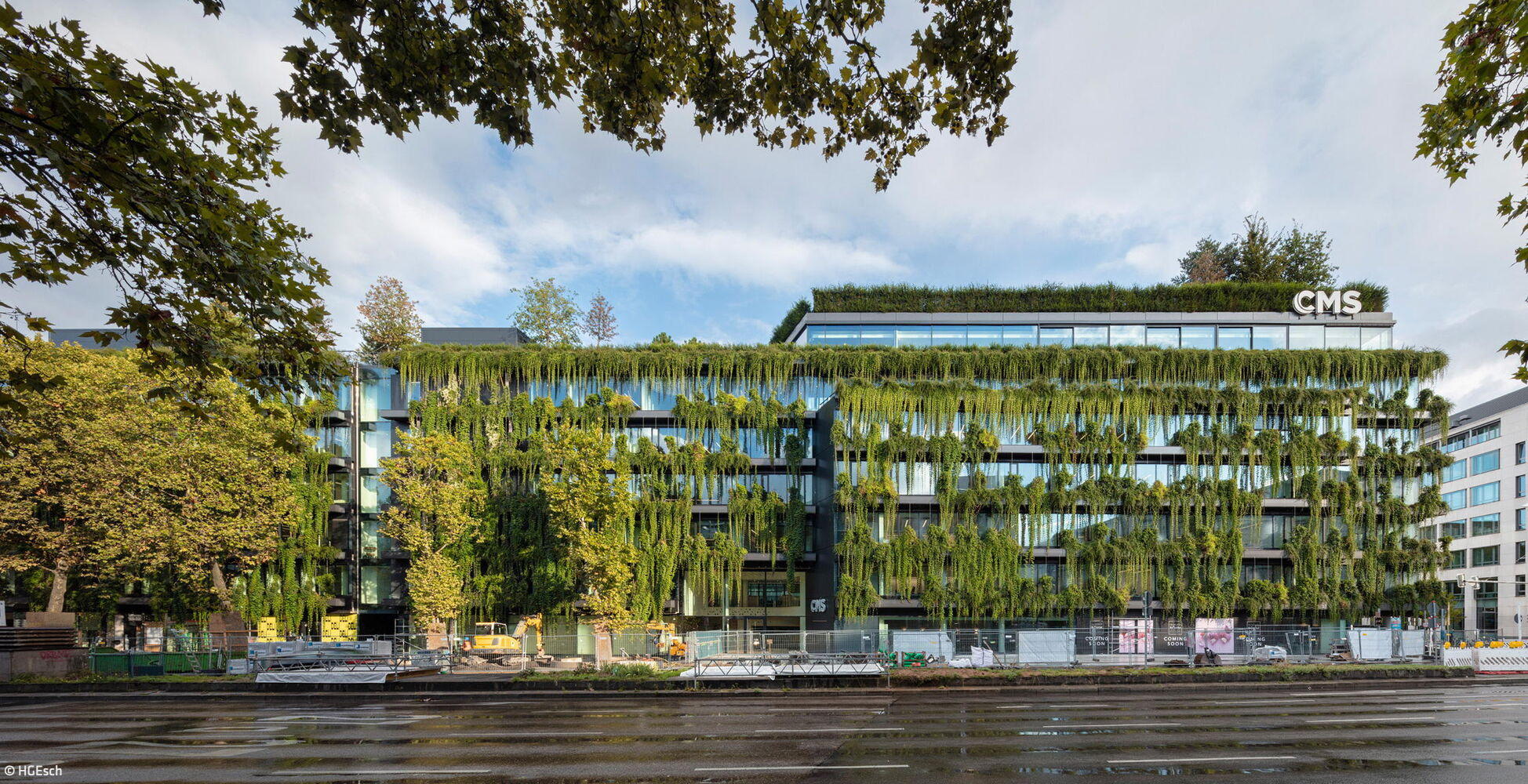
Biodiverse and Heat-Resistant
The new Calwer Passage stands out for its innovative approach to urban greening.