


Settlement-Typology Ensemble
New residential spaces and foundation administration building on Margarethenhöhe in Essen
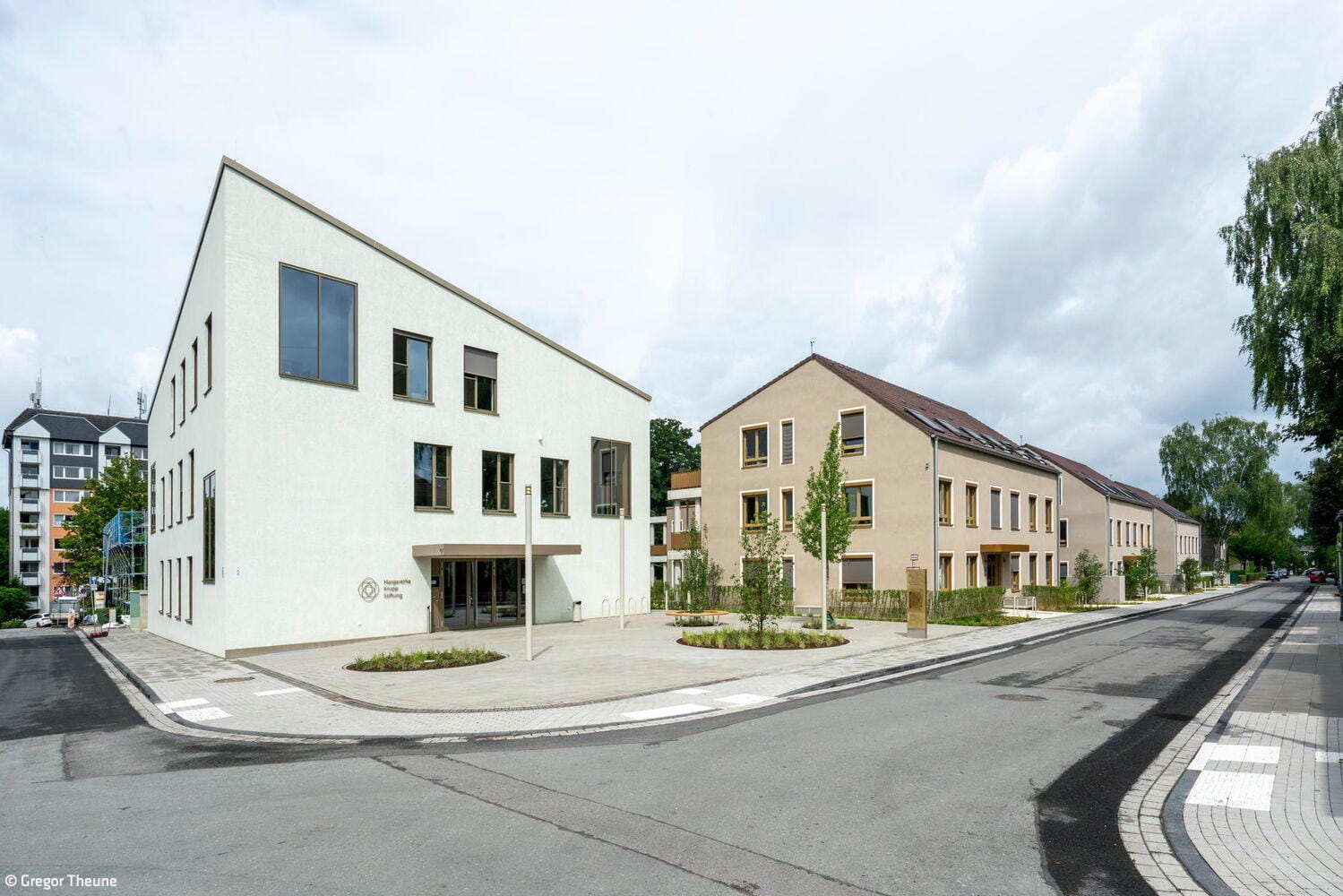
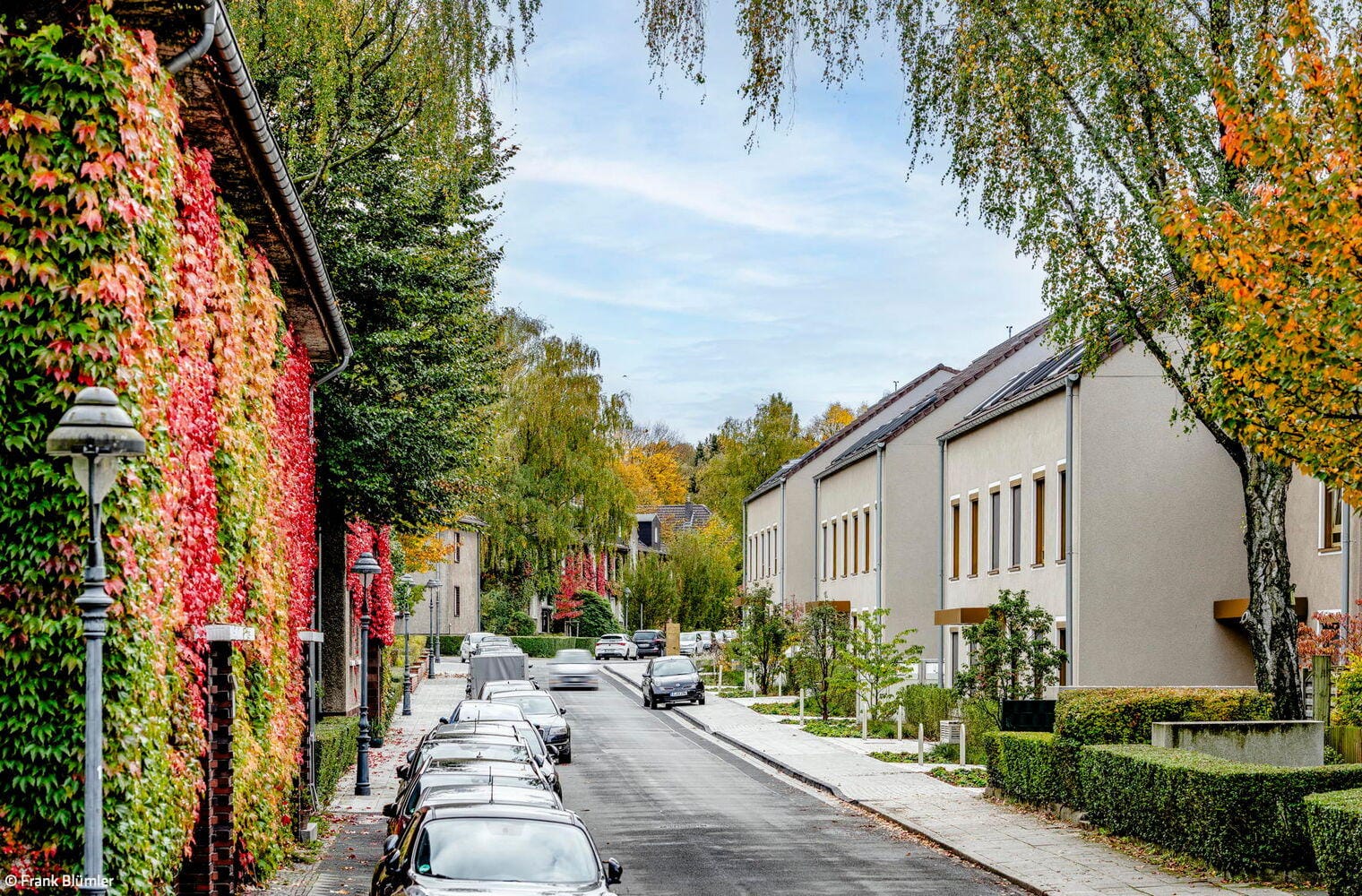



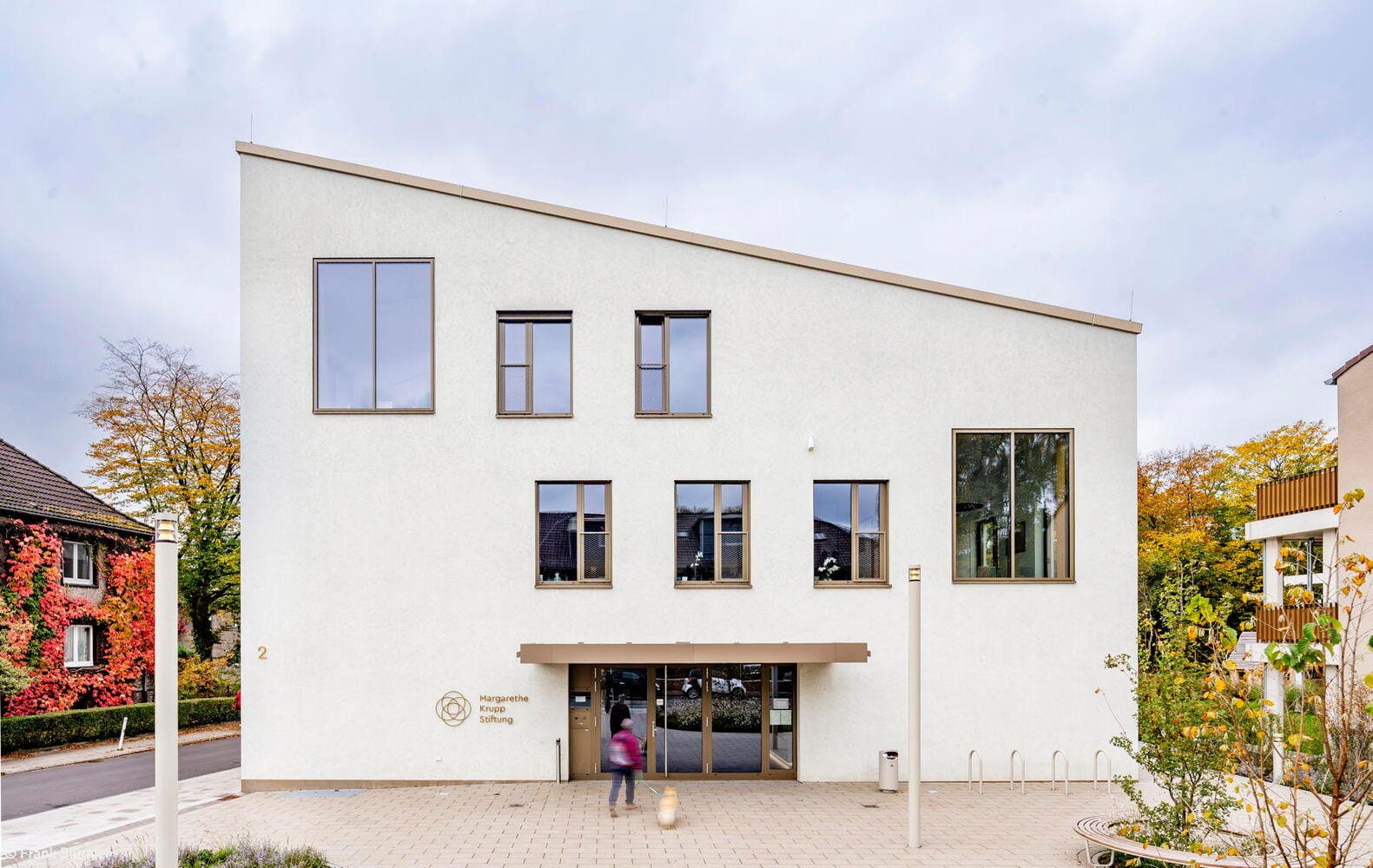
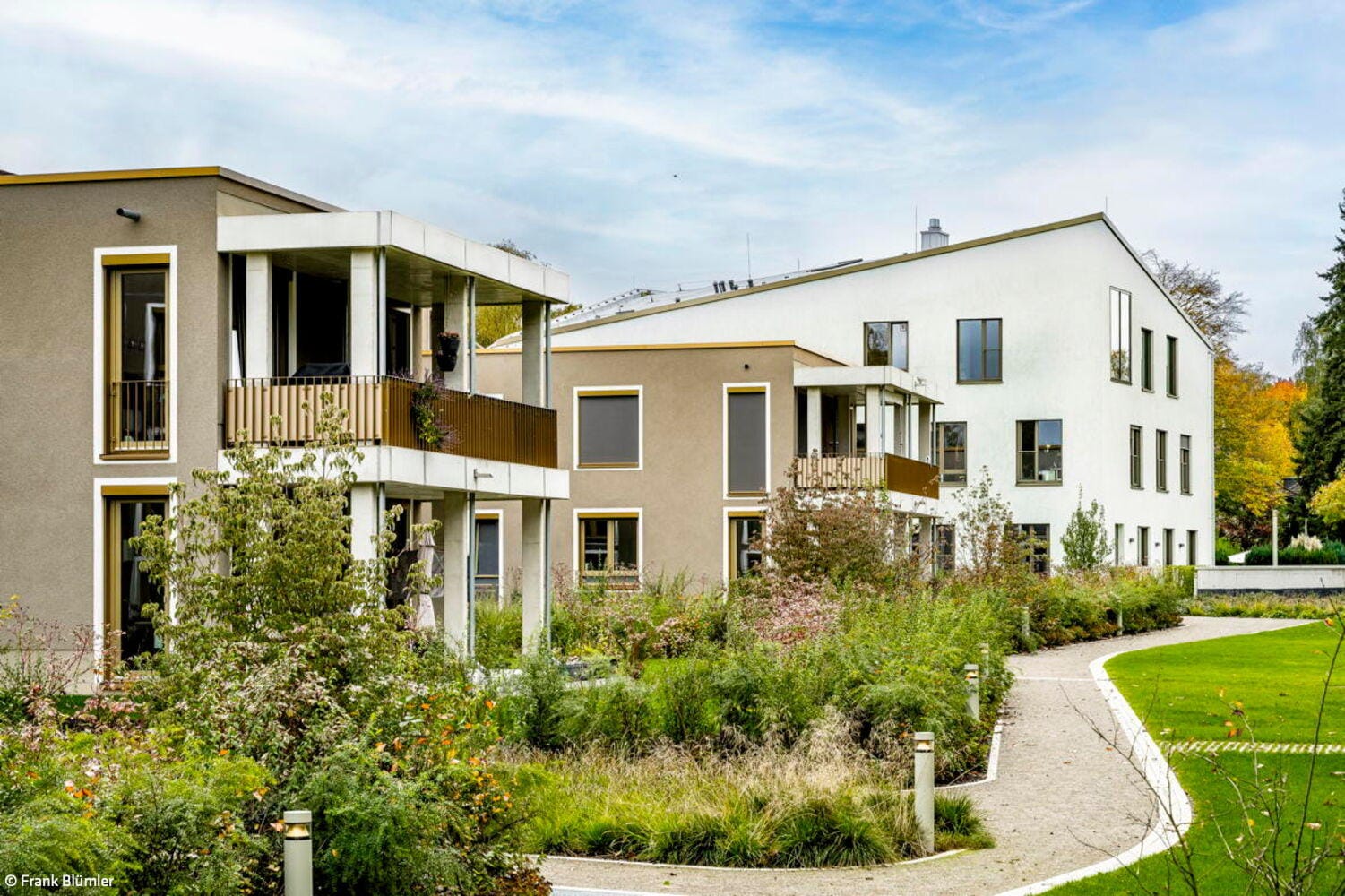

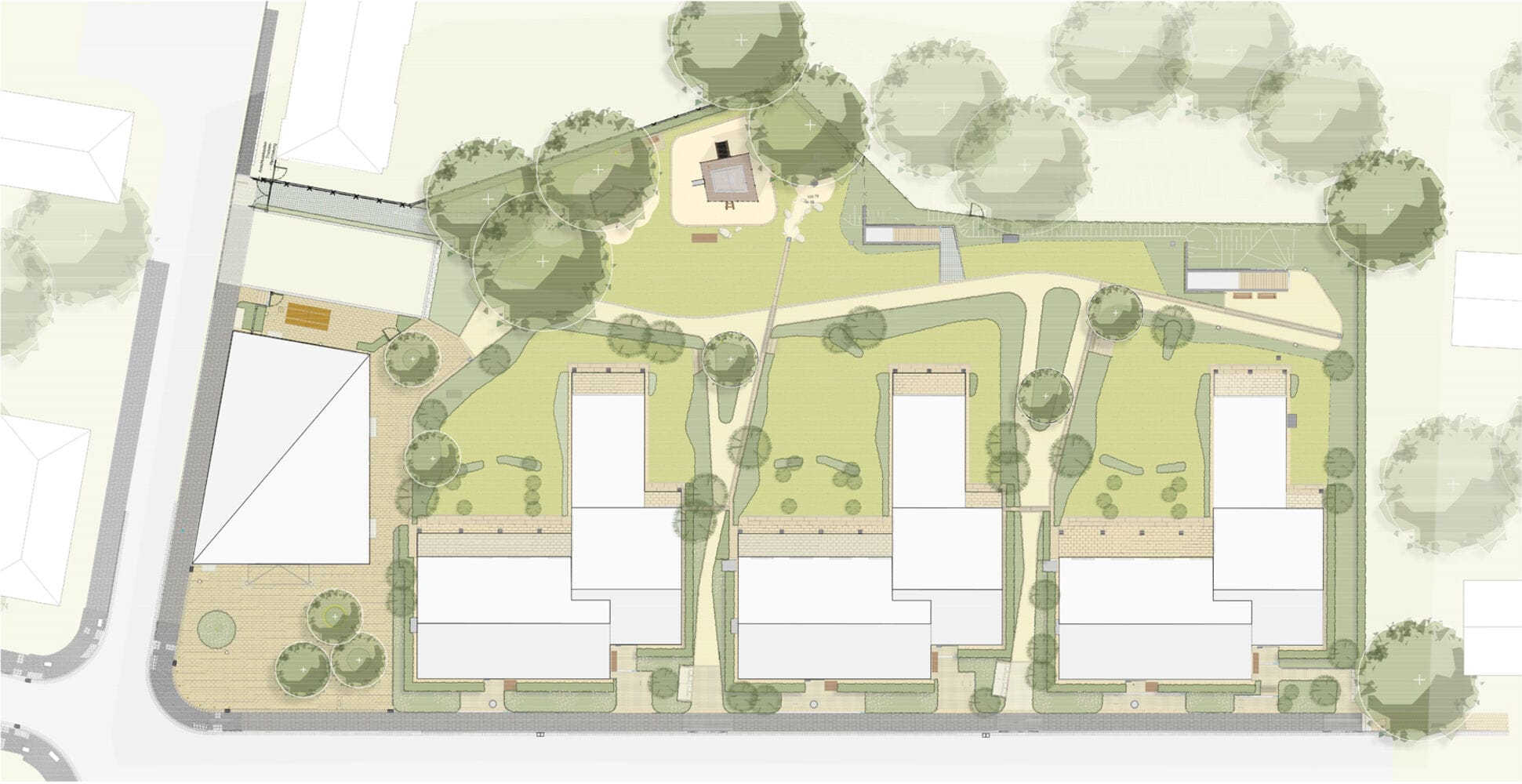

To develop a coherent architectural design, one must understand a place's history, sense its essence, and grasp its character. This was the fundamental approach that Wörner Traxler Richter architects and Mijaa Raummanufaktur architects pursued when they won the implementation competition for expanding the historic Margarethenhöhe settlement in Essen in 2018. The Margarethe Krupp Foundation for Housing had announced the competition, aiming to create an ensemble comprising three residential buildings and an administrative building on a property at the transition between the protected historical settlement and forest. The planning teams from Frankfurt and Essen ultimately prevailed with broad approval.
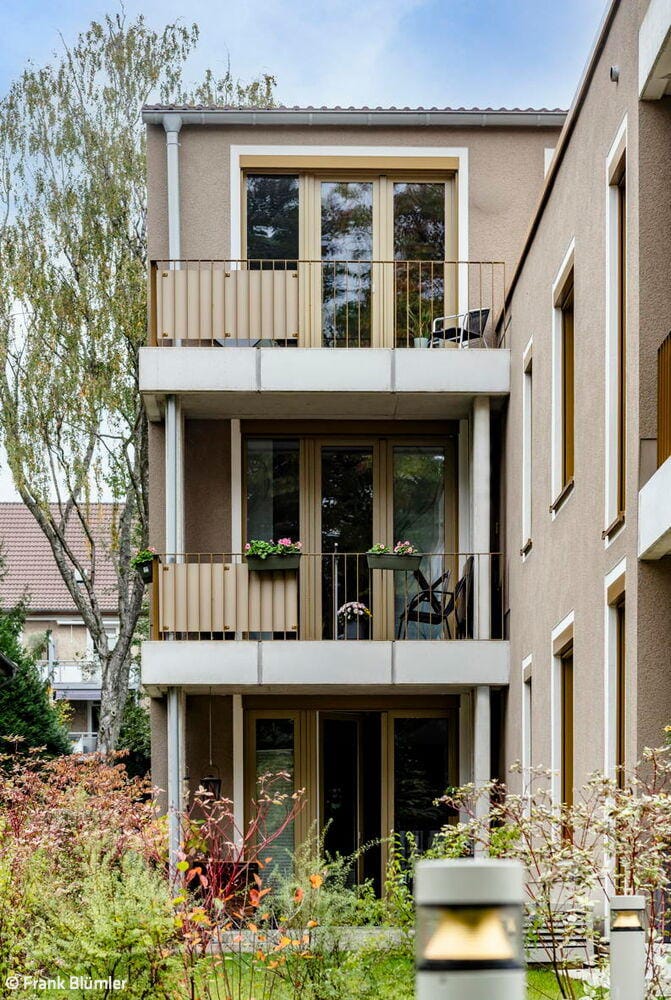
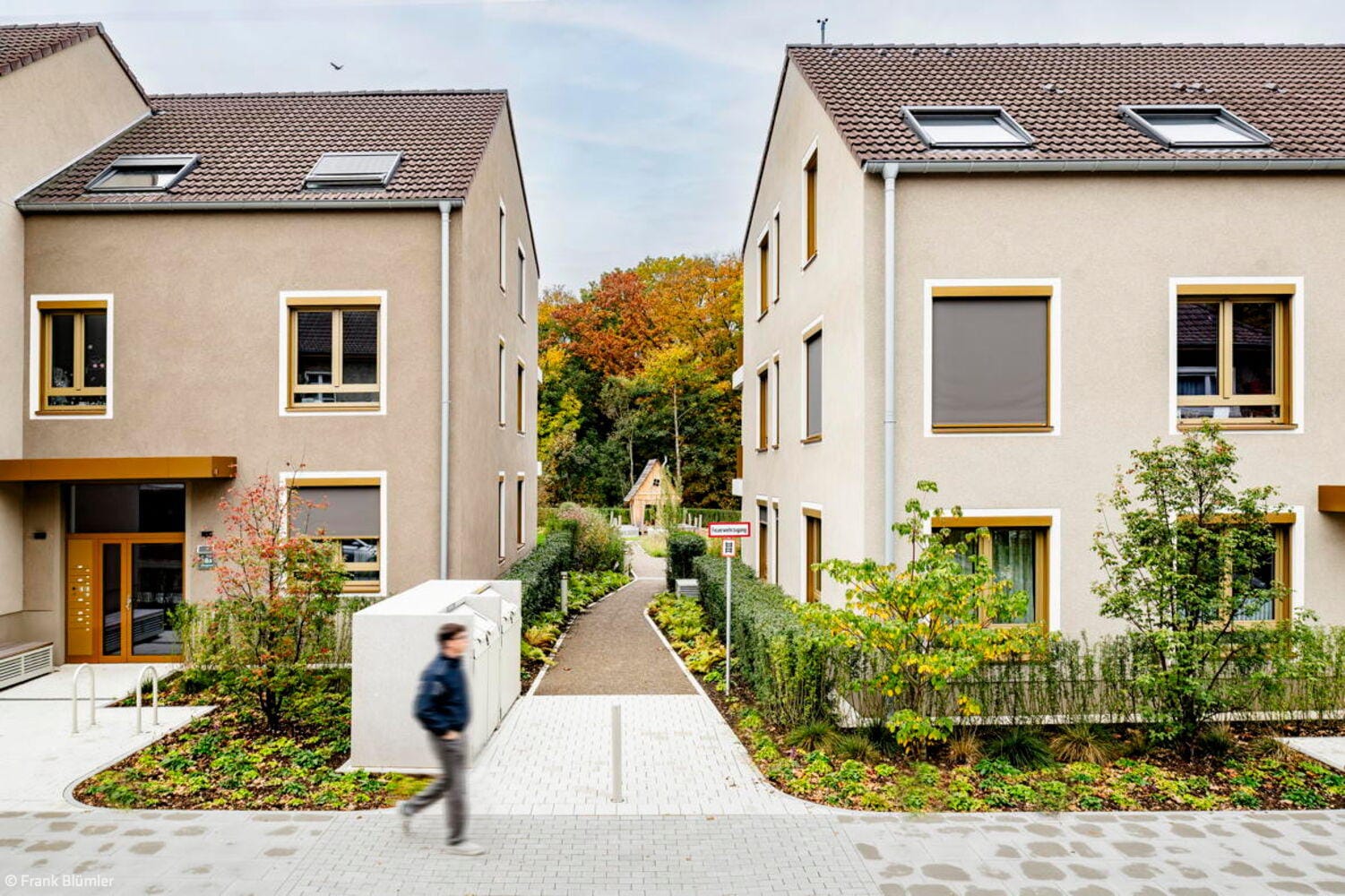
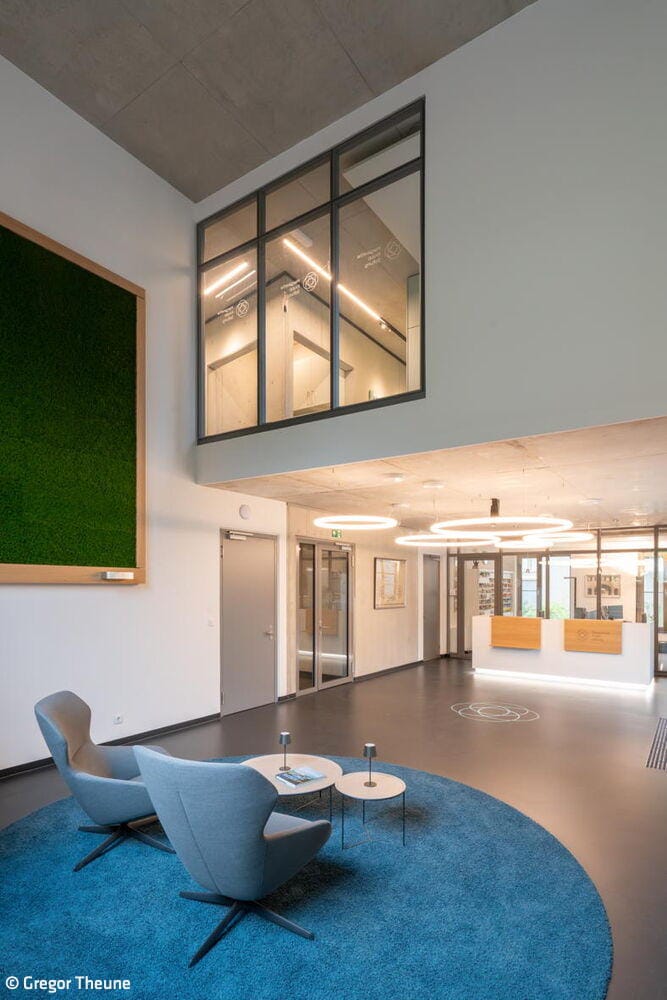
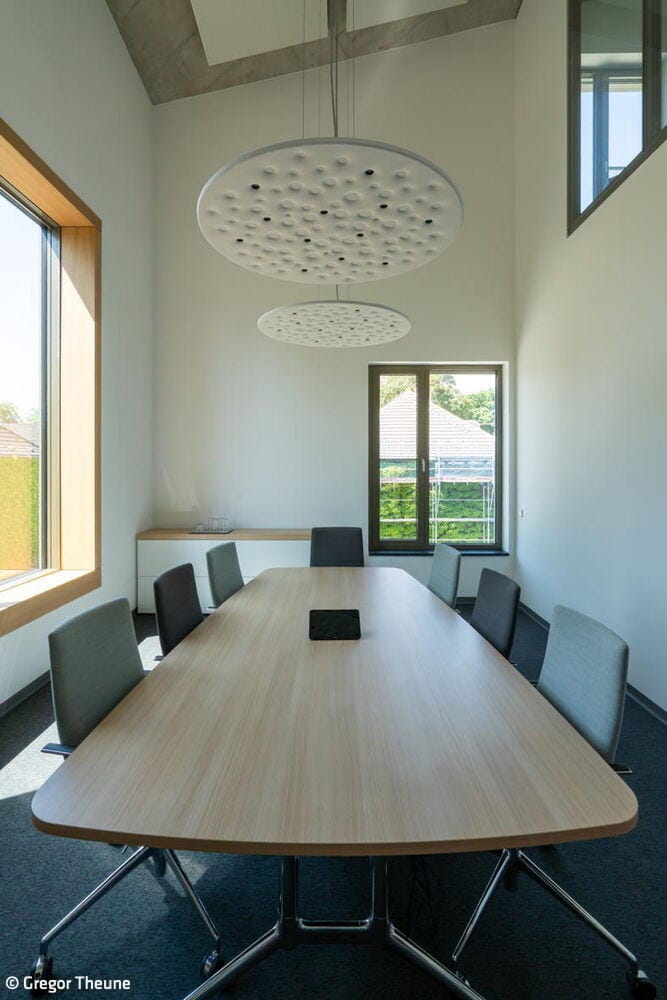
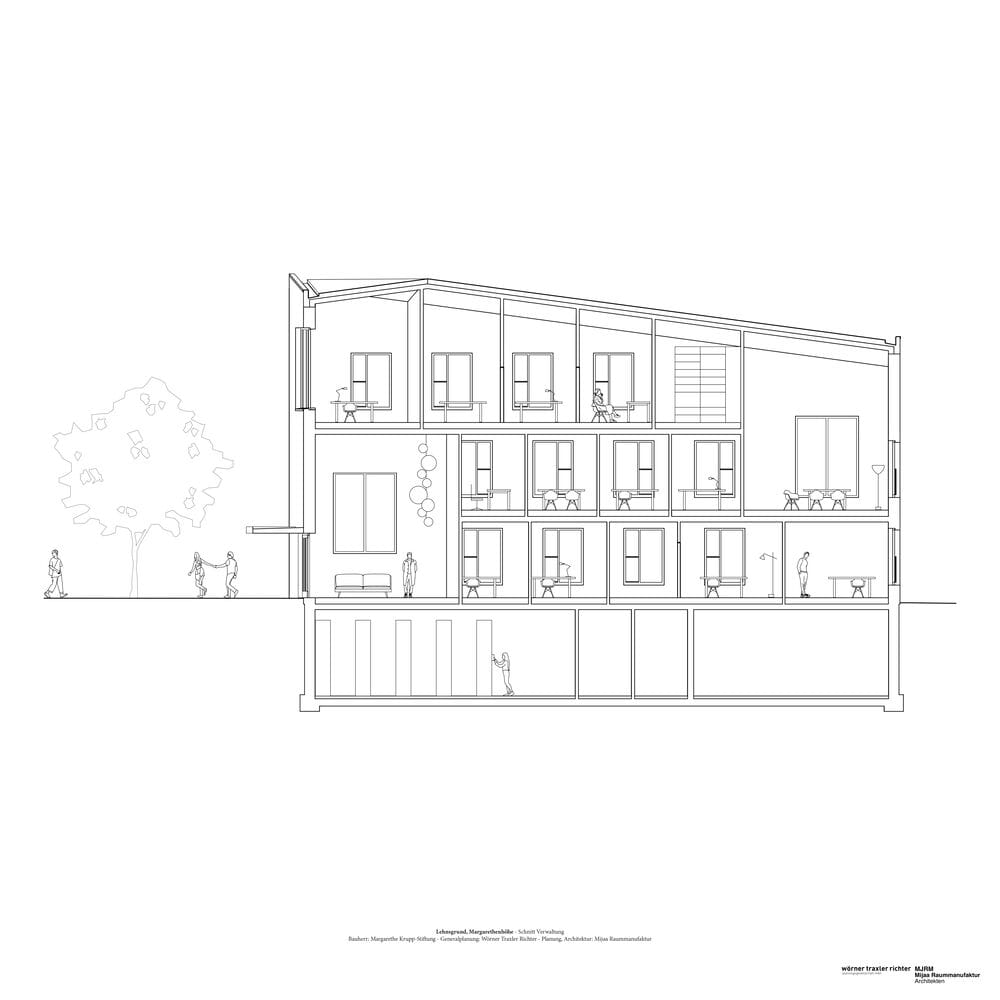
Although heritage protection was not directly involved in this project within the garden city worthy of World Heritage status, history nonetheless played a significant role in the design process. The new buildings adopt the rhythm of the verdant settlement and continue its row-house structure and distinctive roof landscape in contemporary fashion. The architects deliberately avoided developing a second building line, as the parceled gardens at the rear of the properties are fundamental to the settlement's identity. Instead, the building volumes were staggered toward the forest and shifted into the green space, which also promotes natural ventilation. To foster communication among residents, the gardens were designed as open spaces rather than parceled as they were traditionally. The barrier-free residential buildings provide 42 units with varied dwelling types and generous outdoor spaces and balconies on the upper floors oriented toward the forest. The residential structures are oriented gable-end to the street, with rendered façades that echo both the material character and color palette of the neighboring buildings, complemented by marked base courses and precisely positioned window frames. "This is a heritage-worthy area where thoughtful intervention is essential. Therefore, we conducted extensive material-selection processes and prioritized sustainable construction practices that balance ecological, social, and economic considerations," explains architect Jan Kucera. The compact building design, efficient site organization and utilization, and monolithic insulating brick construction without maintenance-intensive external insulation contribute to the project's economic efficiency. The residential buildings achieve EH55-A+ certification; 44 geothermal probes beneath the underground garage provide sustainable heating and cooling for the apartments and administration offices. Internally, terrazzo-style cast stone and durable solid oak parquet flooring were installed. The administrative building marks the intersection in the south and, together with the forecourt plaza, creates both the entrance to the residential quarter and a new neighborhood meeting point. The competition jury particularly commended its restrained architectural language: through the rotated roof ridge and the resulting corner emphasis, the building serves as an entryway to the residential development. Inside, exposed concrete ceilings represent modernity; rubber flooring, terrazzo-style cast stone tiles, and carpeting were used in the offices. Visual connections within the building carry special significance. Large windows in the partially double-height spaces ensure transparency. Beneath the entire site sits an underground garage with 91 parking spaces and a generous bicycle storage room along with a small bicycle workshop for foundation staff. Rainwater is channeled through open gutters, which cool the microclimate and irrigate the roof and landscape plantings. The Frankfurt and Essen architectural partnership, collaborating with the Margarethe Krupp Foundation for the first time, was enthused by their client's long-term and forward-thinking approach. The result is a "quiet beacon" that reconciles past, present, and future in harmonious balance.
www.mjrm.de
www.wtr-architekten.de
www.margarethe-krupp-stiftung.de
Photos:
Gregor Theune
www.gregortheune.de
Frank Blümler
www.frankbluemler.de
(Published in CUBE Ruhrgebiet 01|26)
Rooted in the Region
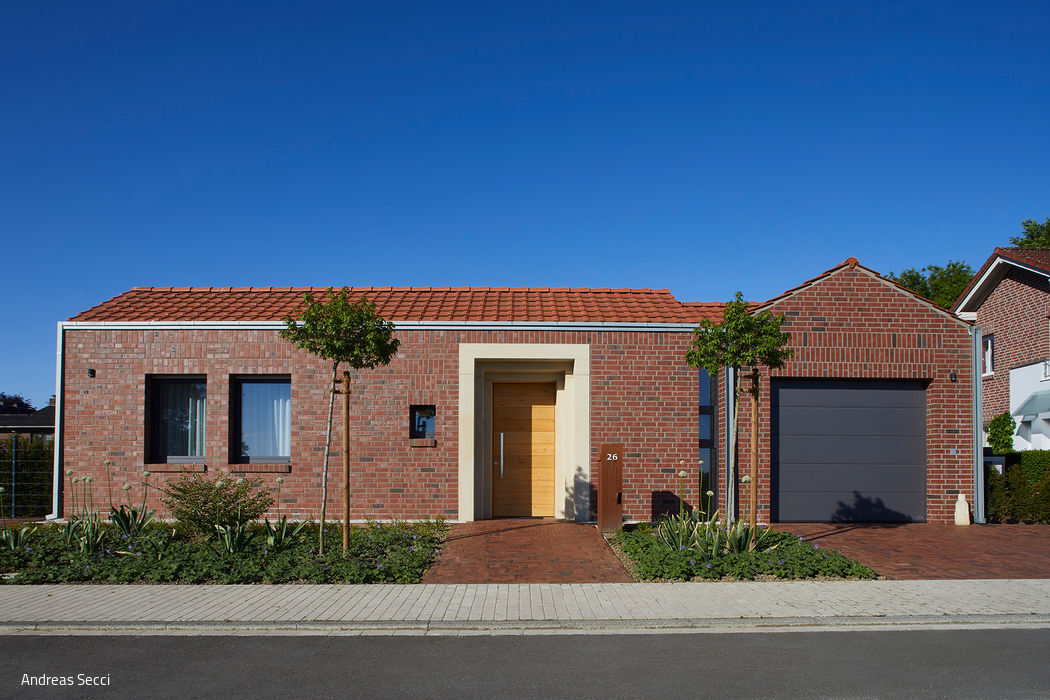
A Clinker Brick Villa with Refined Modern Restraint
Uncompromising Design
A striking pentagonal residence has emerged on this corner plot, embodying modern design.
Building trust through design
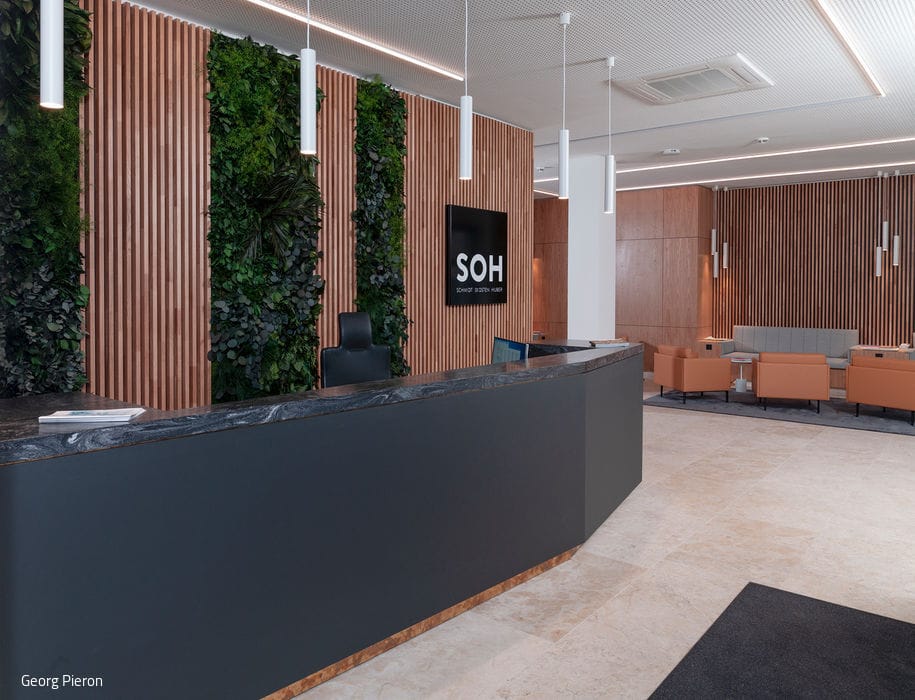
The new law office in Essen was custom-designed to reflect the firm's identity.

Former church becomes art space
Thoughtful restoration transforms a church into a vibrant public gathering space