


Serial, Social, Urban
The Ginnheimer Platensiedlung demonstrates how sustainable densification creates thriving neighborhoods
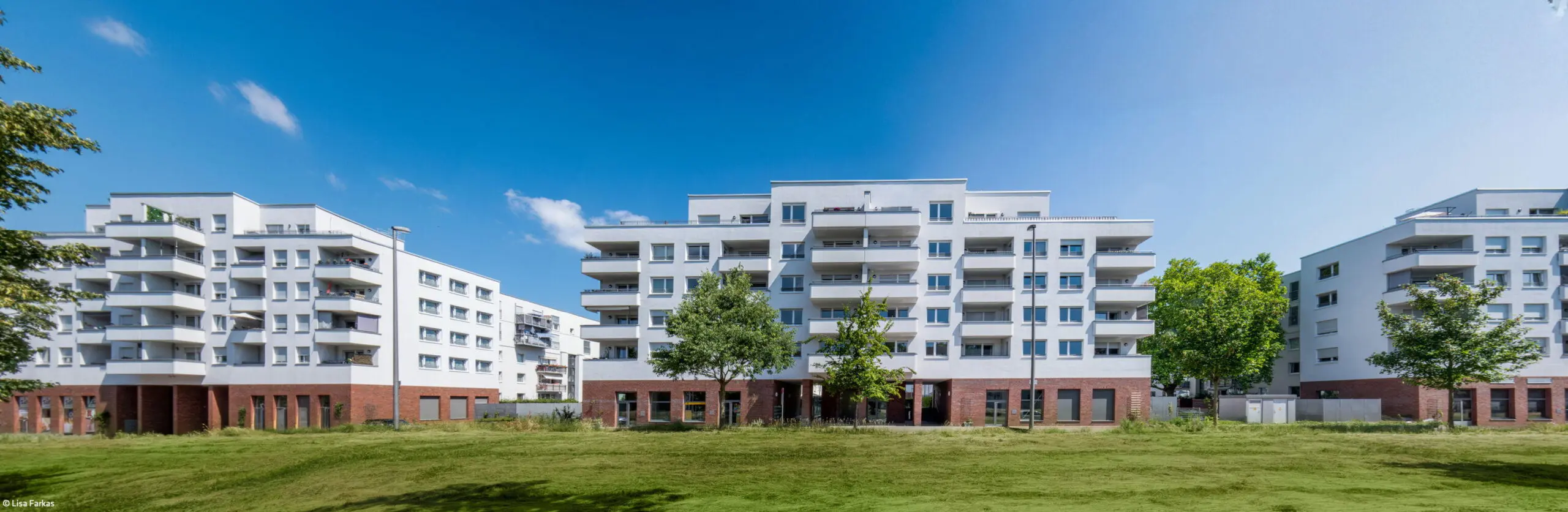
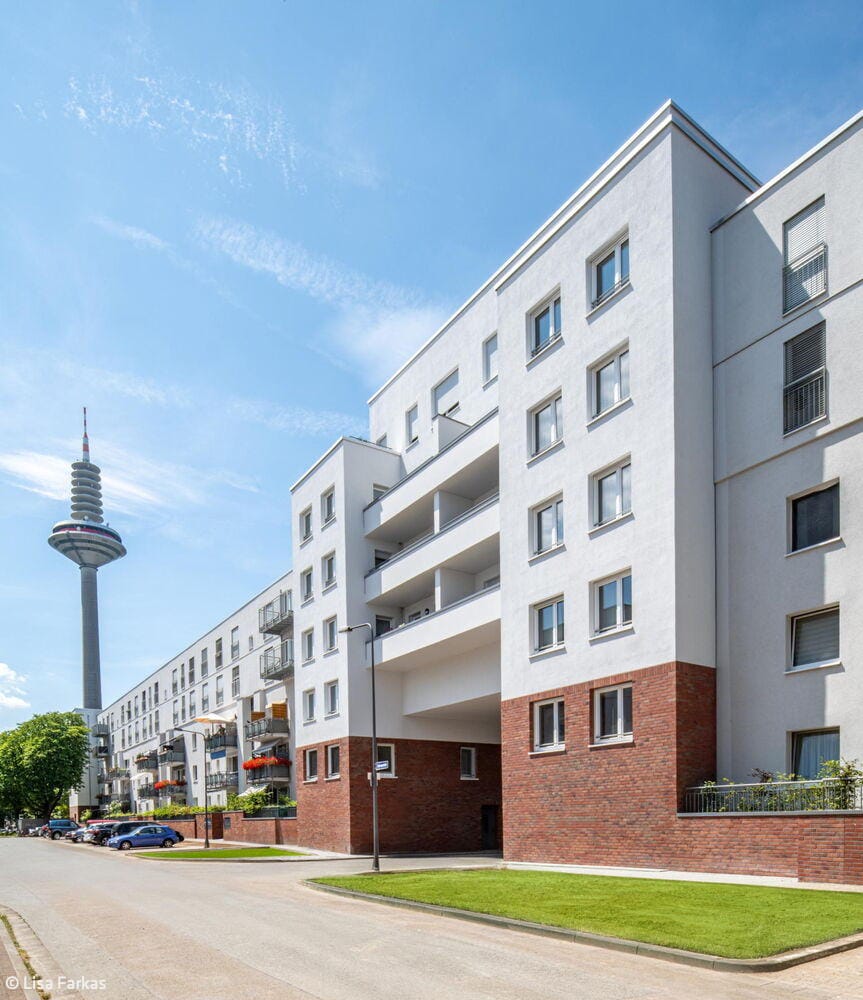
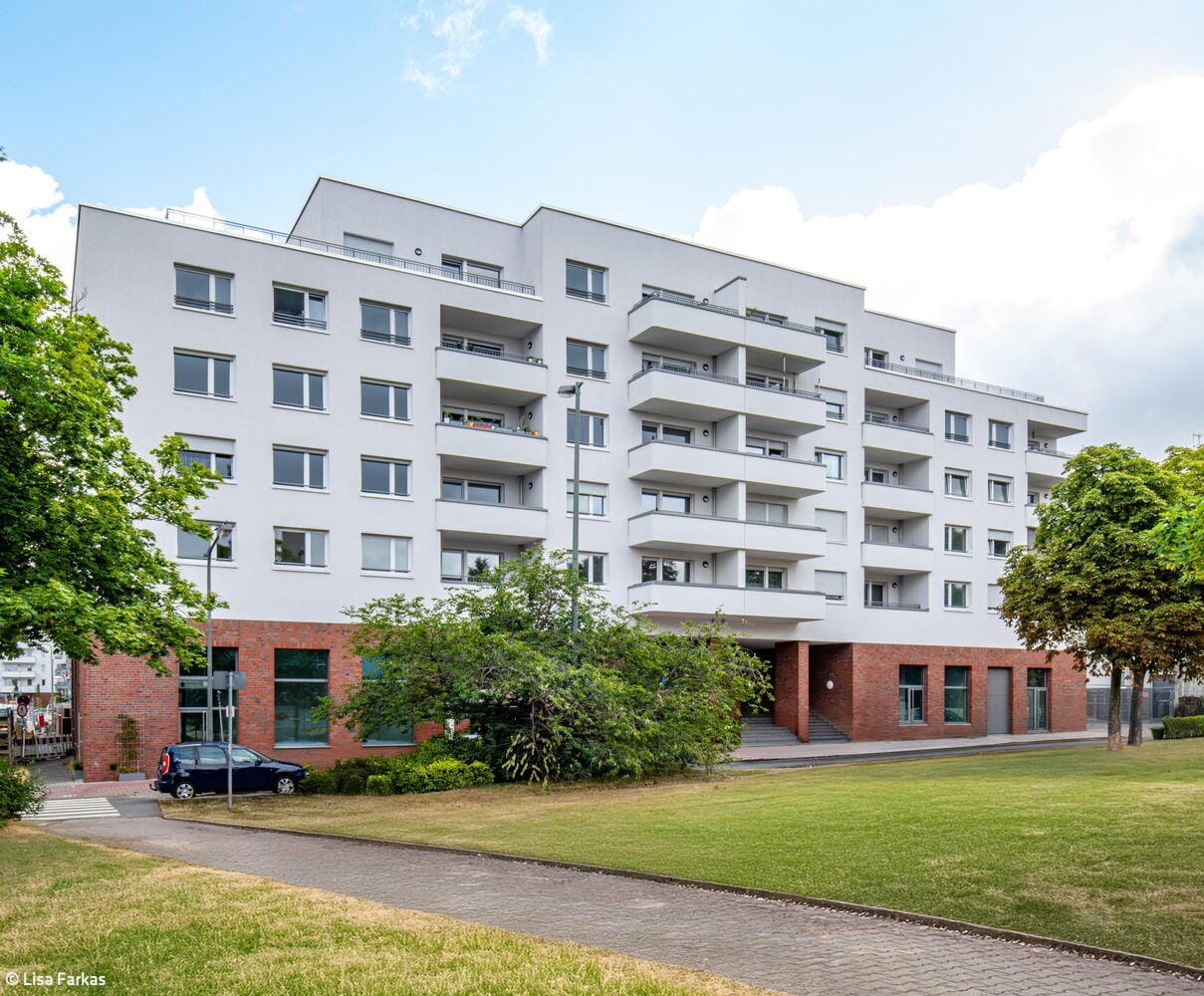
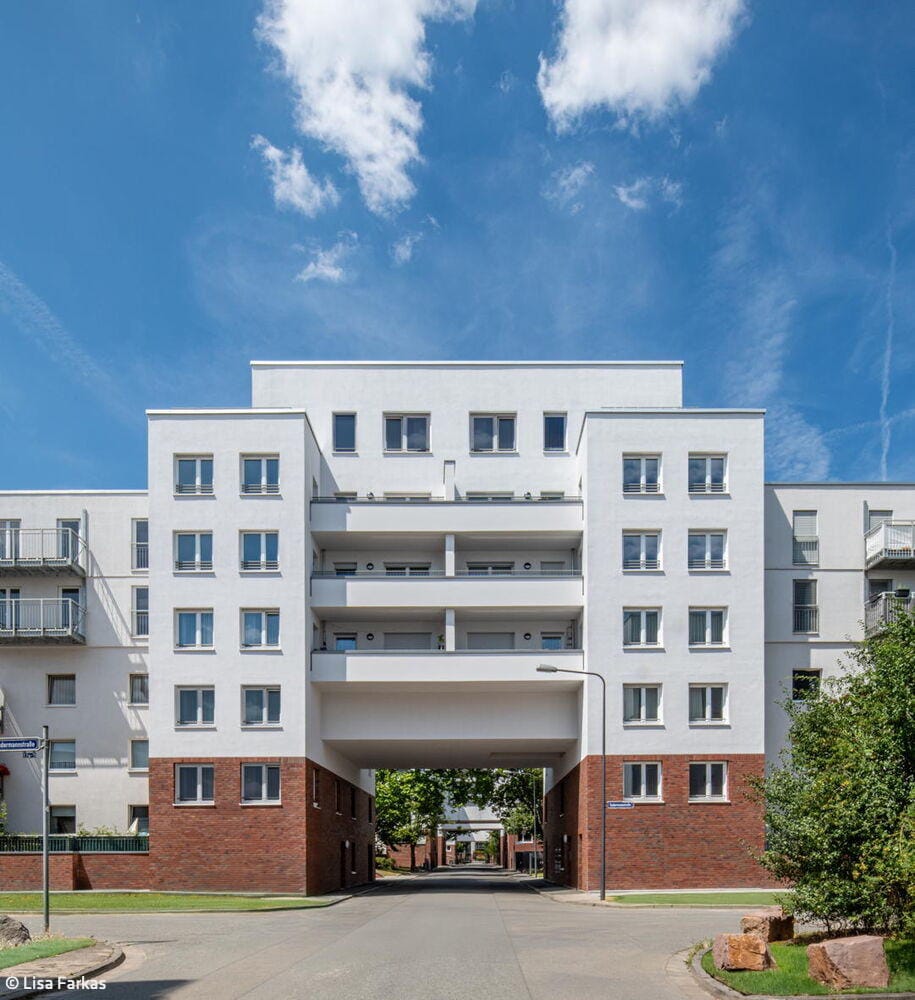
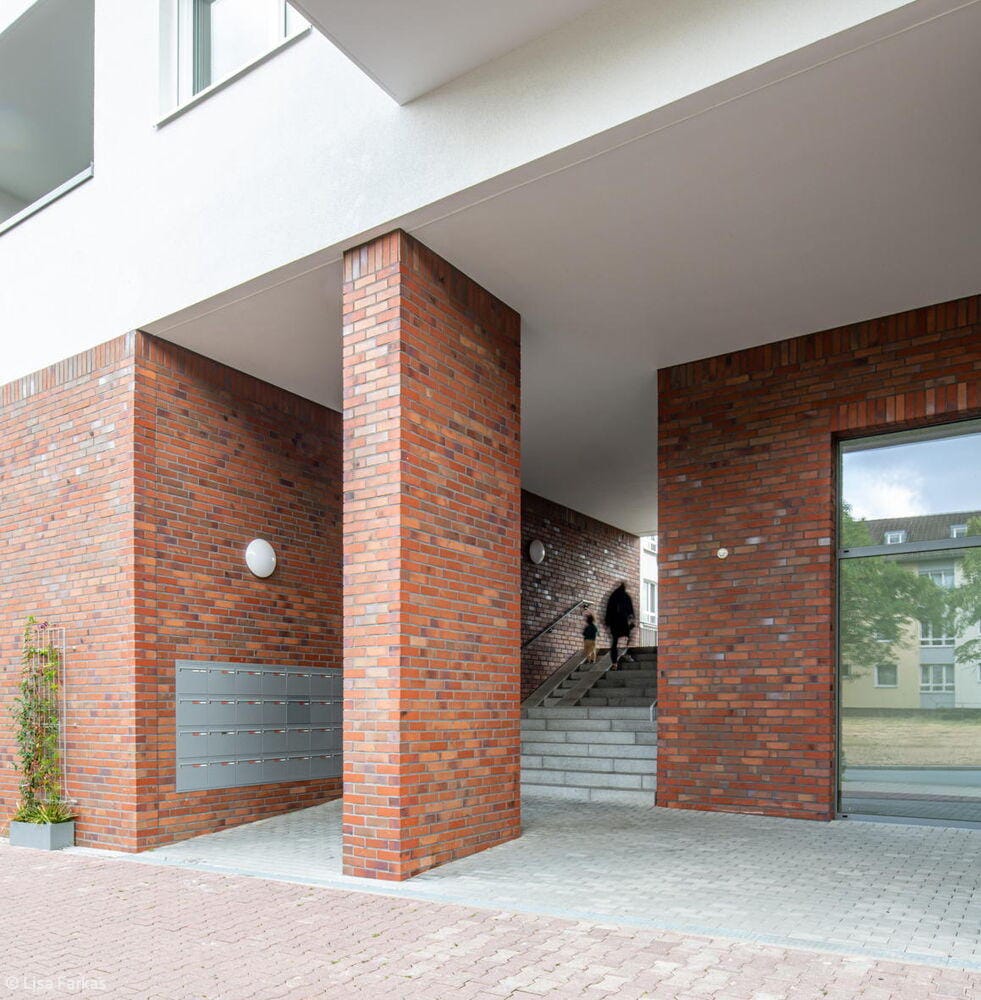
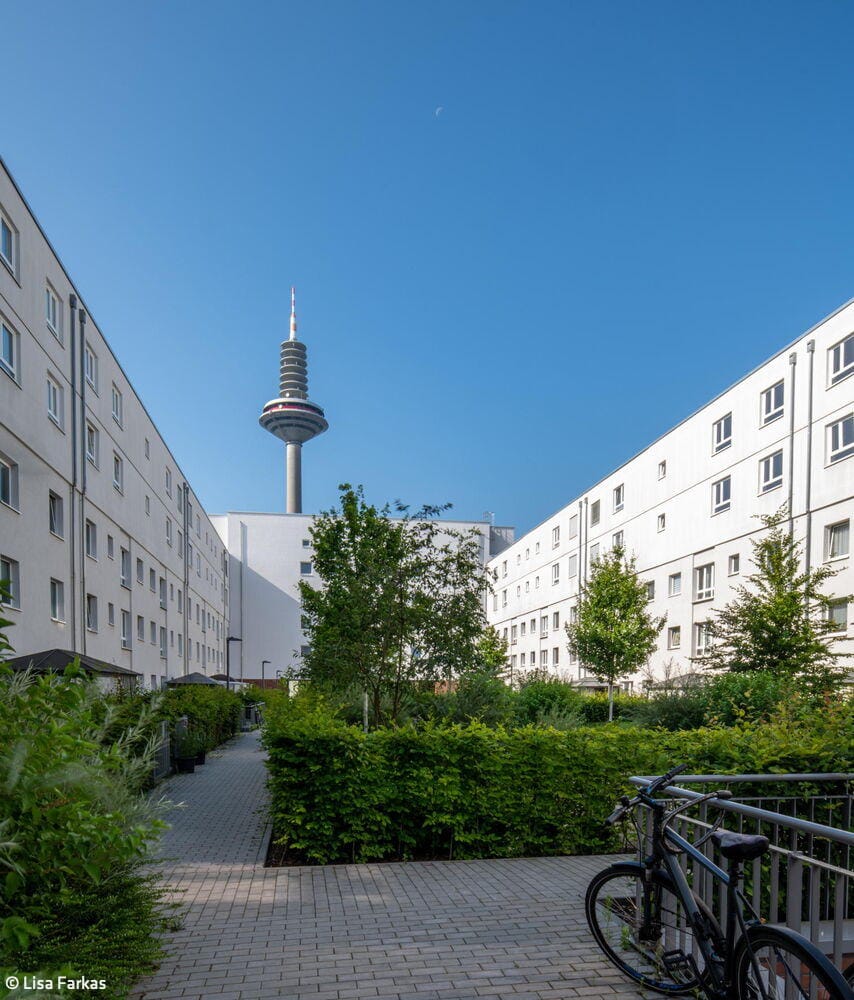
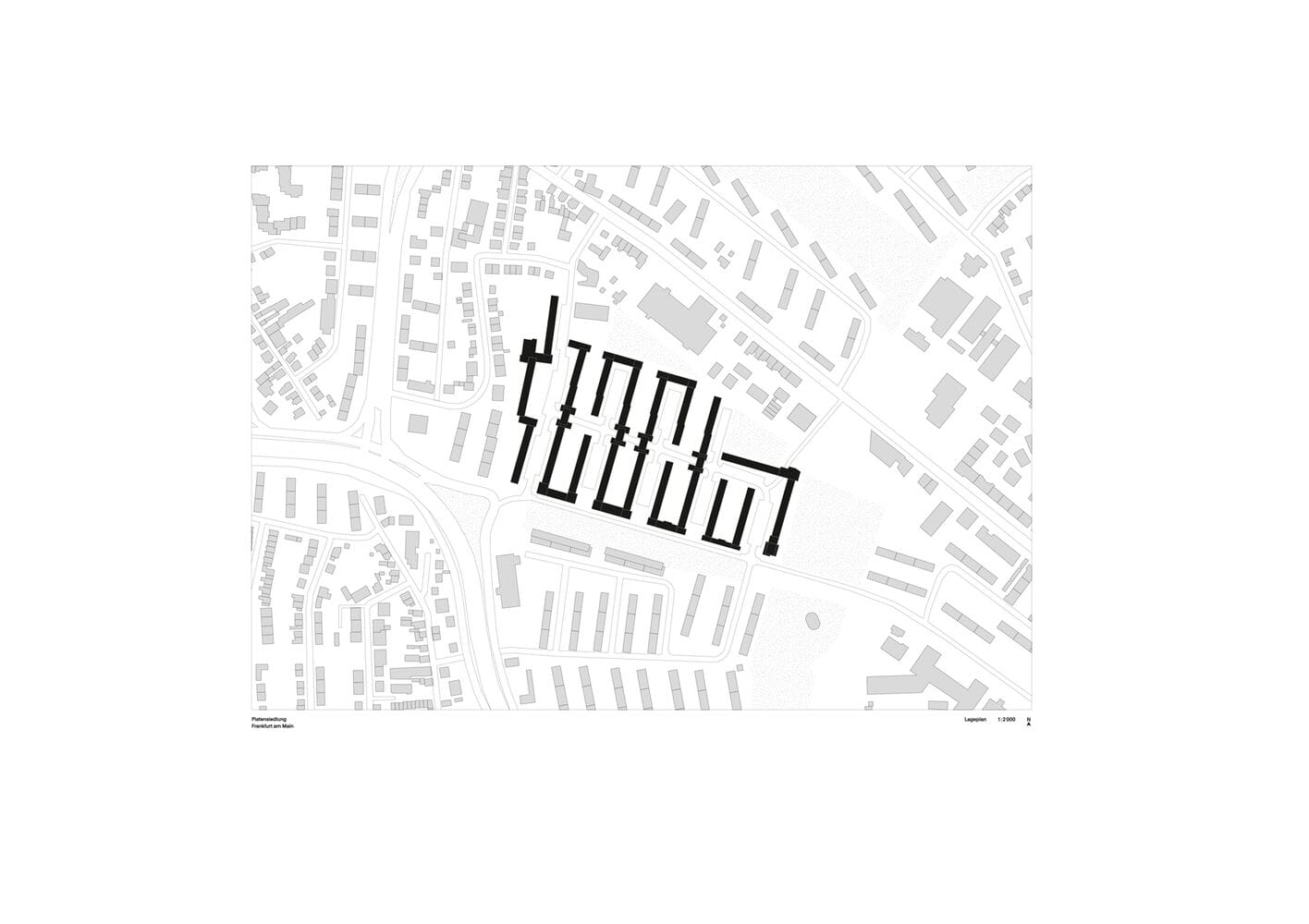
Frankfurt continues to expand—yet developable land is finite. As new residential districts sprawl toward the city's edges, a bold project in Ginnheim points to a different path forward. The Platensiedlung, a relic of postwar housing construction, is being reimagined by architect Stefan Forster as a vibrant, mixed-use urban quarter. It exemplifies how existing neighborhoods can be densified without consuming new land, transforming monotonous row housing into dynamic, socially integrated communities.
Originally built for US soldiers, the settlement consisted of three-story terraced buildings separated by expansive, underutilized gaps. Now, these structures are being expanded vertically. Forster's vision centers on "double infill development"—densification and revitalization advancing together. Rather than demolish, the strategy transforms: respectfully building on what exists while embracing a compelling future. The key innovation is modular timber construction stacked atop existing roofs. Prefabricated wood modules—installed rapidly—raise the terraced blocks from three to five stories, embodying efficient, sustainable mass housing at its finest. Six-story anchor buildings—end houses, bridges, and gatehouses—define the settlement's perimeter and establish strong urban edges. The outcome: 681 new homes, half affordably priced and 177 designed for students. New childcare facilities, shops, and a community hub activate the quarter. The transformation extends to landscape design: formerly vacant gaps become purposeful green spaces, gardens, playgrounds, and gathering points. Along Platenstraße, cafés and local shops infuse urban vitality.
By merging architectural and urban design strategies—animating public space while delivering genuinely affordable housing across all income levels—the Platensiedlung redevelopment stands as a compelling model for sustainable city-building.
Photography:
Lisa Farkas
www.lisafarkas.de
(Published in CUBE Frankfurt 04|25)


A Place for New Perspectives
Office Design That Unlocks Flexibility and Collaboration
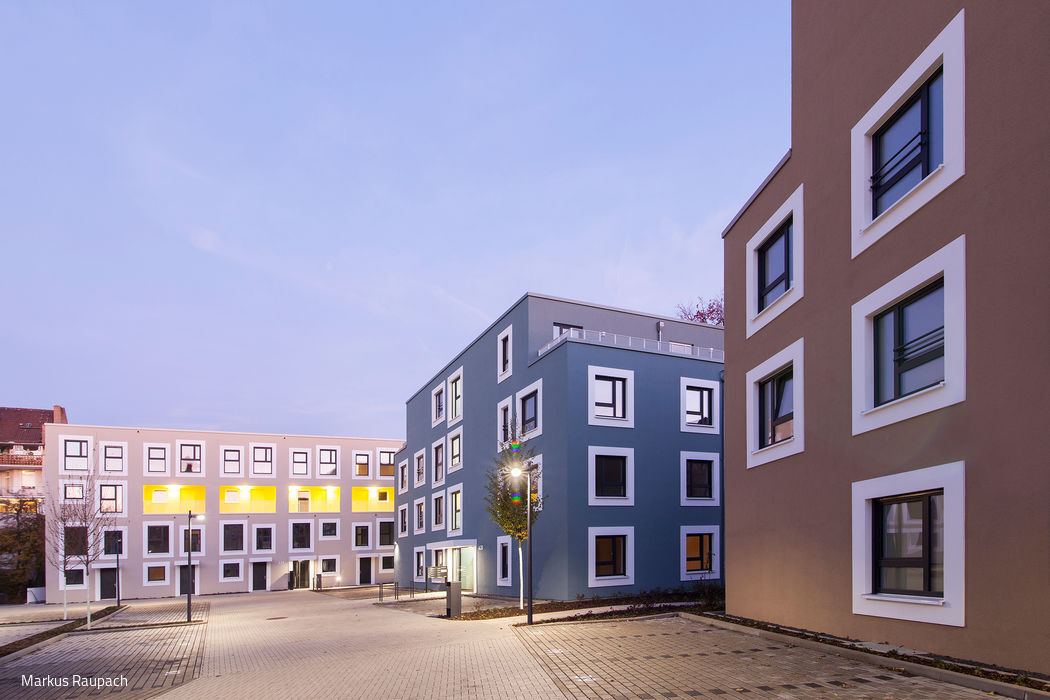
Bold in Colour with Faschen
Smart Redensification: 70 Apartments Rise on a Forgotten Site
A Sculptural Architectural Ensemble
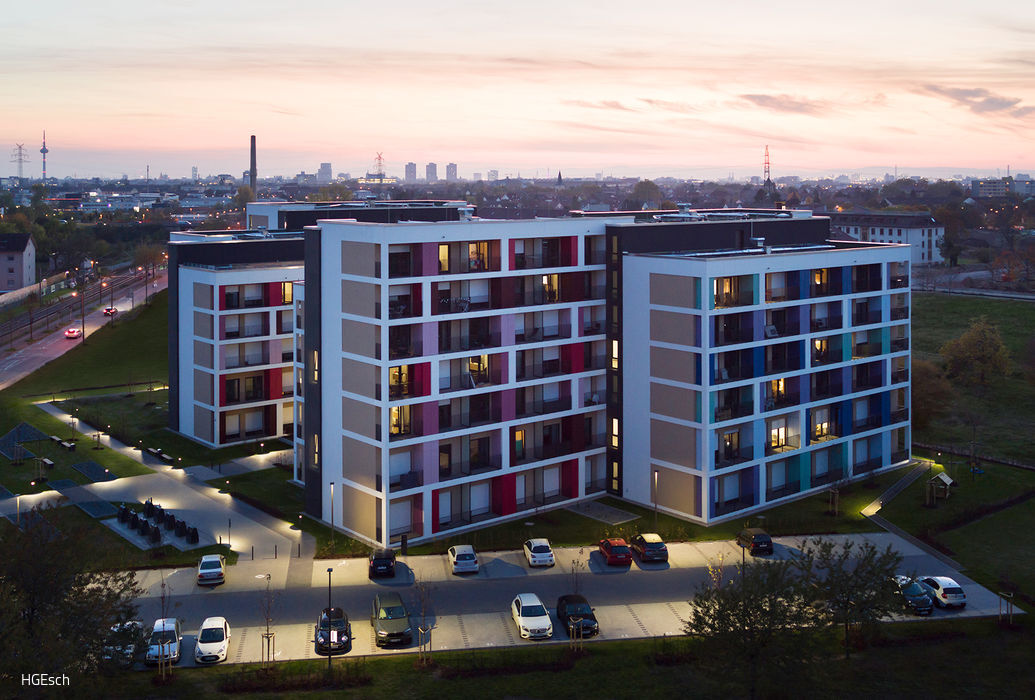
Campo Novo Mannheim: A premium student residence with 208 thoughtfully designed apartments
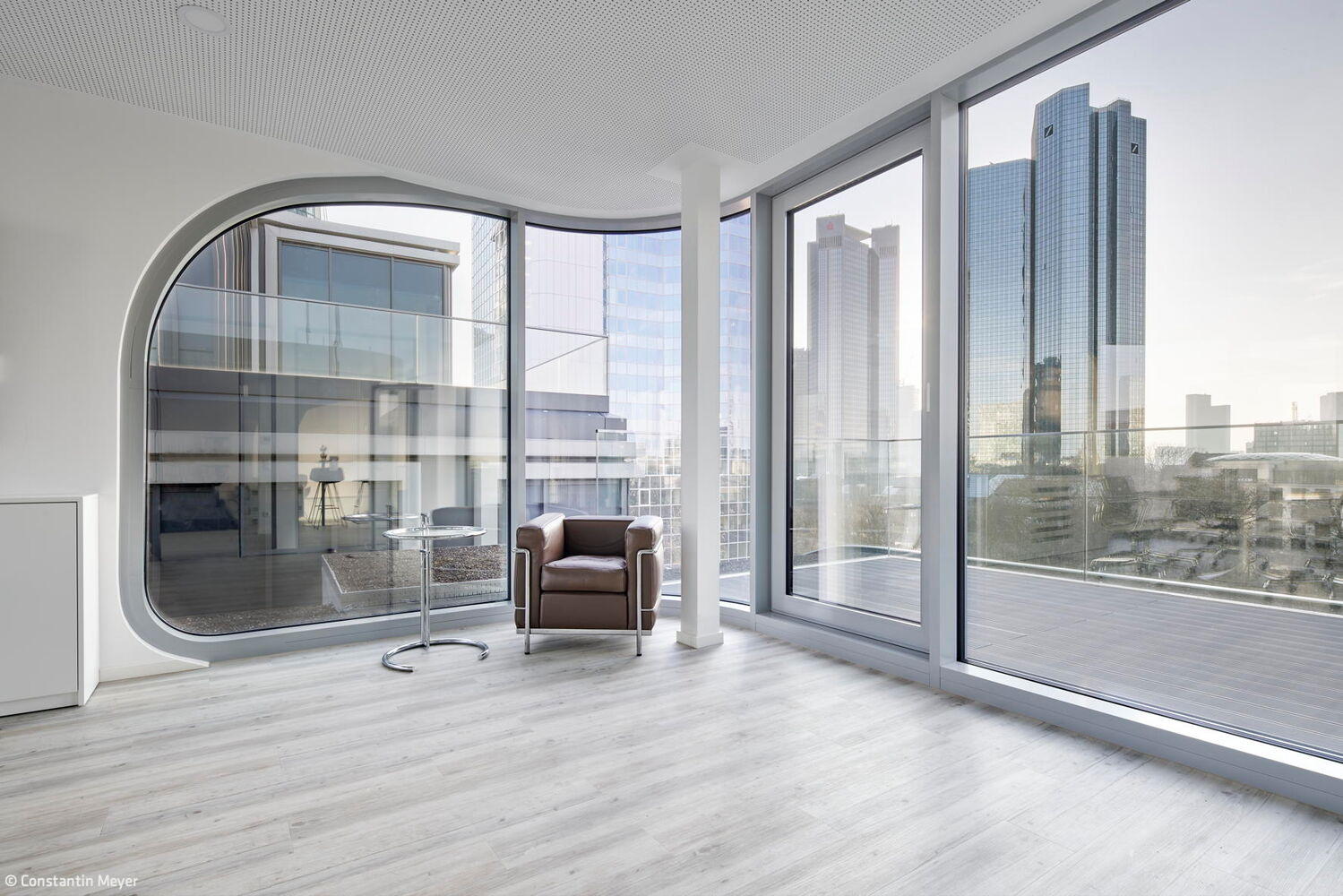
Futuristic Topping
The "unite82" office building on Neue Mainzer Straße—where timeless design meets contemporary vision.