


Building higher? That's the question.
Do Berlin and Munich really need more high-rises? – Pros & Cons with Matthias Sauerbruch
CUBE: Berlin and Munich are both experiencing a resurgence of the high-rise debate. If we measure a modern city by its skyline, Germany lags remarkably behind. What's holding us back?
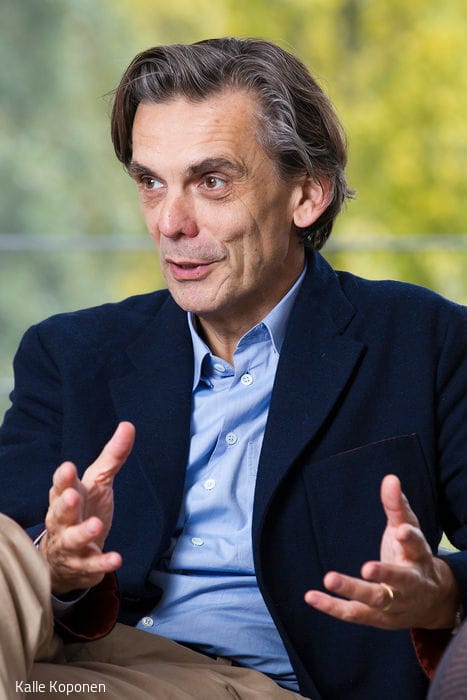
Matthias Sauerbruch: Historically, church spires were the first structures to dominate a city's skyline, followed by medieval fortifications—or in places like San Gimignano, grand tower houses meant to project power. It's essentially a vertical arms race, a competition to demonstrate influence. Potsdamer Platz exemplifies this: Renzo Piano, Hans Kollhoff, and Helmut Jahn each added a storey to outdo the others. Of course, technological advances made tall buildings possible in the first place. But here's the thing: there's actually no fundamental reason to build high-rises in Munich or Berlin. The real question is what high-rises can genuinely offer these cities today. The answer, primarily, is that they serve as urban design anchors. Munich is still debating where to place them, while Berlin is working through the compositional arguments. Both cities are approaching the question thoughtfully rather than impetuously.
What does Berlin's new high-rise guidelines establish?
What makes this approach distinctive is that it doesn't prescribe specific locations—a smart move that prevents rampant land speculation. Instead, every project is evaluated against a defined set of criteria: proximity to public transit, relevance to the urban context, and urban composition considerations. Functional aspects matter too—particularly infrastructure hubs and transit interchanges, as we've seen in Munich. In Berlin, each project stands on its own merits. What's novel in this framework is a requirement that high-rises above 70 metres serve multiple functions: public-facing uses at ground level, with housing and offices above. That's technically challenging because building systems typically need separation, but I think it's a solid starting point.
Can you point to projects you find exemplary?
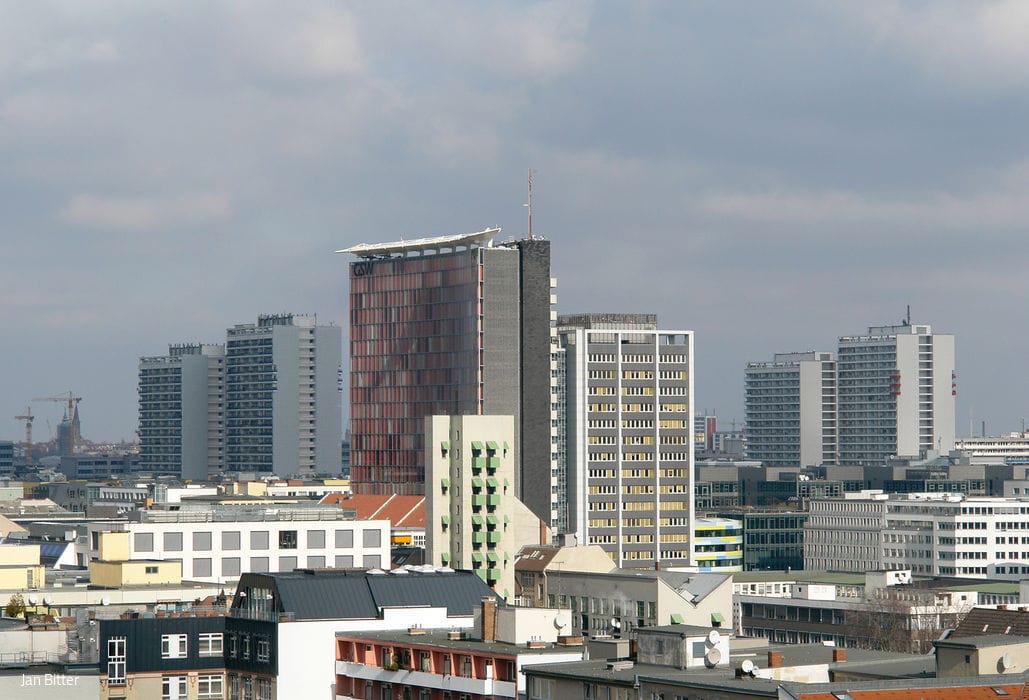
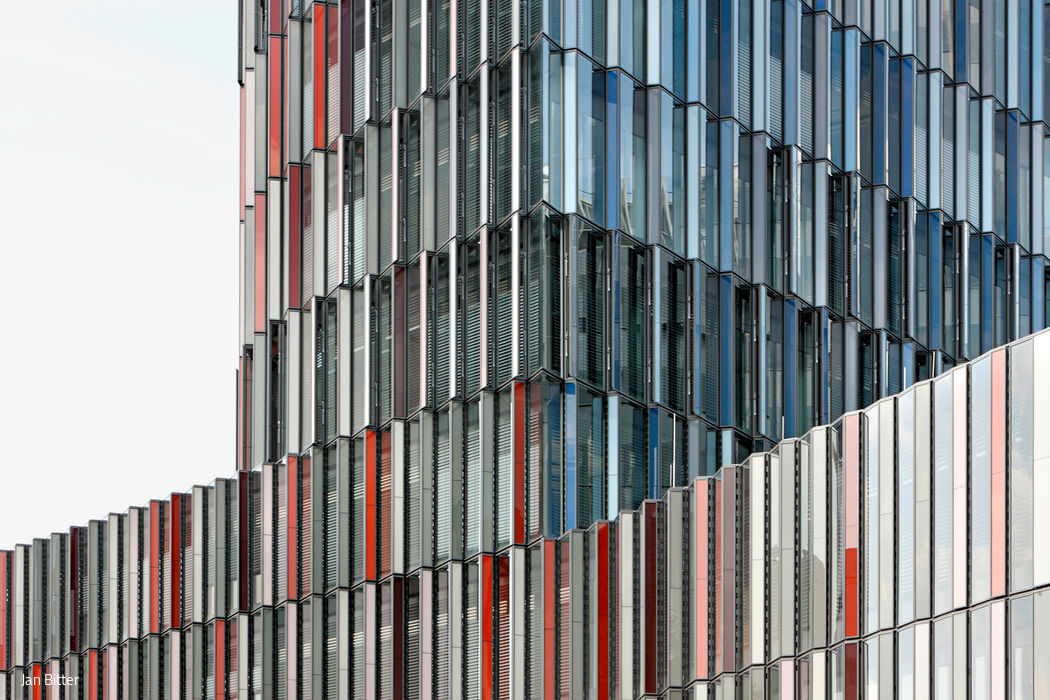
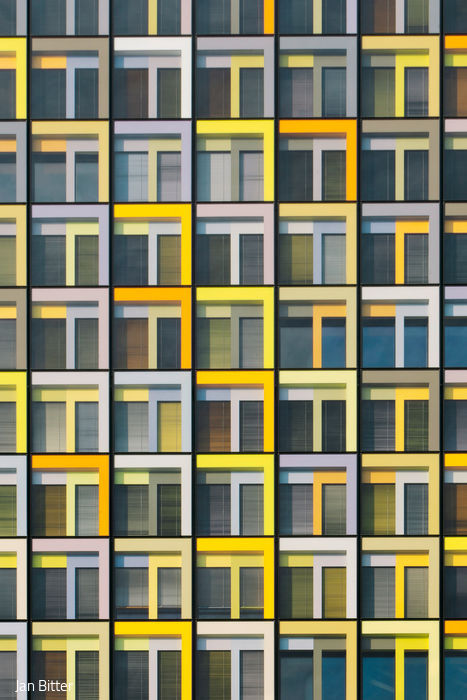
That's a complex question. Let me share what we've pioneered with our own buildings. Sustainability and livability in high-rises are crucial. Back in 1999, we broke new ground with GSW in Berlin by introducing natural ventilation into high-rise design—something that's far from obvious. Beyond 20 or 25 metres, wind conditions shift dramatically. The GSW tower, at 80 metres, still achieves natural ventilation through careful design. We later refined this approach in Frankfurt with the KfW building, just over 70 metres tall, which won the award for best high-rise worldwide in 2016. By minimising building systems, we opened doors to natural solutions that boost occupant well-being. Another direction we find compelling: traditional high-rises are phallic statements—architectural exclamation marks. They may have urban merit, but as buildings, they're monotonous. With Munich's ADAC building, we challenged that. Bold colour and a pixelated façade break the form apart and express something different: the ADAC is an association of many individuals, not a monolith. We wanted to capture that plurality and give this massive structure a more human scale. That's a direction worth pursuing.
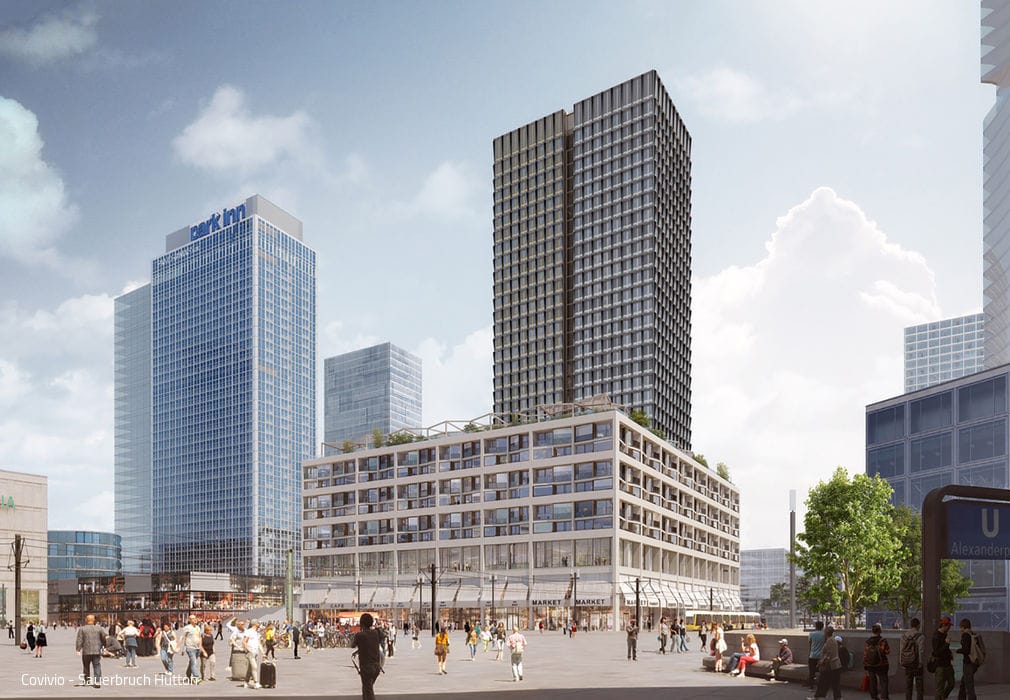
We're currently developing Hochhaus 1 at Alexanderplatz—a substantial project spanning roughly 120,000 m². Think of it as a small city unto itself. Diverse residential units, retail, co-working spaces, a social hub with an expansive roof garden, fitness facilities, restaurants. The multifunctionality of high-rises is compelling: nearly 2,000 people will animate the space daily. Alexanderplatz needs that energy—it currently lacks the social vitality that comes from people living there. Once residents move in, that will shift dramatically. Archaeological work is wrapping up on-site; civil engineering begins shortly. The tower will rise to 130 metres, with completion targeted for around 2024.
High-rises are often criticized for poor sustainability credentials. How does your project address this?
High-rises aren't exemplars of sustainability. The material and energy demands are steep—massive foundations, sophisticated lift systems, extensive infrastructure all carry significant costs. The best argument we can make—and it's not trivial—is that they preserve land. By building upward, you maintain green space and achieve density with a smaller footprint, helping balance urban growth. Energy-efficient foundations are now standard practice. We typically use pile foundations extending 50 metres deep; we convert these into energy piles that harness geothermal heating and cooling. At Alexanderplatz, we're pushing further: we're outfitting the south, west, and east façades with photovoltaic systems, essentially turning the buildings into power stations. Solar technology is advancing rapidly. Today we're achieving roughly 17 per cent efficiency; we're targeting 40 per cent by construction completion. That transforms these structures into genuine power generators that produce their own energy.
Beyond sustainability, there's aesthetics, mixed-use programming, public spaces, density, and shadow impact. As the lead architect, how do you balance all these demands?
Absolutely. That's precisely why high-rise projects demand such rigorous attention. Berlin's framework now requires all high-rise proposals to go before the building committee—a mechanism that raises architectural standards and scrutiny. This matters enormously. High-rises cast long shadows over their surroundings; they shape the city's skyline and character. That's why we must demand the highest standards.
How should vertical construction shape the urban future of Berlin and Munich?
Strategic clustering makes sense—around transit hubs, as I mentioned, or at Alexanderplatz, where a high-rise cluster is entirely justified. Elsewhere, you need careful evaluation. Frankly, neither Berlin nor Munich has compelling reasons to build high-rises everywhere. They're bold landmarks and deserve thoughtful placement. The only scenario I'd add is large-scale urban expansion areas, where dense residential towers could play a key role. But building high-rises simply for the sake of it isn't the answer.
Let's look at Munich, where tradition carries more weight. At the recent "Reaching for the Sky" debate you participated in, preserving the cityscape was emphasized. Yet a new high-rise study was commissioned to navigate between conservation and contemporary design. Have high-rises become an essential urban design tool?
Essentially, yes—two projects are currently sparking debate in Munich. The first, a modest tower at the new central station, feels entirely appropriate; it becomes a landmark that orients visitors. The twin towers at the former parcel post hall are different. They're considerably taller, and I'm less convinced they're justified. The parcel post hall itself is magnificent architecture—likely to be converted into a conference center, though plans remain preliminary. I question whether this location warrants the city's tallest building. Urban landmarks should earn their prominence through context, not vice versa.
The housing shortage is always invoked—but why not simply close a city when it reaches capacity?
We'd need to consider the alternative. If people disperse to the periphery, that's an urban catastrophe. Urban densification is fundamentally sound, and high-rises play a legitimate role—especially in residential development. There's a compelling case for building vertically: it preserves land while delivering housing. These units won't necessarily be cheap, so we need mixed strategies—subsidising affordability alongside market-rate housing. Interestingly, living in high-rises has become genuinely desirable. That's a shift from decades past. Combined with smart densification, vertical building is the right response to housing shortage. We can't sprawl endlessly into nature. Cities must create vibrant, liveable, economically vital spaces within their boundaries. Undeveloped land matters—it's irreplaceable. To preserve open space while increasing density, there's simply no alternative to building upward.
Thank you for your time, Mr. Sauerbruch.
Interview by Christina Haberlik
Matthias Sauerbruch
Matthias Sauerbruch is an architect and partner at Sauerbruch Hutton. Beyond his practice, he has held professorships at the Berlin University of Technology, the Academy of Fine Arts Stuttgart, Harvard Graduate School of Design, and the Berlin University of the Arts. He co-founded the German Sustainable Building Council and serves on the Munich Urban Design Commission and the board of the KW Institute for Contemporary Art Berlin. He is an Honorary Fellow of the American Institute of Architects and director of the Architecture Section at the Berlin Academy of Arts.
In 1989, Louisa Hutton and Matthias Sauerbruch established Sauerbruch Hutton in Berlin. The internationally active practice is recognised as a leading voice in sustainable architecture. Since 2020, leadership is shared among 19 partners and 10 associates.
(Published in CUBE 01|21)
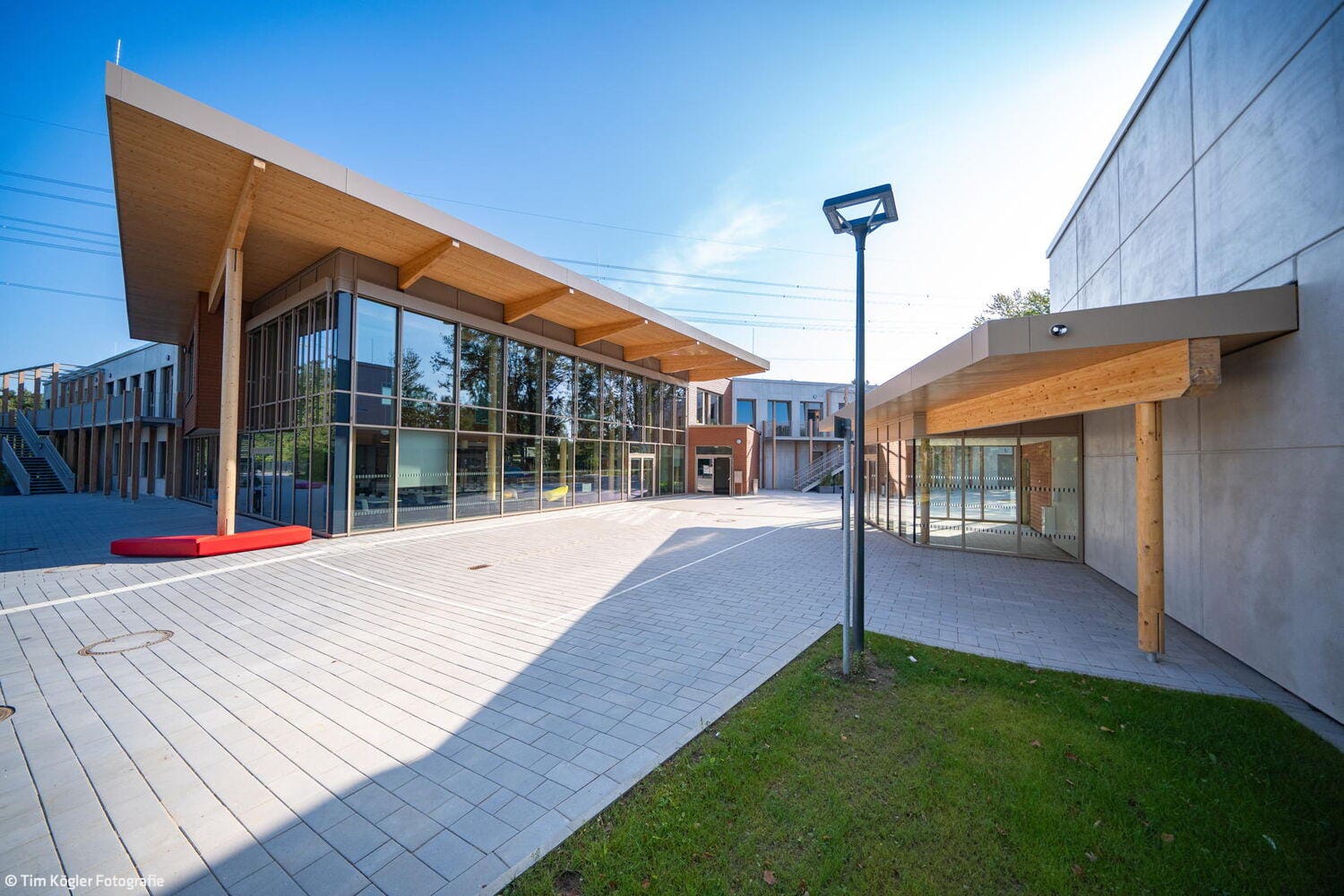
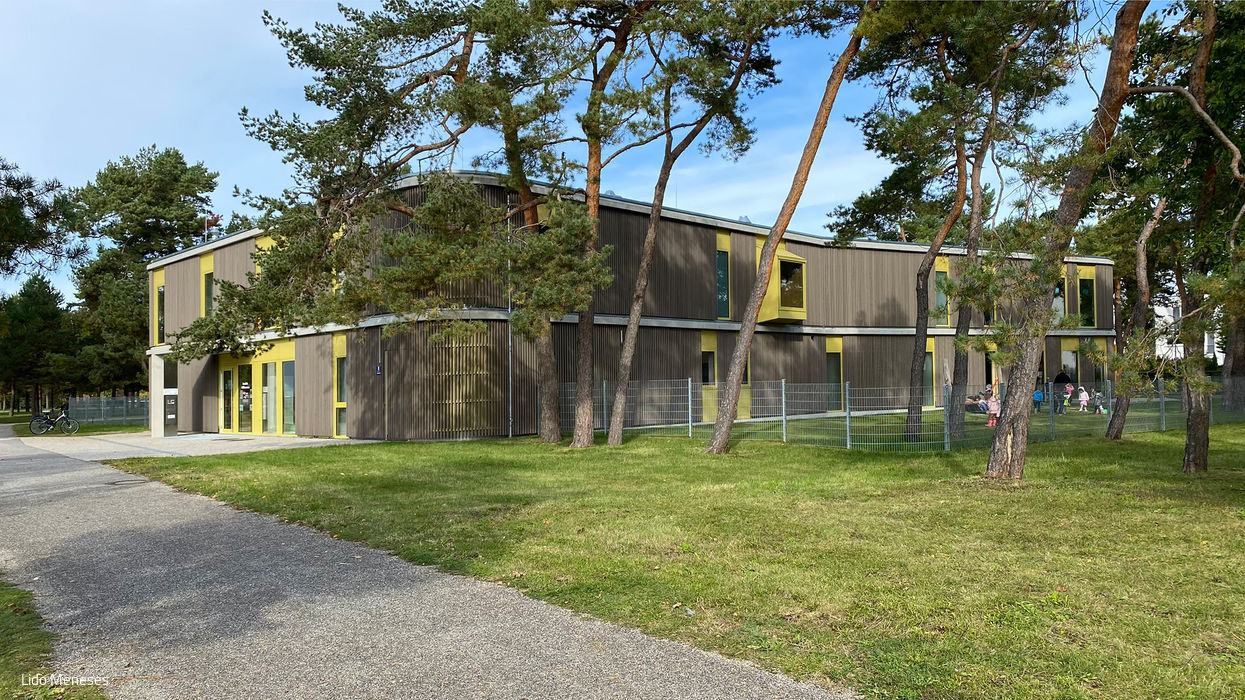
Kindergarten in the Pine Garden
An inviting, child-centered home for the youngest learners
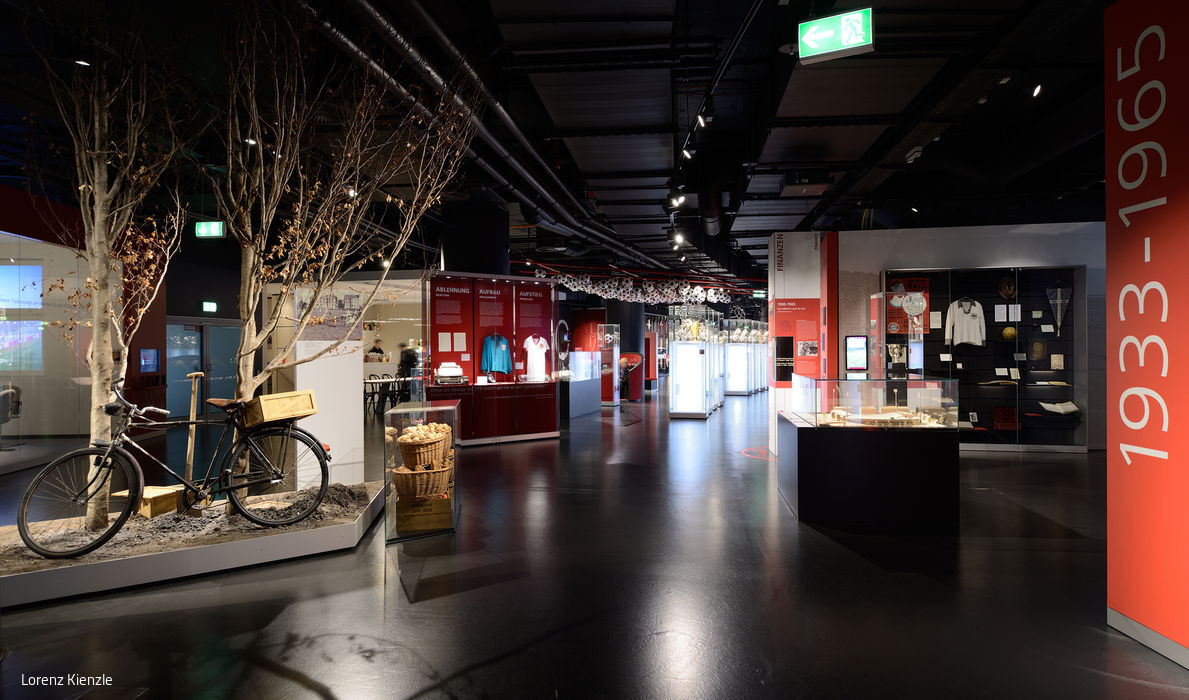
A Space for the Club's Spirit
Award-winning exhibition chronicles FC Bayern's storied past
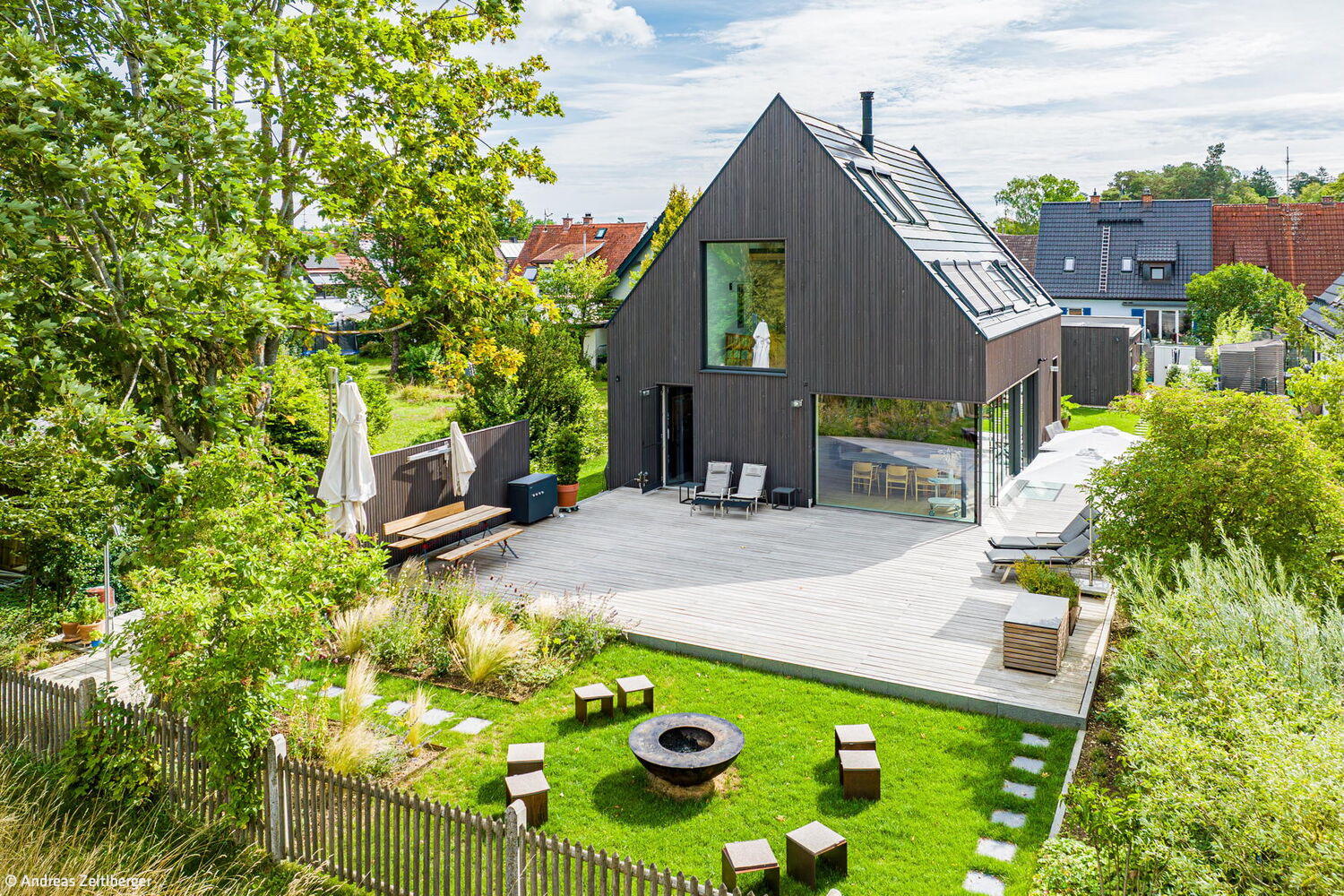
Vision Realized
Solid timber construction with minimalist design and uncompromising standards for sustainable building
Living in the Moment
Where Space Reveals Itself Through Living