


Sustainable Design Practices
A neglected warehouse in Derendorf transforms into a loft office with hammock


The Düsseldorf creative agency 3DRM sought to expand its operations in a Derendorf courtyard building by incorporating the storage spaces of a former industrial bakery. Architect group Hofmann, already overseeing the building's overall renovation, took on the challenge of transforming these raw spaces into an open-plan office—one that would balance both ecological responsibility and aesthetic refinement.
The storage rooms—once home to the bakery's massive flour silos—feature soaring ceilings that immediately inspired a creative solution: open mezzanines maximizing workspace while relegating service areas like toilets, storage, and a kitchenette to the floor below. The result is a flexible, open-plan office accommodating ten to 15 workstations, plus a distinct lounge zone. The mezzanines also house a meeting room and a striking two-story "laboratory space." Thoughtfully positioned interior windows and translucent polycarbonate panels create visual connections while flooding the spaces with natural light and ensuring proper ventilation. The structural floor presented constraints—it couldn't bear equal loads throughout—so one mezzanine rests on two steel beams anchored directly into the walls rather than conventional supports. Budget limitations became an unexpected advantage, transformed into an intentional "patina aesthetic" through material reuse and resourcefulness. The existing structure was preserved wherever possible: the white plastic wall and ceiling cladding—originally required for hygiene compliance—was meticulously cleaned rather than replaced. The smooth ceiling, echoing the mezzanine construction above, creates a distinctive visual richness. The patchwork floor of tiles and epoxy was unified with leveling compound, then ground and sealed to mimic monolithic concrete. The new timber framework deliberately embraces secondhand and reclaimed materials, designed for future disassembly and clean material separation. The wood itself was salvaged from Deutsche Bahn transport pallets originally used for railway components. Ceiling panels were fashioned from leftover veneer plywood from another project. Timber stud walls are insulated with cellulose and largely clad in reclaimed corrugated aluminum. The 3DRM loft is also available for lease to other occupants.
www.christianrassat.de
www.architektengruppe.info
Photography:
Christian Rassat
www.christianrassat.de
(Published in CUBE Düsseldorf 04|24)

A Place Along the Wupper
Former Bus Station Reborn as a Vibrant Green Urban Haven

Crystal Clear
A garden that balances clean design with effortless maintenance
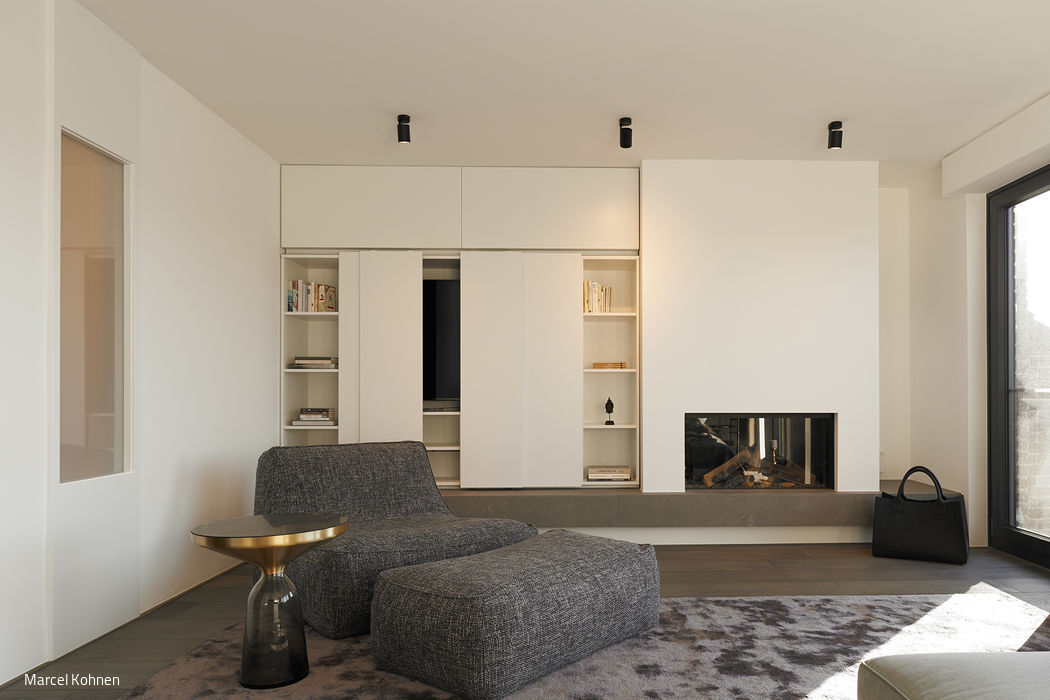
Minimalist with a view
High-quality materials and timeless design—expressed through restrained colour palettes with carefully placed accents—shaped every decision.
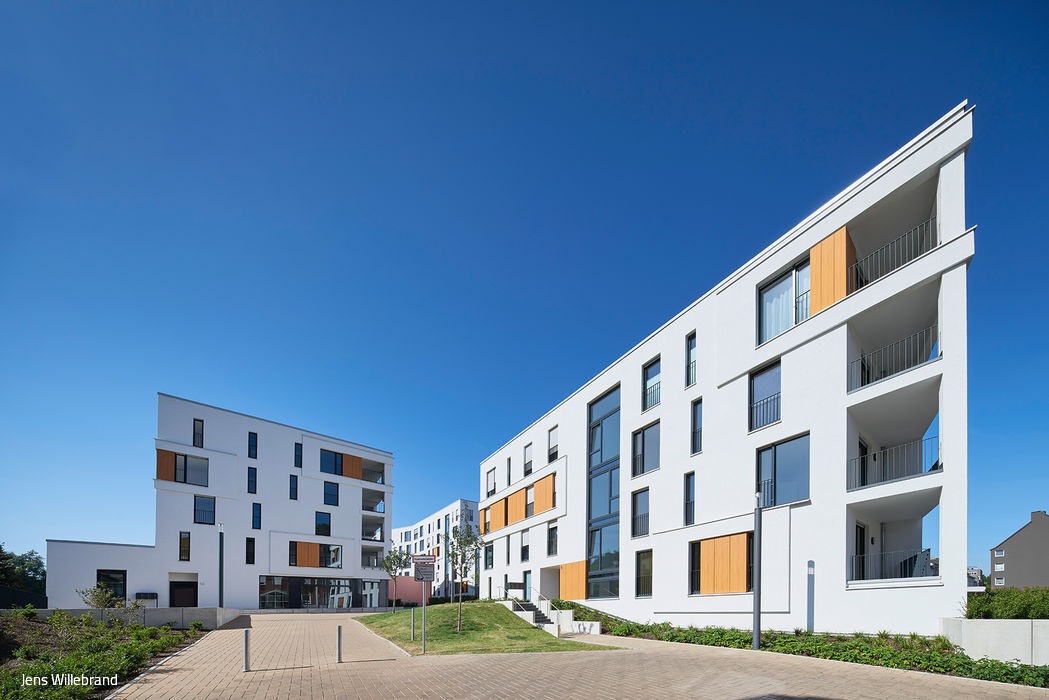
A Dutch Mix
The Roermonder Höfe unite living and working within a generous, open ensemble.