


Quality Through Smart Density
A landmark-protected historic townhouse finds new life through thoughtful expansion
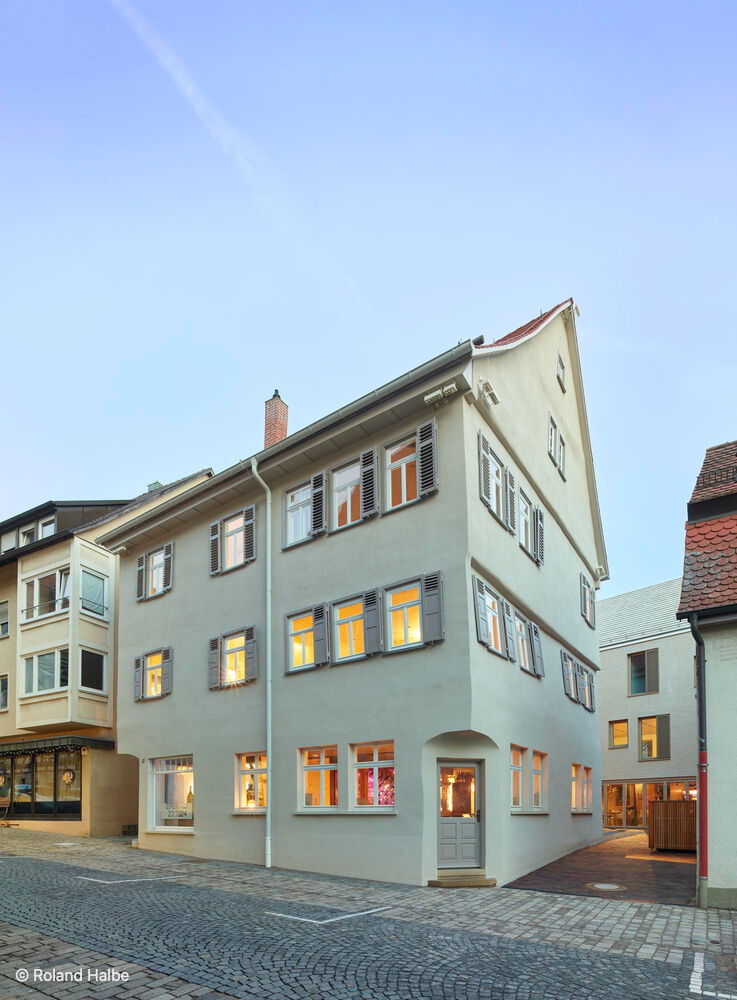
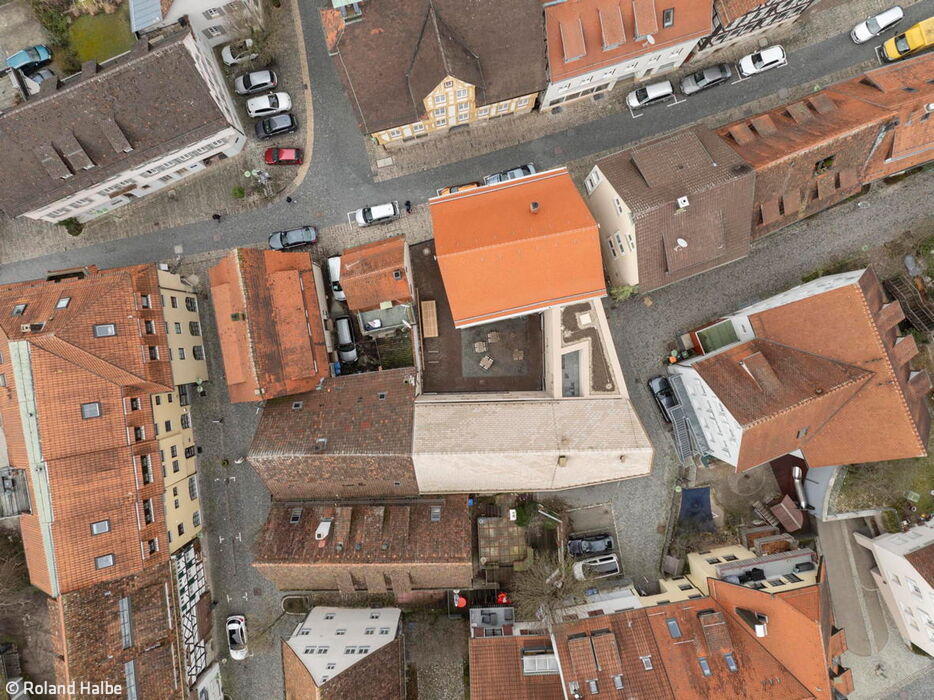
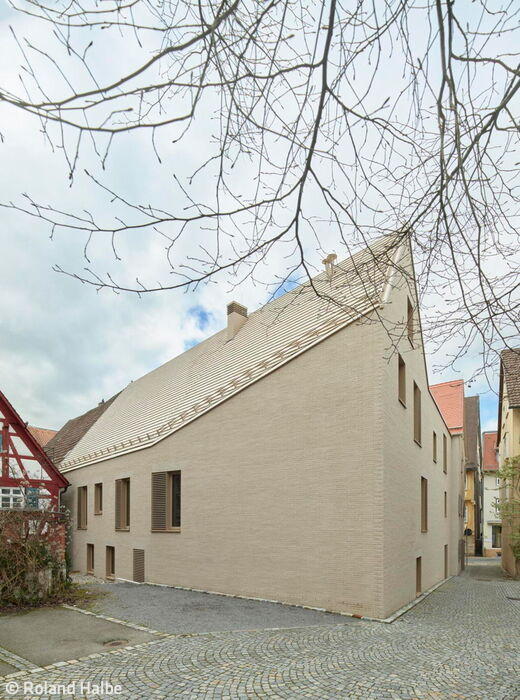
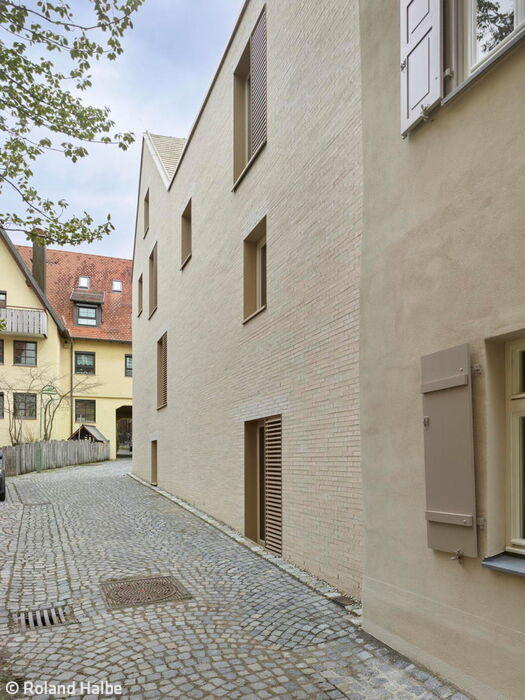
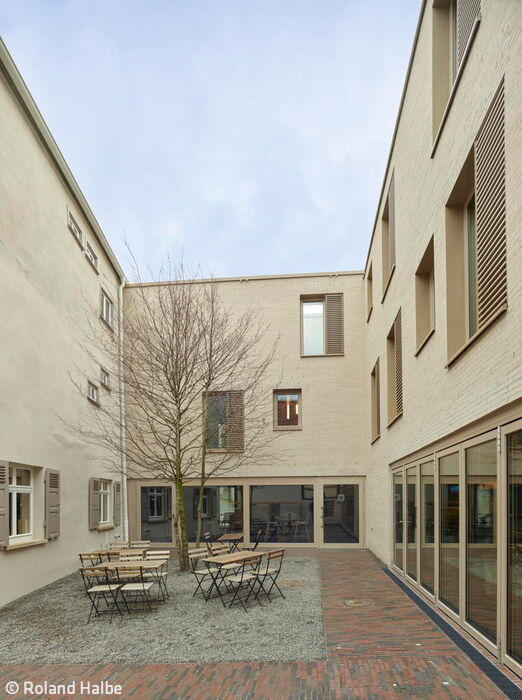
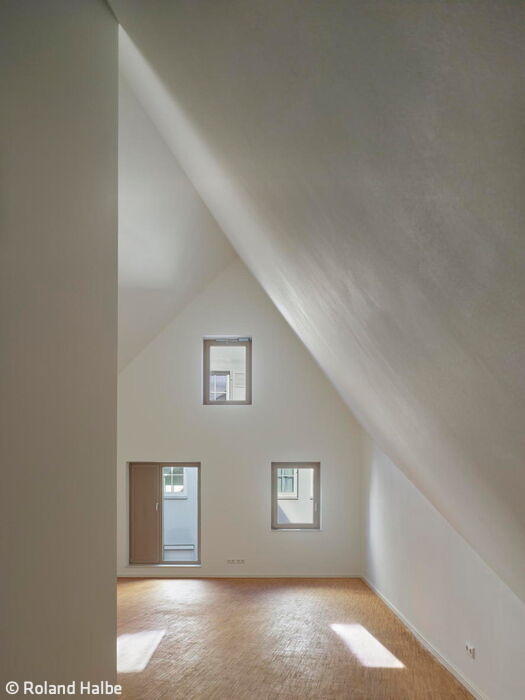

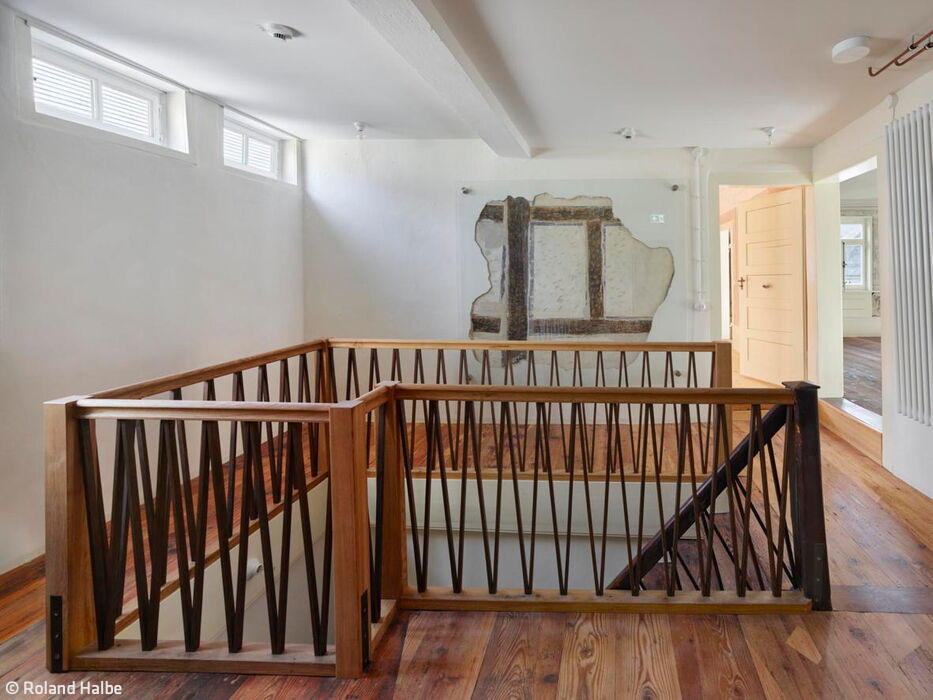
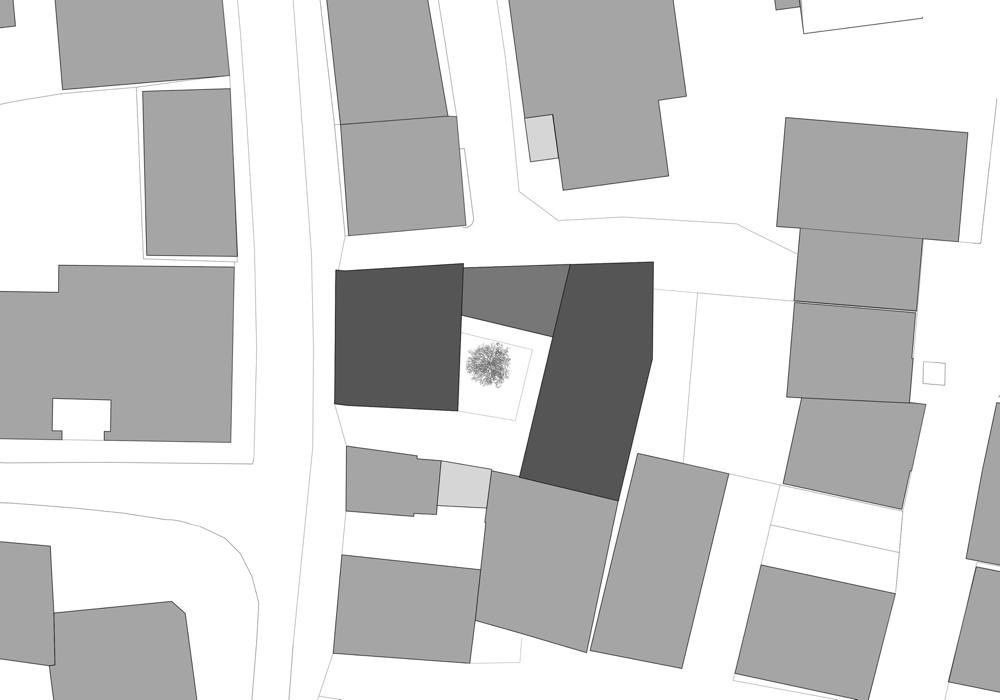
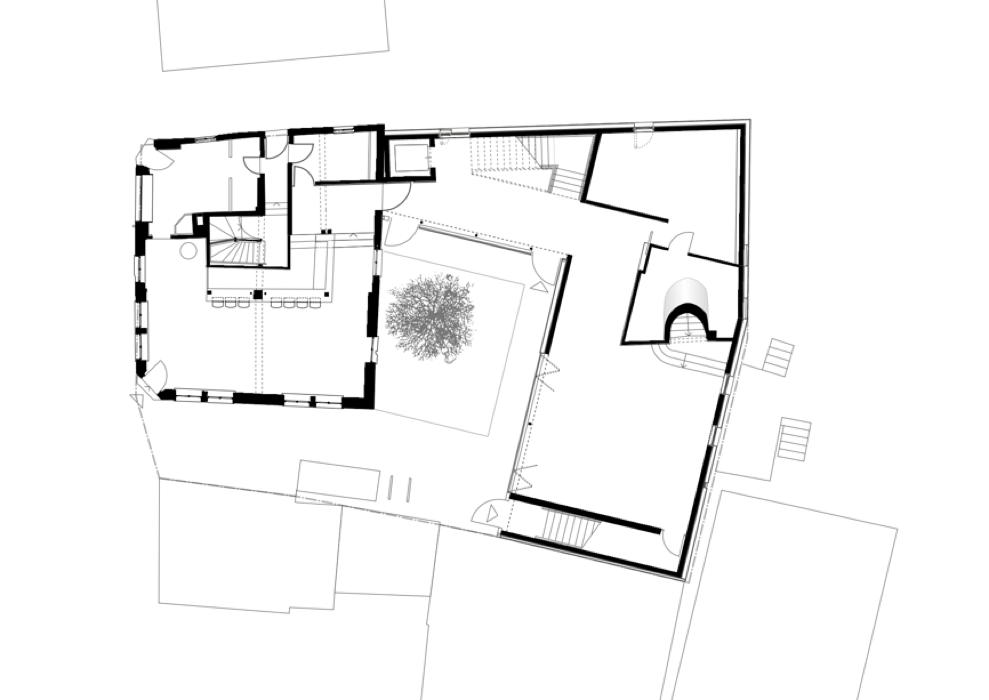
The mandate was clear: thoughtfully design new additions to this historic monument—respecting its scale and heritage protection requirements at every turn. Parts of this significant building's fabric trace back to the 15th century. Honoring the structure's dominant character, Glück + Partner Architects added two complementary extensions: a rear wing along the eastern property line and a connecting structure to the north. Together, the old and new form a U-shaped ensemble that wraps around an inner courtyard open to the street. The architects carefully calibrated the color palette of both sections, creating a unified composition despite the distinct materials—old and new in perfect dialogue.
Where the original building speaks in ornamental detail, the new addition adopts a restrained vocabulary. Its monolithic form is clad in a uniform brick skin with matching clay tile roofing. The historic structure inspired a rhythmic perforated façade featuring two window types—a smaller format echoing the original openings, and a larger one corresponding to the combined dimension of historic window plus shutter. A slender 4-centimeter heritage-appropriate insulation layer applied to the restored timber framing achieved a remarkable balance: upgrading the building's energy performance while safeguarding its historic character. Even the original window frames were retained during installation of new insulated glazing and period-appropriate box windows with authentic lead muntins.
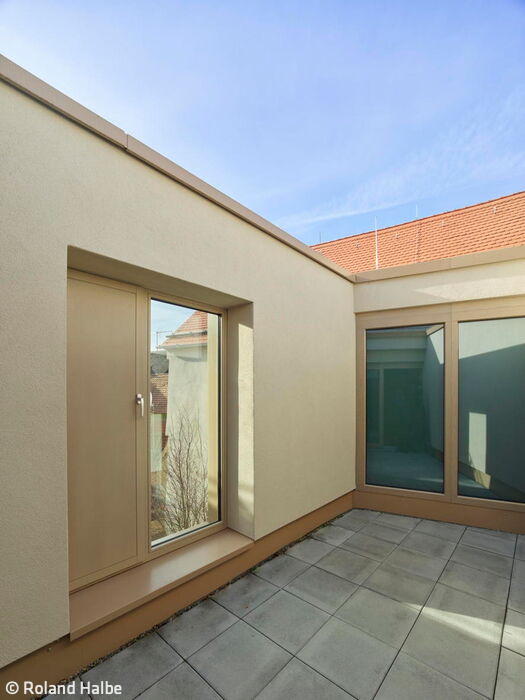
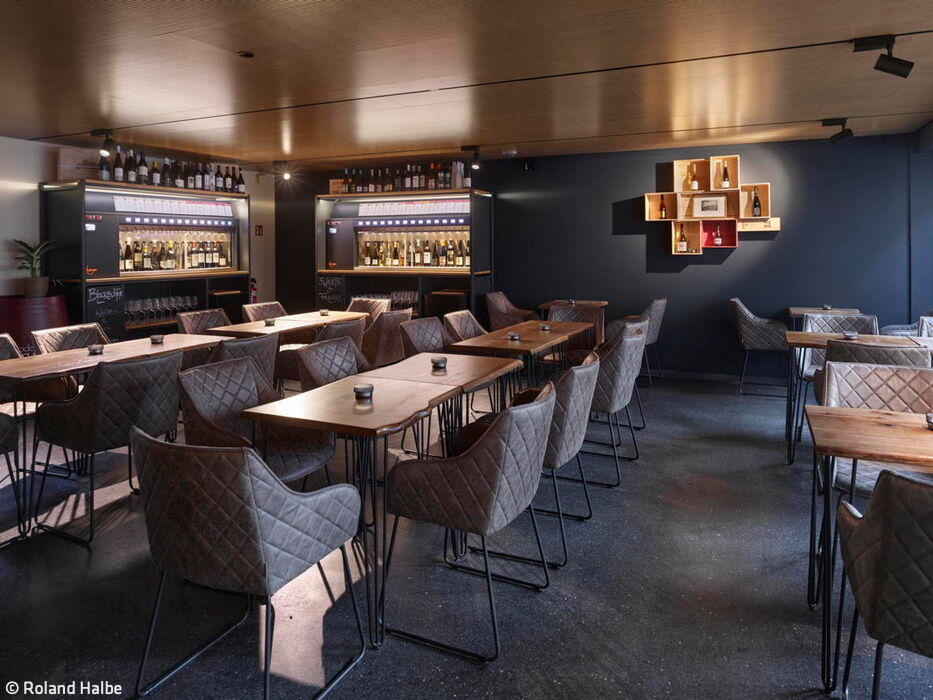
As part of the city museum, this building becomes an exhibit in itself—its layered history, spatial complexity, meticulously preserved details, and original wall and ceiling finishes tell their own story. The rear building's first floor houses a flexible exhibition and events space, while above sits a generously appointed residence with a gallery level and roof terrace. A wide open staircase and elevator in the entrance foyer ensure barrier-free access to all levels. The dining areas span both old and new, intentionally distinct in character, and incorporate a 15th-century vaulted cellar. The new restaurant space in the rear building opens seamlessly onto a pergola-shaded terrace—a natural gathering space.
Photography:
Roland Halbe
www.rolandhalbe.eu
(Published in CUBE Stuttgart 03|24)
Modern with 1960s charm
Residential Conversion: Solid and Timber Architecture in Contemporary Form
Always beautiful, evergreen
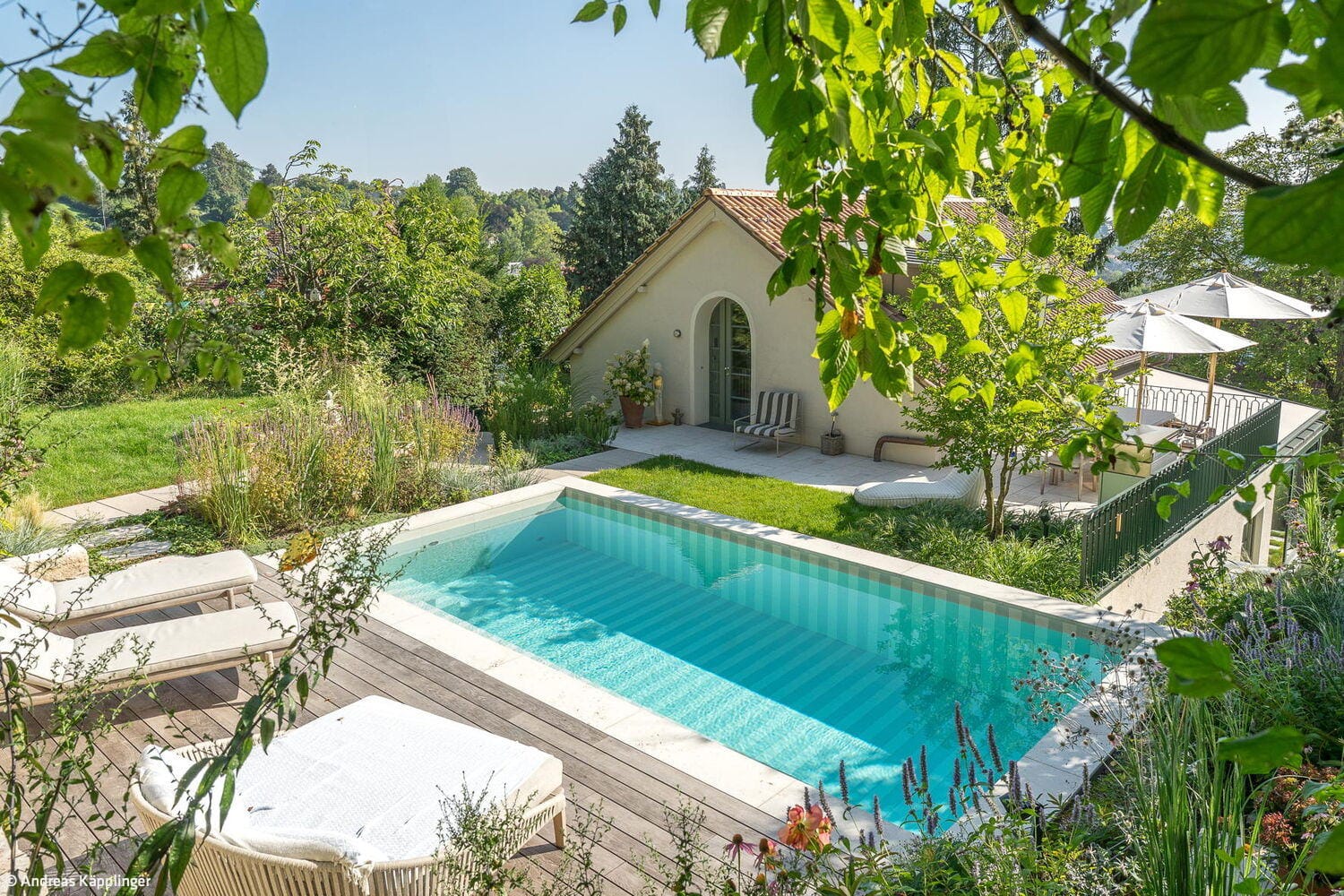
A unique terraced garden with a pool
Five questions on COVID-19 …
In conversation with architect Sebastian Kittelberger

A Perfect Fit
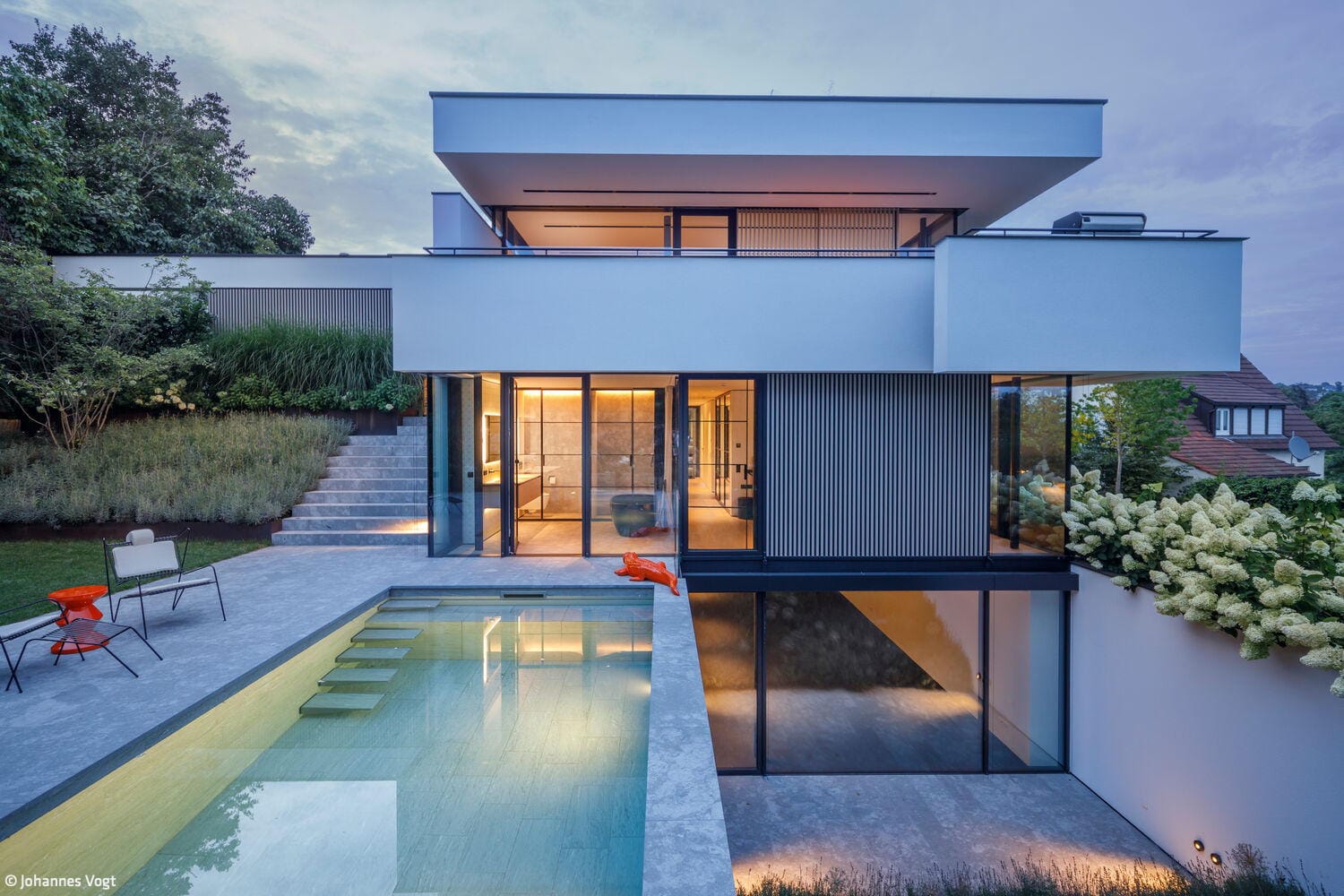
A hillside residence with pool, meticulously tailored to the landscape and its inhabitants