


Award-winning
Residential quarter in hybrid timber construction – exemplary in every way
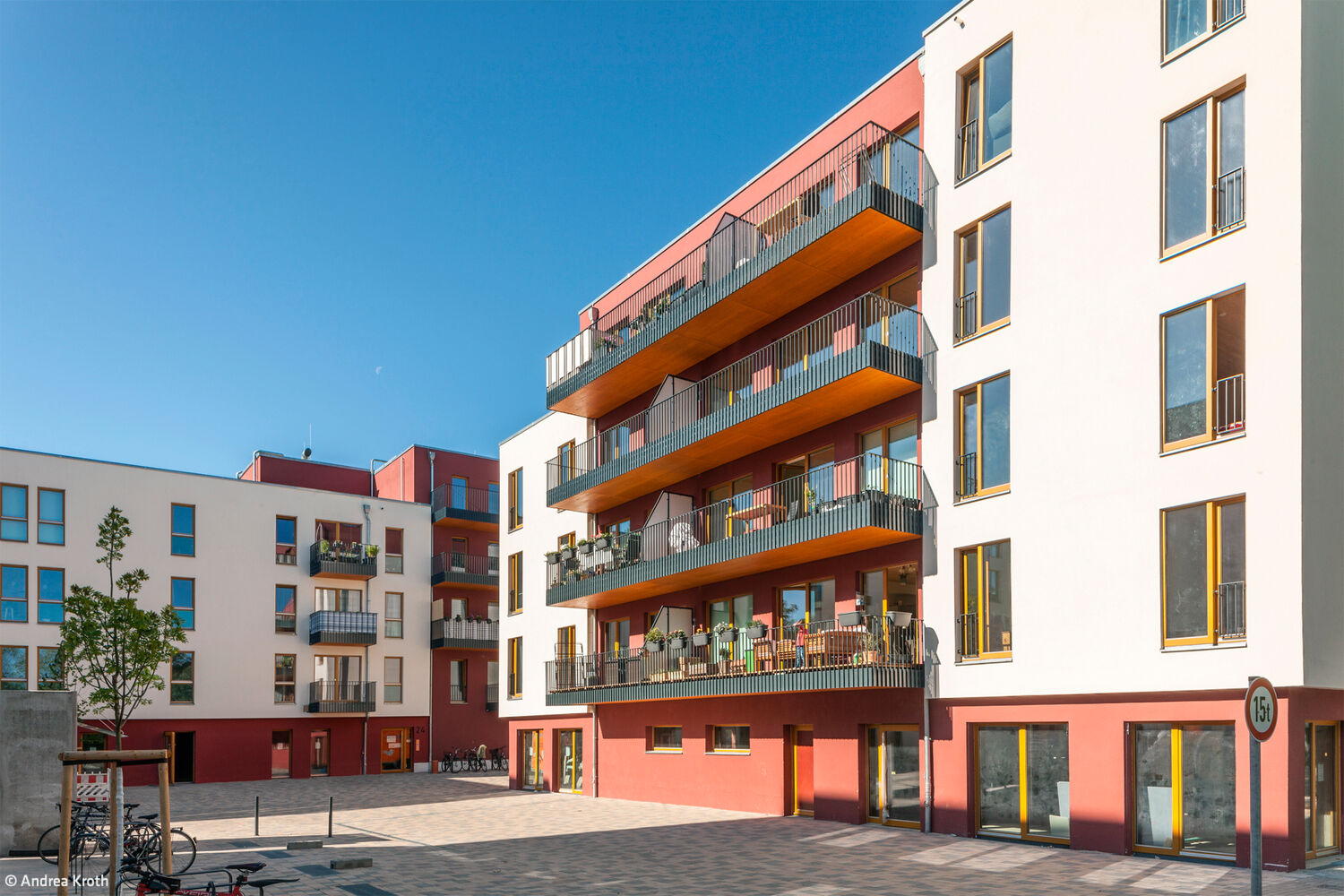
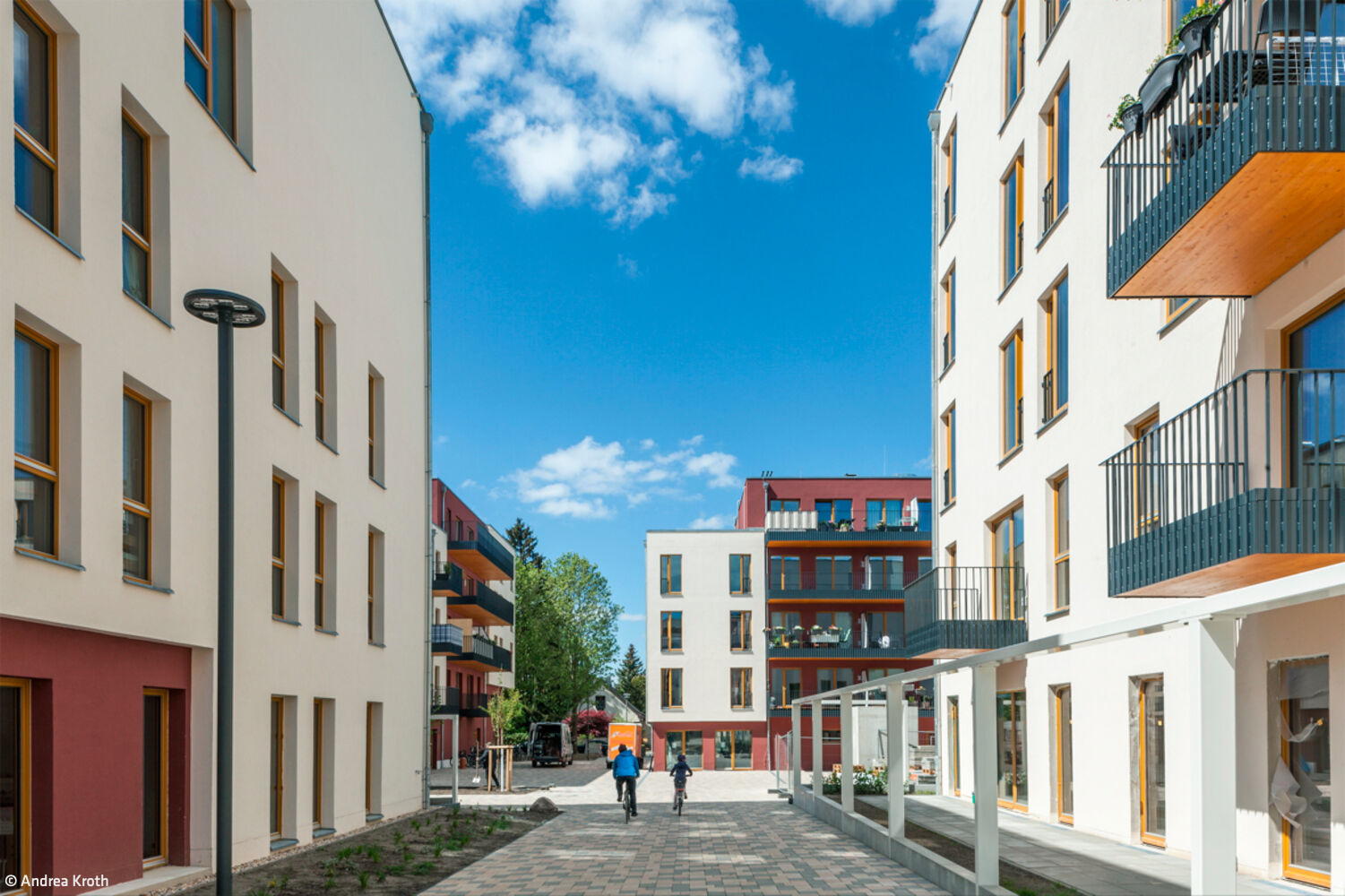
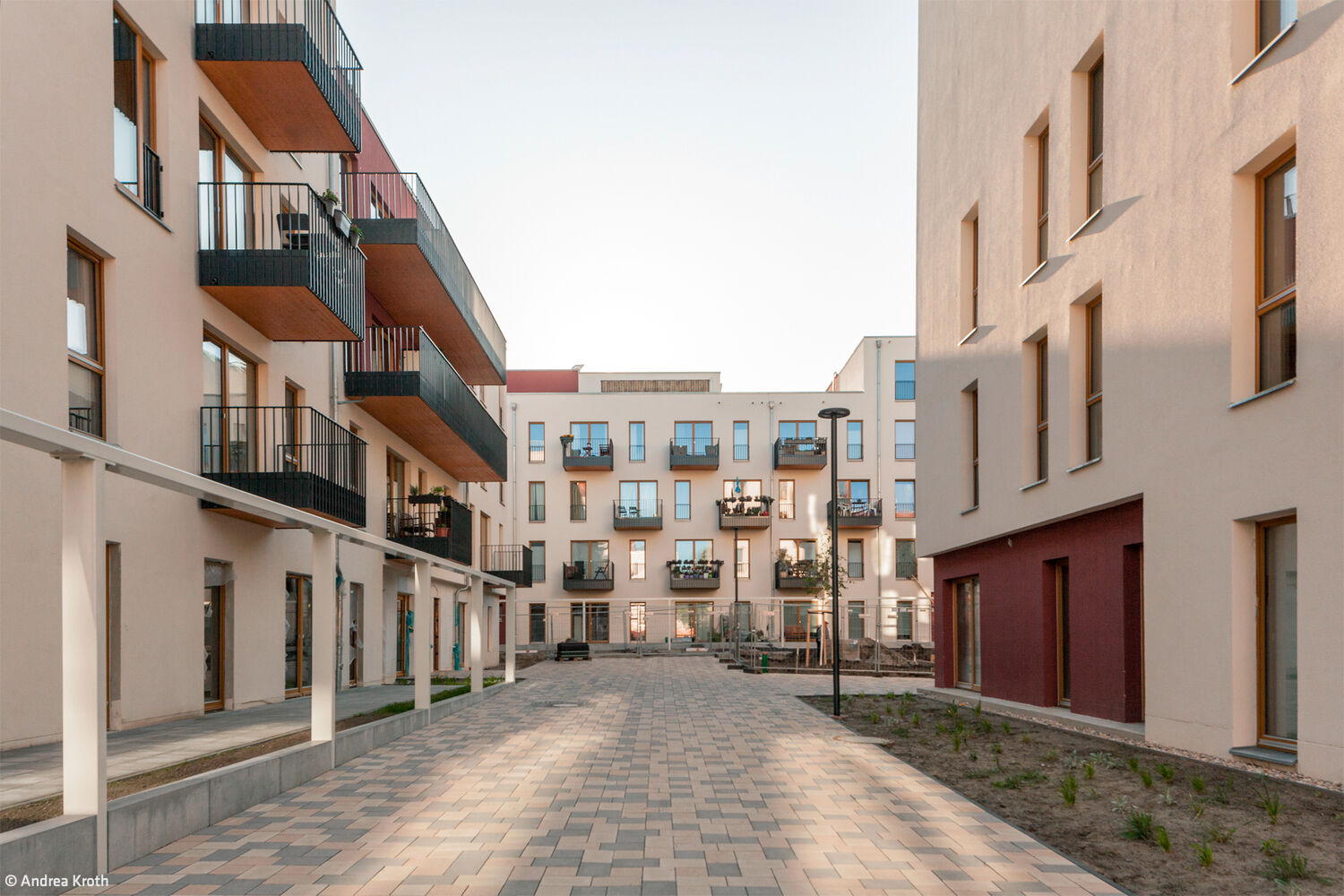
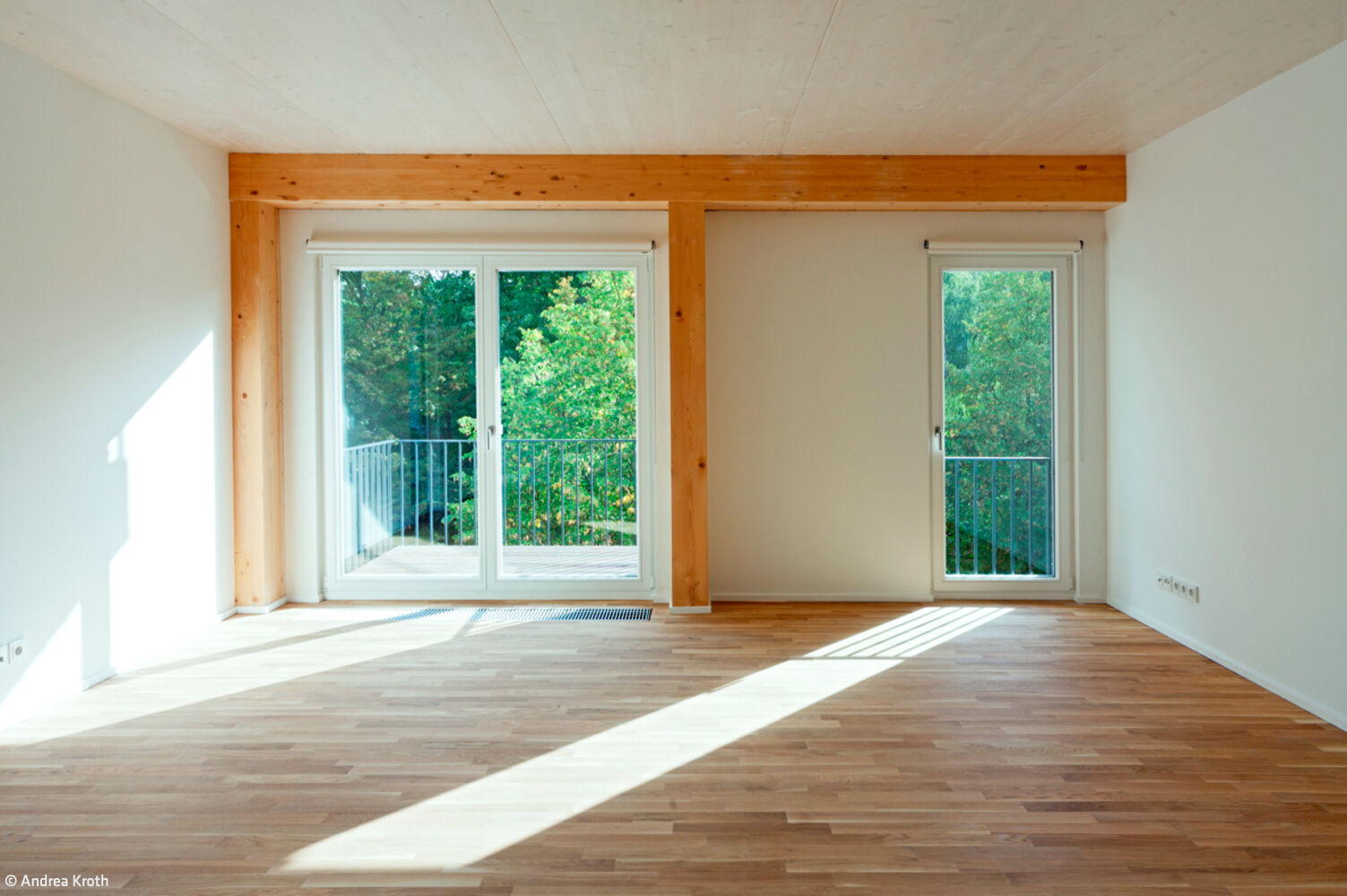
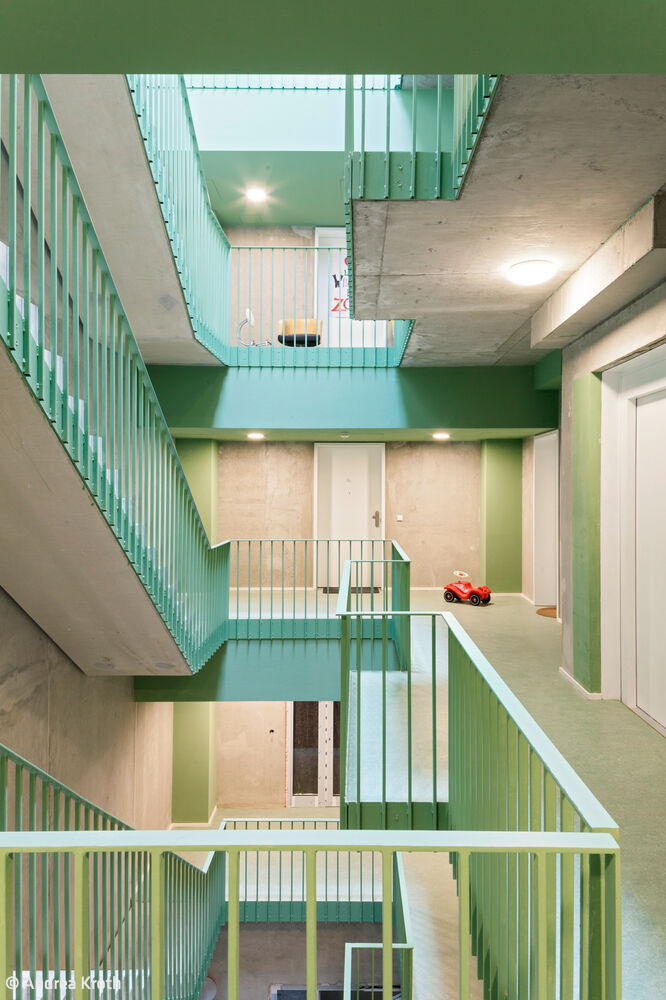
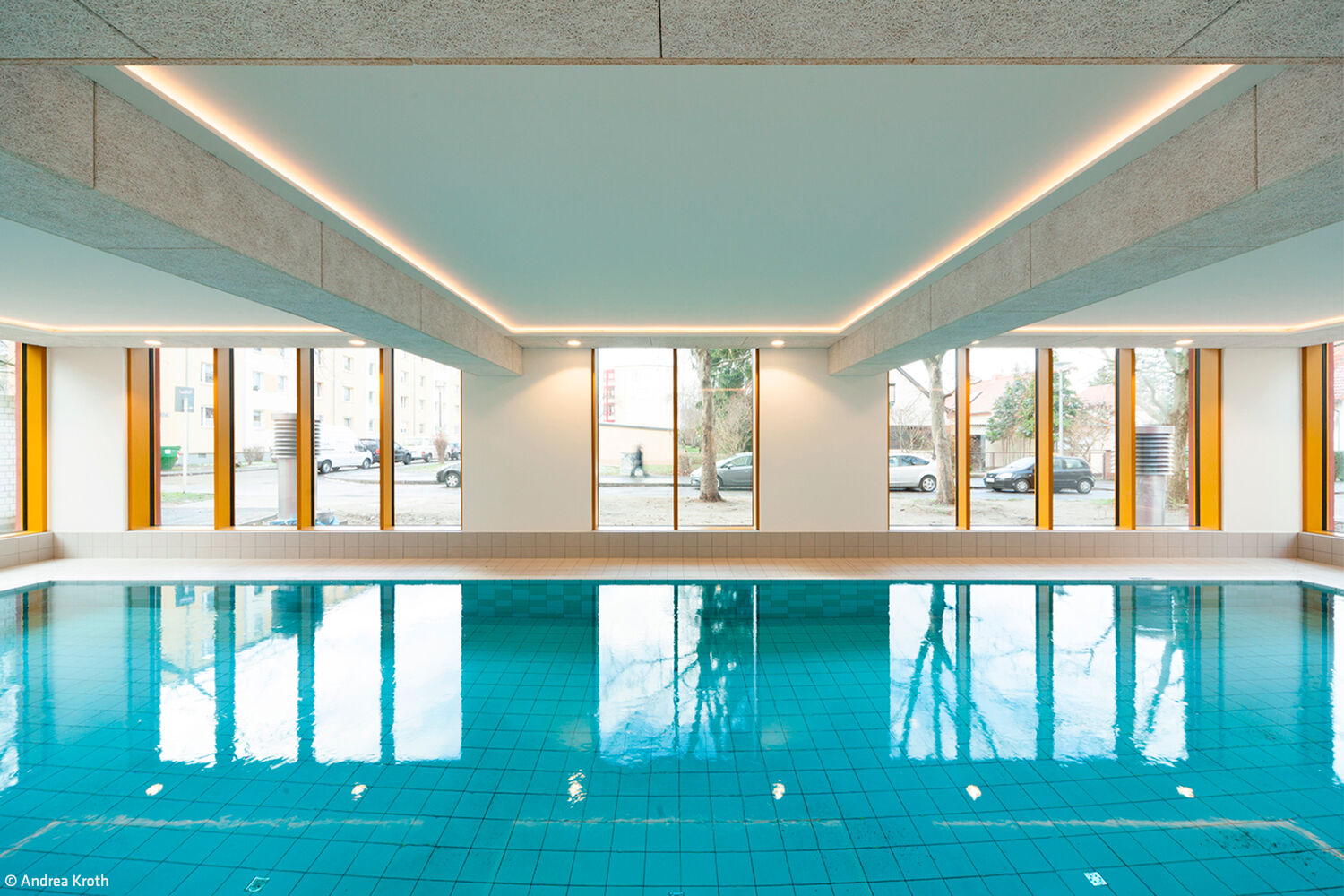
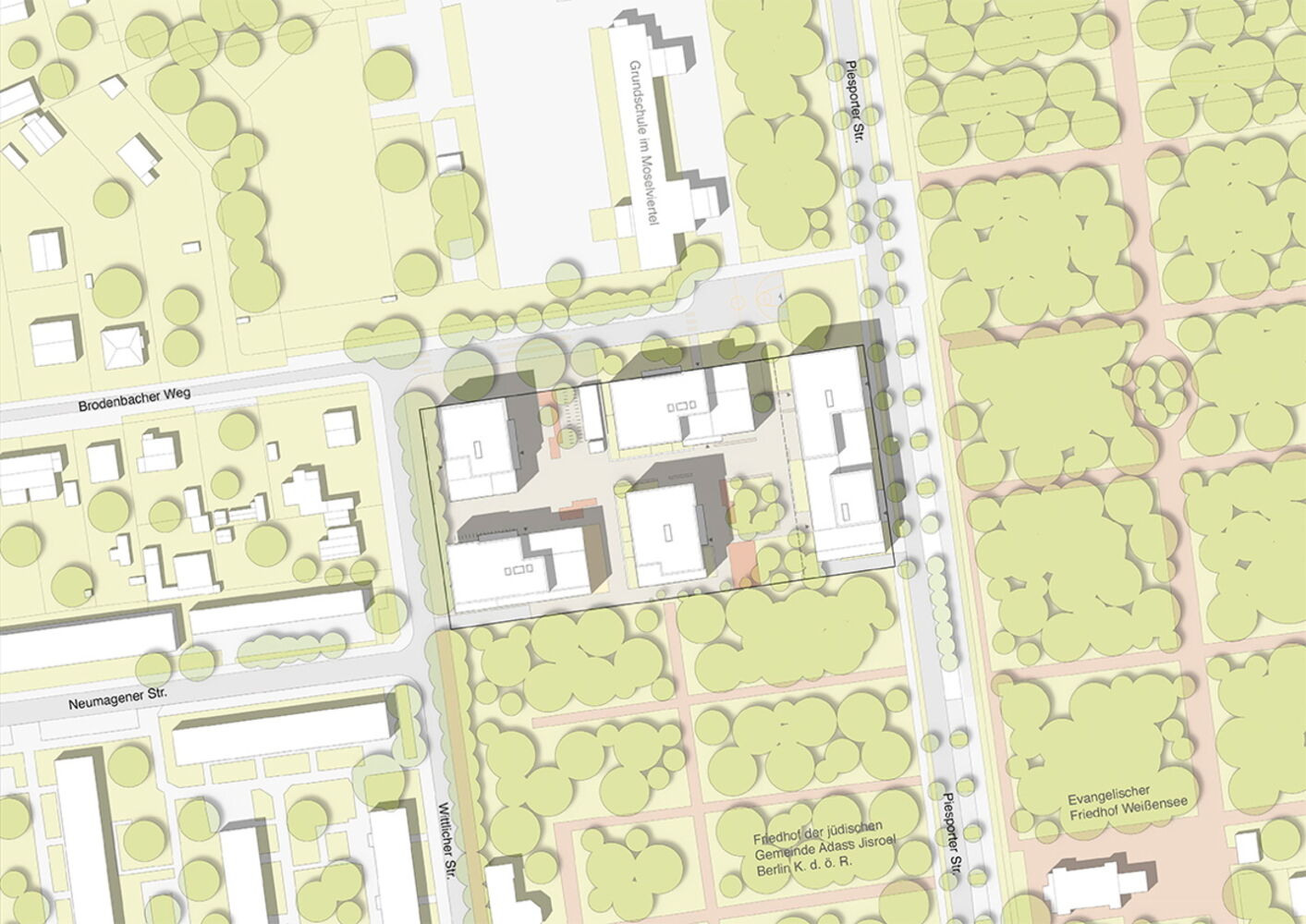
Let's cut to the chase: this residential development in Berlin Weissensee has earned the German Federal Prize for Environment and Construction for its visionary and sustainable design approach. Named "Wohnquartier Wir" (Our Residential Quarter), the project already signals what made it award-worthy – genuine resident participation. A collaborative effort between the housing cooperative and property owners shaped the vision together. The neighbourhood comprises five 4- to 5-storey buildings unified by a distinctive coloured façade design that emphasizes their cohesion. Berlin architects DeO/Deimel and Oelschläger translated the community's diverse wishes and ideas into built form. The 7,000 m² site, a former extension of the Jewish cemetery, presented unique opportunities and responsibilities. From the start, social diversity was paramount – requiring creative housing solutions: compact and spacious apartments, owner-occupied and rental units, cluster flats for supported living, and even dedicated spaces for a dementia shared household. Today, the quarter provides 114 residential units for around 250 residents and offers something for everyone. Seniors, children, and young people benefit from amenities including a daycare centre, workshop, and training restaurant. Complementing these are shared facilities with a swimming pool, physiotherapy practice, accommodation for refugees, and communal spaces open to the surrounding neighbourhood. Two expansive roof terraces on the extensively planted roofs are exclusively reserved for residents.
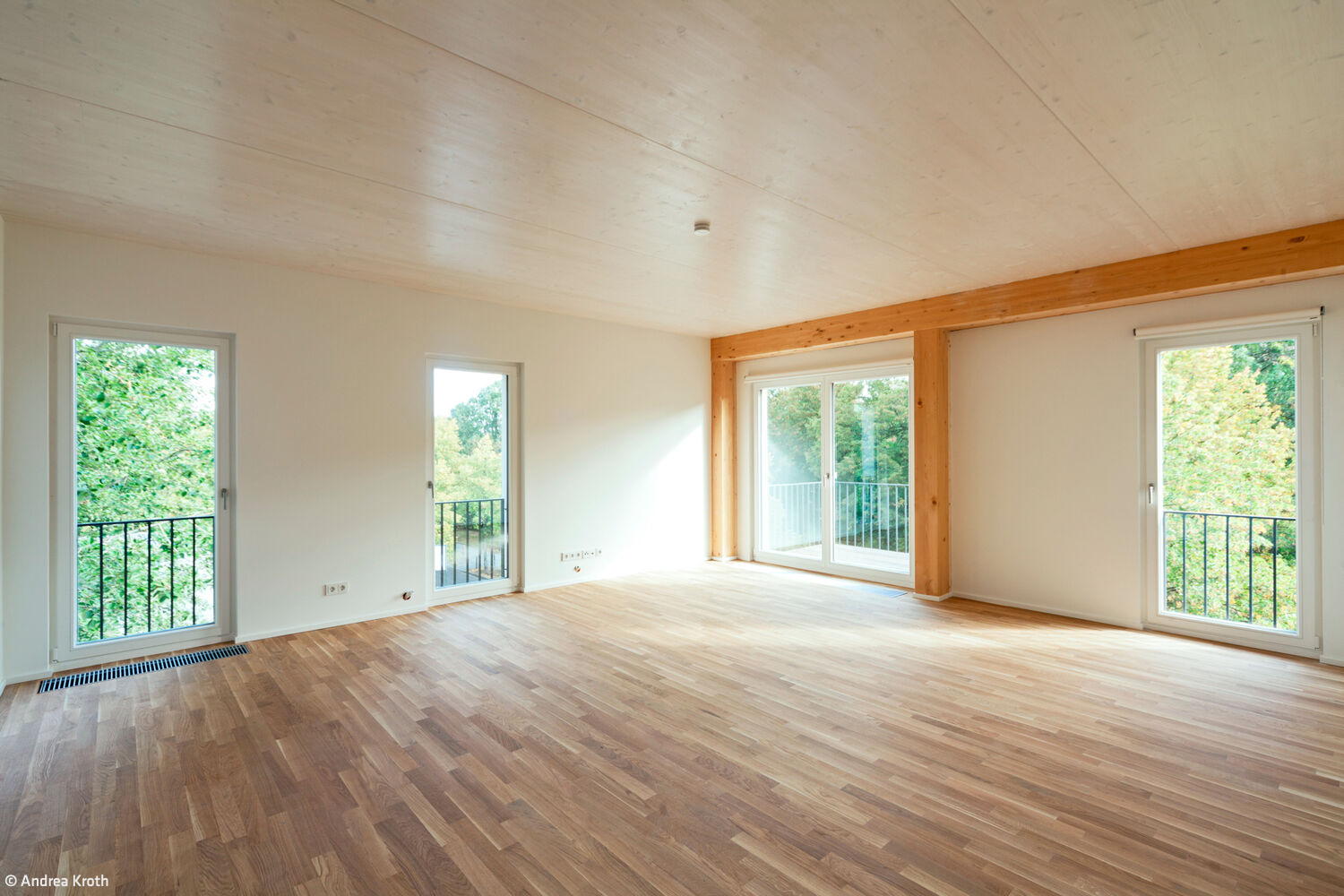
And here's the impressive part: alongside Hamburg's Roots timber tower, this timber housing estate stands as one of the country's largest and most substantial residential projects built in timber. A design competition preceded the development, which Berlin's Deimel Oelschläger Architects won decisively. Their winning proposal: timber as the primary building material, comprising 70 percent of the entire structure. The remaining 30 percent relies on concrete as needed, yet all other structural elements – walls, columns, floors, and beams – were built primarily in timber, left exposed and natural. The result: buildings that exceed the demanding KfW Efficiency House 40 standard. This intelligent hybrid approach, paired with integrated ventilation and heat recovery systems woven into the building envelope, brings the houses remarkably close to passive house performance.
Photography:
Andrea Kroth
www.andreakroth.de
(Published in CUBE Berlin 01|25)

Expanding Upward
Extension and Renovation of a Wilhelminian Residential and Commercial Building
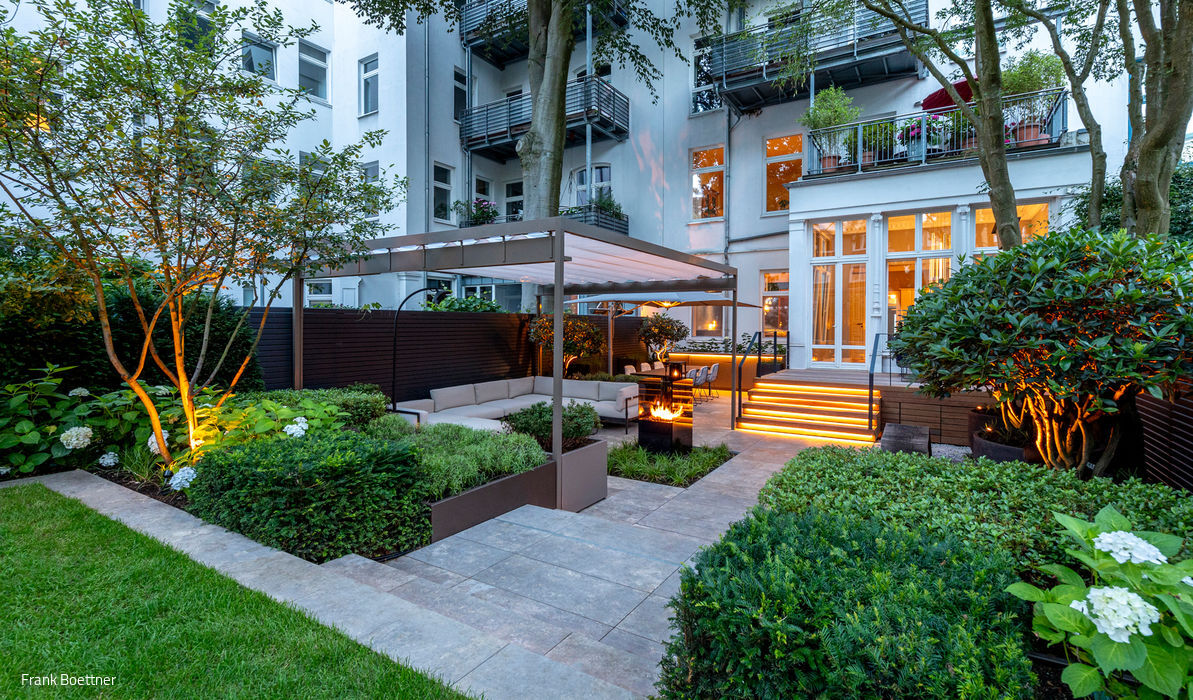
Backyard Idyll
From neglected backyard to vibrant green living space
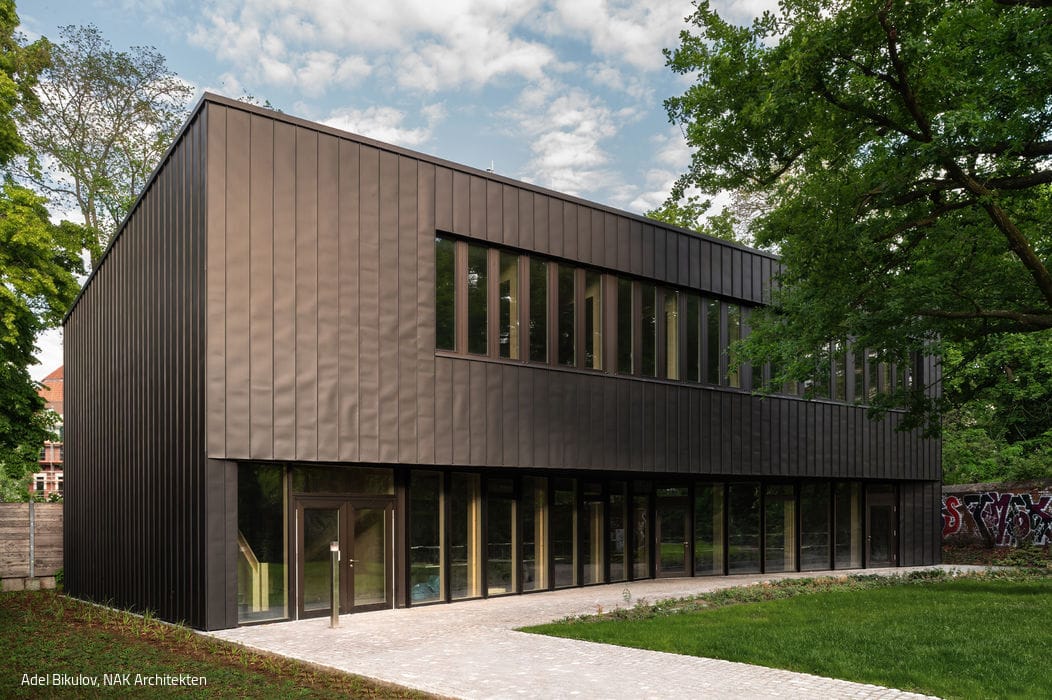
Learning Through Eyes and Senses
Extension of the Berlin Academy of Administration in Moabit

Exclusive Urban Villa Near Berlin
A sophisticated residence offering premium interiors and exceptional craftsmanship.