


Mastering the Sloped Garden
Sloping plots are highly sought after for building, but they demand real expertise when it comes to landscaping.


CUBE: Sloped gardens are often viewed as challenging. What's the key to making a slope both functional and visually compelling?
Peter Berg: It's about establishing clear spatial organization with well-proportioned height transitions. The complexity increases because you must think and design in three dimensions throughout. When you make the slope legible—through strategic structuring, thoughtful pathways, and terracing—you unlock a wealth of different perspectives and spatial experiences.
You rely on natural stone to achieve this. How does stone placement work on a slope, and are certain stones better suited to specific conditions?
There are two main categories: stratified and volcanic stone. Stratified stones like slate and greywacke are sedimentary—they naturally fit together less tightly than basalt, which breaks more irregularly and offers greater variety in form. Basalt's size and weight give it superior interlocking strength. Conversely, stratified stones are often preferred for dry stone walls because they're easier to work with. In our region, slate and greywacke are our go-to materials. We favor slate for its thinner layers and superior visual presence. When you combine slate with greywacke or basalt, you create genuinely compelling garden compositions.
What makes greywacke particularly advantageous?
Greywacke yields large slabs, which lets us design striking pathways and integrated stair systems through planting areas. These aren't code-compliant steps—they're secondary routes that flow naturally. Some clients actually seek this out, calling them their personal fitness course. Greywacke can occasionally be stacked, though we typically prefer smaller height increments and varied elevation changes—think table height or seating height—distributed across the slope. This layered approach creates rhythm and visual interest throughout the design.
When you create terraces as rigorously as you do and incorporate stone structures throughout, doesn't the garden risk feeling too stone-dominated?
What does "stone-heavy" mean? I recently visited the Dachstein in Austria for cross-country skiing, and that massif could be called stone-heavy. Yet people stand before it in awe. The proportion of stone depends entirely on the terrain's steepness. Where substantial stone is used, maintenance becomes minimal. Unstructured slopes, conversely, demand constant—and exhausting—upkeep. Terracing serves a crucial purpose: establishing ideal growing conditions for plants. Nature demonstrates this principle perfectly—rock formations always coexist with vegetation. Ultimately, none of our gardens are purely stone. A well-terraced garden is dynamic, highly functional, and critically, it prevents slope erosion and runoff during intense rainfall events.
The Ahr Valley experienced devastating floods in June 2021. Your garden sits on a steep slope there. What protected it from those floodwaters?
We had three gardens in the affected zone: one in Luxembourg, another near Aachen in Stolberg, and my own in the Ahr Valley. All three weathered the intense rainfall without forming pools or streams. If slopes throughout the region had been terraced as systematically as they were historically in viticulture, the disaster would have been far less severe. Fundamentally, this points to the broader issue of soil compaction and drainage management.
Can this blend of natural stone and plantings—the approach you use in sloped gardens—also work well on flat ground?
Stone structures work in any garden context. Stones function as landscape furniture—you can orchestrate a garden with them naturally, without artificiality. They create spatial variety and visual interest. Small gardens particularly benefit from this approach, as they can easily feel monotonous. By introducing multiple levels and strategic stone placement, you effectively expand the perceived surface area, making compact spaces feel larger and more dynamic.
Peter Berg
Peter Berg is a garden designer renowned for his sophisticated landscapes across Europe. He has built an exceptional reputation for transforming sloped terrain into stunning outdoor spaces. Growing up in the Ahr Valley—a region shaped by terraced vineyards—gave him unique insight into hillside design. The award-winning landscape architect discovered his passion for the field in 1986 and, after earning his master's credentials and technical degree, established Garten, Landschaft Berg & Co. in 2000. Today, through his design studio Peter Berg Gartendesign, he continues to innovate, leading workshops, conducting seminars, and authoring multiple books on landscape design.
Photography by:
Clara Röllinghoff
Ferdinand Graf von Luckner
www.graf-luckner.de
(Published in CUBE Cologne Bonn 01|23)


Hidden Transformation
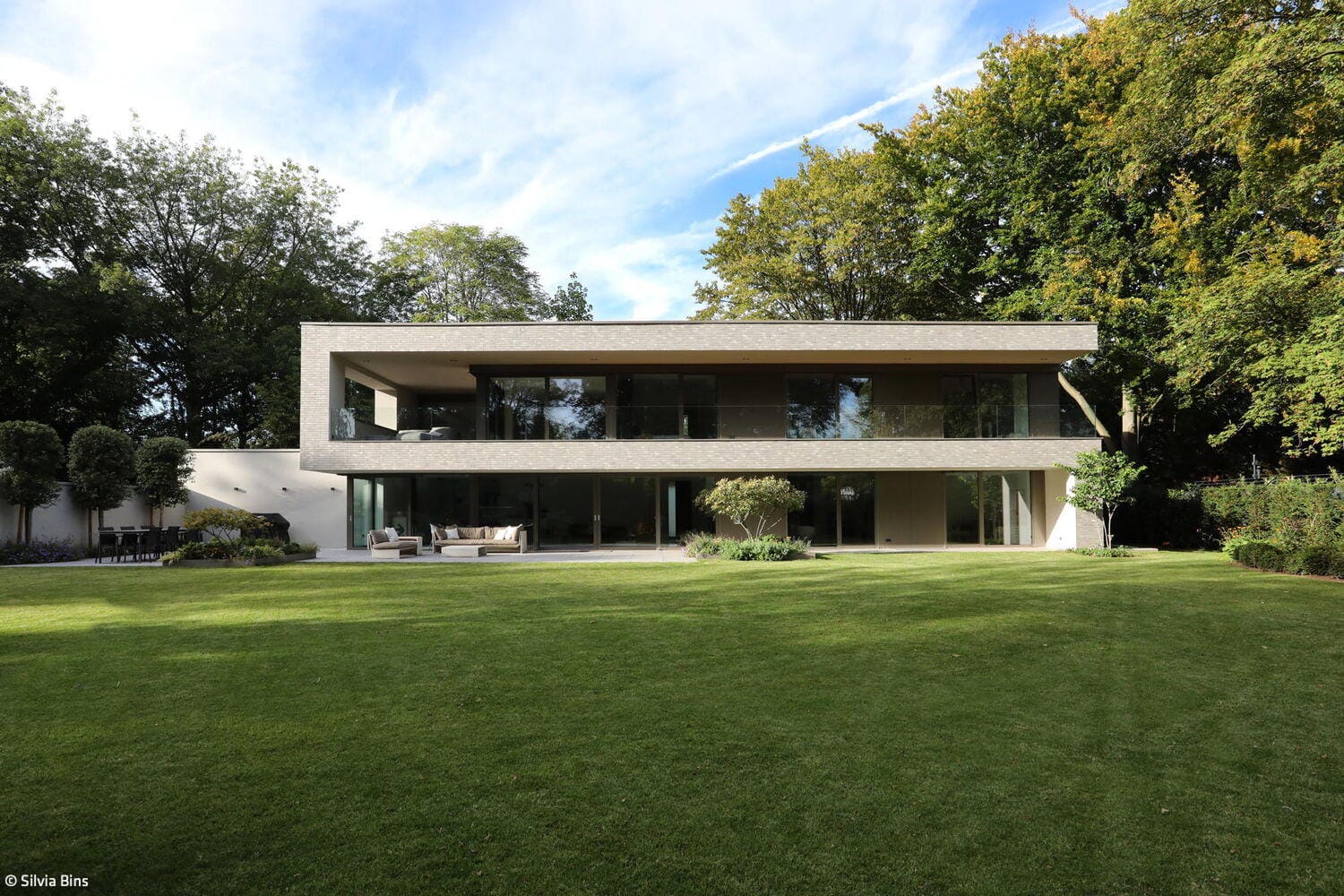
A bungalow in Hahnwald becomes a spacious family home with garden views
Sensitively Integrated
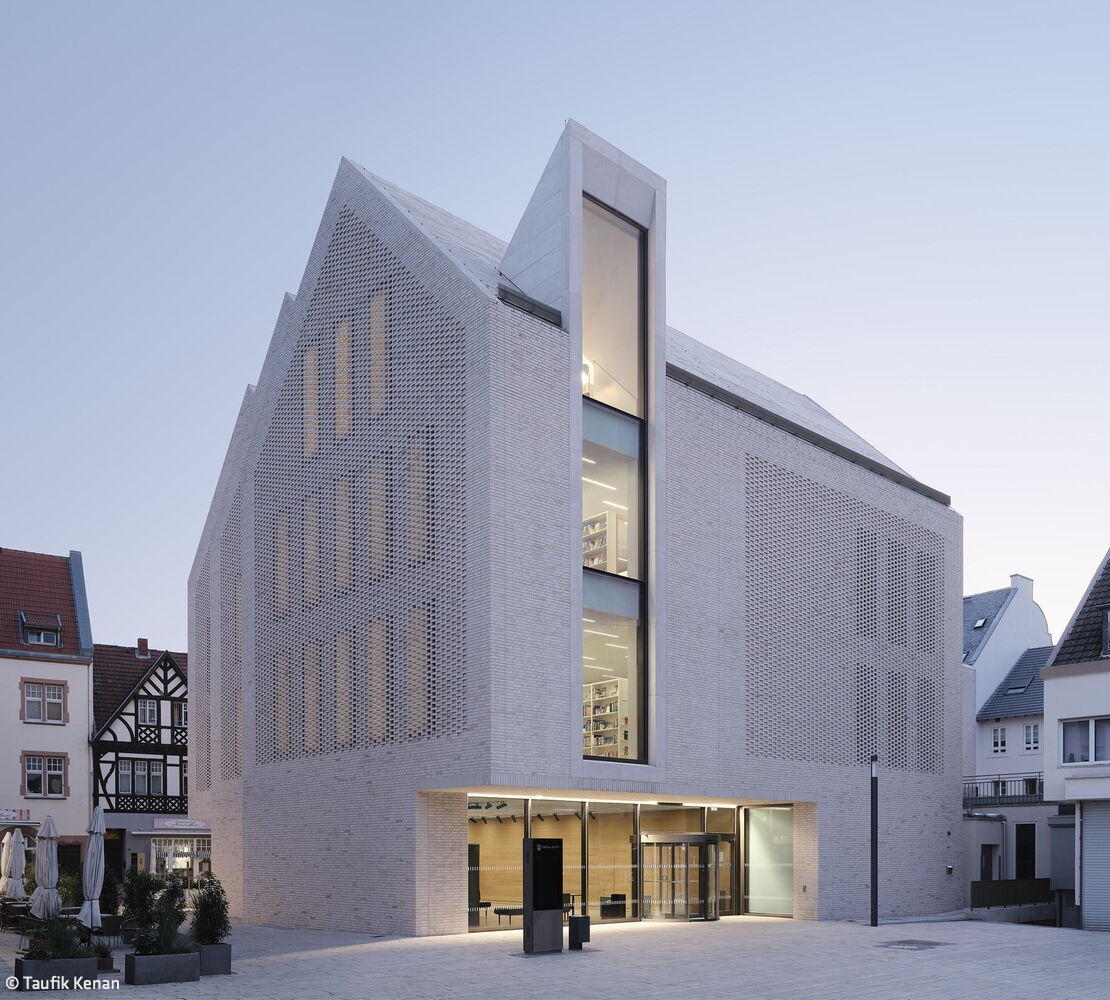
The sympathetically restored town hall and new library form an ensemble that complements Brühl Castle.
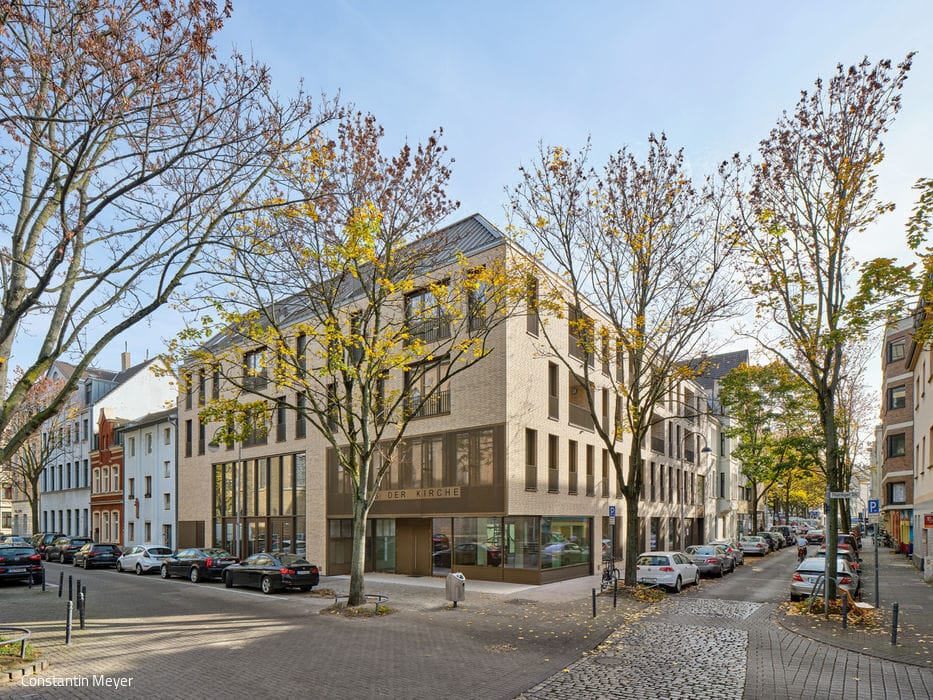
Between Church and Community
The "House of the Church" in Nippes: Open to its surroundings and its people
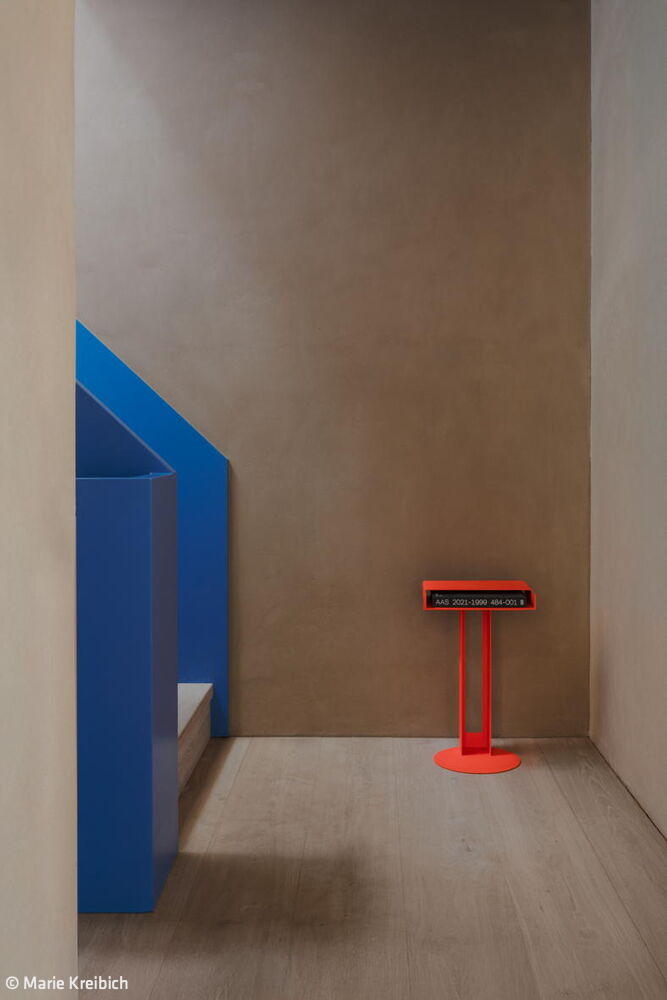
Transformation in Clay
A semi-detached home in Lindenthal, reinvented as a masterclass in sustainable, biologically conscious renovation