


Embracing the Slope
A garden designer specializing in hillside gardens showcases his own creation
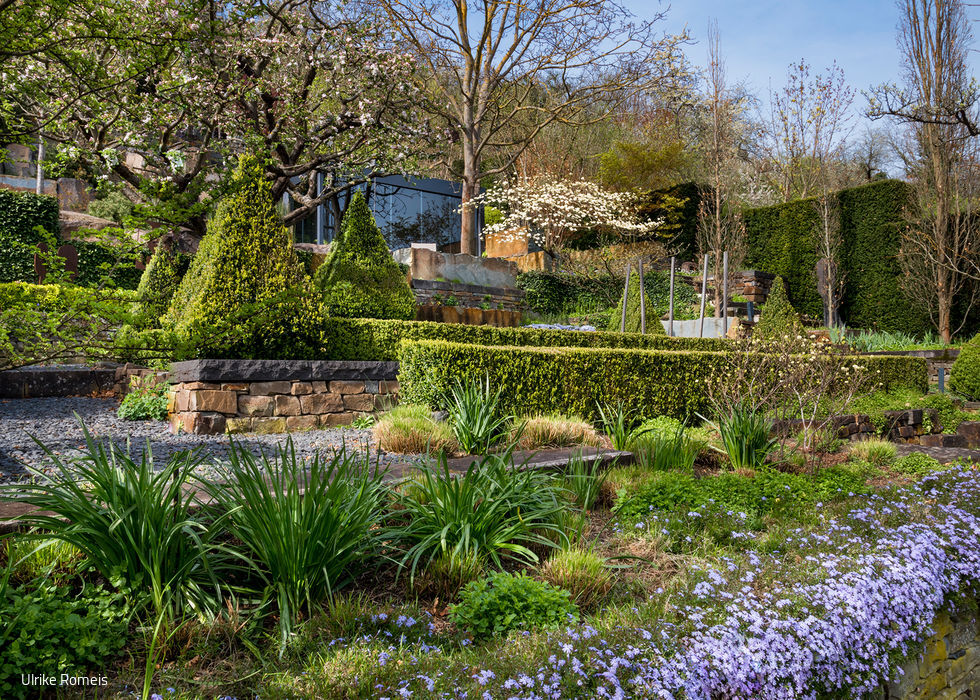
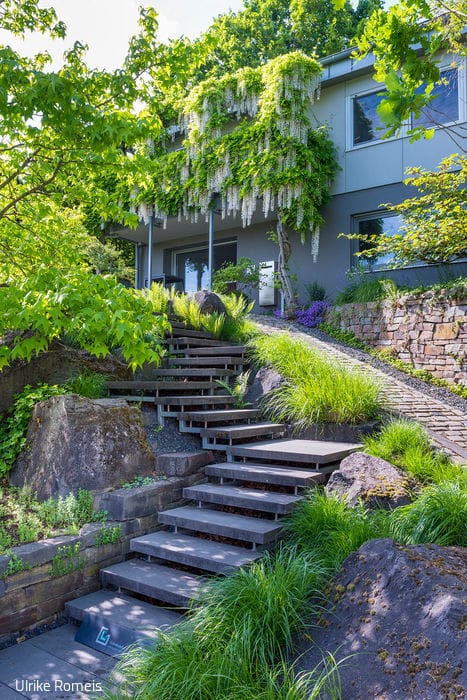


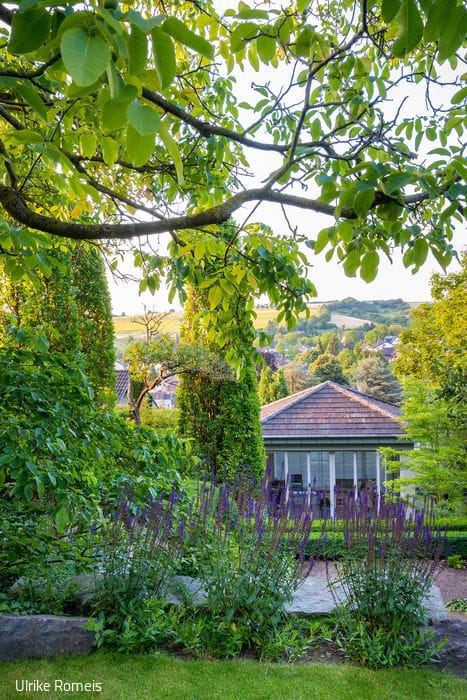


The name says it all: Peter Berg, a renowned garden designer, has built his practice around one specialty—designing hillside gardens. So it's hardly surprising that his own garden sits on a slope too, offering endless terrain for experimenting with new concepts. Set on a former vineyard site in Westum, the landscape spans seven distinct levels and rises 40 metres from Wachtelweg to the highest point above the vineyard cottage. This expansive terrain is structured through carefully placed stonework—boulders, walls, and block steps that not only anchor the slope but create a navigable path through the elevation changes. "Terraced slopes represent some of the most distinctive features of cultural landscapes," Peter Berg explains. "The way they interact with existing rock formations has always captivated me." Growing up in the Ahr Valley shaped his deep appreciation for this interplay.
Throughout the garden, artfully stacked boulders meet ingeniously integrated stairways and striking dry stone walls—a craft Berg clearly treasures. Traditional masonry skills shine in the living terraces, complete with a small vineyard and cottage. Here, delicate ornamental grasses soften the solid stone structures, creating an unexpectedly refined aesthetic. Contrasts define the designer's approach. Columnar oaks soar skyward on one side while bushy plantings dominate another. Formal terraces alternate with loose stone arrangements, and the third level unveils another striking contrast: a carpet of wirebush that drapes across the stonework like moss. The fourth level opens to a vegetable garden, framed by clipped hedges and yew pyramids and sheltered beneath an apple tree's generous canopy. At the garden's heart stands an impressive waterfall—several tonnes of basalt stacked to dramatic effect. Throughout the entire composition, every crevice serves a purpose, hosting varied plantings that create a unified vision where natural stone, vegetation, and water blend into a nature-inspired whole.
Photography Credits:
Ulrike Romeis
(Published in CUBE Cologne Bonn 01|23)
Signature Office
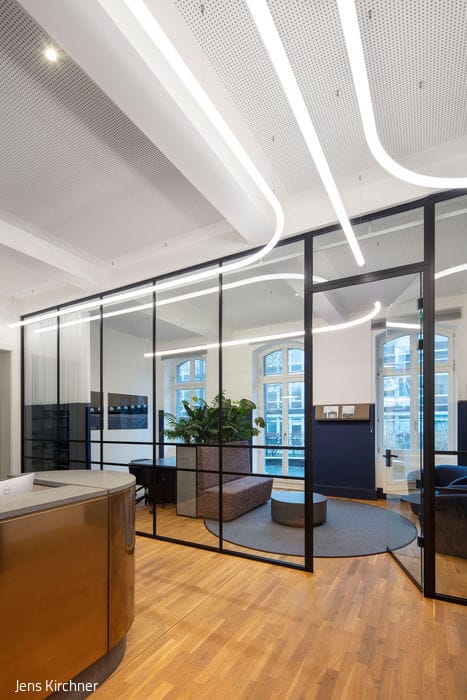
How a tax consultancy in Junkersdorf merges heritage with corporate identity
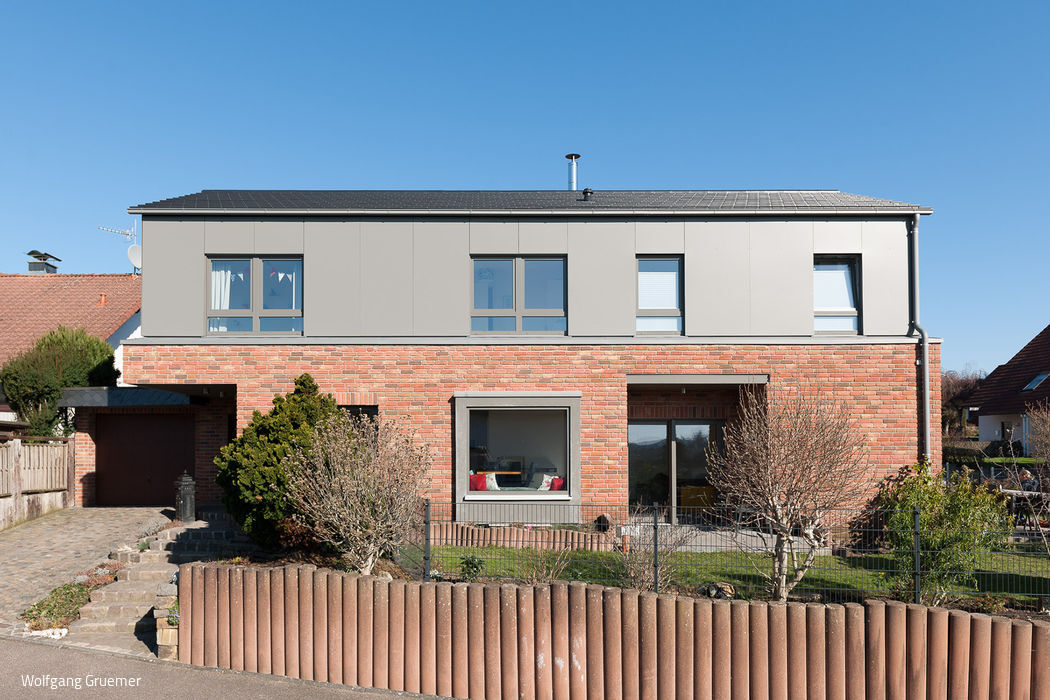
Old and New in Harmony
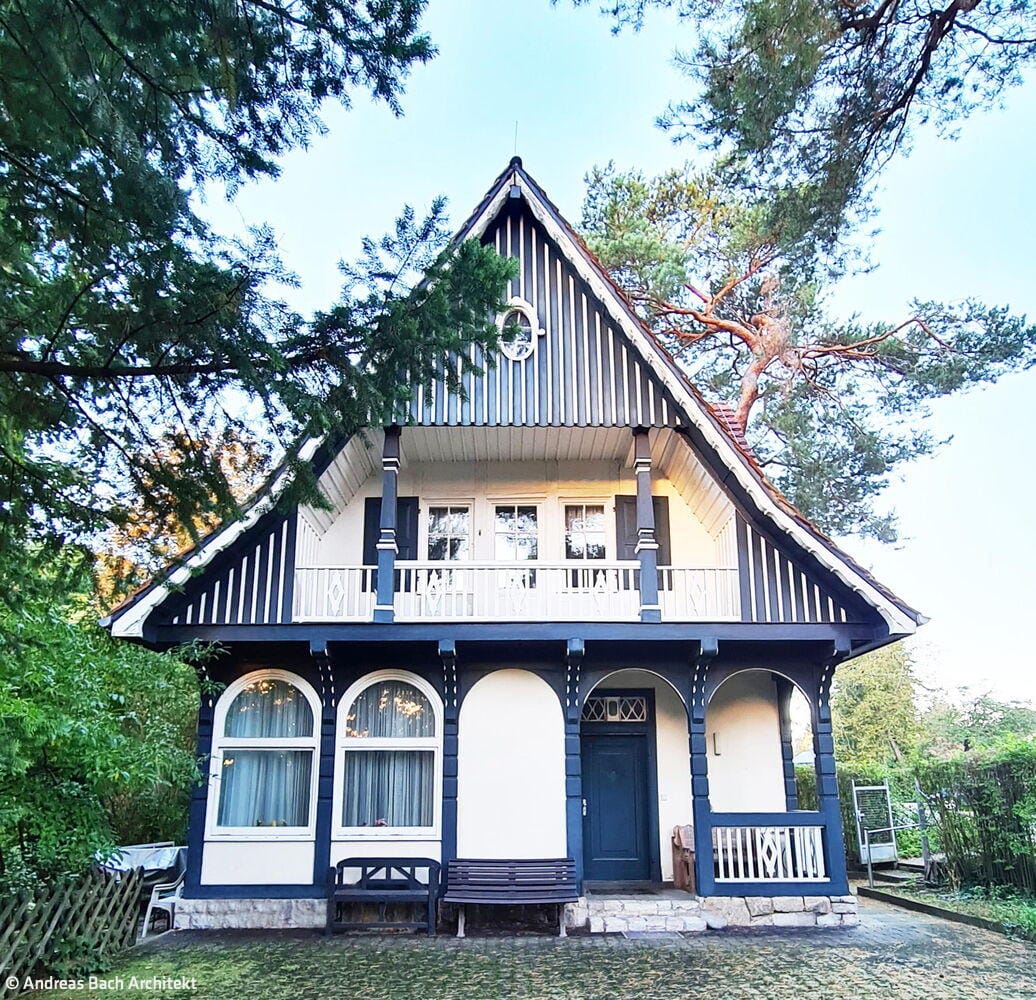
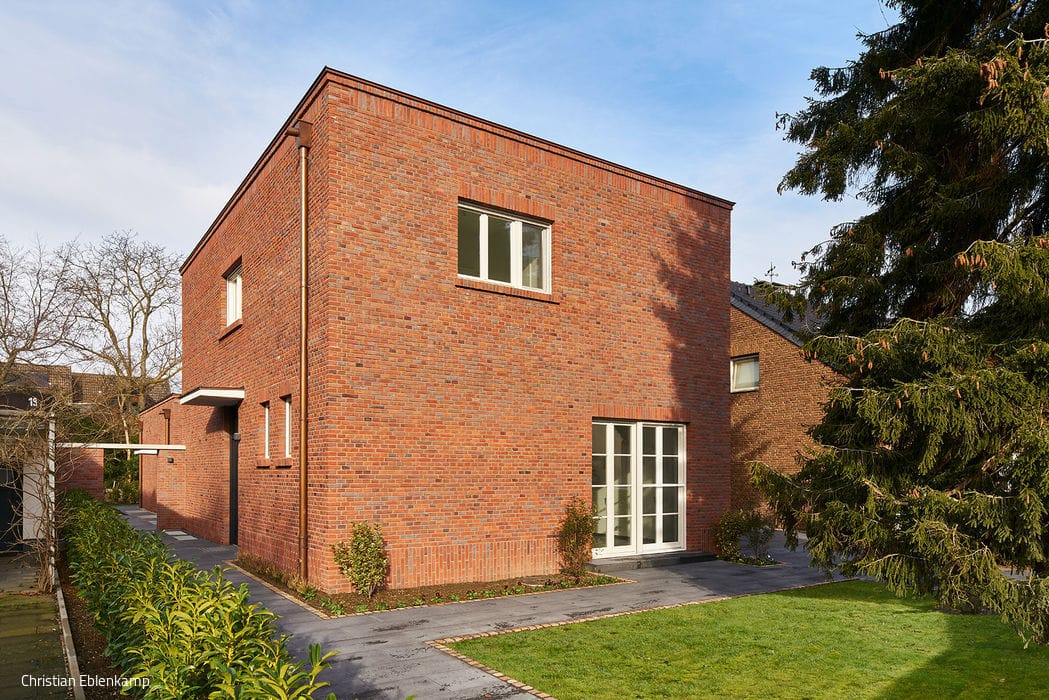
A conversion that completely transforms a home's character while keeping its structural core intact.
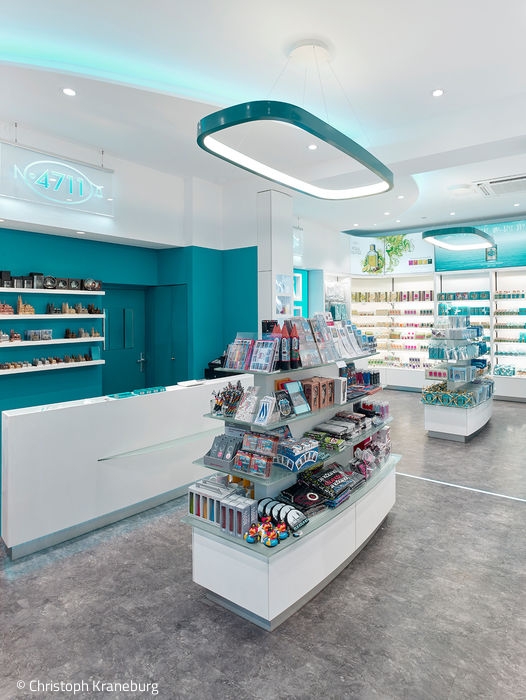
A new order
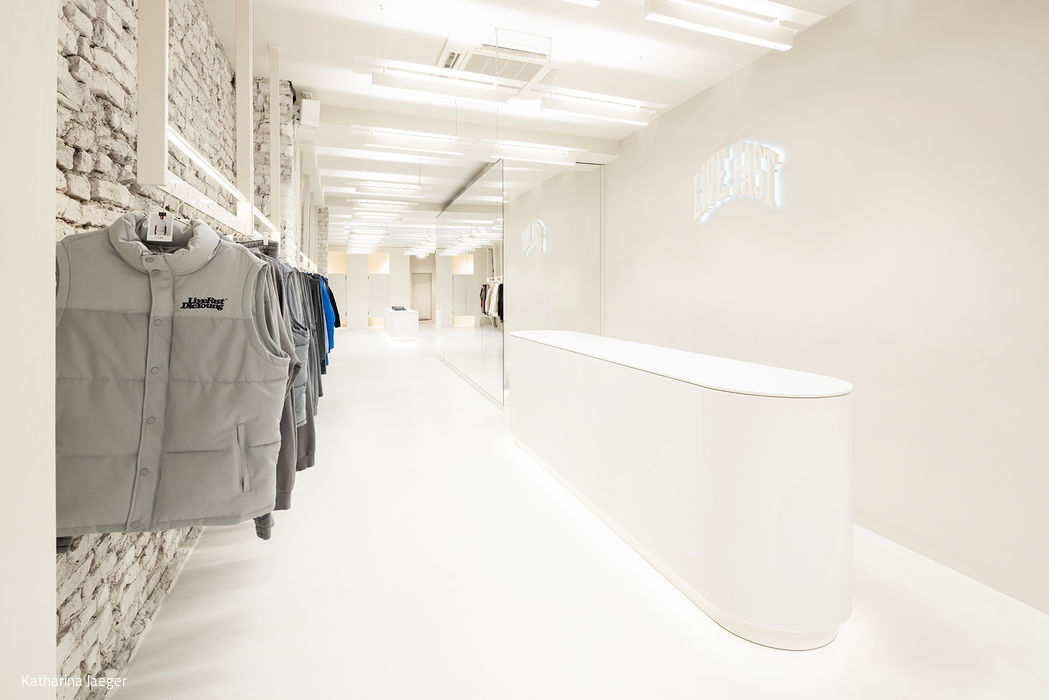
The shop is divided into two purposeful zones: souvenirs in the front, the 4711 collection in back.
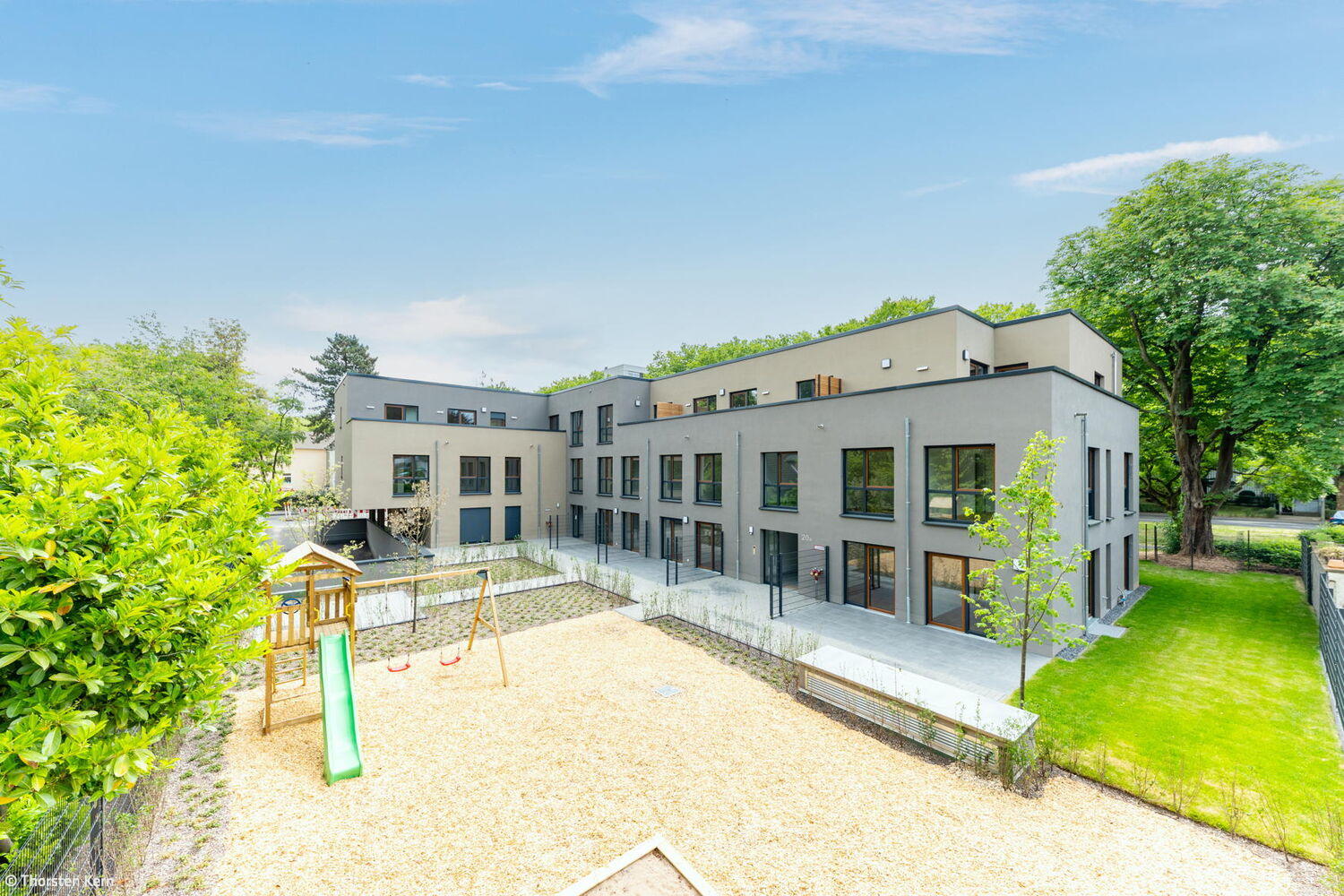
Where urbanism meets nature
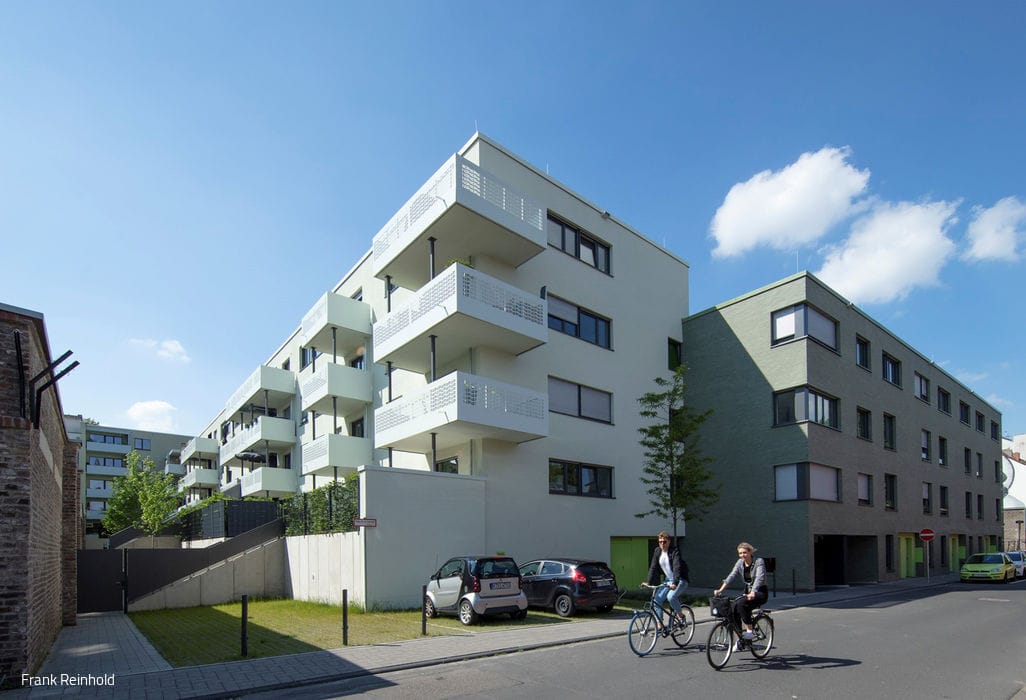
A Forward-Thinking Residential Community Shaping Contemporary Urban Development