


Passenger Ship in Pankow
How an architectural firm unlocked potential and created much-needed staff housing for Charité
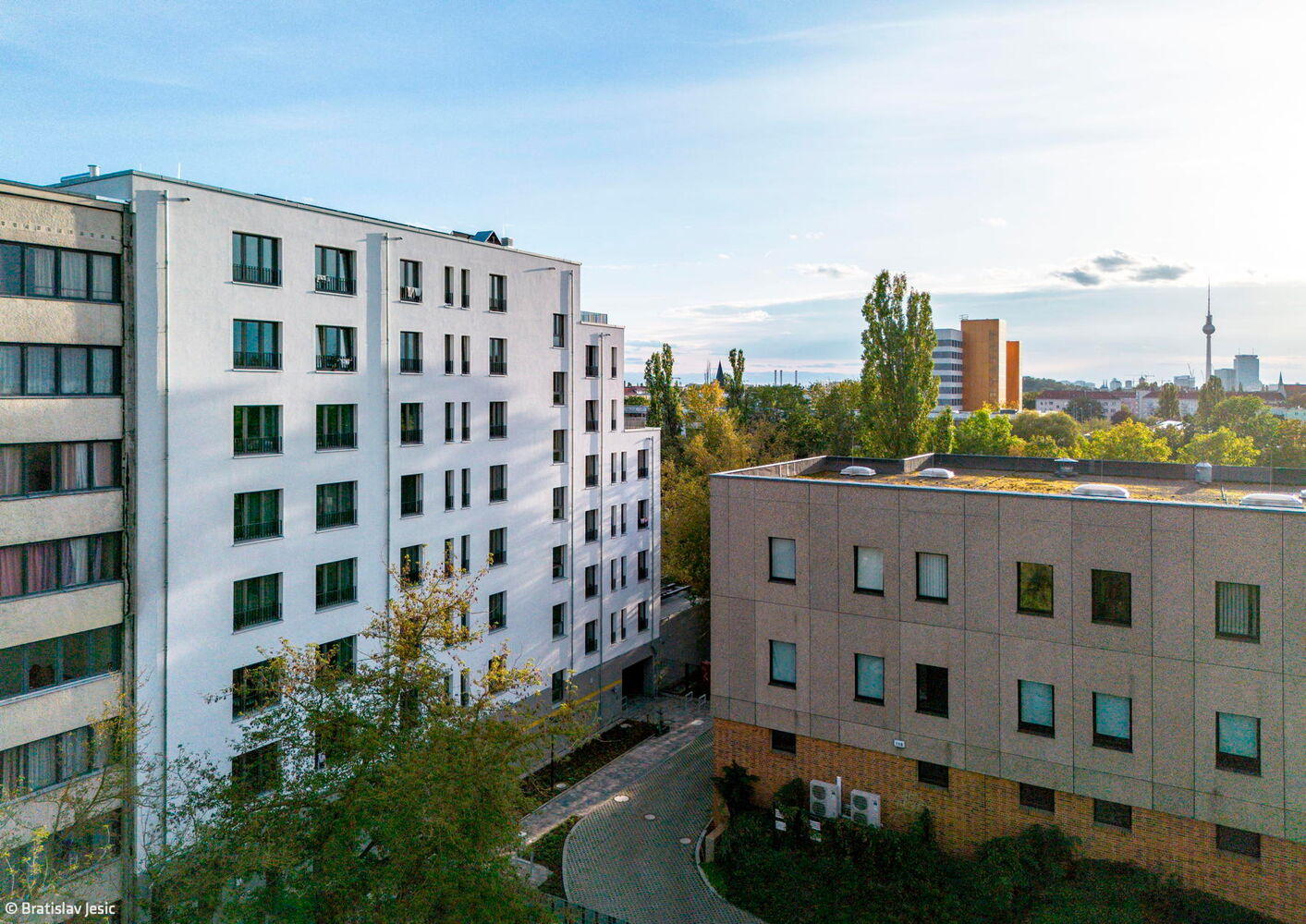
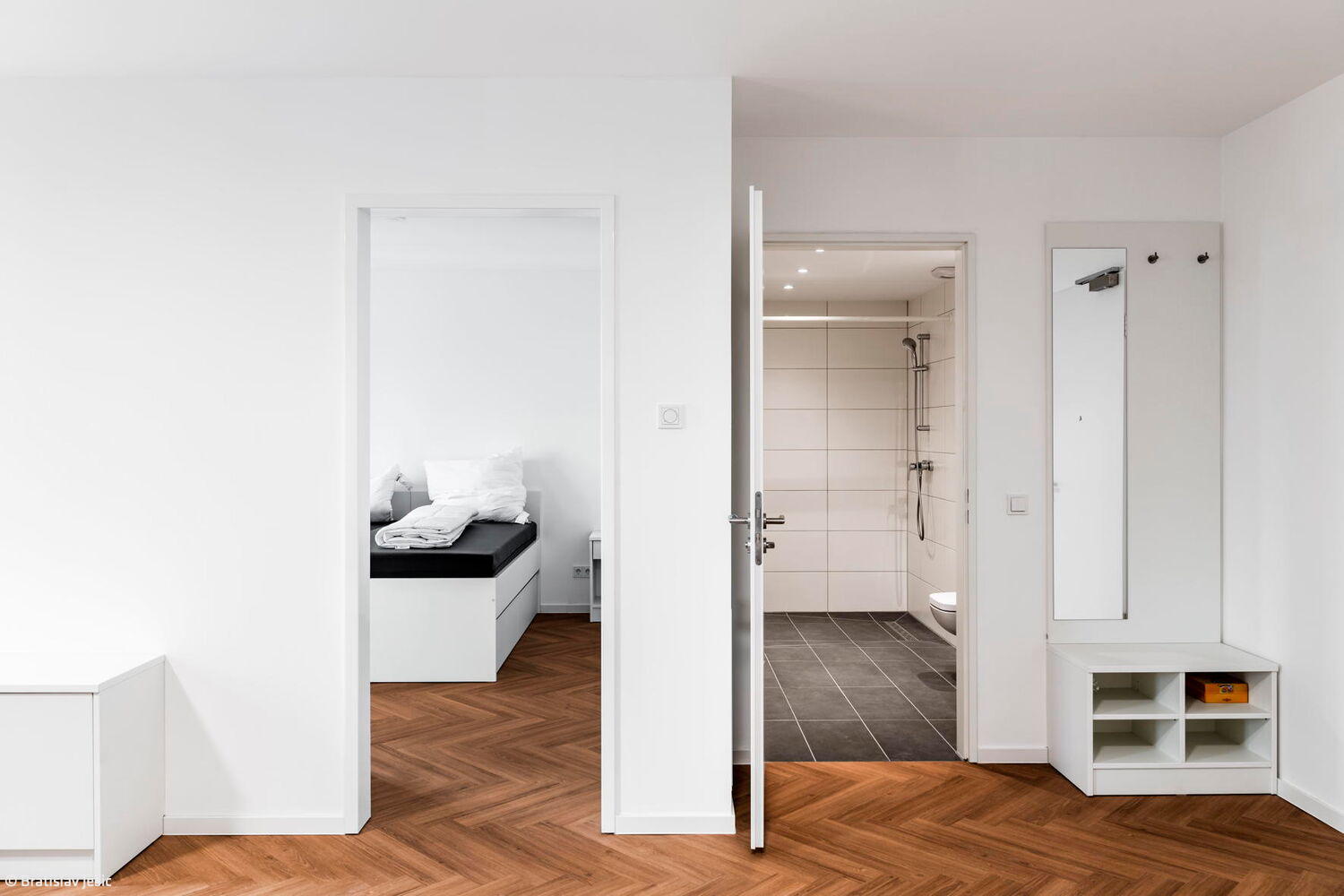
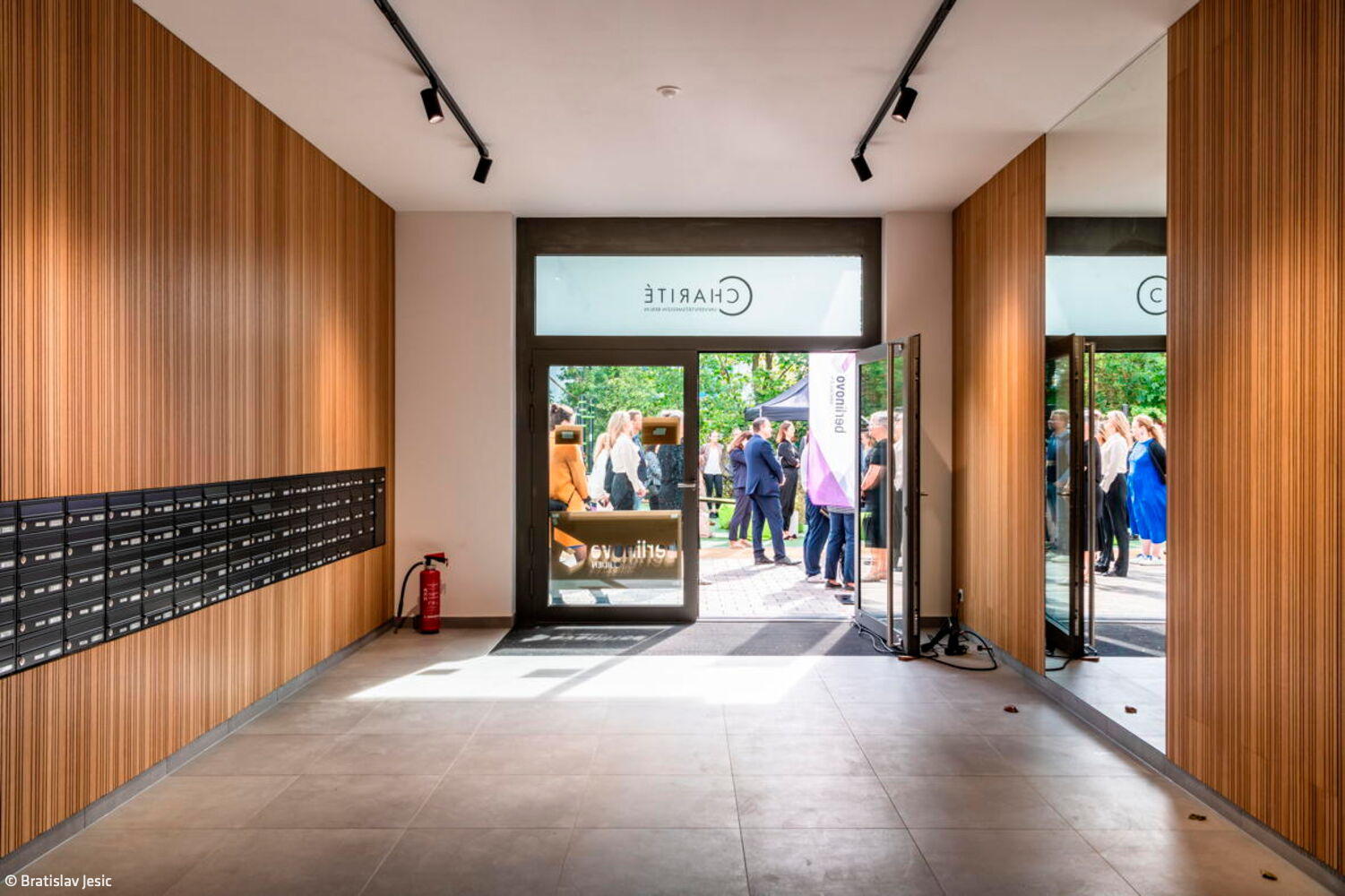
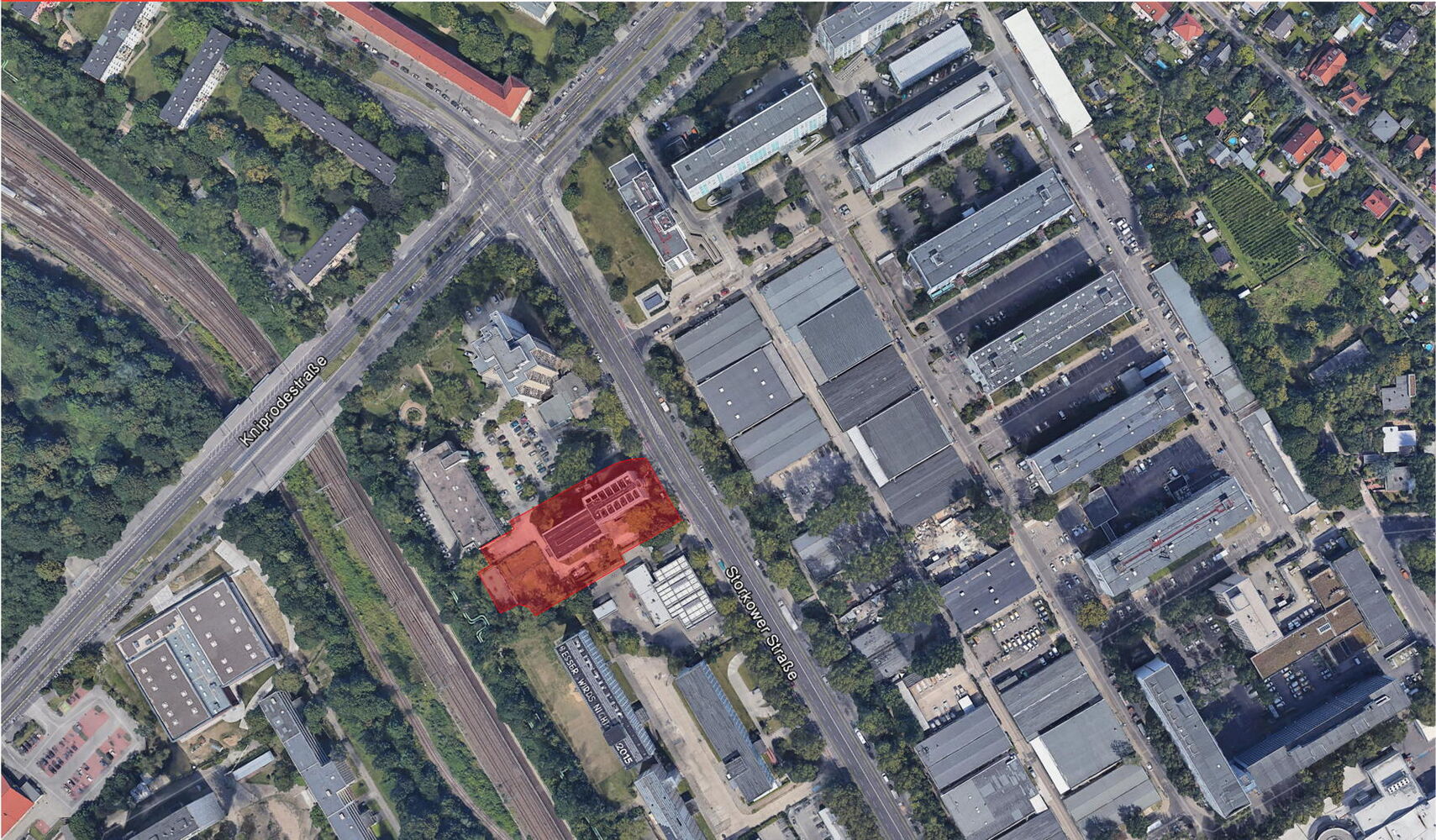
Berlin's geography once seemed simple: West and East. After reunification, Prenzlauer Berg became the city's most coveted neighborhood. Then, in 2001, the territorial reform stripped the still-fashionable district of its independence, absorbing it into Pankow. Part of Storkower Strasse now shares this fate. While exploring their new district, architects deluse hernandez architects spotted a relic of East German prefab housing—a Plattenbauten with a single stairwell. The building's narrow footprint had necessitated an extraordinarily wide fire-access road. When two additional staircases were added after the Wall fell for safety reasons, something unexpected happened: the bypass suddenly became redundant, freeing up a substantial buildable area at the rear of the site. This simple observation would spark an ambitious development.
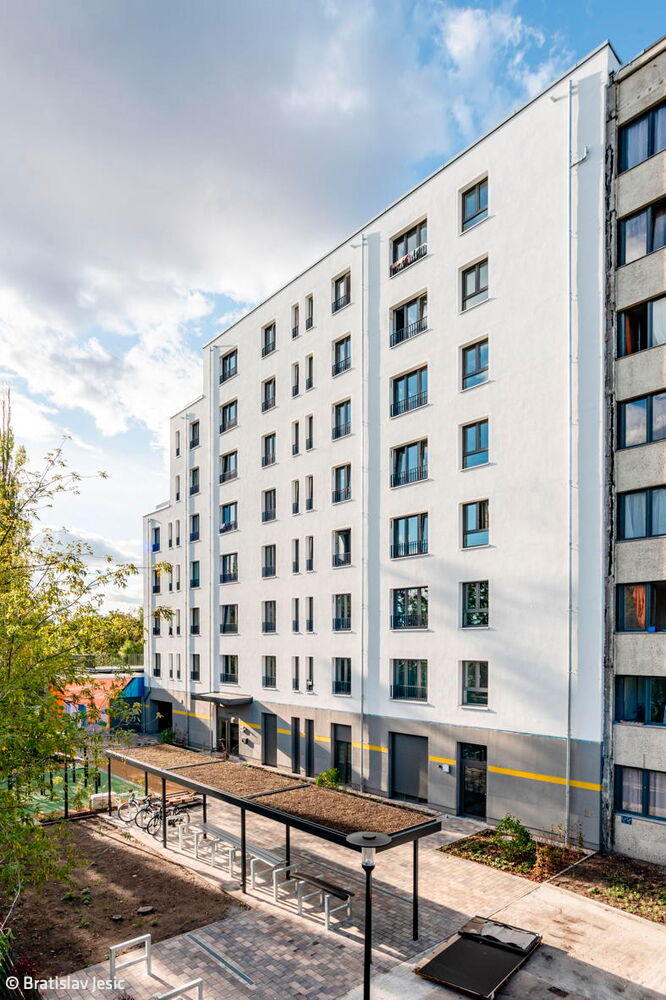
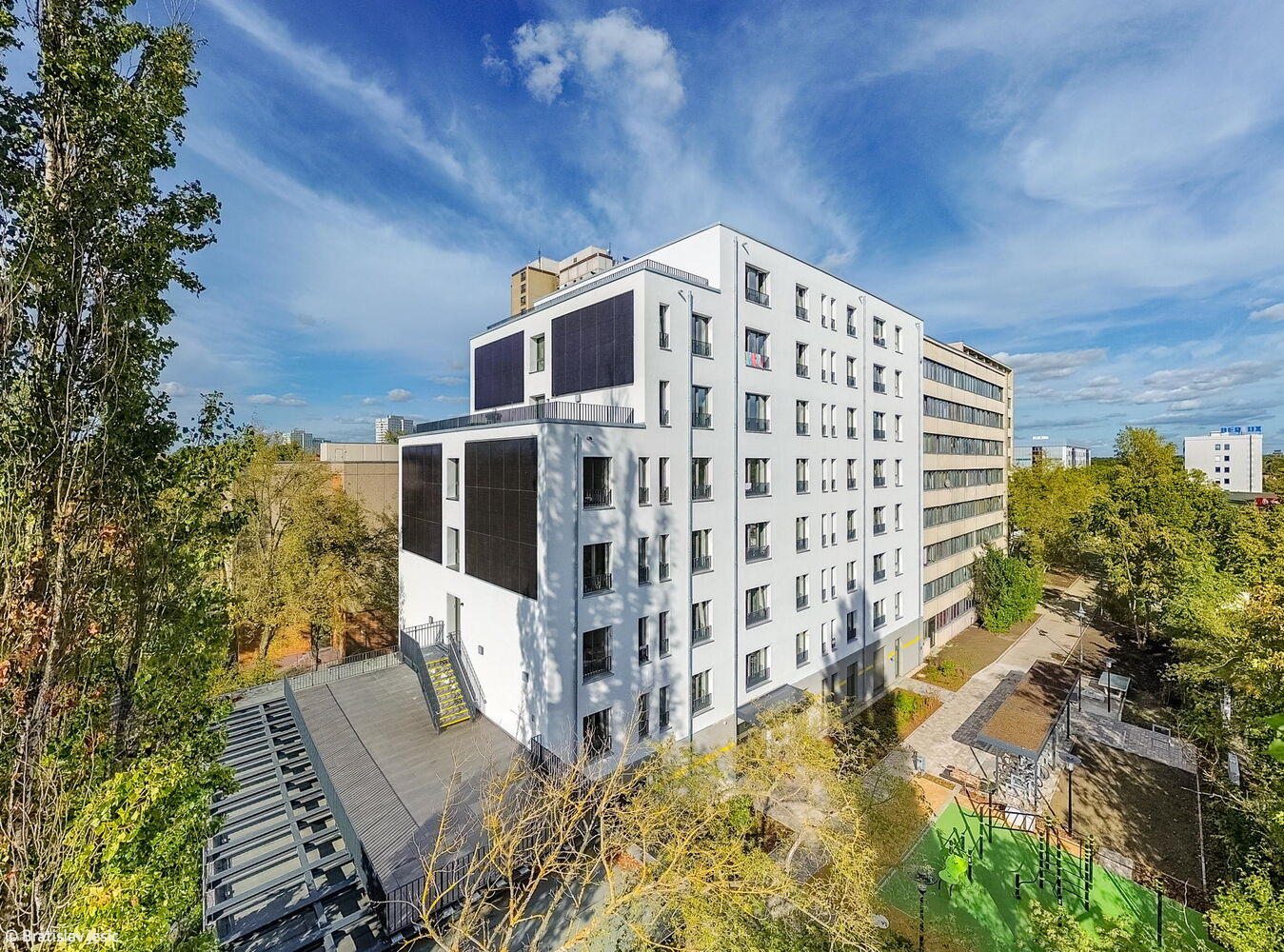
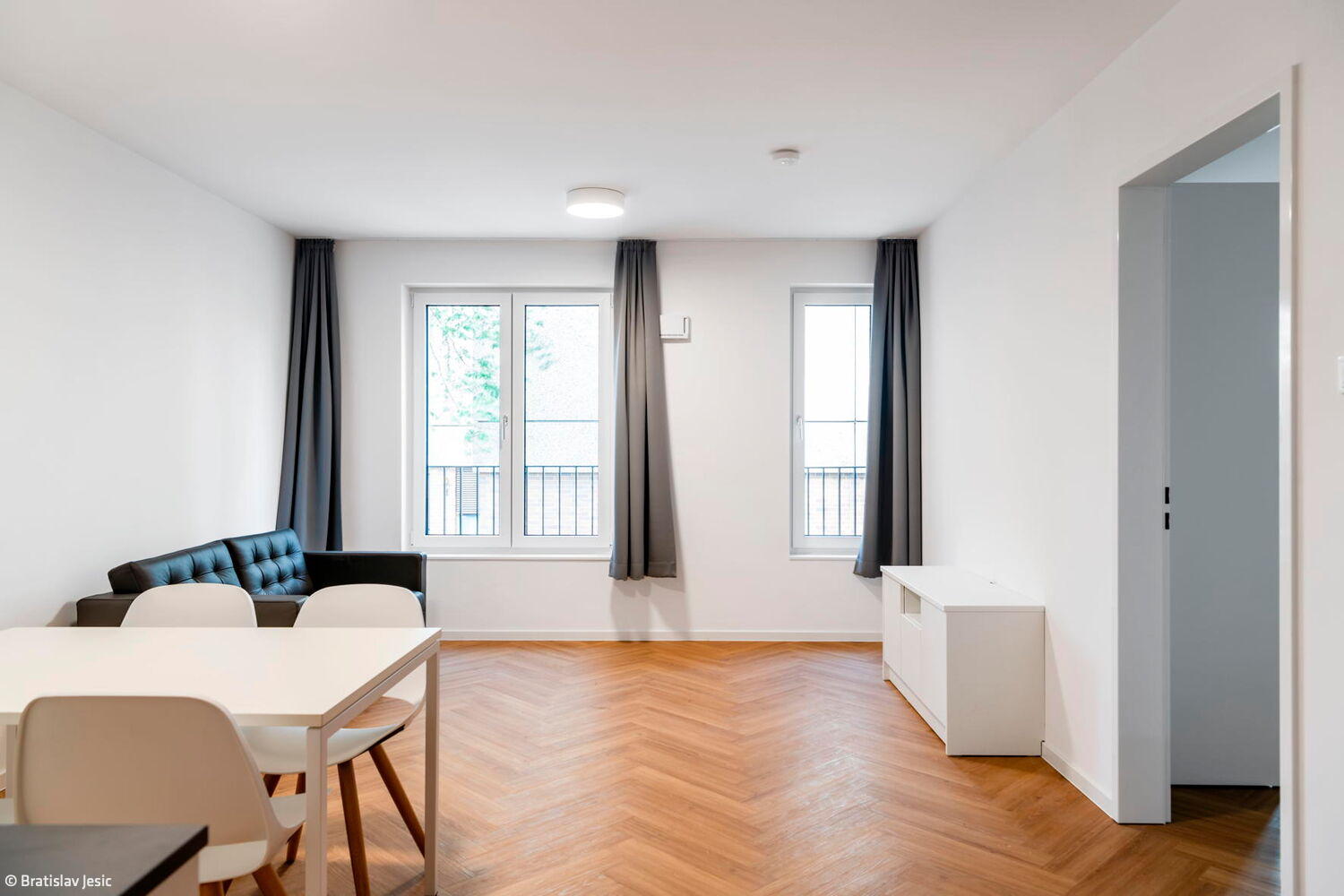
What began as an architects' vision to unlock building potential became reality. When the state-owned developer Berlinovo decided to develop the newly opened site, they entrusted the project's originators with designing the building. Today, a seven-storey residential building stands here, housing 76 one- and two-bedroom apartments. The challenge was ambitious: maximize apartments within a 465 m² footprint while providing urgently needed housing for Charité nursing staff. Handed over to residents in autumn 2023, the building's form is distinctly unconventional. Oriented perpendicular to Storkower Strasse at 22 metres high, its massing steps down in three tiers toward the Ringbahn railway—a composition that evokes a ship with staggered decks. Generous communal roof terraces were integrated into the design from the start. Built in solid construction with a white rendered façade, the architects achieved a total of 1,944 m² of living space. With over 70 apartments on this footprint, the efficiency is remarkable. Per building classification standards, it qualifies as a special building in class 5, a category reserved for staff accommodation.
The interior fit-out prioritizes economy—essential for keeping rents affordable. Vertical photovoltaic panels and rooftop solar thermal systems help the building achieve Energy Efficiency Level 40. Wedged between two existing structures, with one neighbor directly fronting the street, the building required careful massing to provide secondary access. The surrounding urban fabric—a residential tower, shops, offices, and a gas station—forms a deliberately mixed context. Yet the new structure unites these disparate elements into coherent whole, its presence anchoring the neighborhood's orientation toward the S-Bahn tracks, the district's vital artery. Directly to the south lie iconic sports venues: Dominique Perrault's striking velodrome and the Europa Sport Park's aquatic center.
Photography:
Bratislav Jesic
(Published in CUBE Berlin 02|25)

Now in Berlin Too
From Lighting to Flooring: Netzwerk Berlin Presents Innovative Spatial Solutions
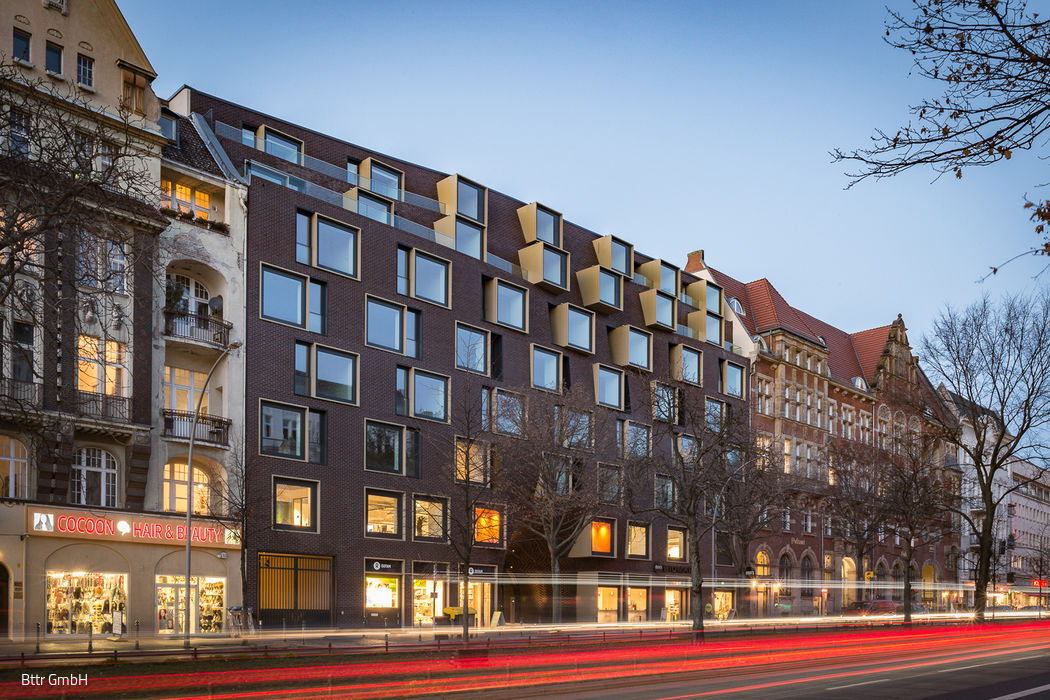
Brick Architecture – Then and Now
Schöneberg's historic post office complex reveals the remarkable versatility of brick as a building material.
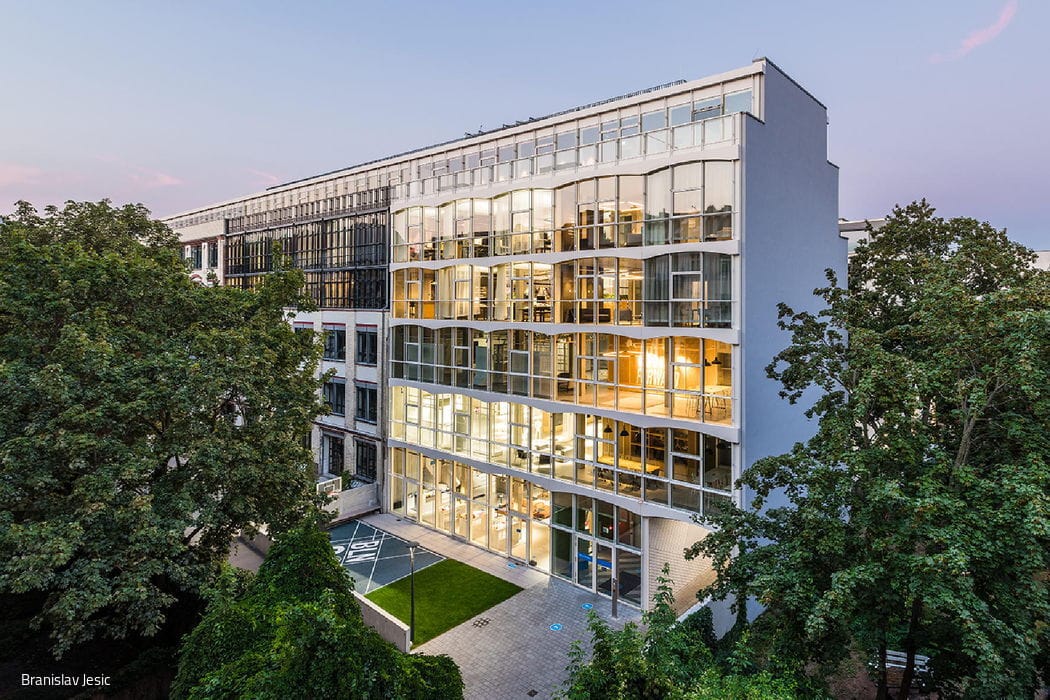
Historic Building Enhanced Anew
Gertrudshof: War-Damaged Industrial Complex Fully Restored
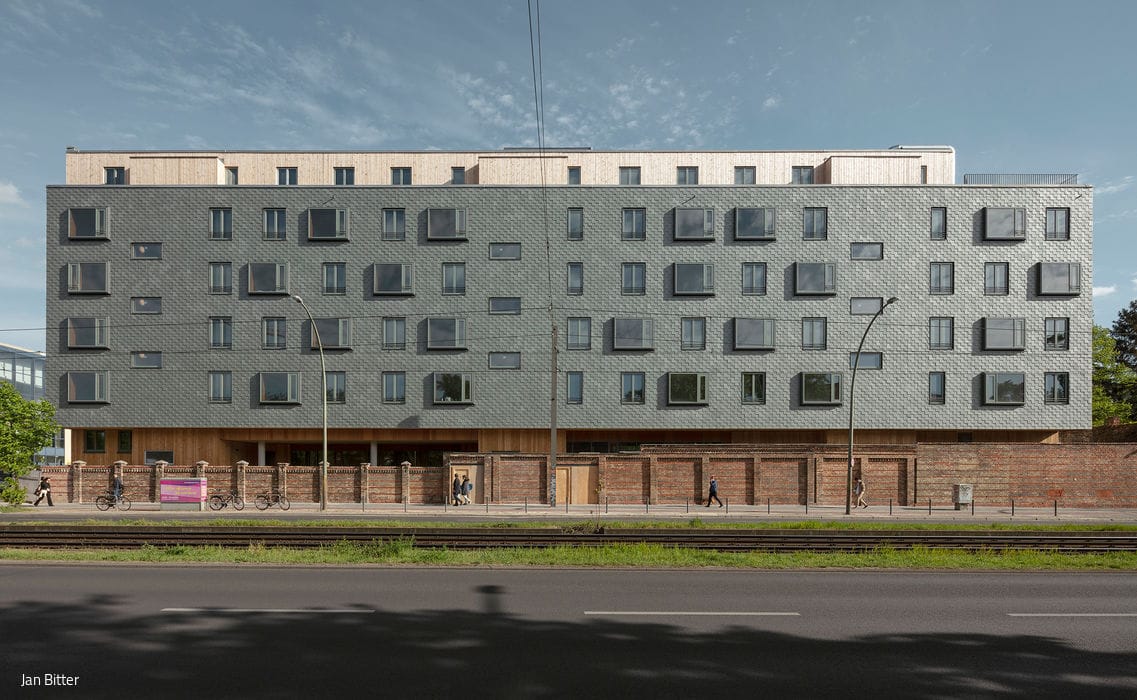
Building with Wood
One of Berlin's largest timber buildings takes shape in Friedrichshain.