


Green light for new urban district
The Kamp-Lintfort 2020 State Garden Show will be drawing visitors to the Lower Rhine region from 15 May 2020 onwards.
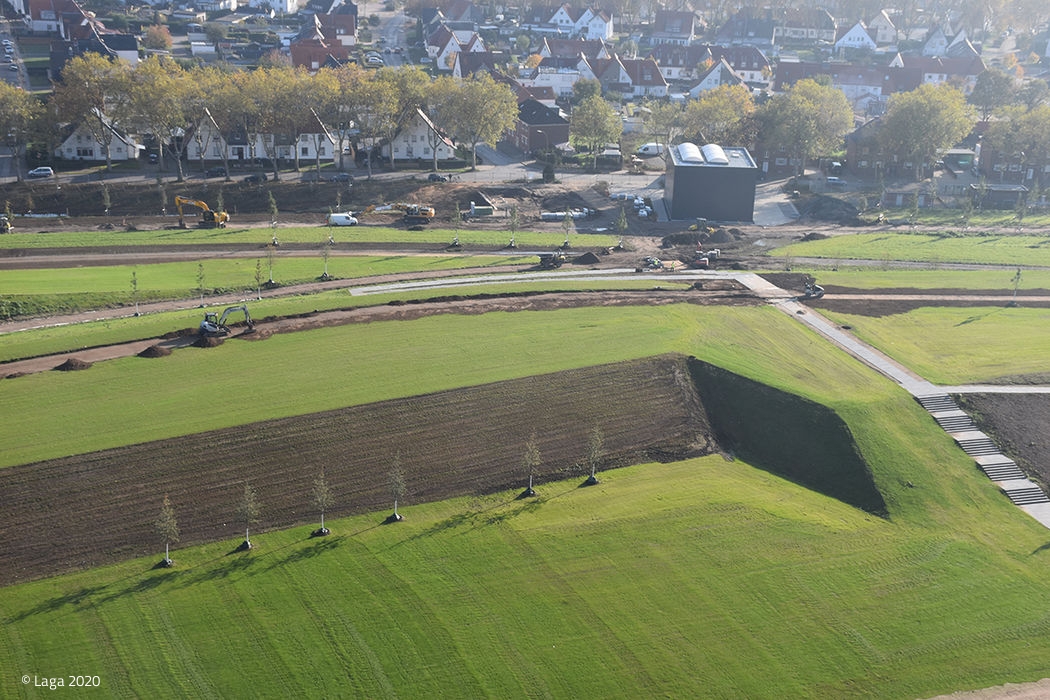
The town of Kamp-Lintfort, with a population of 39,000 in the west of the Ruhr area, is currently reinventing itself. Formerly a monastery village, then a mining town, it has been a university location for ten years and is now the venue for the State Garden Show. Laga 2020 is a great opportunity to shape the necessary structural change in terms of urban development.
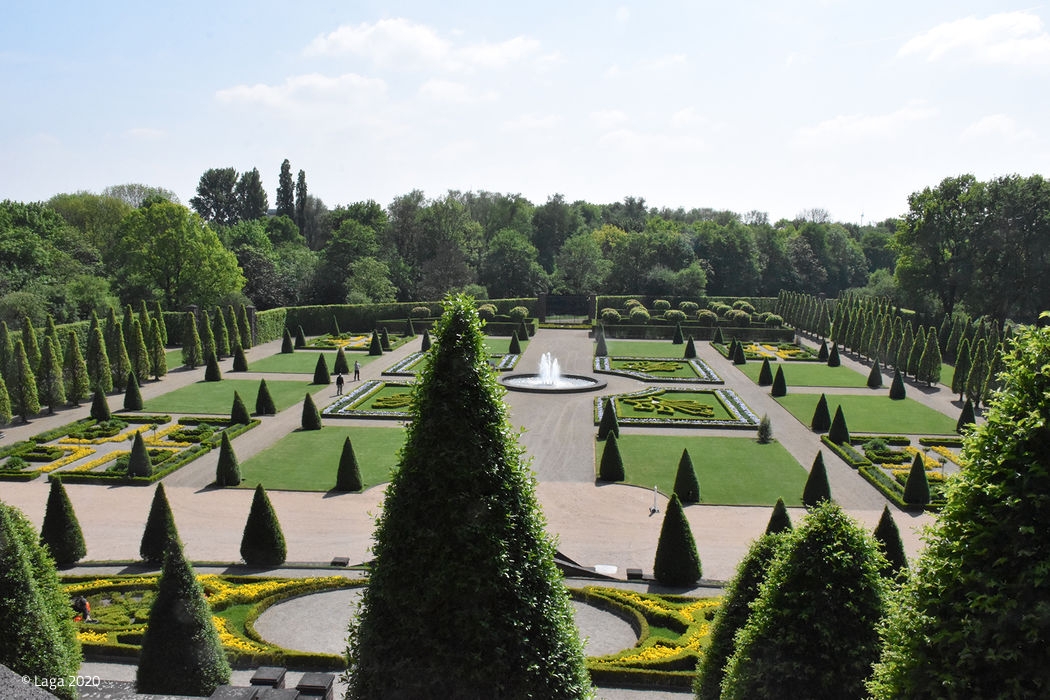
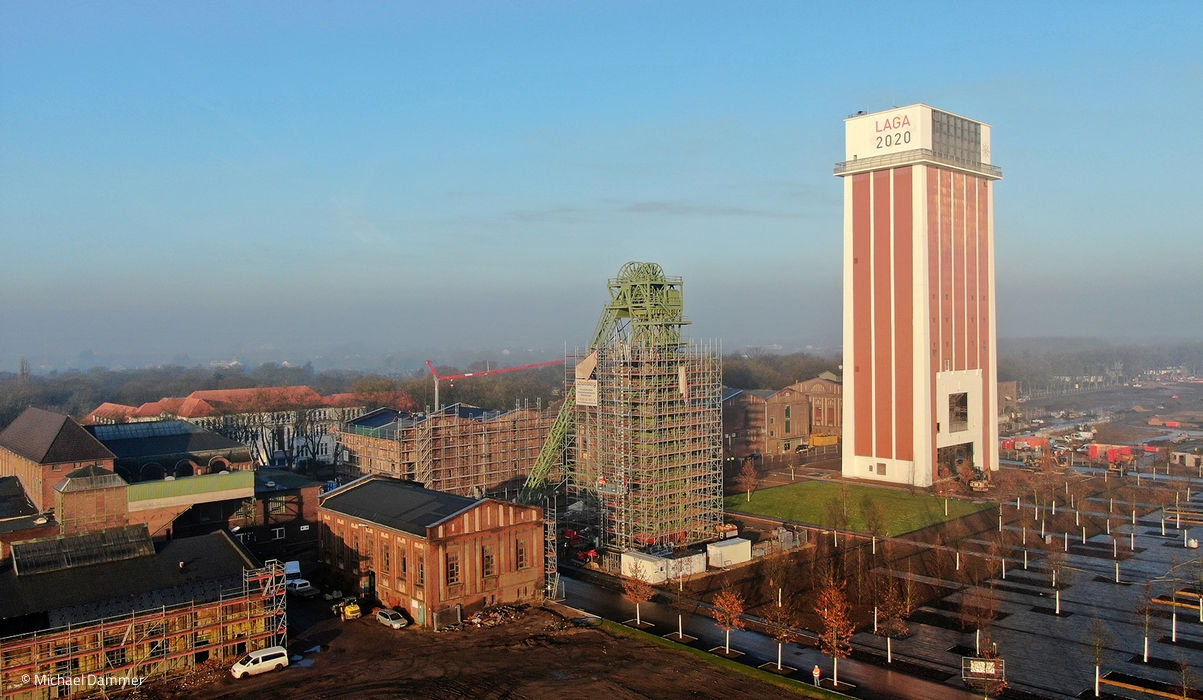
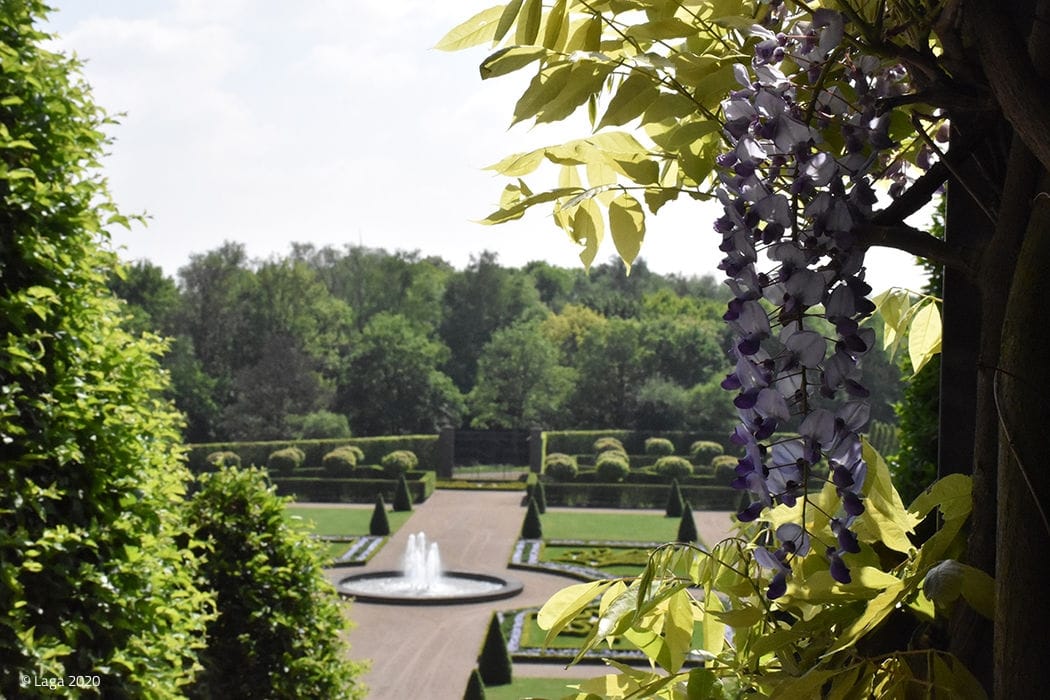
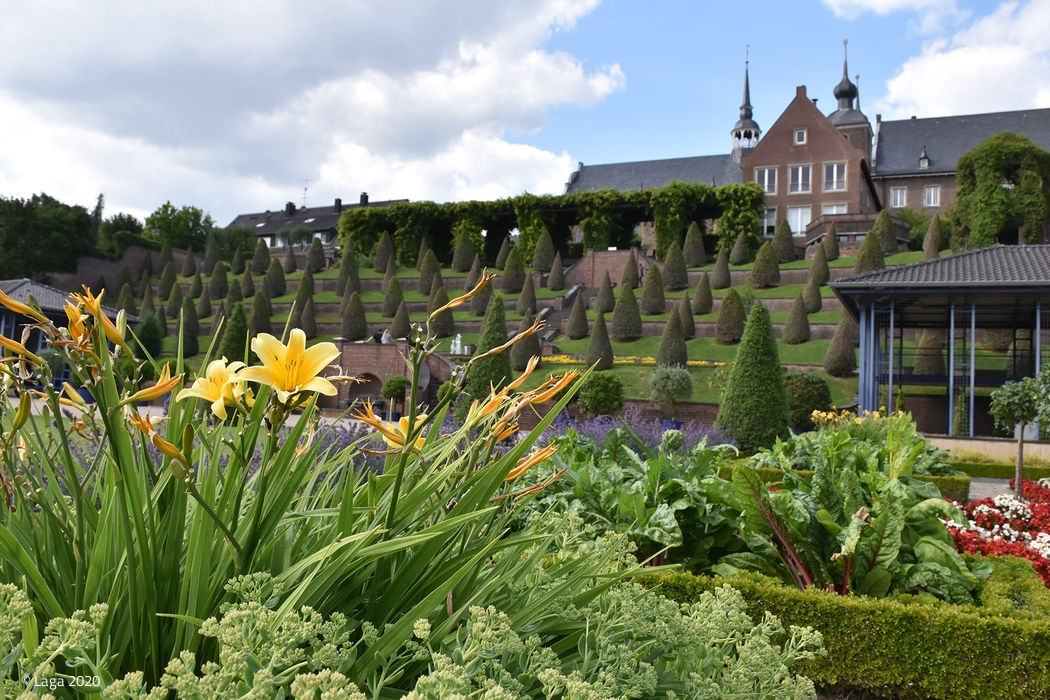
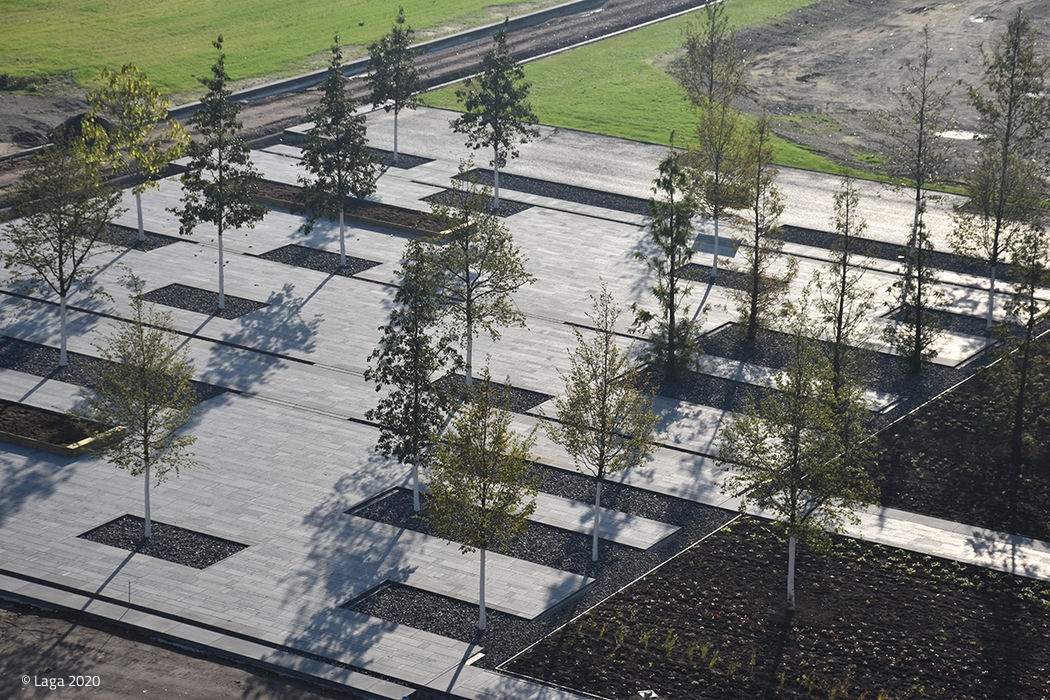
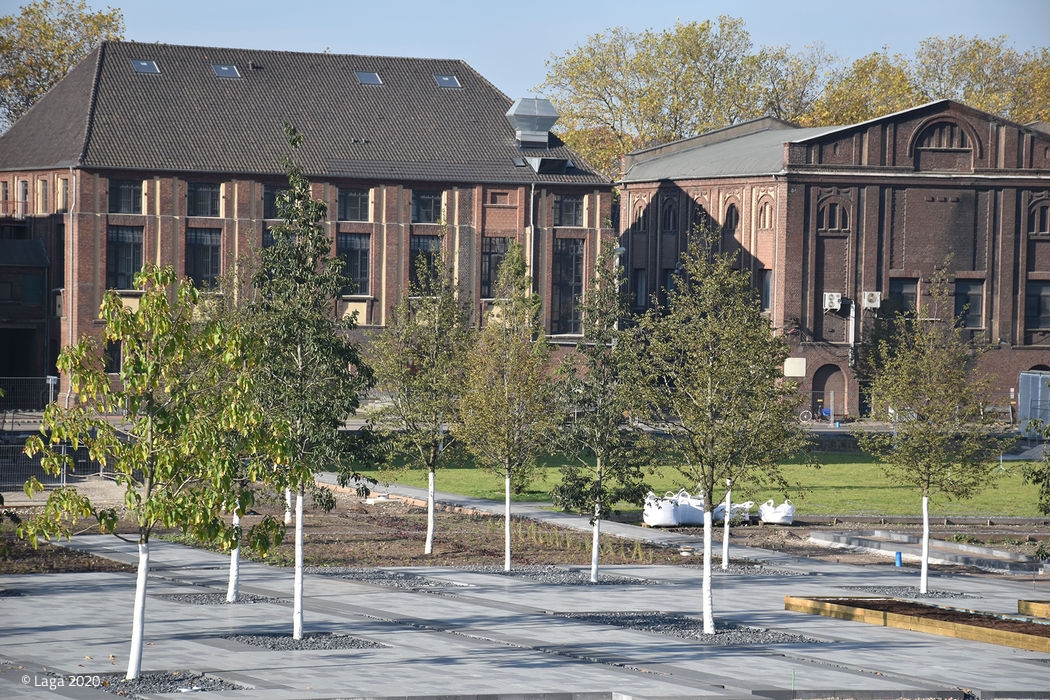
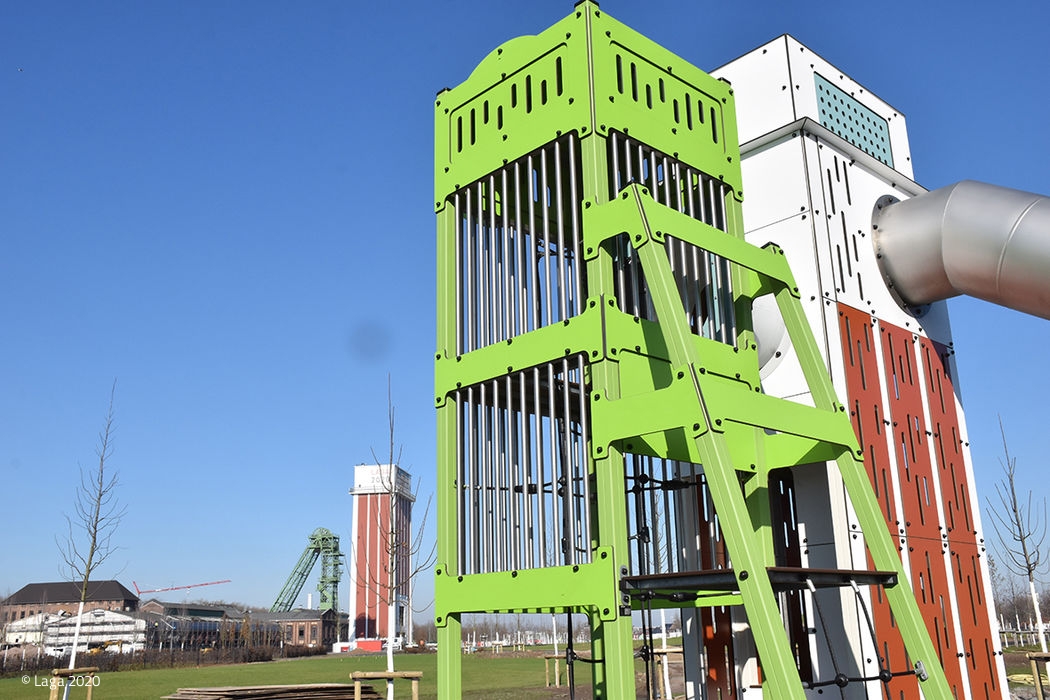
Garden shows offer attractive plantings, trends and horticultural expertise. But they are also valued as a powerful tool for urban development. The authors of the winning design for the colliery park, the landscape architecture firm bbzl, Berlin, developed the defining structure of the open space concept on the former colliery site based on the course of a stream, the Große Goorley. After 100 years of mining use, the site will be open to the public again for the first time in May 2020 as a large, open space. The remains of the colliery and coking plant are safely enclosed in the landscaping. This means that the miners' "old settlement" will be well connected for the period after the Laga. The Laga also marks the start of the new Friedrich Heinrich urban quarter. From 2021, around 800 new residential units, including multi-storey apartment buildings and private homes, will be built on around ten hectares of temporary exhibition space in the heart of the city. Services and non-disruptive businesses will complement the residential use. After the Laga, the new urban quarter will have a large local recreation area on its doorstep and a rail connection. All temporary contributions are located on the construction sites of the future quarter, so that no dismantling measures are necessary in the rest of the park. The result is a robust public park that can be extensively maintained and further developed even after the Laga. Landmarks include the monumental "conveyor tower" with a viewing platform at a height of 70 metres and the historic steel conveyor frame. The first tree on the Laga site was planted by North Rhine-Westphalia's Minister President Armin Laschet in September 2018. A visible sign of the dawn of a new era. Around 270,000 bulbs and 22,000 perennials were planted in the Zechenpark alone, as well as around 800 large trees, selected with current climatic requirements in mind. In the Zechenpark, as in the historically significant Kamp Abbey, visitors will find numerous horticultural contributions with ideas for gardens, balconies and terraces at home. The Zechenpark and Kamper Gartenreich are connected by the newly designed public walking trail along the course of the Große Goorley. The gardens of Kamp Abbey have been reconstructed according to historical models. The Old Garden and the orchard bloom at the foot of the Abbey Hill with the new Paradise Gardens on the eastern slope. The terraced garden is characterised by sculpturally trimmed trees and shrubs, fountain wells, a staircase and a baroque parterre. Tradition and modernity meet on many levels, not only in the monastery garden and the Zechenpark.
(Published in CUBE Ruhrgebiet 01|20)
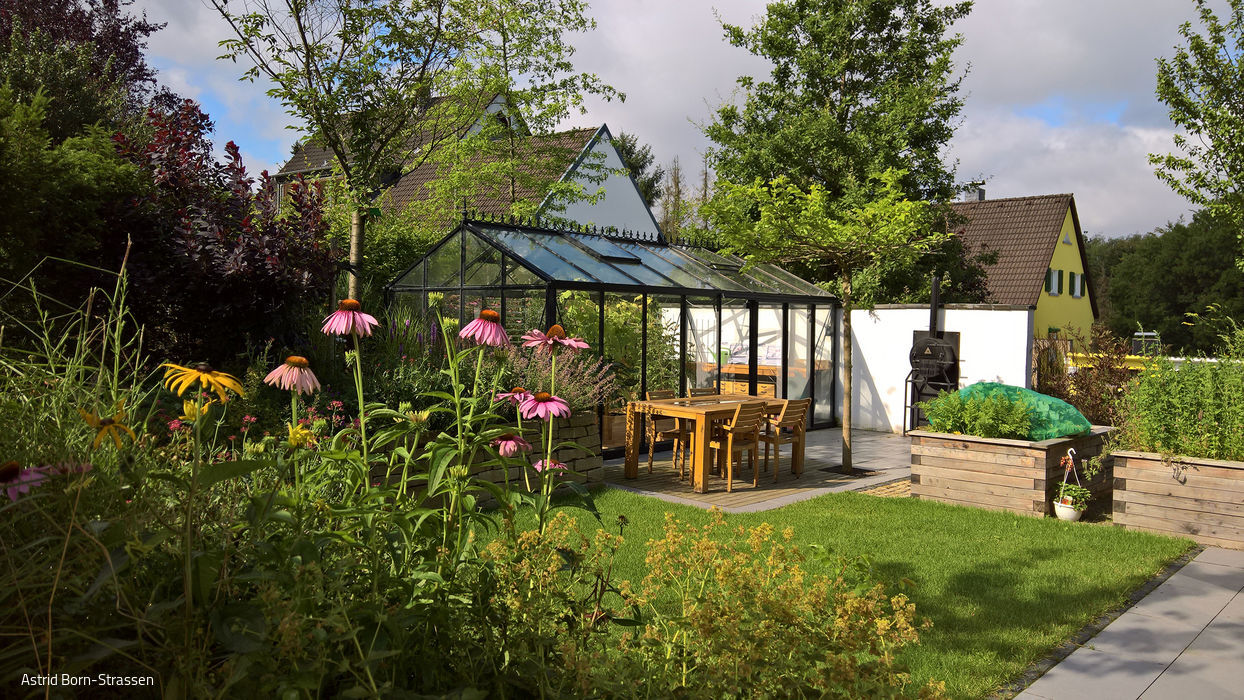
A Garden Paradise in Miniature
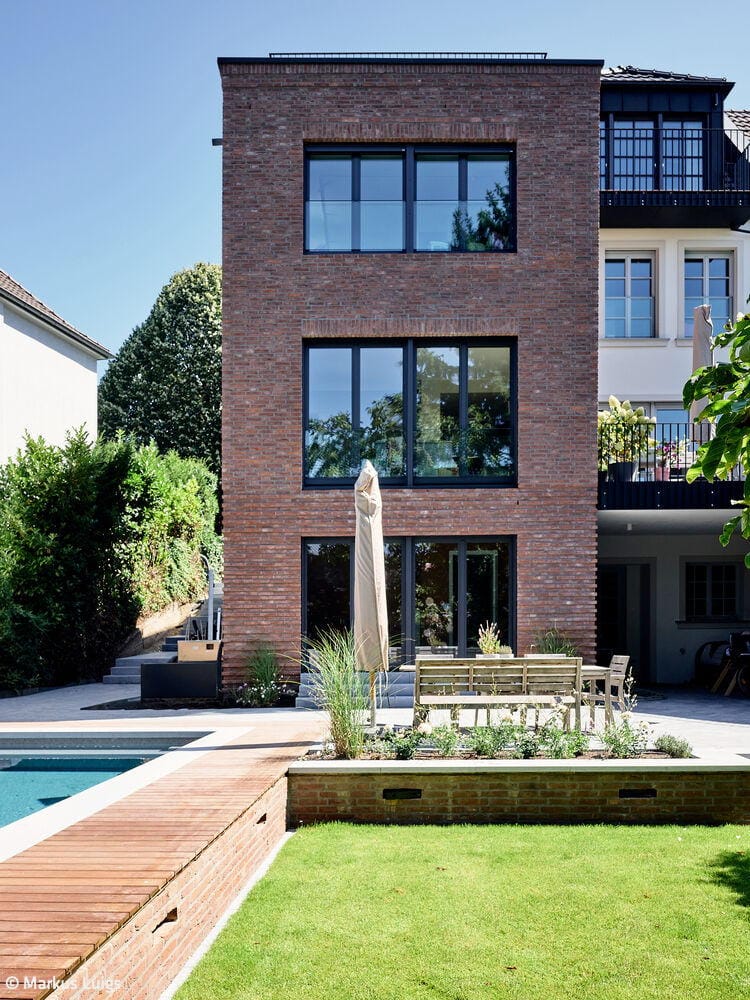
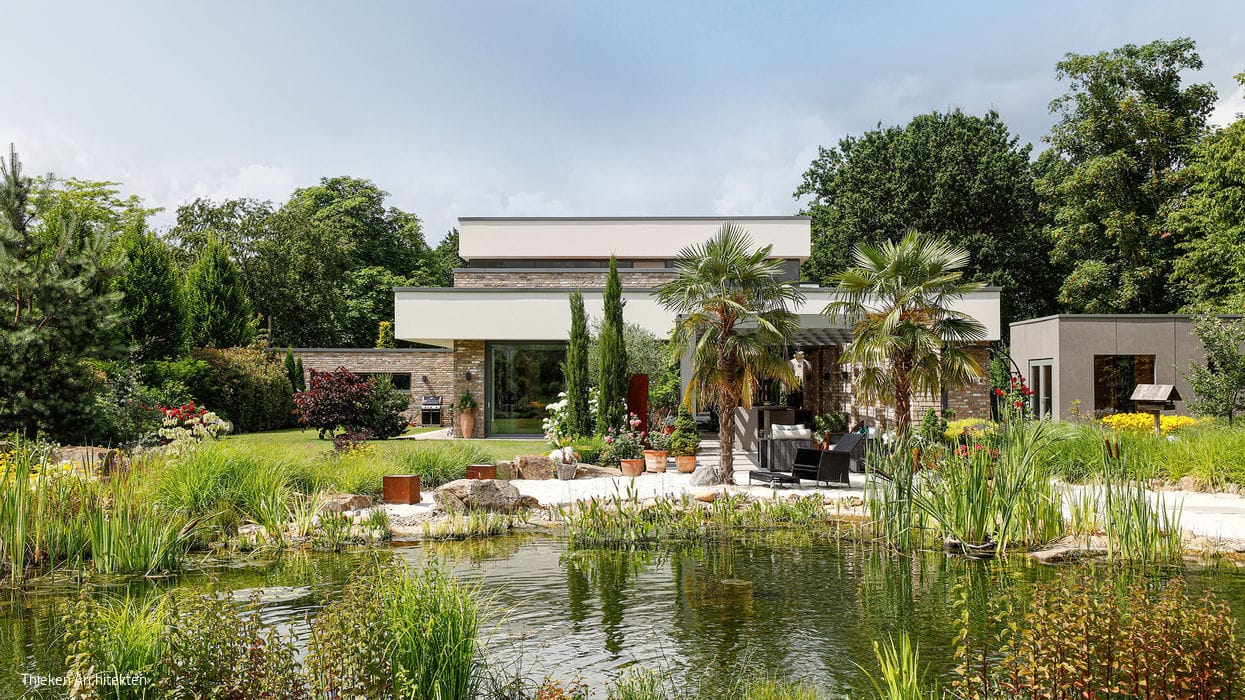
A blank expanse of lawn becomes a sophisticated outdoor living room.
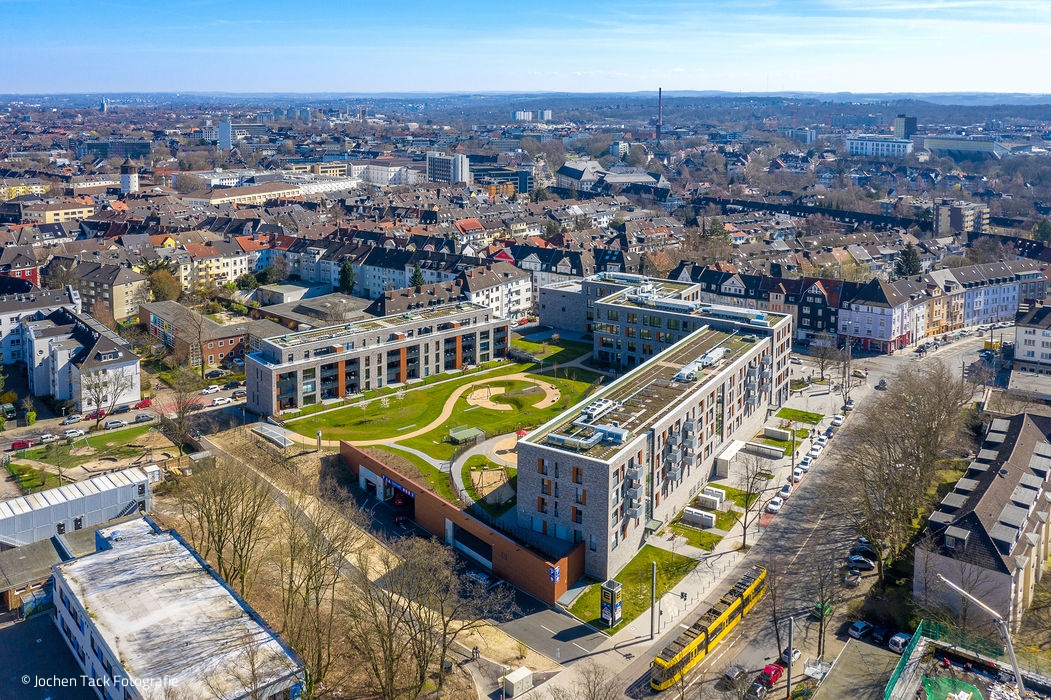
New District Center
This Nattler Architects-designed building contains 42 subsidised residential units ranging from one-and-a-half to three-and-a-half rooms, plus 29...
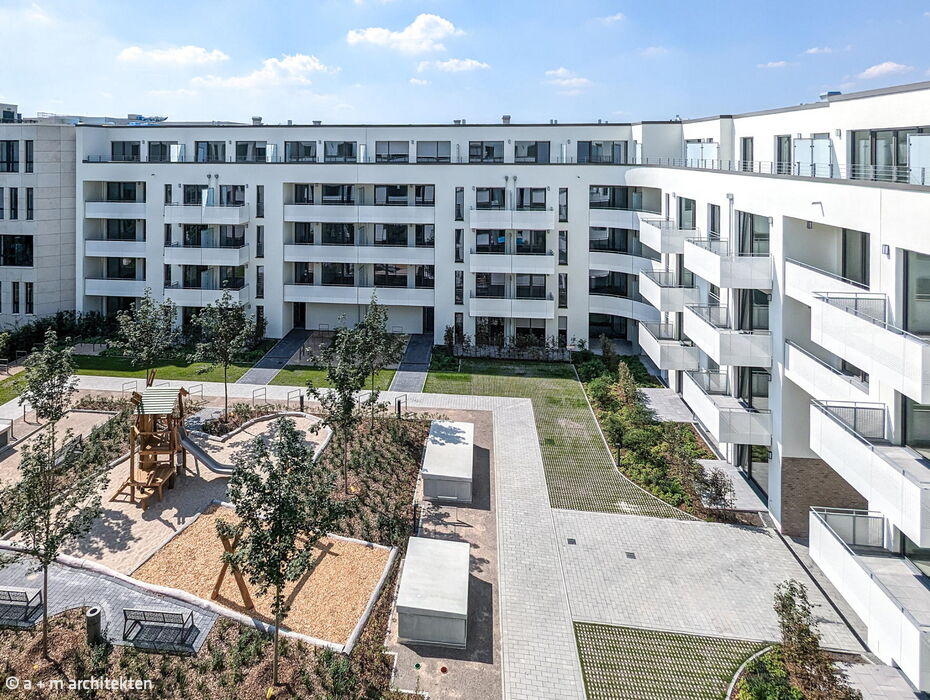
Urban Living
Weststadt Essen: Where Quality Living Meets Affordability
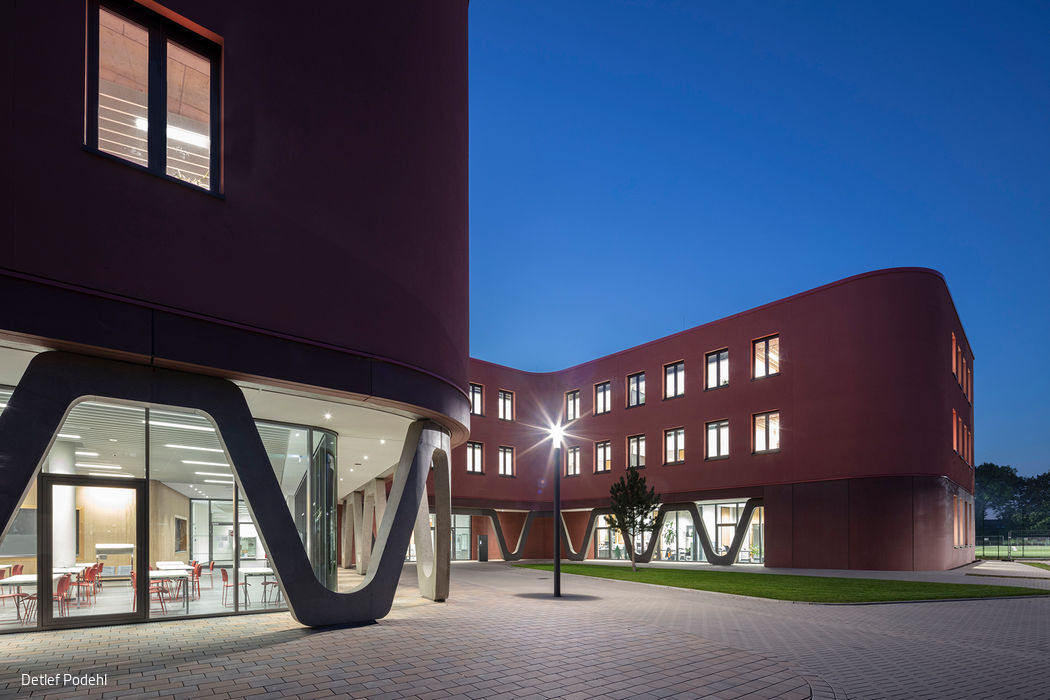
Less, but Better
The new Reinoldi Secondary School in Dortmund transforms the learning environment