


Improving things for many
Monika Lepel on today's office environments, her beginnings as an interior designer and the cityscape of the future
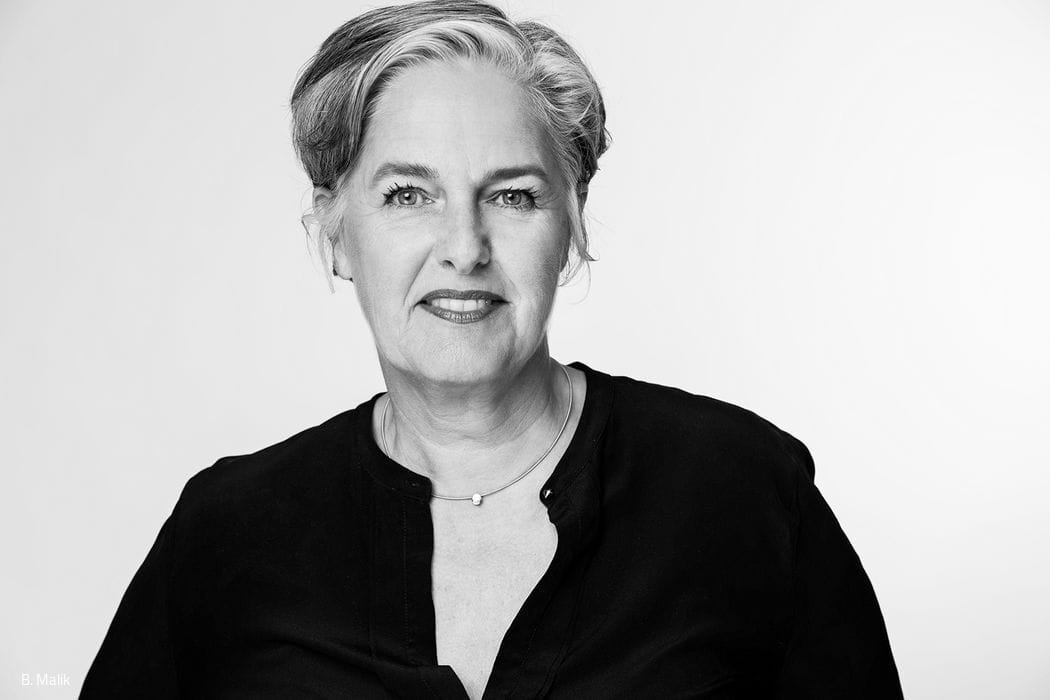
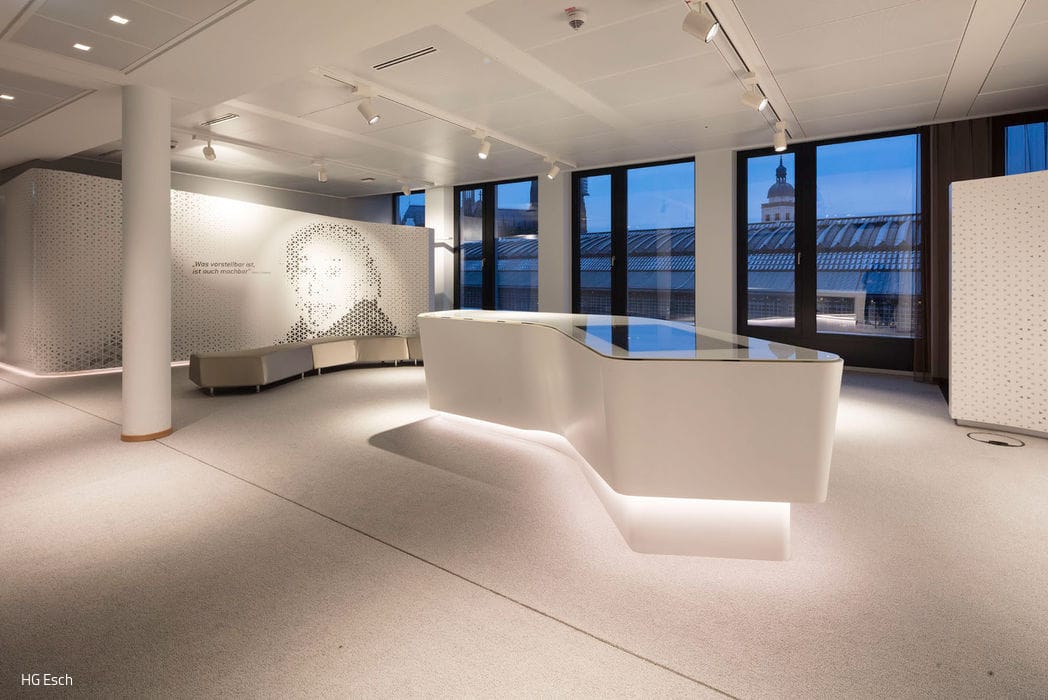
CUBE: Ms. Lepel, the past year has been dominated by the coronavirus pandemic. How has this situation affected your work and your projects?
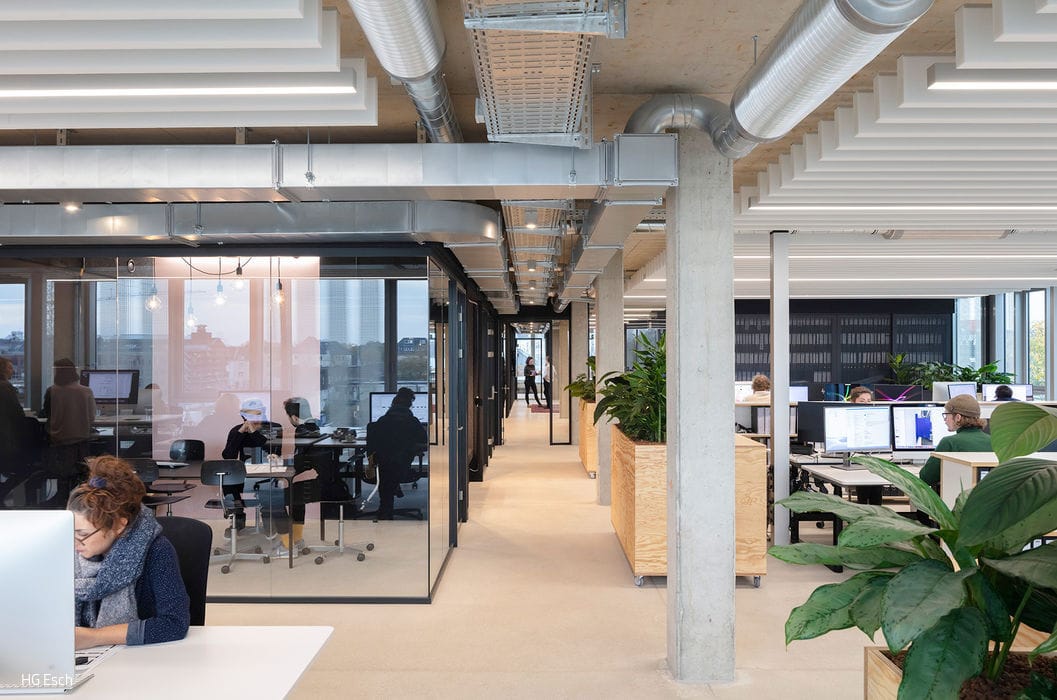
Monika Lepel: First of all, speaking personally, we benefited greatly from moving into our new offices last year. Overall, we were well prepared, from our powerful server and extensive IT measures for our employees to the mobile office, which we had already introduced some time ago for certain positions and areas of activity. Nevertheless, it was also exhausting to constantly cater to individual needs. It required a lot of leadership on a human level. The fact that it went so well is also due to our commitment to adhering to clear rules in the office. In addition, we naturally enjoy the fact that we have designed our office to be so spacious.
As far as projects are concerned, we have noticed that the path to digitalisation that we have already embarked upon with our customers has led to an acceleration and a greater sense of urgency. Even critics are finding that things are working much better than they had previously thought. The need to move forward now has become clear to everyone once again in recent months.
What challenges are your clients facing right now, and what's your advice?
Our projects and inquiries are all centered on the "new normal." We're working closely with clients to reconsider spaces we've already designed—asking how we can implement design strategies that foster better collaboration. Yes, with more people working from home, you'd think fewer offices are needed. But that's a misconception. We may need fewer large offices overall, but we need fundamentally different kinds of large offices now. We're rethinking spatial distances between employees from the ground up.
You've long argued that digital transformation has turned conventional office architecture thinking on its head. What new challenges are emerging now?
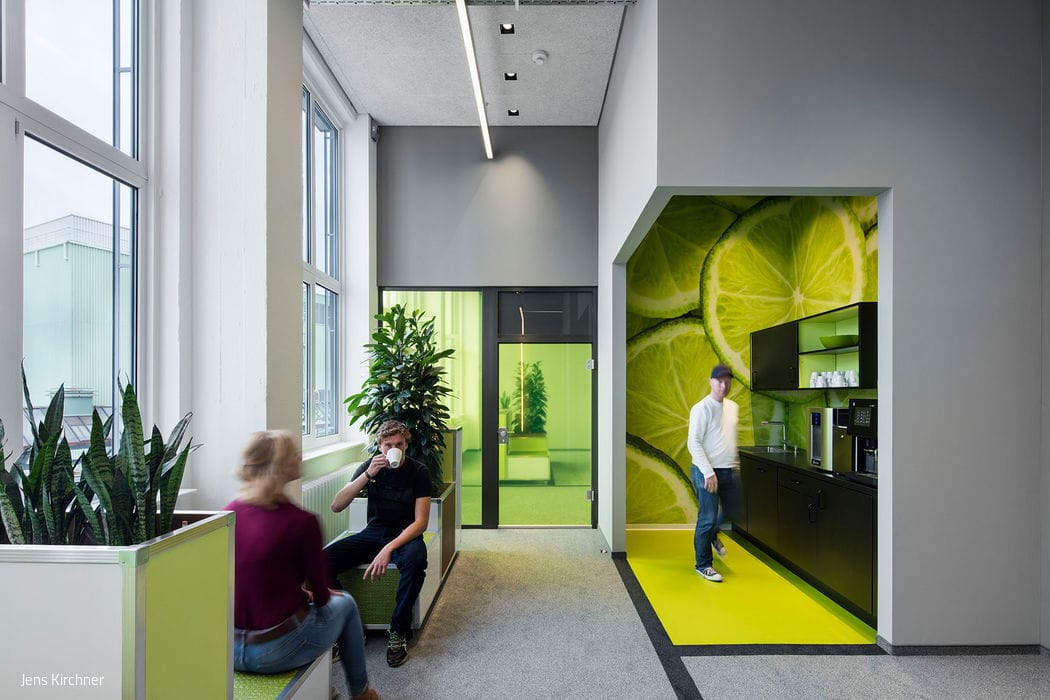
We've been working with digital transformation for twelve years—we designed the Google Office in Düsseldorf during that period, for instance—so this isn't really new territory for us. We can view the present moment with genuine perspective. One key insight has crystallized over time: physical presence alone is no longer proof of productivity—it misses the whole point of work. Today, the office is where things happen: where inspiration strikes, ideas are exchanged, and collaboration occurs. That's exactly the kind of space we design. We see ourselves in these spaces; we want to create something meaningful. Our digital clients especially inspire us—they're innovating, making real impact. So there's a natural alignment: the spaces we love designing are perfect for the clients we love working with.
That sounds like considerable prep work before actual design begins.
Exactly. First, we invest deeply in understanding—what we call "building relationships." We're passionate about what we call architecture of freedom: spaces that enable different ways of working. We also believe in discussing needs rather than opinions during the design process—that's my philosophy. Opinions shift: what makes sense today might not tomorrow, and different people will interpret things differently anyway. We focus on understanding what people truly need from their spaces and how they want to feel in them.
What changes do you foresee that we can barely imagine today?
I'm thinking of shifts that haven't yet entered the mainstream conversation. I'm convinced that neighborhood development—the balance between living, working, and leisure—will be completely reimagined. We're already talking with forward-thinking companies who see their headquarters not as a building but as an ecosystem. They're asking: What network do we need to create so that leadership, employees, suppliers, and clients all thrive and exchange freely? Our office is well-positioned for this, with architects and interior designers who engage with urban structures and planning. We also collaborate with sociologists and psychologists, creating an interdisciplinary network we're continually expanding.
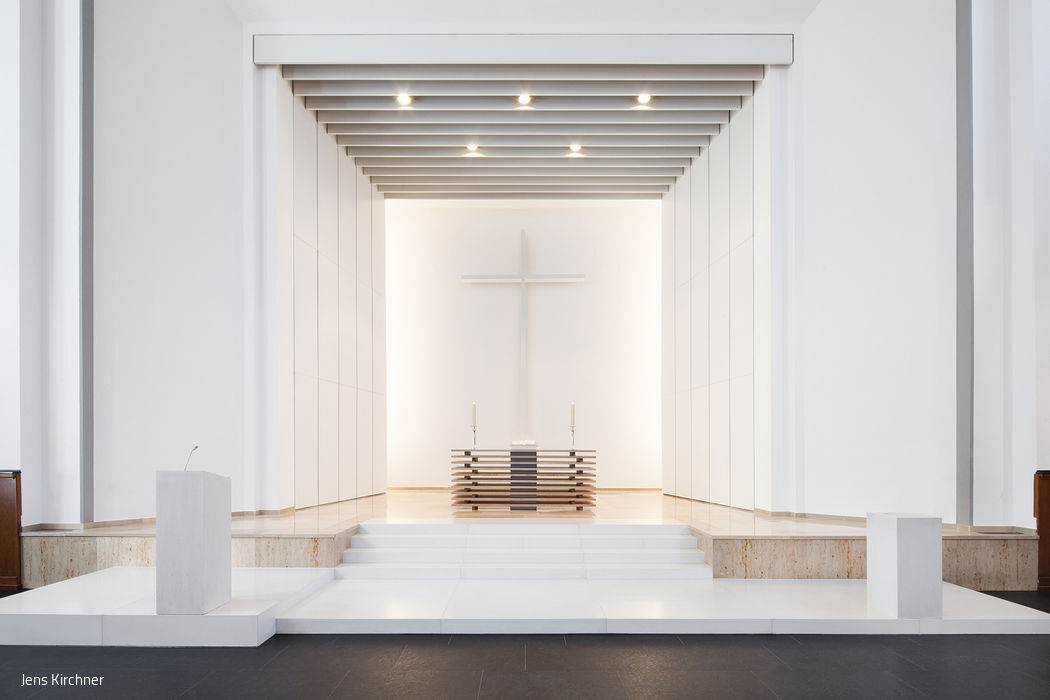
Let's discuss the exhibition "Women Architects: Women in the Architecture Profession." Your project, "Redesign of the Altar Space in Luther Church, Düsseldorf," is featured there. You've called it your most personal project. Tell us about it.
When designing spaces for community life, I often feel a deep personal connection, and sometimes there's a moment of profound inspiration. Luther Church was one of those projects. For me, a church interior represents the highest design aspiration. I'm drawn to creating beautiful conditions where communities gather. The real challenge is enabling people to feel connected to something transcendent—to experience freedom and openness. We achieved that at Luther Church, and the community feels it too.
Looking back: When you started out as an architect, what future did you envision for yourself?
First, I should say: interior design didn't carry the same professional weight in my early career that it does today. But I've always been passionate about improving living conditions—for many people, not just a select few. In my early years as an employee, I didn't dwell on where I wanted to go. I was grateful to have work at all. Gradually, opportunities and responsibilities came my way—people trusted that I could design at a larger scale and take on bigger roles.
What advice do you give to young female architects when you see potential in them?
Two things. First, recognize your core strengths and talents. Second—and this differs from my own path—define your career goals clearly and articulate them, including to employers. We practice this in our office, but ultimately, employees must drive their own advancement. It's your responsibility to set your goals and be honest about what you're willing to invest to achieve them.
Is it harder for women to establish themselves in architecture today?
The landscape for women in interior design and architecture is genuinely excellent today. We can openly discuss women's representation and equality. Plus, globalization and digitalization have expanded the conversation so broadly that everyone can find their voice. My generation still has to push, but we can—and we do. There are inspiring female role models, women's networks, mentoring programs. I don't think it's difficult to establish yourself now. If you want it, the opportunities exist. The real challenge is sustaining that desire over time, because commitment always involves sacrifice.
Finally, what does the future hold for you? What issues matter most?
One personal dream is bridging the gap between young and old through design. Buildings should be accessible and barrier-free as standard, not as an afterthought. When clients commit to accessibility—which for us means truly listening and understanding needs—we can factor in appropriate spatial solutions and dimensions from the start, without incurring massive redesign costs later. The public sector has done this for years. Yet many still believe accessibility is prohibitively expensive—it's a mental block. Same with sustainability. Going forward, it should cost more to build unsustainably. We're considering a contract clause requiring builder consent if they choose not to build sustainably.
One final question: Your office is in Cologne. What's your vision for its future?
Urban development is particularly close to my heart. We need a much stronger mix of work, living, gastronomy and leisure facilities in shared spaces. At the moment, progress is still very slow. These so-called mixed-use buildings are an absolute must. These buildings are very successful properties in terms of marketing. In the next cycle of use, after a sale or a change of tenant, it must also be possible in future to redefine the requirements. That is what we mean by architecture of freedom. Creating a good, robust and resilient structure that allows for very free use with minimal intervention. I would also like to change the cityscape in the city centre. The first thing I would do is change the advertising regulations and speed up the issue of parking spaces, taking into account the impact that new mobility concepts are having on the face of our cities. Public space is the greatest asset we have. Unfortunately, this is still viewed in a very technocratic way in this country. Beauty is a human right, and I would like to promote this in Cologne, in the city centre and in the districts. The quality of the city should be addressed with greater authority. A sustainable city must be beautiful – beautiful and smart.
Ms Lepel, thank you very much for talking to us.
The interview was conducted by Elena Berkenkemper.
Monika Lepel
Monika Lepel has been running the Lepel & Lepel Architecture Interior Design office in Cologne with her husband Reinhard Lepel since 1994. She taught design fundamentals at the Peter Behrens School of Arts in Düsseldorf. Prior to that, after completing her training in Düsseldorf and Salzburg, she worked as a senior interior designer at KSP Cologne.
At Lepel & Lepel, architects and interior designers work on an equal footing and with equal strength – both on specific projects and jointly – on construction projects. The focus is on creative spatial concepts that support digital transformation in companies. The office of the future is Lepel's central theme, which they regularly communicate in lectures, seminars and workshops.
(Published in CUBE Cologne Bonn 04|20)


Soulful Spaces
A Cologne apartment transformed into a personalized sanctuary through thoughtful design decisions.
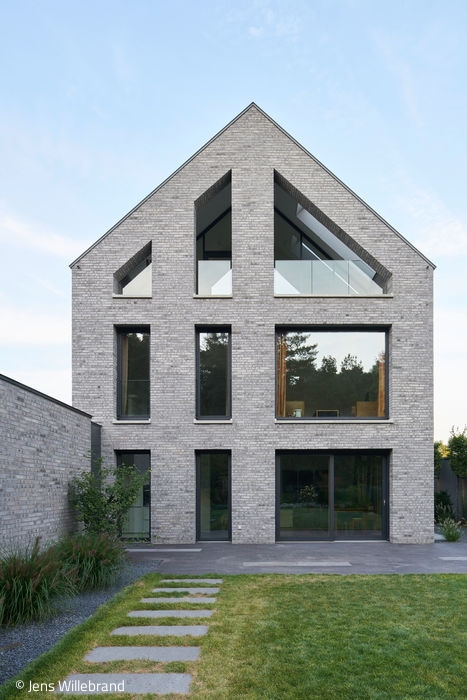
Less is More
Stripped to essentials: four walls and a roof
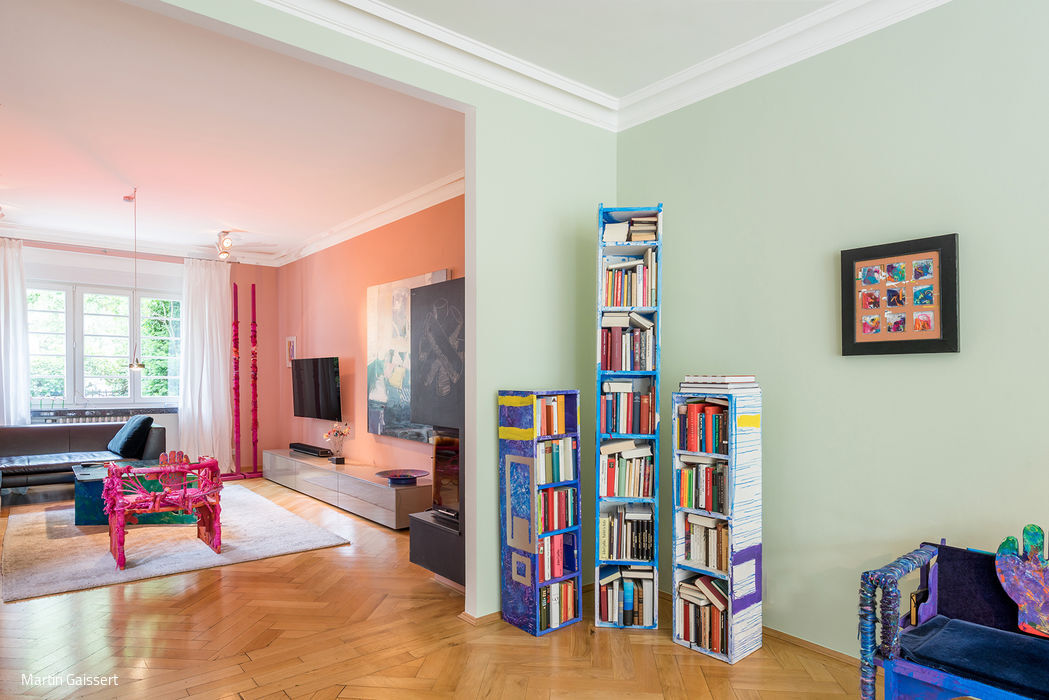
Chromatic Harmonies in Art
In this art collector's villa, rooms and artworks engage in an elegant dialogue
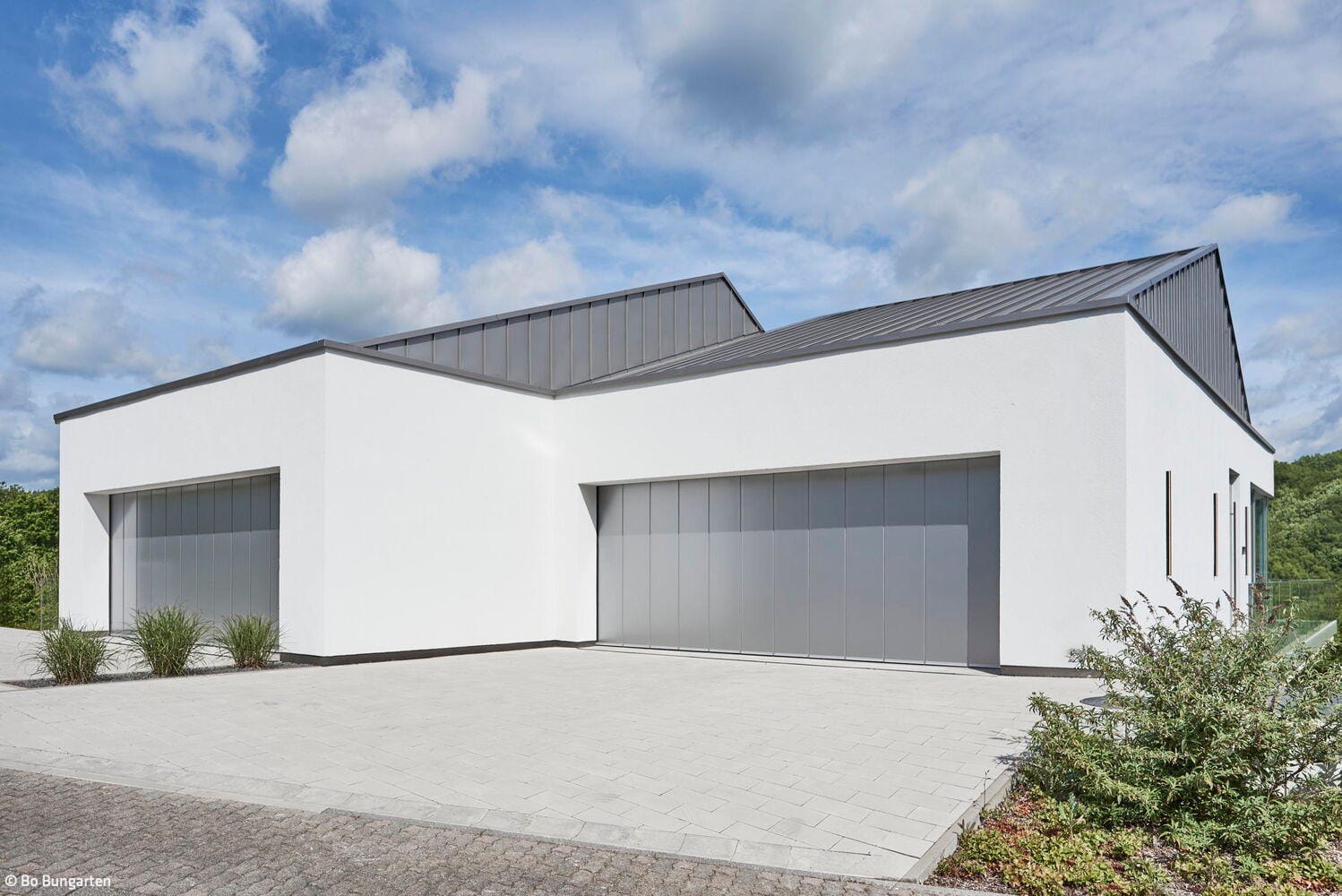
Spectacularly Staged
A gathering place for motorsport enthusiasts and seekers of tranquility alike