


Here to Stay
A holistic office concept that combines New Work principles with local relevance and Cradle to Cradle design


Many companies are grappling with a crucial question: what brings employees back to the office in the post-pandemic era, now that remote work has become the norm? The Cologne office of management consulting firm Drees & Sommer, which specializes in construction and real estate, offers a compelling answer: "Here to Stay." The holistic office concept realized at their long-standing headquarters in Westgate am Rudolfplatz creates a powerful draw for employees while serving as a showcase for the firm's vision of innovative office spaces in an evolving work environment.
An internal, cross-disciplinary team of project managers and planners spent eleven months reimagining the space—all while keeping operations running. They began with a critical question: how many workstations do we actually need? Surveying 260 employees about their work patterns and mobility habits, they arrived at a surprising answer: 130 desks. Half of the redesigned office was dedicated to collaboration.The design philosophy drew inspiration from urban planning itself: everything for everyone. "Like a city with neighborhoods where chance encounters happen alongside planned meetings, our workspace divides into four distinct zones," explains Daniela Schulze, New Work strategist and site director. The "Marketplace," "City Garden," "Kiosk," and "Cathedral" aren't just names—they're functional definitions. The Marketplace buzzes with energy; the Cathedral offers quiet focus. Guest areas and client meeting spaces inhabit the City Garden, with generous layouts for exchange and several flexible meeting rooms overlooking the treetops of Habsburgerring. The central kitchen sits on the Marketplace, surrounded by lounges and seating nooks—with views toward Cologne Cathedral—ideal for breaks and informal connections.The interior design embraced a principle of restraint: "minimal demolition, maximum reuse." Unused furniture from other offices found new purpose. Every material choice followed the Cradle-to-Cradle principle, ensuring recyclability, non-toxicity, and straightforward disassembly when the building eventually reaches the end of its life. Furniture, walls, and flooring can all be recovered at high quality or returned to biological cycles.
Photos:
Peter Neusser
www.peterneusser.de
(Featured in CUBE Cologne Bonn 03|24)

From Soccer Field to Experience Park
A sports and community park that weaves together established and innovative facilities into something greater
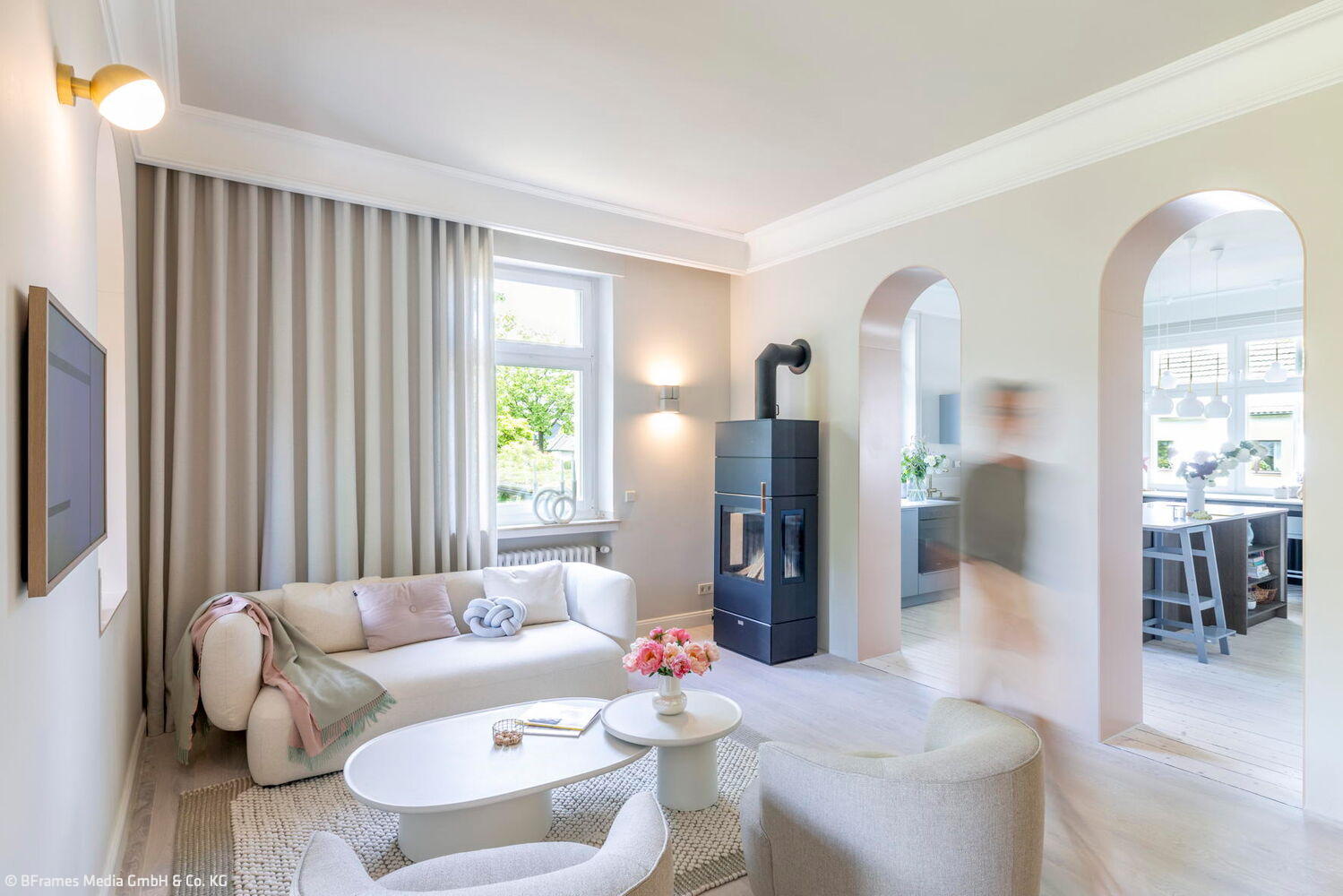
Art Nouveau Reimagined
From Three-Family Home to Singular Vision: A Stylish Family Villa
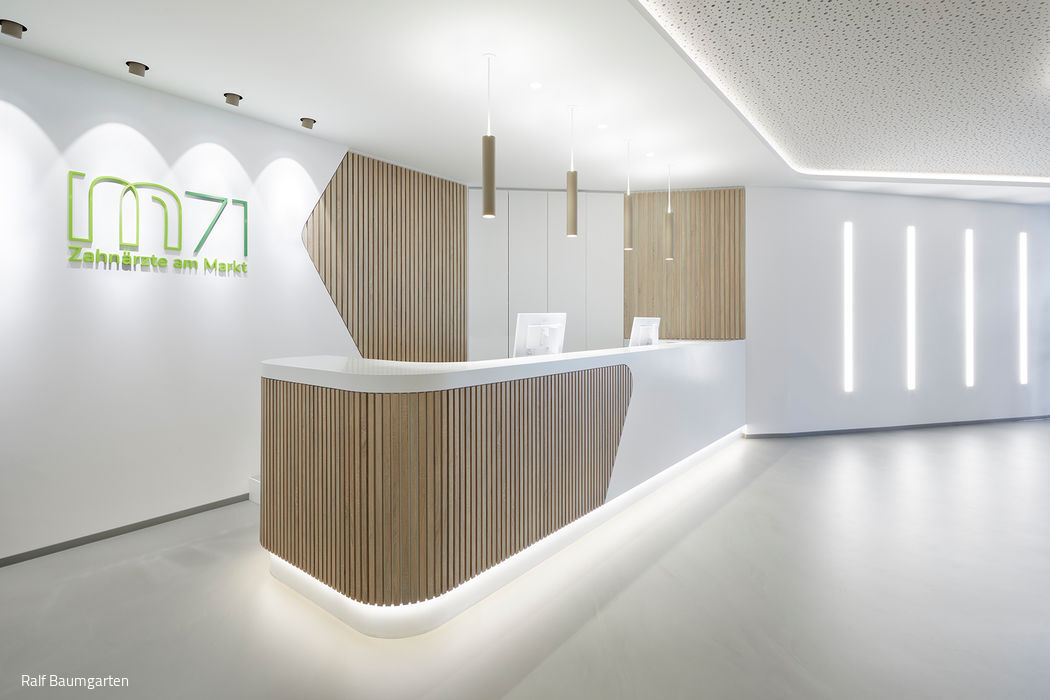
For a relaxed smile
A sanctuary of wellness: white treatment spaces enriched by oak accents and flowing curves
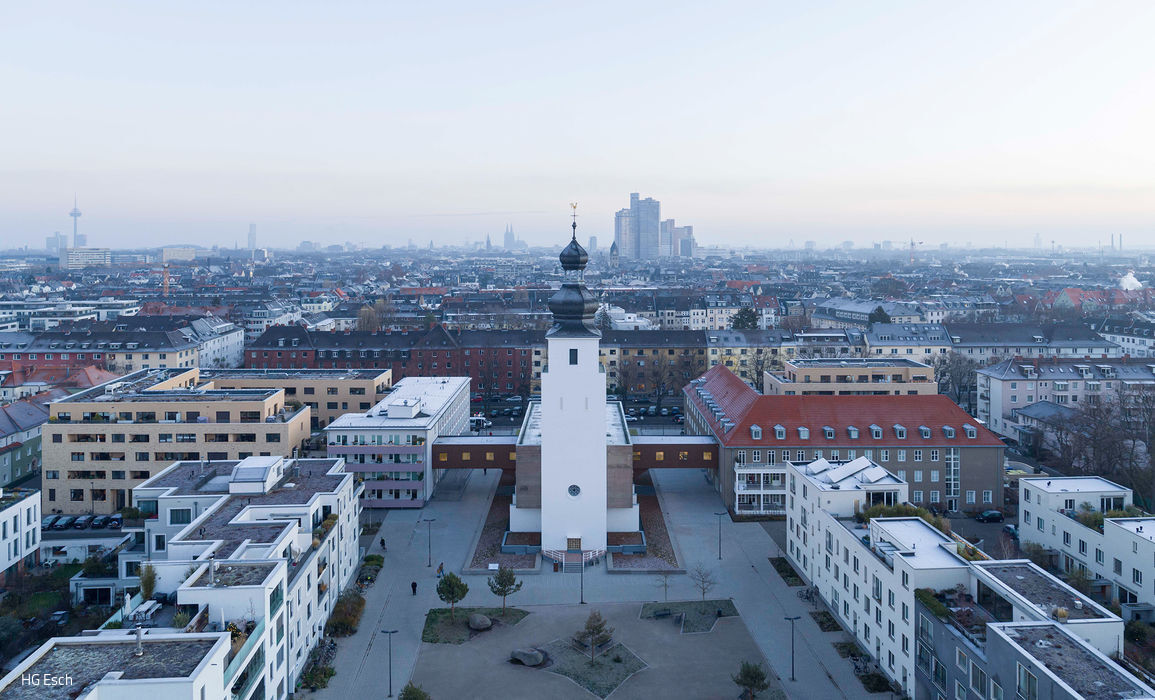
A village within the city
The district's focal point captivates with an uncommon mix of residential typologies and diverse uses.