


fraternal twin
A new home for residents and clubs in Mainz-Hechtsheim
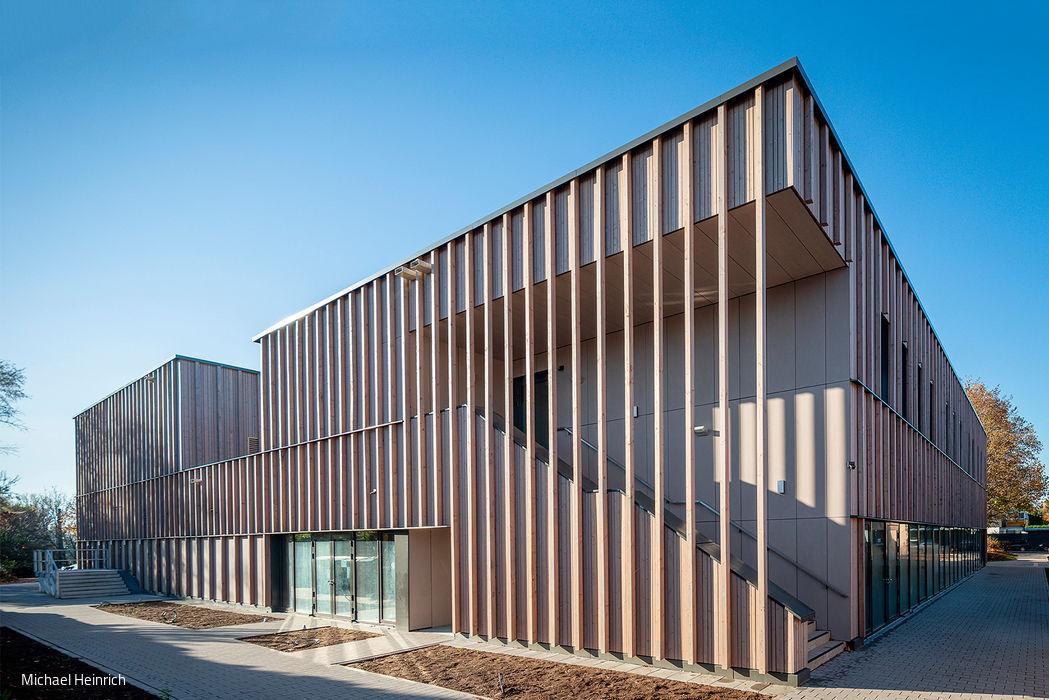


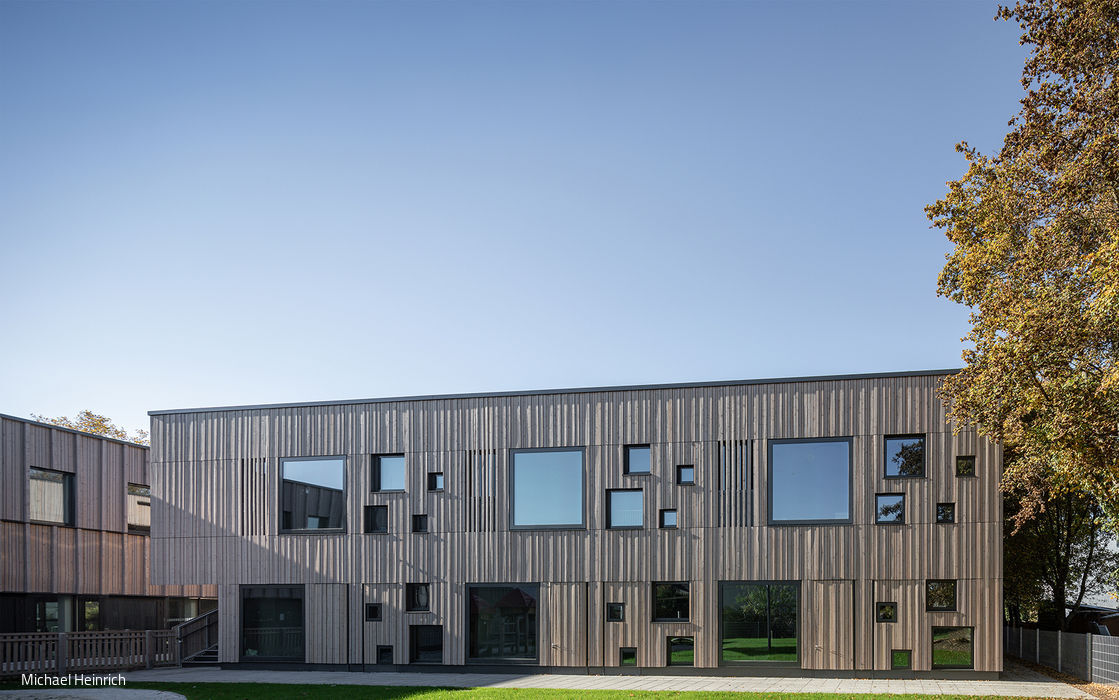
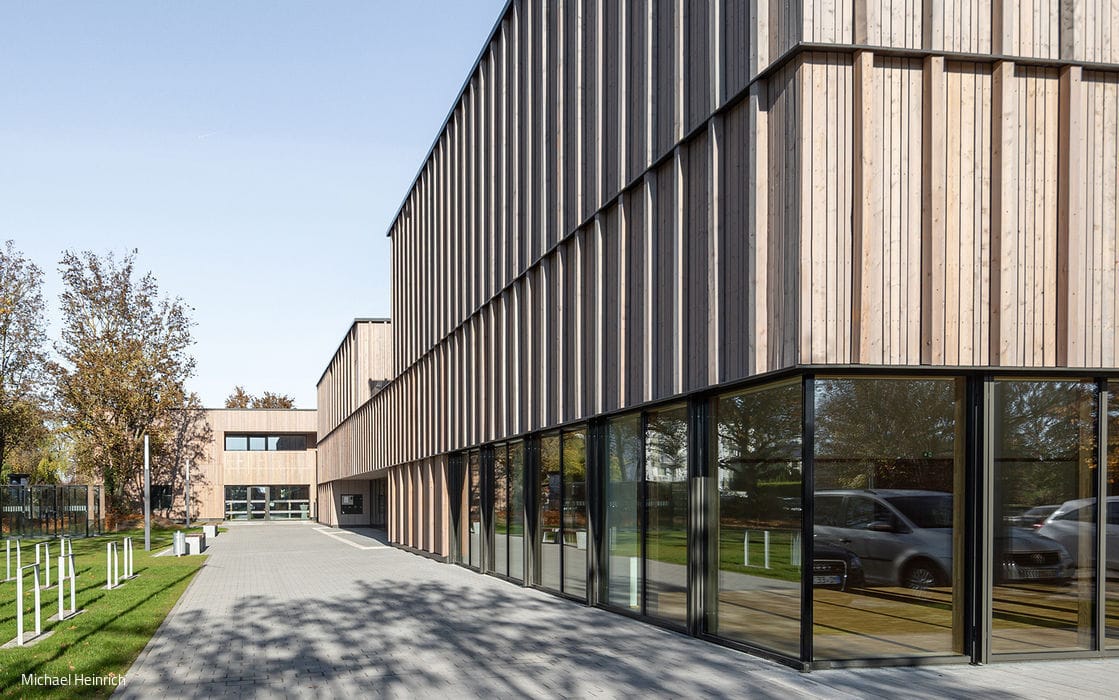
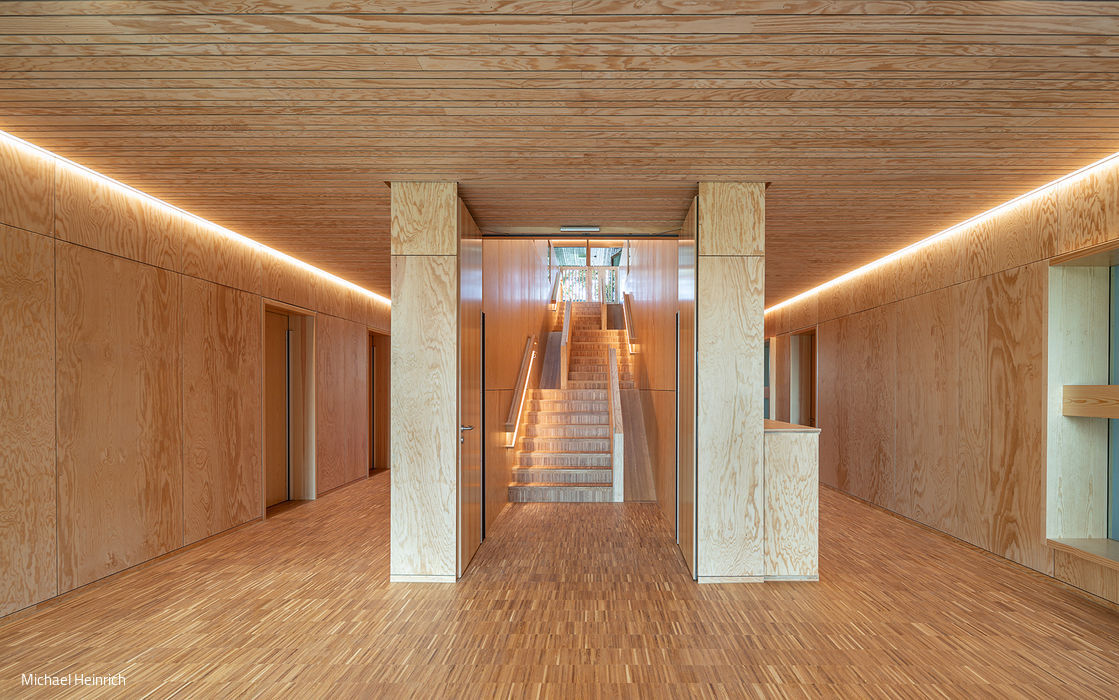
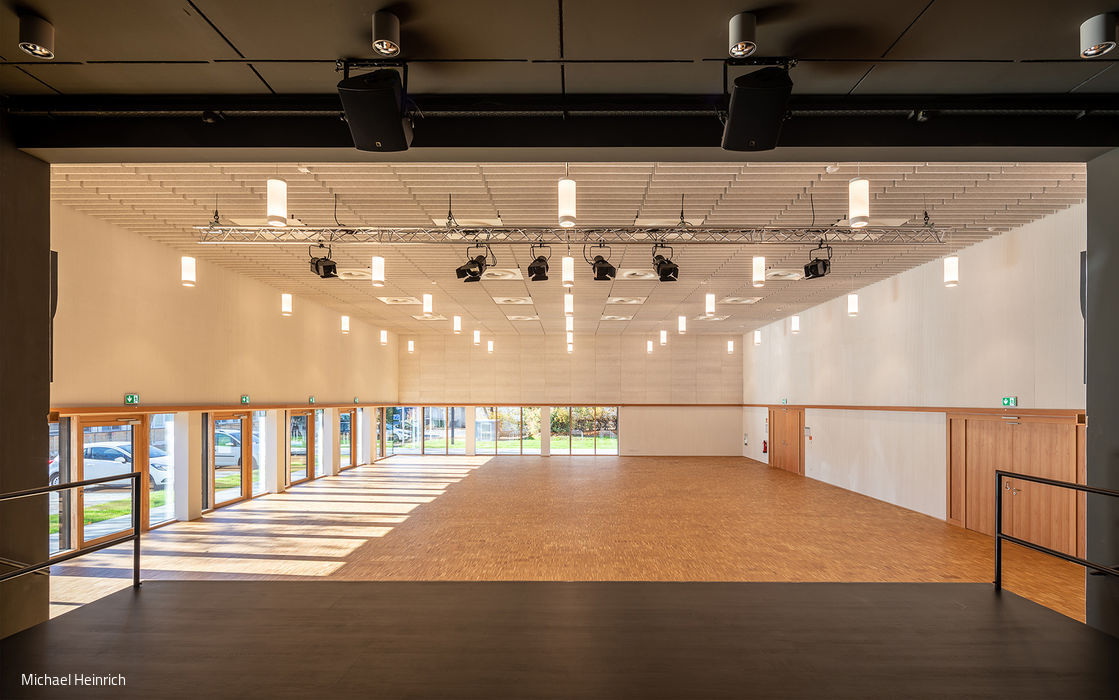

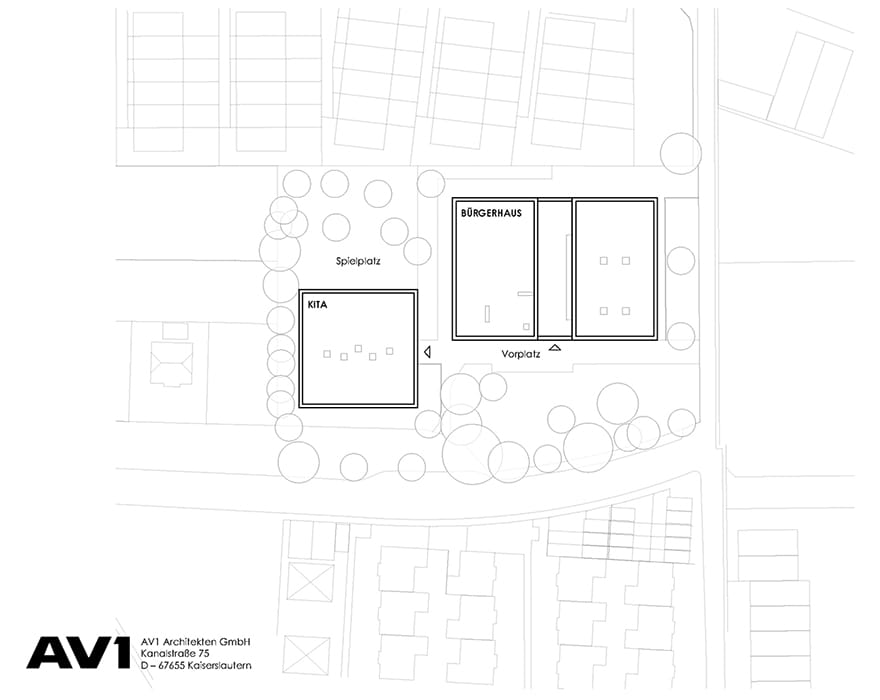
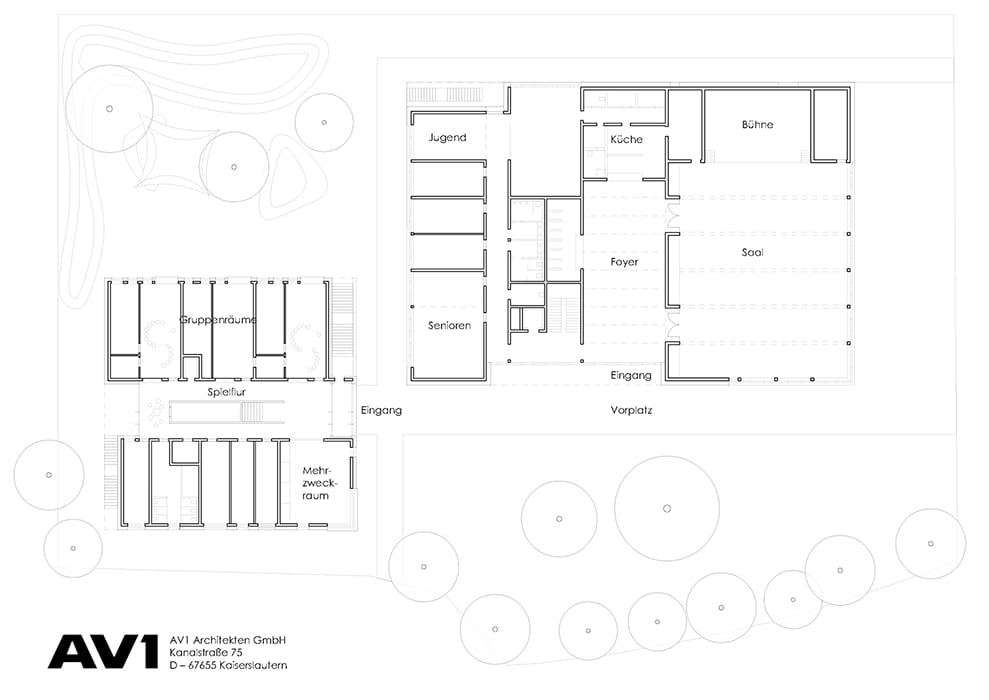
What appears extremely compact from the outside offers space for a variety of functions on the inside. The new community centre in Mainz-Hechtsheim provides space for events and activities of all kinds, as well as rooms for a daycare centre. A centrally located, single-storey foyer divides the three-part building into two functional units: the first houses the large ballroom, while the second functional unit comprises areas for senior citizens and young people, as well as rooms for various uses and the local administration. This versatility is reflected in the subtly playful yet clearly structured wooden exterior façade, whose pleasant lightness is continued inside – even though plaster surfaces and exposed concrete dominate here.
The new building designed by AV1 Architects from Kaiserslautern pursues several goals: Firstly, to create a multifunctional building for the district. "It should be a place for young and old, for carnival revellers and club members, for working and celebrating under the challenging guidelines of inclusion and well-being," explain the architects. Secondly, the aim was to create a building that would bring a piece of nature back into the city in several ways. The architects therefore chose wood as the material for the façade. "We wanted to break down the boundaries between exterior and interior architecture, construction and finishing, utility and aesthetics. The community centre is also characterised by high ecological standards."
The architects did not only focus on sustainability in the building envelope. Environmentally friendly solutions were also used for heat and power generation and ventilation. Anyone familiar with the two elegant wooden townhouses in Finthen and Hechtsheim might think at first glance that they are twins. However, a second glance reveals that even though both building projects are similar in terms of effect and construction, and the internal structure is also comparable, each townhouse is unique with a wooden façade that adapts to local conditions and different user requirements. And each has its own expression and character.
Photography Credits:
Michael Heinrich
www.mhfa.de
(Published in CUBE Frankfurt 02|21)

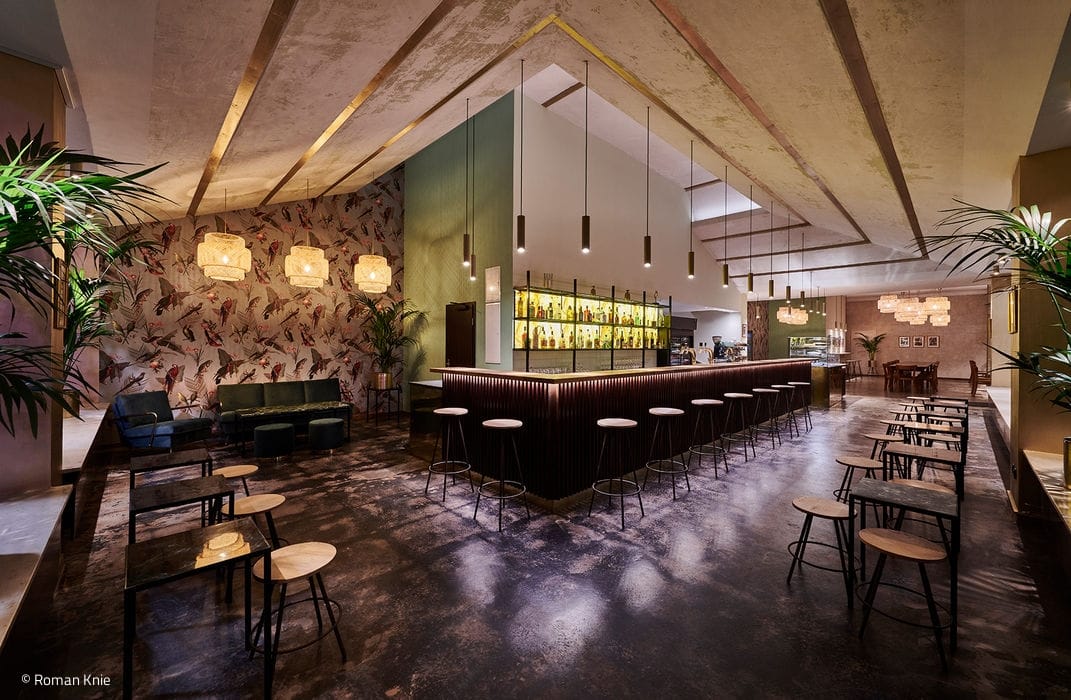
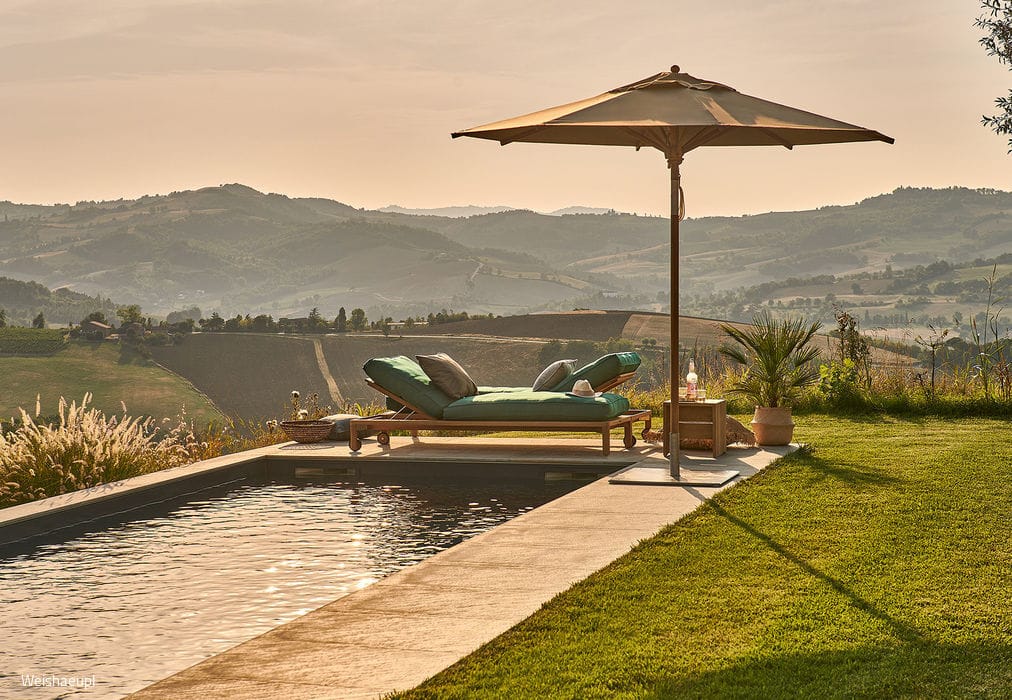

Elegant & Comfortable
Passive House Hotel: Where Cosmopolitan Sophistication Meets Intimate Comfort
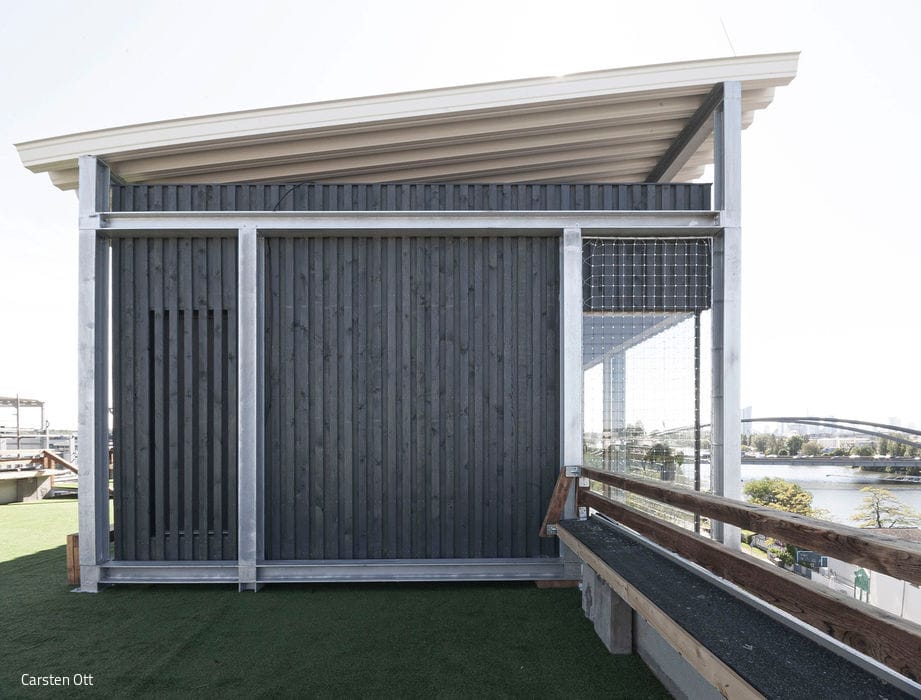
Mobile & Multifunctional
Clever concept gives a construction container a sustainable and varied life
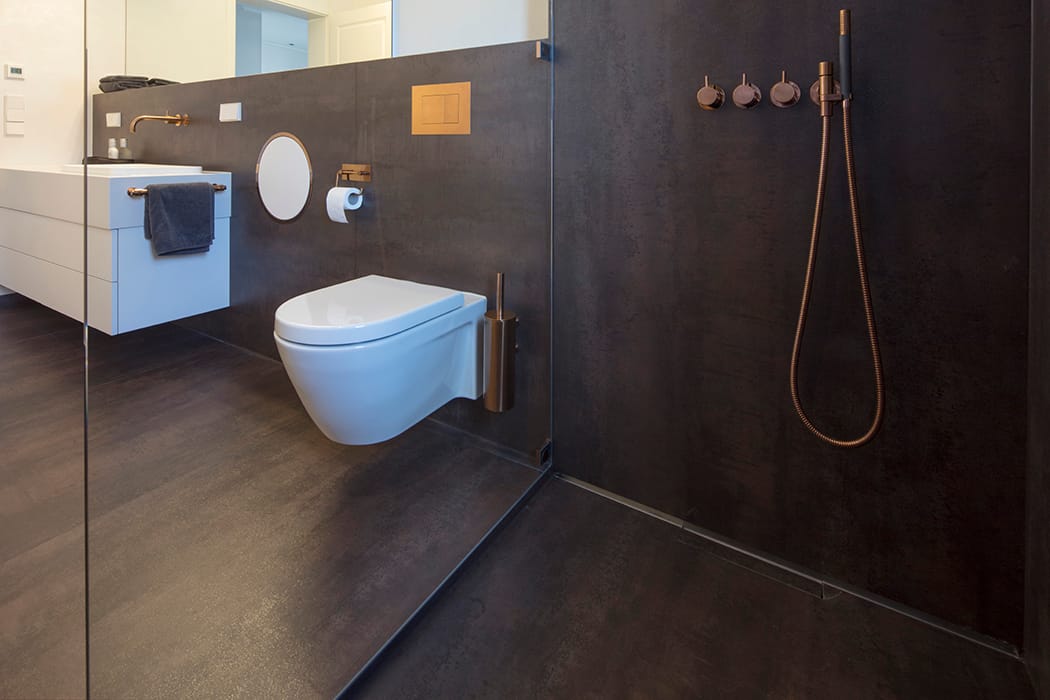

Space Gain & Openness
Renovation creates space and a contemporary home for the family