


Social working environment
Successful renovation and conversion of a savings bank in Oberhausen
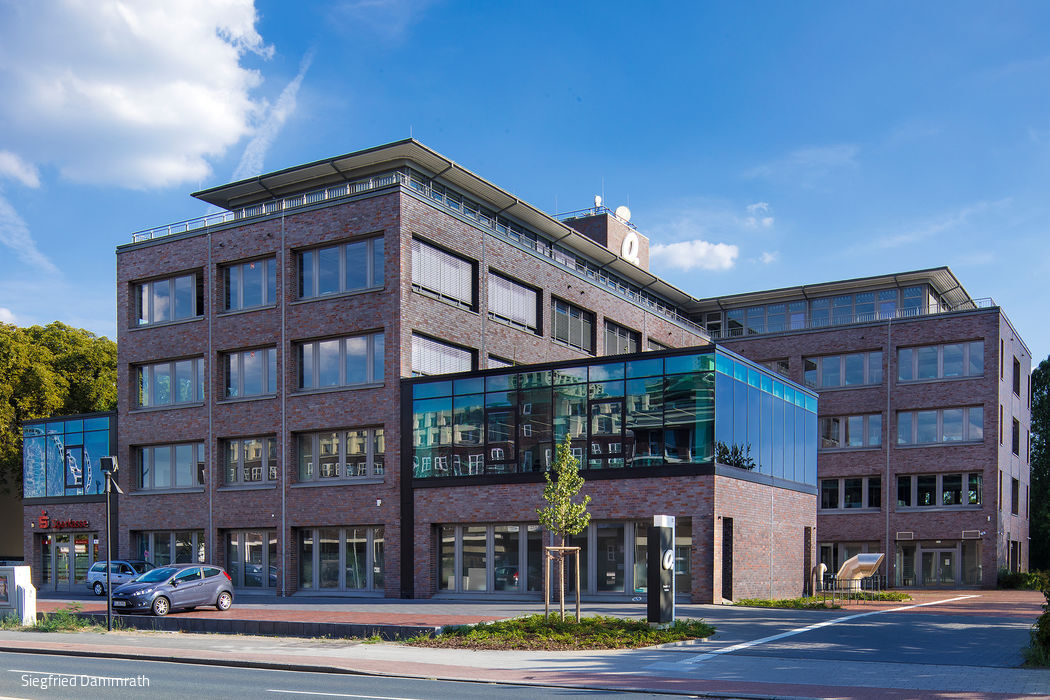
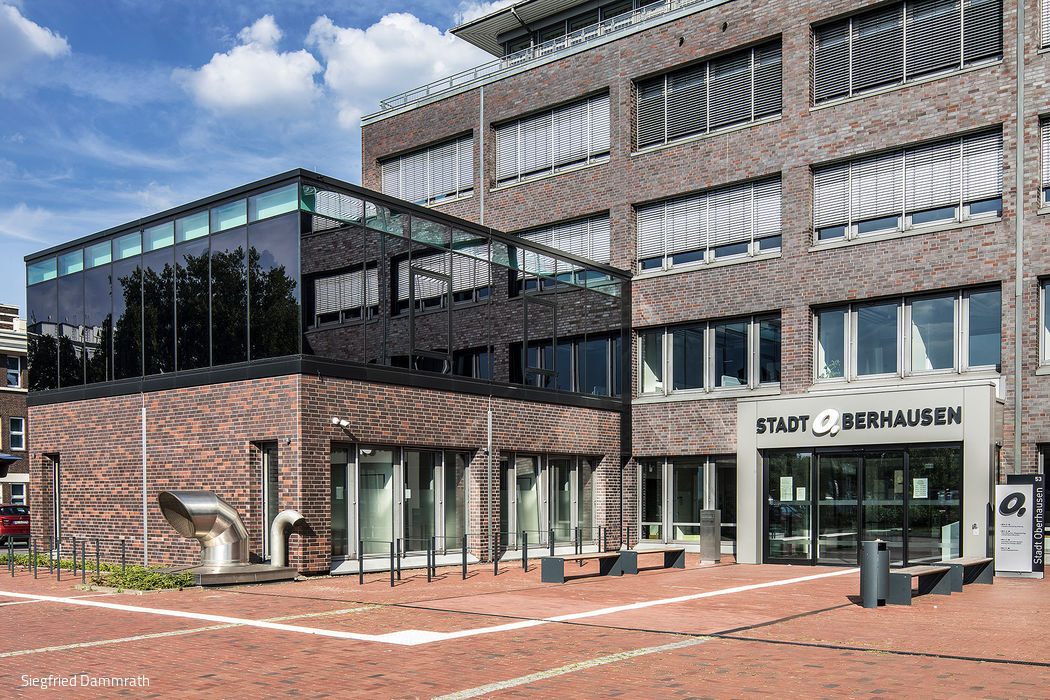
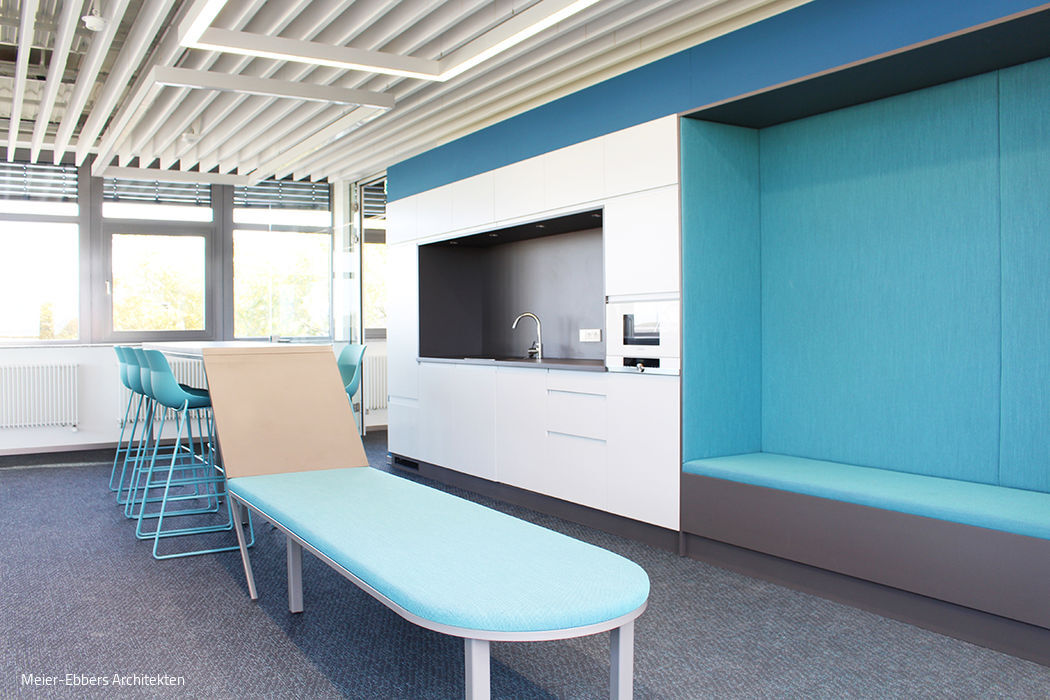
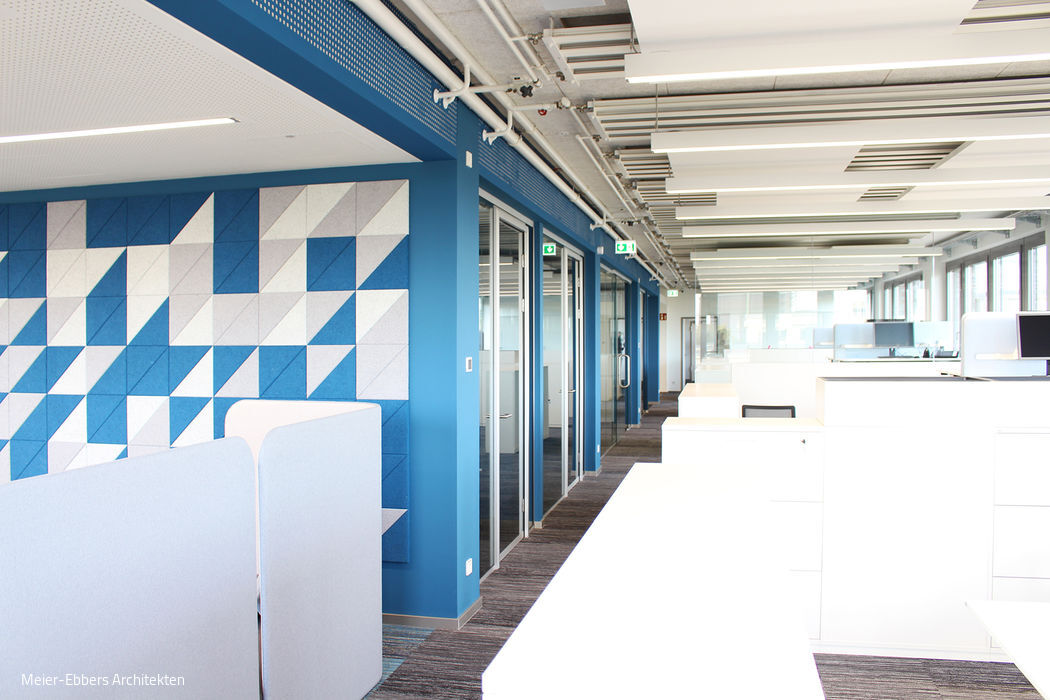
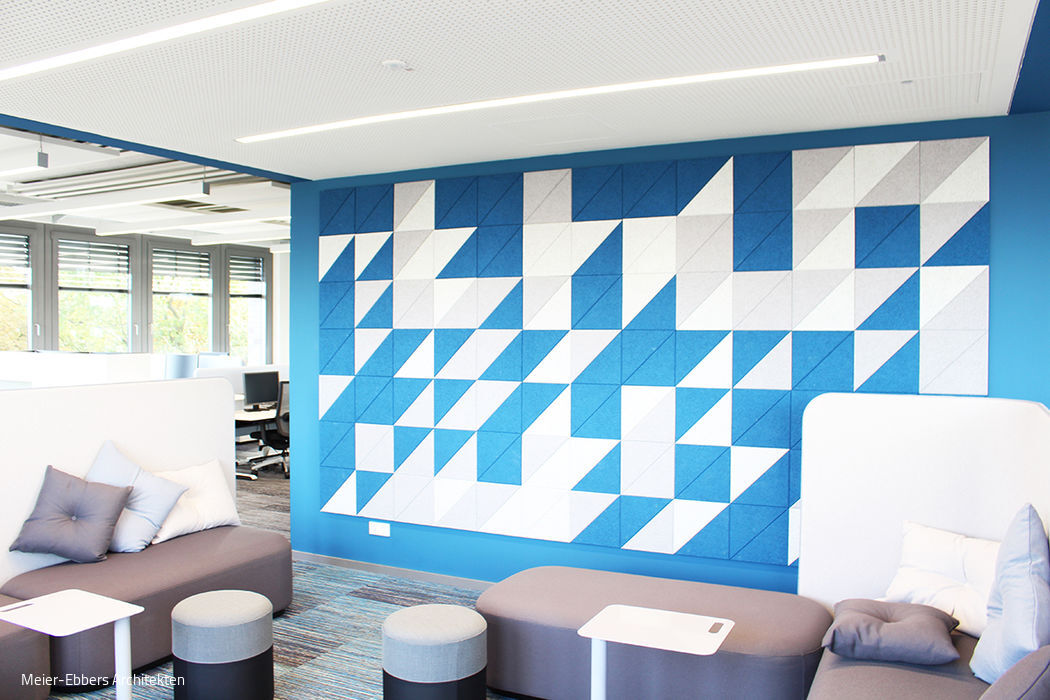
Following extensive renovation, the administrative building of the former savings bank in Oberhausen is now being used as a social services centre. Meier-Ebbers Architects and Engineers have made the building, which was constructed in 1999, fit for its new purpose. It will be open to visitors on 17 June, Architecture Day.
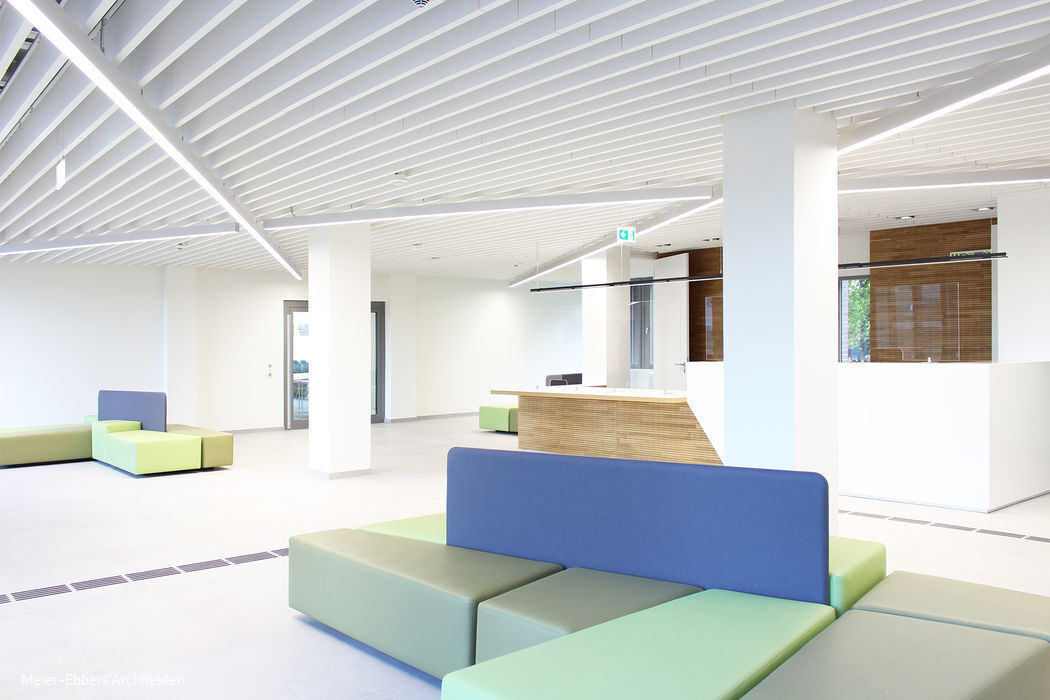
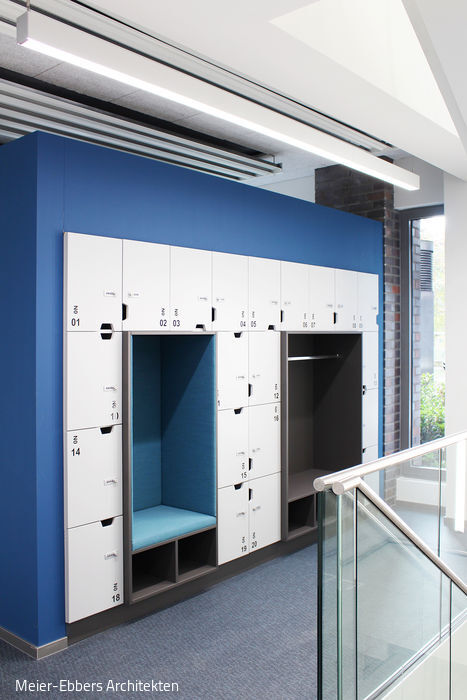
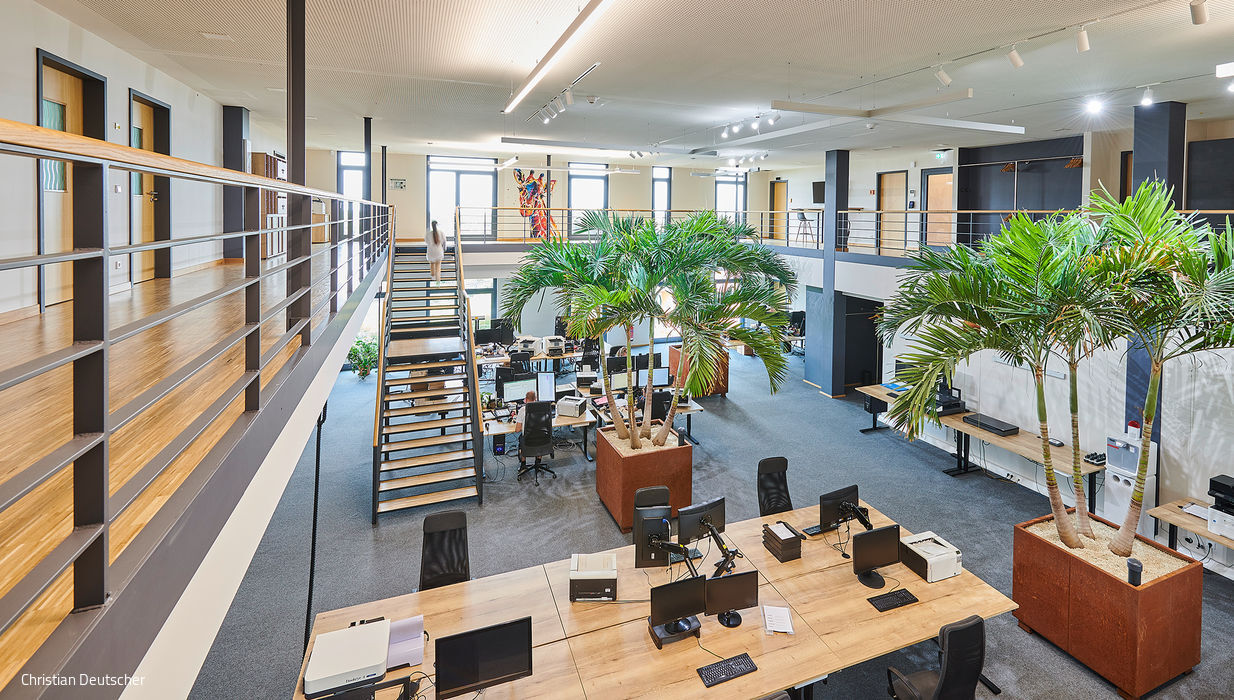
From the outside, the L-shaped building with a four-storey main structure and a taller tower at the rear appears only subtly altered. Two single-storey extensions, complemented by single-storey glass cubes that break up the façade, were already attached to the front of the imposing anthracite-purple clinker brick building on the street side. The main structure was also given a recessed penthouse floor on all sides. The design focus was on the interior redesign and organisation of the floor plan. The result is 6,445 m² of workspace that meets a wide range of requirements. As employees frequently receive customers and everyone needs their own quiet workspace, it was important to separate these two main uses. To protect employees, visitors only have access to the front area, while the back office area is reserved for the latter and can only be accessed via controlled access. The Oberhausen-based architectural firm conducted intensive workshops during the planning phase and incorporated the users' ideas into the design. The result can be experienced first-hand: What were once cramped and dark individual offices have given way to open floor plans, large windows allow natural light to flood in, and cosy communal and meeting areas have been created. Plant pots act as room dividers, promoting well-being and serving as privacy screens. From the outset, all aspects of safety, signage, lighting and colour concepts, and acoustics were incorporated into a harmonious overall design. The public administration building is barrier-free thanks to threshold-free access and lifts. A comprehensive floor guidance and signage system also makes it easier for people with disabilities to find their way around. The contact point in the foyer is a spacious counter with a good view of the entrance. Customers are directed to a small waiting area with lounge furniture and to the meeting rooms in the front office area. The baffle ceiling installed here ensures pleasant acoustics and is a striking design element. In the back office area, each employee is assigned their own quiet workspace. Meeting rooms of various sizes, break rooms, kitchens and sanitary facilities complete the range of rooms. Carpeted floors, acoustic ceilings and acoustic sails ensure good sound insulation. The communal areas, such as those in front of the meeting rooms, are not only used as communication platforms, but increasingly also for working. This is a first step towards non-territorial working, which can be implemented here at any time without further conversion thanks to the flexible room design.
Photography Credits:
Meier-Ebbers Architects
Siegfried Dammrath
www.dammrath.de
(Published in CUBE Ruhrgebiet 02|23)
Design Clarity
A contemporary sustainable single-family home
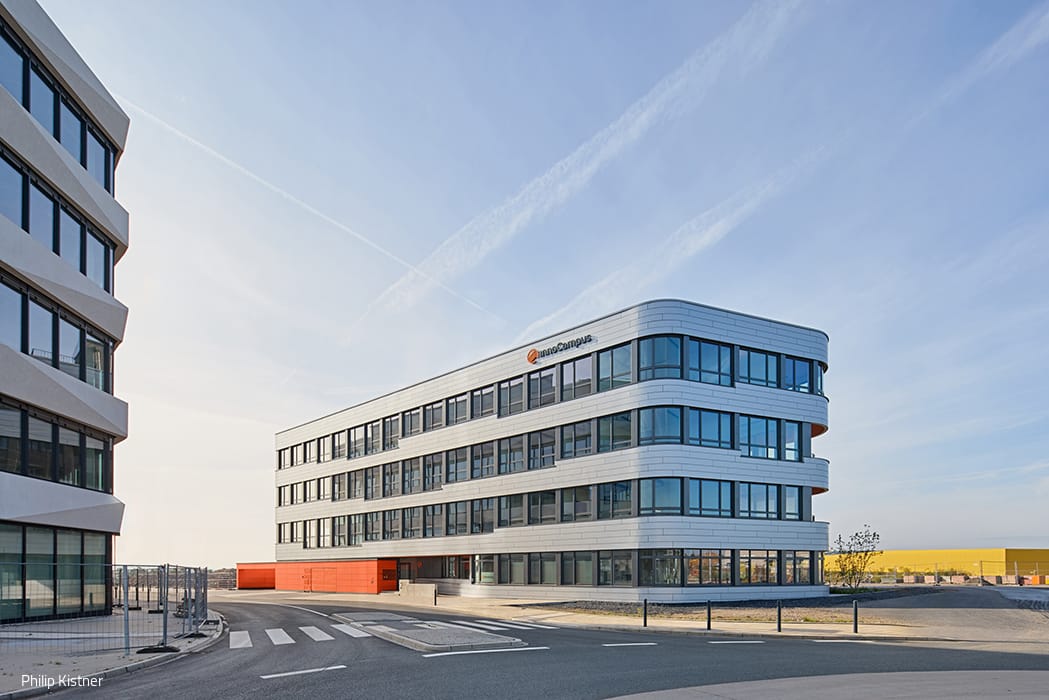
Maximum Flexibility
Forward-Thinking Space Solutions at Bochum's Distinctive Innovation Campus
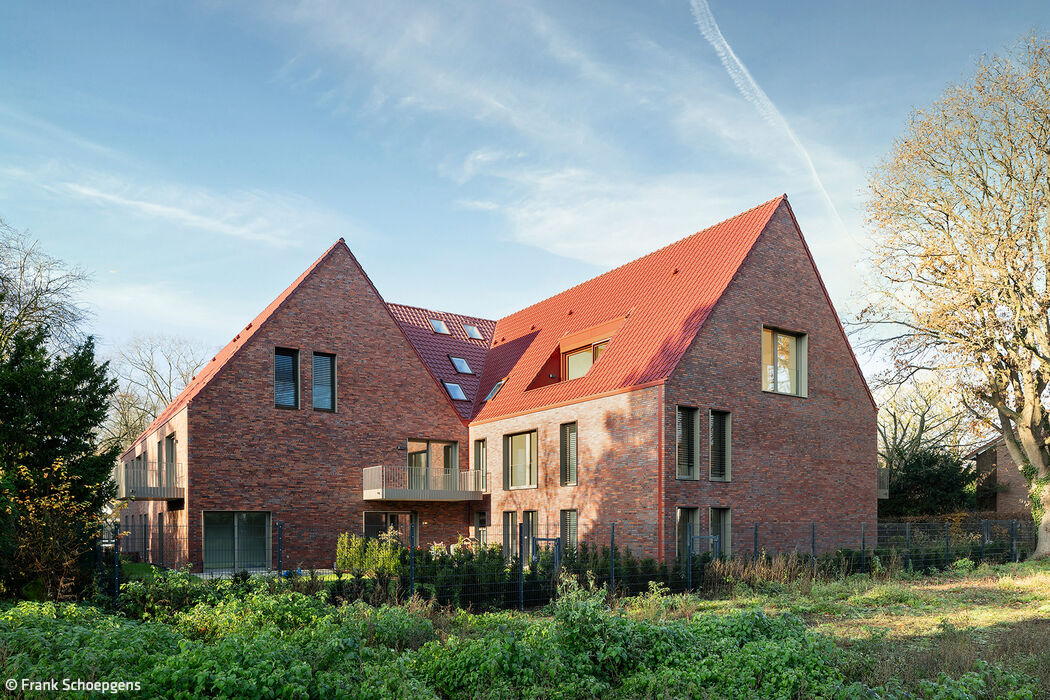
Red from Head to Toe
Two volumes. One stairwell. A unified whole.
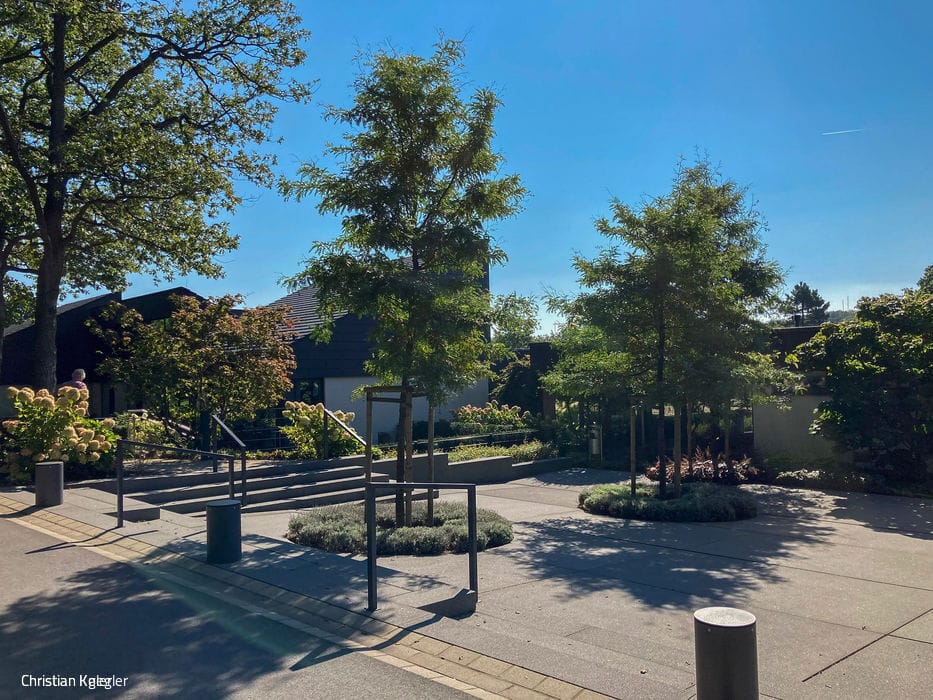
Front Garden with Impact
A striking entrance area that inspires and welcomes, elevating the seminar experience.