


Revival West
Contemporary Living in Maximilians Quartier
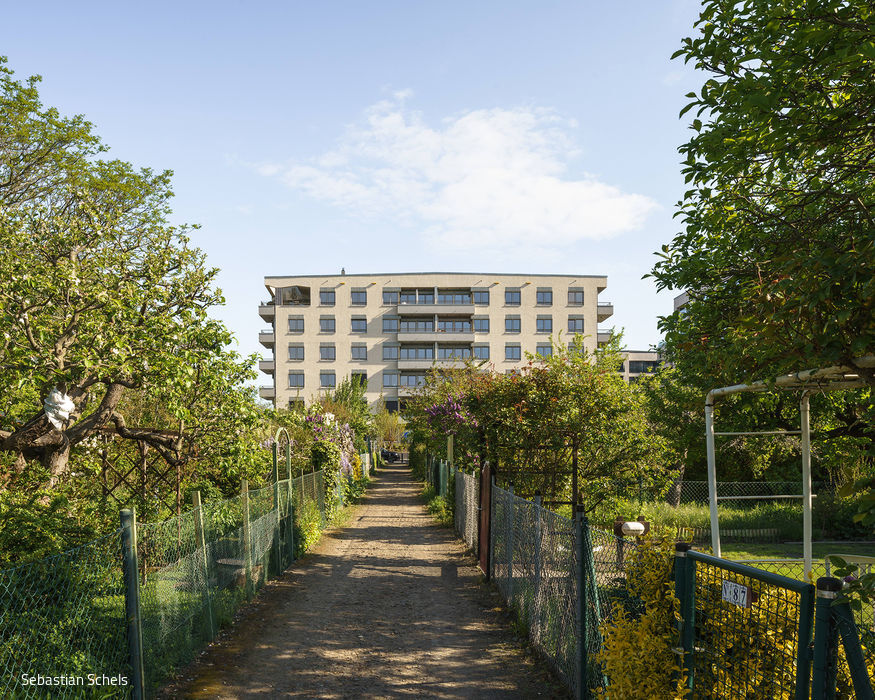
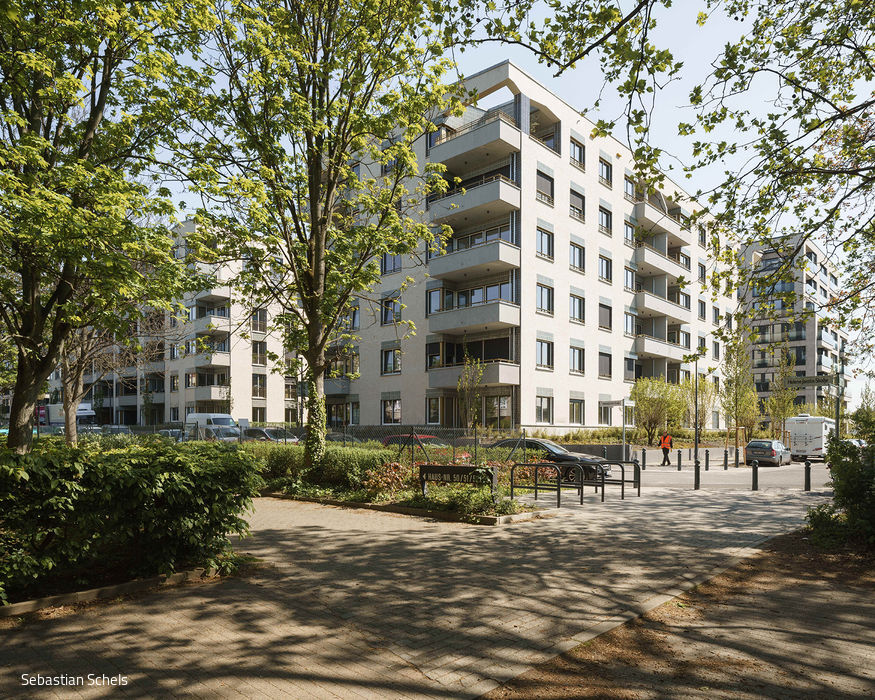
A vibrant new residential quarter is taking shape in Schmargendorf, Charlottenburg-Wilmersdorf's smallest district. West Berlin is experiencing a renaissance. After years of focus shifting eastward to Mitte and former East Berlin neighborhoods, old West Berlin has reclaimed its appeal. The new Maximilians Quartier spans 4.7 hectares, nestled between Halensee and Grunewald, offering a refreshingly suburban character without sacrificing urban convenience. The world-famous Kurfürstendamm is just moments away when city life calls. Though building rights were established here as early as 1907, development is only now beginning—with approximately 950 owner-occupied and rental apartments planned over the coming years.
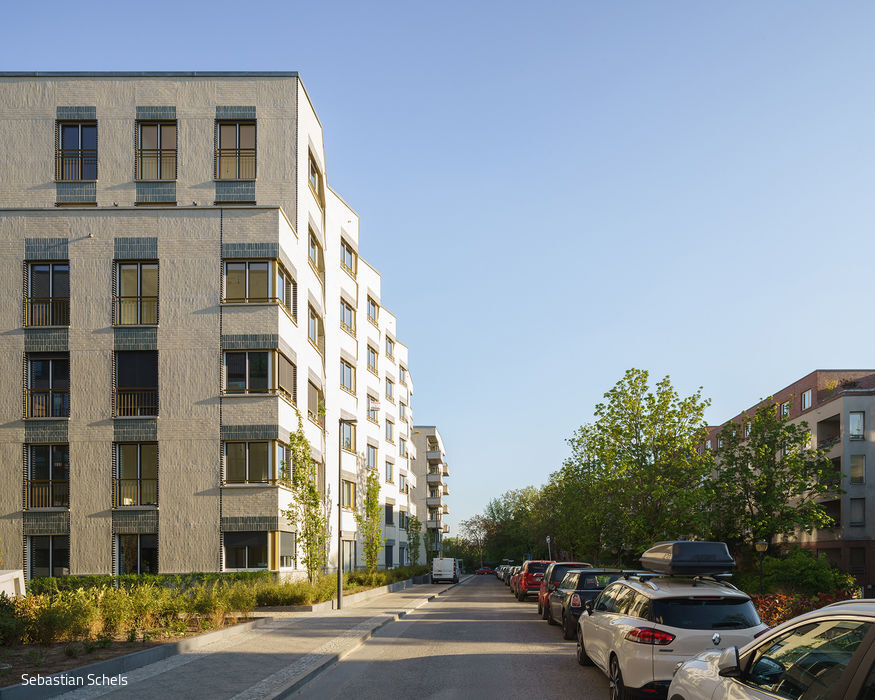
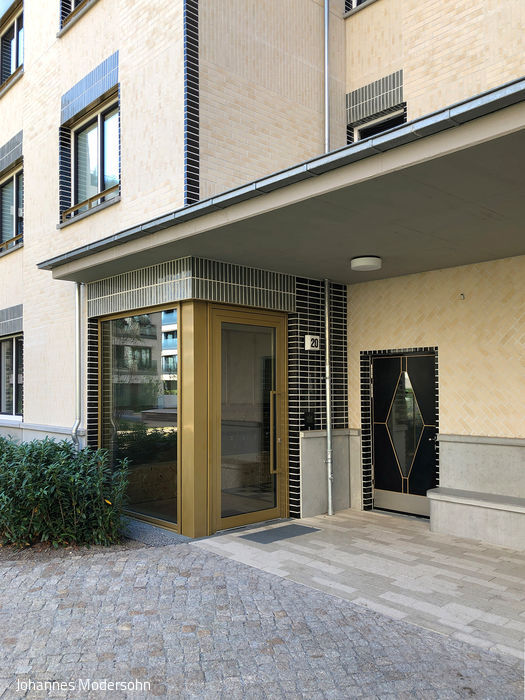
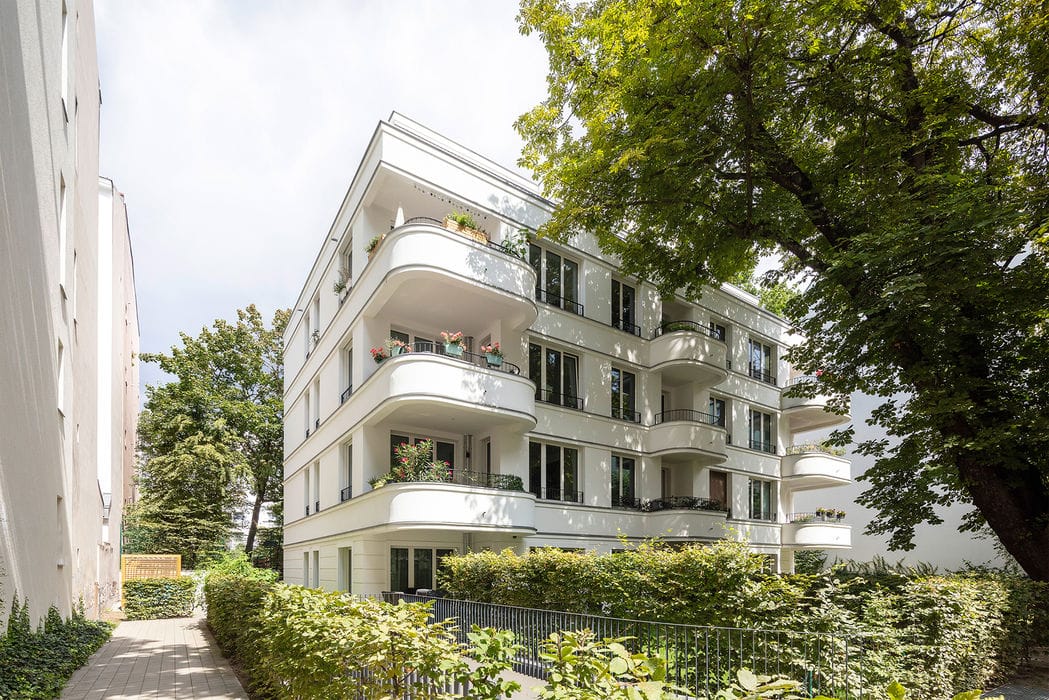
Architects Modersohn & Freiesleben designed the development's southernmost plot—four residential blocks arranged on a square footprint, positioned at right angles with pairs running parallel in north-south and west-east orientations. For the Groth Group, they created a mixed-tenure scheme: 145 of the 232 apartments are owner-occupied units in two buildings, with rental apartments in the other two. The range includes two-, three-, and four-room units from 42 to 121 m², plus a penthouse. Generous green spaces between the buildings transition seamlessly into the surrounding allotment gardens, creating a cohesive landscape.
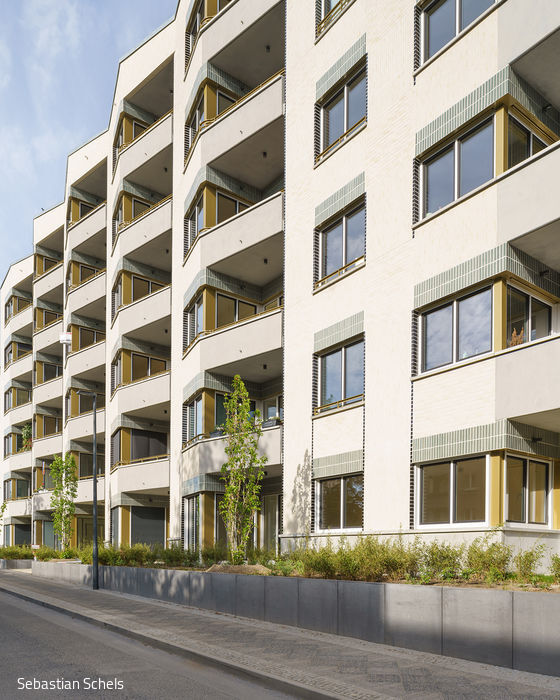
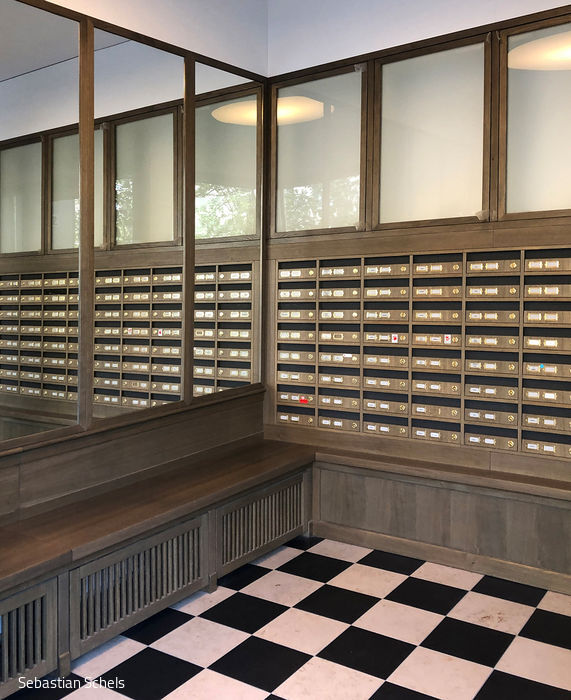
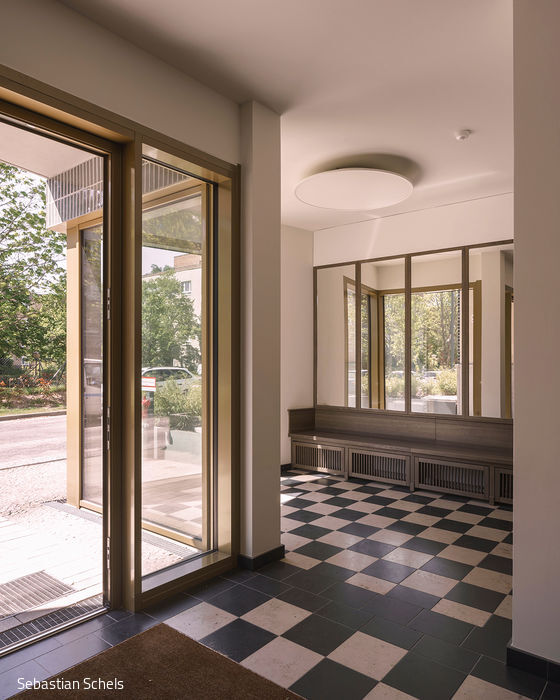
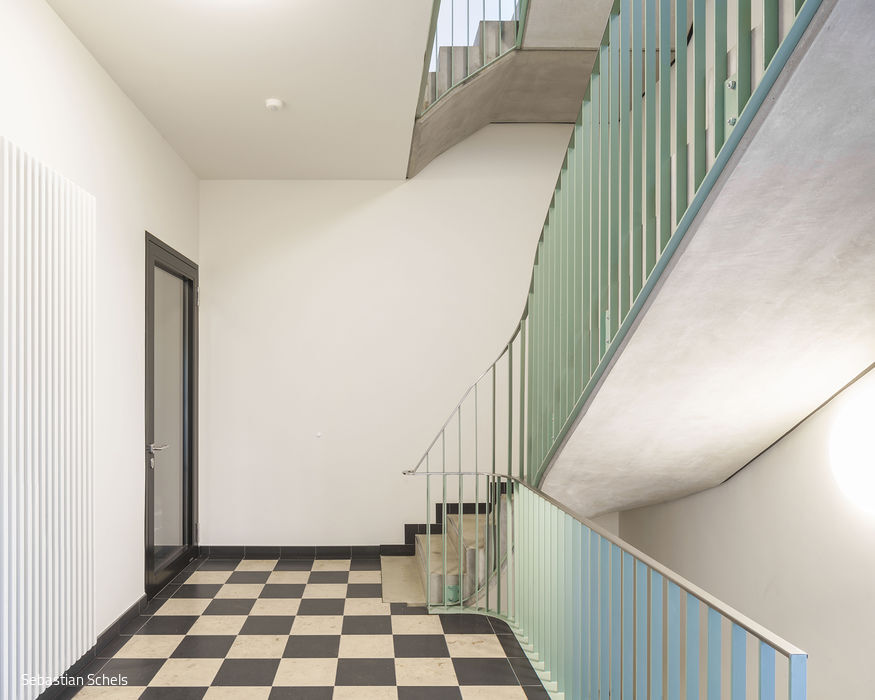
The six-story buildings crown themselves with verdant flat roofs and articulated gable forms. Bold recesses punctuate the north elevations while deep loggias and exposed concrete balconies characterize the south-facing sides. Upon closer inspection, the facades reveal their carefully considered detailing: light-toned clinker brick slips with textured surfaces form the primary cladding, while black and blue-grey glazed slips elegantly frame the window reveals and lintels. Interior finishes reflect the same thoughtful approach—tile flooring in kitchens, bathrooms, and WCs, with wood flooring elsewhere. A combined heat and power system provides efficient energy supply, and every underground parking space includes electric vehicle charging infrastructure.
Photography Credits:
Sebastian Schels
www.schels.net
(Published in CUBE Berlin 01|22)


Jona's House
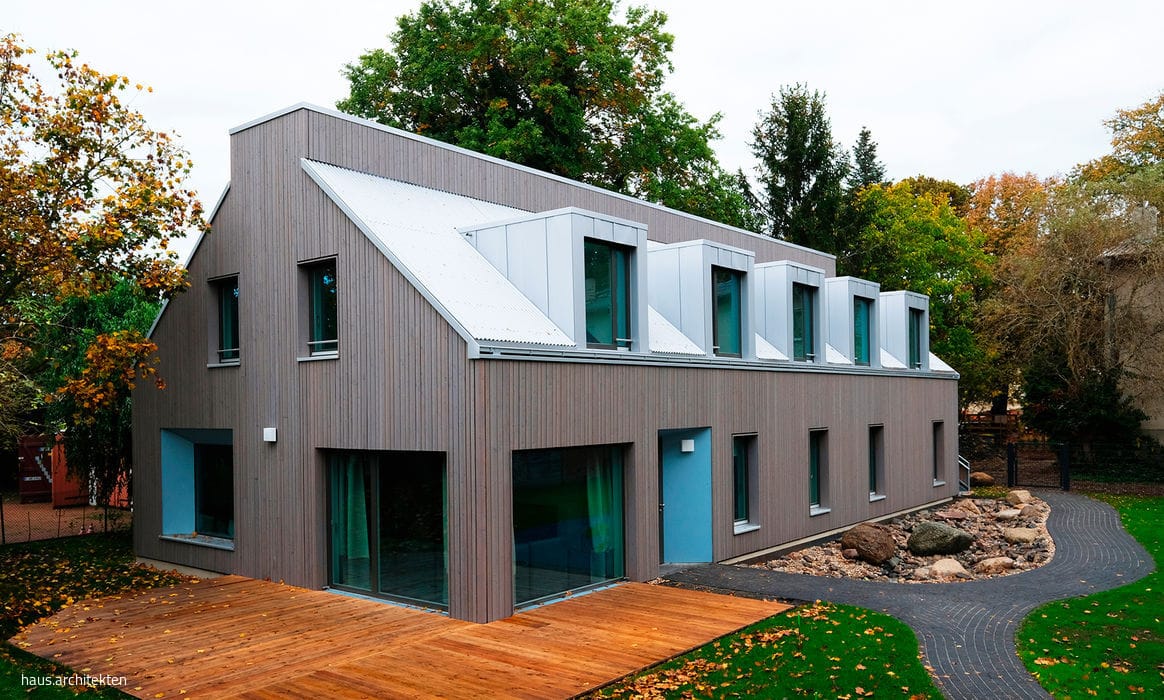
An unassuming, purposeful timber-frame residence designed to house two groups of five children each
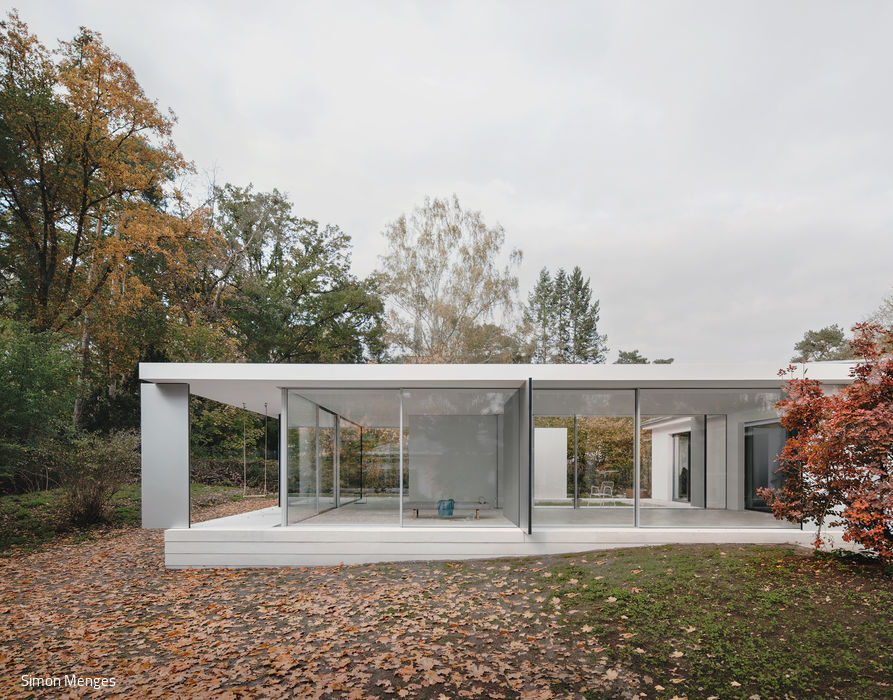
Open-plan living space
Eight wall panels in dialogue create entirely new spatial configurations.
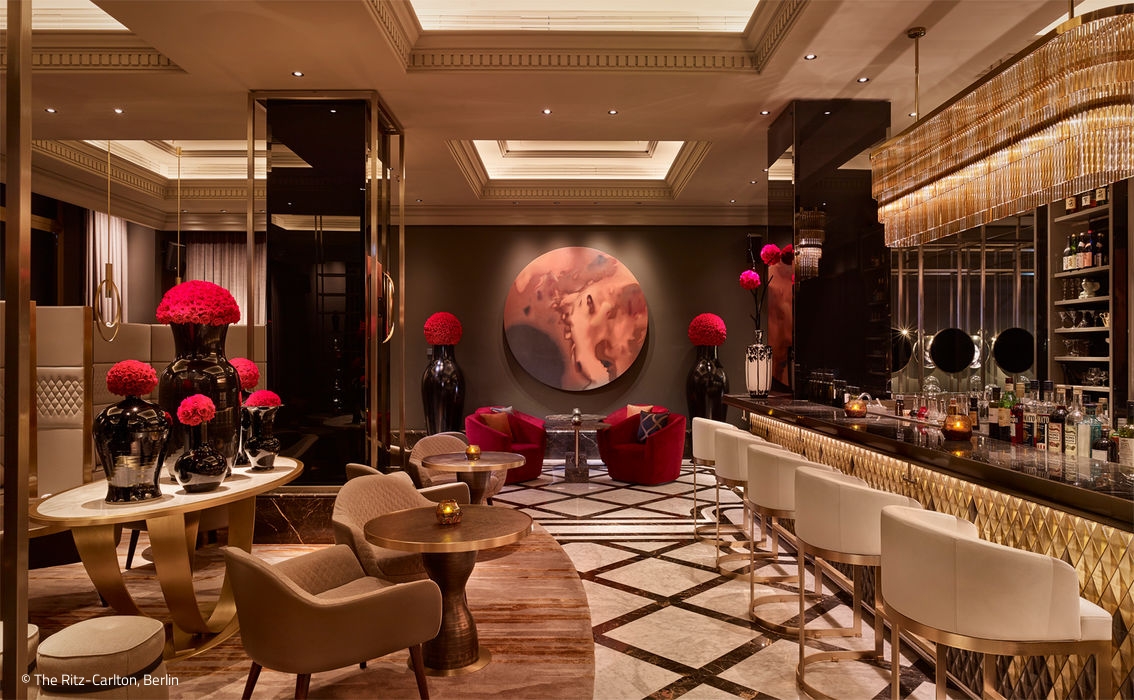
Exploring the World of Aromas
Bar Fragrances at the Ritz-Carlton unveils a concept unlike any other in the world.

Orankesee: Living Reimagined
Thoughtful Densification: Four Point Towers Transform Weissensee