


More Than Just Four Walls
Renovation and modernization embody the evolving nature of work and corporate culture


Built in 1931 by Rudolf Brüning, this seven-storey shell limestone façade stands at the corner of Alsterufer and Alsterterrasse—originally designed as headquarters for a mineral oil company, a legacy still visible in the large relief beside its entrance. Since 1976, it has served as the German home of BAT (British American Tobacco). The Batig House, now a protected landmark, takes its name from the parent company of the German division, British American Tobacco Industrie Germany.
In 2009, Ratschko Architects had already redesigned the offices, though the underlying structure of cellular offices and corridors remained untouched. When the company embarked on its cultural and strategic transformation in spring 2022, it commissioned multiple firms to study how best to reconfigure and expand its headquarters. Ratschko's winning proposal was elegantly simple: strip away the unnecessary, preserve everything that works. Their analysis revealed that modernization would prove more sustainable, faster, and cost-effective than relocating to a new building—while simultaneously strengthening the company's identity through its storied location. The team gutted each floor to its bare bones, reorganized fire compartments and airlocks, and completely overhauled all building systems. The result is a flowing series of interconnected spaces offering sightlines across the full depth of the building, spanning 8,500 m² in total. The new workspace embraces activity-based working principles: flexible office zones, collaborative team areas, phone booths, quiet focus spaces, lounge seating, and intimate alcoves—all within steps of one another. A shared kitchen and a welcoming "family table" anchor the heart of each floor.
To enrich the working lives of roughly 350 employees, the architects introduced a lobby within the reception area—a vibrant hub anchoring a multifunctional conference level. Here you'll find a verdant courtyard and a "black box," the former computer centre reimagined as a multimedia auditorium. The seventh floor crowns the building with a club restaurant overlooking the Außenalster. Throughout, contemporary design was woven together with the workforce's diverse needs and preferences through genuine collaboration, creating a cohesive identity that flows naturally across all levels and spaces. Sustainability and longevity were foundational principles guiding every decision.
Photography:
Jakob Börner
www.jakobboerner.com
(Published in CUBE Hamburg 01|25)


Breathing New Life into Historic Homes
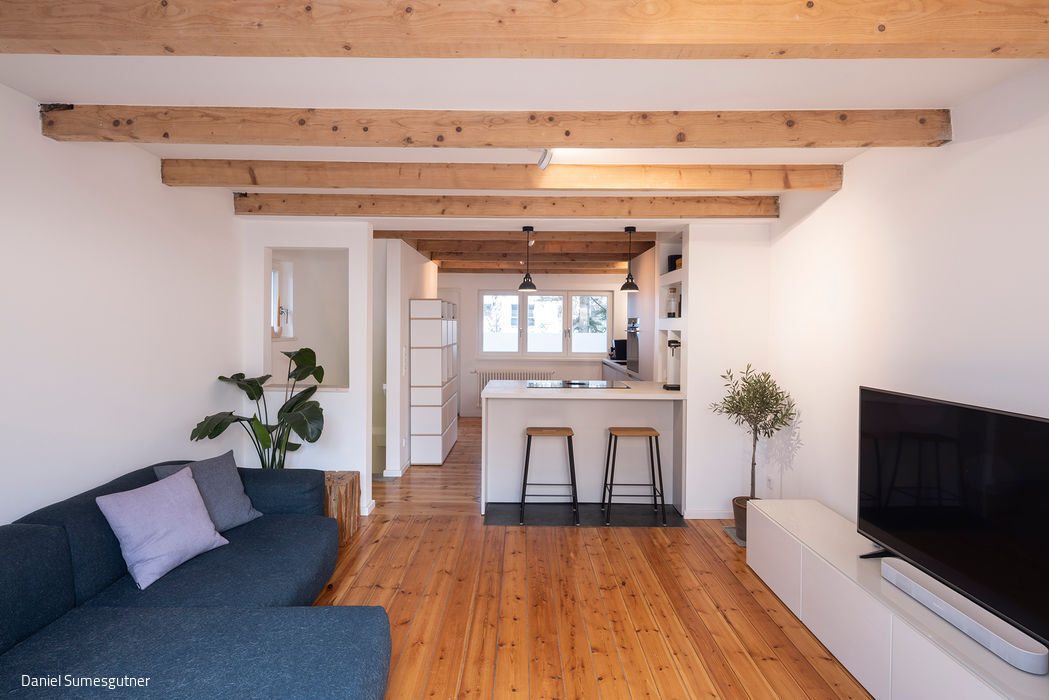
A Protected Historic Terraced Home Reimagined for Modern Living
Refined Aesthetics
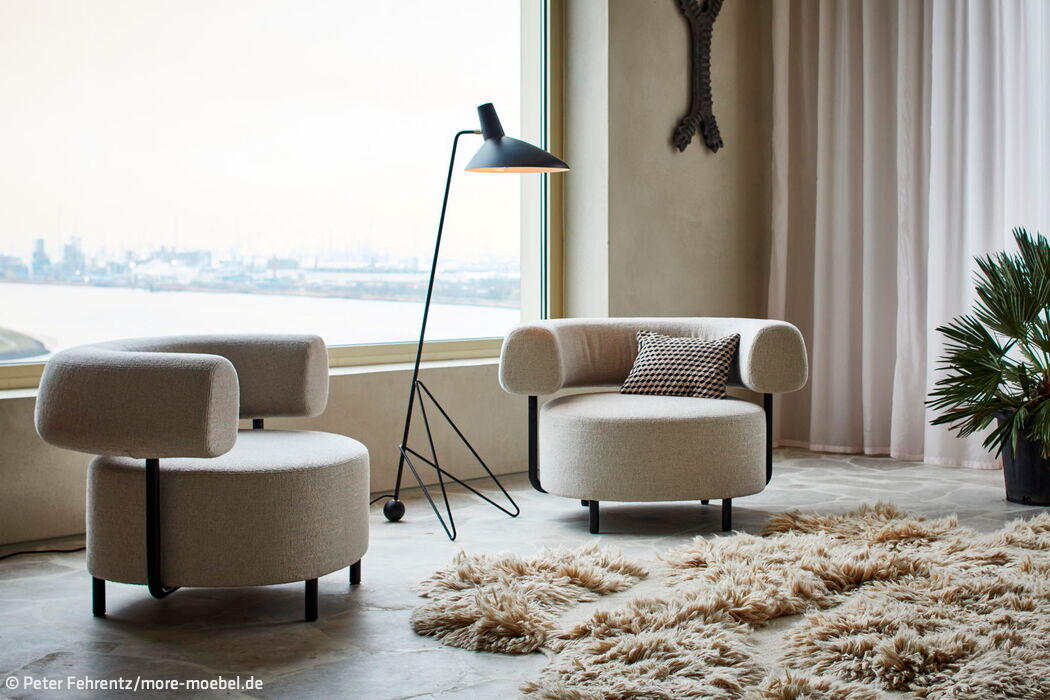
On Peter Fehrentz's Design Philosophy
A Clear Statement
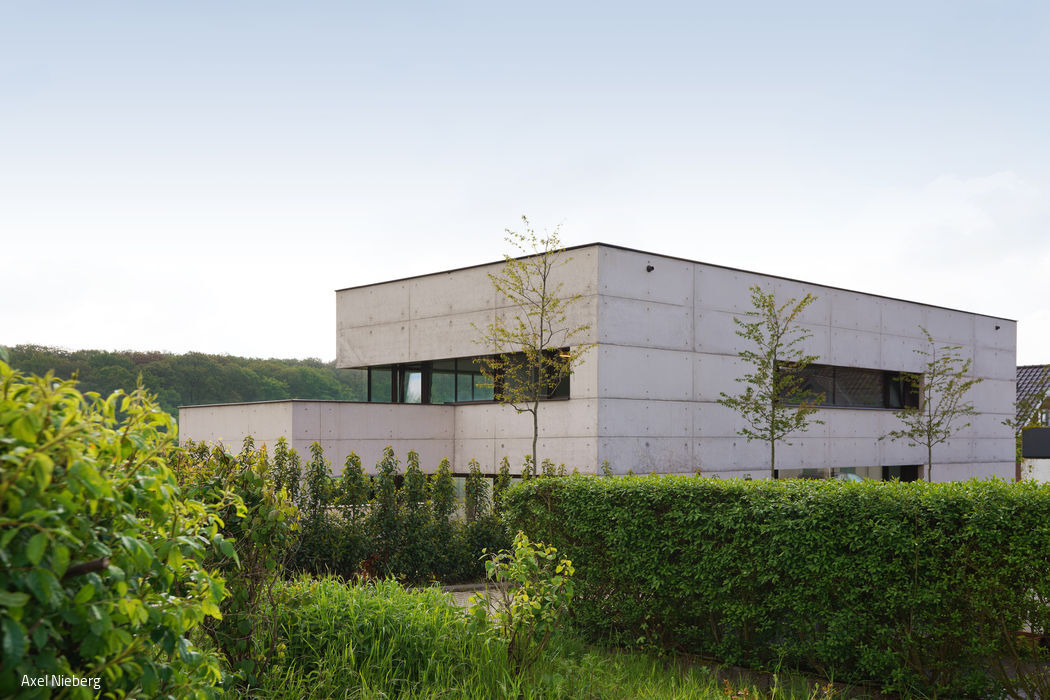
A family home that frames the landscape through carefully orchestrated sightlines.
In Safe Hands
The guiding principle: diagnose, treat, and inspire.