


Global Reach
Architect Martin Jasper explores exactly how in this podcast
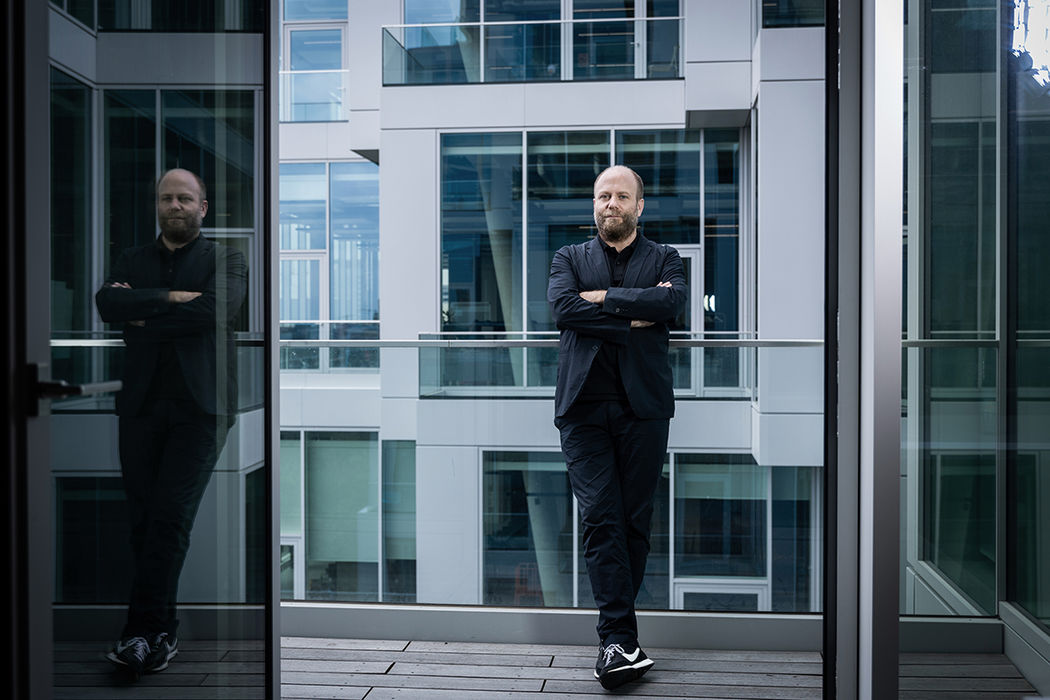
CUBE: You're constantly moving between your various projects and offices across the globe. Where do you call home as your main base?
Martin Jasper: Berlin is unquestionably our largest base. We established our first office in Buenos Aires in 2008, expanded to Vienna in 2012, and opened in Berlin in 2016.
Your "UP!" project in Berlin has certainly turned heads. The conversion of this former East Berlin department store stands out for its fully glazed façade and bold incisions into the structural framework—a daring approach to revitalizing a historic space.
We started by asking two key questions: What spatial potential does this building offer, and what does Berlin need right now? In 2016, the city was buzzing with startup energy, so we decided the space should become a startup hub. The challenge was clear—how do you bring light deep into an 80-by-80-meter block? That led us to our concept: slicing notches into the cube's exterior, letting light penetrate throughout.
A fundamental shift in construction is necessary. In your view, how do we make it happen?
Planning will undergo profound transformation. Digital innovation will accelerate, automating countless processes. We're already using VR technology in our studio to collaborate with clients in immersive virtual environments. CO₂ is an urgent priority. Many traditional construction methods are simply no longer viable. This is driving a decisive turn toward timber construction—we're developing an 11,000 m² timber-framed hostel in Hohenschönhausen right now. Then there's BIM, which is digitalizing the entire construction process on-site. And I'm convinced that 3D printing of buildings will fundamentally transform residential construction.
Don't you worry that design might get lost in the BIM process?
The truth is, BIM tools tend to be somewhat constraining when you're trying to push creative boundaries. You have to navigate that carefully.
Could you give us a quick overview of your presentation at BAU 23? What was the focus?
Sustainability. That's why the presentation centered on the "UP! Project"—but embedded within the larger story of how we've grown as a firm. Where we started, how we got here. I walked through our methodology: what it means to design in such contrasting urban contexts. I believe quality emerges when you first immerse yourself in a place, understand it deeply. From that foundation, the site's parameters become your creative rulebook—a common thread guiding the entire design process. Design then becomes an evolution, not an imposition. It's not about a designer sitting down and deciding what's "right." It's a dialogue between your intentions and the site's realities—harmonizing all those parameters into something cohesive.
We touched on the future of construction. Now I'm curious—how do you see the future of housing evolving?
People want smart, efficient living spaces—not necessarily larger, but better. They want outdoor areas, greenery, natural materials, and plenty of daylight. The market demands quality. I'm passionate about mixed-use development. Take Berlin's historic approach with small courtyards scattered throughout neighborhoods—that's brilliant. Live upstairs, walk downstairs for coffee. It has that Mediterranean warmth to it. That's what brings cities to life.
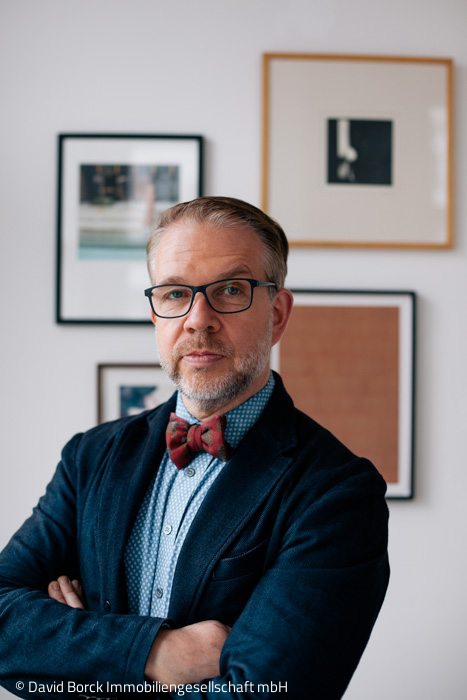
Martin Jasper
Founded by architect Martin Jasper in 2008, Jasper Architects operates from offices in Berlin, Buenos Aires, and Vienna. The studio works on diverse projects across Germany, Poland, Austria, Spain, Ecuador, Argentina, Chile, Peru, Panama, and the Caribbean.
The portfolio spans interior design, building design, and urban planning—each rooted in a consistent methodology. Every project is developed through deep analysis of its local context, cultural history, and environmental parameters, with design concepts emerging directly from these insights.
Dive deeper into Martin Jasper's perspective on the construction revolution and the future of living in our podcast with Christina Haberlik.
(Published in CUBE Berlin 02|23)
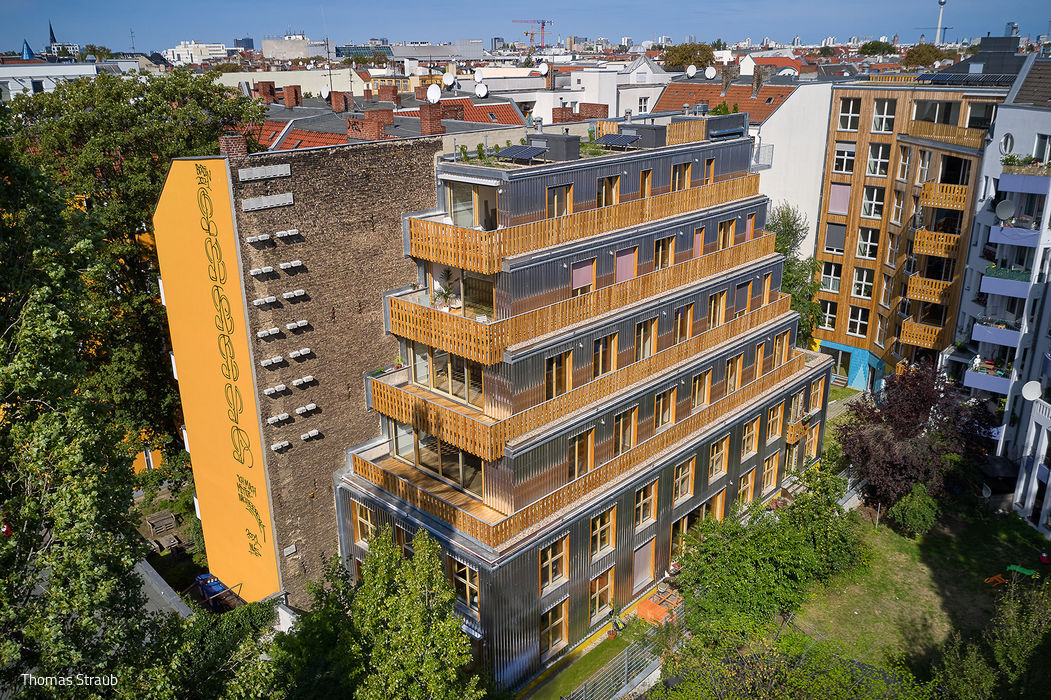

Life-Stage House
A Versatile Heritage: Modular Design Meets Adaptive Living
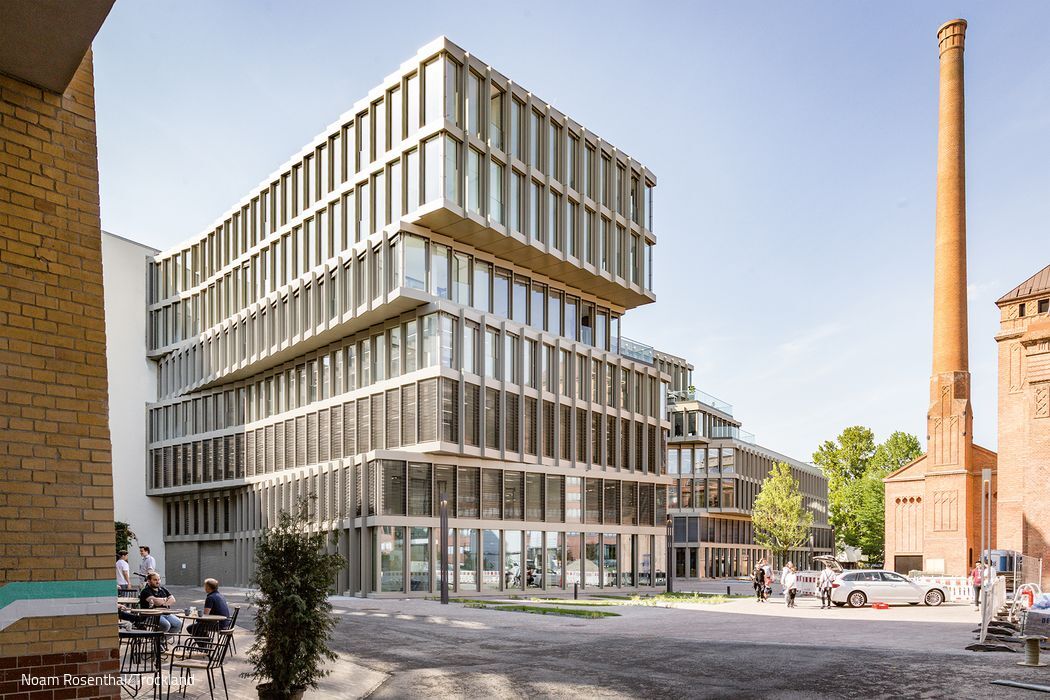
Stacking – Zoning – Creating Pathways
Eiswerk: A New Neighbourhood Takes Shape in Mitte
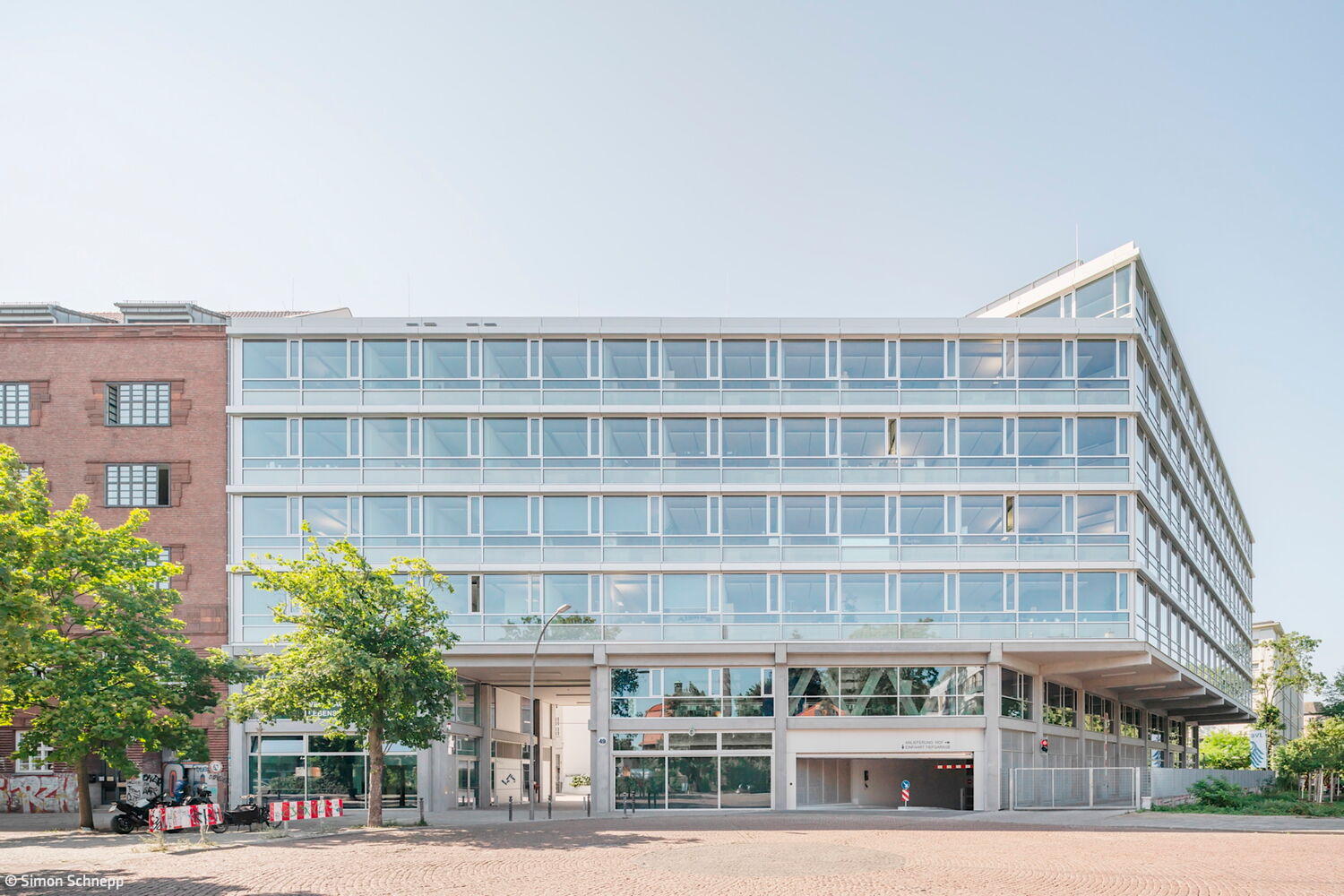
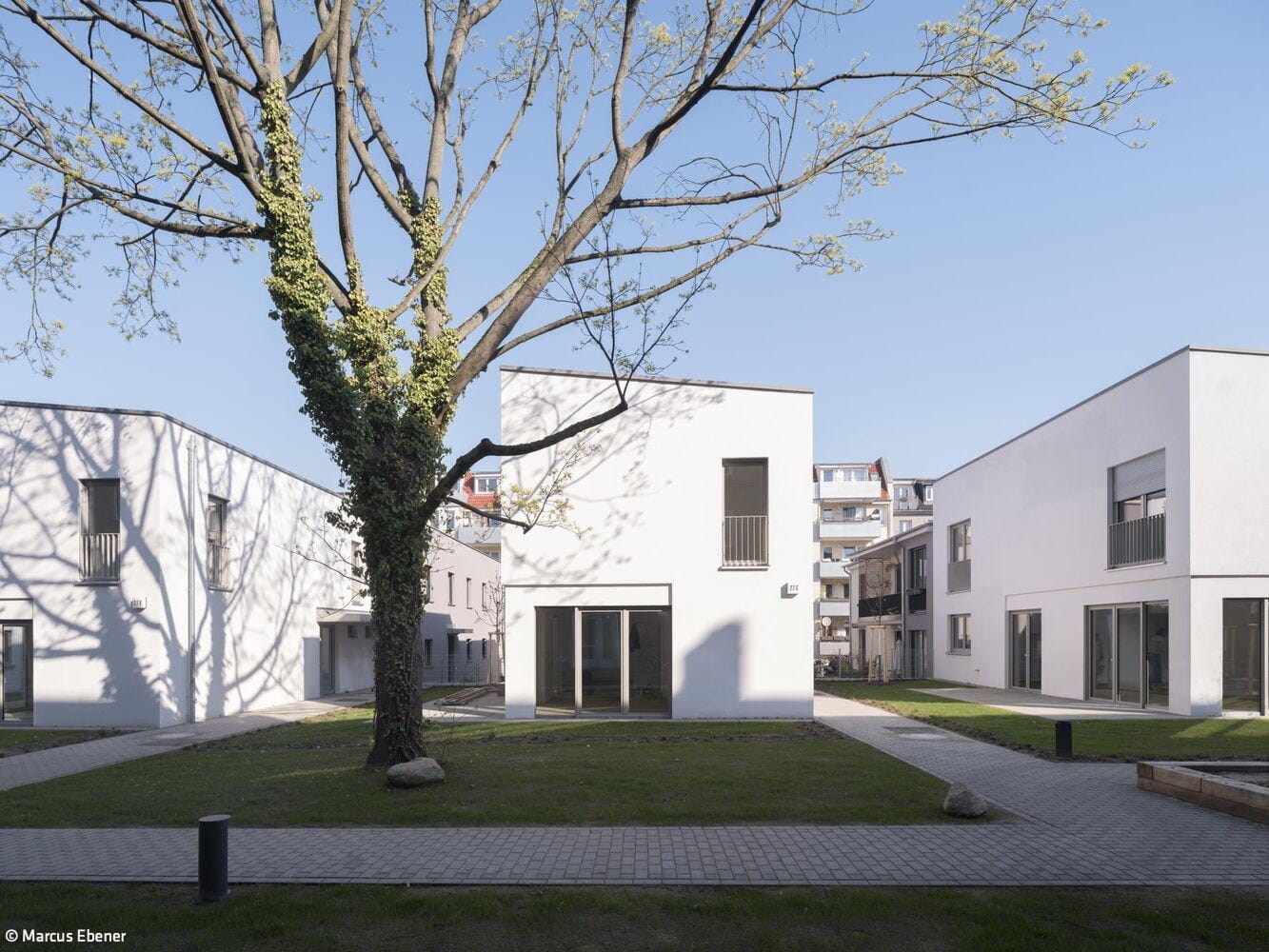
Three Courtyards – Five Houses
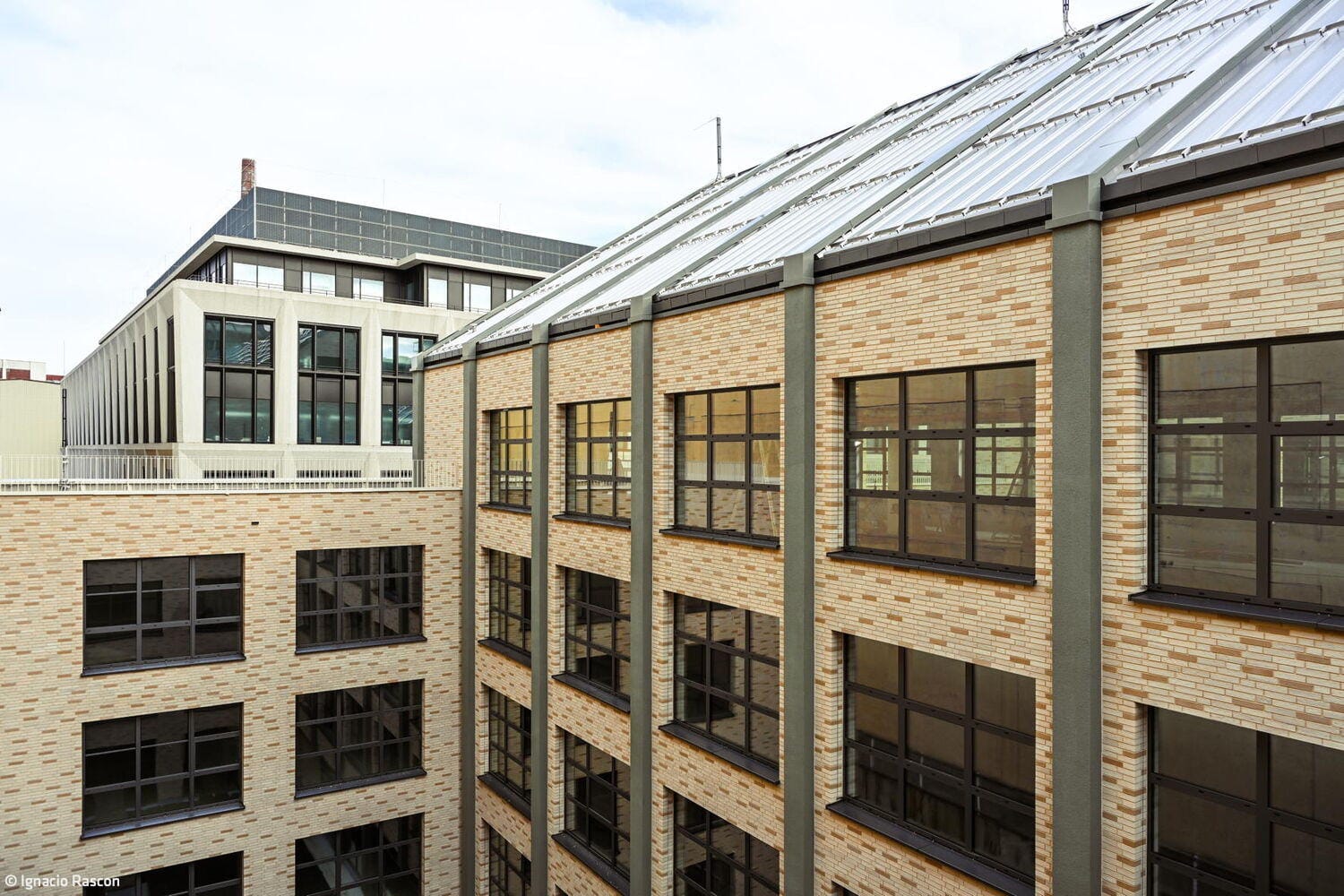
A Expansive yet Refined Office Complex
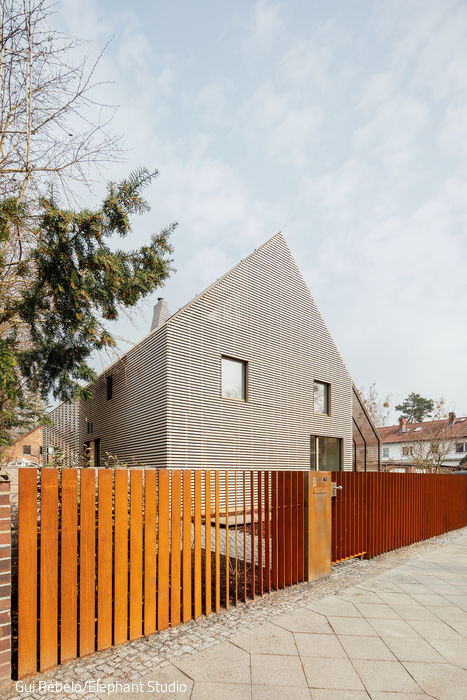
Half Closed, Half Open
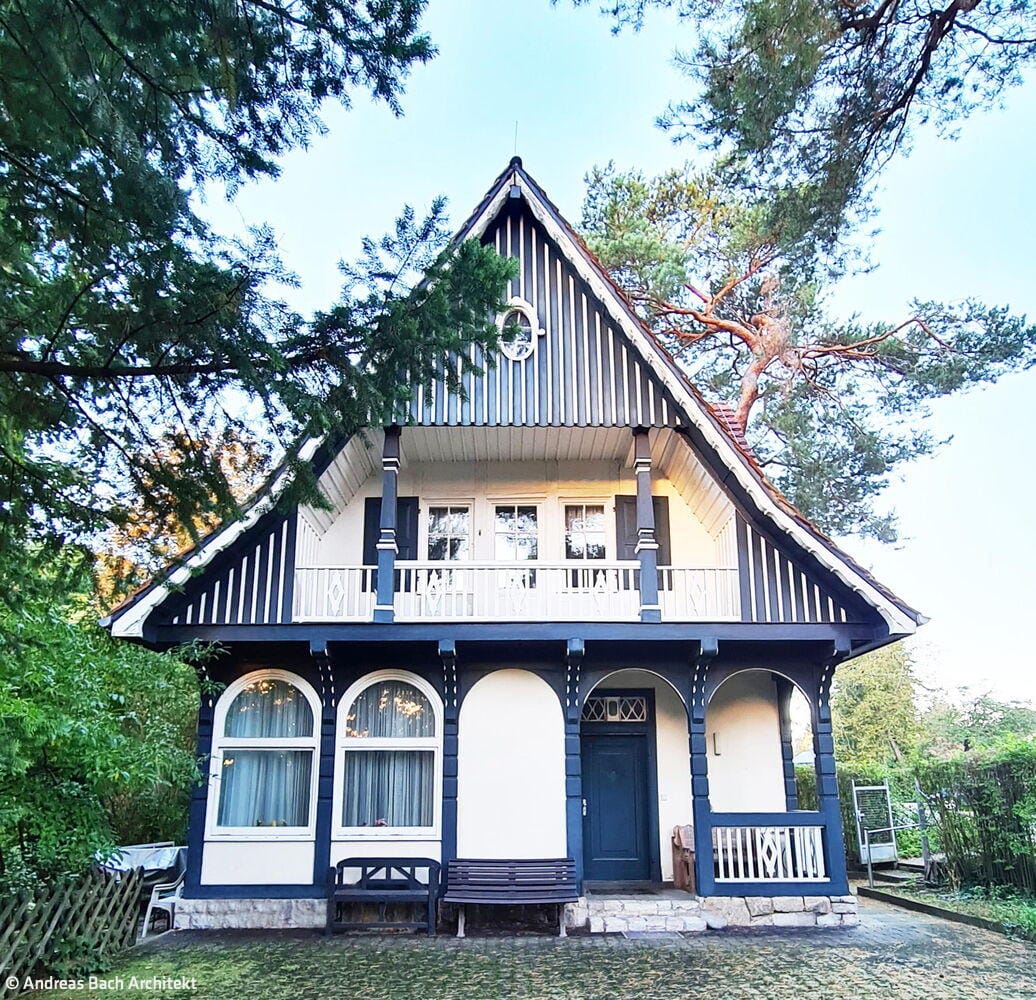
Detached house with wooden lattice and pergolas on both facades