


Cosmopolitan Vision
The International School's expansion creates an inspiring learning environment
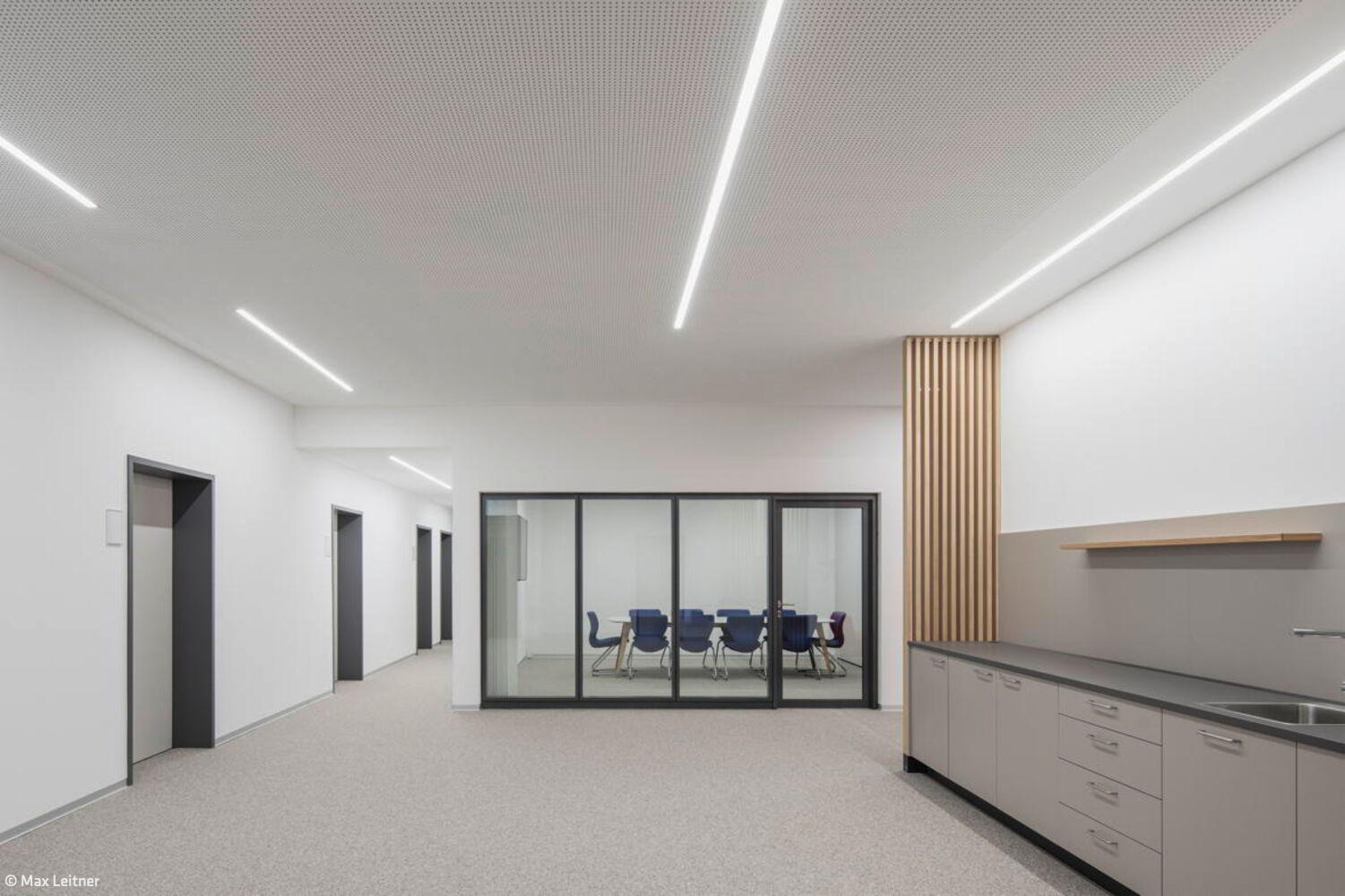

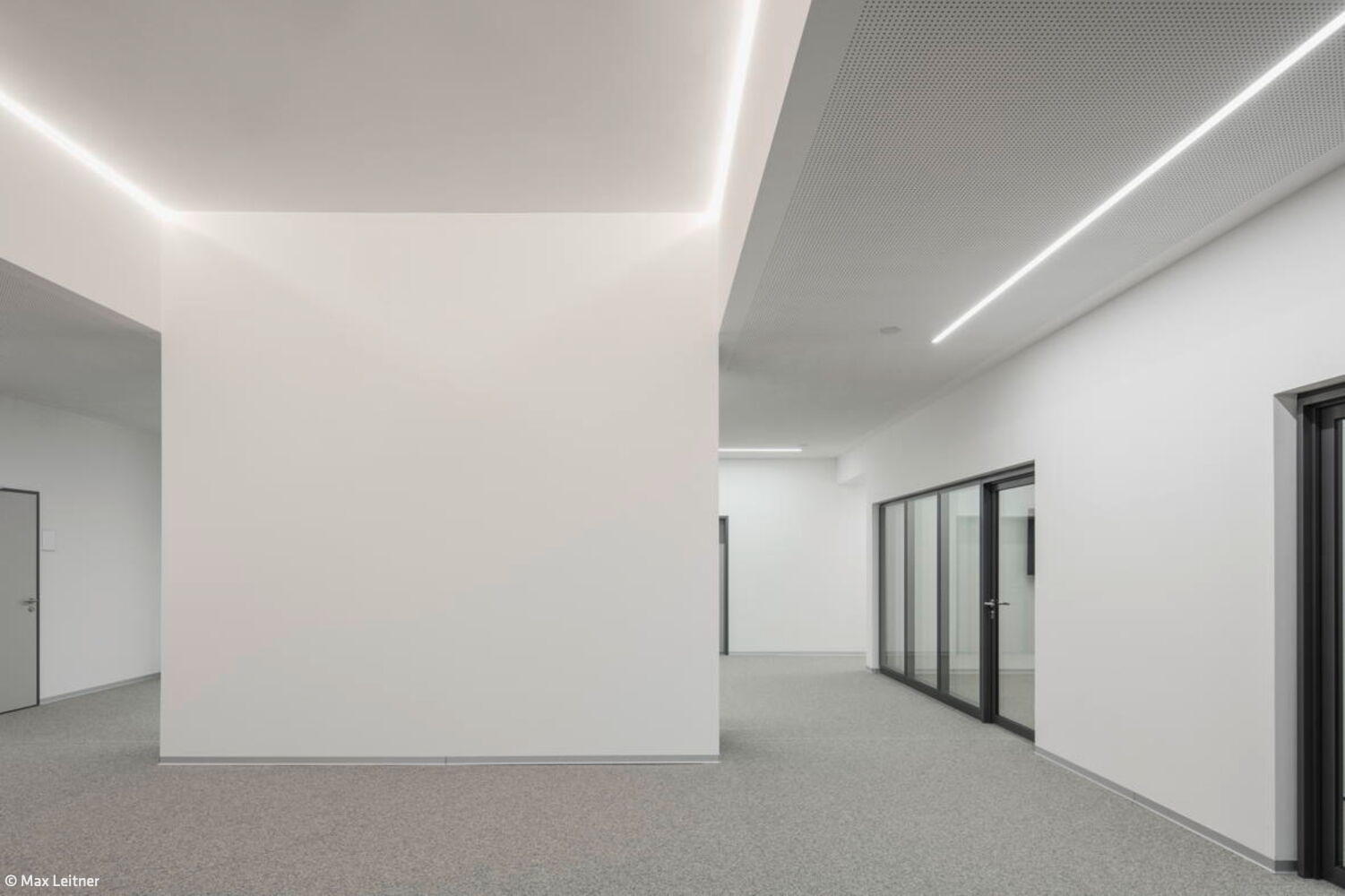
The International School Stuttgart (ISS), founded in 1985, has a long-standing partnership with a+r Architects. The Stuttgart firm designed the school's existing buildings in 2002 and 2012, and has now completed a new building on the Degerloch campus that serves as a unifying focal point. Throughout the design, a commitment to openness and expansiveness defines the architecture.
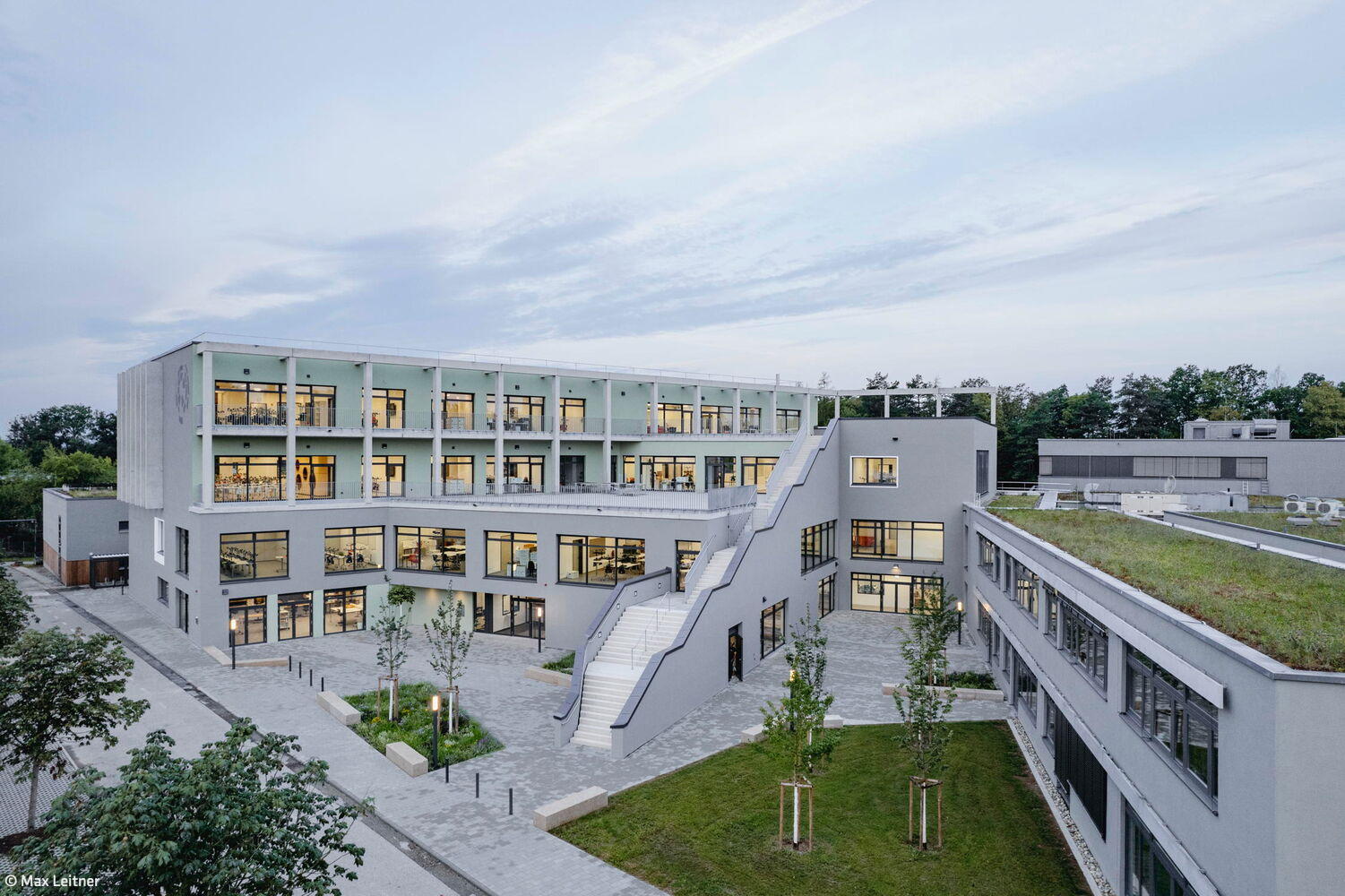
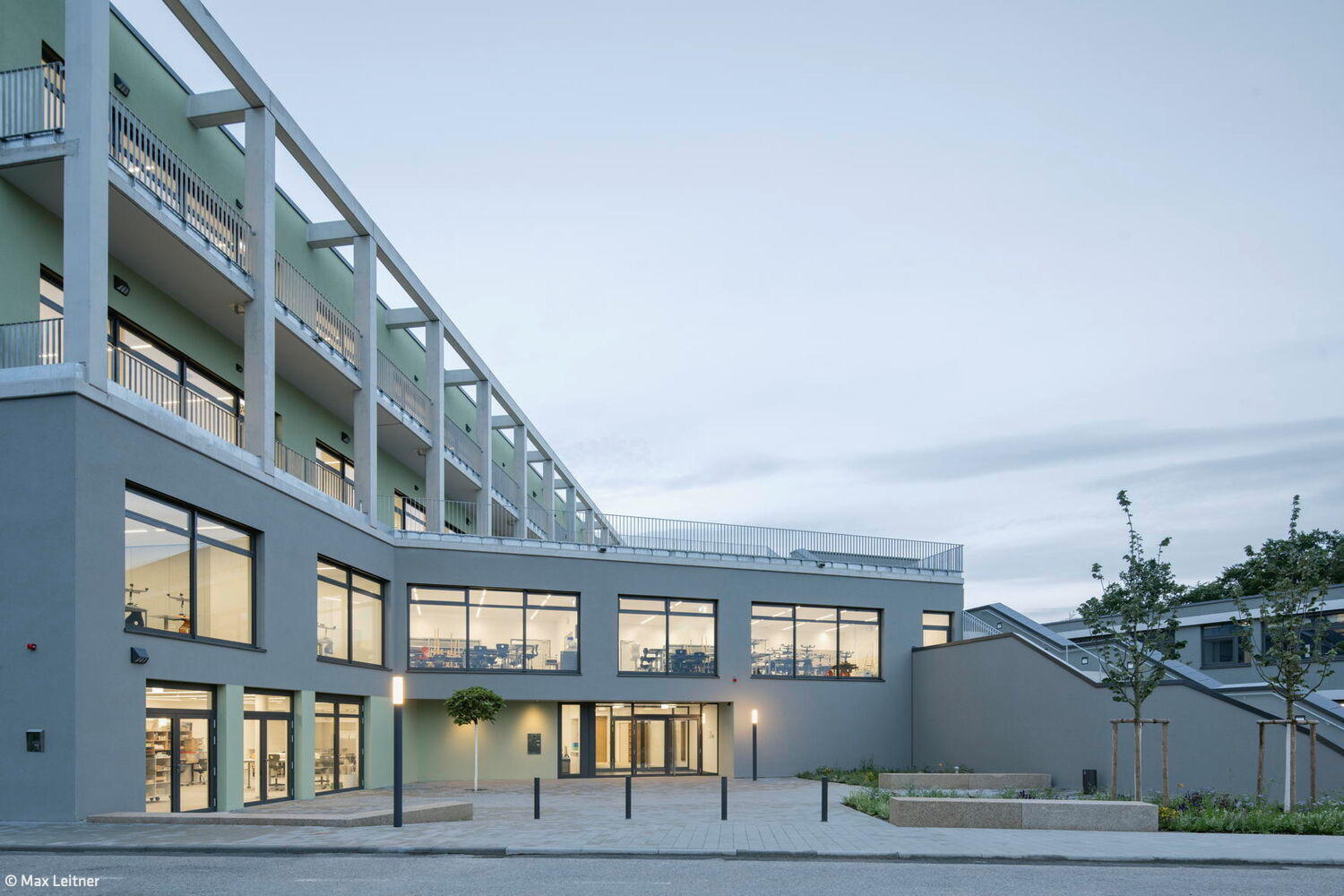
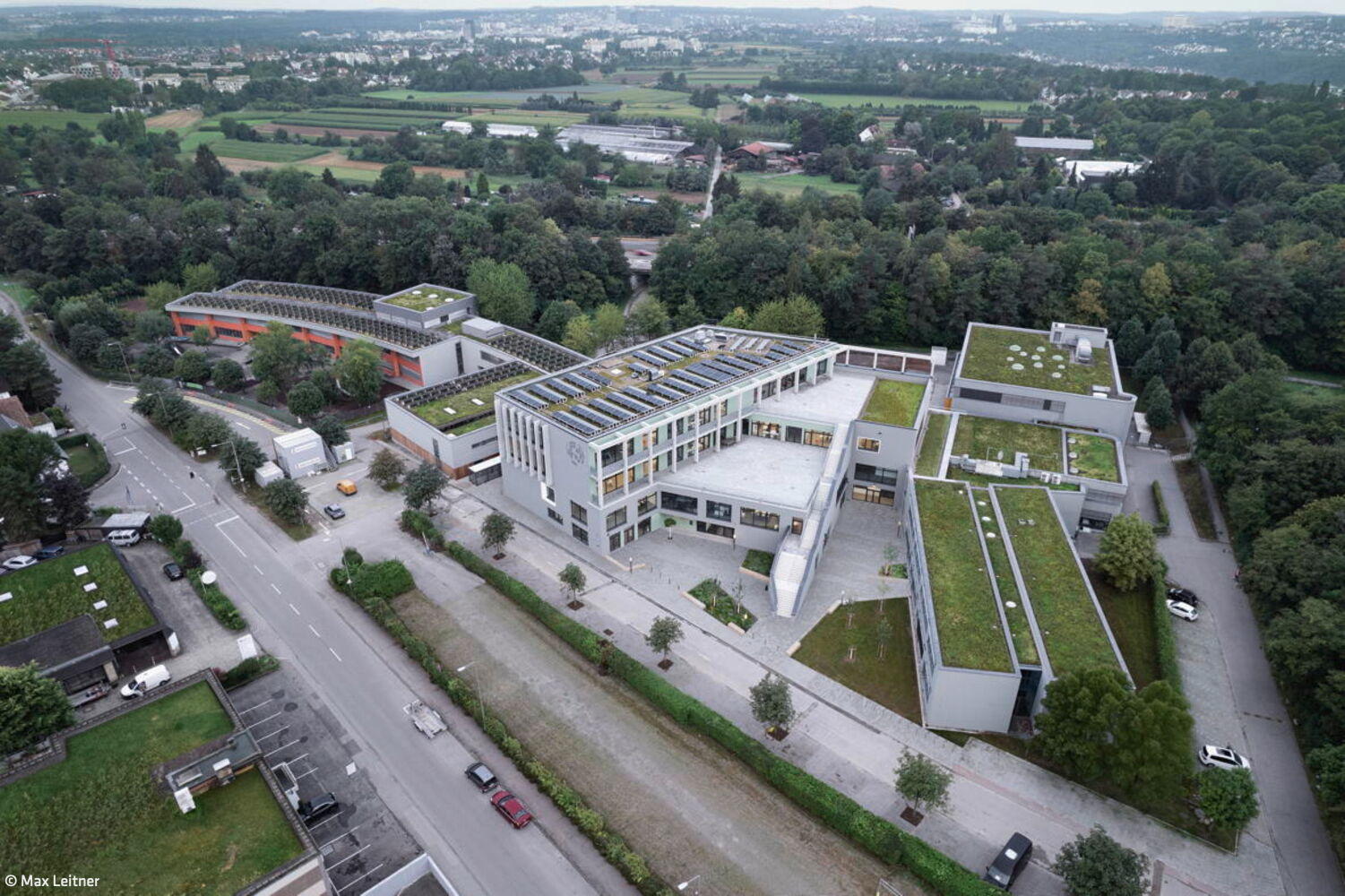
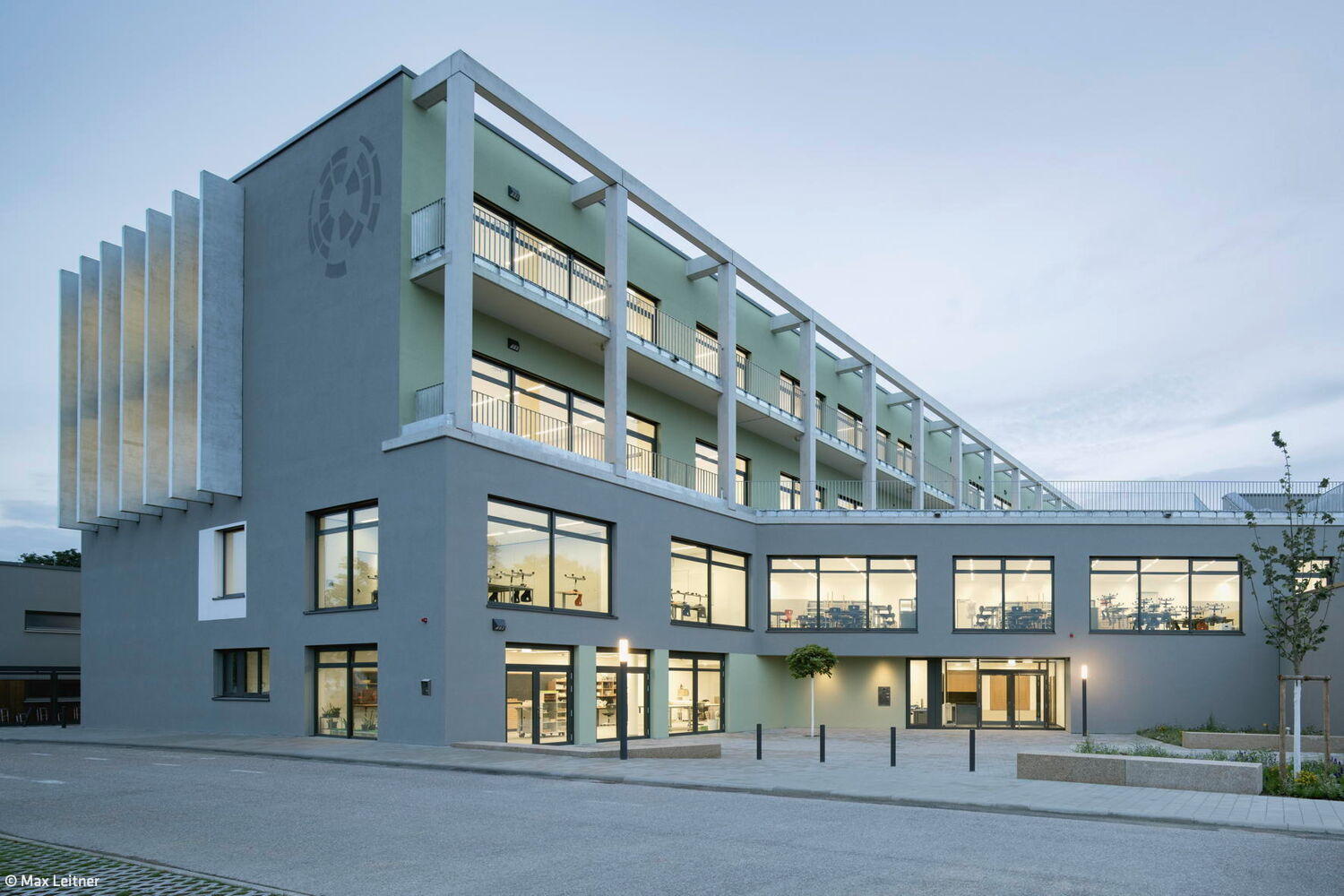
The four-storey building's southern section follows the existing building line, while its northern portion steps back in a series of terraces. This creates an inviting public plaza on the east side, balanced by sports and recreation areas to the west. A striking external staircase anchors the composition—visually expressing the building's layered structure, linking the levels, and serving as a second emergency exit. Solid construction with a plastered thermal insulation system is enlivened by expansive glazing. The two upper floors open seamlessly toward the landscape, flowing onto generous terraces. A continuous pergola of precast concrete spans both levels, defining the threshold between inside and out—functioning alternately as balcony and protective shade element. Toward the street, this design intensifies into a sculptural bay window that extends across both upper floors, lending depth and visual interest to the façade. School building consultant and architect Kirstin Bartels from Hamburg collaborated with the client to develop the spatial and pedagogical concept. Through workshops with future users, the ISS's spatial programme took shape. The new eastern entrance leads into the "heart" of the campus—a generous foyer that opens onto the school's public spaces: the multifunctional Black Box Theatre, creative workshops, music and rehearsal studios, a design cluster, and a cutting-edge IT collaboration space.
A generous main staircase ascends from the foyer to the first floor, where the fully accessible "school street" connects the individual building sections. A southern stairwell provides central access to all cluster levels. The open learning clusters embody contemporary teaching and learning practices. Each comprises two to three classrooms with accompanying differentiation spaces, organized as self-contained learning studios. At the heart of each sits an open multipurpose area that serves as a gathering space, with direct sightlines to the outdoors. Strategic niches—"arenas" and "cosy corners"—enable diverse options for focused work and collaboration. Sustainability is equally embedded in the design: the building achieves KfW55 energy standards, powered by rooftop solar cells with geothermal heating. Controlled ventilation maintains optimal indoor conditions, while green roofs enhance the overall environmental performance.
Photography Credits:
Max Leitner
www.maxleitner.com
(Published in CUBE Stuttgart 03|25)

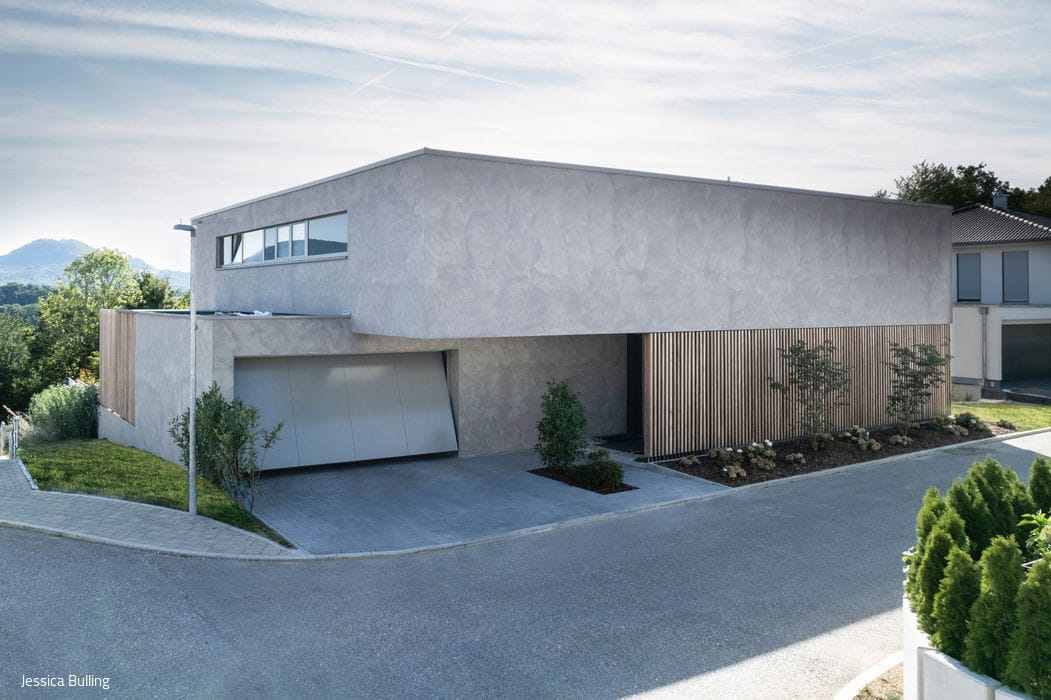
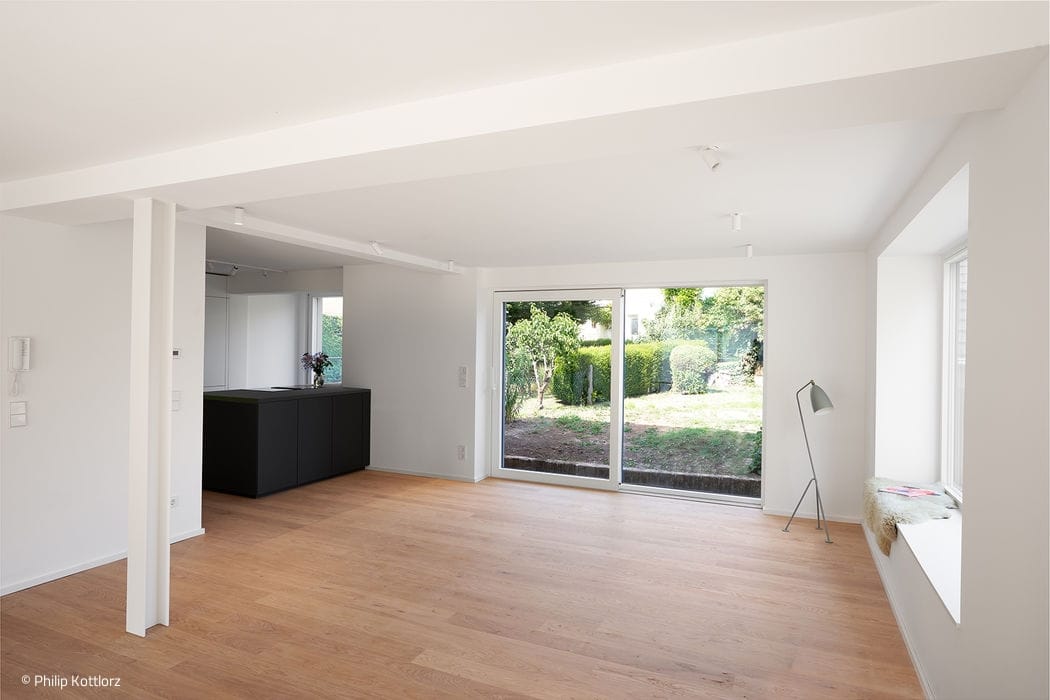
Light and Grounded
Renovation and Modernization of a 1910 Semi-Detached House
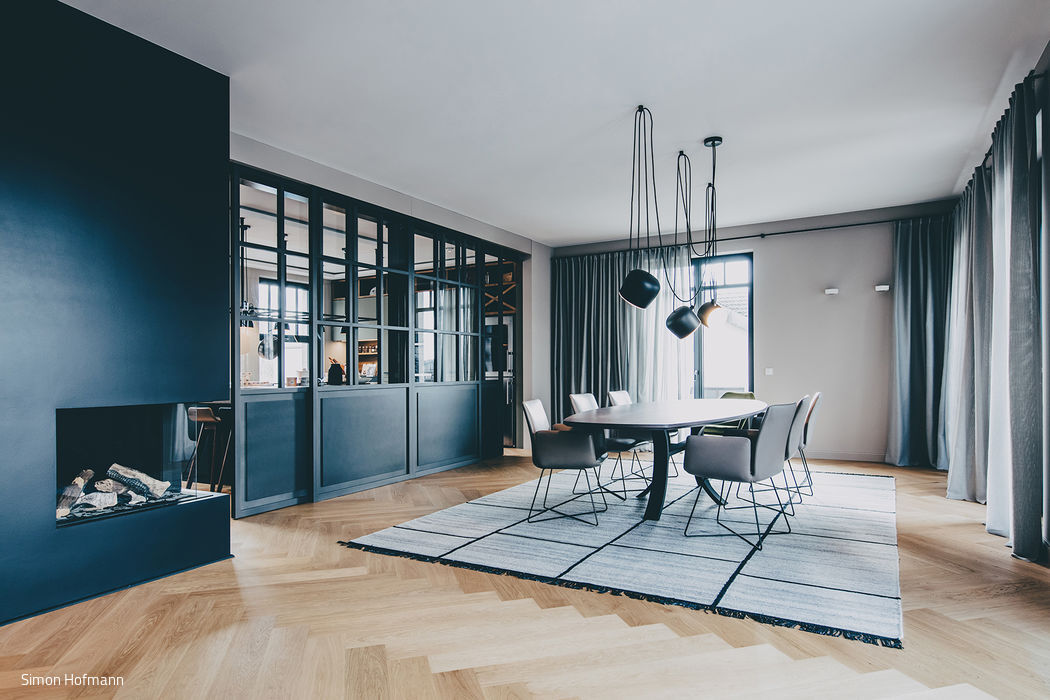
Anything but Ordinary
City Villa with Hotel-Inspired Character and Three-Story Open Staircase
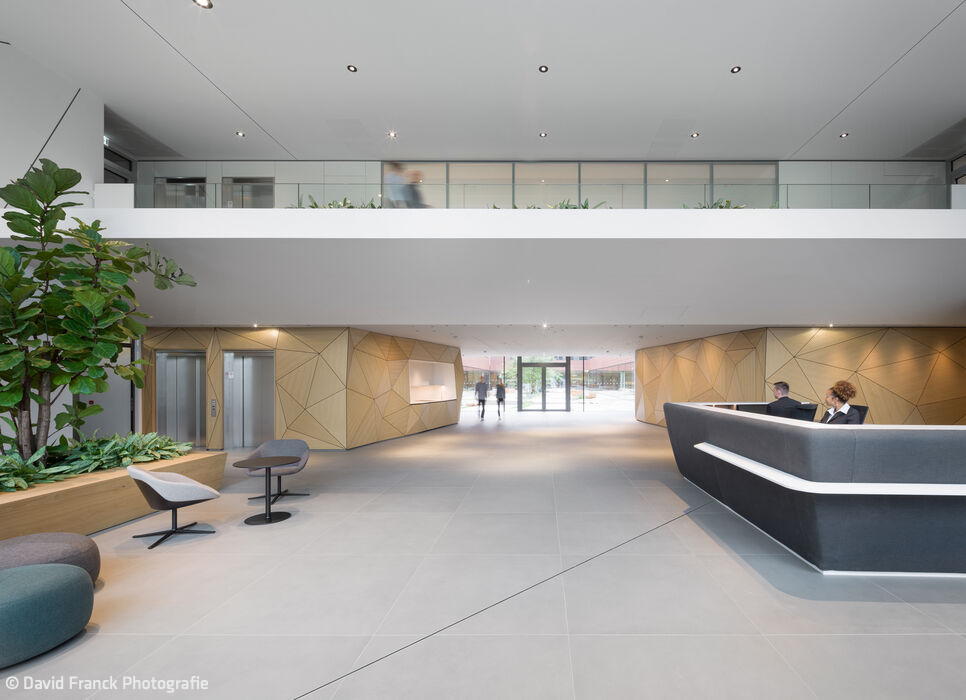
A Distinctive Learning Environment
Interior Design: Making Learning a Memorable Experience
Multifunctional and Flexible
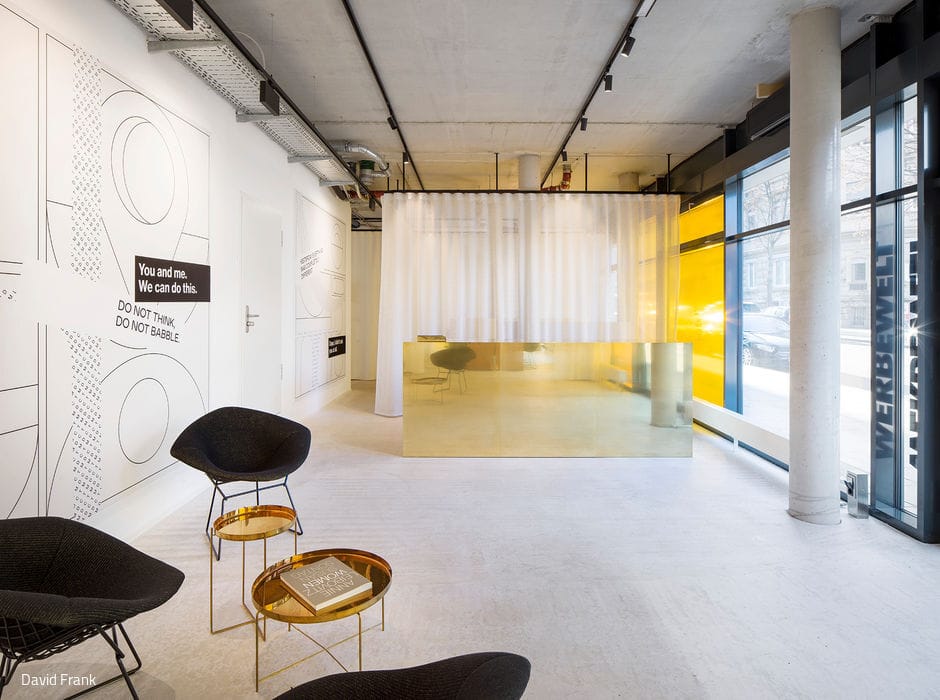
An advertising agency designed to transform—from urban workspace to inspiring event venue