


A New Chapter
Thoughtfully redesigned, the conversion creates two generous apartments across three levels.
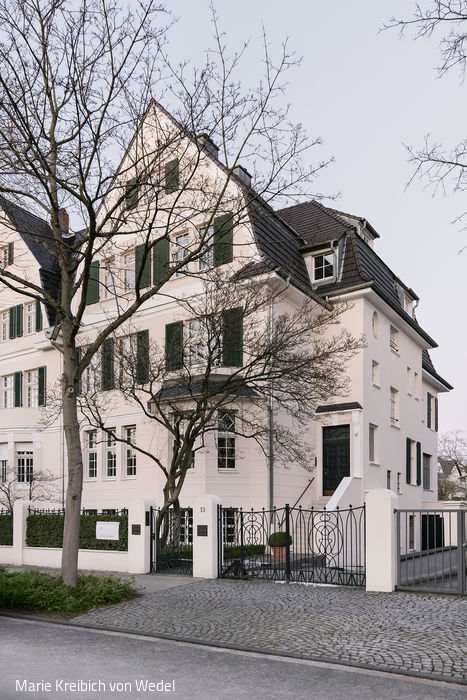
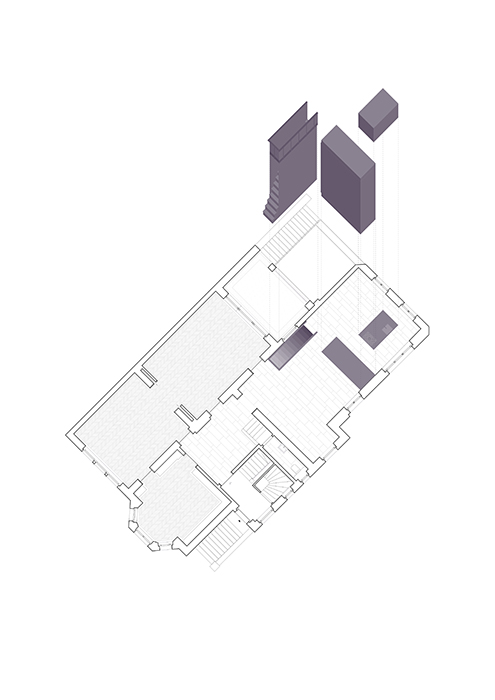
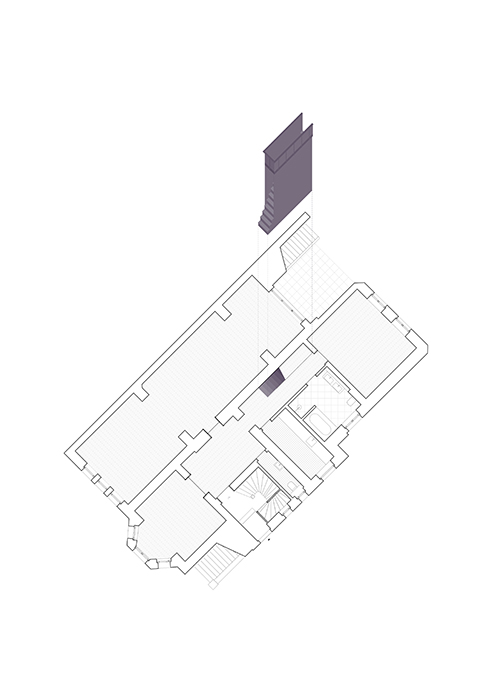
In this verdant neighborhood near the Rhine, life flows easily whether you're raising a young family or enjoying your retirement years. Those who settle here rarely leave—even when life circumstances shift or the house quiets after the children have grown. Yet what becomes of a home that suddenly feels too large? The answer lies in thoughtful redesign. That's precisely what Keßler Plescher Architects accomplished with a turn-of-the-century villa in Marienburg. The first-floor rooms were reimagined as an independent residence, while the couple claimed the basement and raised ground floor for themselves. The heritage-listed building offers ample room to accommodate both.
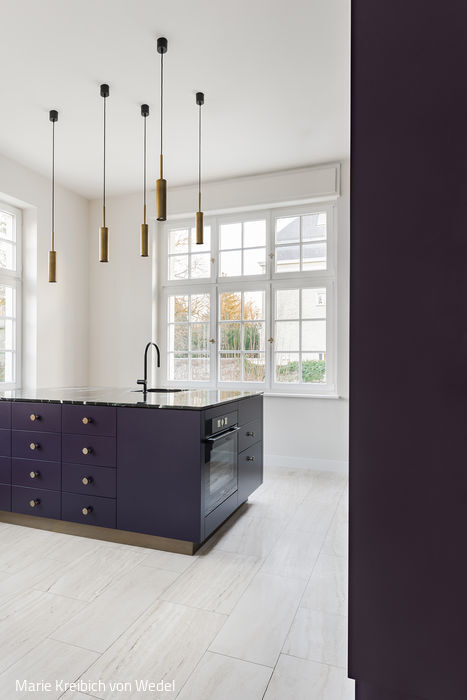
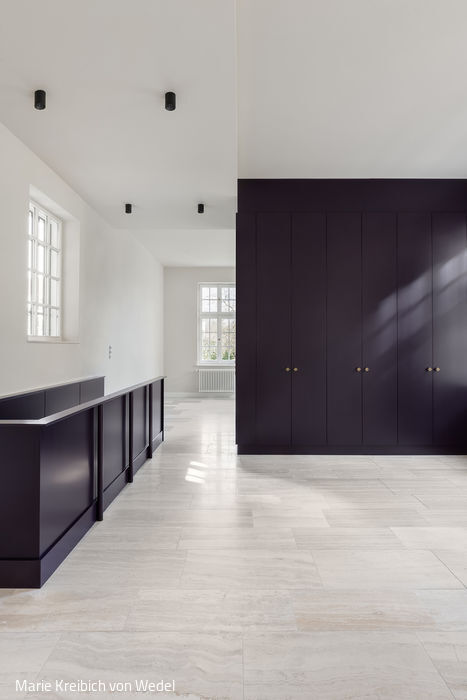
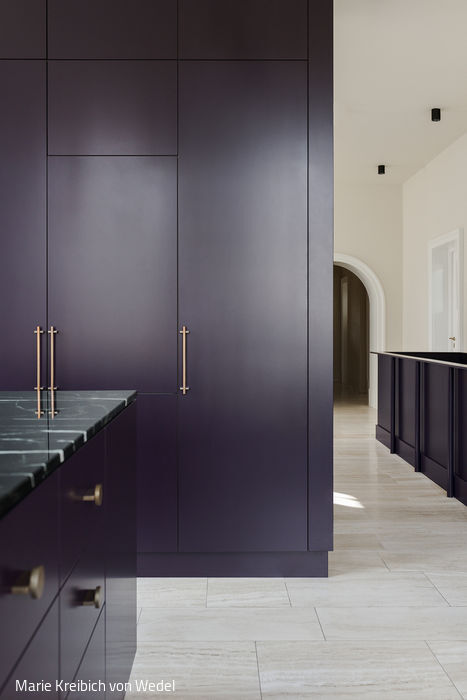
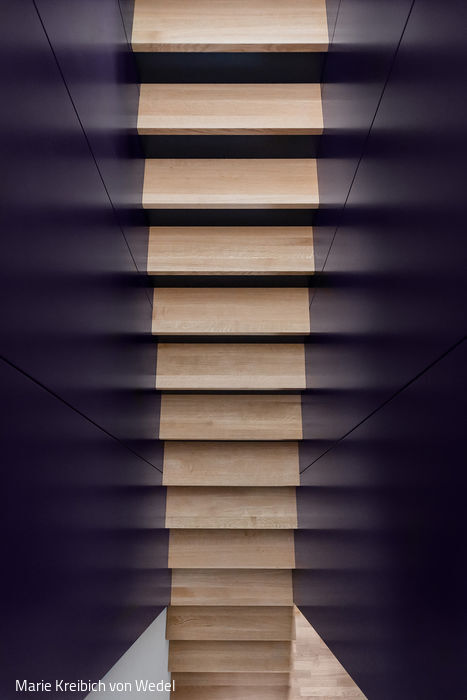
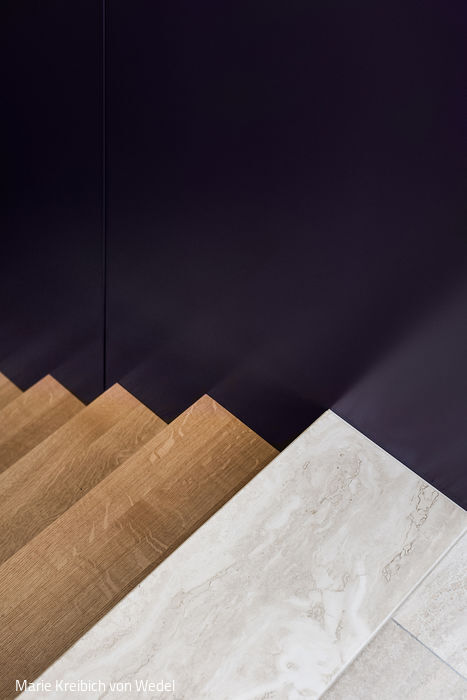
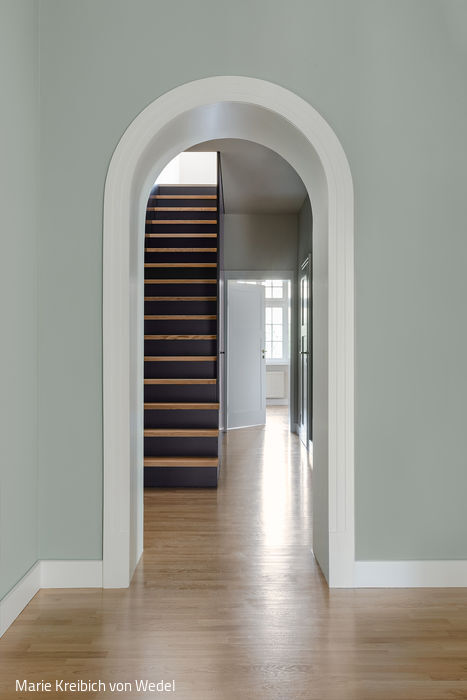
The couple deliberately chose the raised ground floor and basement for their living quarters—a decision that grants direct access to the garden. Views of lush greenery now unfold as they prepare meals at the kitchen island, a centerpiece that anchors the expansive space created by merging the hallway, kitchen, and dining area. Two other defining elements complete the composition: a floor-to-ceiling built-in cabinet that grants the kitchen visual independence within the open plan, and a new staircase. This staircase elegantly bridges the formal rooms above with the intimate spaces below, its exposed structure casting dramatic shadows on the basement level while reading almost as sculpture. On the raised ground floor, the warm travertine flooring provides striking contrast to the deep aubergine cabinetry and the rich green marble countertop. Custom-designed handles and fixtures in burnished brass introduce an understated, refined quality. Bedrooms now occupy the basement—a decision that proves remarkably practical as summer temperatures continue to climb.
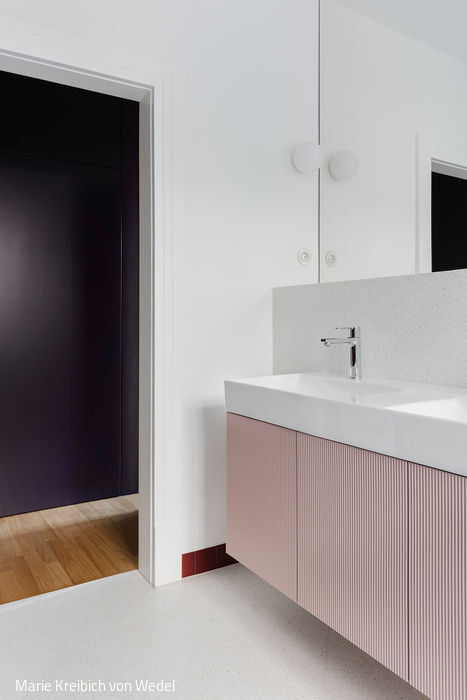
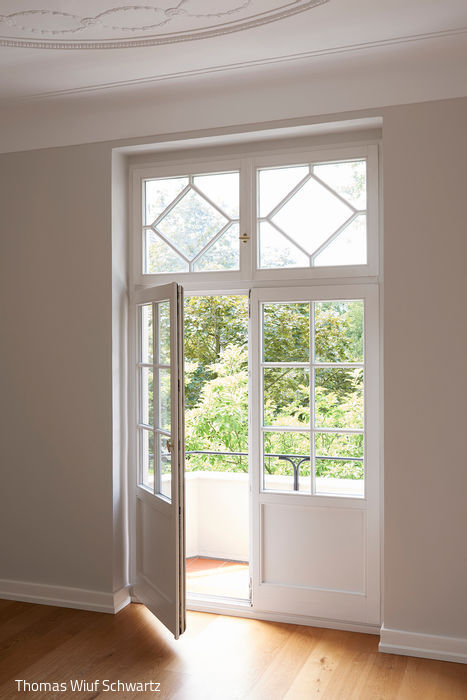
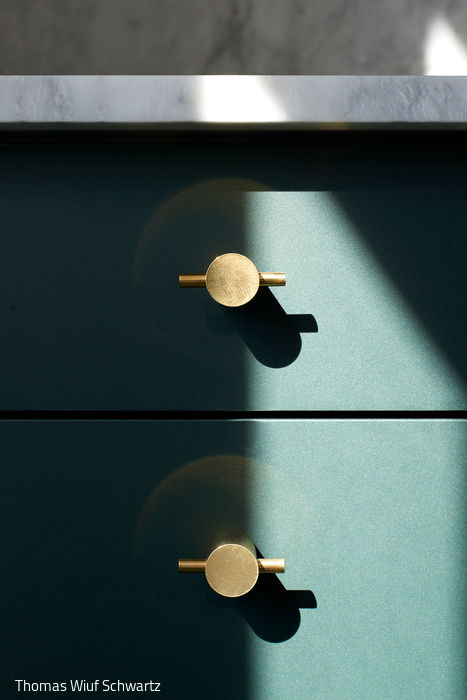
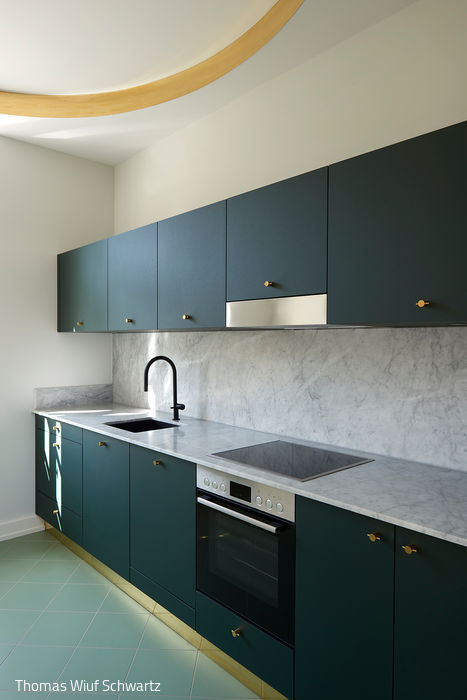
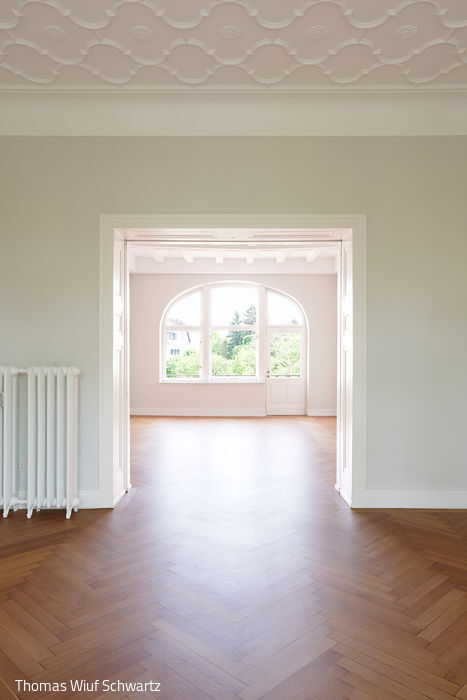
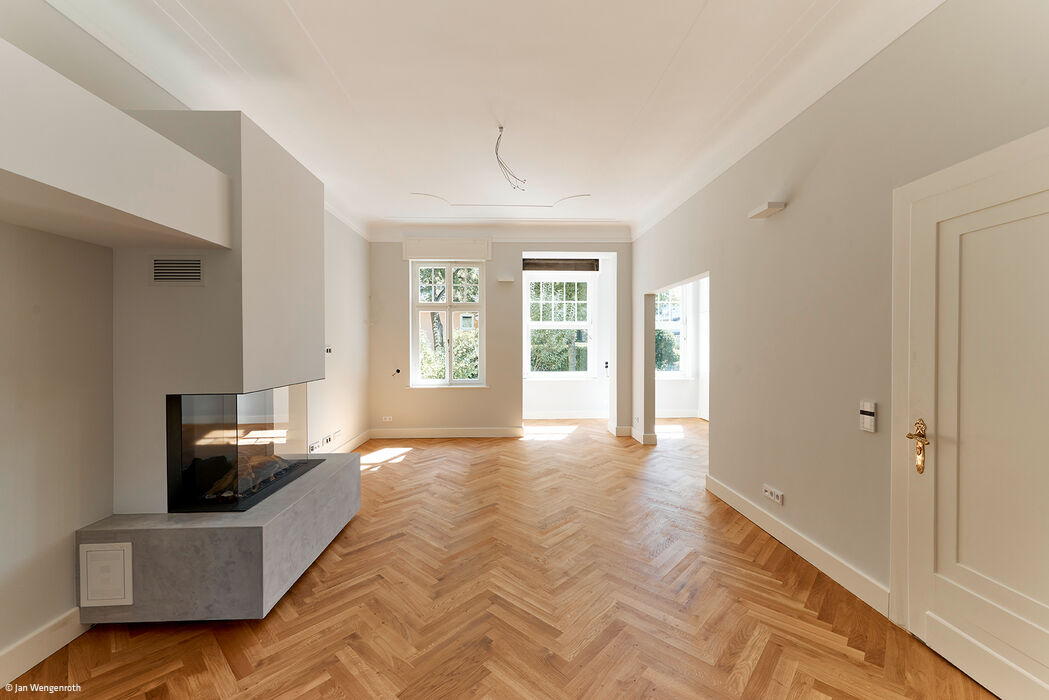
The former bedrooms on the piano nobile have been transformed into a standalone apartment. During the first phase of this two-part undertaking, the original period details—ceiling plasterwork, flooring, doors, and windows—were meticulously restored and carefully completed where time had taken its toll. The existing spatial layout accommodated both a new kitchen and generously proportioned bathroom with ease. This seamless integration proves that the building's original architecture possesses both flexibility and enduring relevance.
Photography Credits:
Marie Kreibich von Wedel
www.mariekreibich.com
Thomas Wiuf Schwartz
www.thomaswiuf.dk
(Published in CUBE Cologne Bonn 03|23)


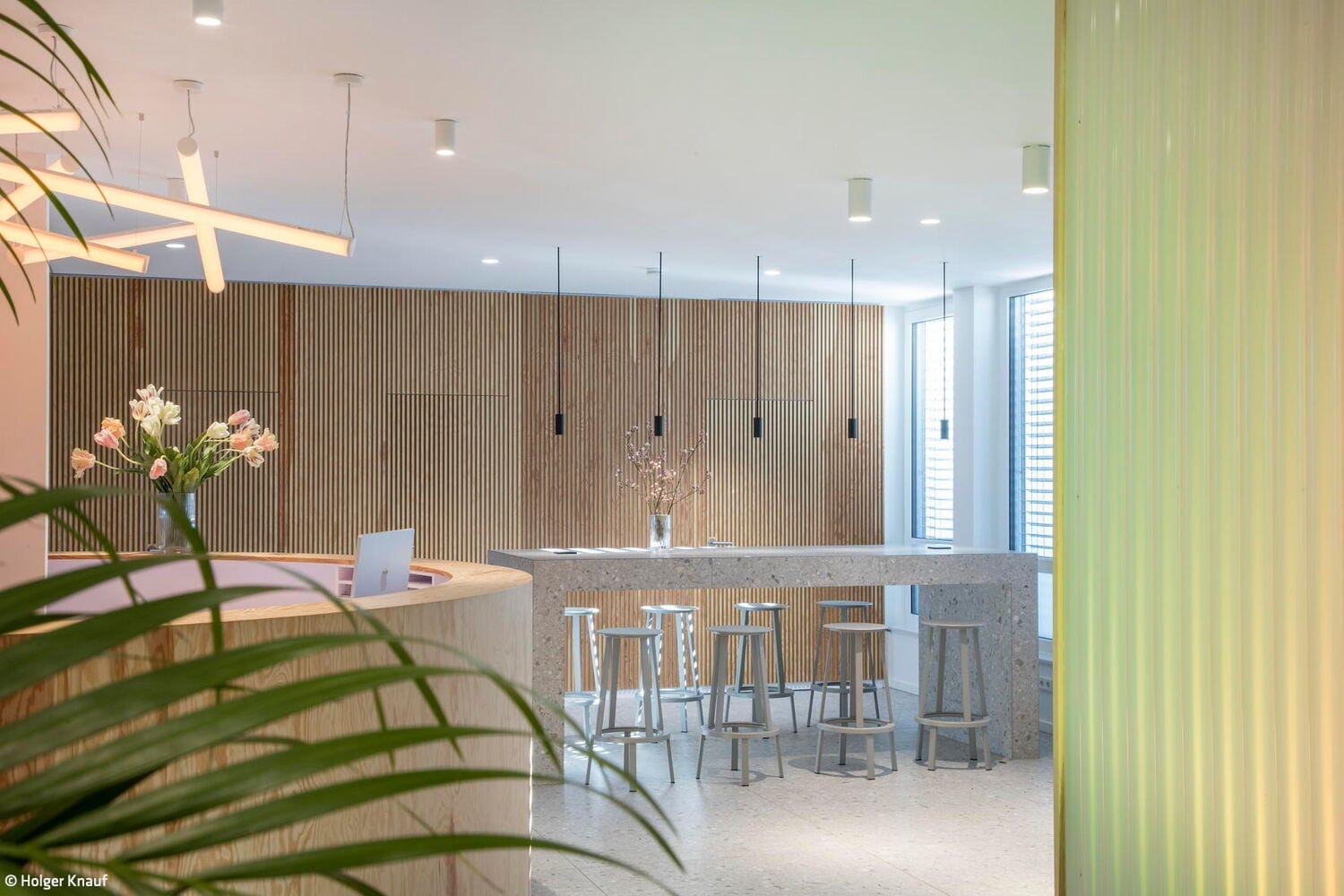

Spaces for change
An agricultural trading company is focusing on greater flexibility and communication in the south of Cologne
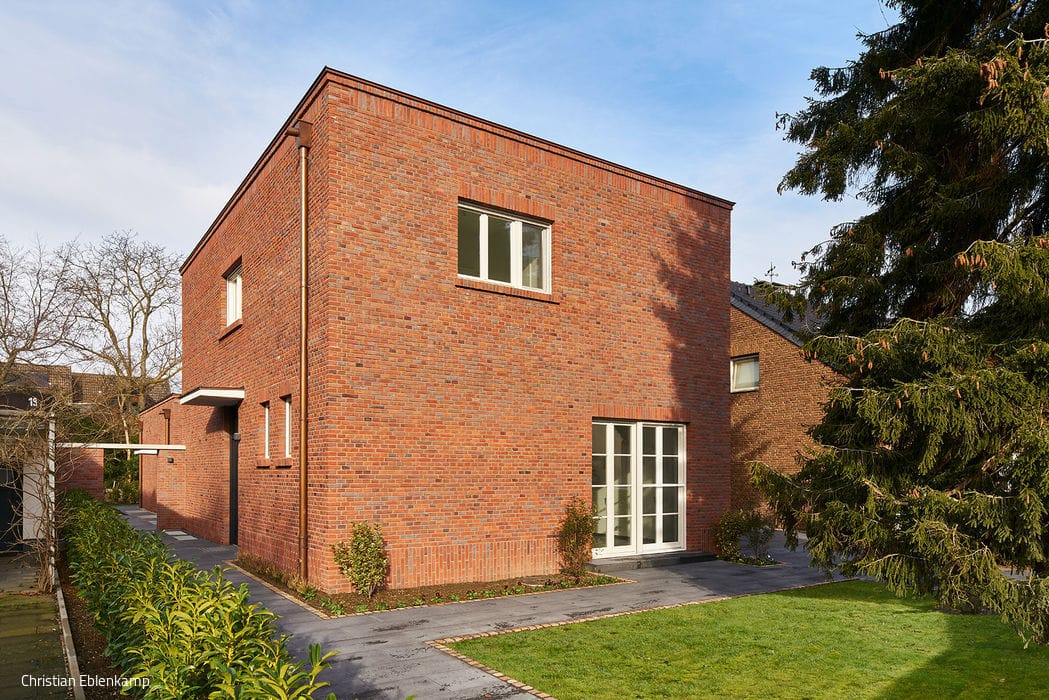
Reimagining Existing Structures
Respectfully restored and thoughtfully modernised—a Bad Honnef villa regains its presence
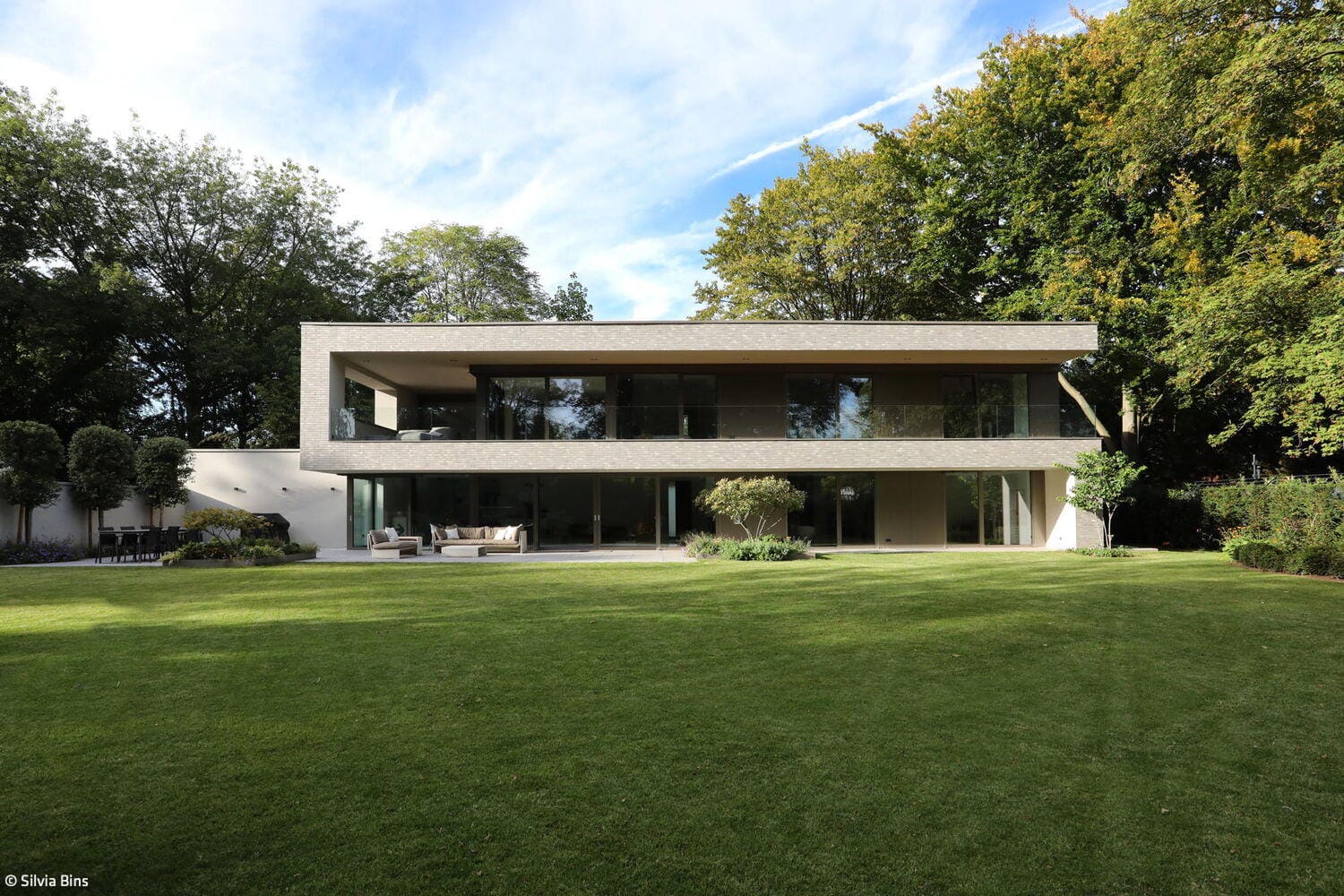
Hidden Transformation
A bungalow in Hahnwald becomes a spacious family home with garden views
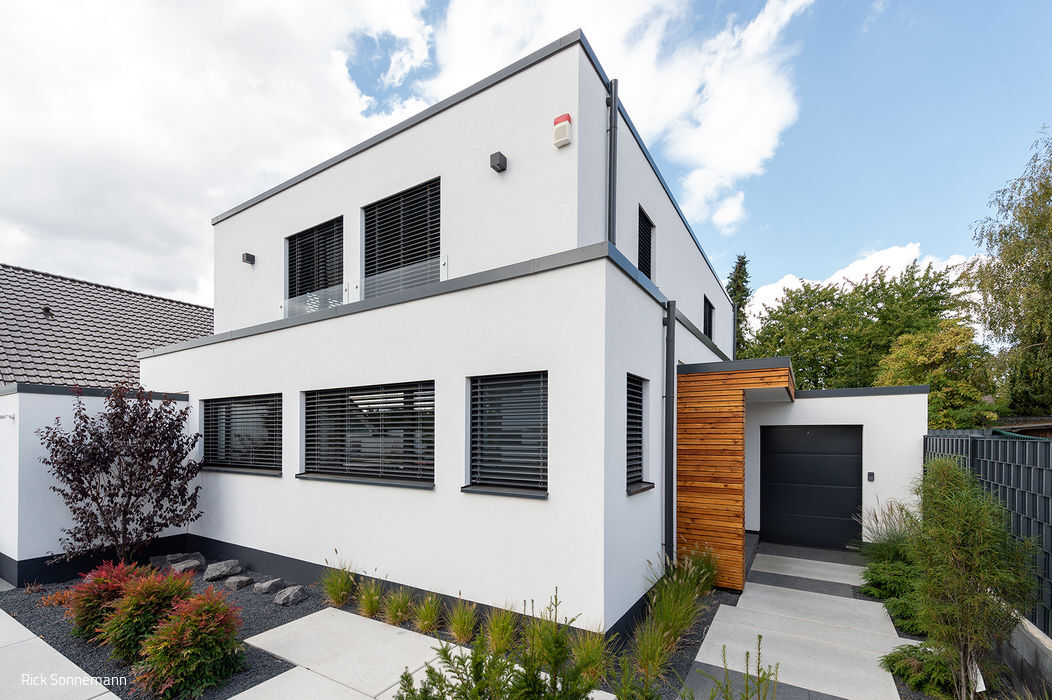
Embracing Change
Open living space with places to retreat offers versatility for the future