


A Monument Reimagined
Derendorf's historic horse slaughterhouse, built in 1870, has been transformed into a vibrant learning and student centre
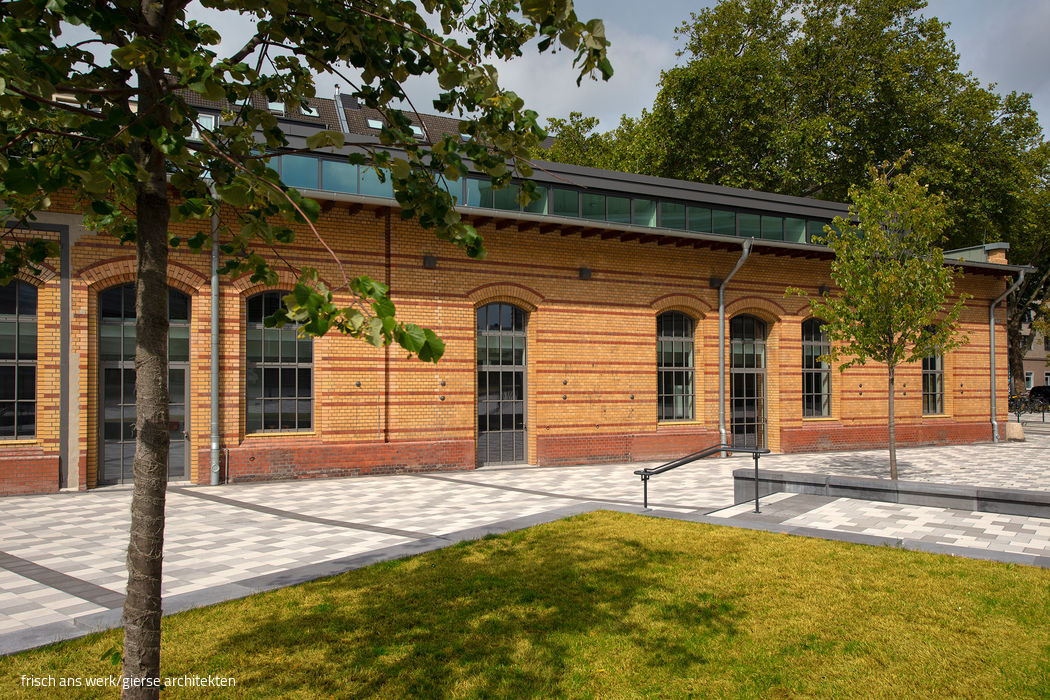


On the Düsseldorf University of Applied Sciences campus, Kerstin Gierse Architekten—a Velbert-based practice—has masterfully transformed the historic 1870 horse slaughterhouse into a contemporary learning and student centre. Within the protected single-storey hall, they inserted a two-storey new building. The ground floor features a generous entrance hall with an accessible steel-glass lift, adjacent to a flexible multifunctional space perfect for events, exhibitions, and seminars. Modern office and training facilities occupy the entire upper level. A steel-glass pavilion connects the building to an adjacent structure, creating a striking contemporary dialogue with the restored brick heritage building.
Integrating a two-storey new structure inside the historic hall required careful intervention. The architects first excavated the building interior to its original historic level, underpinning the existing foundations and masonry before installing a protective facing shell. The roof was dismantled and rebuilt as a new rafter roof complete with a glazed shed, flooding the upper office and training spaces with natural light. The brick façade was carefully sandblasted and restored—including individually modelled and re-fired formstones where necessary. The multi-storey window openings were reconstructed according to historical documentation, posing unique fire safety challenges at the concrete ceiling. Internally installed steel swords prevent fire spread between levels. The interior work equally honoured the building's heritage: original granite slabs, uncovered during excavation, have been cleaned and relaid in the entrance hall. Historic wall tiles are now visible through viewing windows in the stairwell.
New window frames—fabricated from slender steel profiles with period-appropriate glazing bars—echo the original detailing. Inside, warm red and anthracite tones (the university's signature colours) define the spatial experience. Campus paving is reinterpreted in polished form within the steel-glass passage, establishing a seamless visual connection between Rather Straße and the campus core.
(Published in CUBE Düsseldorf 01|21)
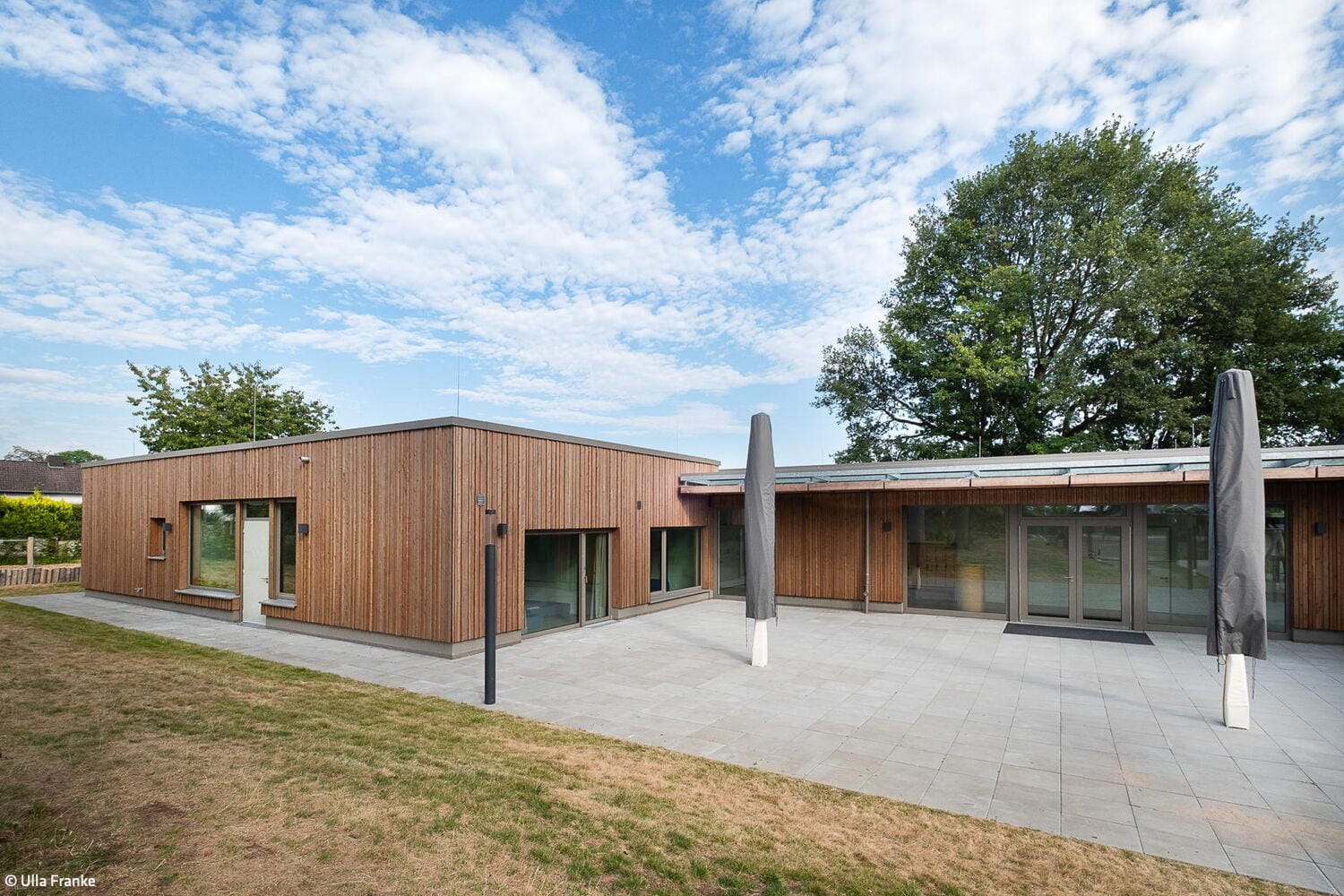
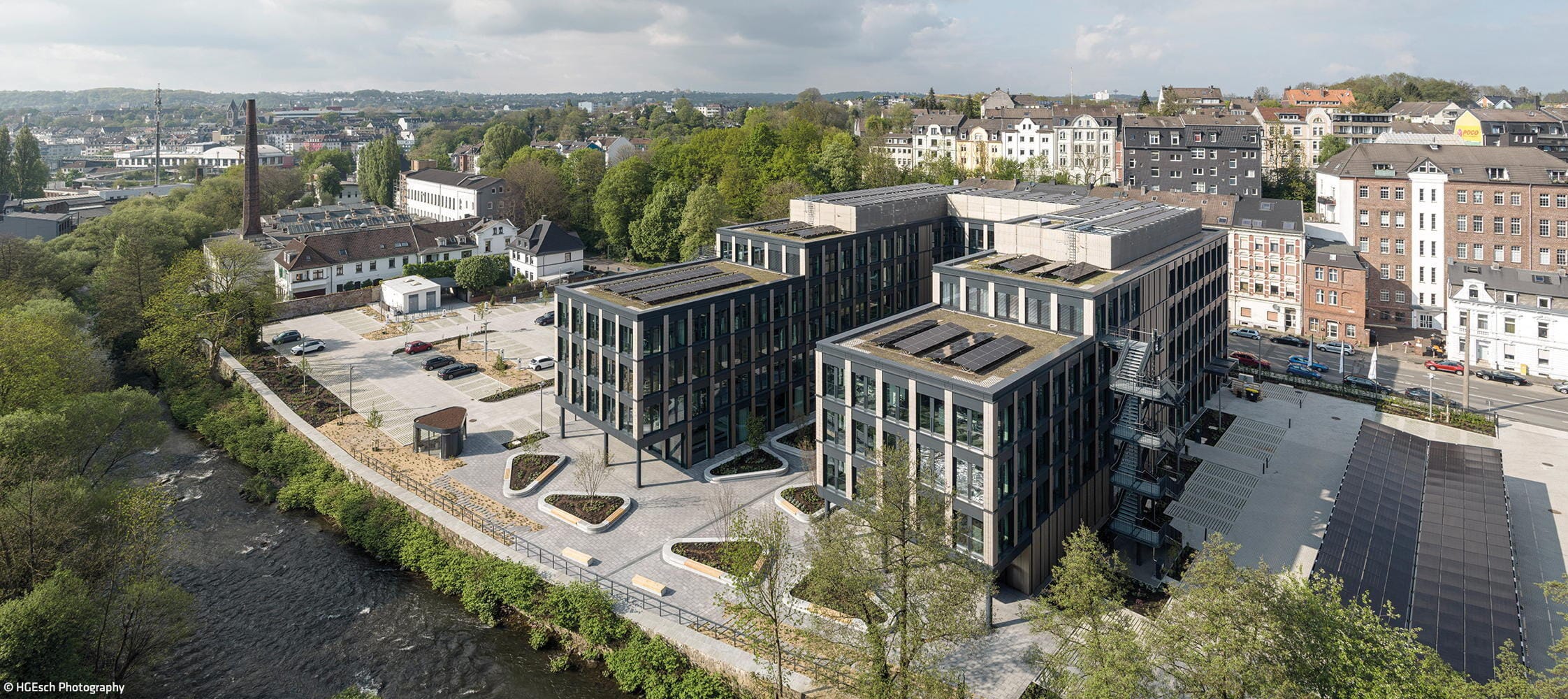
Dynamic and Transformative
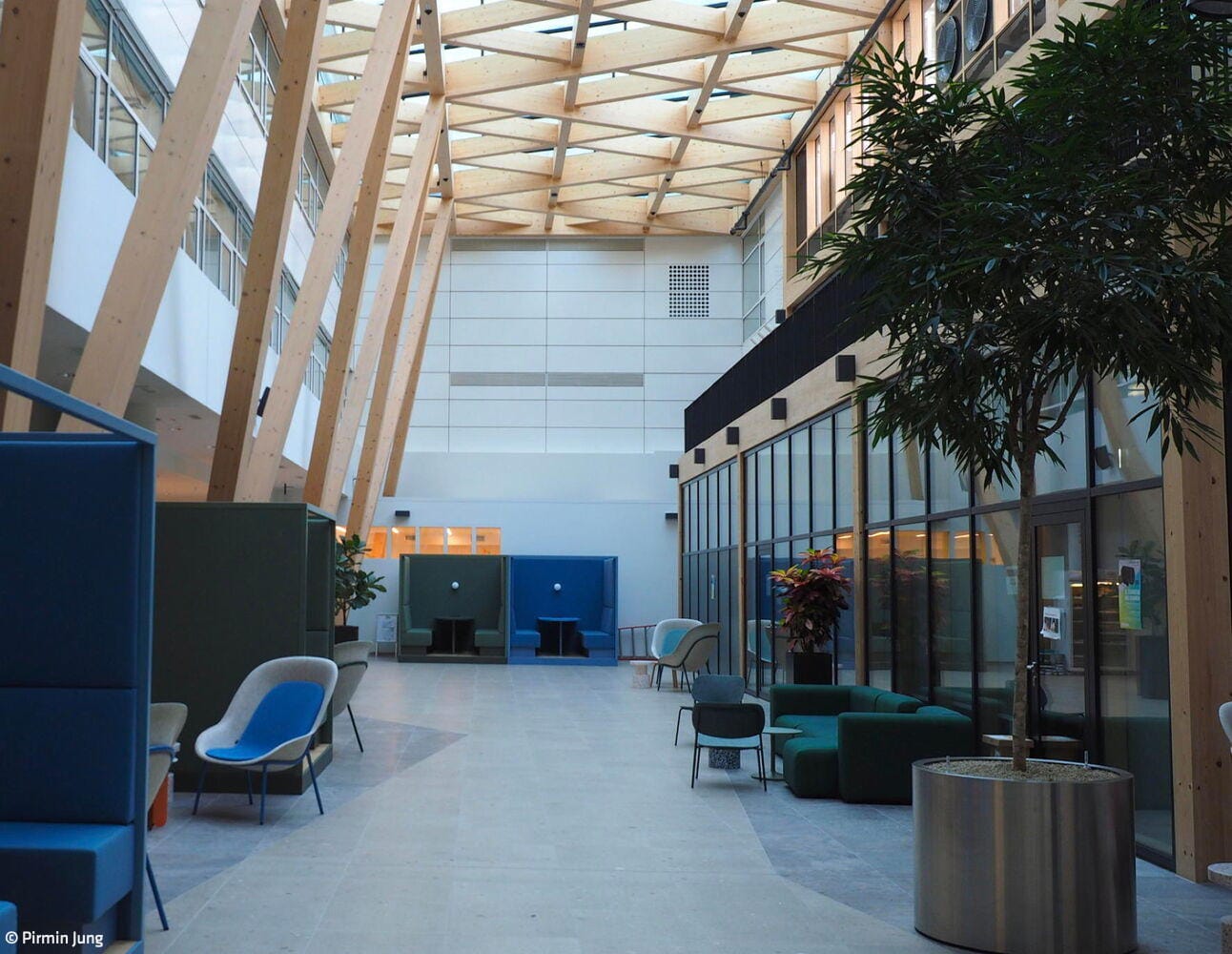
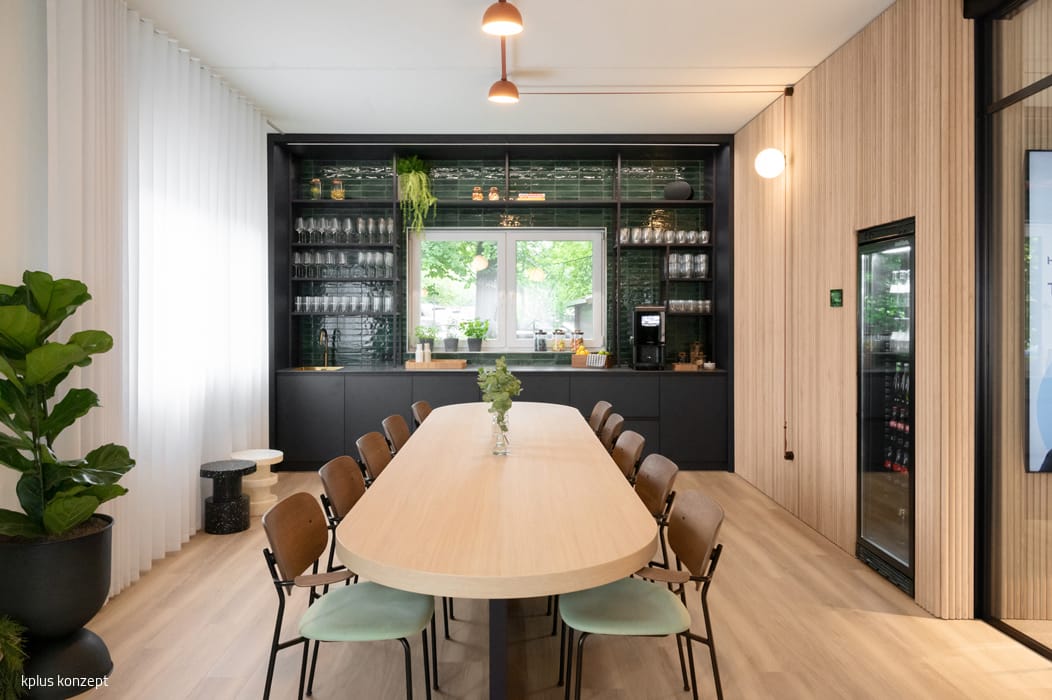
A training centre distinguished by thoughtfully curated spaces—each uniquely designed
Picturesquely Presented
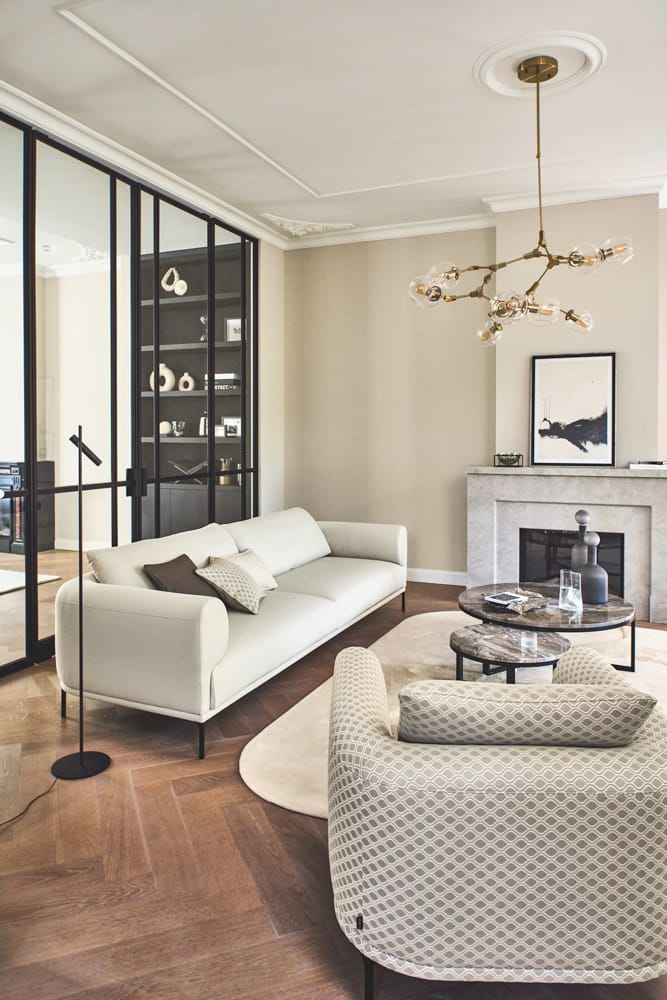
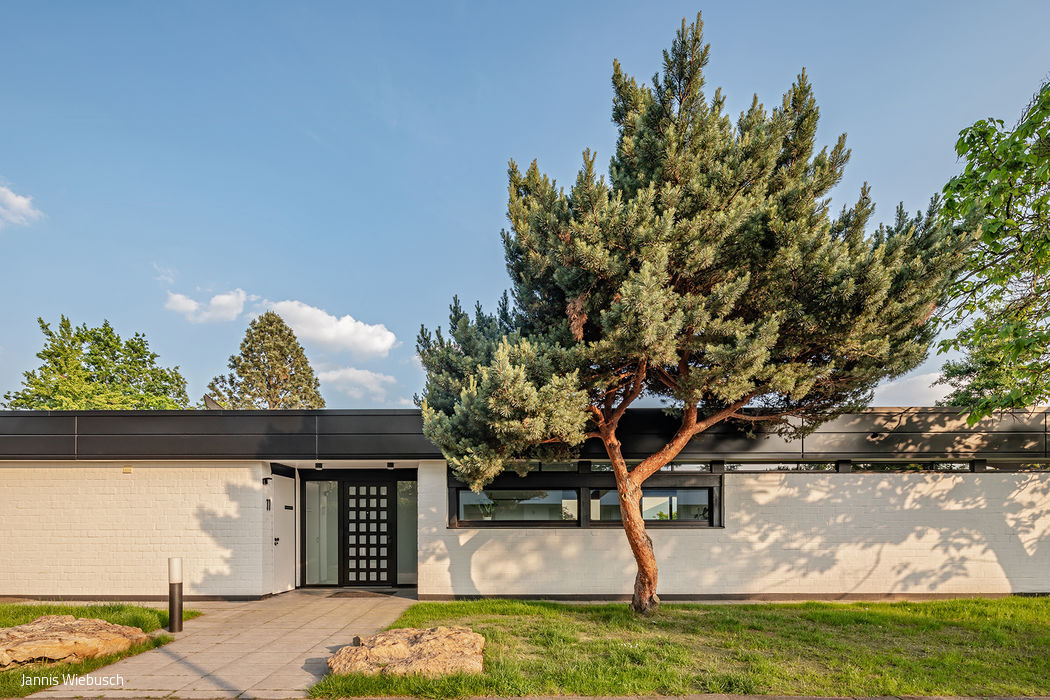
A 1960s bungalow restored with period precision
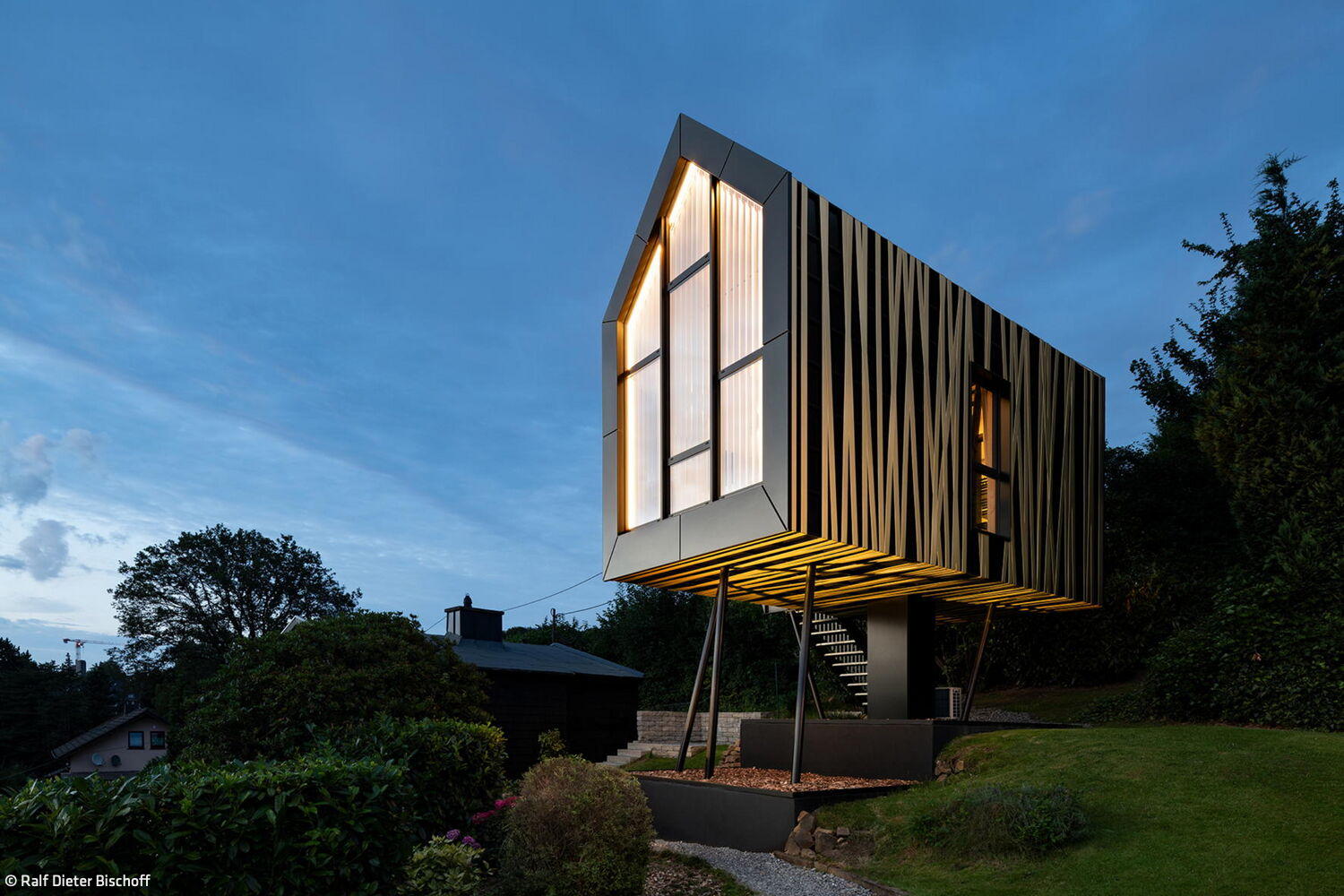
Robust and Authentic
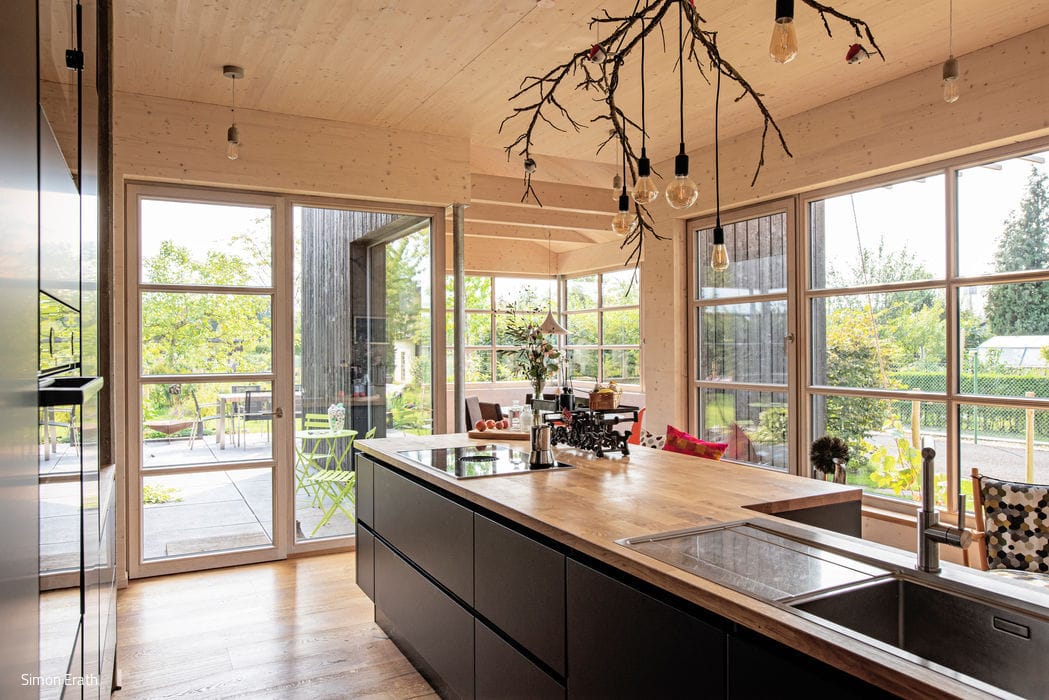
A residential home emerges from a low-tech design philosophy
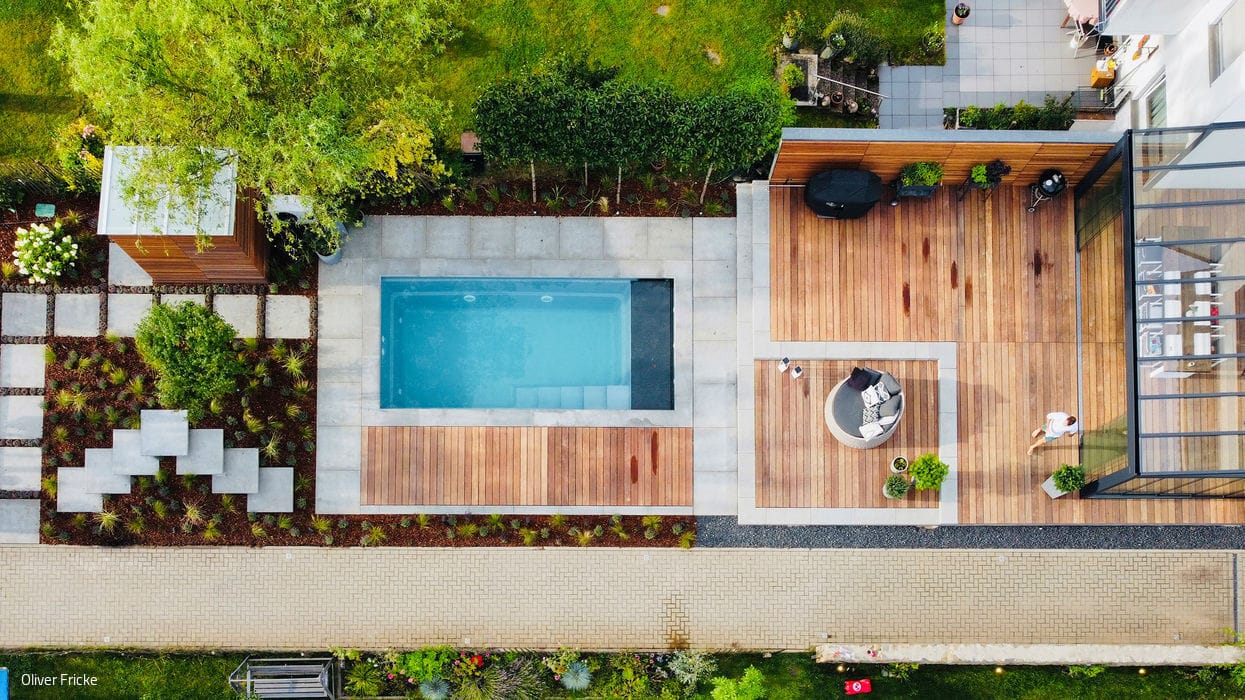
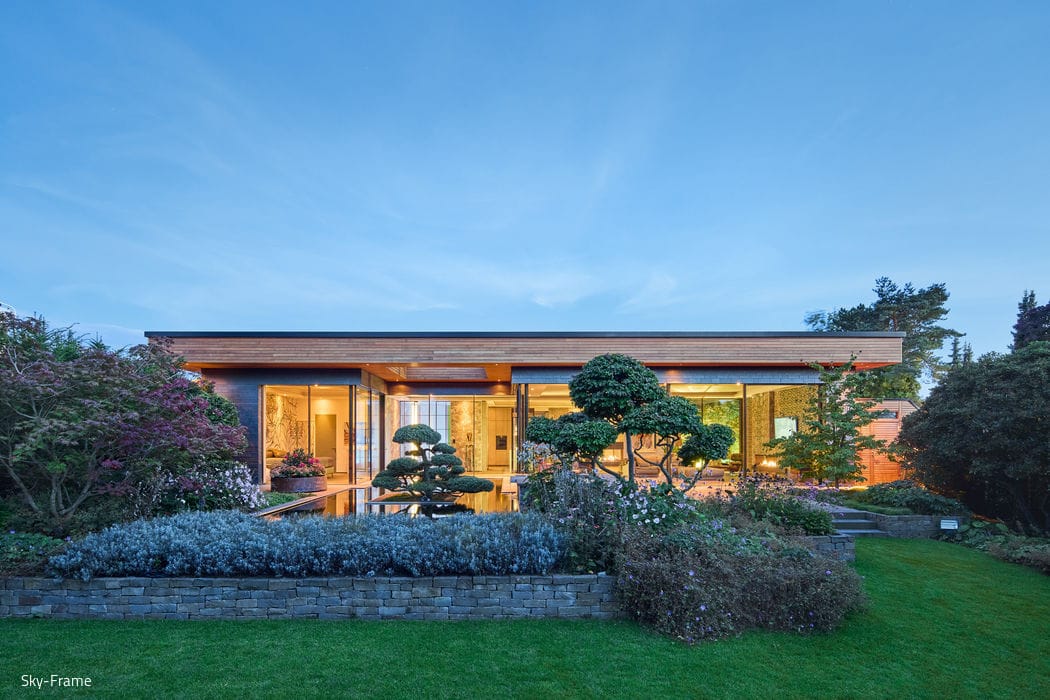
Layered Landscapes
A Pool Garden: Balancing Play and Retreat