


Sustainable High-Rise Construction
What High-Rise Buildings Reveal About a City
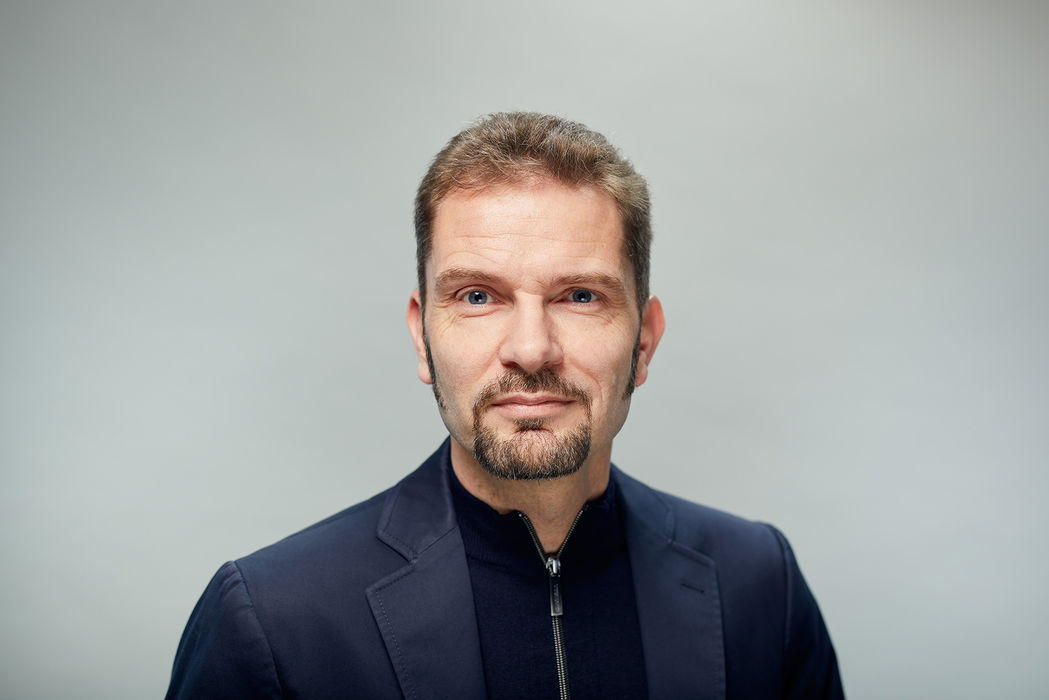
CUBE: Ingenhoven Architects designed the RWE Tower in 1997 – one of the world's first buildings to incorporate a rear-ventilated façade. What inspired this pioneering approach?
Martin Reuter: It's undoubtedly a landmark in high-rise architecture. The driving force was straightforward: exploring how to build sustainably, energy-efficiently, and responsibly at scale. The double façade we developed became integral to the system – essentially the building's natural ventilation strategy.
Looking back a quarter-century later: how much has the industry transformed?
Absolutely. High-rise construction is a critical tool for addressing the challenges we face globally. Rather than sprawling endlessly outward, we're focusing on densifying urban centers – which is inherently more sustainable. What's changed is our vision for these buildings. We've evolved from pure energy optimization to energy generation, and now we're asking: what can a high-rise contribute to the city itself? That progression is clear.
With rising property values, growing urban migration, and escalating construction costs, the shift toward high-rise development is unmistakable. Could this trend risk recreating the visual monotony of East Germany's prefabricated housing estates?
I don't see that risk materializing. Yes, we see those patterns in Hong Kong and China, but Central Europe won't follow suit. We have agency here – we can choose a different path. Today's regulatory standards already demand more. Public spaces must be woven throughout the building. Greenery must be integrated. These requirements alone will transform high-rise construction for the better.
Stefano Boeri's vegetated towers are often cited as exemplary sustainable high-rise design. Yet this greenery presents real challenges—uncontrolled growth and maintenance demands can become burdensome. What principles do you consider essential to truly sustainable high-rise construction?
It's not primarily about visible greenery. The foundation is a compact, energy-efficient structure. Mixed-use programming matters too – it ensures long-term adaptability and relevance. Beyond that, we're designing buildings that operate near carbon-neutral through geothermal systems and PV installations. That's our benchmark.
Mr. Reuter, thank you for your insights. This interview was conducted by Kelly Kelch.
Watch the full interview—an excerpt appears here—in video format.
Martin Reuter
Dipl.-Ing. Architect, Chief Executive Officer of ingenhoven associates
After graduating from RWTH Aachen in 1998, Martin Reuter joined ingenhoven associates, where he helped shape the firm's distinctive architectural identity. He became Project Director in 2006 and Managing Director in 2010. His expertise centers on large-scale international projects, with particular specialization in Asia and Australia. Among his key projects are Marina One in Singapore, 1 Bligh in Sydney, and the Breezé Tower in Osaka.
Founded in 1985, ingenhoven associates develops every project according to its proprietary supergreen® design philosophy. This approach integrates social, ecological, and economic sustainability into a cohesive framework.
(Published in CUBE Düsseldorf 04|23)


Premium Outdoor Living
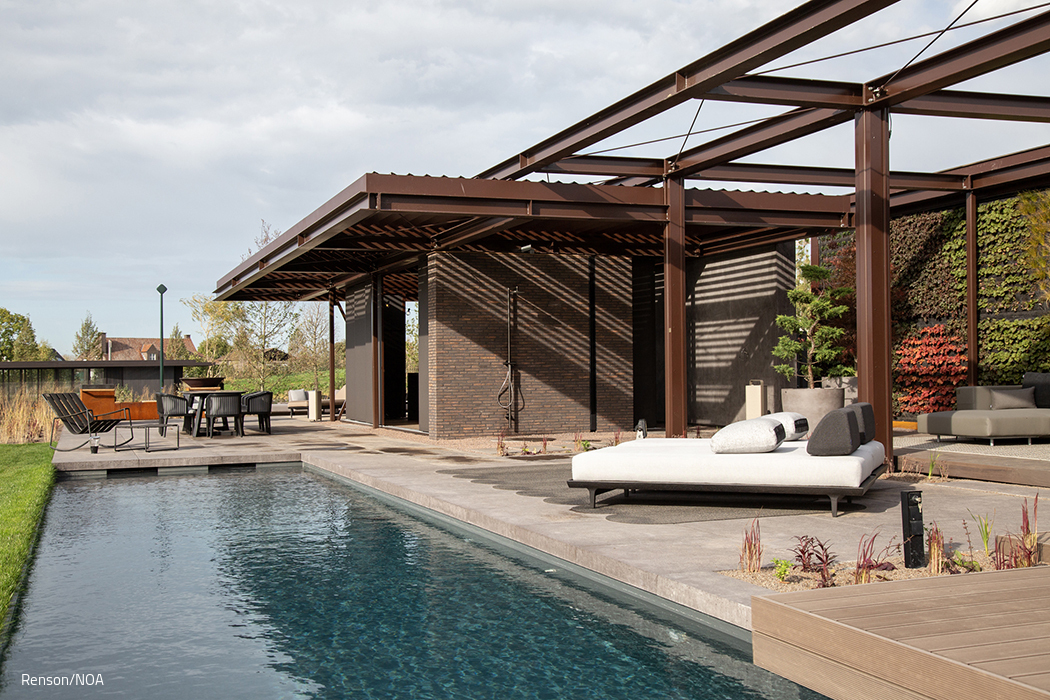
The NOA Outdoor Living inspiration park unites 30 premium brands across 12 model gardens.
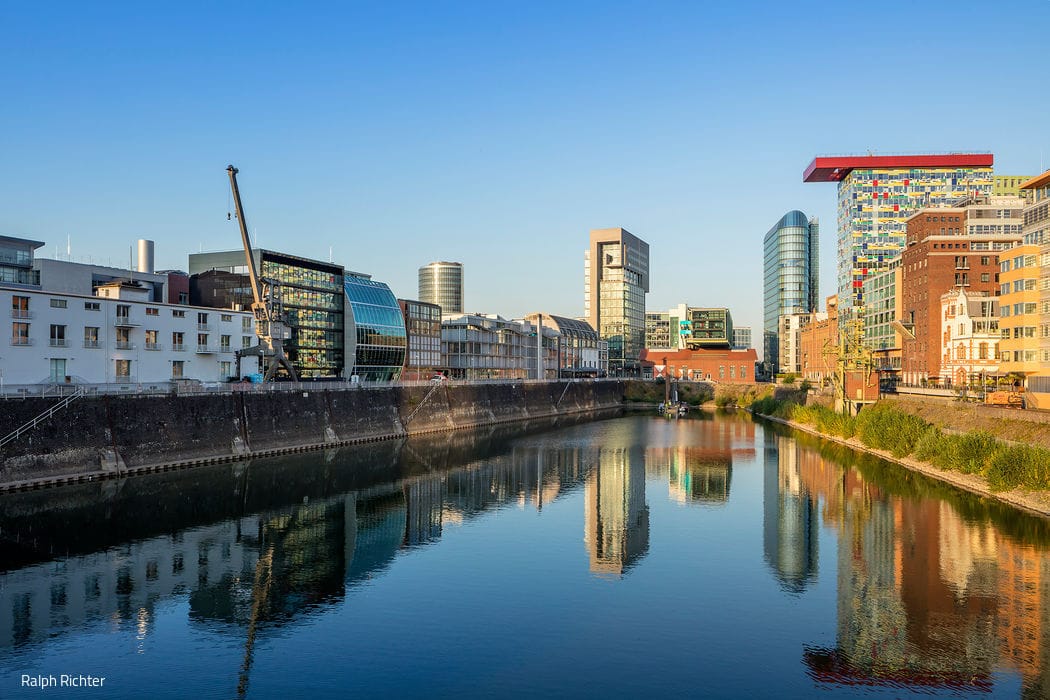
A Cube of Possibilities
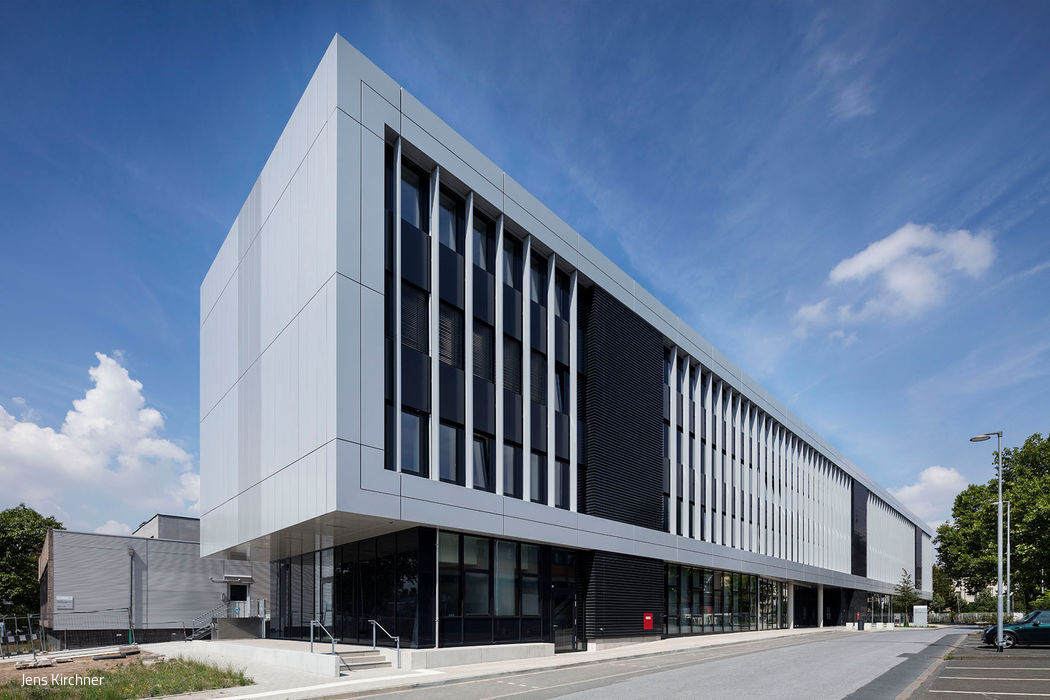
A striking new headquarters takes shape in the Media Harbour, defined by transparency and clarity
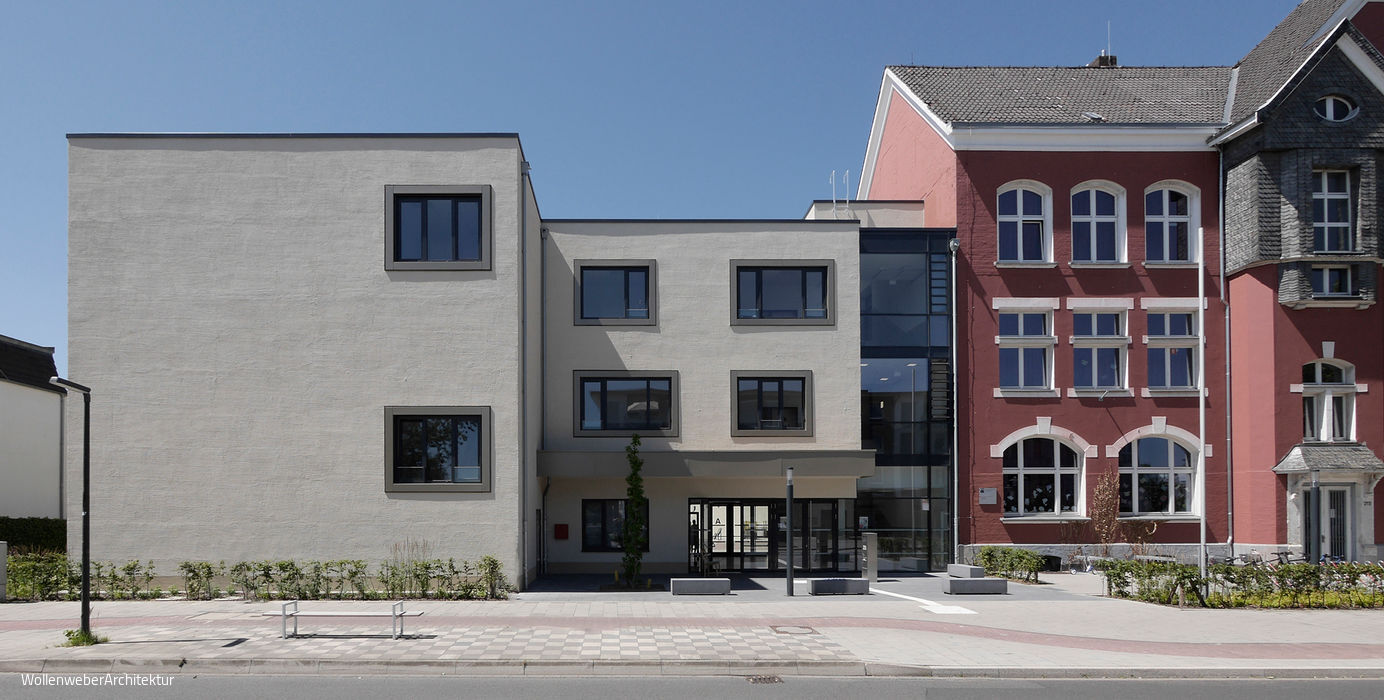
More Space for Children
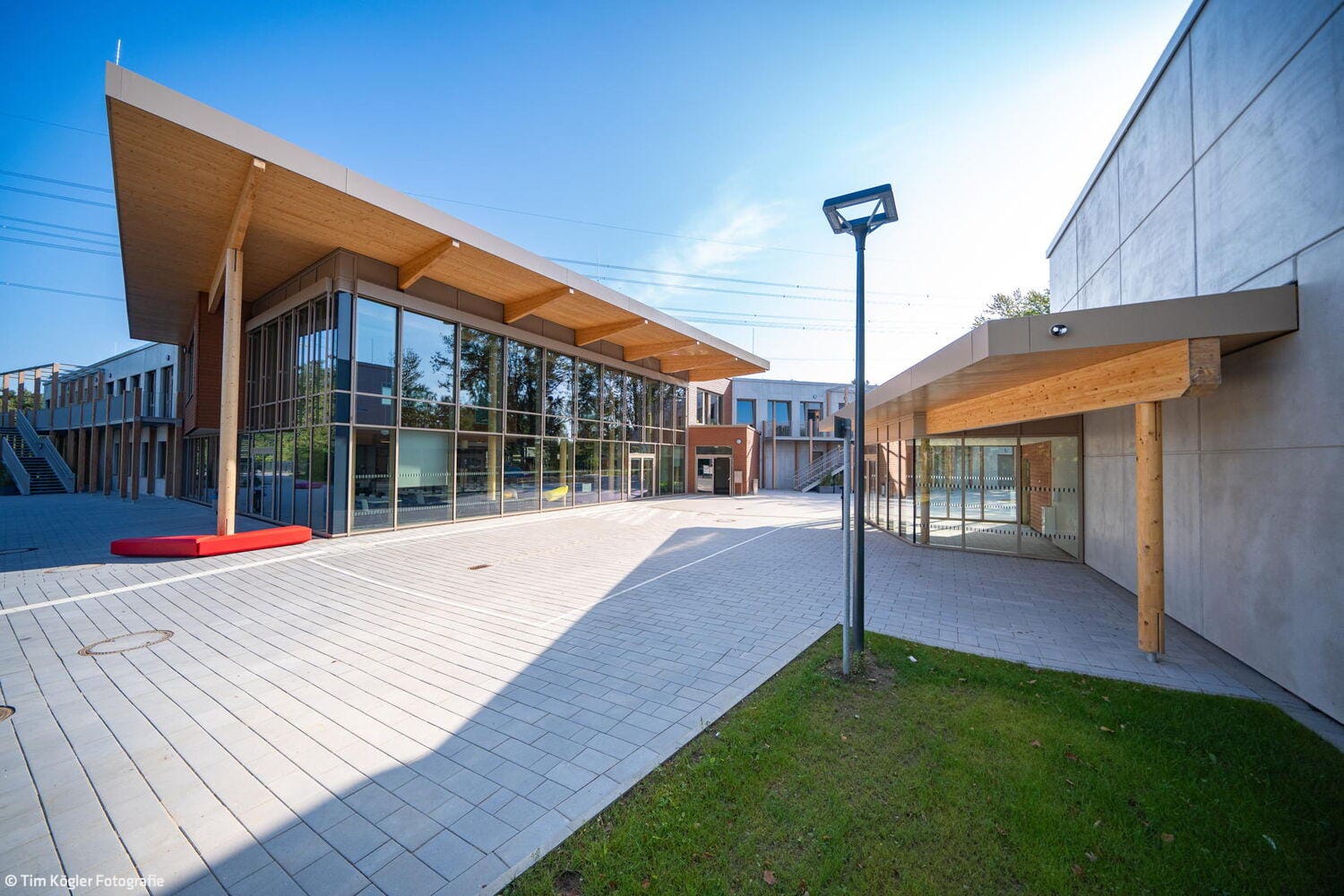
Primary school to be expanded with three-part new building including sports hall
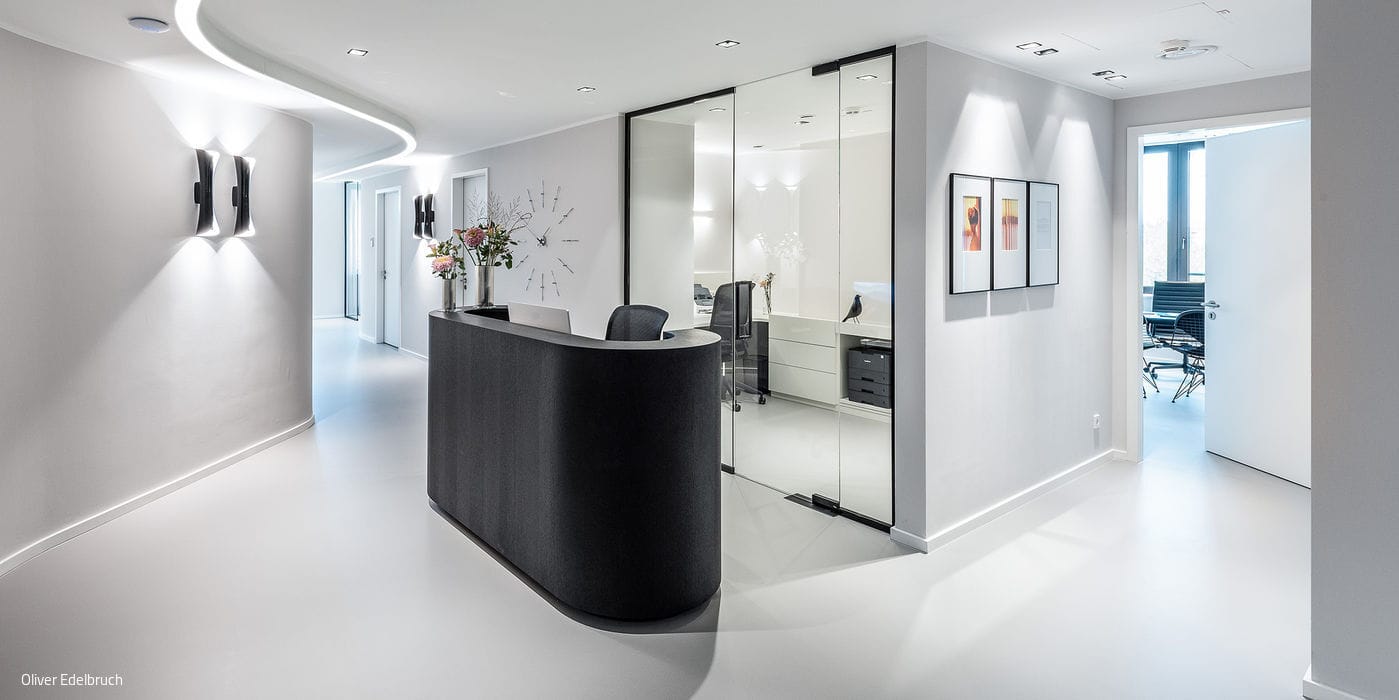
Clear and Flowing
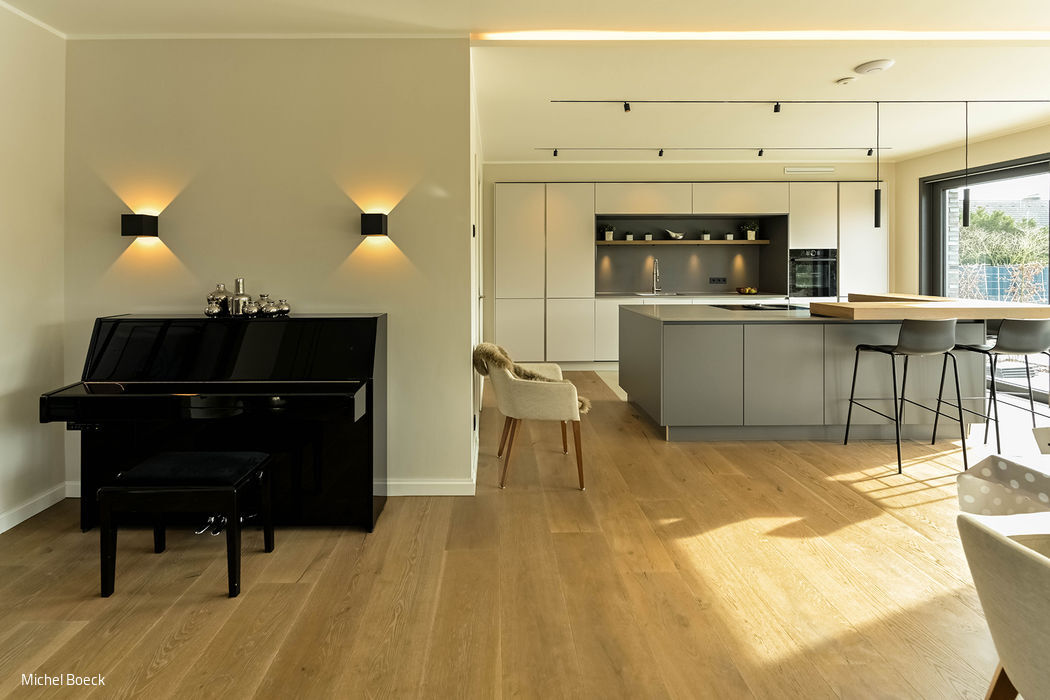
A plastic surgery practice in Heerdt that speaks through restraint and clarity