


Hidden Potential in the Existing Fabric
A modest residential building undergoes a thoughtful transformation, emerging as a light-filled, generously proportioned home


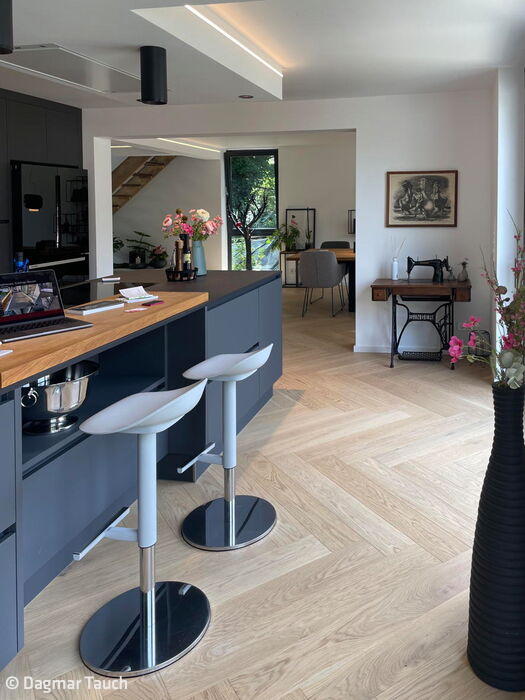


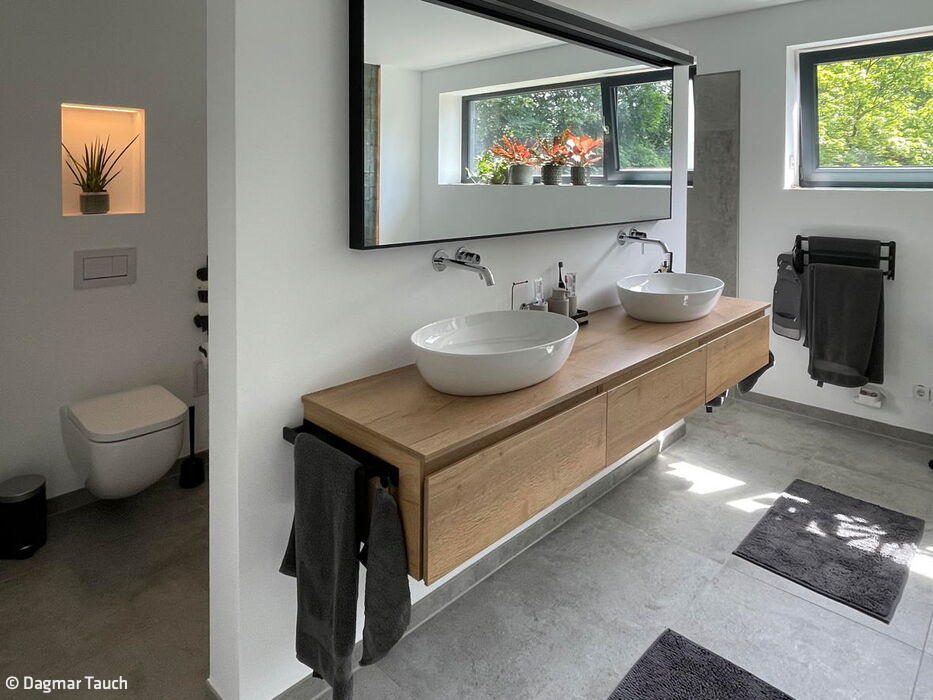
When Essen architect Dagmar Tauch took on the challenge of converting a 1970s three-family house in Castrop-Rauxel into a single-family home with an adjoining apartment, she encountered a structure typical of its era: a compact, compartmentalized layout utterly at odds with modern living. To bring the clients' vision to life—a bright, open-plan living concept spanning two floors for the couple, plus a private area for their daughter—a complete overhaul was essential.
The façade received thermal insulation and a refined plaster finish with varying tones, complemented by ribbon windows along the street elevation. Fibreboard cladding wrapped the gable end. But the real transformation happened on the garden side. Floor-to-ceiling triple-glazed windows now flood the interior with natural light and frame views of the gardens and pool. Inside, the original layout is completely unrecognizable. Nearly every ground-floor wall came down, and the floor plan was entirely reimagined. To accommodate the new open-plan kitchen and dining zone, the garden-side living space was expanded—a move that didn't just create room for dining, but gifted the upper floor with unexpected benefits. The relocated upstairs living room now enjoys a balcony cantilevered over the new extension. Utility spaces, bathrooms, and work areas line the street-facing side. Warm parquet flooring with radiant heating flows through the kitchen/dining and living zones. Herringbone detailing in the kitchen/dining area and timber planking in the hallway consciously delineate each space. The separate apartment features wood-look polished concrete floors. Accent walls inject colour throughout, while eye-catching details like ornamental concrete tiles enliven the ground floor. The kitchen—centered around a sculptural freestanding island—is entirely bespoke, as is the internal timber staircase with concrete landing that orchestrates the flow between cooking, dining, and living. Upstairs, a spa-like bathroom emerges: a freestanding soaking tub, double vanity, dressing table, and distinct zones for shower, toilet, and bidet. "Renovations always bring surprises, and working with building authorities means compromises," reflects Tauch. "But existing structures are goldmines of potential. Breathing new life into them creates contemporary spaces while honouring resource stewardship. We're adding photovoltaics next."
Photography:
Dagmar Tauch
(Published in CUBE Ruhrgebiet 03|24)

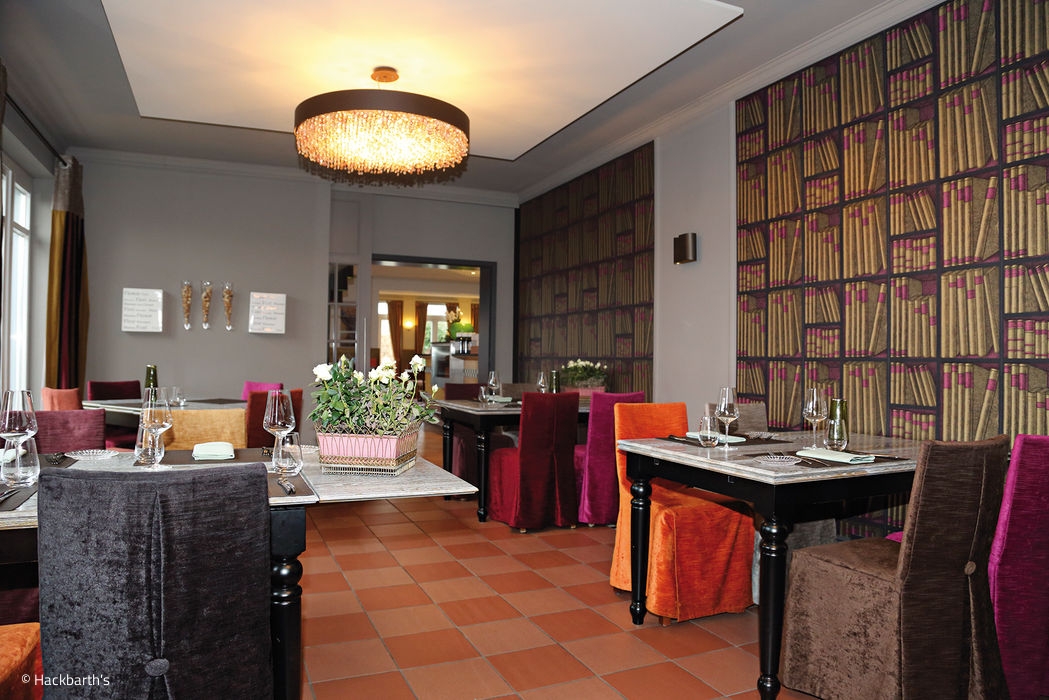
Comfort Like Home
At Hackbarth's in Oberhausen, the pleasure of exceptional food takes center stage.

Modern and Welcoming
Commerzbank's flagship location in downtown Essen has been reimagined with a fresh interior design.
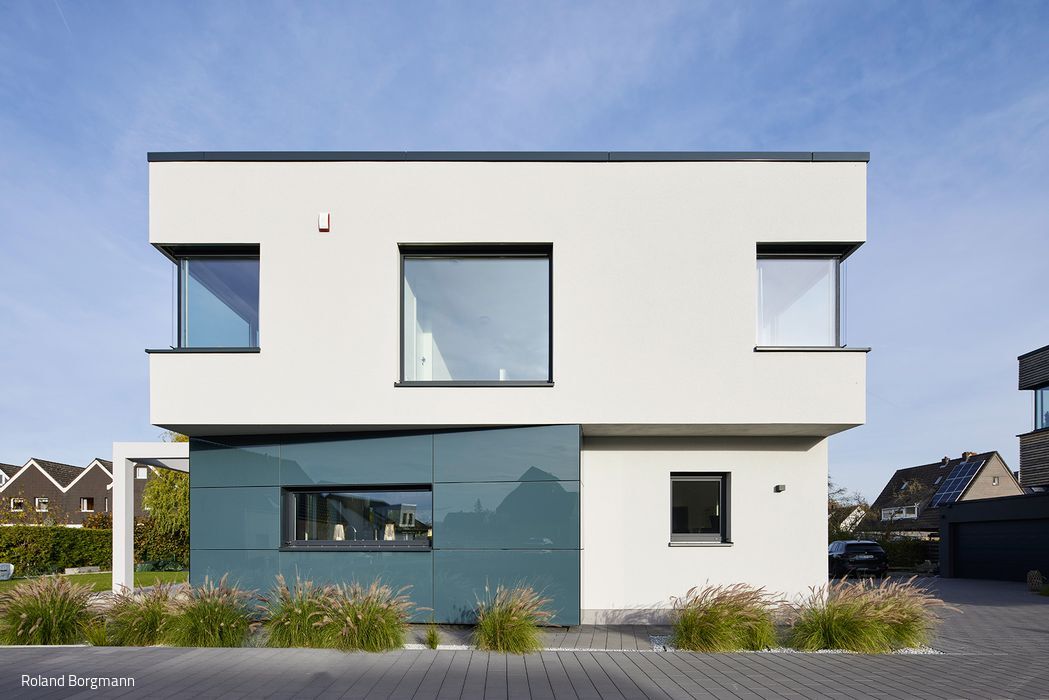
Pure Living
An energy-autonomous family home that captivates through open living and intelligent spatial design.
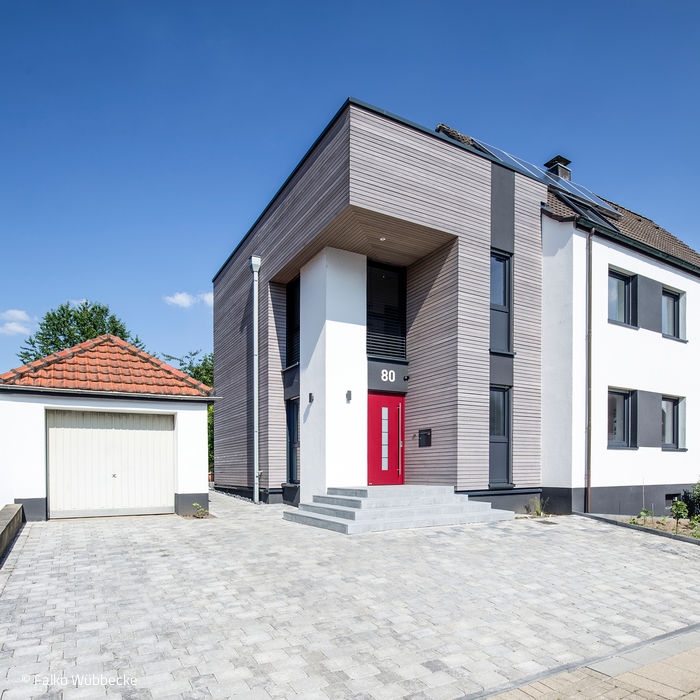
Unlocking Space and Light
A historic colliery house in south Essen finds its modern voice through a thoughtful extension