


Strong joint project
Two listed barns in Dortmund are being converted into a community centre
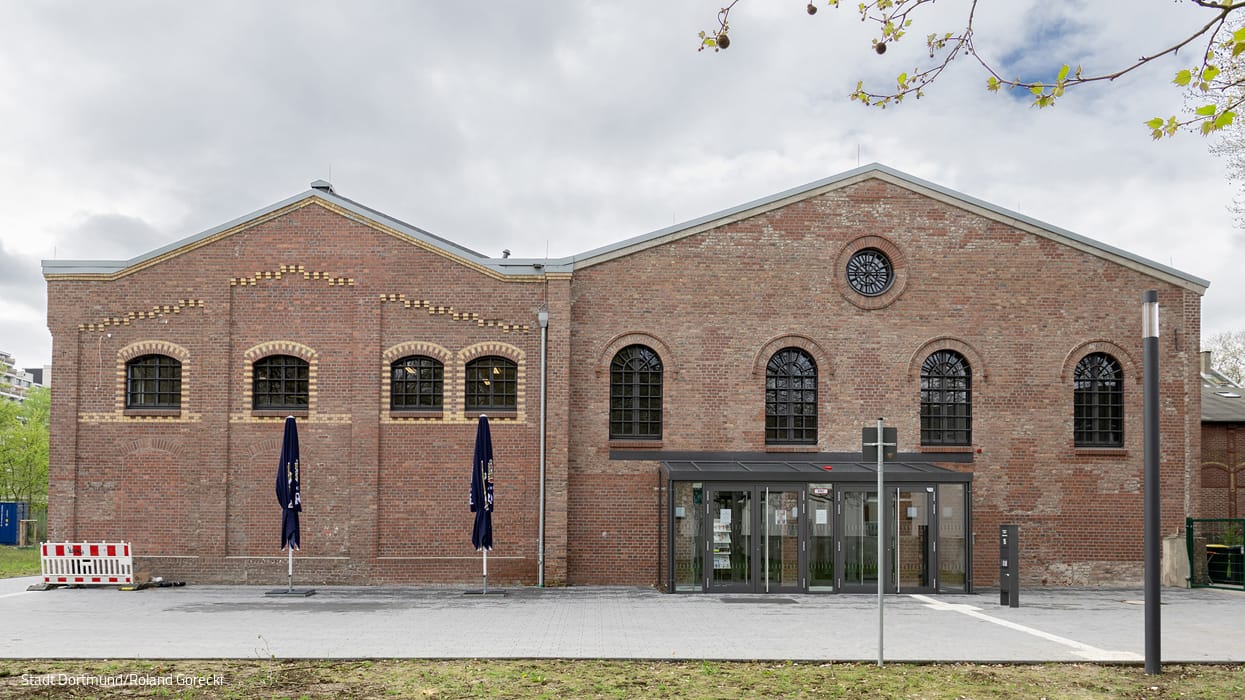
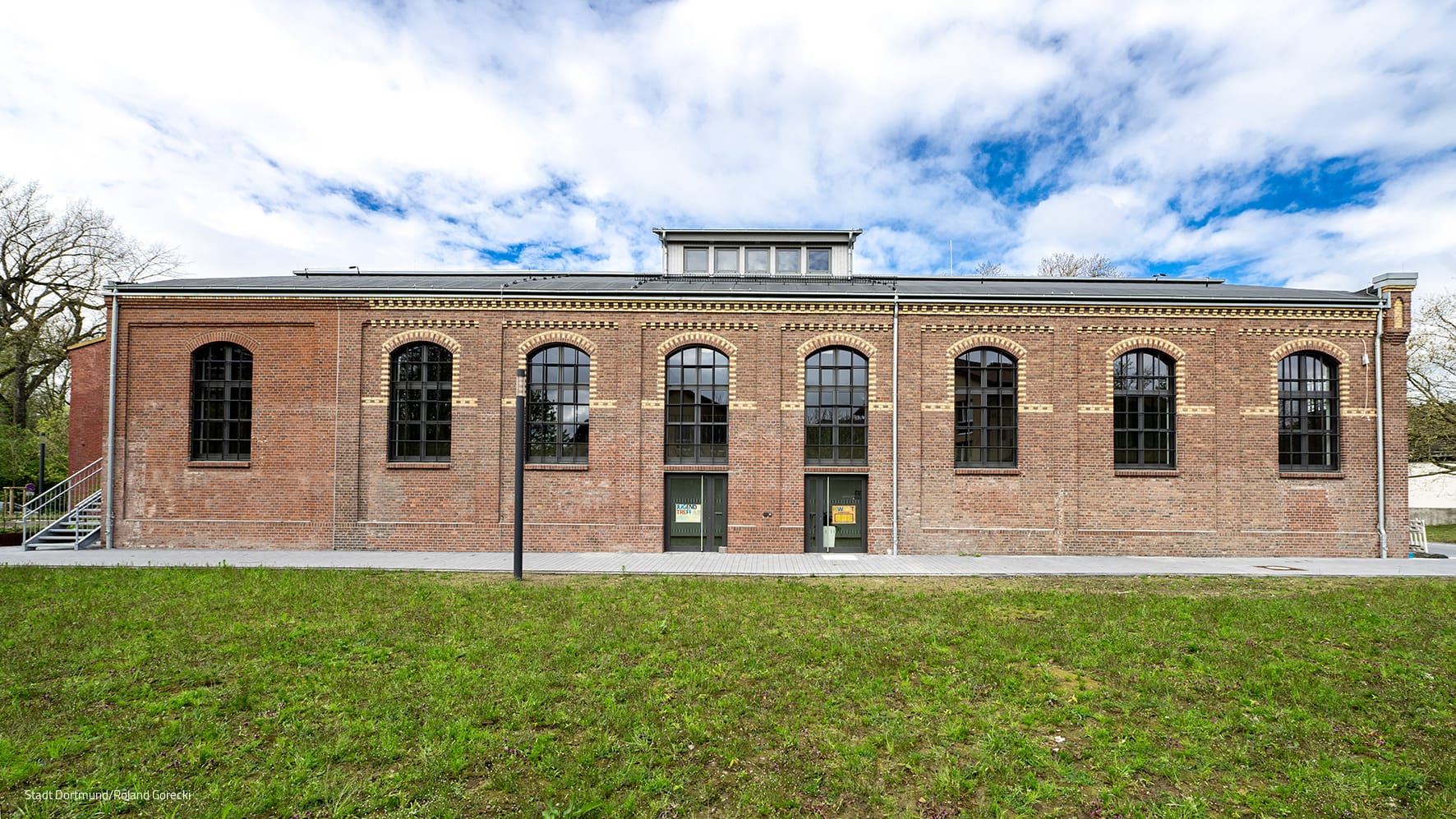
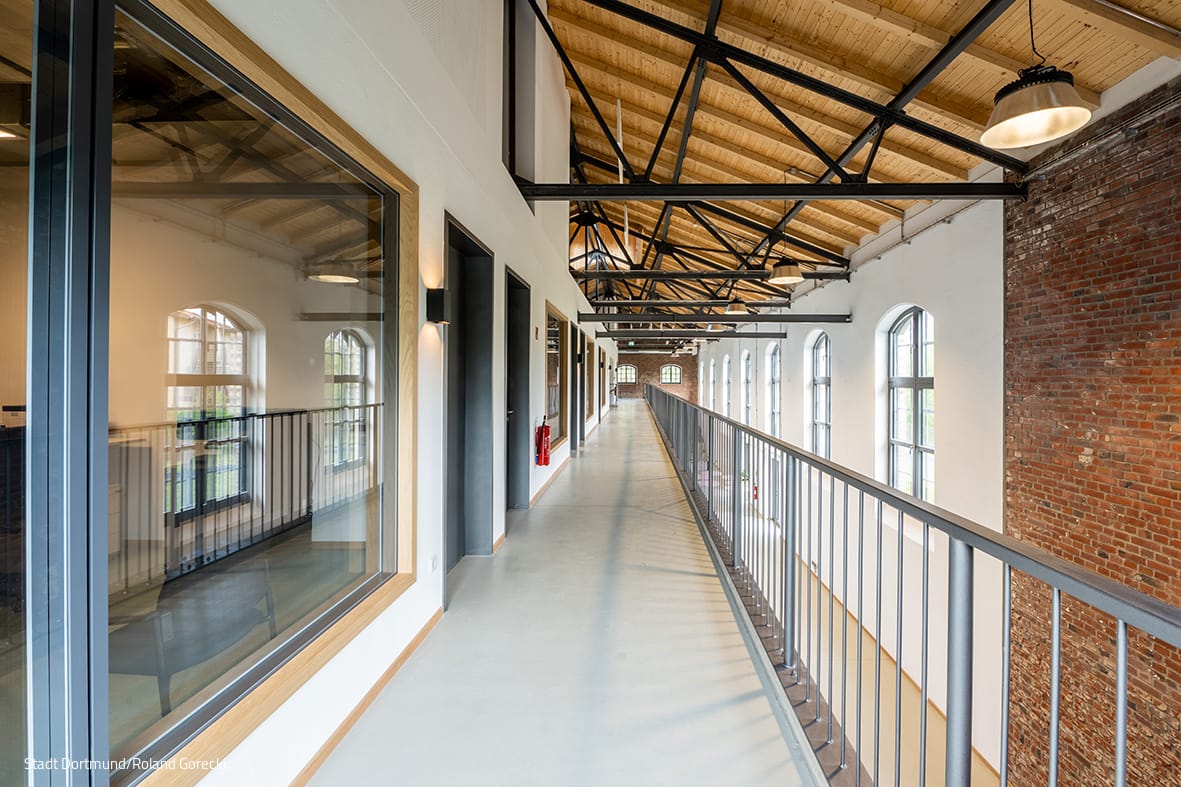
The Dorstfeld II/III coal mine in Dortmund, built around 1900, was closed in 1963 and subsequently used for commercial purposes for a time. The fabric of the buildings, which were listed as historic monuments in 1987 and have since fallen into disuse, has been deteriorating rapidly ever since. Dorstfeld residents suggested creating spaces for the diverse neighbourhood life in the two adjacent pithead buildings. The idea of a "community centre" was born. The city finally launched the £7.65 million project in 2016, designing it from the outset as a joint concept between volunteer residents and the administration. The Office for Urban Renewal took charge of the project in close cooperation with the municipal real estate department. The architectural firm HWR Ramsfjell acted as general planner.
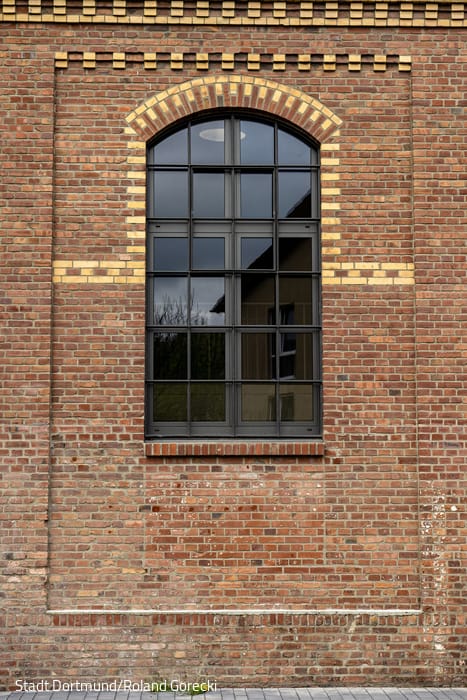
The state and federal governments covered most of the costs, contributing €4.39 million. Volunteers from the Dorstfeld Community Centre Cooperative contributed their own labour worth around €150,000. The centre is run by the cooperative. During the extensive construction work, relics from the building's original use and underground passages were uncovered, which were carefully documented by the municipal monument authority. The original façade surfaces were preserved as far as possible. Before grouting, they were cleaned using a low-pressure rotary vortex blasting process and then hydrophobised to make the façade resistant to driving rain. In order to meet the building physics requirements, thermally insulated aluminium windows with dark frames and an inward offset were installed on the room side behind the historic lattice windows, some of whose latticework was supplemented and renewed.
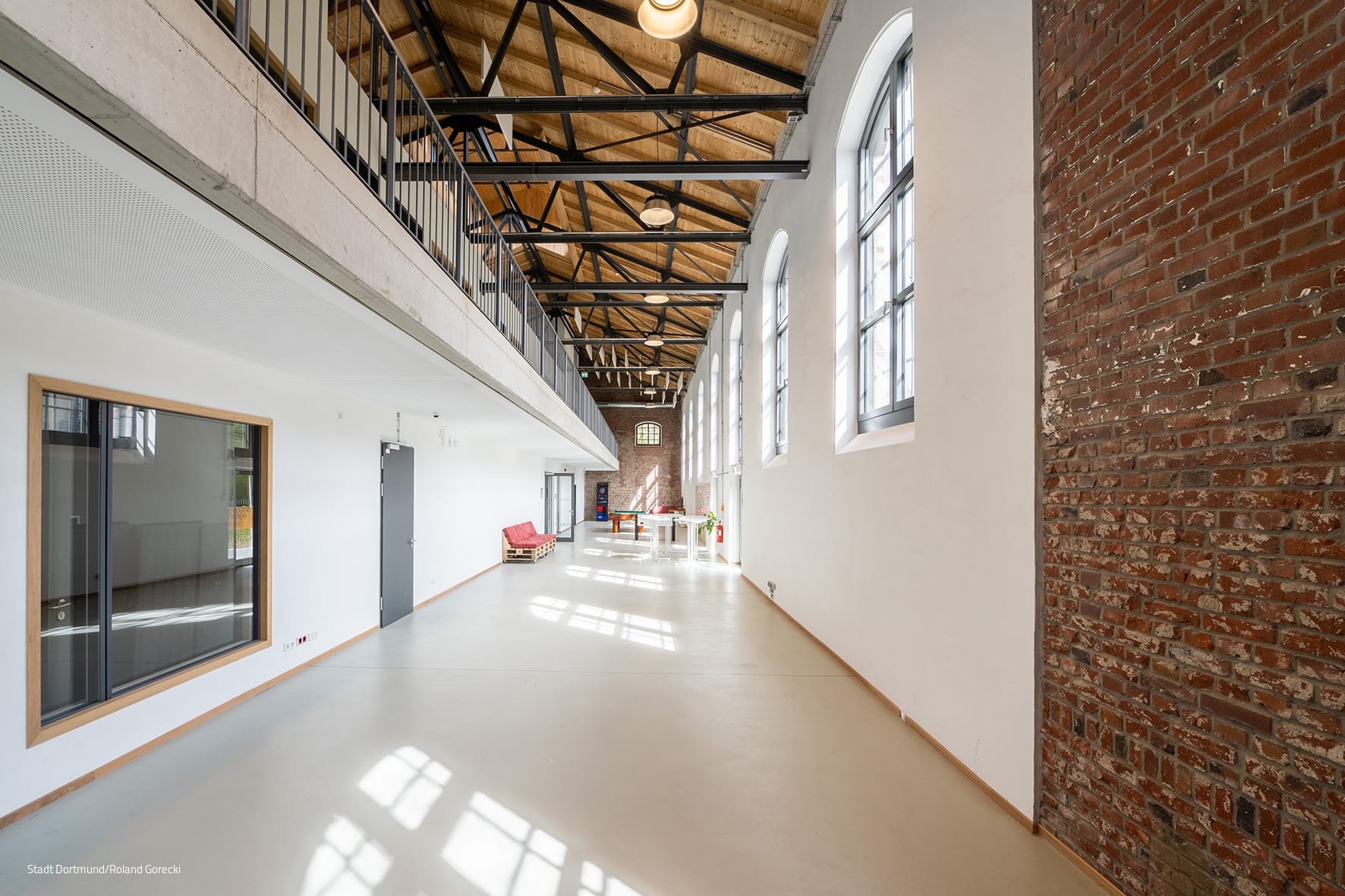
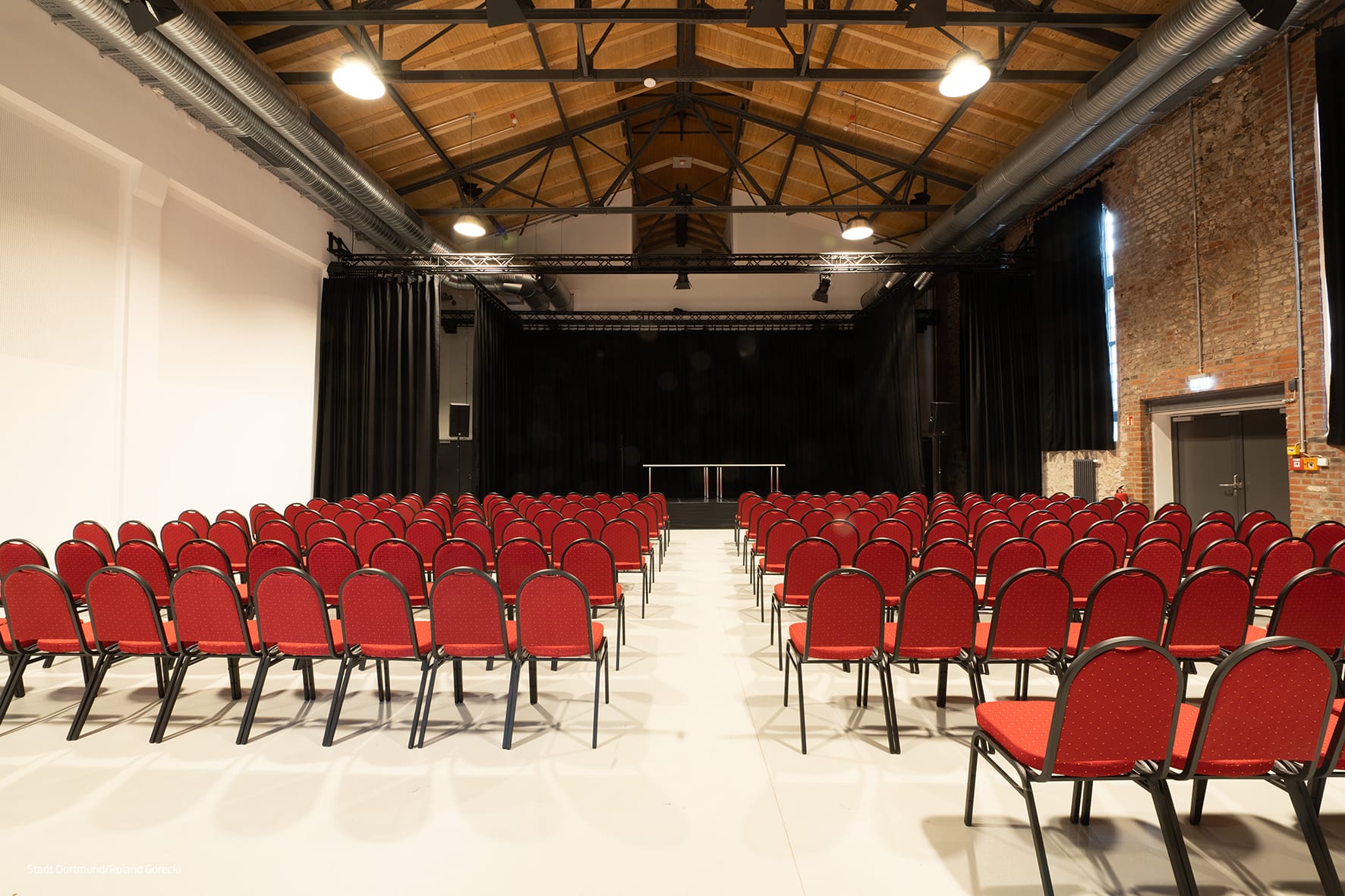
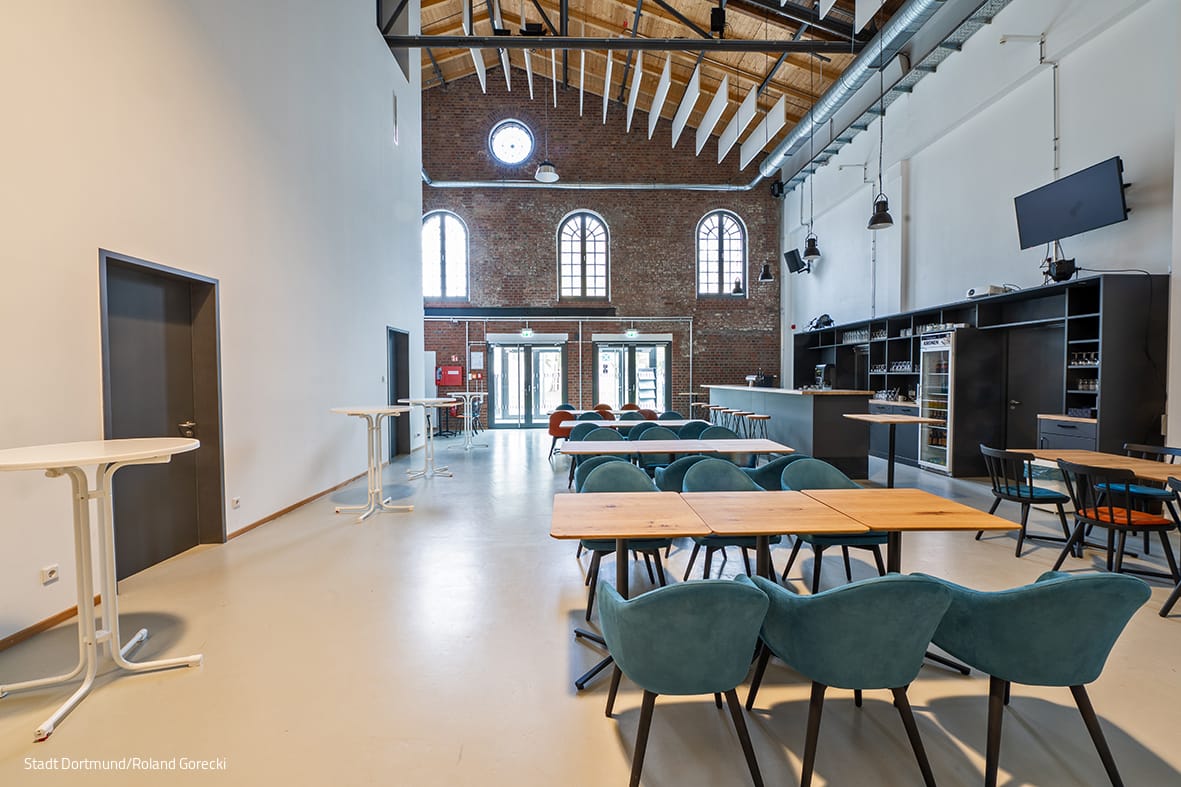
The centrepiece of the facility, with almost 1,100 m² of usable space, is a 230 m² event hall in the wider and slightly higher hall. This is framed by a foyer with a counter in front of a kitchen, cloakroom, meeting room and office, as well as a large terrace. The small hall for the municipal children's and youth club faces the spacious outdoor area with its long façade. From there, the areas flow smoothly into one another via the weather-protected multifunctional interior space to the separate rooms in the enclosed "wing".
The separate entrance areas of the two halls create a high degree of identification with their use, and the connection between the two halls is ensured by the interface in the interior. As many details and materials as possible that refer to the original industrial use have been preserved in their interiors. Wall surfaces have been left rough, and brickwork and tile coverings are recognisable where they have been preserved in their original form. The requirements for room acoustics in both halls are primarily met by the materiality of the interior roof surfaces. In order to meet the requirements of the usage profile of both halls, both floor slabs were taped, insulated and covered with a new, coated industrial screed. A minimalist interior was deliberately chosen for the interior design. This is economical and can withstand heavy use.
www.pulsschlag-dorstfeld.de
www.dortmund.de/stadtumbau-dorstfeld
Photography Credits:
City of Dortmund/Roland Gorecki
(Featured in CUBE Ruhrgebiet 03|23)
In praise of brick
This expansive family residence comprises three distinct volumes—main house, pool pavilion, and guest quarters—unified through a striking cubic design with offset positioning that...
Mass with Grace
Expanding a cultural centre with grace: lightweight additions meet landscape design
Treasures Under the Roof
How a attic apartment in an Essen apartment building became an award-winning model for urban renewal
Contemporary Elegance & Taste
After a comprehensive redesign, Bottrop's gourmet restaurant emerges radiant and renewed.