


Green Spaces Now Complete
Krupp Park's southern section in Essen is now finished
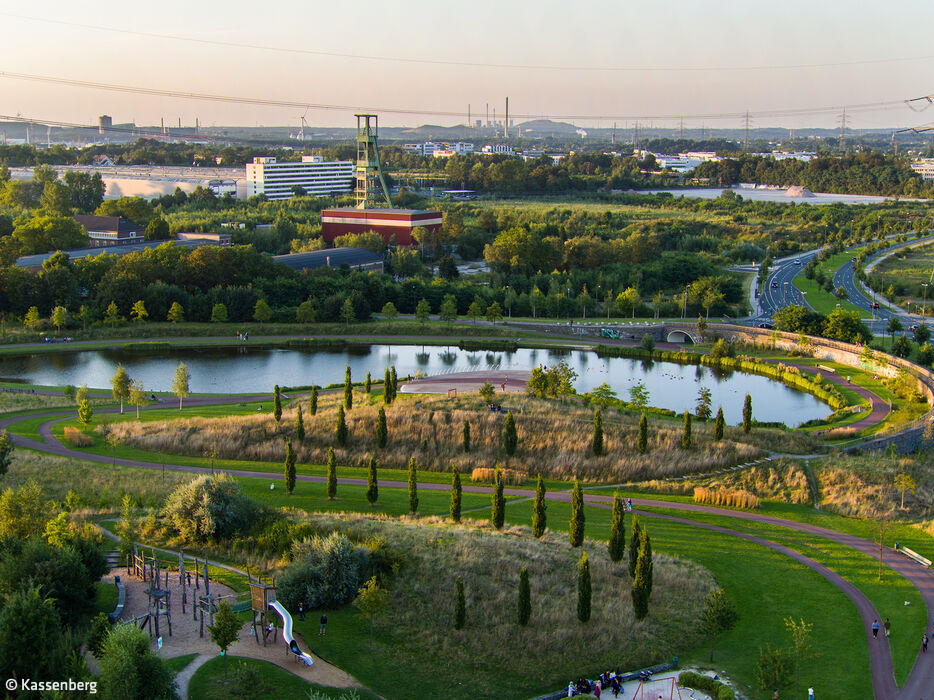
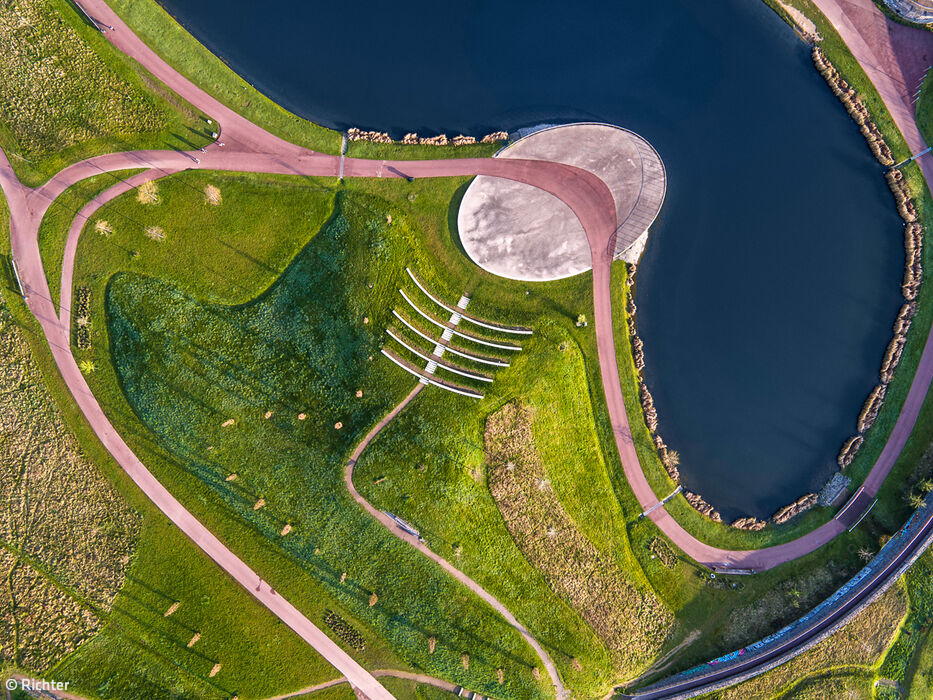
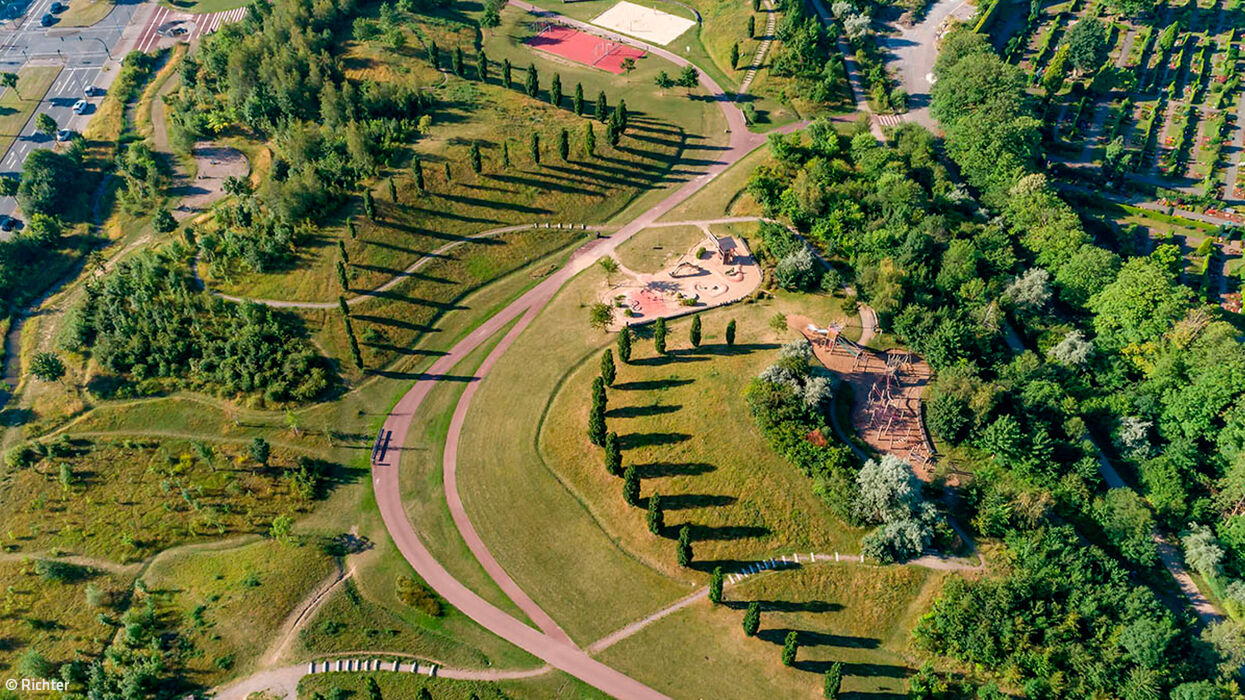
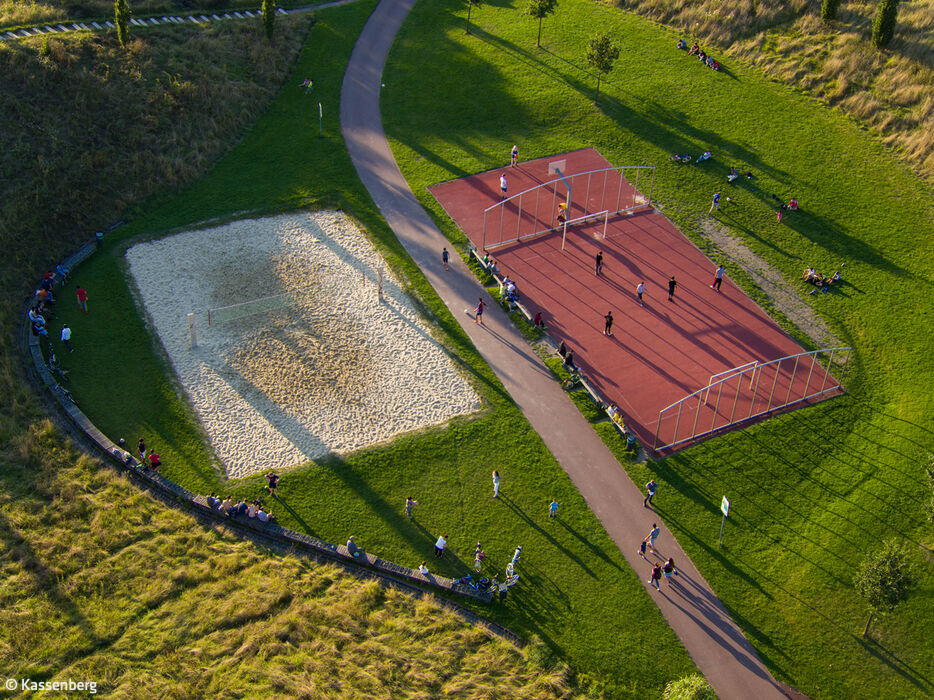
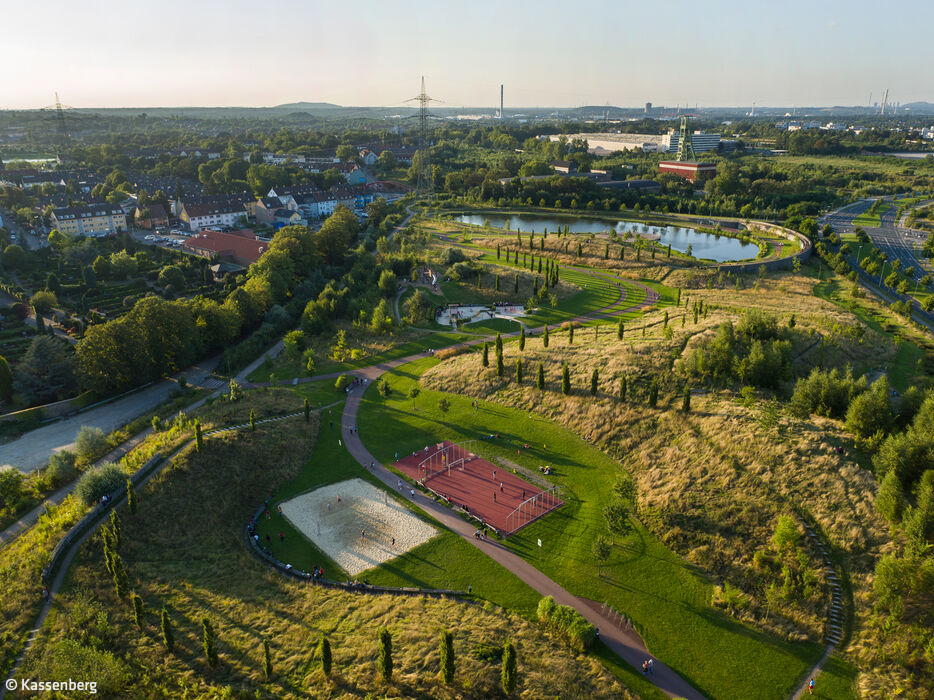
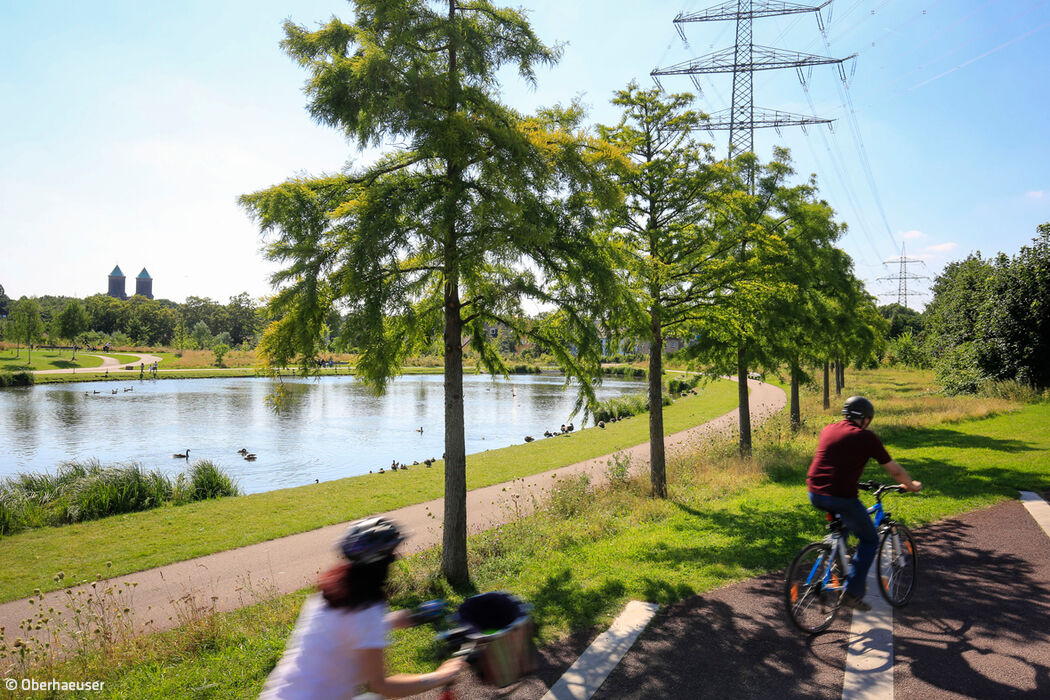
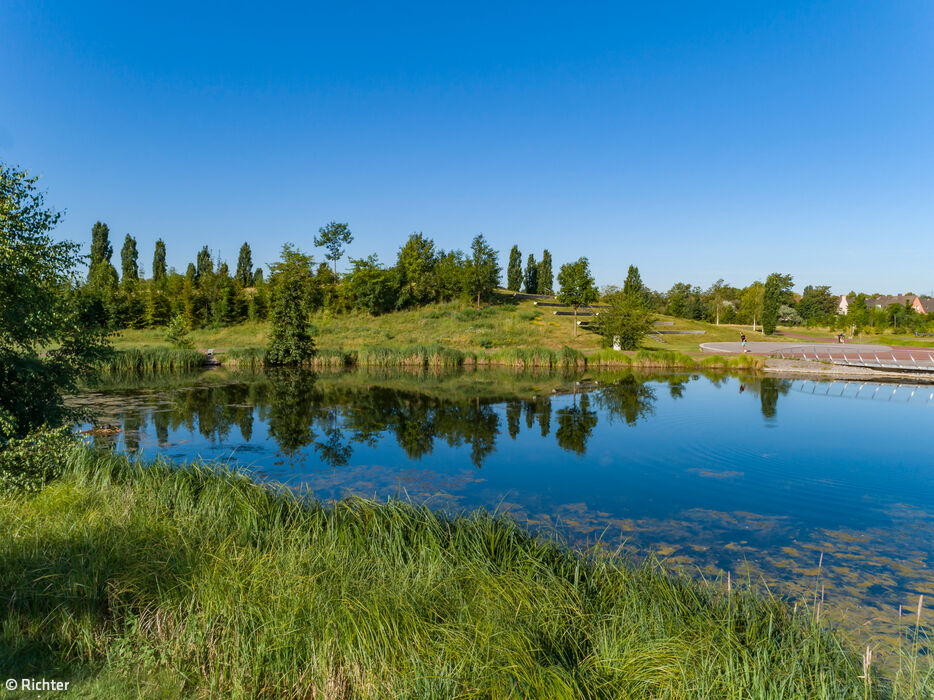
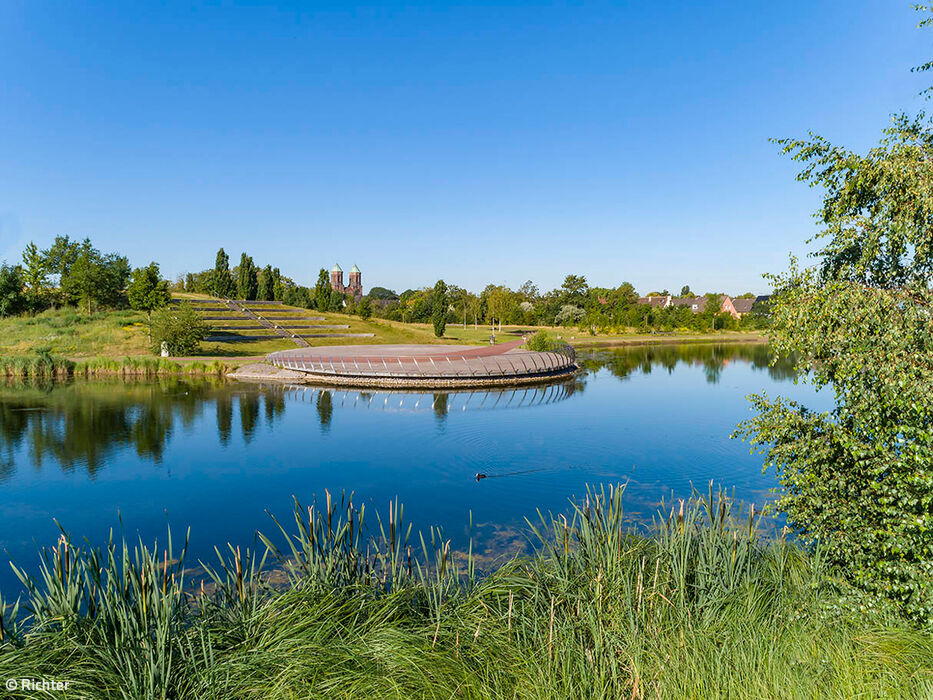
Krupp Park in Essen represents far more than simply a green space within the urban fabric. This 20-hectare site—once home to sections of the historic Krupp cast steel works—serves as a vital connector between the Altendorf district and the western city center, anchoring Essen's crucial "Krupp Belt" urban development initiative. Fifteen years after the northern section's completion, the southern expansion of Krupp Park has now reached fruition. The design emerges from the vision of Prof. Andreas Kipar and his team at landscape architecture firm LAND Germany, with implementation by Grün und Gruga.
After years of intensive planning—encompassing urban design, infrastructure development, and securing public funding—work began on the intricate landscape design. Reforestation covered five and a half of the site's eight hectares, with biodiversity at its core. Fourteen native tree species, selected for climate resilience, were planted: over 11,500 trees in total. Among them, sycamore maple, wild cherry, and European beech now provide shade, visual interest, and ecological value. Columnar oak rows echo the northern park's design, creating visual continuity. The planting palette is further enriched with 7,000 shrubs across 15 species, plus 1,500 perennials and ornamental grasses. Flowering meadows line the pathways, adding seasonal color throughout. The larger North Park—featuring a 10,000 m² lake and sports facilities—has become the area's premier recreational destination, drawing families and visitors year-round.
The southern section integrates seamlessly while meaningfully enhancing the city's climate resilience. Through strategic reforestation, the park actively cools its surroundings: tree canopies capture summer rainfall, which evaporates and lowers ambient temperatures, while unsealed surfaces allow water to filter into soil where it's needed most. Within the broader "Freiraum Schafft Stadtraum" (Open Space Creates Urban Space) master plan, Krupp Park functions as a catalyst for urban transformation. "Green spaces of this caliber magnetize new development by fostering attractive, healthy environments—elevating residents' quality of life while generating opportunities for commerce and leisure," explains Prof. Andreas Kipar, the renowned landscape architect and Ruhr region native. "Well-maintained greenery and recreational spaces nurture community identity and social bonds, ultimately strengthening the wellbeing of the entire neighborhood."
Photography:
Kassenberg
Richter
Oberhäuser
(From CUBE Ruhrgebiet 02|24)
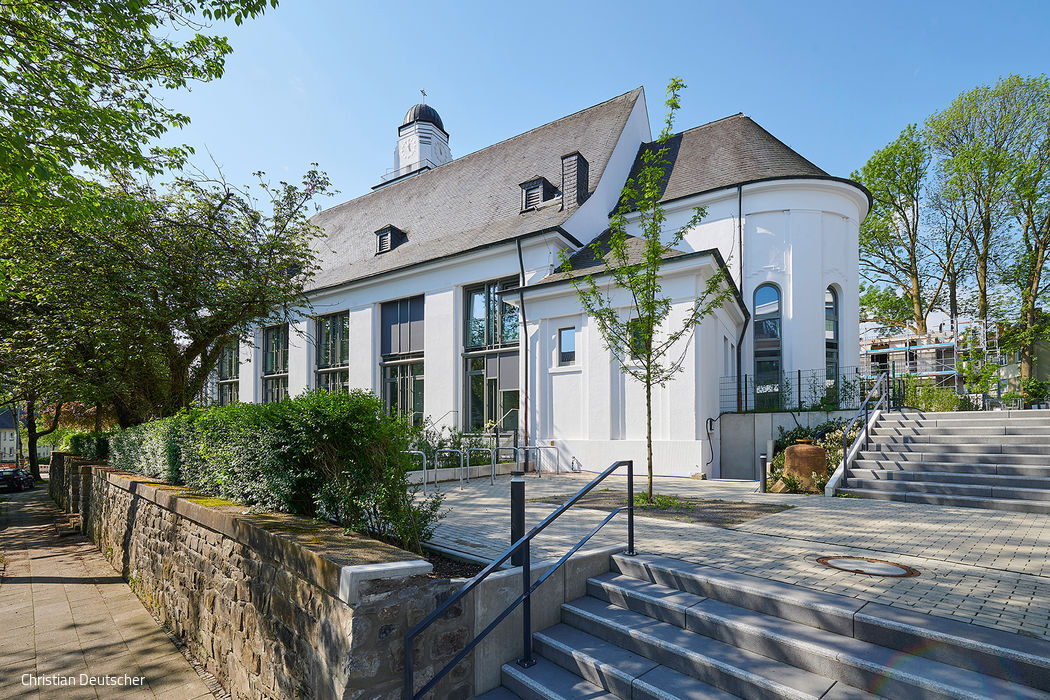
An uncommon address
A Deconsecrated Church Becomes Home in Essen-Steele
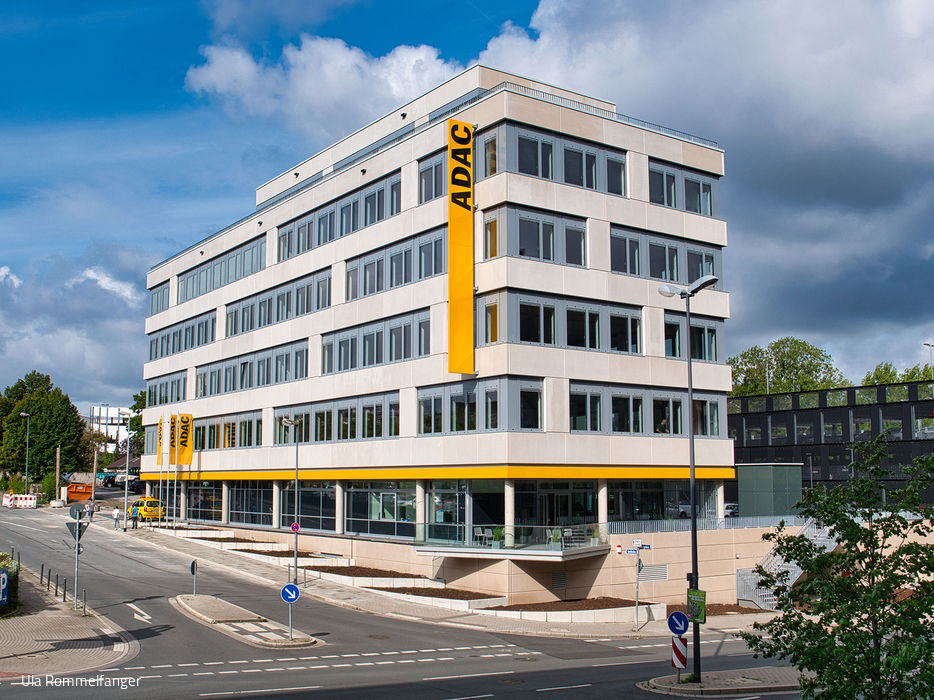
A Confident Counterpoint
An office and commercial building rises near Limbecker Platz in Essen.
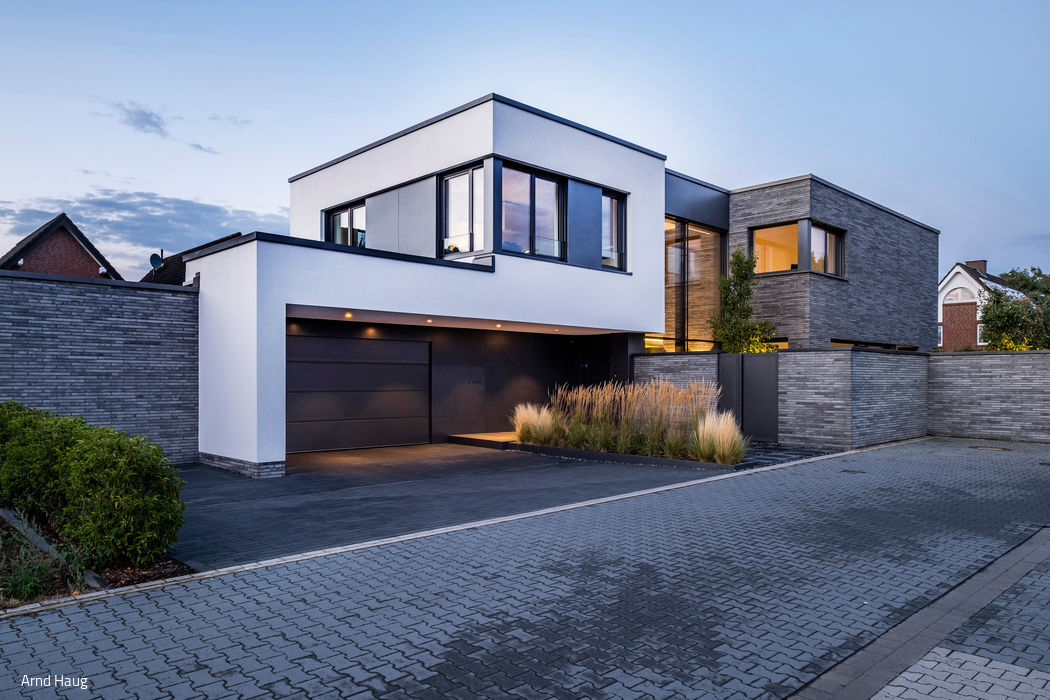
Emphasizing Exceptional Character
A generous home that engages its setting and makes a statement
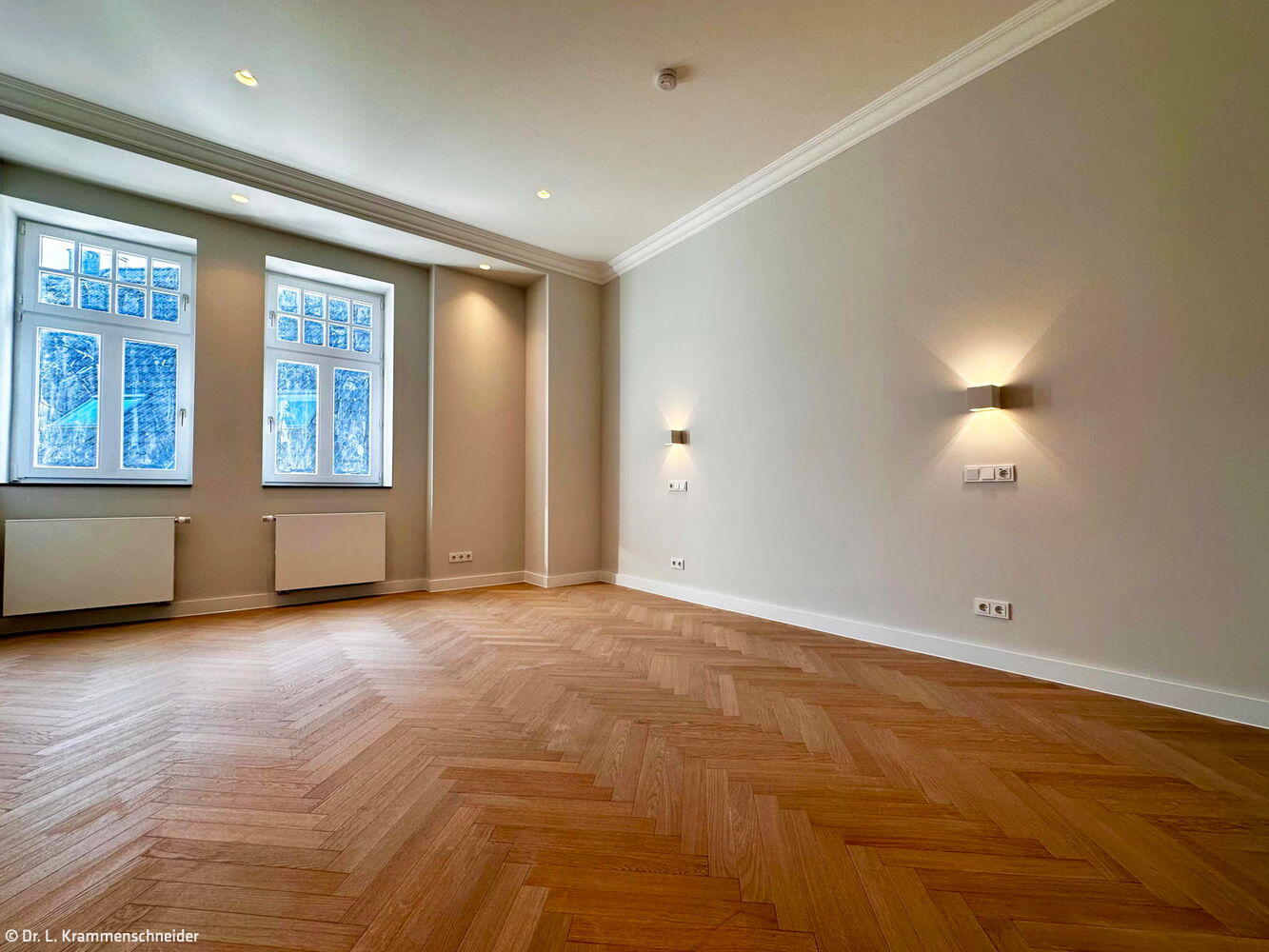
A Monumental Challenge Conquered
Comprehensive Renovation and New Living Space in a Heritage-Listed Building