


Working in the Creative Quarter
DSTRCT is the newly developed office, retail, sports, and event district in Prenzlauer Berg.
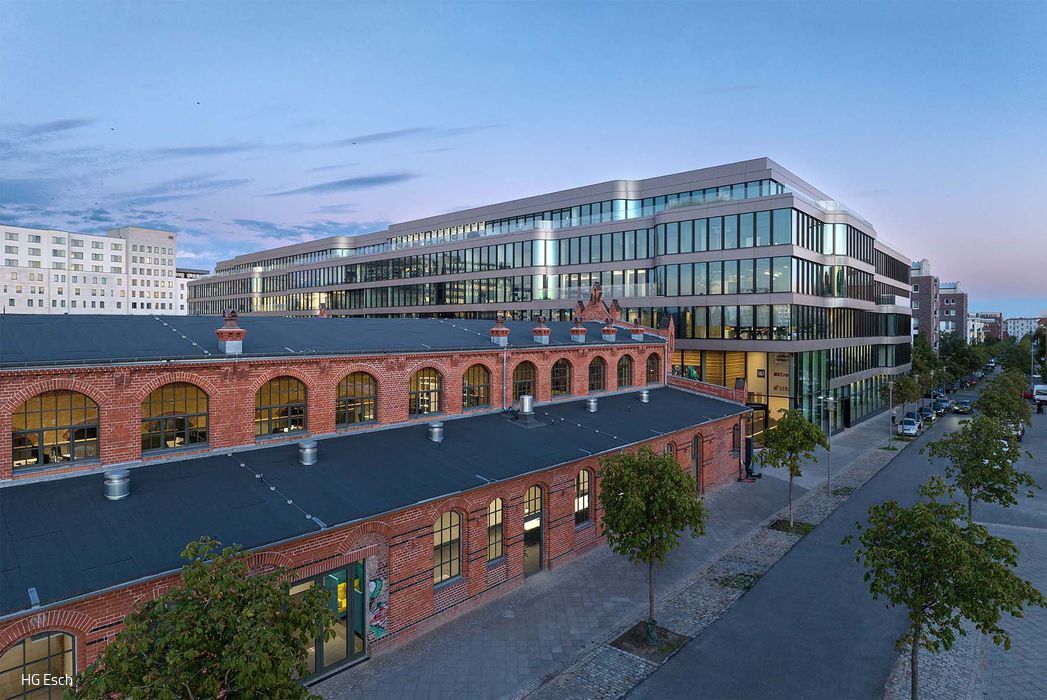
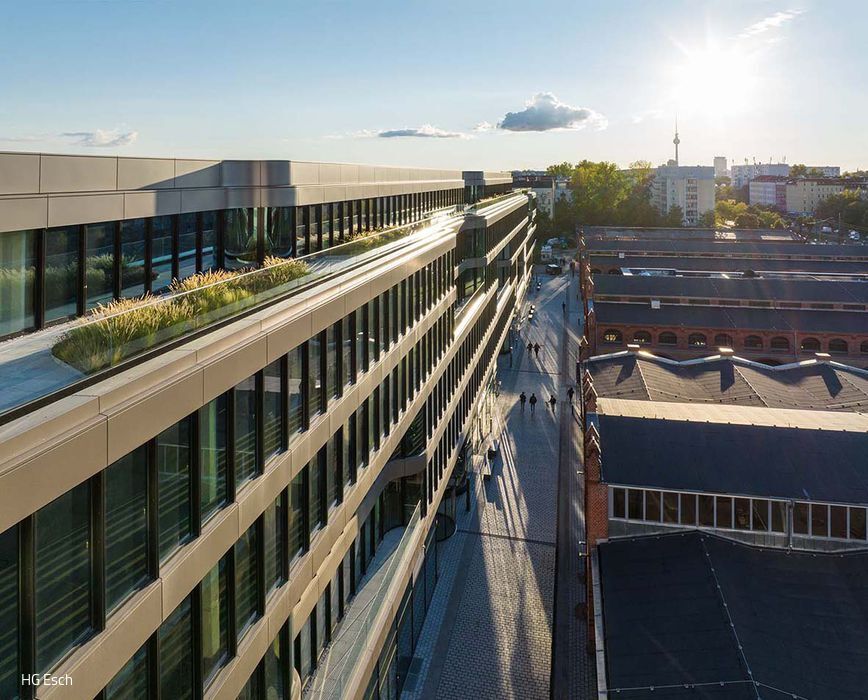
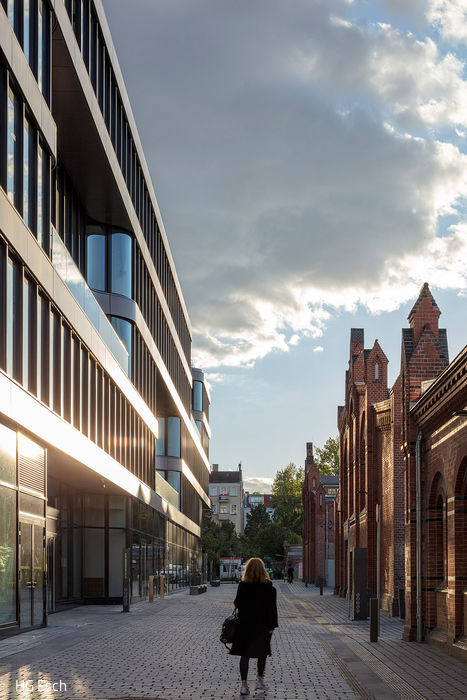
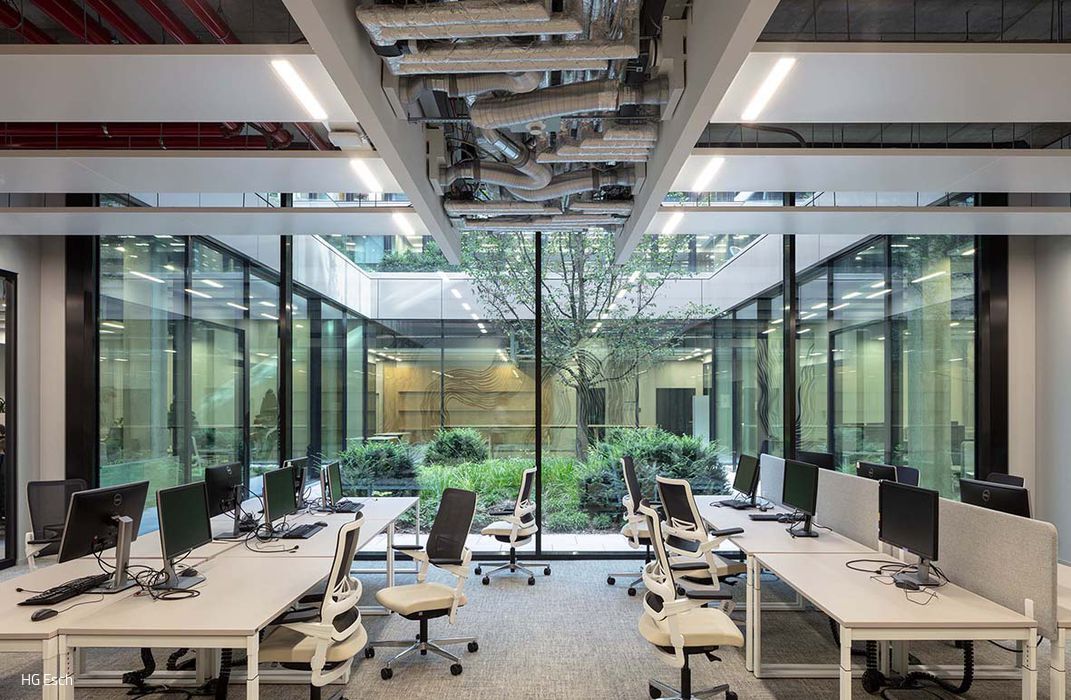
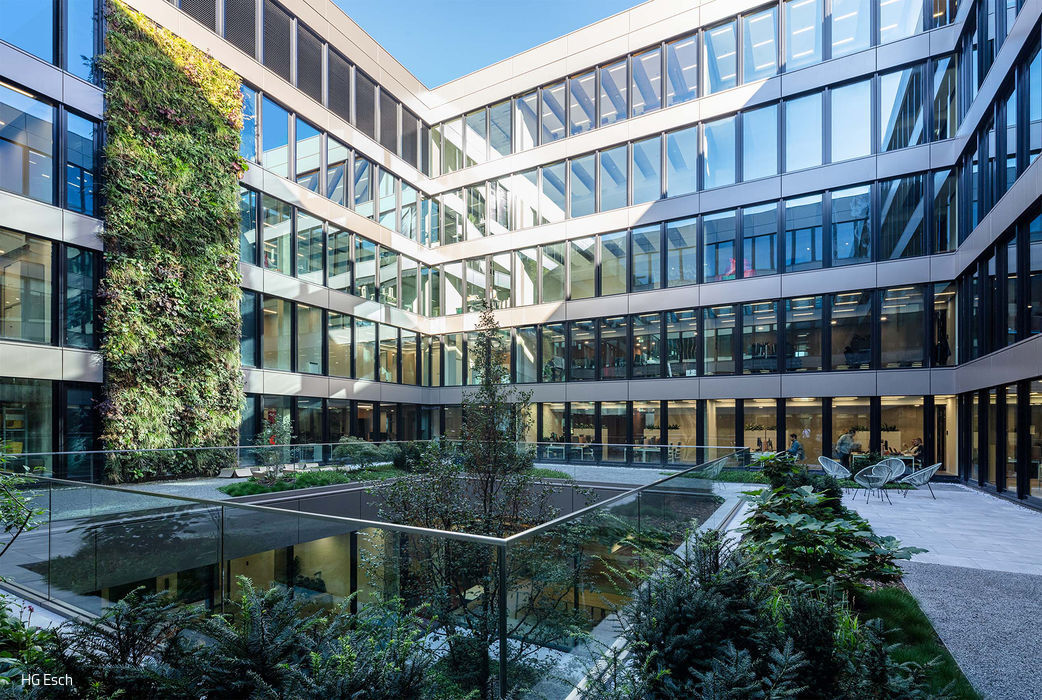
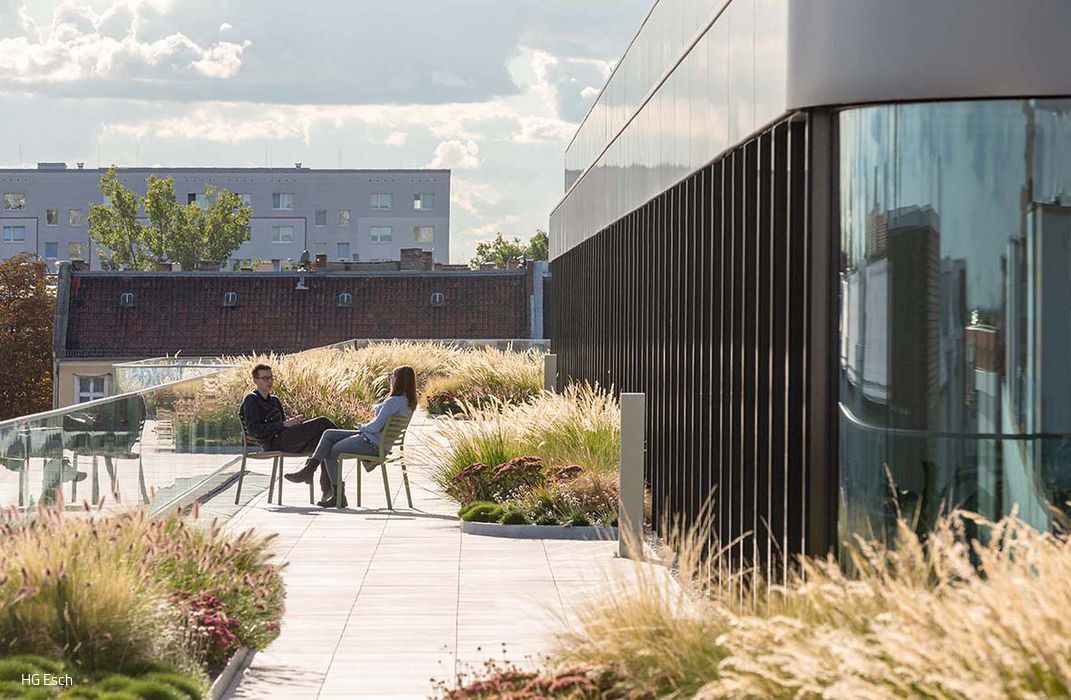
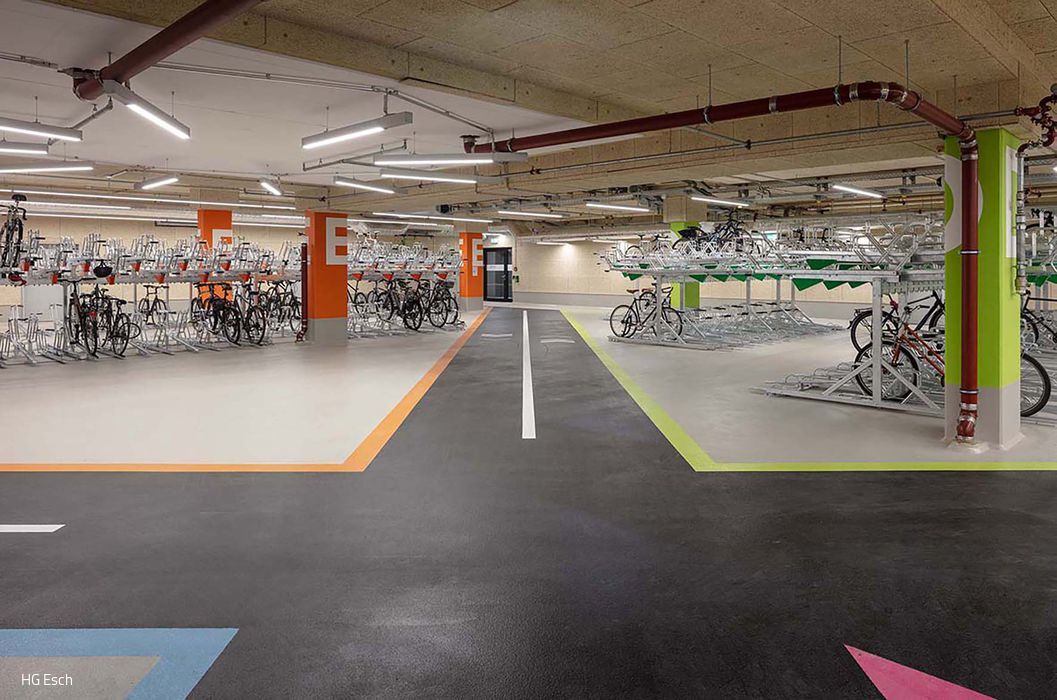
On this exceptional site in East Berlin, just off Landsberger Allee and adjacent to the meticulously restored historic market halls featured in Berlin CUBE 02|23, rises DSTRCT – a striking new building and the true centerpiece of the district. The name may well echo a similarly named neighbourhood recently completed in London. The design comes from Berlin-based architects Gewers Pudewill.
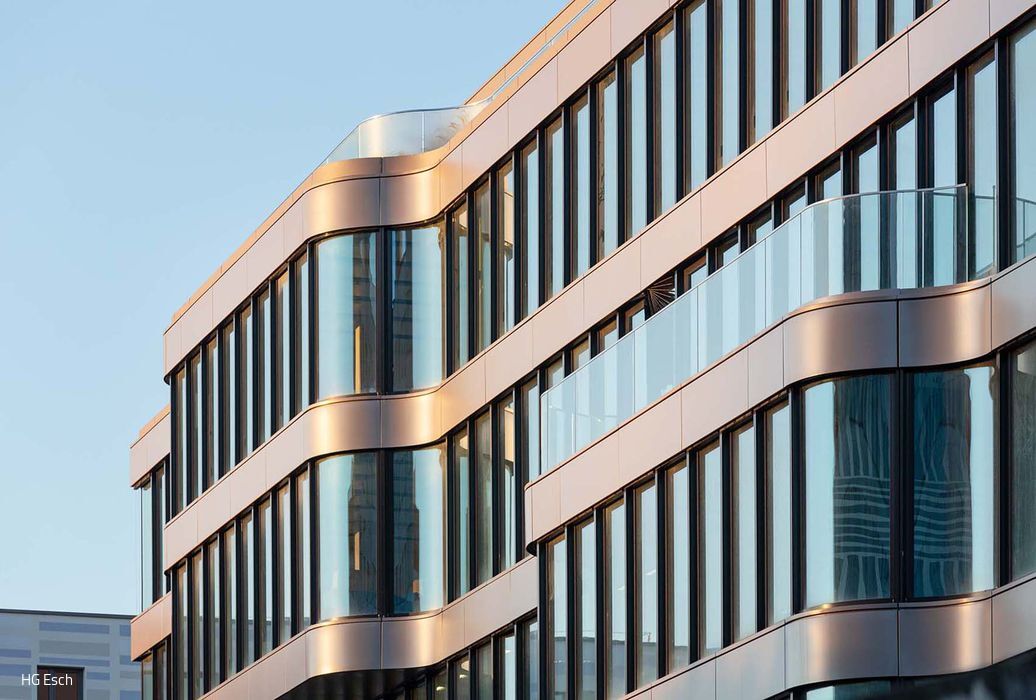
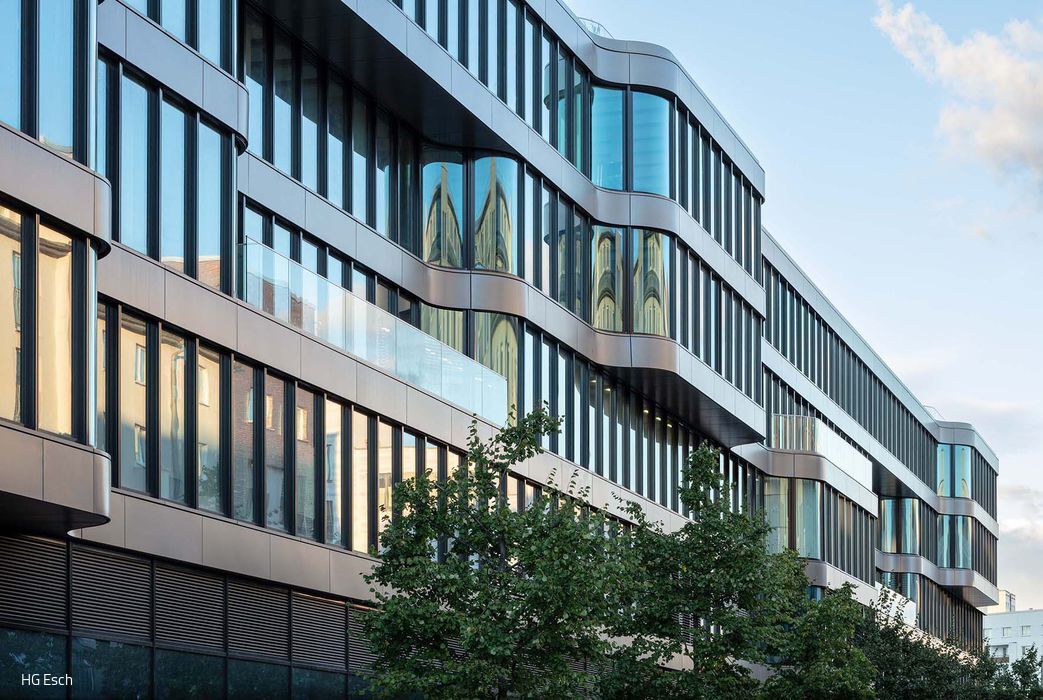
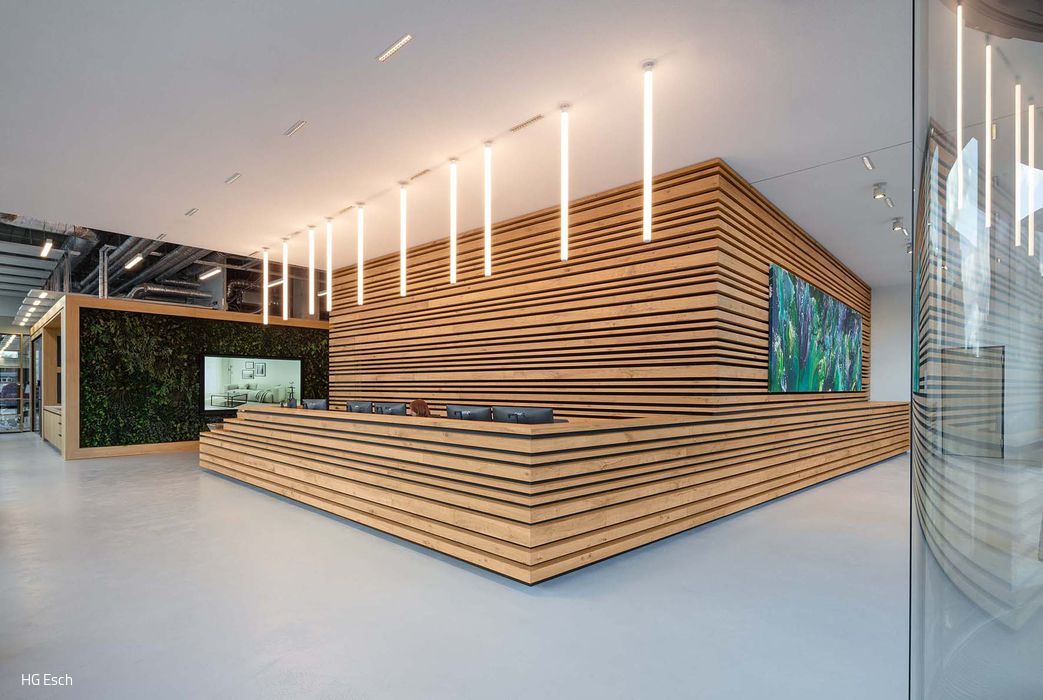
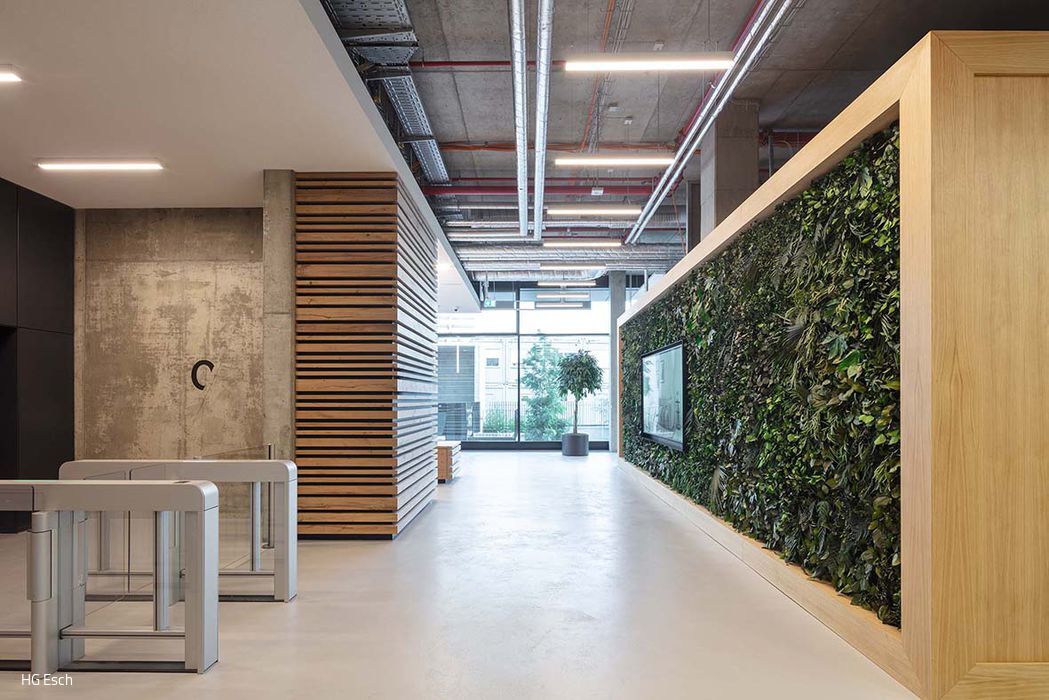
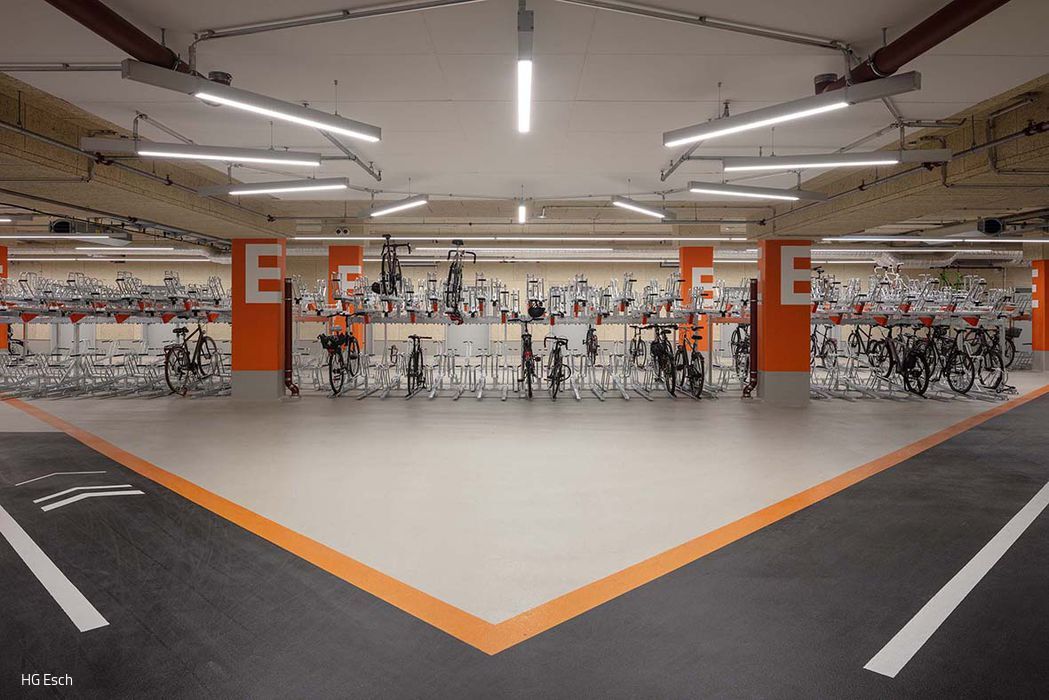
Behind the historic halls sits the new building, separated from the north end of the property by a semi-public "boulevard," extending perpendicular to Hermann-Blankenstein-Straße. Rising six stories above ground, it considerably towers over its neighbors—yet the airy glass façade with its rhythmic vertical metal bands respects rather than overwhelms the adjacent heritage structures. What truly captures attention are the eight-meter-high loggias and twelve-meter-wide bay windows that articulate the building's exterior with sculptural precision. Together, the new construction and existing buildings create a completely reimagined quarter with fresh purpose. Even during construction, the project generated considerable interest from prospective buyers and tenants. As the architects note on their website: "After three decades dormant as an abandoned industrial site, this location now embarks on a remarkable transformation—one that honors its historic significance while propelling it into an architectural and economic future." The new building encompasses 42,650 m² distributed across five office floors, ground level, and two basement levels. The developer is HB Reavis, a Slovakian project company based in Bratislava, for whom DSTRCT marks their German debut. The ground floor features two grand foyers serving as entrance halls, finished in grauwacke and outfitted with oak reception desks. It also accommodates office, administrative, and conference spaces, complemented by a restaurant emphasizing nutritious cuisine and a café. For those working here, a dedicated fitness and wellness zone rounds out the offering. The second basement level houses a generous two-story multipurpose space with integrated galleries and extensive glazing on the east side, opening toward the exterior. This zone hosts everything from concerts and staff assemblies to social activities, while a food shop and employee kitchen facilitate shared dining and celebrations of all sizes. Both basements serve as a drive-in garage accommodating 832 bicycles—Berlin's largest cycling facility—along with 143 parking spaces and electric
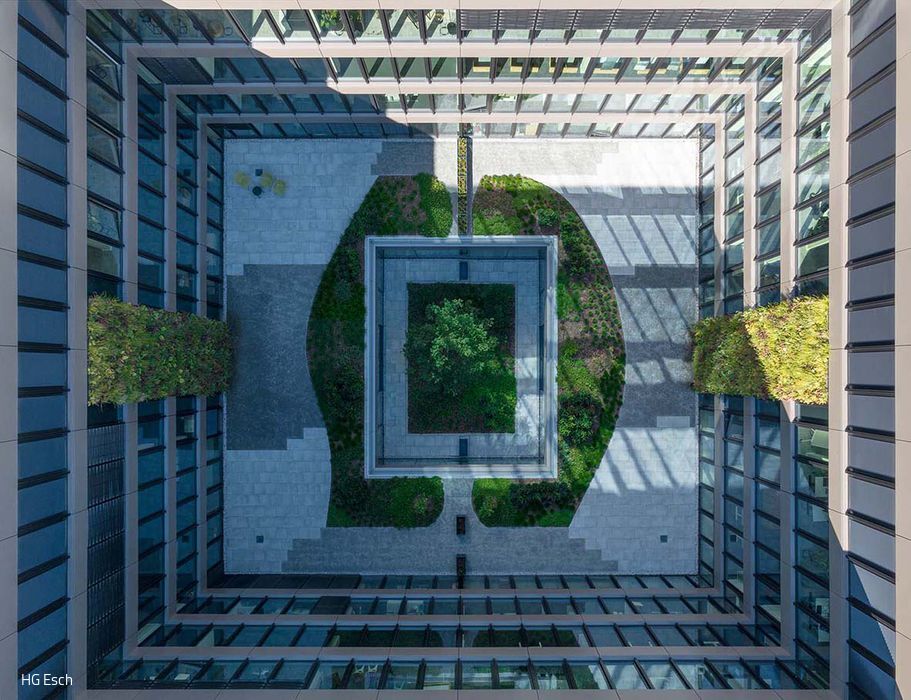
charging stations. The five upper floors are devoted to flexible office space, configurable to various layouts. Four elevator cores integrated into the front façade efficiently distribute occupants to their respective floors. The distinctive parapet bands encircle the entire structure, anchoring at each floor slab. Three expansive interior courtyards subdivide the building into exterior and interior office zones. These verdant atriums—planted with eight-meter-tall trees—create the sensation of working in an open-air environment. The courtyards themselves are fully accessible for staff breaks and informal gathering. Portions of the rooftop remain intentionally undesignated, reserved as habitat for plants and insects that will evolve into biotopes over time. During construction, the building earned two prestigious pre-certifications: WELL (from the German Green Building Association) and DGNB (German Sustainable Building Council).
Photography Credits:
HG Esch
www.hgesch.de
(Featured in CUBE Berlin 03|23)


Timber Excellence
Extension and Renovation of Berlin Metropolitan School
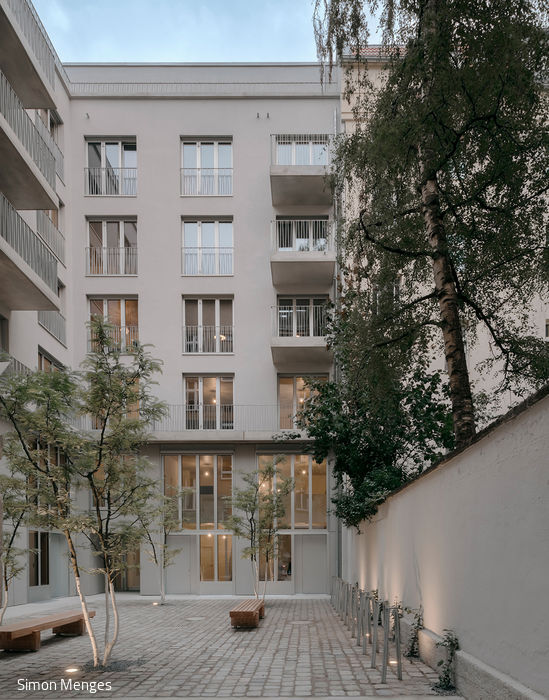
Creating Urban Sanctuaries
Densification through thoughtful design
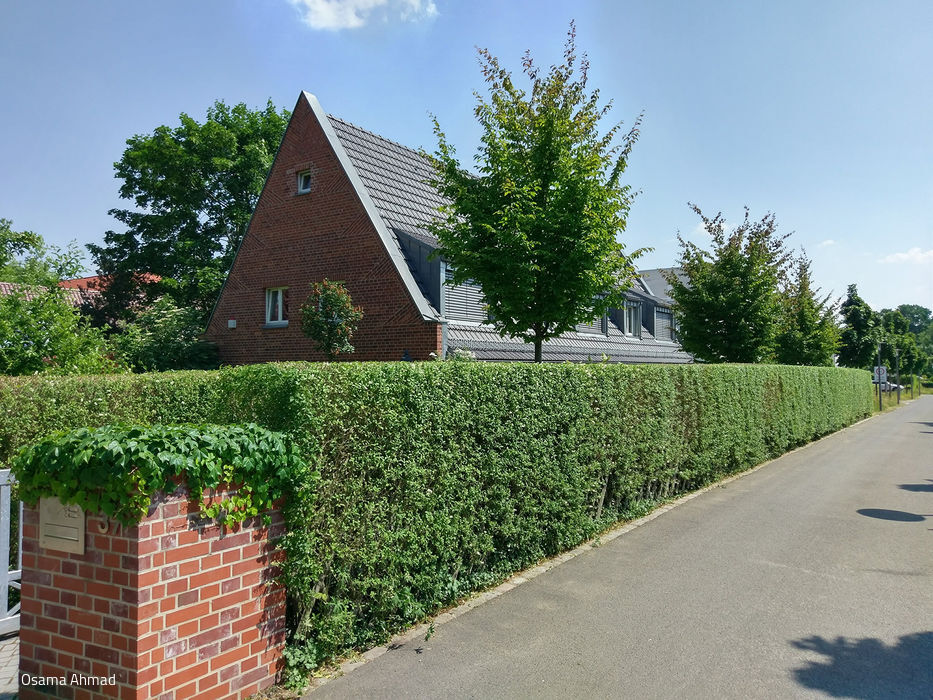
Diverse garden landscape
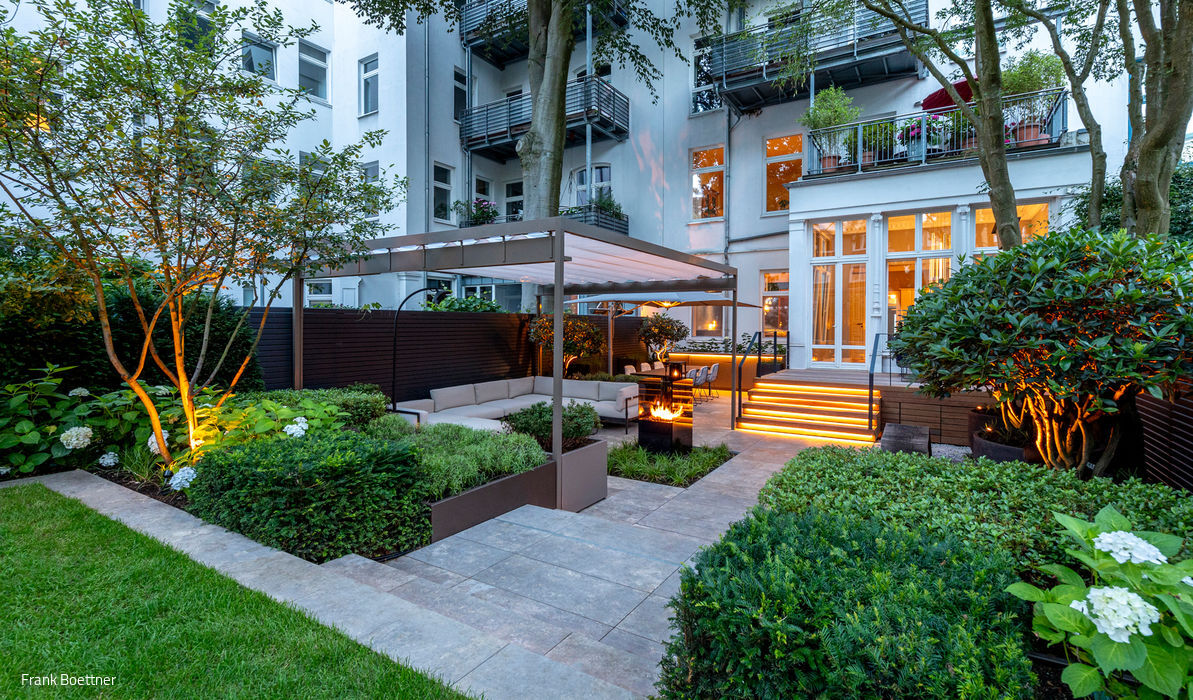
Grasgrau and Atelier Loidl worked with the owners to develop a concept for a modern cottage garden with lots of roses and hydrangeas in the...
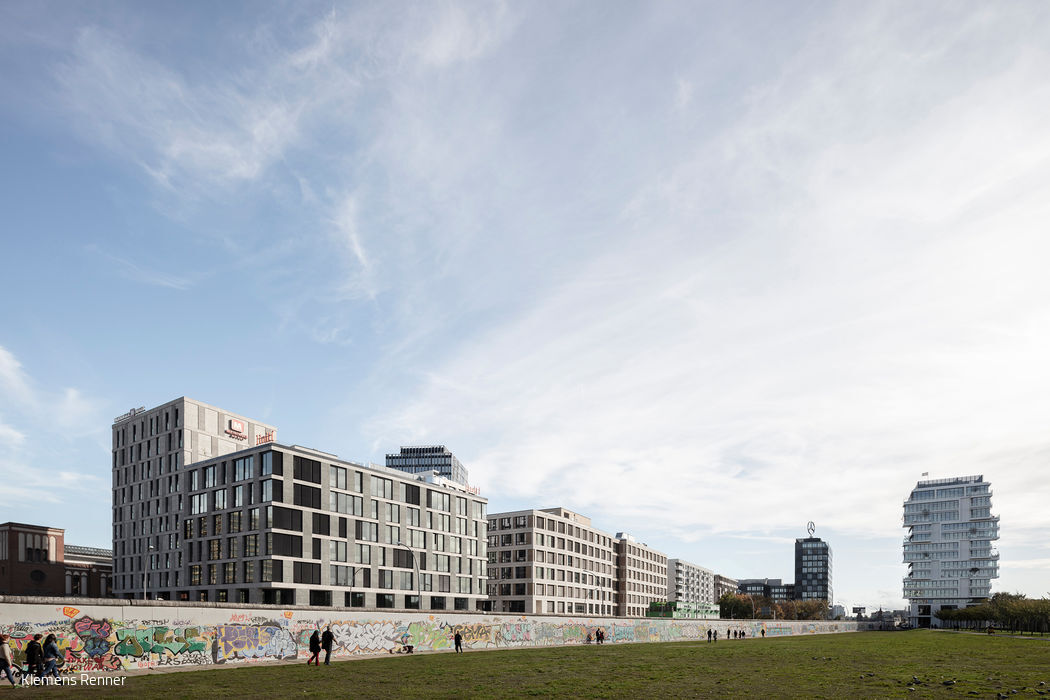
Best views
Spreeoffice sits between the East Side Gallery and the Spree riverfront.