


Verizontal
Maximizing space efficiency through thoughtful, strategic reorganization of the existing floor plan
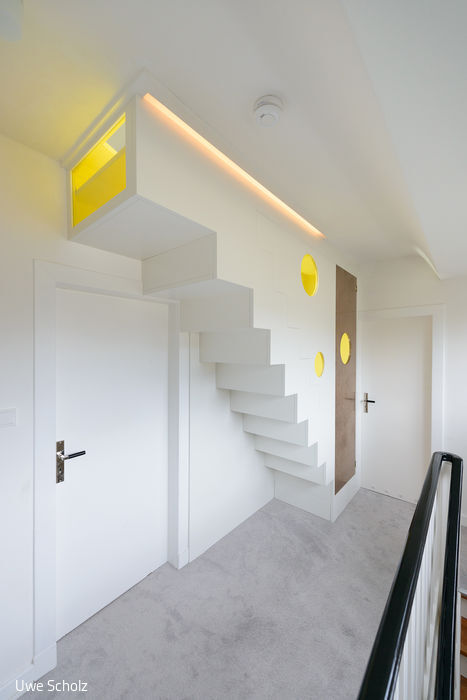




In today's competitive housing market, growing families often find themselves priced out of desirable neighborhoods, forced to choose between affordability and community. But does relocating really have to be the answer? Architect Gerd Streng thinks differently. Rather than looking outward, he uncovers hidden spatial potential within existing homes—what he calls expansion "inward." Space exists; what's missing is how it's organized. Through rigorous three-dimensional analysis of how rooms function and flow, Streng identifies reserves that can be unlocked and repurposed—staircases to forgotten attics, storage solutions, and improved circulation. His "Stair Case Study Houses" demonstrate this philosophy in practice, each one strategically reorganizing floor plans to create the right space, in the right place, often with minimal intervention.
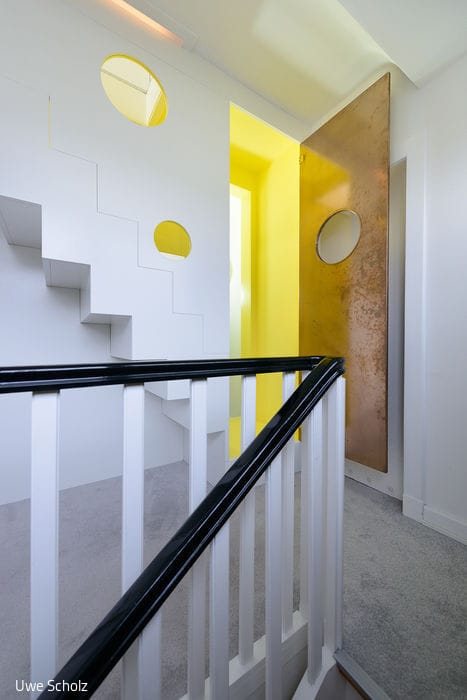
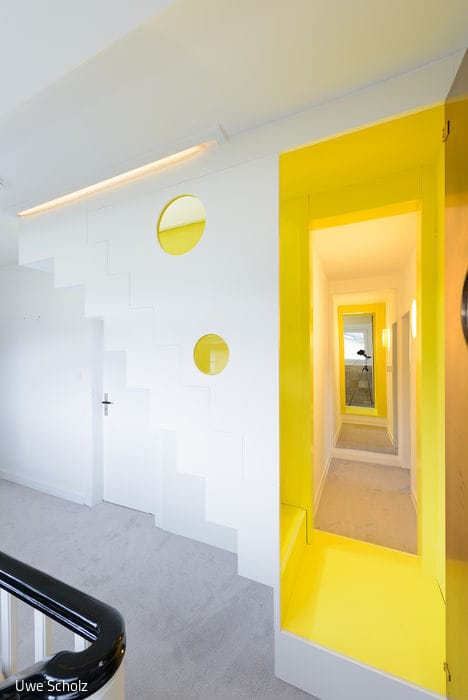
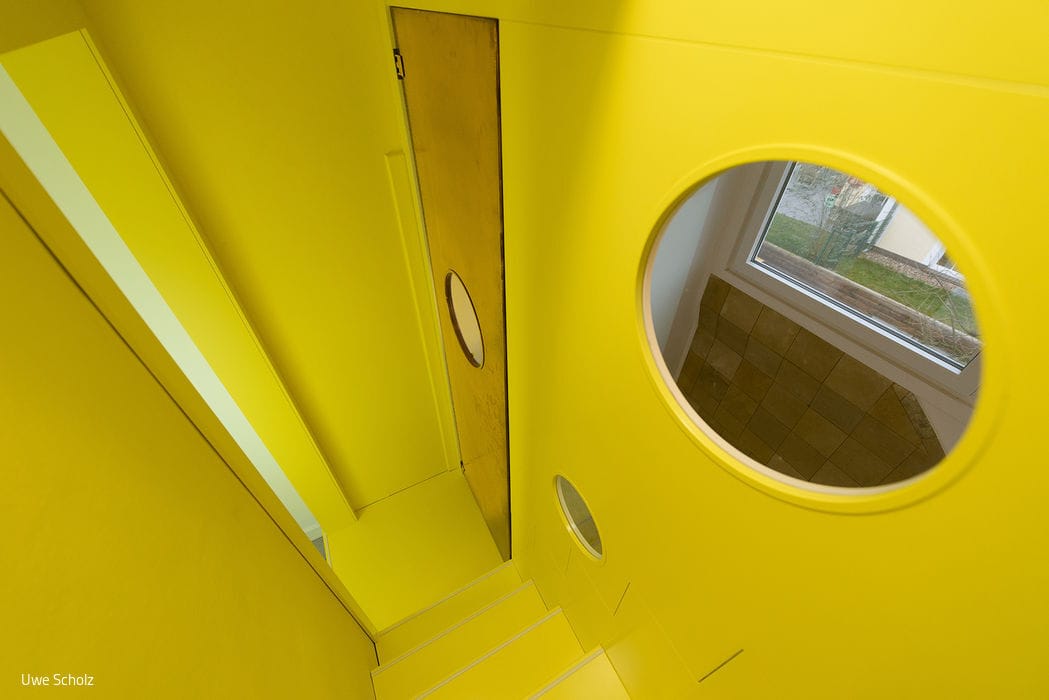
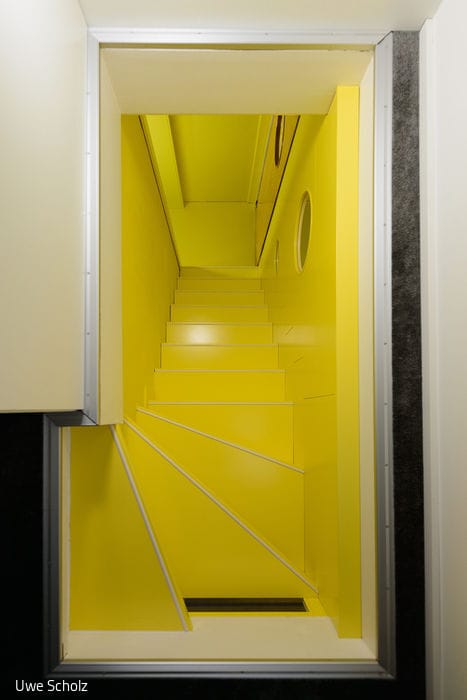
The 1930s detached home in Groß Flottbek posed a classic challenge: an attic accessible only by a steep, open staircase, and a master bath that felt disconnected from the upstairs layout. The solution was a new stairwell that accomplishes two things simultaneously—creating a secure, closable vertical path from hallway to attic while establishing a direct horizontal link to the bathroom, seamlessly integrating all three zones. A copper-finished swing door operates effortlessly in both directions, while strategically positioned circular windows prevent collisions and frame unexpected views, even from a child's perspective. The landing below serves as a crossroads for movement, both vertical and horizontal. A mirror in the bathroom vestibule optically extends the passage, making the space feel more generous.
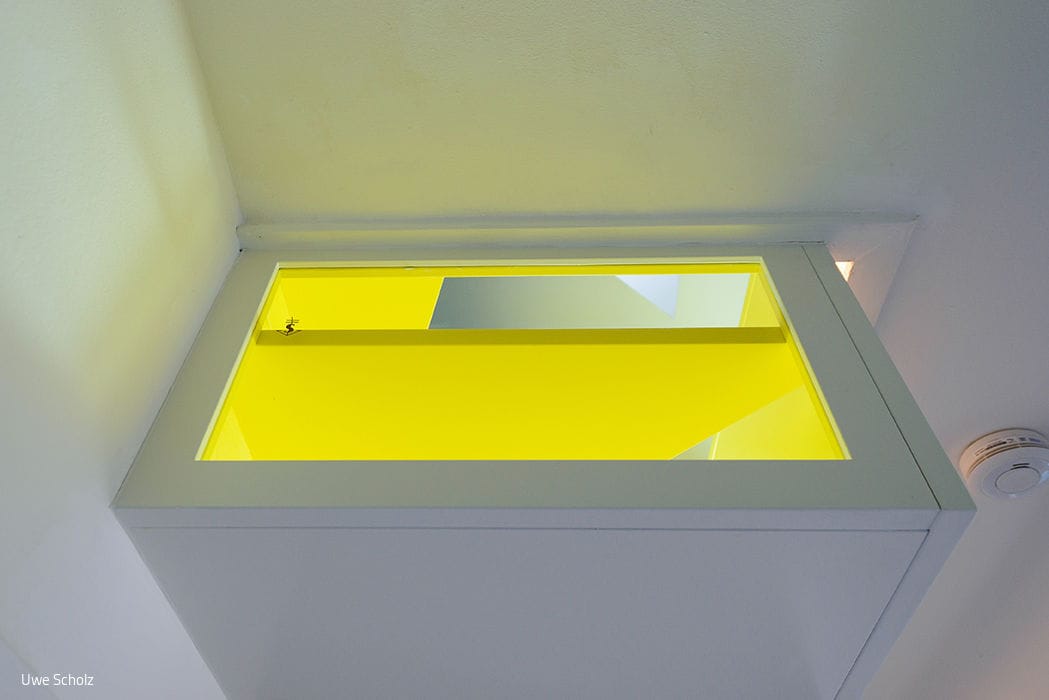
Dimmable LED strips run along the stairwell stringers, doubling as atmospheric nighttime lighting. The stringers themselves—punctuated with circular windows—can be quickly removed, simplifying the transport of large objects to the loft. The stairwell's bold yellow accent deliberately plays against the restrained palette of the attic space, creating visual rhythm. These circular openings and carefully placed glazing create layered sightlines throughout, engaging users at every level—including children's eye level. The new staircase is both gentler and safer than its predecessor, while also providing the spatial enclosure the attic required. Multifunctional interventions like this shouldn't be evaluated on construction cost alone; they deserve comparison to the spatial gains you'd achieve by purchasing a larger home. What's certain is their efficiency—doing more with what you already have.
Photography Credits:
Uwe Scholz
(Published in CUBE Hamburg 03|20)


Familiar – yet modern
A truly special home has been created, inside and out
Smart and beautifully red
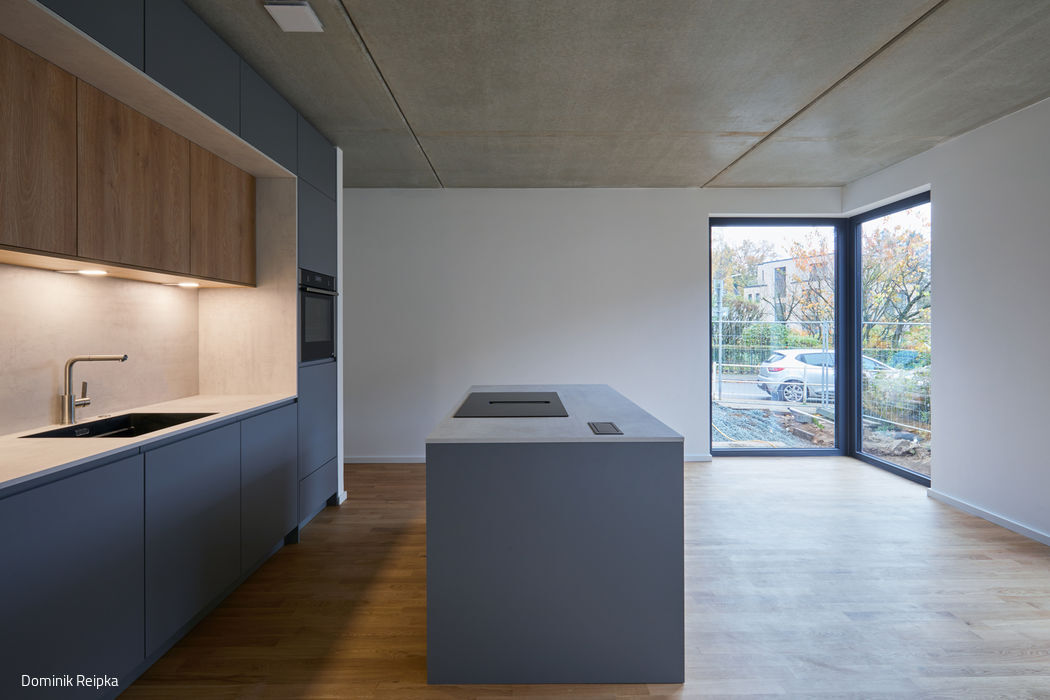
Three Townhouses Hide Within This Minimalist Home
Perfect harmony
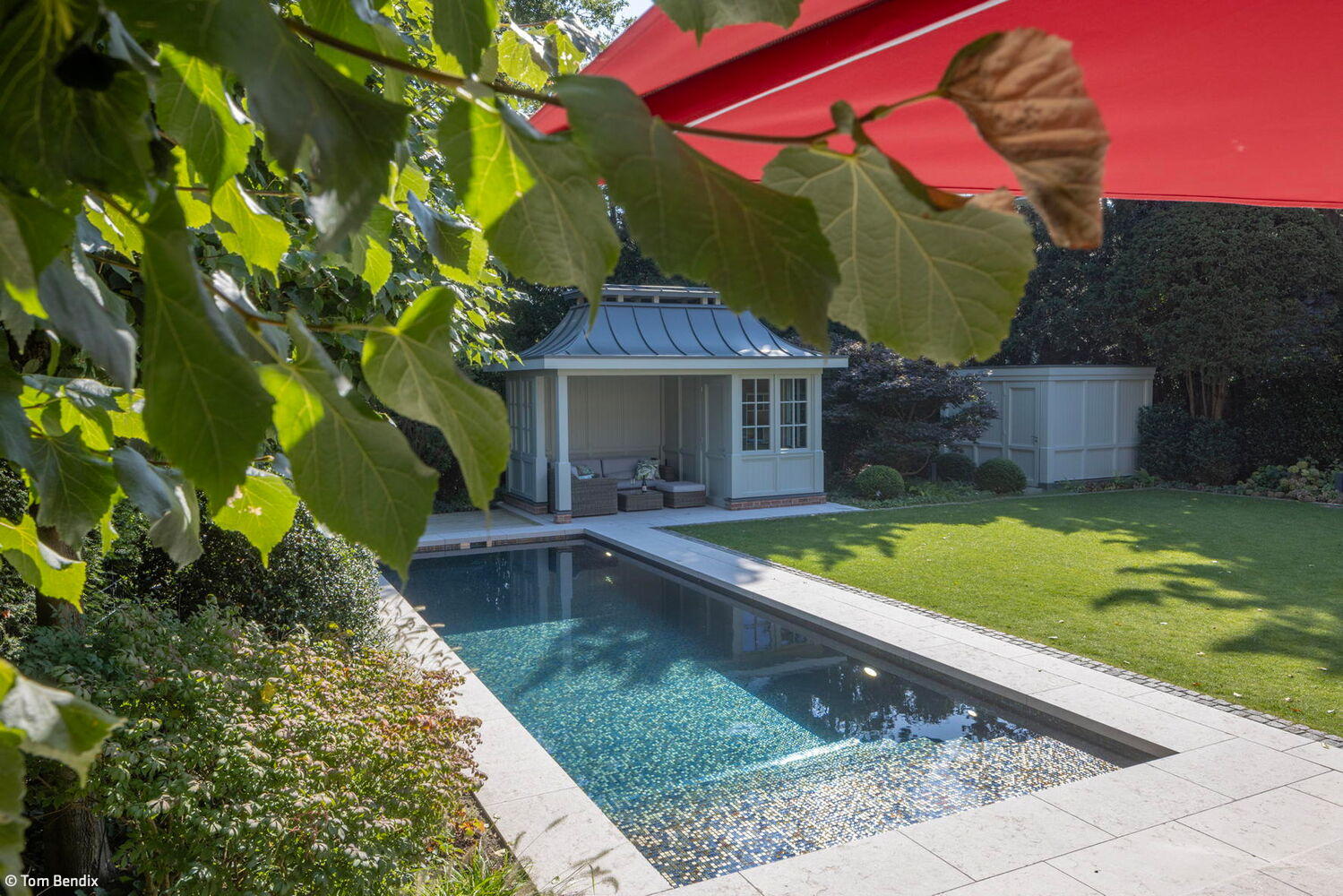
Where a Terrace and Garden Become a True Sanctuary
Landscape in Focus
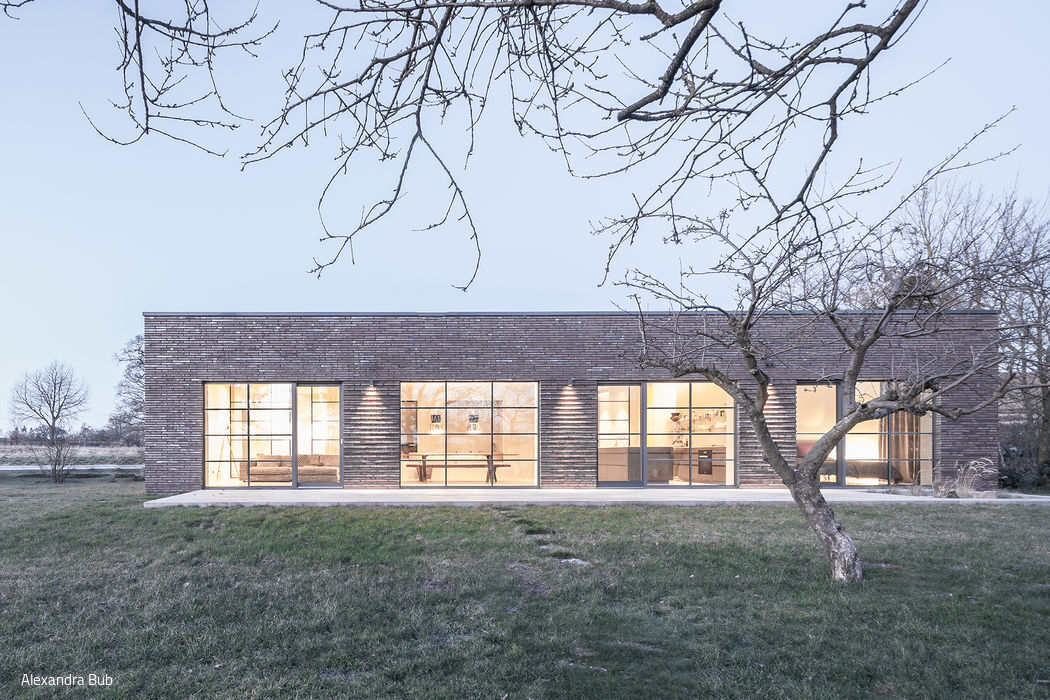
A Bungalow Sanctuary in Nature's Paradise