


Embracing Life Together in Later Years
A thoughtfully designed senior living community that brings this vision to life
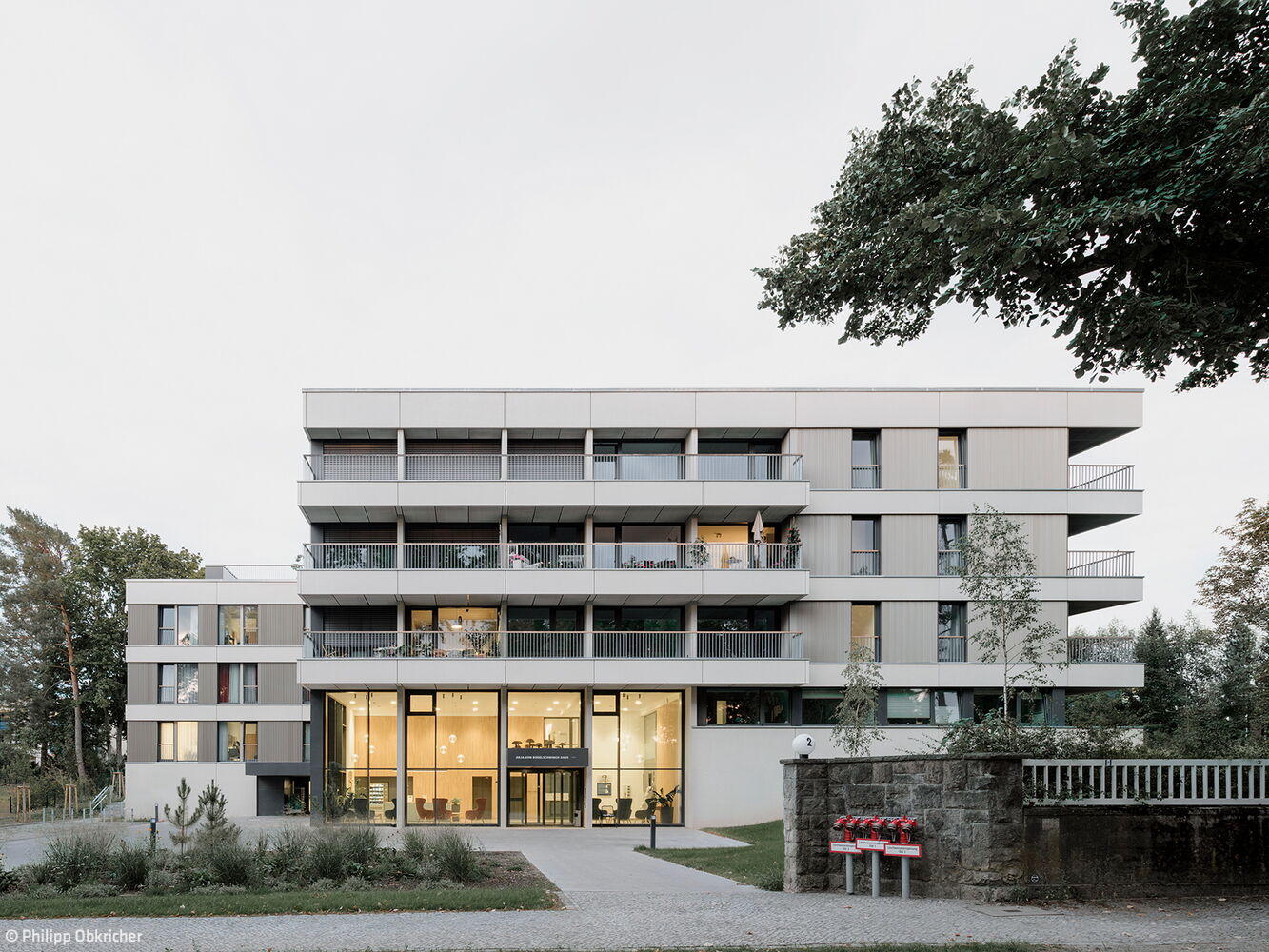
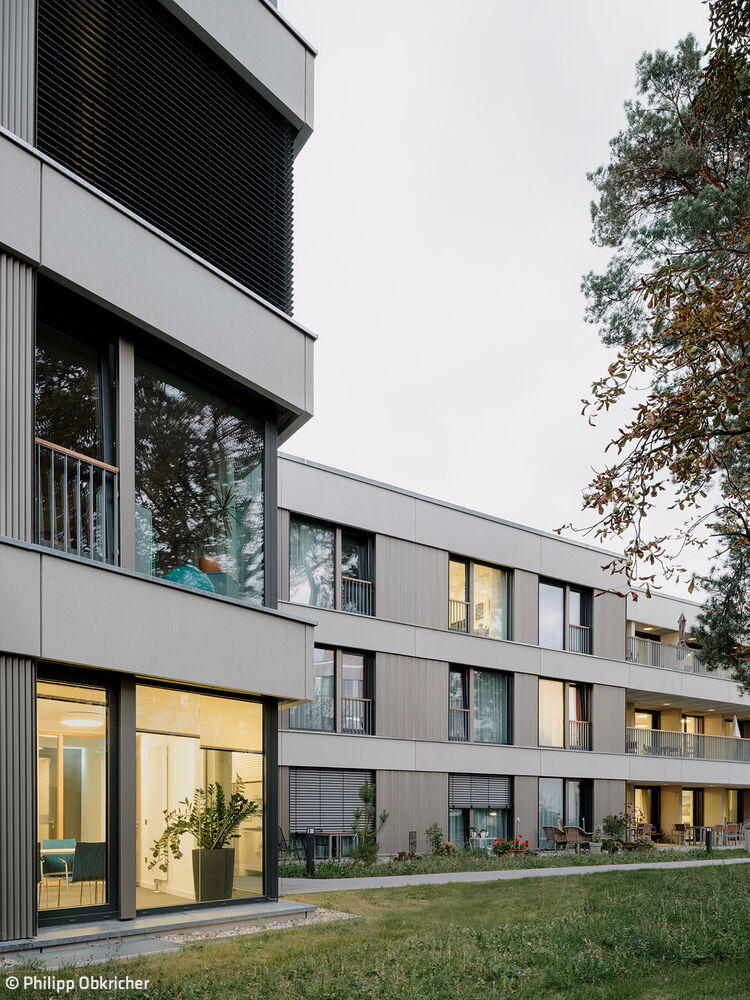
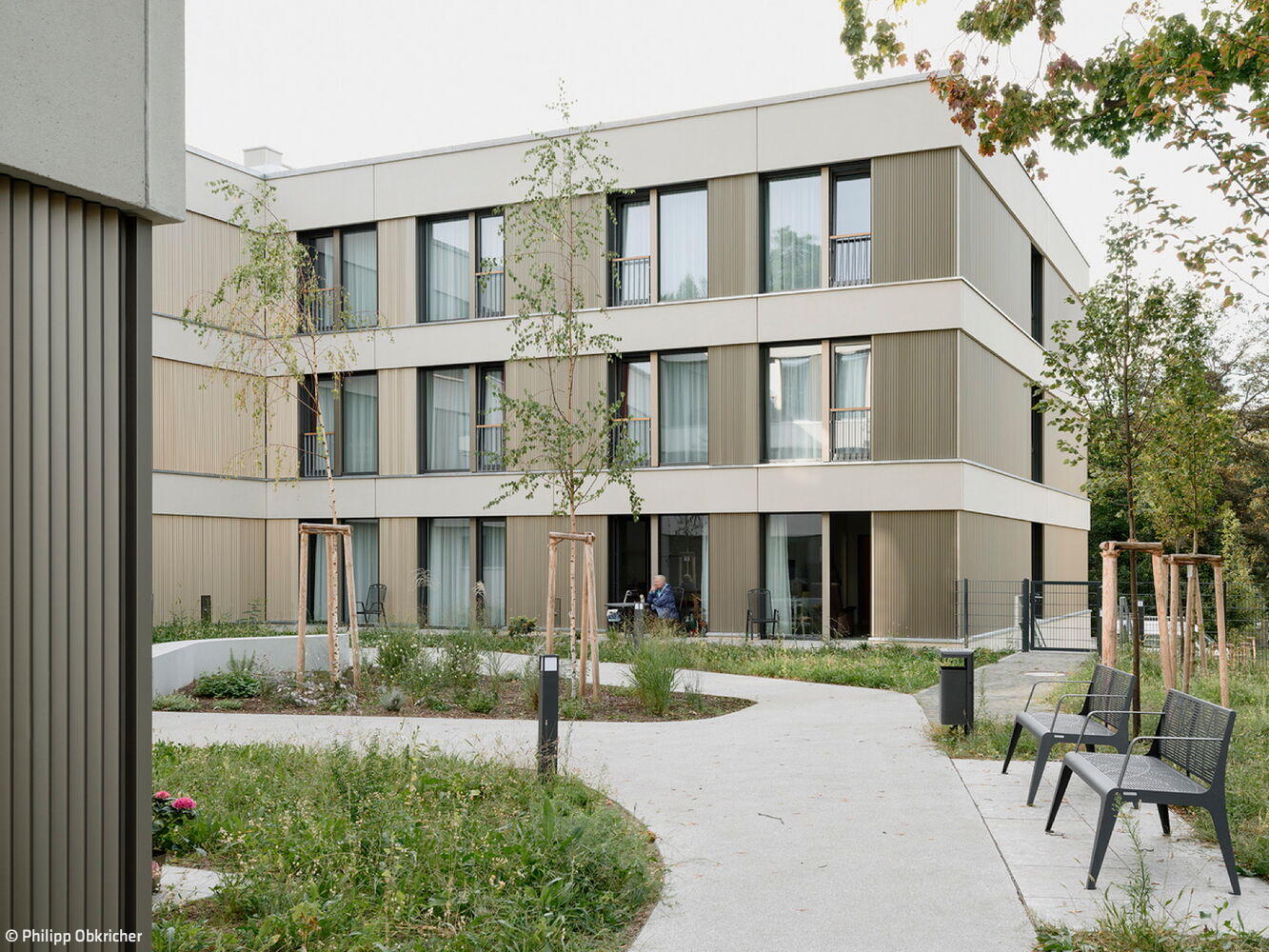
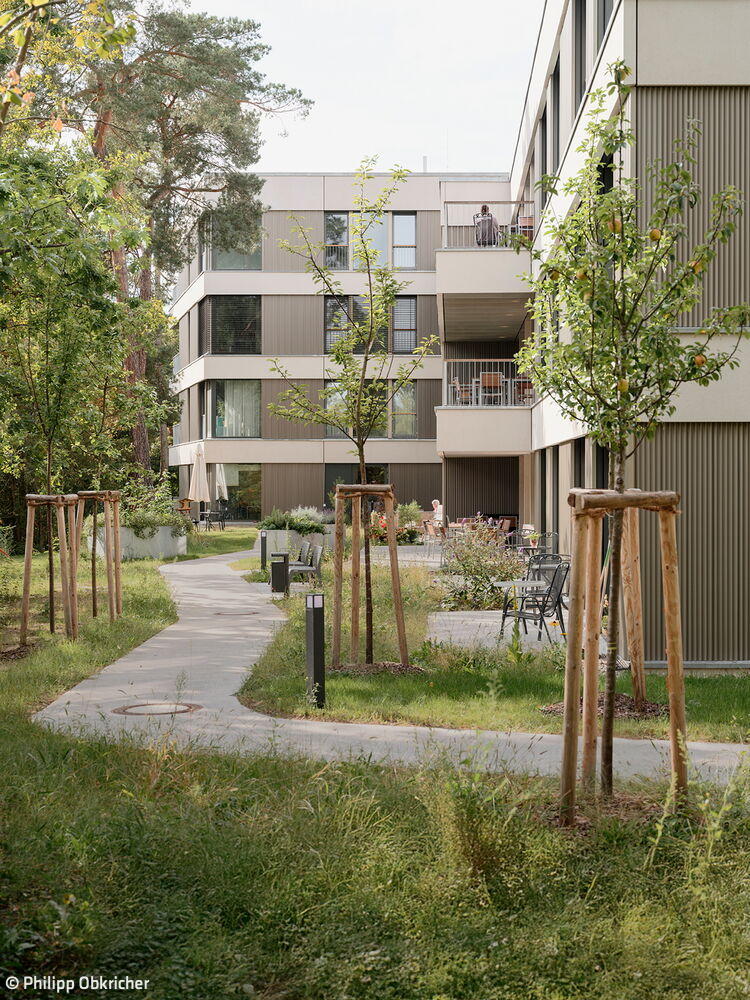
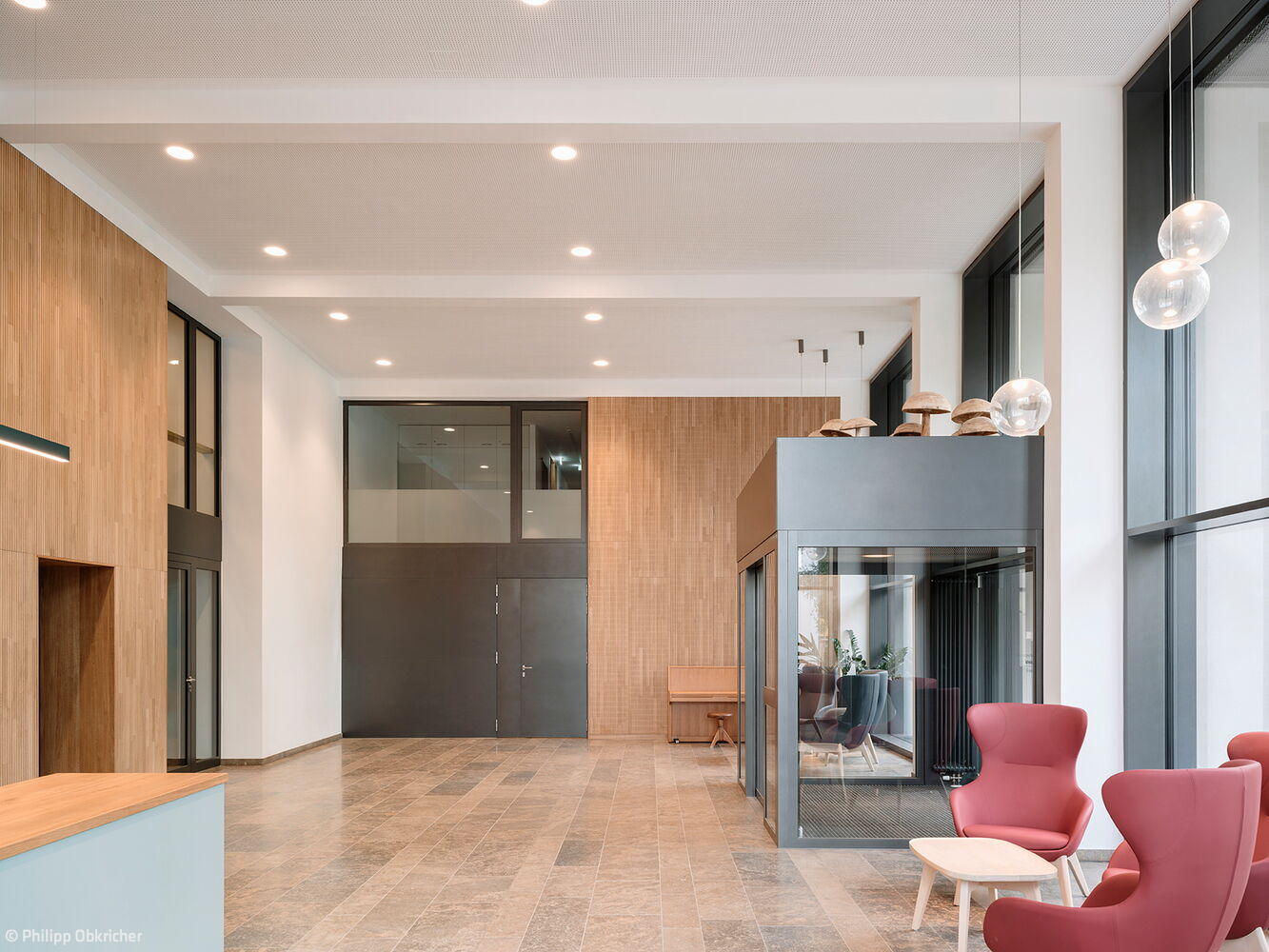
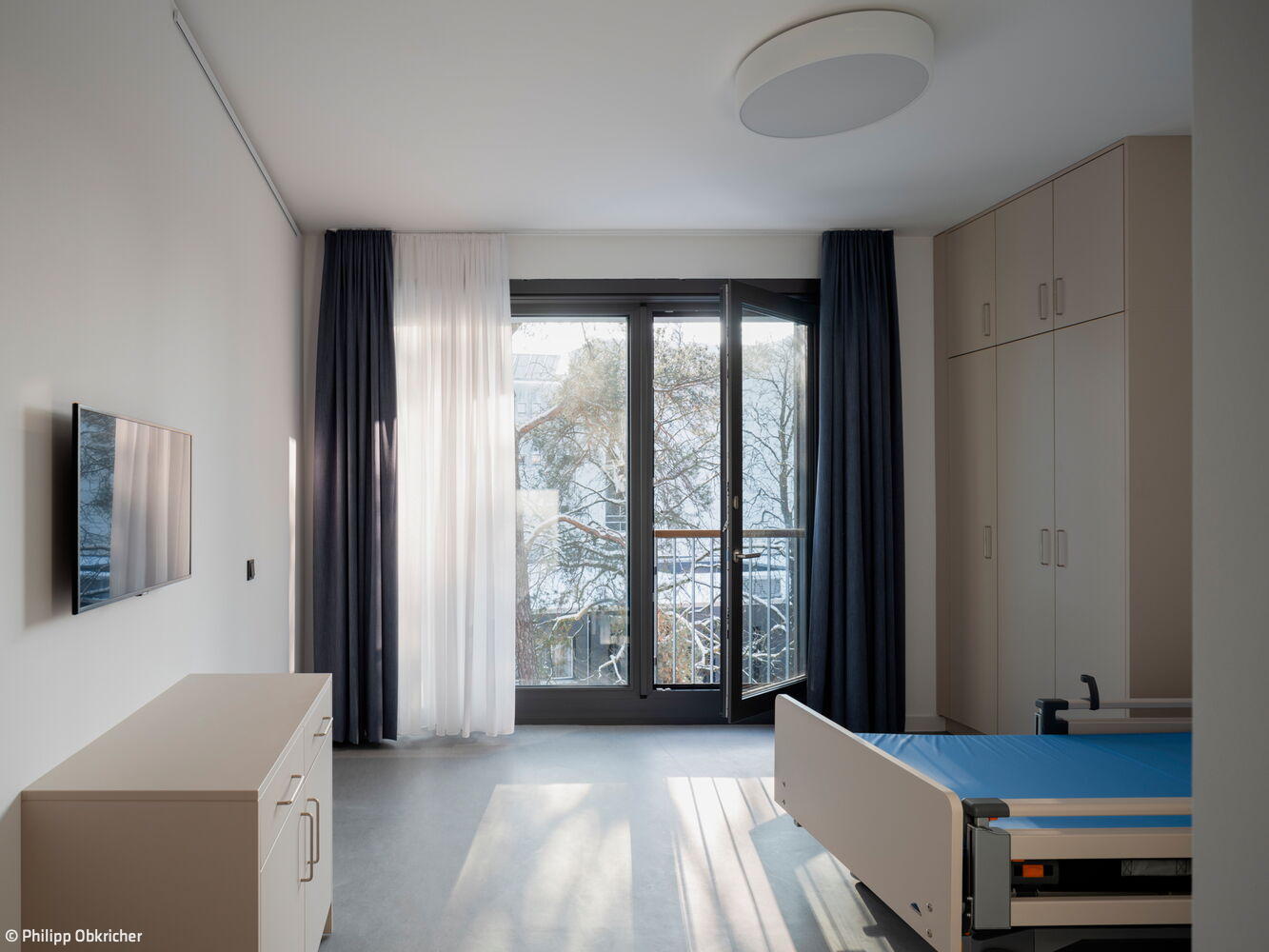
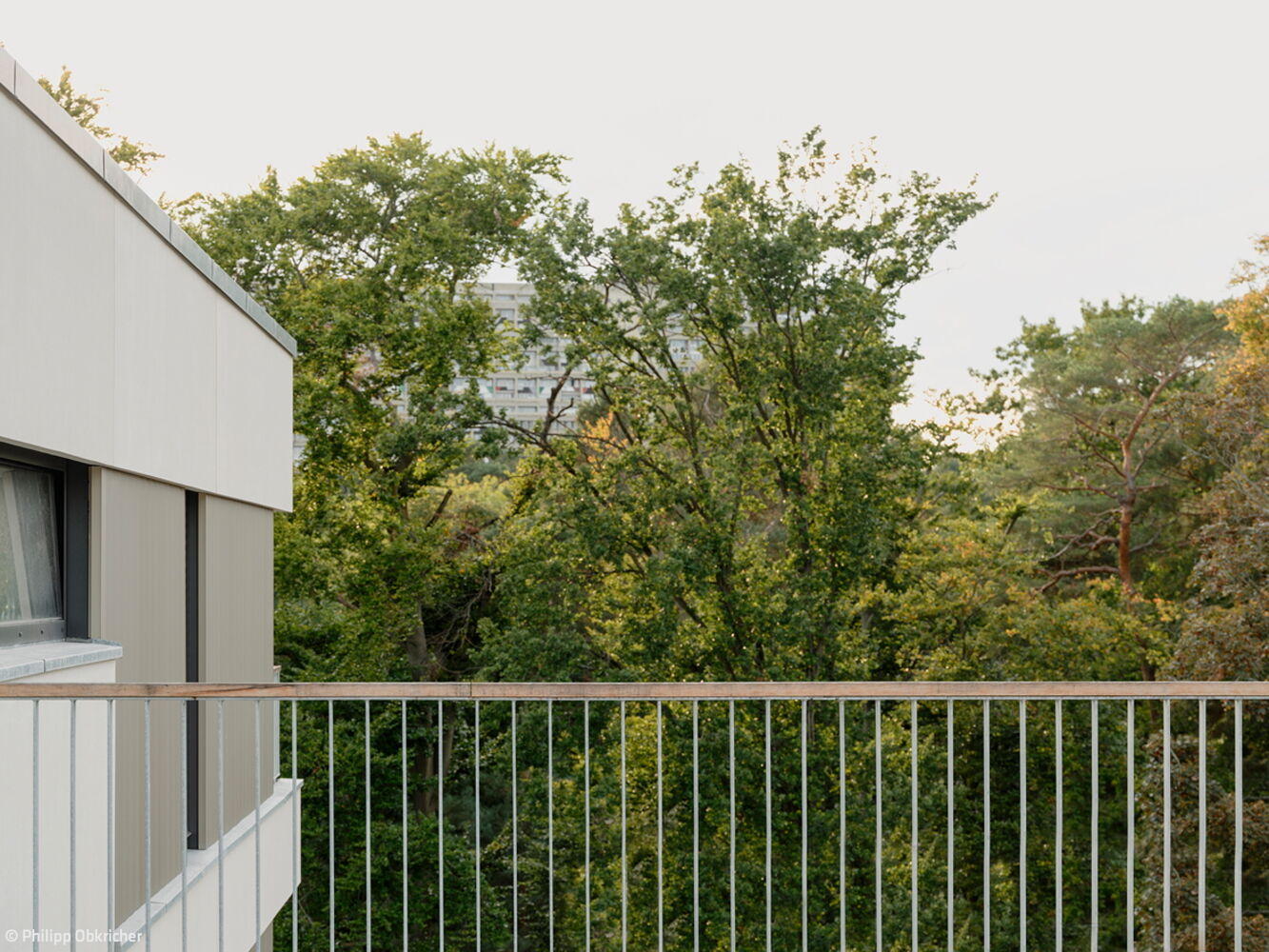

The Julia von Bodelschwingh Haus, a new senior residence in Westend, takes its name from the wife of the founder of the Bethel Institutions and is operated by the Bethel Foundation. The building's architectural composition consists of a central volume flanked by two transverse wings of varying heights. Positioned just north of Heerstraße, beyond the Caritas Clinic St. Anna, this age-inclusive residential complex seamlessly integrates into its landscape setting. Access to the building is provided from the western side via Pillkaller Allee, with the protected Georg-Kolbe-Hain located directly across the street. Residential neighborhoods border the site to the north and east. Designed by Berlin-based kontektum architektur, the ensemble responds thoughtfully to the site's topography, which gradually rises from west to east. Developed in partnership with two foundations, the spatial concept balances functional requirements with quality of life. The facility accommodates 72 residents in private rooms, complemented by 13 additional barrier-free apartments. Following established standards for senior living environments, the design distributes extensive support spaces across all three buildings while thoughtfully integrating outdoor areas—allowing residents to enjoy the surroundings. Mature trees, connecting pathways, seating areas, and abundant landscaping create an intimate, park-like atmosphere. The five-story central volume echoes the adjacent clinic's height and houses reception, administration, and staff facilities, with a generous double-height foyer serving as a flexible event space. Above these floors sit the thirteen barrier-free apartments, defined by open floor plans, expansive glazed façades, and continuous balconies oriented toward Pillkaller Allee and Georg-Kolbe-Hain. Essential to thriving senior communities, opportunities for social connection are embedded throughout—including a shared lounge with roof terrace on the fifth level. The actual care residence occupies the two lower transverse wings, which follow the site's slope with three stories each. A connecting pavilion with communal spaces and forecourt terrace forms the heart of this arrangement, while utility functions nestle discreetly below grade. Therapy and treatment spaces are distributed across all three building components. The façade treatment remains consistent throughout: horizontal reinforced concrete bands articulate the envelope and mark floor levels, with open glazed sections, solid wall panels, and projecting balconies creating visual rhythm between.
Photography:
Philipp Obkricher
www.philippobkircher.de
(Published in CUBE Berlin 01|25)



The Finest
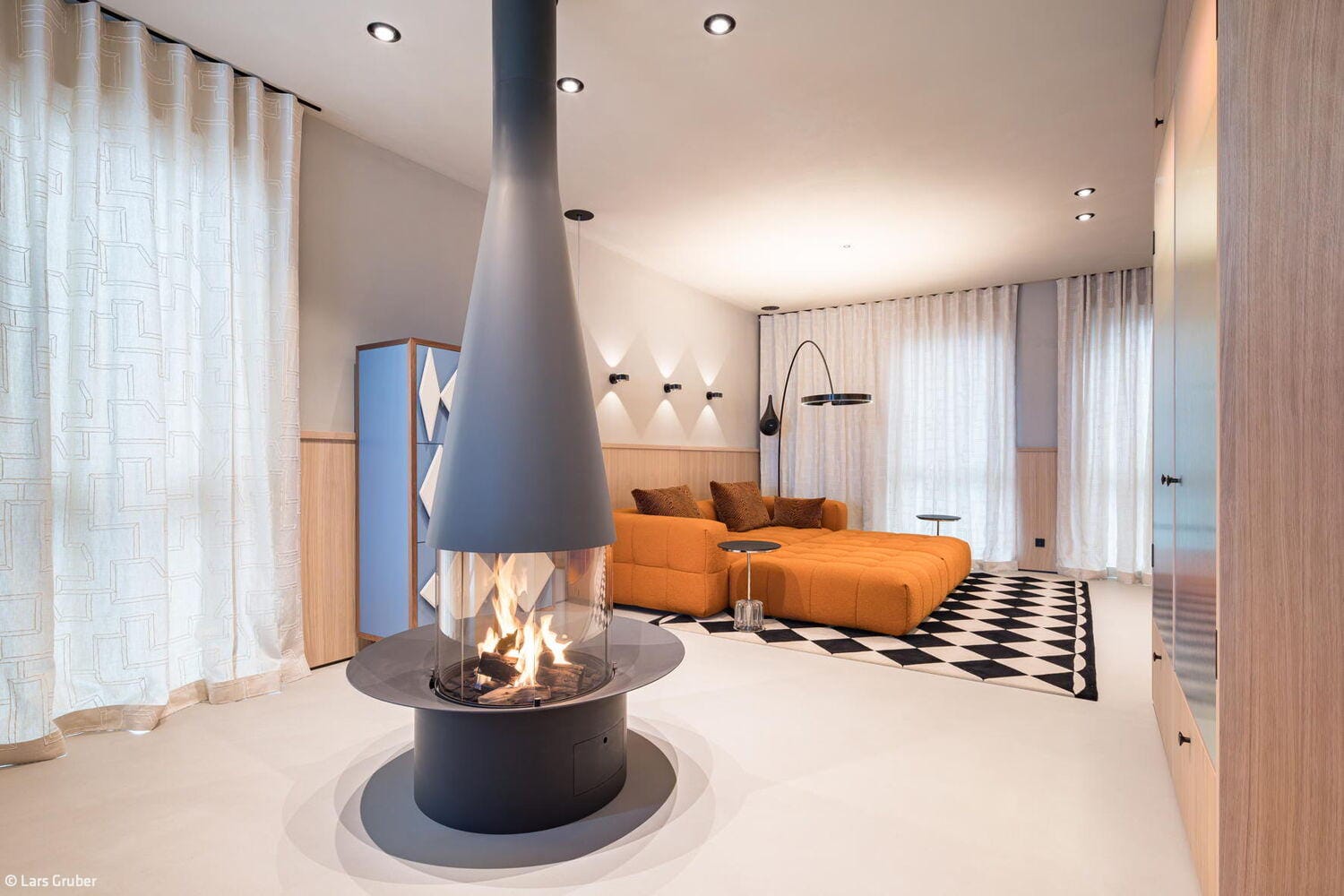
Color in Full Force – One Apartment's Bold, Sophisticated Transformation
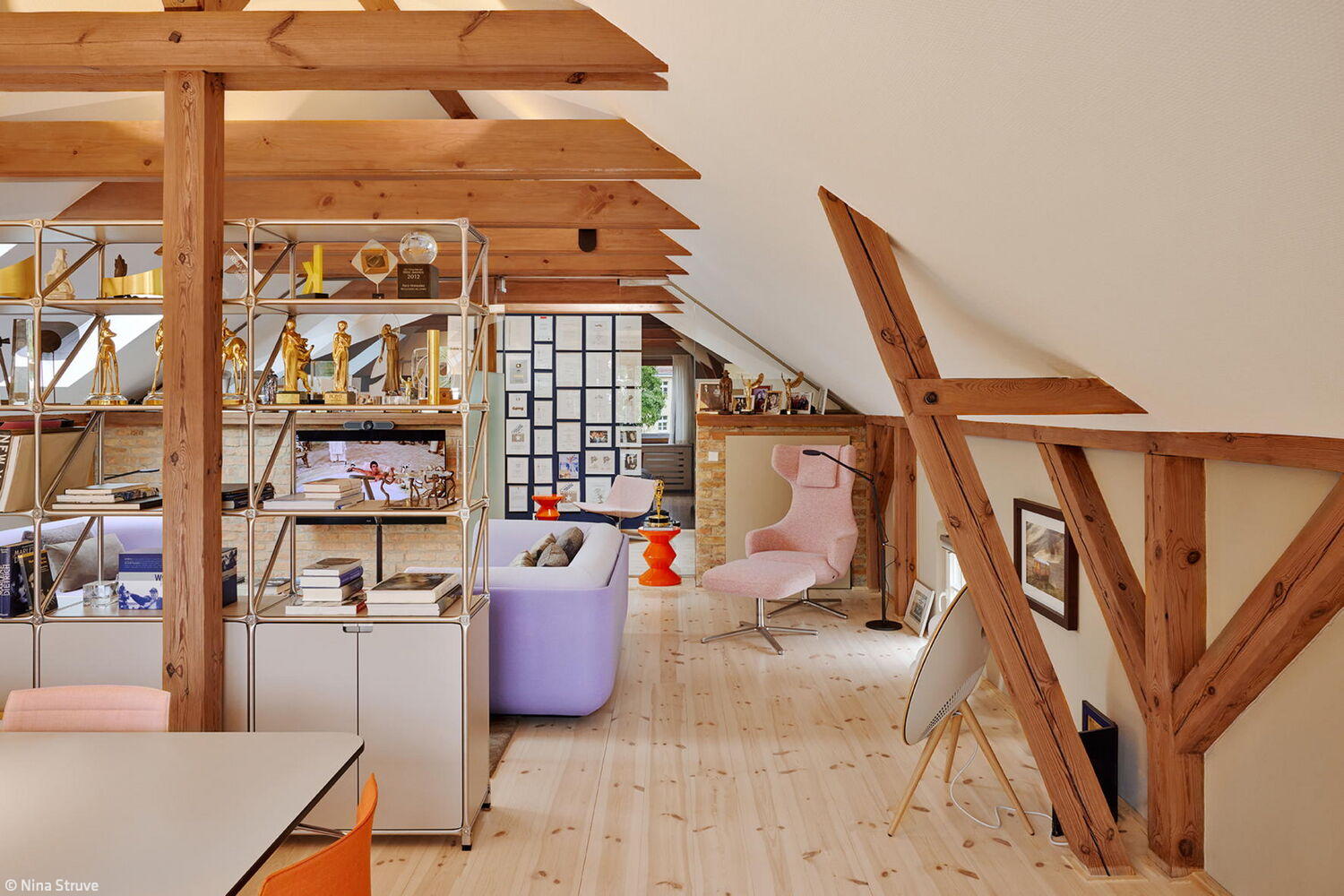
Relaxed, Creative, Comfortable
A seasoned partnership reimagines the office: client and interior architect create something distinctly their own
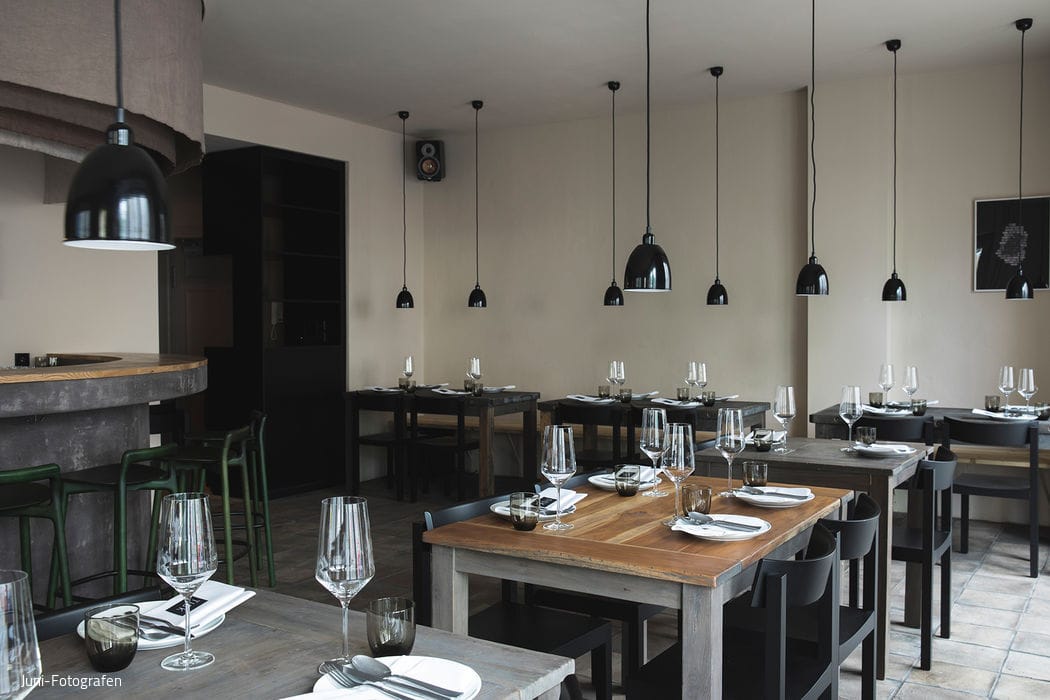
Elevated Dining Pub
Tucked away in Neukölln, a culinary destination for discerning palates.
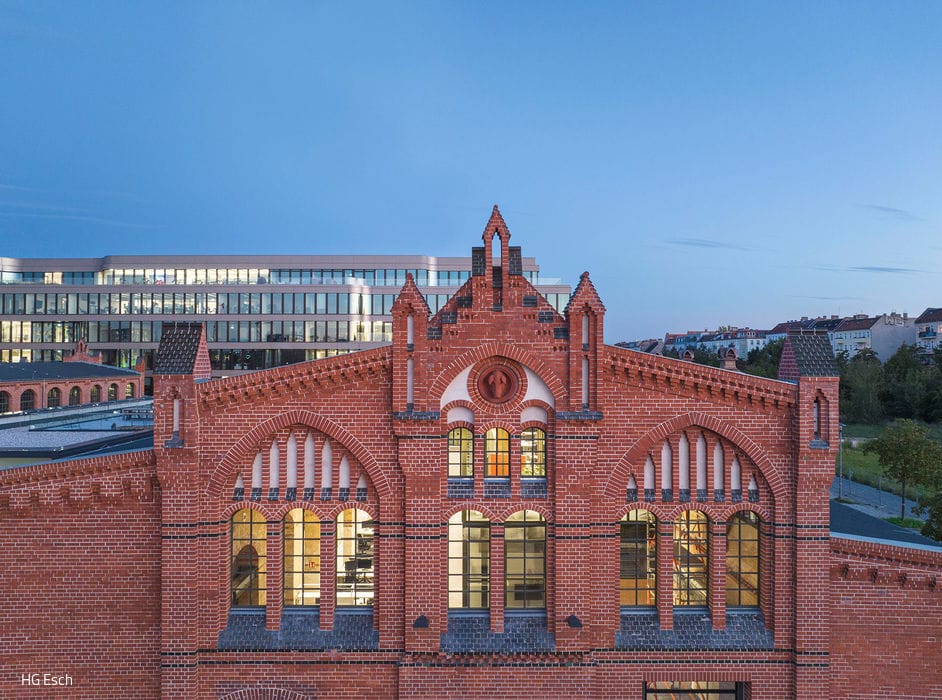
Working in Historic Monuments
From Historic Livestock Halls to Contemporary Workspaces