


A Journey Around the World in One Day
The "Gardens of the World" remain a captivating destination—even six years after the IGA
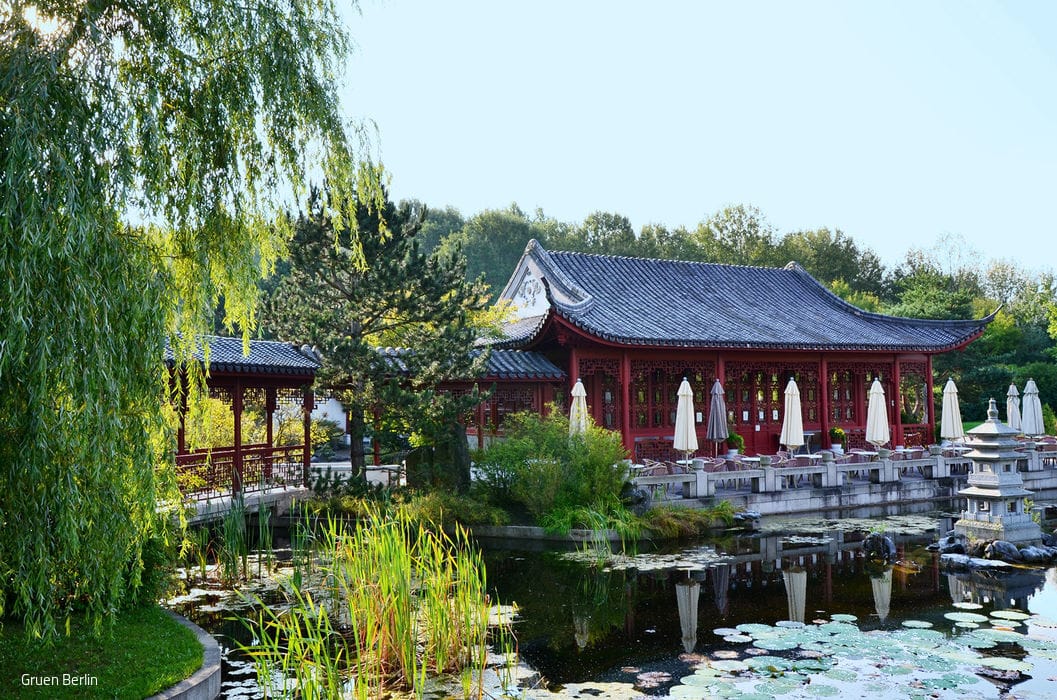


Created as part of the 2017 International Garden Exhibition across 43 hectares, the "Gardens of the World" continue to thrive and draw visitors from around the globe. Plan for a full day to explore the grounds at a leisurely pace. Nestled within Marzahn Recreation Park, the site has expanded further in recent years, with the Jewish Garden opening in 2021. The sprawling complex showcases regional garden styles from across the globe, creating an enchanting labyrinth—though you'll definitely want a map to navigate it. The gardens evolved from the original Marzahn Recreation Garden, established in 1987 to commemorate Berlin's 750th anniversary.
The "Gardens of the World" project took shape in the late 1990s, with the Chinese Garden opening in 2000, followed by the Japanese and Balinese gardens in 2003. After a two-year hiatus, the Oriental Garden emerged in 2005, and the Korean Garden in 2006. The maze and labyrinth were completed in 2007, with the Italian Renaissance Garden opening to the public in 2008. The Christian Garden followed in 2011, the English Garden in 2017, and that same year marked the IGA's inauguration. Among the site's highlights is Europe's largest Chinese garden, the "Garden of the Regained Moon," created to celebrate the Berlin-Beijing partnership. Authentic Chinese structures grace the space, including a teahouse called Berghaus and a distinctive zigzag bridge spanning a small pond. The "Garden of Converging Waters" represents the Japanese tradition while symbolizing Berlin's ties with Tokyo. Adjacent to it lies the "Garden of Three Harmonies," rooted in Balinese design and housed within the 14-metre-high tropical hall. This exotic creation was designed by Haas Architects, while the Far Eastern gardens were shaped by landscape architects from their respective countries. The Oriental "Garden of the Four Streams" was conceived by Berlin-based landscape architect Kamel Louafi, with authenticity verified by a Moroccan garden historian. The Korean Garden also emerged from a city partnership—initiated when Seoul's mayor visited Berlin in 2003 and met with then-Mayor Klaus Wowereit, sparking the vision to add a Korean garden to the collection.
Space doesn't permit us to showcase every garden here. To make the most of your visit, we recommend taking the cable car—originally built for the IGA and still operating today.
(Published in CUBE Berlin 02|23)

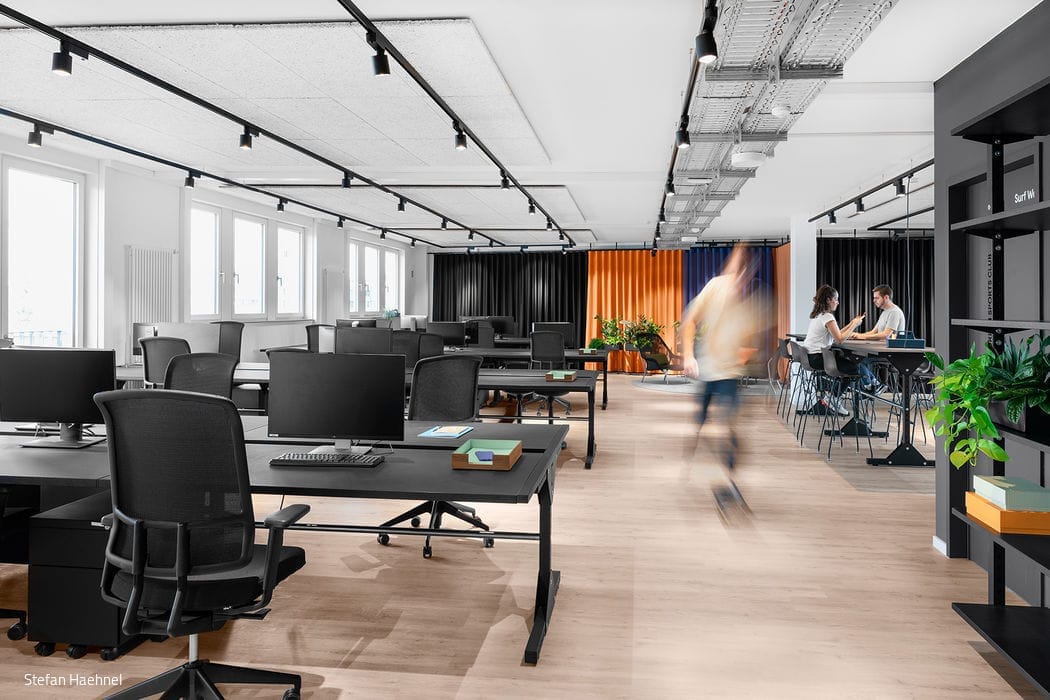
Work & Lifestyle: Sport
The interior merges work and sport into a cohesive design vision.
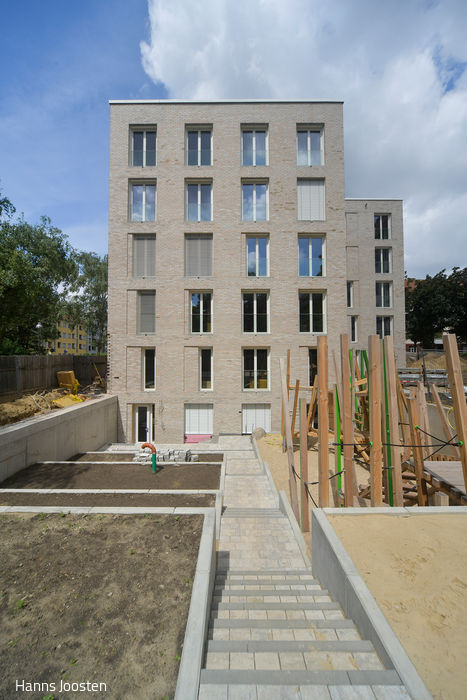
Family-Friendly University
Childcare and Co-Working Under One Roof: Beuth University of Applied Sciences' New Building
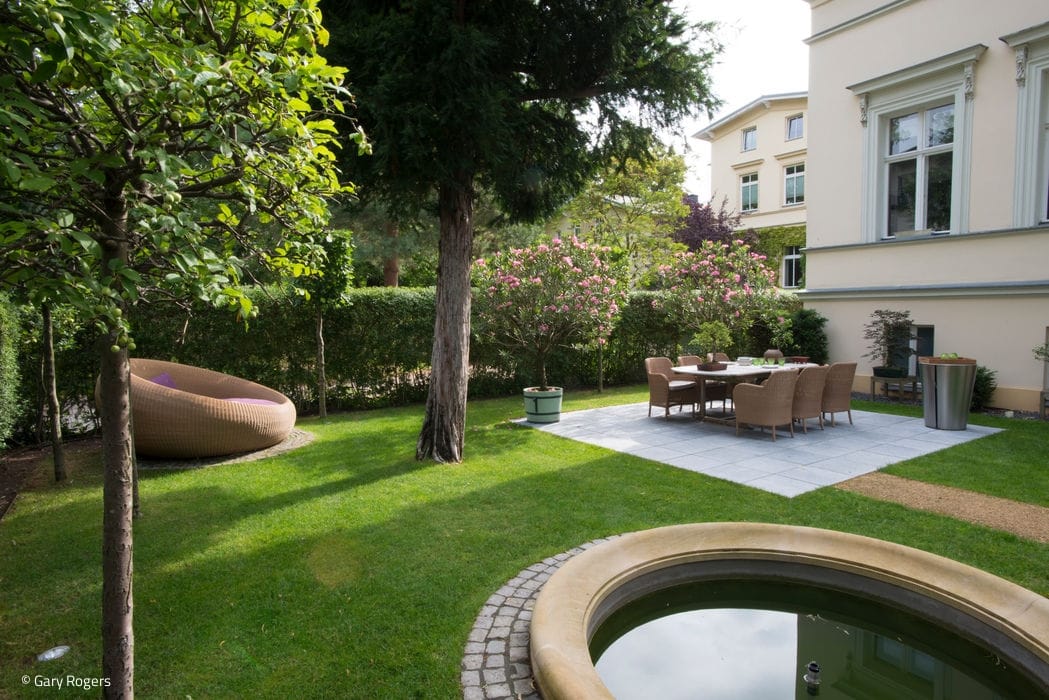
Garden of Short Paths
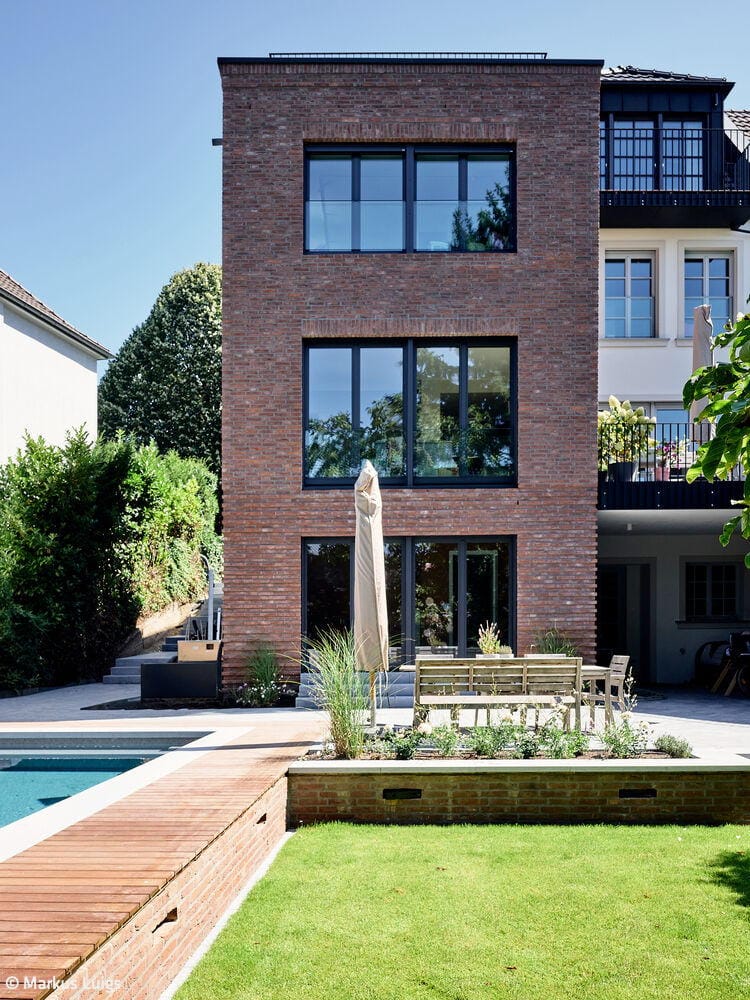
Contemporary Garden Design Meets Timeless Architecture
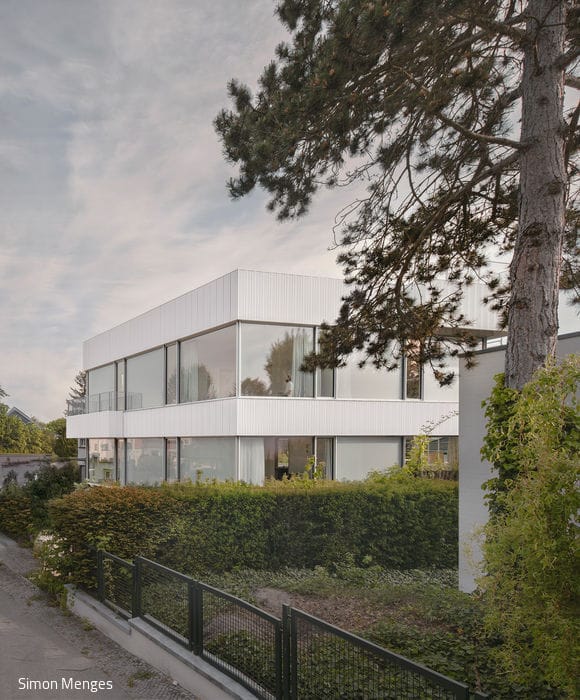
One Becomes Four
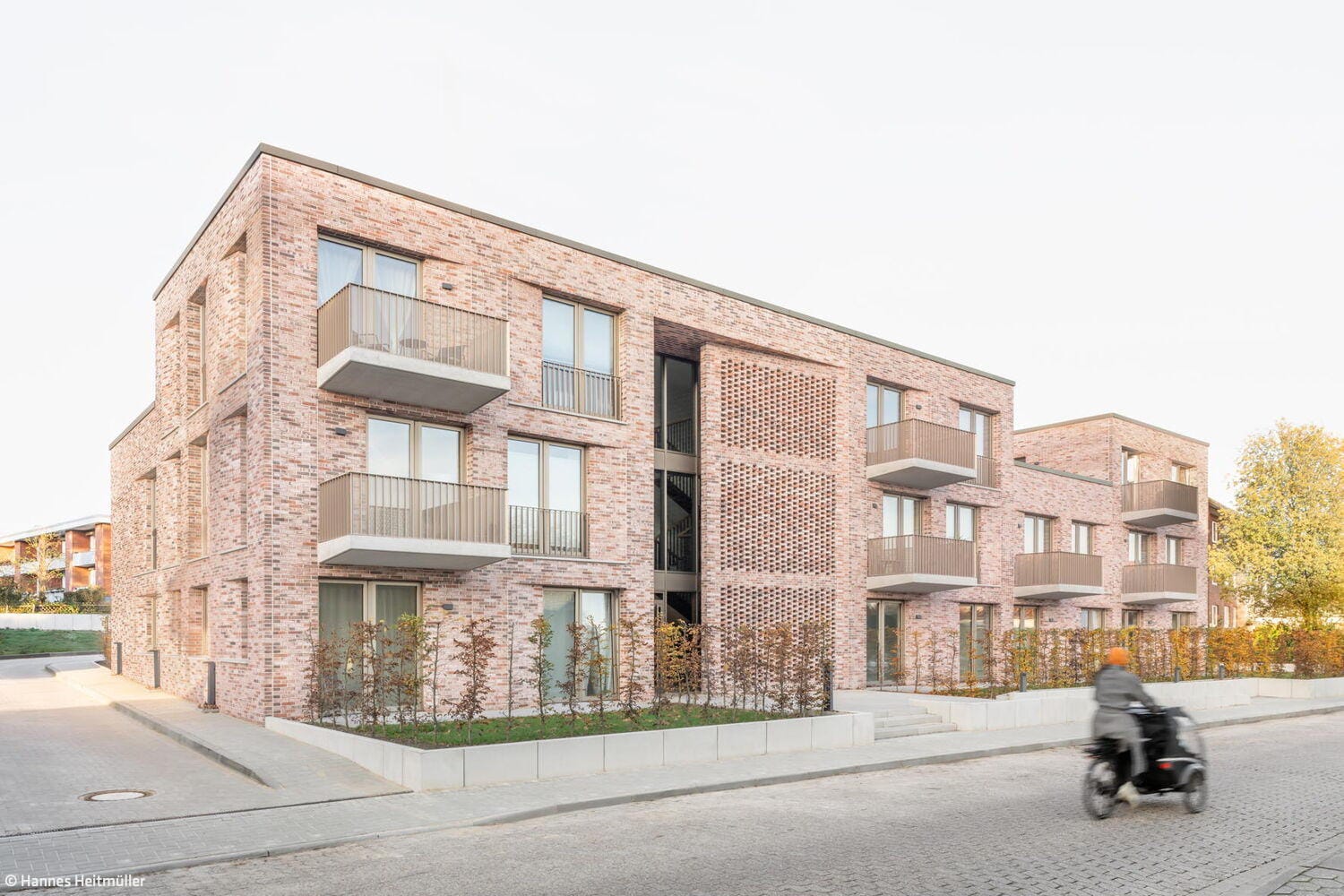
An adaptable new build designed for flexible multi-generational living.