


Restorative Elegance
Warm white, honey-toned timber, and Dekton Ava by Cosentino: Welcome to Villa Astoria in Kühlungsborn
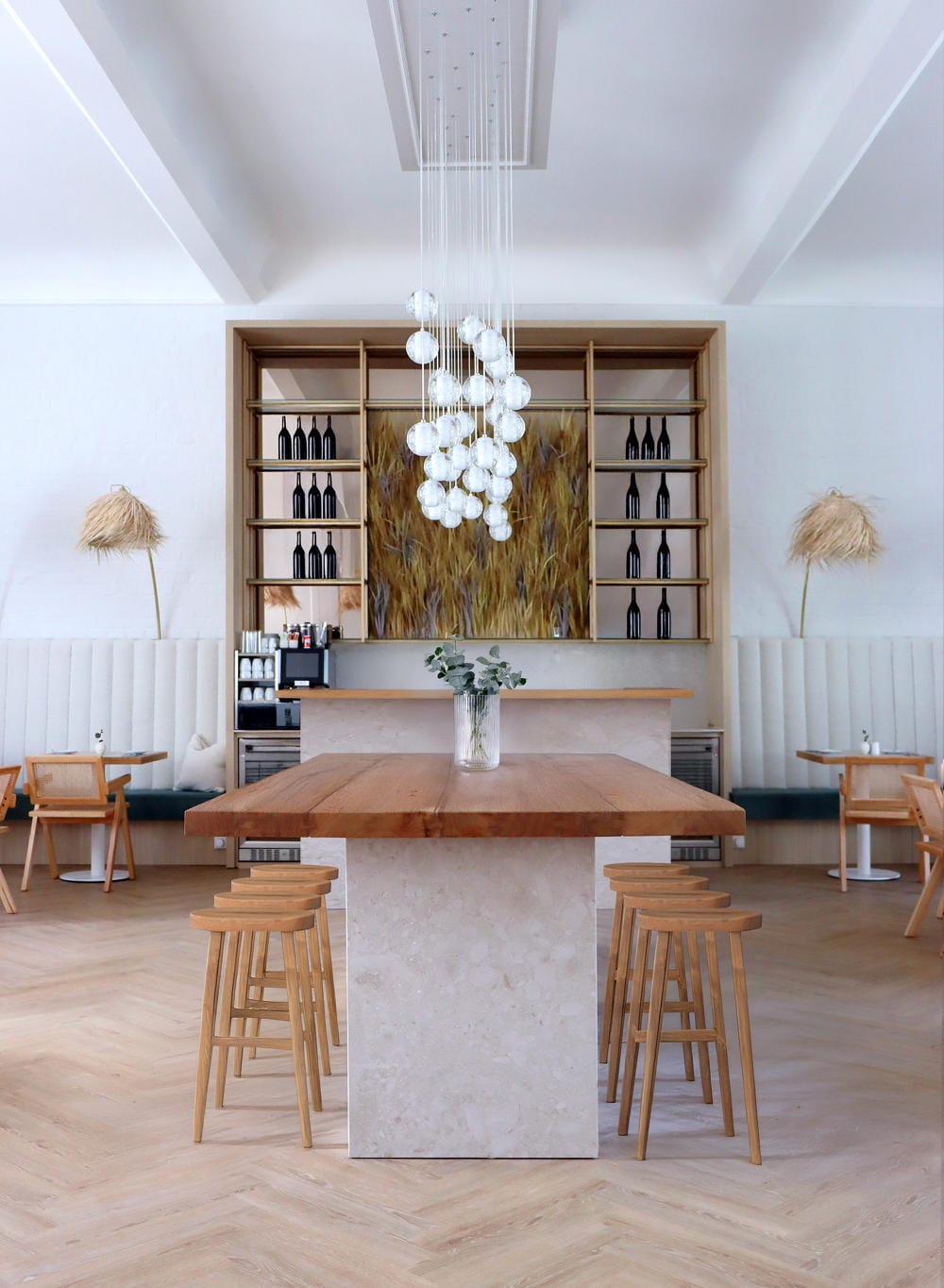
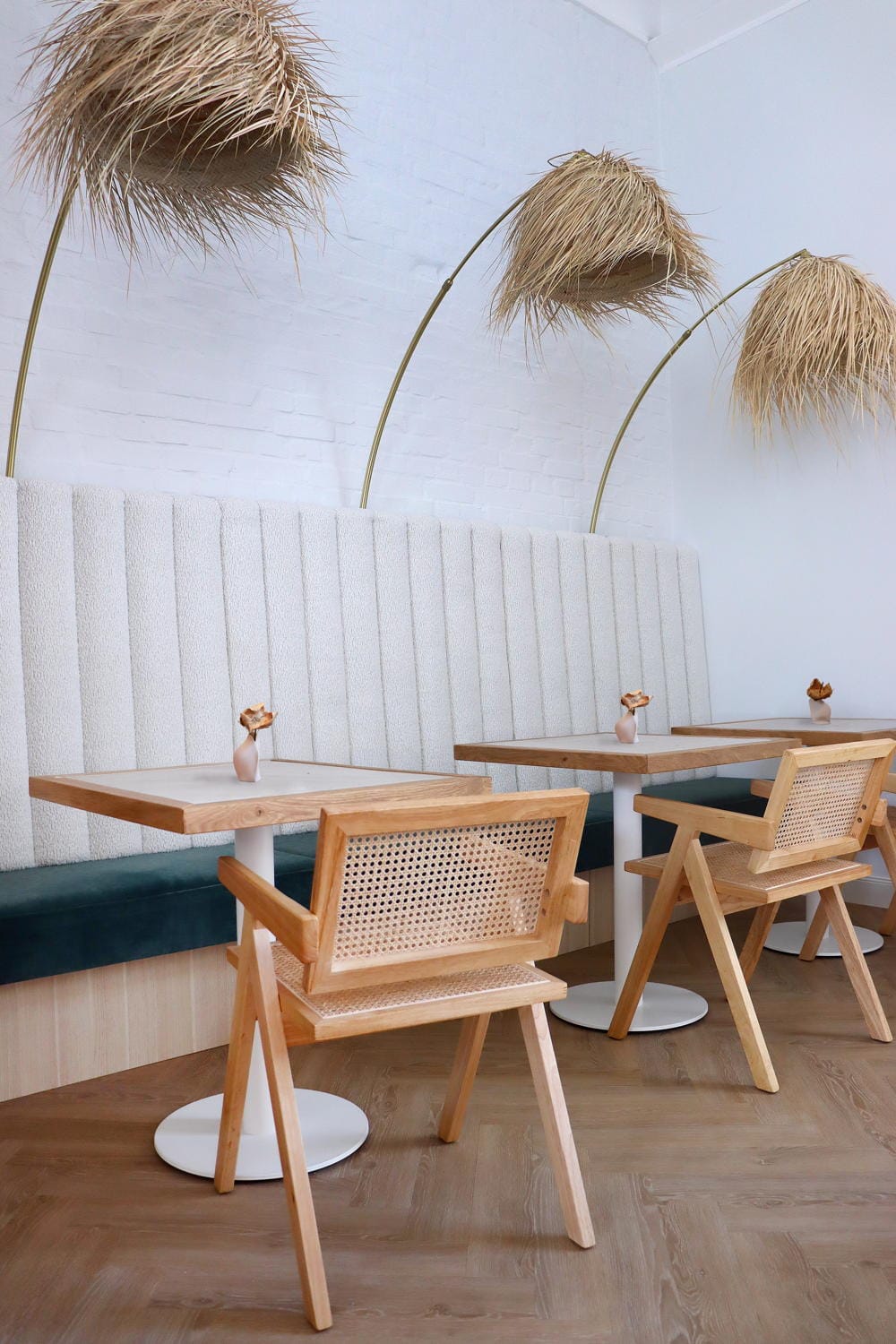
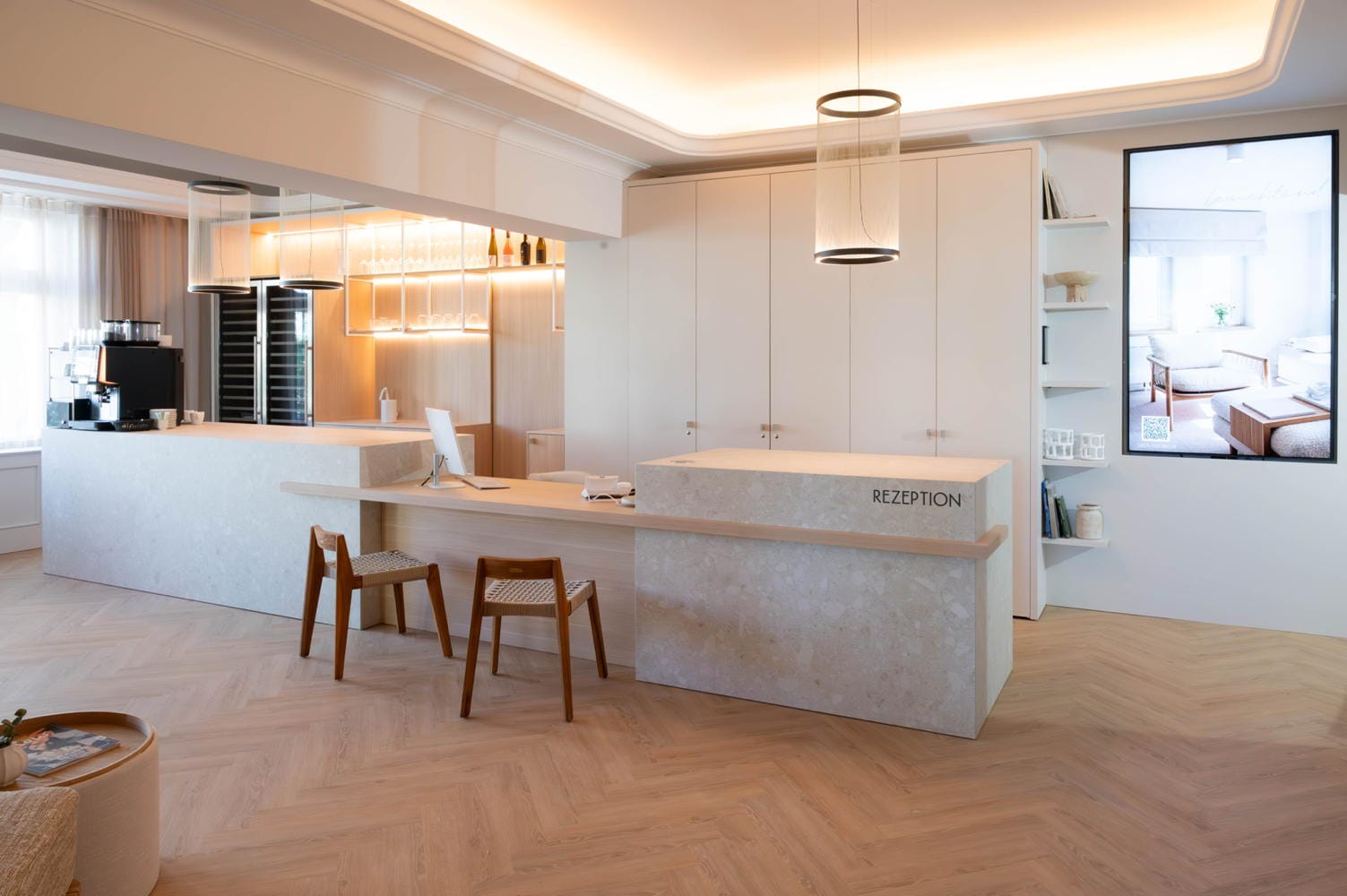
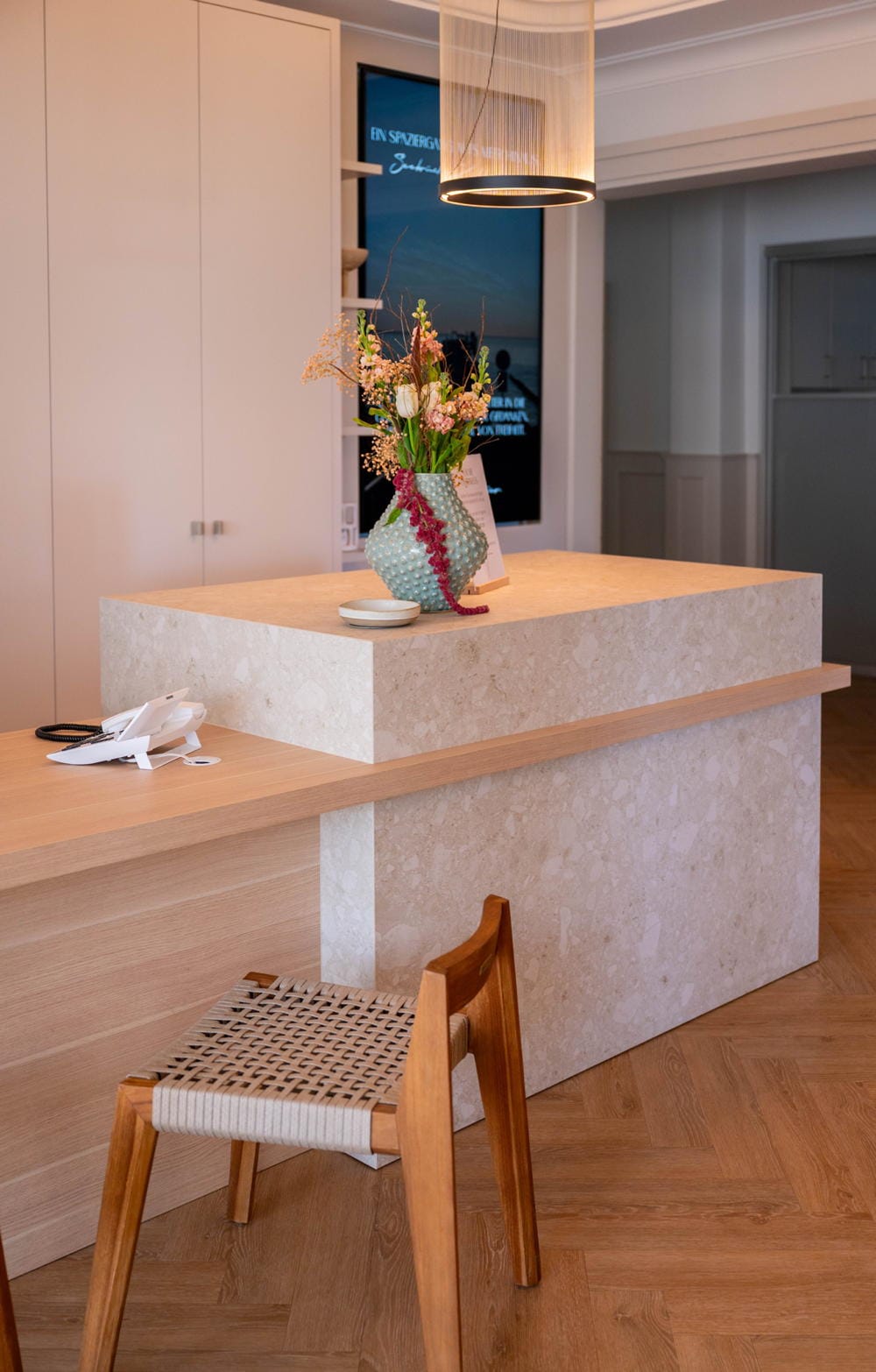
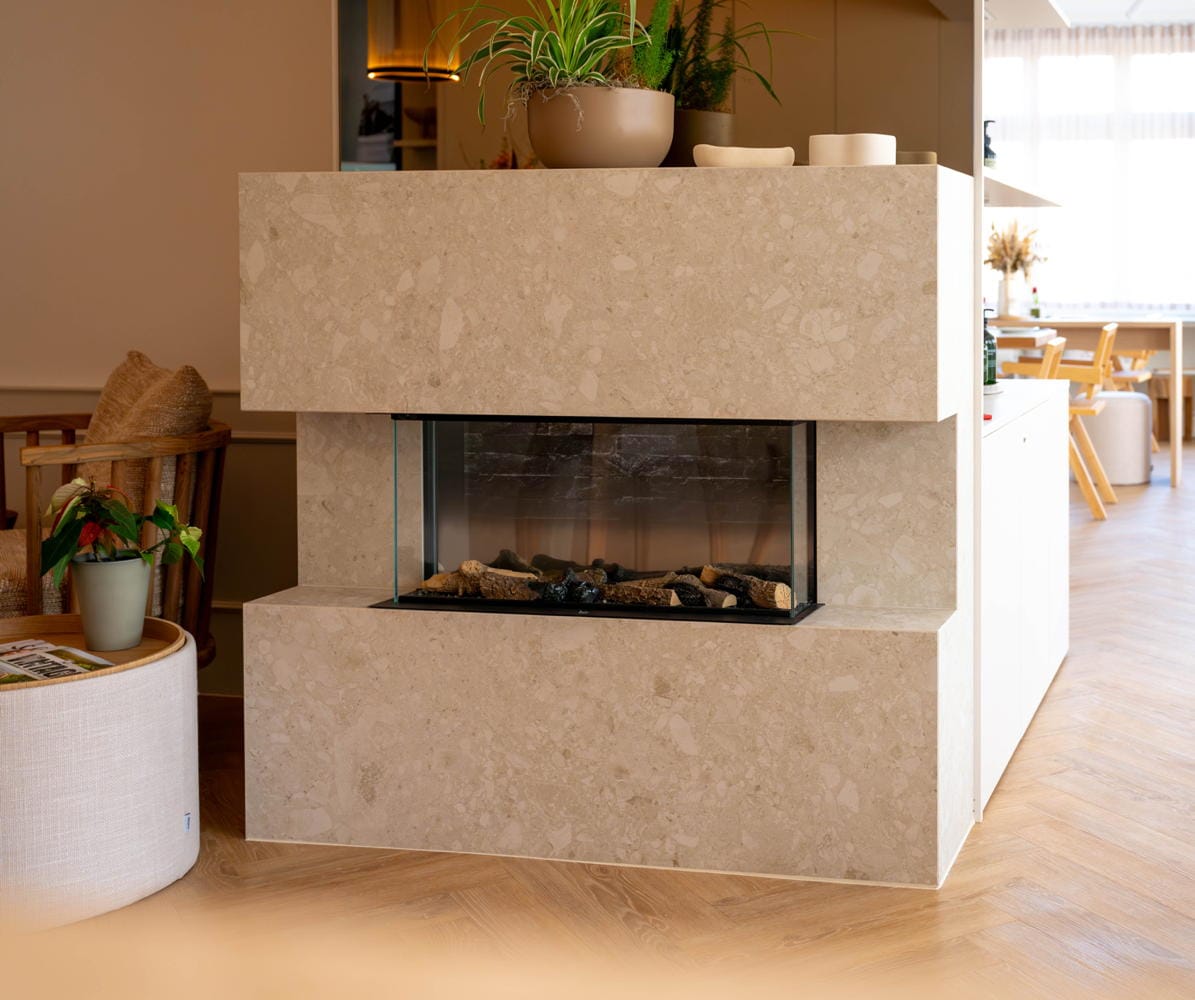
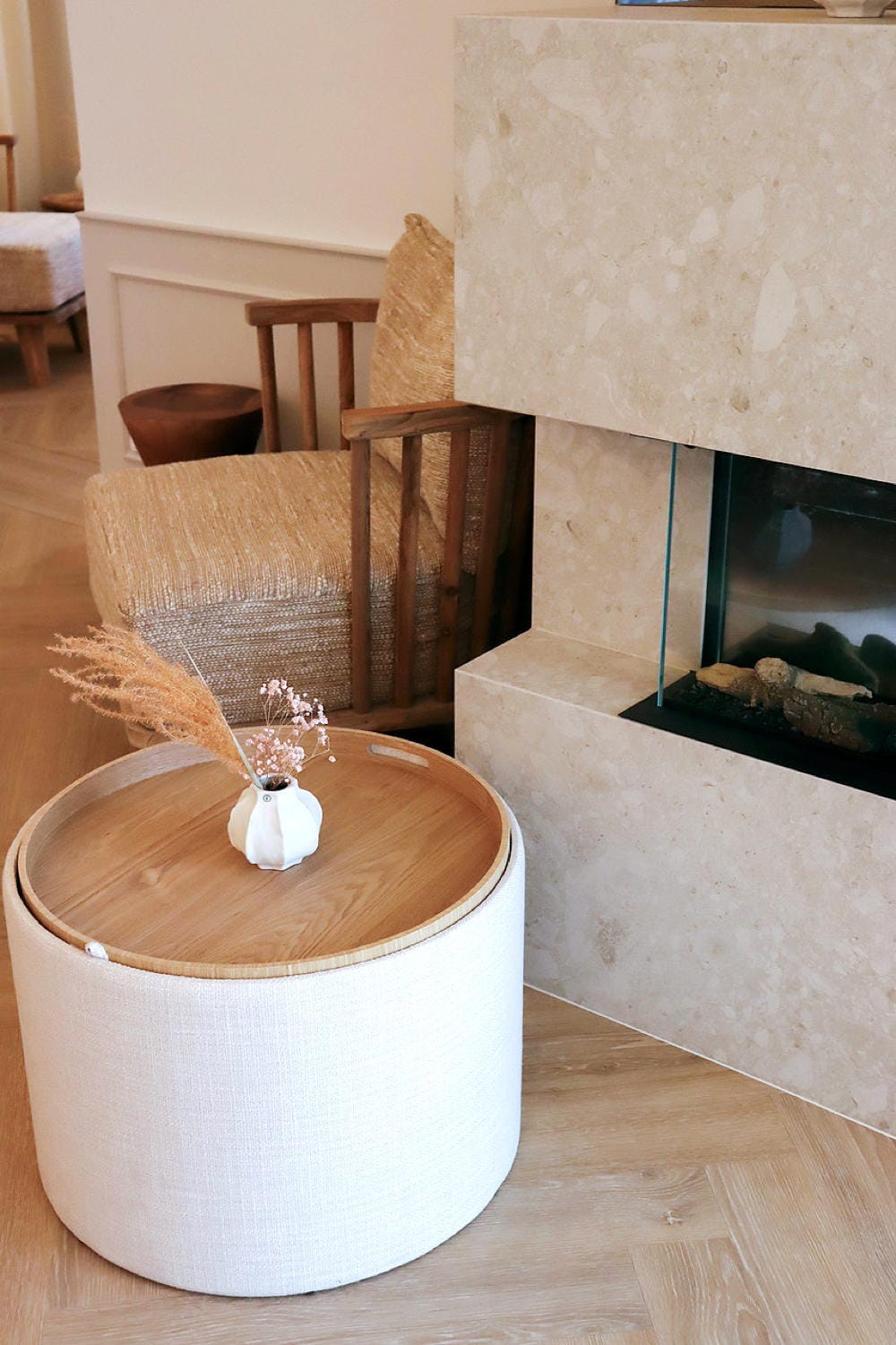
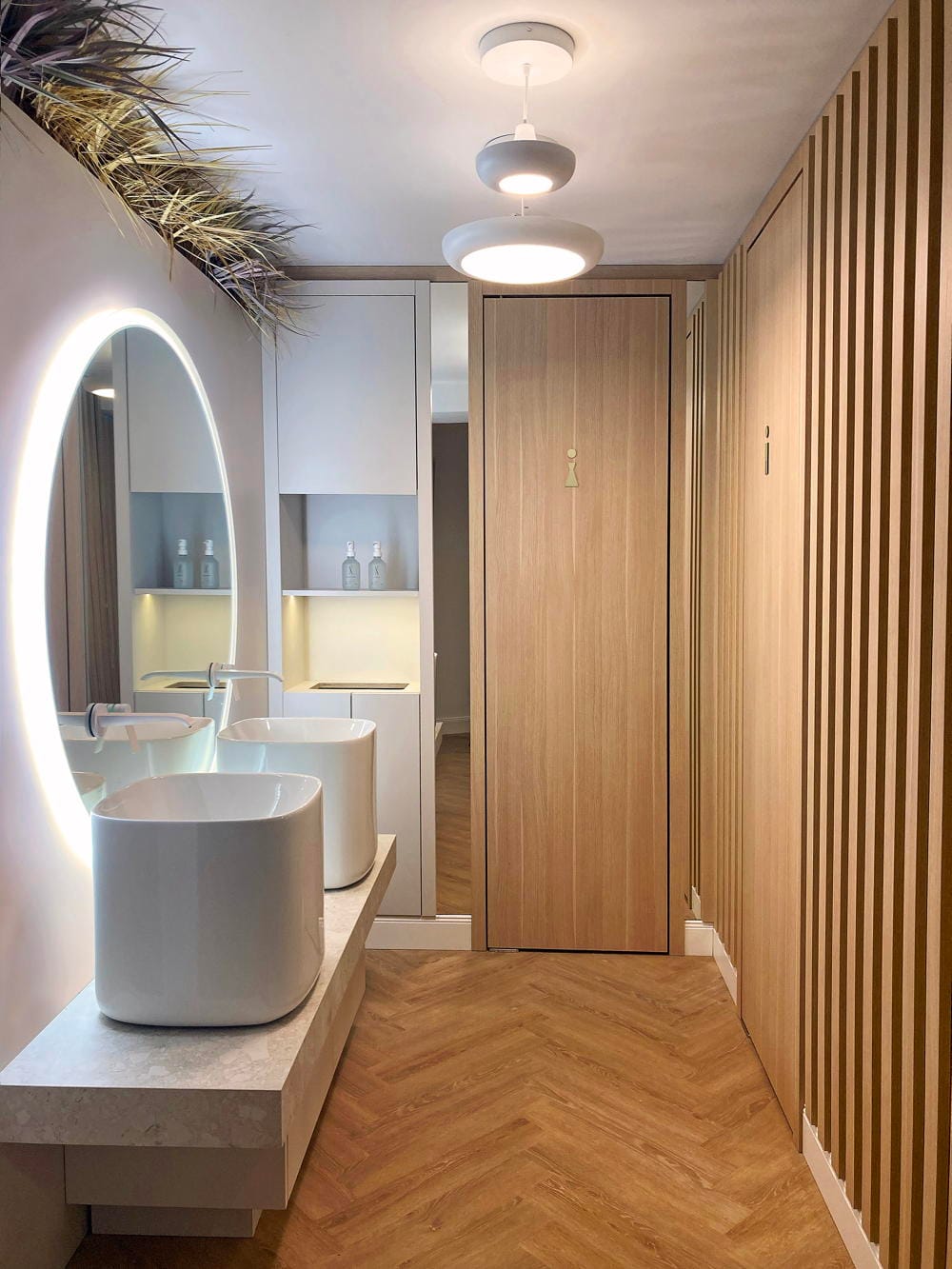
In one of the Baltic Coast's most sought-after beach resorts, Nicole Schüte of m|nterior thoughtfully transformed a historic early 20th-century building into a contemporary boutique hotel. The concept prioritizes tranquility, natural materials, and an atmosphere of arrival and homecoming. Villa Astoria thus seamlessly marries the charm of classical seaside architecture with warm, modern interiors—harmoniously bridging past and present.
This four-story villa on Ostseeallee has been a place of respite since 1910. The modernization effort centered on preserving the elegance and character of the heritage-listed building, creating an environment where guests experience the sensation of entering a sanctuary where they can truly unwind. Nicole Schüte describes this as a space that envelops visitors "like a cashmere sweater," instantly evoking a sense of well-being.
A material that structures the entire interior
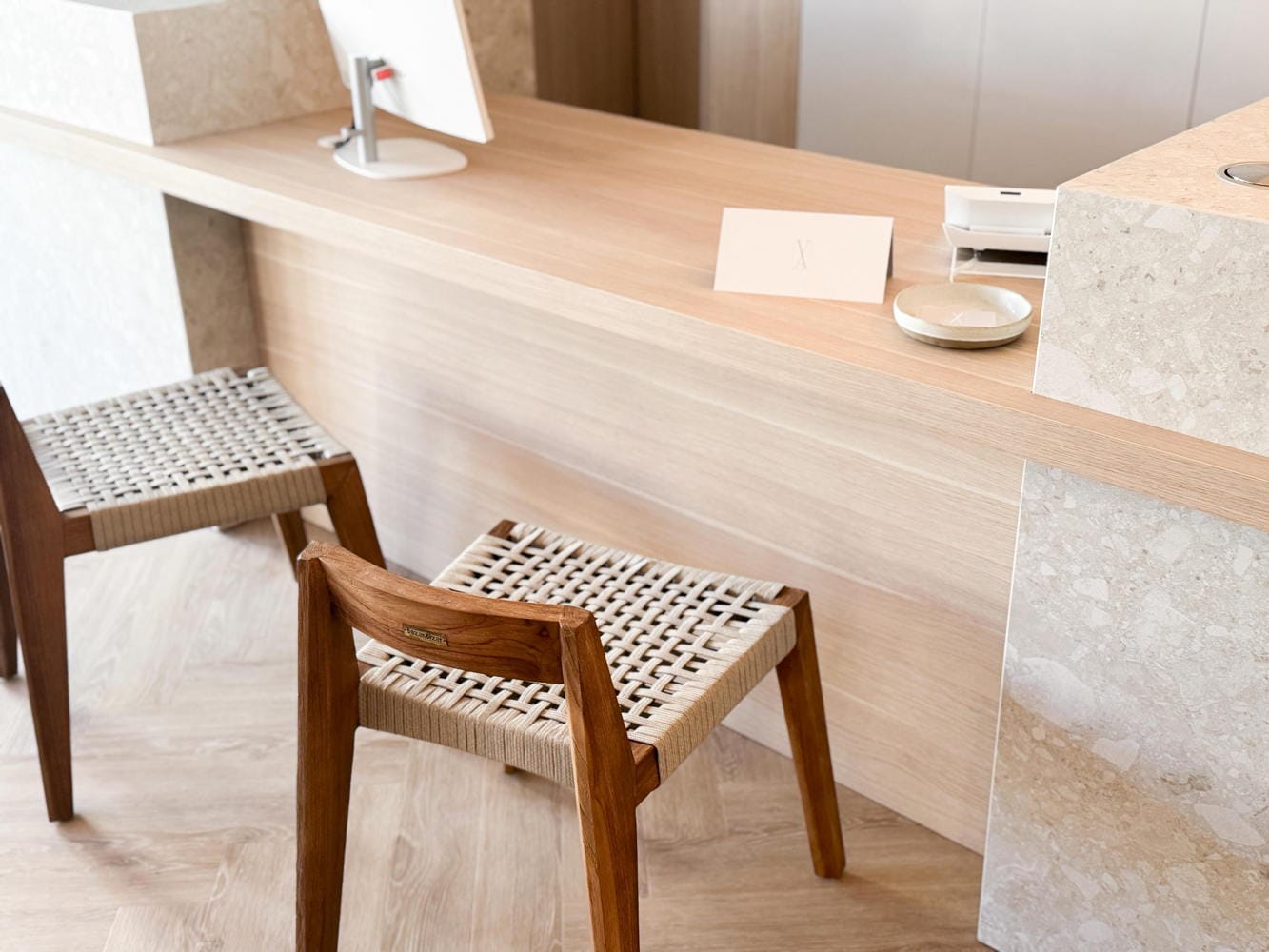
A key element of the project is Dekton Ava, an ultracompact stone surface by Cosentino, deployed throughout all public areas of the property to establish a coherent visual identity. The material was processed by Ladenbau Hunold for the seven-meter reception desk, the fireplace in the lobby, as tabletops and counter bases in the restaurant and café bar, and as vanity surfaces in the public restrooms.
Schüte sought a creamy, soft, and soothing color palette to reinforce the hotel's serene atmosphere. The terrazzo aesthetic of Dekton Ava, with its balanced blend of mineral particles, provided precisely the visual tension the project required. According to the designer, an interior meant to convey tranquility need not be flat or monotonous. Rather, it demands textures that introduce natural quality and visual richness.
Monoliths that define the coastal landscape
For many elements, Dekton was miter-cut by Ladenbau Hunold, lending the counters, bars, and tables an almost sculptural presence. The designer draws a parallel between these monolithic forms and the rock formations that emerge from the nearby sea. The material's light tone and mineral texture strengthen the connection to the sand and stone landscape that characterizes this stretch of Germany's Baltic Coast.
While the decorative aspect was decisive in the material selection, the durability and low-maintenance properties of Dekton Ava also played a significant role. The reception, bar, and restaurant are exposed to intensive use and needed to maintain their beauty over time. The end result is an interior that achieves a very special balance: soft yet with structuring nuances, elegant yet inviting. "Beach Chic" with an urban touch, as the designer herself describes it.
Photos:
m|interior
www.m-i-nterior.com


Creating Thoughtful Accents
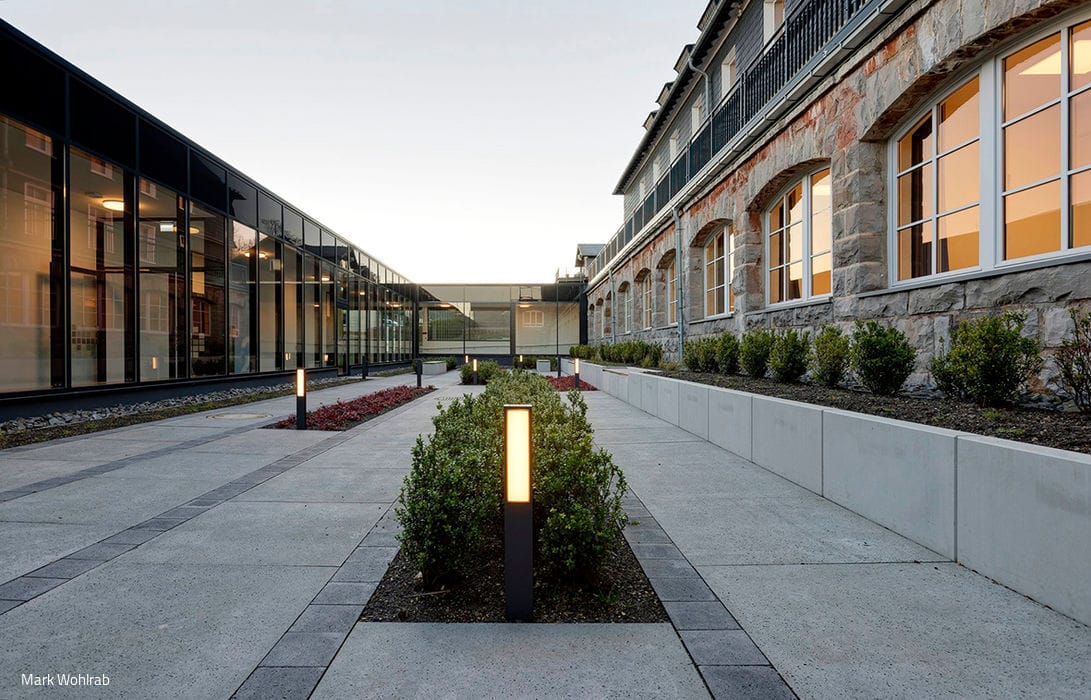
A conference center's courtyard that does more with less—proof that restraint can speak volumes.

The Possibilities Are Endless
Focus delivers bespoke fireplaces engineered to meet even the most stringent emission standards.
A Monument in New Light
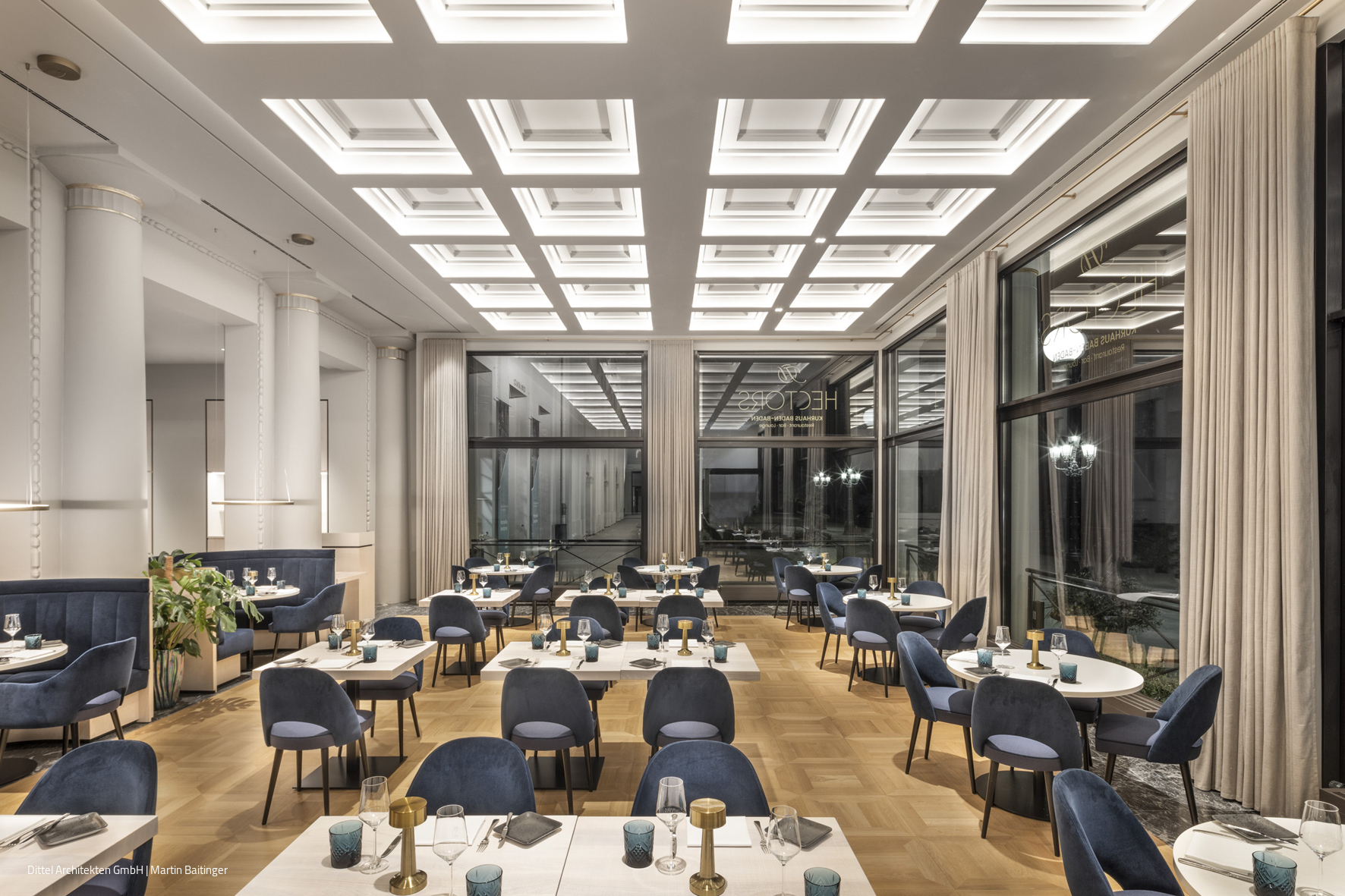
The renovated Kurhaus in Baden-Baden showcases its finest qualities in an entirely new light: heritage renovation, adaptive reuse, refurbishment, lighting design, luminaires, gastronomy, and more.
From Fragmented to Generous Spaces
1970s home reimagined for today