


Transformations of a Historic Monument
Villa Heike in Alt-Hohenschönhausen Rises Again
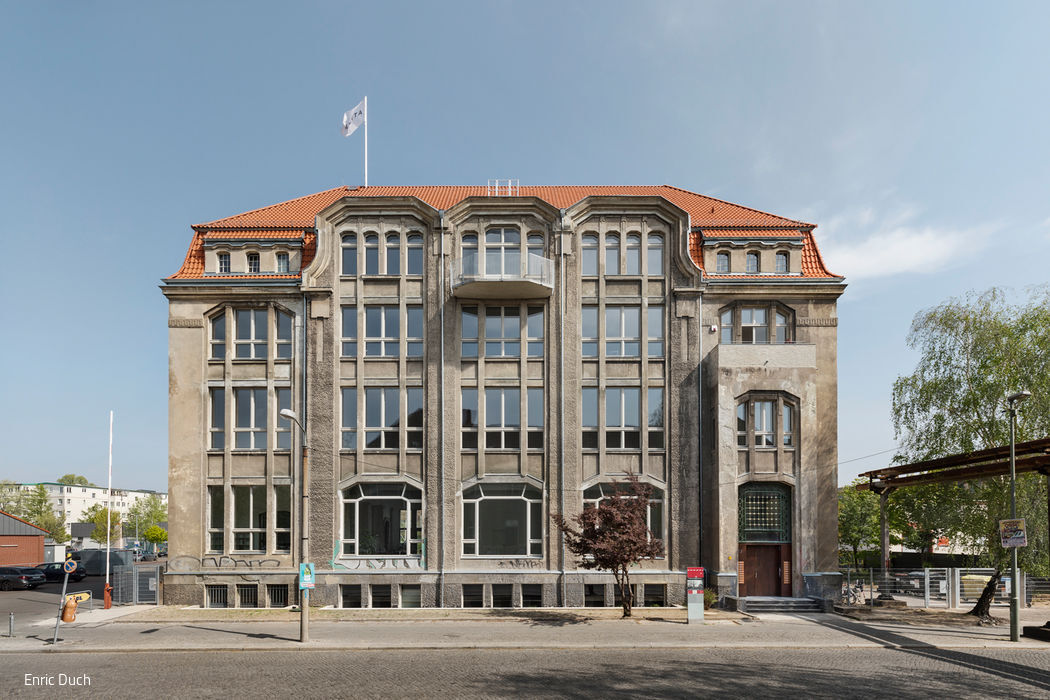


This property carries profound historical weight. Villa Heike was originally the headquarters of the Richard Heike machinery factory. In more recent decades, it housed the notorious Stasi secret archive for Nazi-era files in Alt-Hohenschönhausen. Through its many transformations, the building stands as a silent witness to twentieth-century German history. Built in 1910 as a pioneering reinforced concrete skeleton structure, the villa exemplifies a striking blend of Art Deco, Art Nouveau, and Historicist styles based on architect R. Lotts' designs. Originally multifunctional, it contained administrative offices, the factory owner's residence, and an exhibition hall for the meat-processing machinery manufactured by Heike's factory. Though the Second World War left it relatively untouched, the Russians confiscated the property afterward, converting it into secret service headquarters. Prison cells and interrogation rooms were installed in the basement. It wasn't until the 1960s that the Stasi established its classified archives here and in adjacent factory halls—now demolished—a function that persisted until the fall of the Berlin Wall.
Berlin architect Christof Schubert spearheaded the project to restore this building in accordance with historic preservation standards. The renovation was showcased at this year's "da!" architecture exhibition, presented by the Berlin Chamber of Architects. The development was led by a commercial consortium of five parties. Schubert oversaw the complete renovation and conversion strategy and served as site manager throughout the 2017–2019 construction phase. It was no small undertaking: after two decades of abandonment, the structure had severely deteriorated and stood on the brink of irreversible decay.
Schubert's dedication deserves special recognition. He crafted a comprehensive usage strategy and placed a classified advertisement to attract investors willing to fund the endeavor. Within three months, he had secured five co-developers ready to embark on this ambitious restoration, each committed to eventually occupying their spaces. Preserving the building's original character took absolute priority. Removing decades of plywood panels, paint, wallpaper, and PVC flooring revealed the hidden gems beneath: original box windows (which required careful restoration), period doors, terrazzo floors, stone-rendered surfaces, and ornate stucco ceilings. The vestibule, mezzanine, and basement, however, bore extensive GDR-era modifications made to accommodate the secret archive function. These required meticulous deconstruction and restoration. Schubert deliberately selected a use that demanded minimal interior intervention—unlike residential conversion, which would have necessitated substantial modifications. His philosophy honored the building's layered history by leaving visible traces of wear, deterioration, and alteration, refusing to erase what the building had endured. Restoring spatial coherence and original finishes was especially critical in the mezzanine and vestibule.
Approximately 3 million euros funded the comprehensive restoration and structural remediation, ultimately enabling this historic landmark to open as a mixed-use studio complex.
Photography Credits:
Enric Duch
www.enricduch.com
(Published in CUBE Berlin 02|20)


Award-Winning
A residential neighbourhood in timber-hybrid construction – exemplary in every way
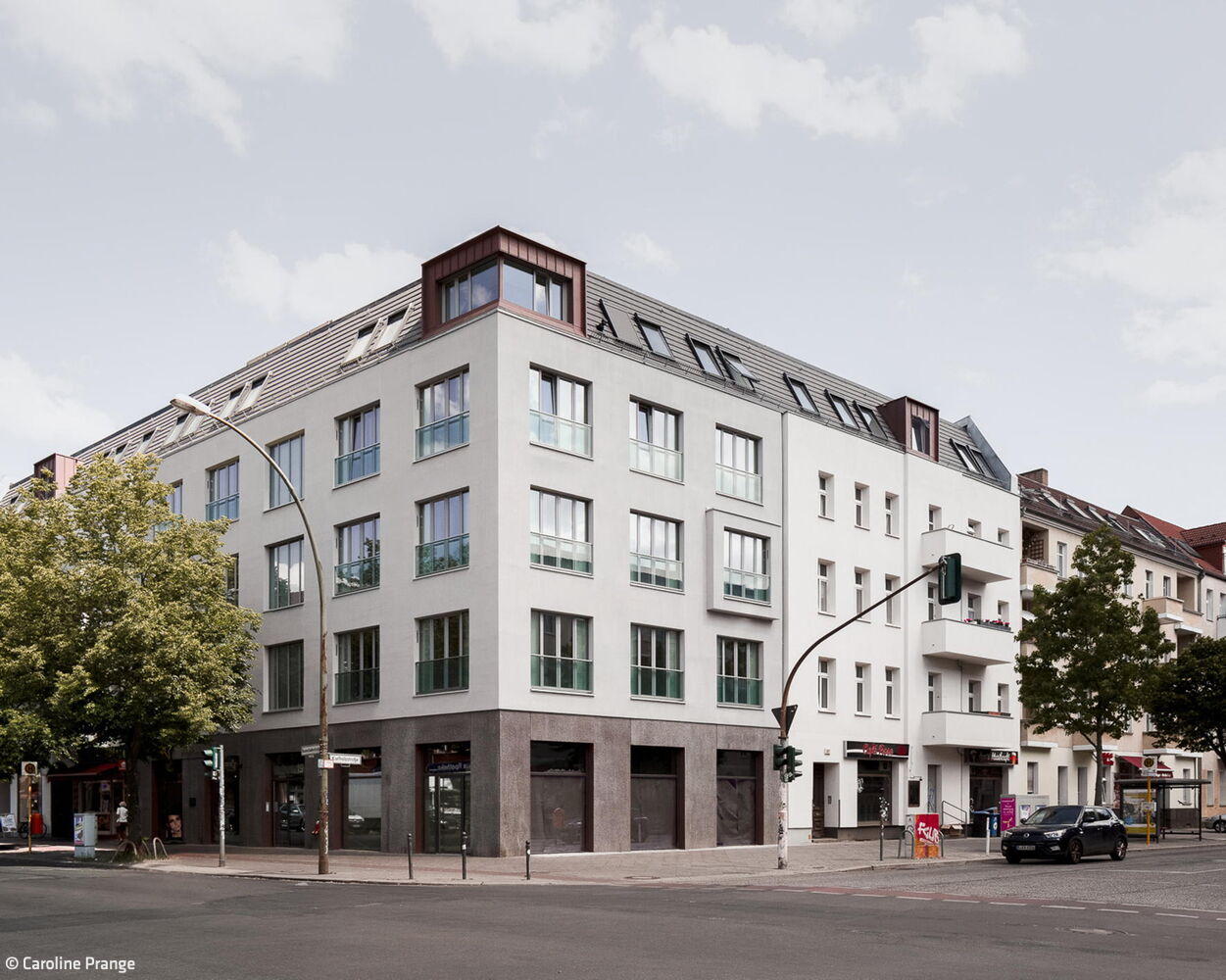
Triple Gap Closure
Block perimeter completion, attic extension, and additional rear wing
The Singing Architects
Building More Than Singing: The Graft Story
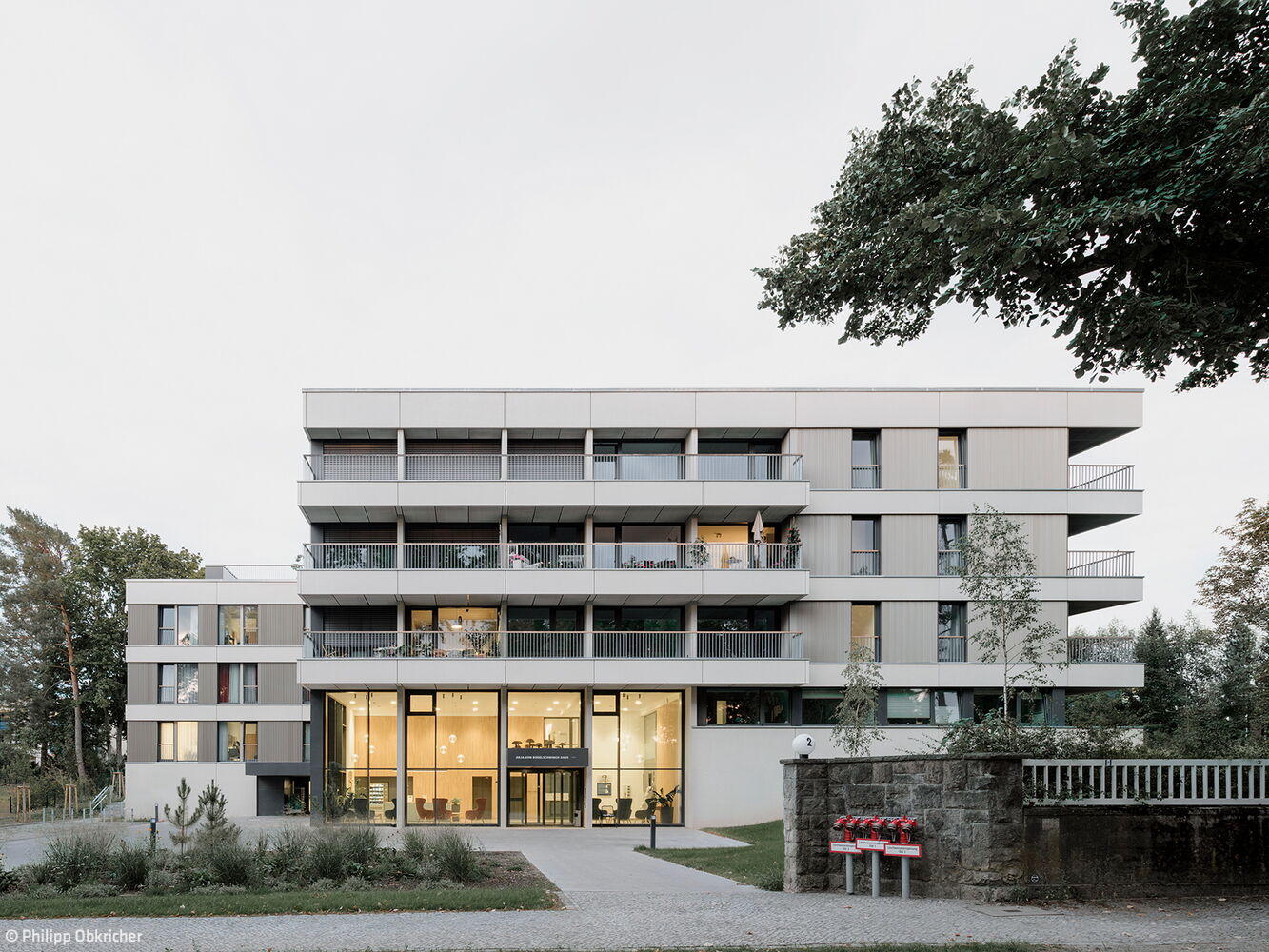
Aging Gracefully Together
A newly designed senior living community makes this vision real.