


A vision for how we could all live
A passive house in sustainable timber construction
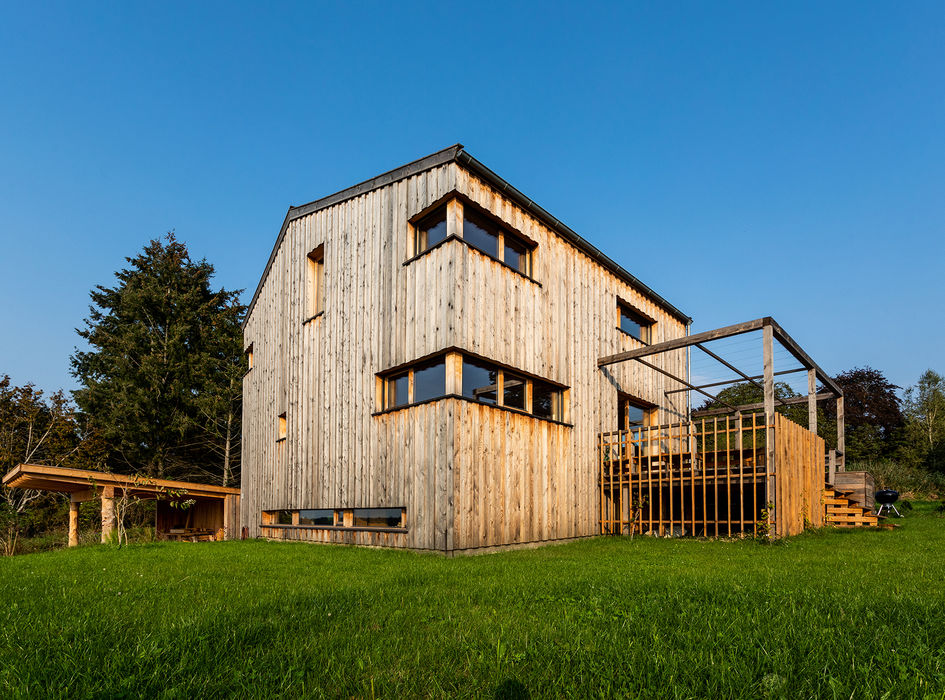


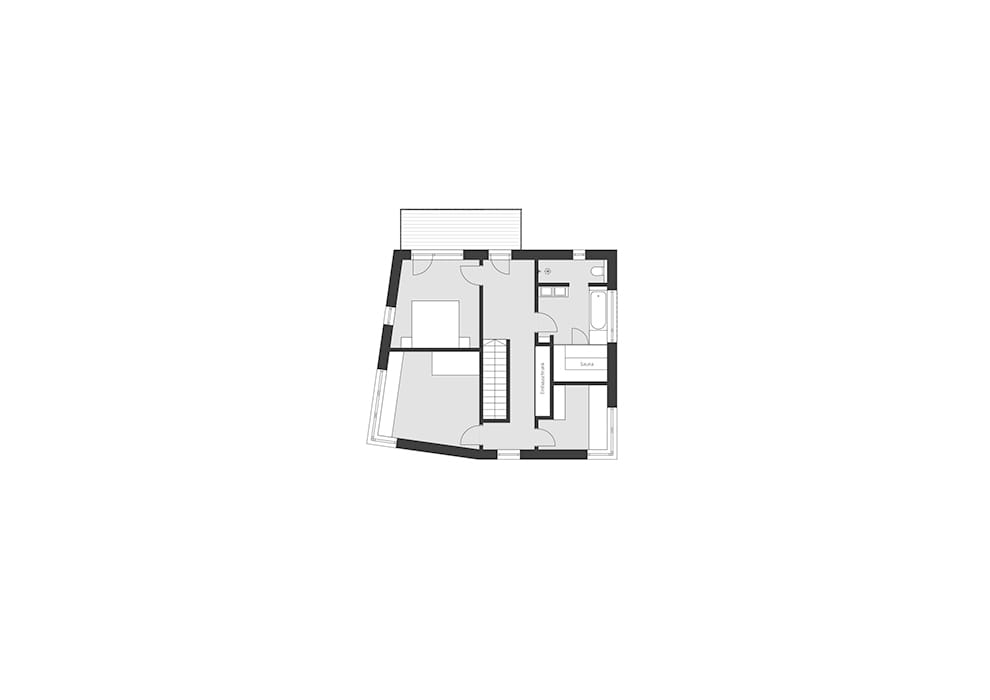
Drawing from Lower Bavarian farmhouse traditions, Manuel Breu of Schönau designed and built this home for his family. The result is a passive house constructed with sustainable timber and an internal staircase serving as the circulation core. The subtle 8° bend in the west façade wasn't arbitrary—it allows the building to relate more naturally to its landscape while adding visual interest through a barely perceptible exterior accent. This geometry creates concave interior spaces and sloped eaves on the north side. The house spans two storeys plus a habitable basement level, making full use of the 1-metre rule. Except for the basement perimeter walls, which required concrete for technical reasons, the entire structure is timber. Only locally sourced materials were specified—interior walls in fir, exterior cladding in rough-sawn larch. The roof is a low-pitch asymmetrical gable, which allows the upper floor generous living space with minimal ceiling slopes. The total usable area measures 192 m²: 132 m² across the ground and upper floors, with the remaining 60 m² in the basement. Upstairs hold the master and children's bedrooms; the ground floor contains living, dining, and kitchen spaces. The basement provides three additional rooms—including a self-contained guest suite that functions equally well as home office or residential space. A garage was deliberately omitted to minimize ground sealing; instead, a carport with two spaces and a vegetated roof provides vehicle shelter.
Builder Manuel Breu is a timber engineer whose practice, Schonzeit, specializes in ecological and energy-efficient construction. This passive house demonstrates his integrated approach: environmental conditions inform the design, only ecological materials are specified, and efficient building systems are deployed throughout. No plasterboard appears anywhere in the house—walls and ceilings are finished exclusively in clay and silver fir. Every wall and floor assembly follows ecological building principles. Approximately 50 m³ of timber was used in total, sequestering roughly 50 tonnes of CO₂. The building envelope includes 130 m³ of wood fibre insulation. A rooftop photovoltaic array (21 modules) currently achieves approximately 70 percent energy self-sufficiency.
Photography Credits:
Simon Rainer
www.simonrainer.com
(Published in CUBE Munich 04|22)

Transforming Existing Spaces
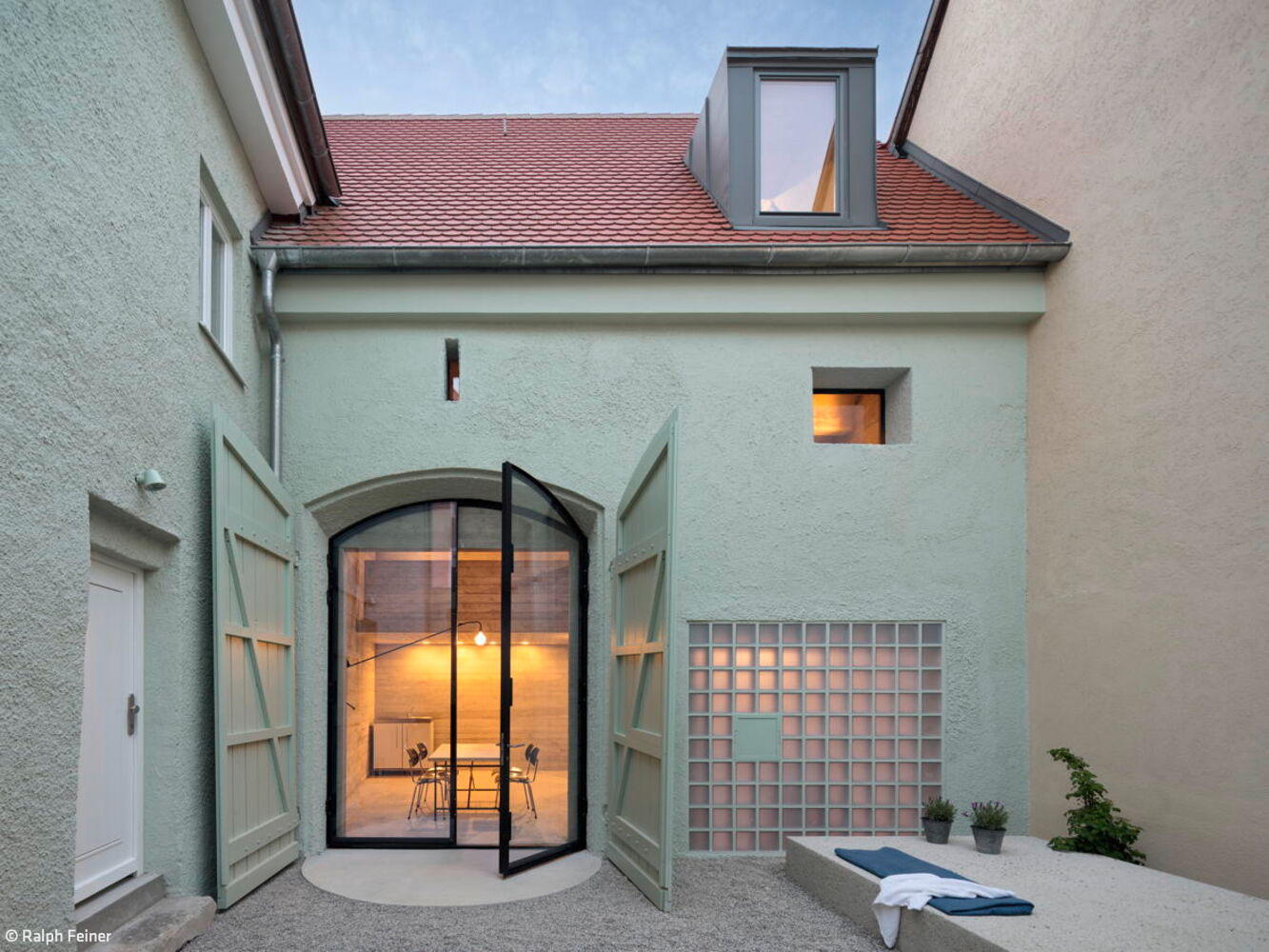
A medieval gatekeeper's house finds new life as a contemporary home
Goodbye, 90s Office
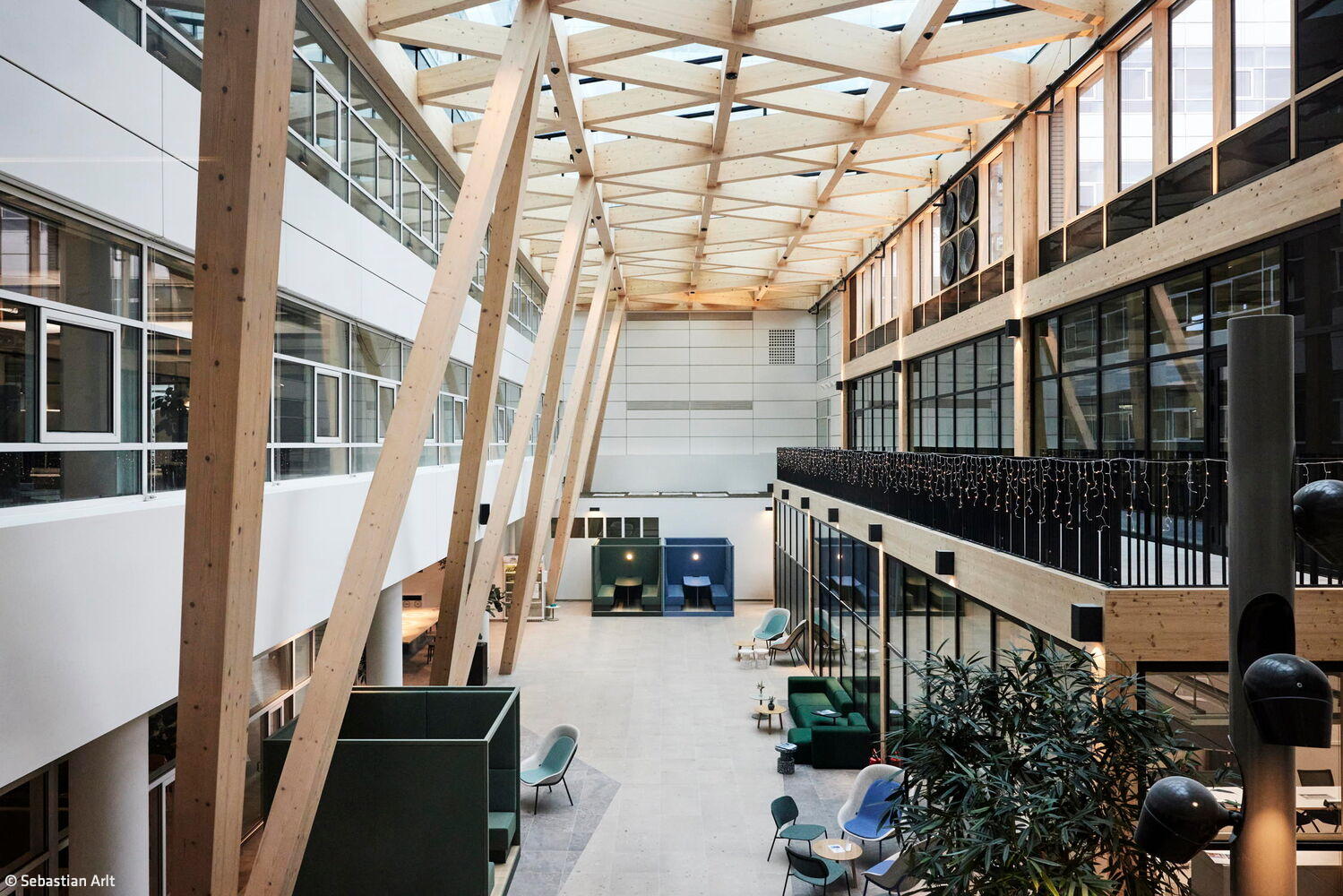
A revitalized office building transforms into a cutting-edge tech headquarters
Understated Elegance
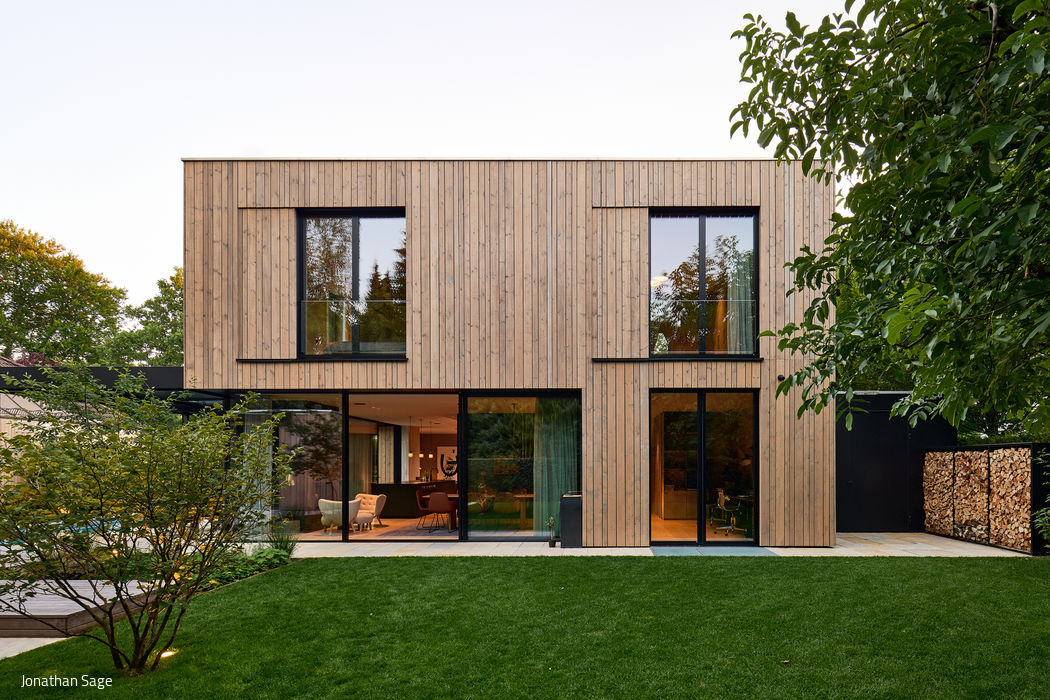
A Harlaching residence that captivates with thoughtful spatial design
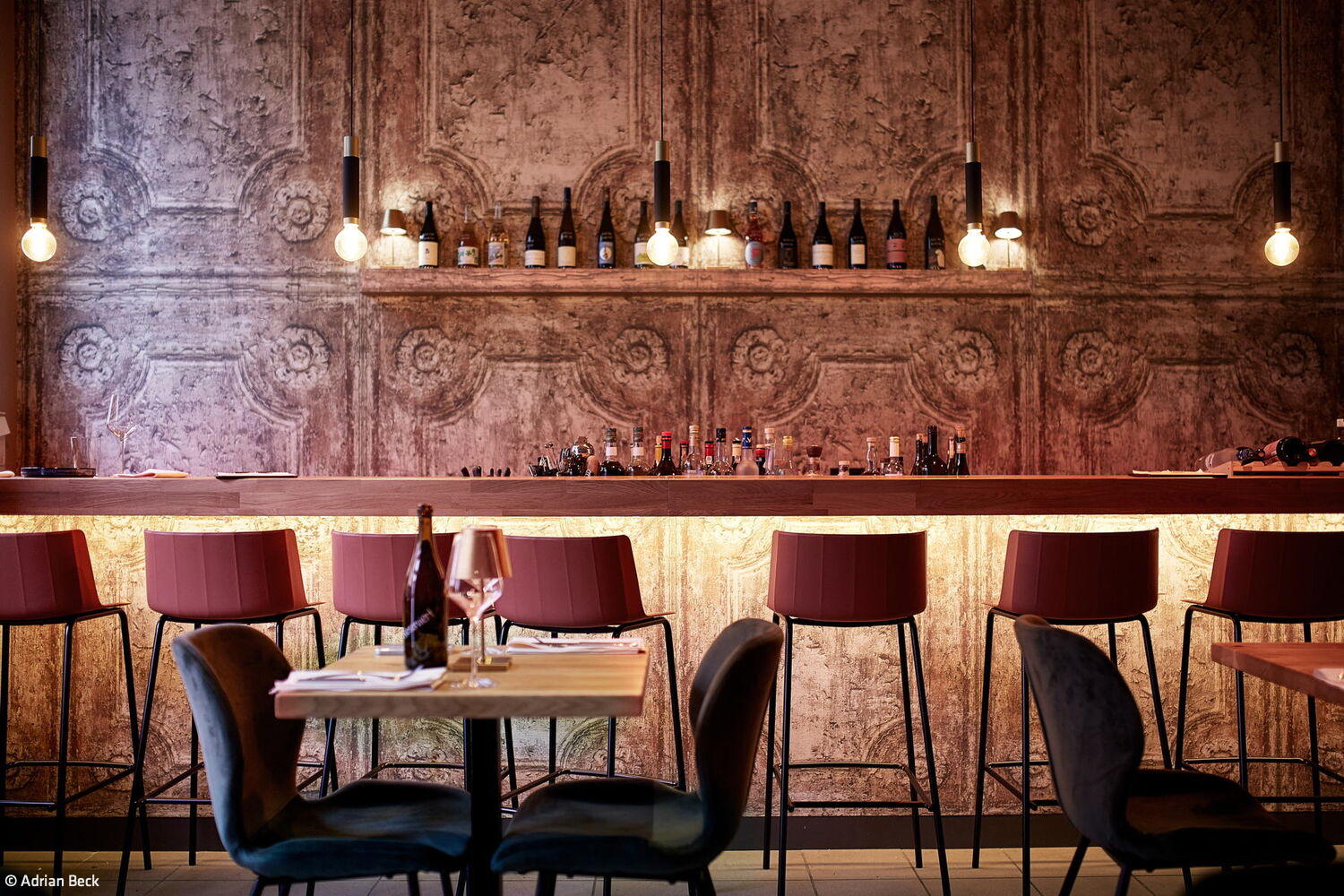
Wine. Design. Pleasure.
A new Schwabing restaurant where wine culture and exceptional design converge