


"The mood is positive!"
A conversation with real estate expert Detlef Bloch on the regional housing market
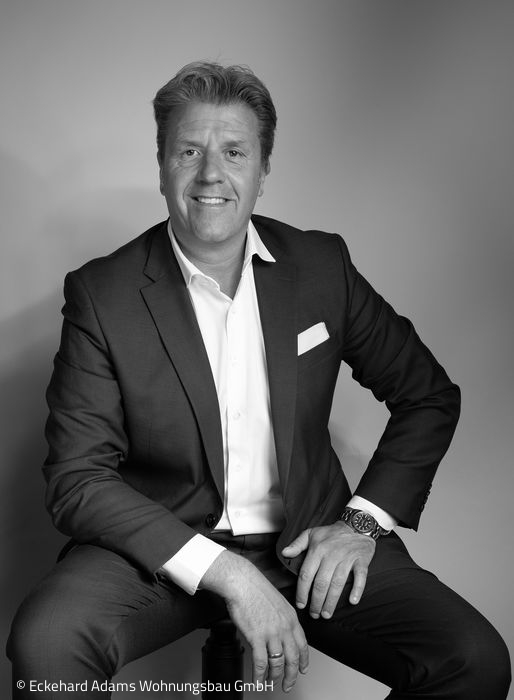
CUBE: Mr. Bloch, as managing director of Eckehard Adams Wohnungsbau, you have unparalleled insight into the regional housing market. What's your assessment of where the Ruhr region—and Essen in particular—is heading?
Detlef Bloch: The Ruhr region has undergone a remarkable transformation in recent years. Major corporations are increasingly recognizing it as an attractive business location—and for good reason. Beyond its outstanding infrastructure, the region benefits from rising purchasing power and an engaged local community. The formation of the Rhine-Ruhr Metropolitan Region has also been a game-changer. Cities like Essen, Bochum, and Dortmund have become prime targets for domestic and international investors. The region's strategic marketing approach and forward-thinking urban development concepts are palpable here in Essen, where market sentiment is decidedly positive.
What housing types are expected to gain prominence in the market? And why?
Demographic shifts are fundamentally reshaping housing demand. The rising "silver population"—people over 60 and 70—is driving demand for barrier-free, accessible living spaces. Simultaneously, fewer children per household means smaller floorplans are increasingly preferred, a trend accelerated by rising property prices. Equally important, lifestyle changes demand smarter housing solutions. What was once a simple "spare room" now serves as a home office or space for aging-in-place care. Single-person households are fueling growth in compact living, particularly micro-apartments.
How does this shape your approach? Who are your key demographics?
We're known for thinking ahead about who will ultimately call our homes theirs. We've never settled for one-size-fits-all solutions; instead, we design for specific communities. Floor plans, spatial flow, and proportions have always been central to our process. We design from the inside out—developing purposeful, tailored layouts for young families, singles, and the growing 60-plus demographic alike.
What role does exceptional architecture play, and what does it accomplish?
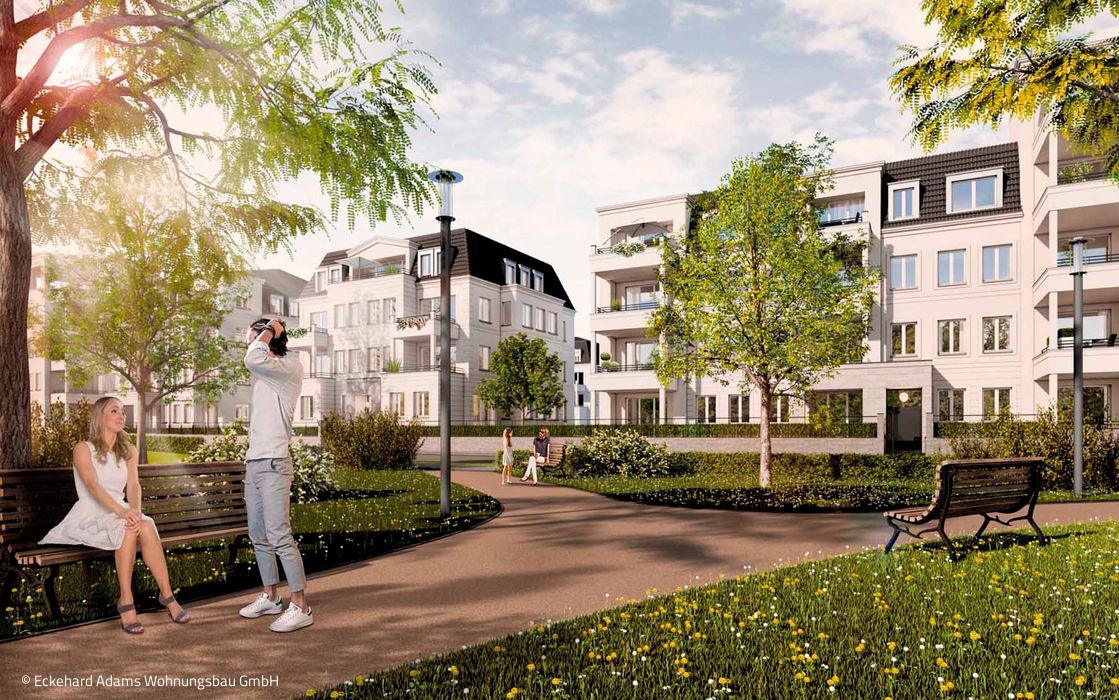
Good architecture is certainly important—everyone deserves a home that's beautiful inside and out. But aesthetics alone won't cut it. Thoughtful architecture must engage respectfully with its surroundings and urban context. Sometimes that means reimagining rooflines and façades. For our Bochum Stadtparkviertel project, we designed mansard hipped roofs that echo the classical proportions of the neighborhood's Wilhelminian villas—a far more demanding approach than the popular flat-roof penthouses we could have built. Yet we achieved high-quality living spaces with generous terraces while honoring the district's character. That's what contemporary, ambitious architecture demands: creativity and commitment to context.
Is there a favored architectural style?
I'd say there's no single preferred style—it's really driven by the communities we serve and their housing needs. Urban planning matters, certainly, but today's priorities have shifted. Sustainable energy systems, integrated digital controls, and solutions for growing electric vehicle adoption now carry more weight than stylistic preference. These are the conversations shaping contemporary residential development.
Will major projects like "Rübogen" and "Stadtquartier Essen 51" meaningfully ease the acute housing shortage? Or do you expect the city will be forced to release more buildable land, easing supply pressures?
I don't anticipate relief anytime soon. Federal pressure on municipalities to provide "affordable" housing, while well-intentioned, hasn't solved the problem. The current push for large-scale social housing alone won't be a cure-all. We absolutely need affordable options—but we could achieve this more effectively by updating energy codes and building regulations to reduce construction costs. Federal subsidies for municipal land could also ease the burden on cities. These major projects—"Rübogen" and "Stadtquartier Essen 51"—make a real contribution to housing supply. But frankly, they're not nearly enough.
Sustainability and environmental stewardship are paramount in residential construction—what we build today shapes our climate for decades. How do you approach this, and what practices drive your commitment to sustainable building?
Sustainability has always been integral to our work. We've long required subcontractors to document their use of sustainable materials. That said, I question whether all current regulatory mandates align with real-world behavior. Take controlled residential ventilation—it's only effective when residents keep windows closed, which most don't. The theory is sound; the practice often misses the mark. We now hand customers lengthy "user manuals" for their homes so they understand how to properly operate the systems—something I'd previously seen only in automotive and electronics. There's a disconnect we need to address.
Which of your projects makes you most proud?
There are many, but I'm especially proud of "Dichterviertel" in Bochum's Stadtparkviertel. We've created something truly forward-thinking for the city, the neighborhood, and future residents. We succeeded in blending elegant, high-quality architecture—one that honors the area's Wilhelminian heritage—with thoughtfully designed living concepts suited to diverse families and individuals.
You've spent over 30 years building a successful career in real estate—things have changed dramatically. Where do you see Eckehard Adams Wohnungsbau in a decade?
You're absolutely right. Much has changed over the past 30 years, and much will continue to evolve—which is precisely as it should be. What matters is ensuring these changes enhance residents' lives and align with their real housing needs. As a family-owned business, we're committed to remaining a key player in the real estate market for years to come. We'll adapt to market demands and customer expectations while embracing technical innovations in residential construction. We understand the responsibility that entails, and we're devoted to our mission: creating exceptional living spaces for our clients with genuine passion and dedication.
Mr. Bloch, thank you for your time.
Interview conducted by Manuela Gravius.
Detlef Bloch
Since January 2015, he has served as managing director of Eckehard Adams Wohnungsbau GmbH. His career began in 1989 as a real estate and housing specialist, holding a degree in real estate management from Deutsche Bau- und Grundstücks-Aktiengesellschaft. From 1994 to 2003, he was a senior executive at the owner-managed family firm Derwald Grundstücks- und Projektentwicklung in Dortmund, while also working independently as a property developer. In 2003, he became a managing partner at Plahr & Partner Immobilien Consulting. He then headed the property development and new construction division at the Corpus Sireo Group in Cologne (2005) before serving as an authorised signatory and management board member overseeing sales and marketing at Interboden Group in Ratingen (2009–2014). A devoted Borussia Dortmund fan, the 50-year-old has volunteered for two decades with GOFUS – Golfende Fußballer, a charitable organization dedicated to combining football and golf.
(Published in CUBE Ruhrgebiet 04|19)
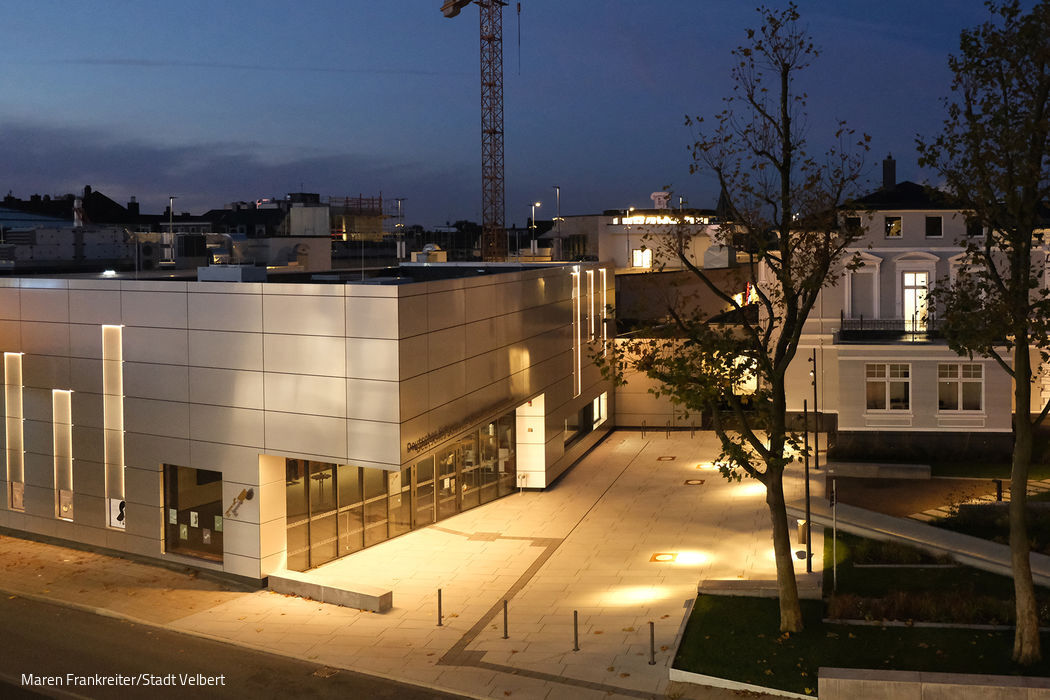
Bridging Old and New
Velbert's German Lock and Fittings Museum Expands with Striking New Addition
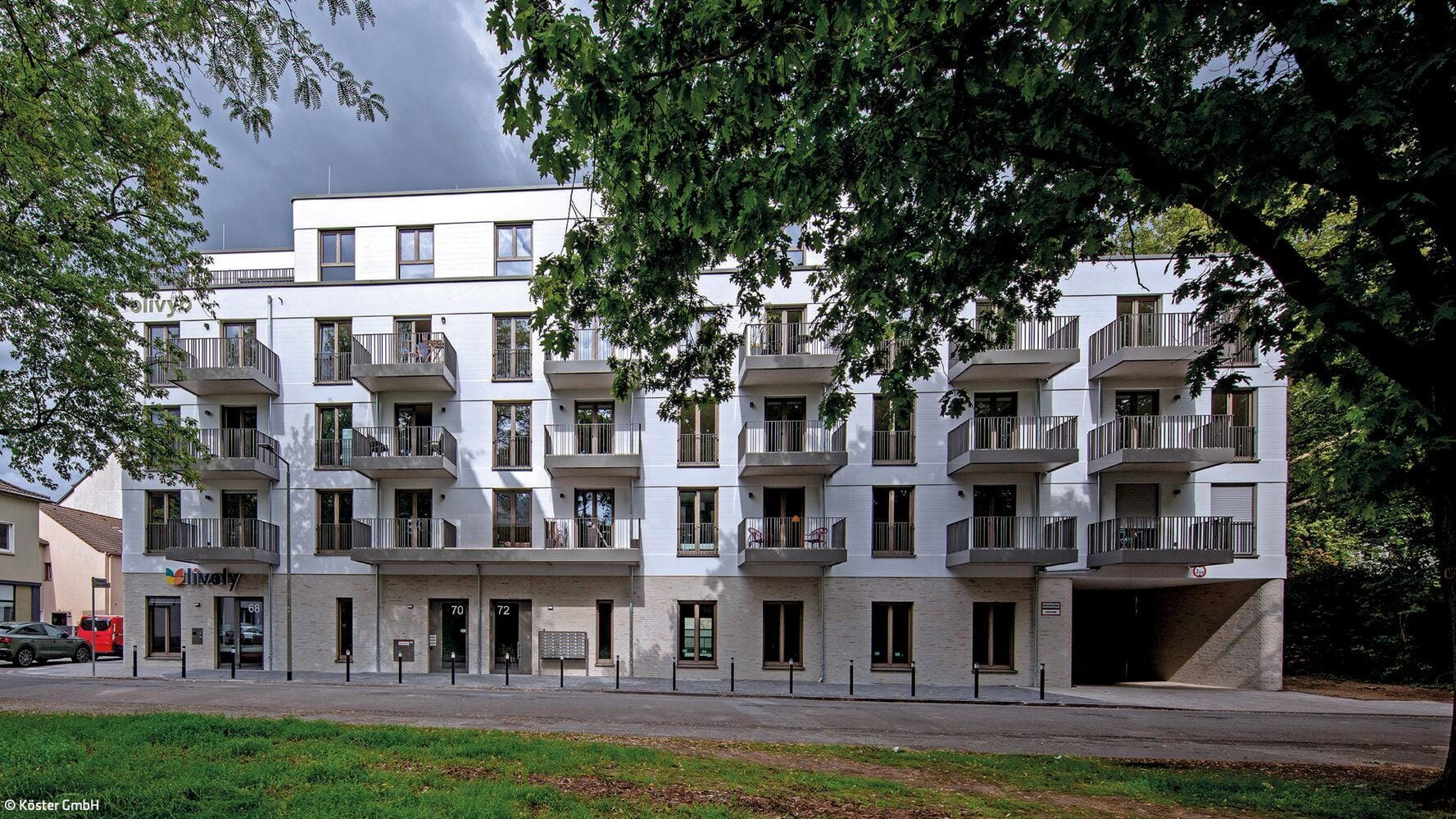
Modern & Future-Ready
A Duisburg residential complex redefines independent living for seniors
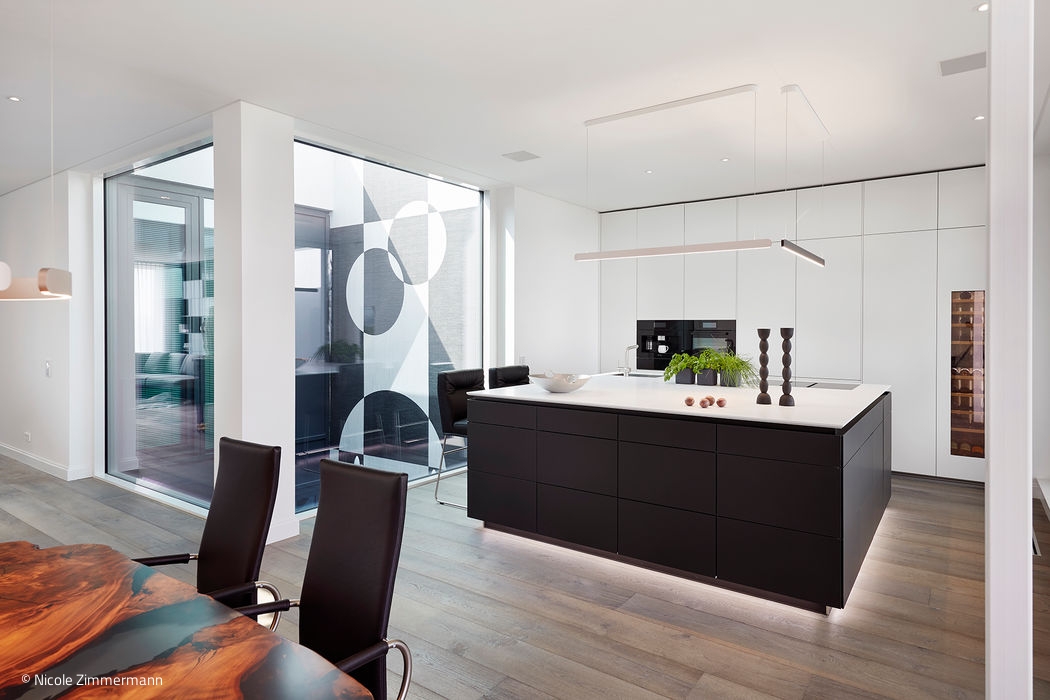
Fully designed
A streamlined yet sophisticated penthouse overlooking the Rhine
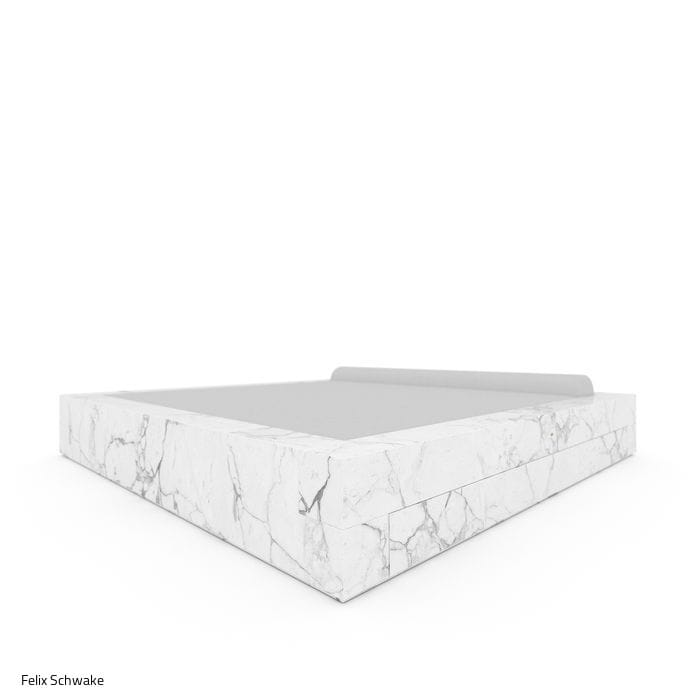
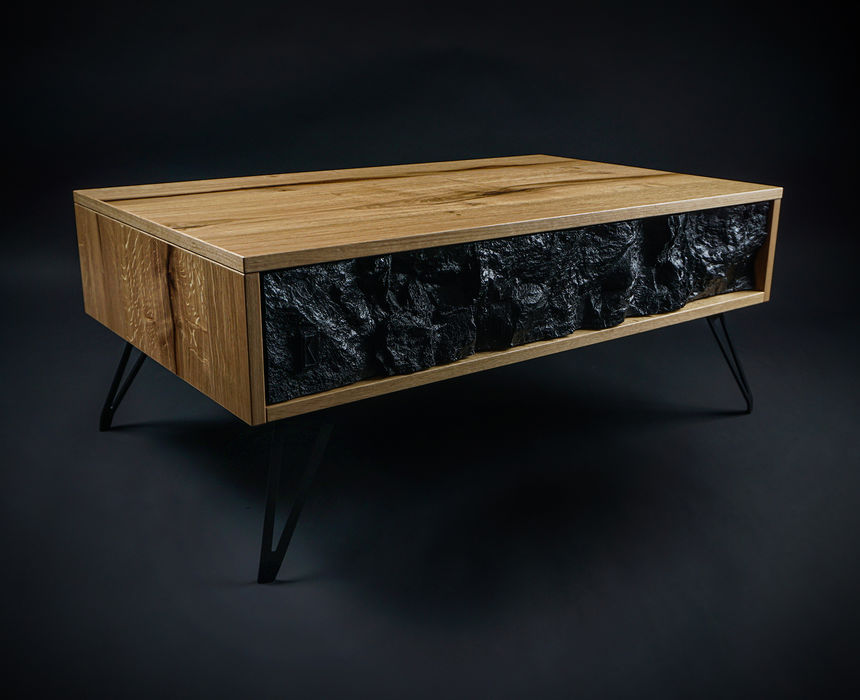
Exclusive Design
Felix Schwake designs furniture that functions as a sculptural presence within a space.