


Where Old Meets New
Velbert's German Lock and Fittings Museum Expands with Striking New Addition
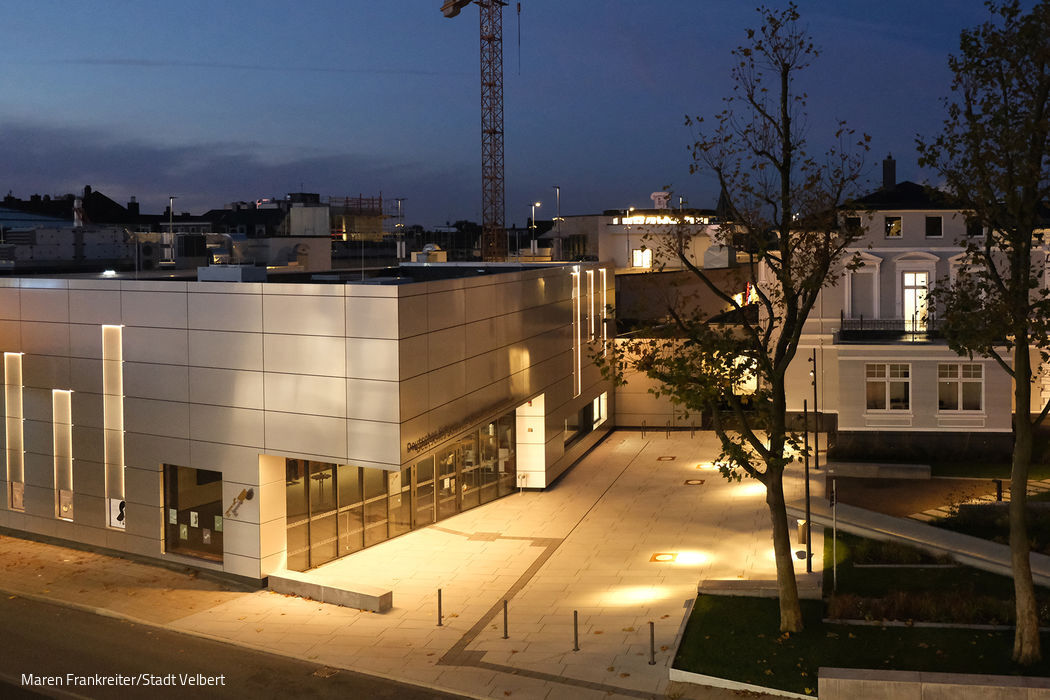
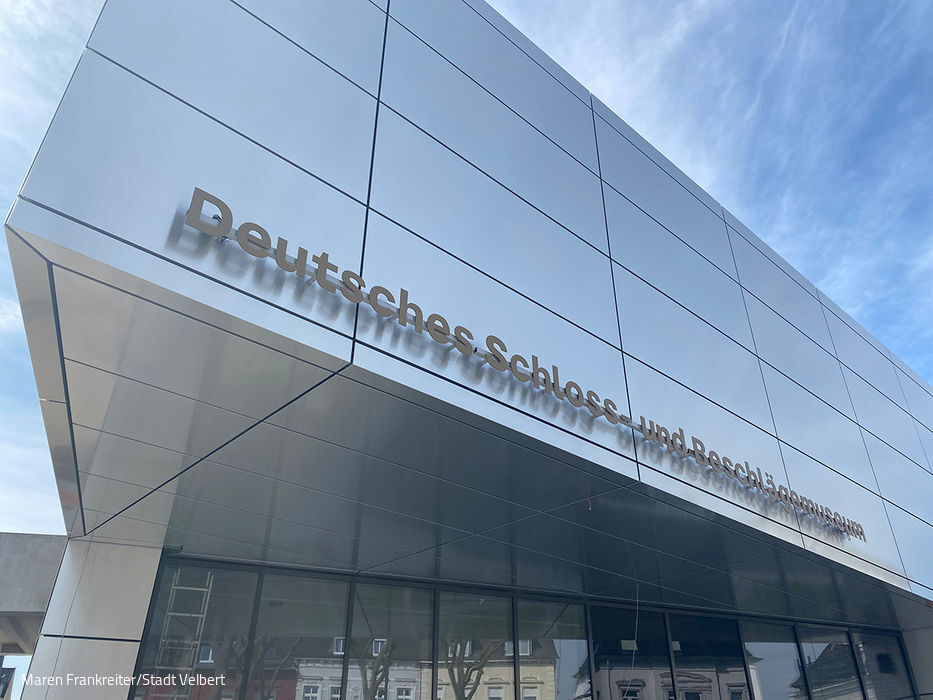
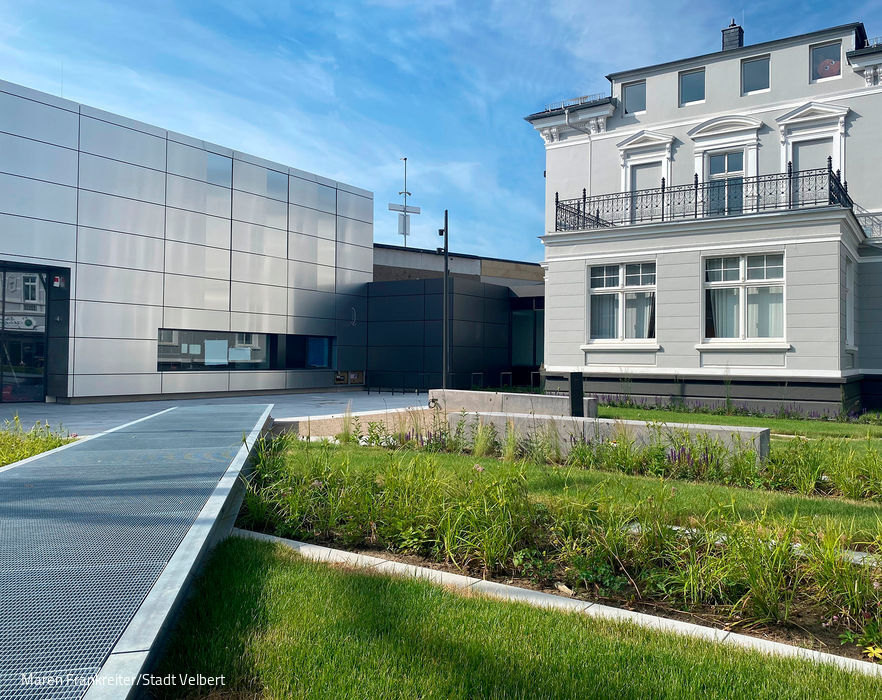
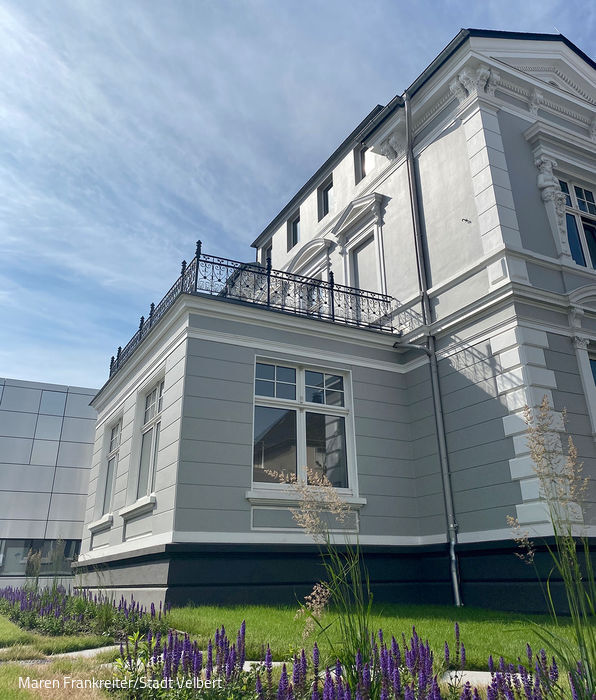
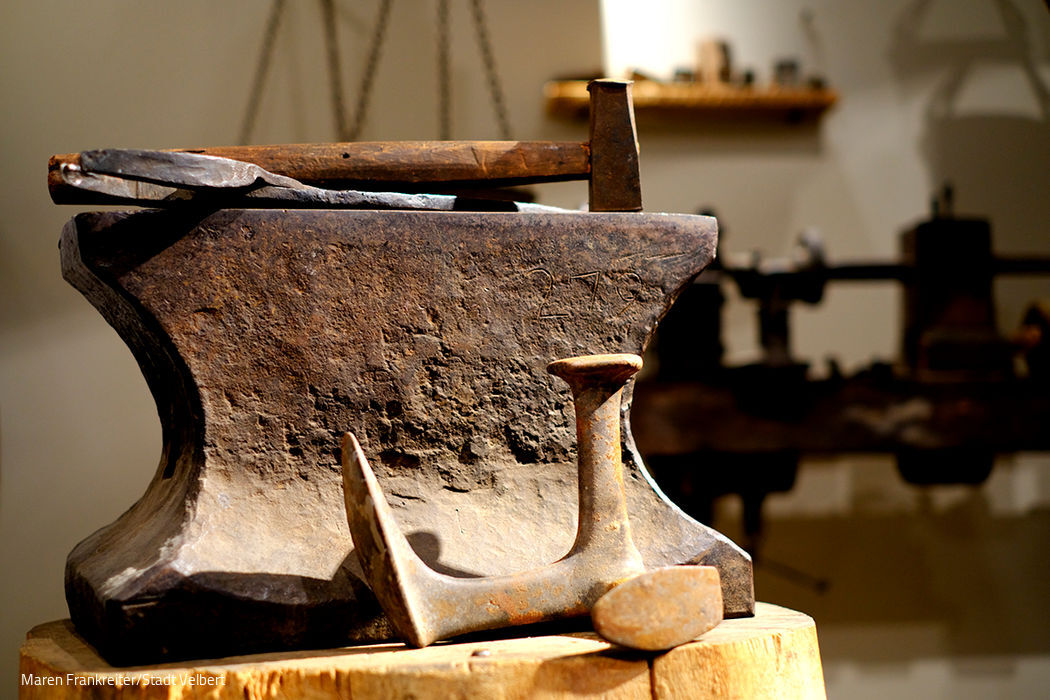
Es ist das weltweit einzige wissenschaftlich geführte Museum für Schließ- und Sicherheitstechnik und stellt rund 1.000 Exponate aus. Jetzt wurde das Deutsche Schloss- und Beschlägemuseum von der Stadt Velbert unter Federführung des Architekten Karsten Fangmann um einen Neubau erweitert. Dieser fügt sich in prominenter Innenstadtlage selbstbewusst und mit dem nötigen Respekt vor der vorhandenen Bebauung in seine Umgebung ein. Mit der denkmalgeschützten Villa Herminghaus bildet er eine Einheit, ohne diese zu dominieren, und auch gegenüber dem vorhandenen Einkaufszentrum zeigt er starke Präsenz.
Das Museum besteht aus drei Gebäudekörpern: Die in Abstimmung mit dem Denkmalamt sanierte Jugendstilvilla, ein barrierefreier und bewusst niedrig gehaltener Zwischenbau mit Technik- und Sanitärräumen sowie der sich anschließende Neubau. In diesem befinden sich das Eingangsfoyer, welches auch als Veranstaltungsbereich genutzt werden kann, sowie die Dauerausstellung. An dem Entwurf spiegelt sich die Historie und Gegenwart Velberts wider. Während die Villa einst einem hiesigen, in der Schloss- und Beschlägebranche tätigen Fabrikanten gehörte, steht die neue Ausstellungshalle für die Gegenwart und die aktuellen Firmen der Schloss- und Beschlagindustrie in Velbert. Dieser Bezug wird insbesondere durch die Fassadengestaltung sichtbar, deren Halle mit gebürsteten und der Zwischenbau mit umbragrau lackierten Aluminiumtafeln verkleidet wurde.
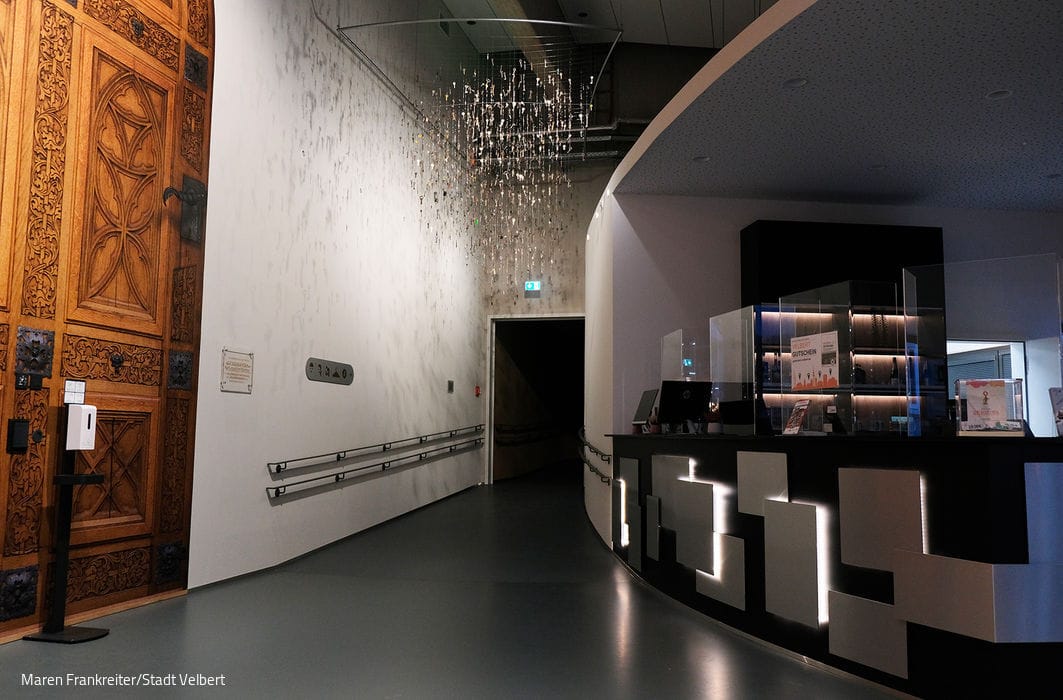
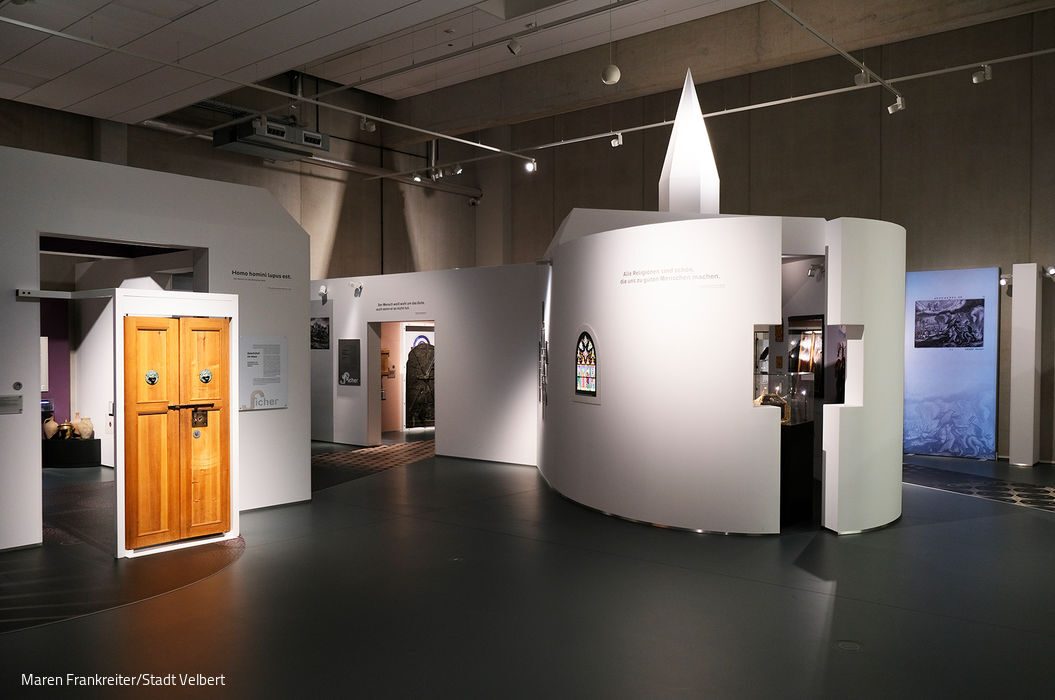
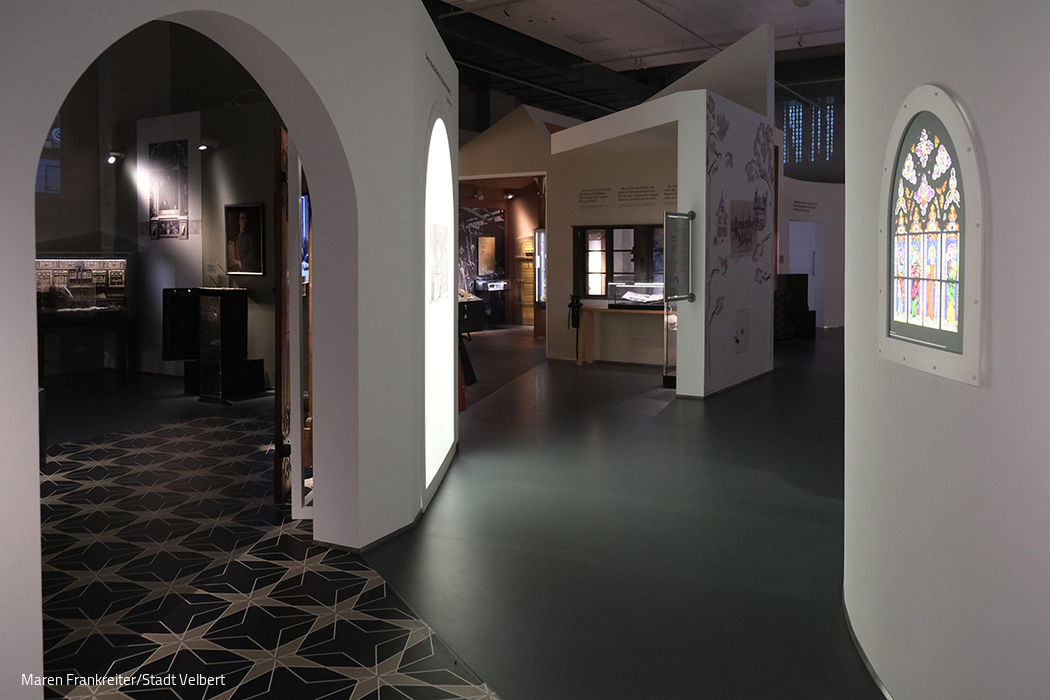
Innen wurde das Prinzip der Werkhalle umgesetzt. Beispiele hierfür sind die Verwendung von einfachen Materialien, wie etwa der mit Epoxidharz beschichtete Estrich, wie er in Gewerbehallen gerne verwendet wird, sowie zusätzlich in den Epoxidharz eingelassene stilisierte Schlüssel. Auch die Sichtbetonwänden und die nicht versteckte Technik in Form von unverkleideten Kabelbühnen und Lüftungskanälen spiegelt dies wider. Ein ins Auge fallende Detail ist eine aus sieben historischen Drahtkörben gefertigte Hängeleuchte, die als Lichtobjekt im Foyer hängt. Die Verkleidung des geschwungenen Empfangstresens wiederum greift das Fassadenmaterial auf. Von hier aus werden die Besucher chronologisch durch die Ausstellung geführt. Die Ausstellungswände sind Sonderanfertigungen und wurden in Form von Häusern erstellt. Sie repräsentieren mit den entsprechenden Exponaten die jeweilige Epoche. Der die „Häuser“ verbindende Bodenbelag dient als Wegweiser und zur Orientierung.
Der Museumsplatz, der auch für Museumsfeste genutzt werden kann, wird über zwei Wege erschlossen: Ein Stahlsteg vom Panoramaradweg aus sowie ein gepflasterter Weg von der Innenstadt aus. Alte Platanen blieben erhalten, hinzu kamen Beete, die die horizontale Gliederung der Neubaufassade aufgreifen.
www.schlossundbeschlaegemuseum.de
Photography Credits:
Maren Frankreiter/City of Velbert
(Published in CUBE Ruhrgebiet 01|22)
Premium Office Location
The TMM Forum stands as a jewel in Dortmund's Phoenix West innovation hub.
Together, You're Never Alone
Essen-Katernberg gains a new residential community for outpatient care

Living Heritage
Historic Salt Facility at Hansa Coking Plant Transforms into Dynamic Event Venue
Urban Fabric Preservation
A New Building in Heiligenhaus That Honors Its Urban Context