


Keine gewöhnliche Adresse
In Essen-Steele wurde eine entweihte Kirche in ein Wohnhaus umgewandelt
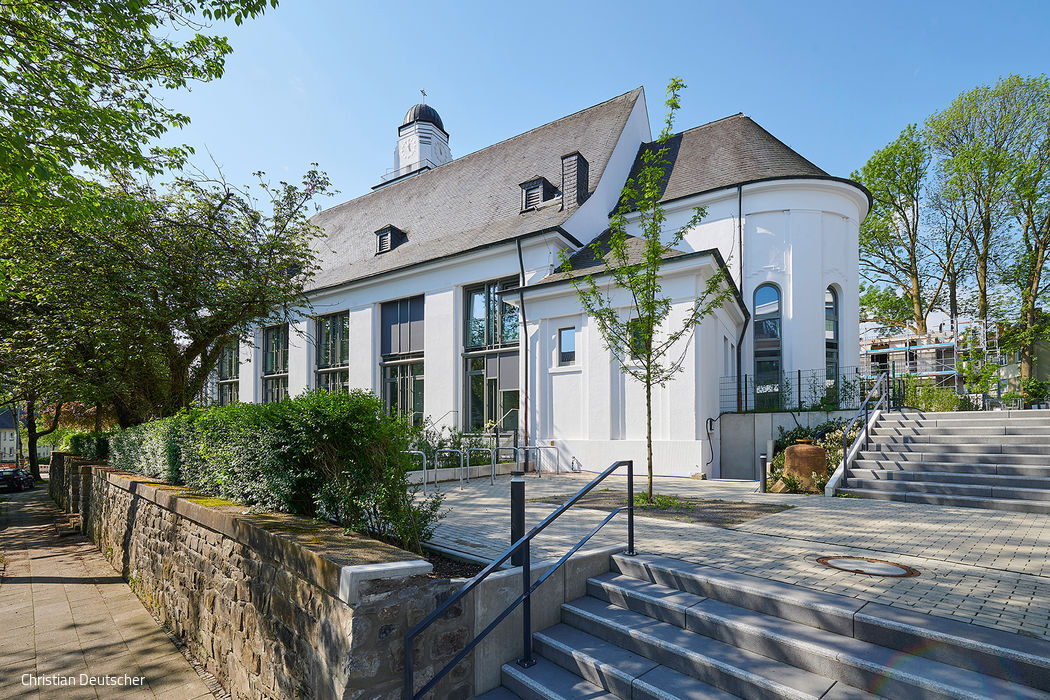


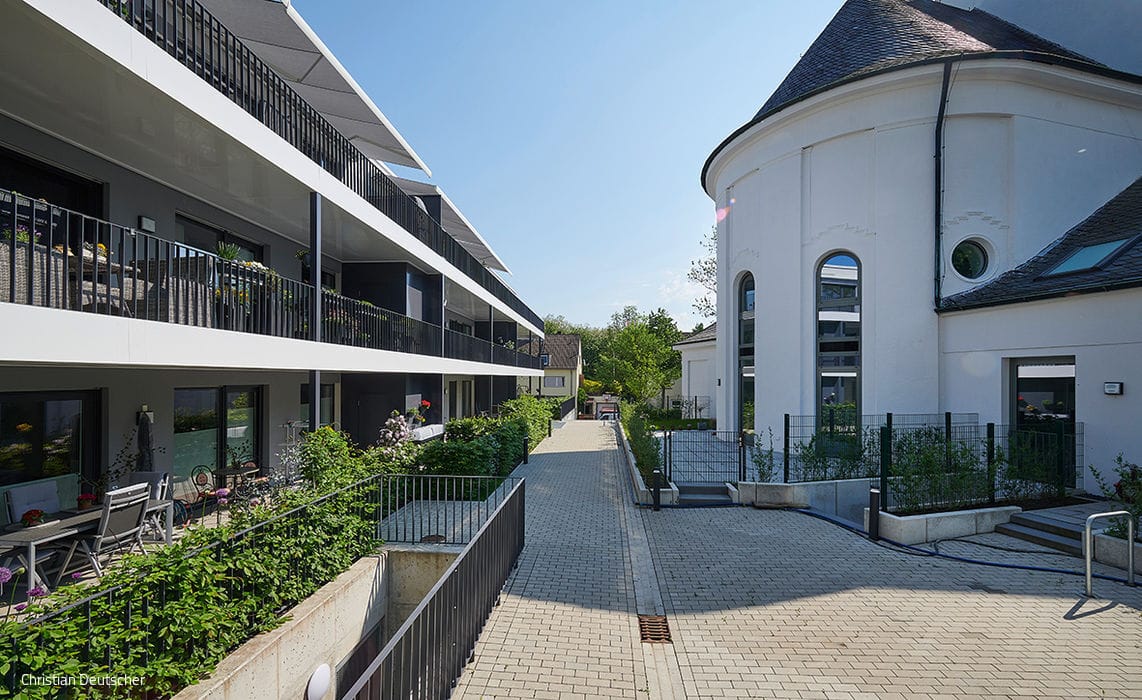



Eine Messe wurde in der St. Marienkirche in Essen-Steele schon lange nicht mehr abgehalten. Nach der Schließung 2008 und der Entweihung diente das denkmalgeschützte Gotteshaus als Kleiderkammer – so lange, bis sich ein mutiger Bauträger fand, der sich zutraute, das historische Gebäude in privaten Wohnraum umzubauen. Die Schlun Baugruppe nahm sich des Projekts an, holte das Recklinghäuser Architekturbüro Dr. Herman Klapheck ins Boot und schuf nicht nur außergewöhnliches Wohnen hinter Kirchenmauern, sondern errichtete auf dem angrenzenden Gelände des ehemaligen Pfarrhauses ein Mehrfamilienhaus mit 21 modernen Wohnungen. Von der Verbindung zur Kirche zeugt straßenseitig die alte Bruchsteinmauer, die, aufwändig renoviert, beide Gebäude einfasst. Derzeit entstehen an der Westseite der Kirche noch fünf Einfamilienhäuser.
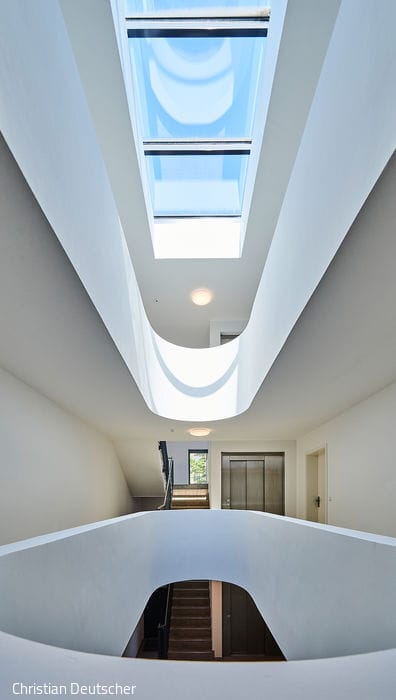
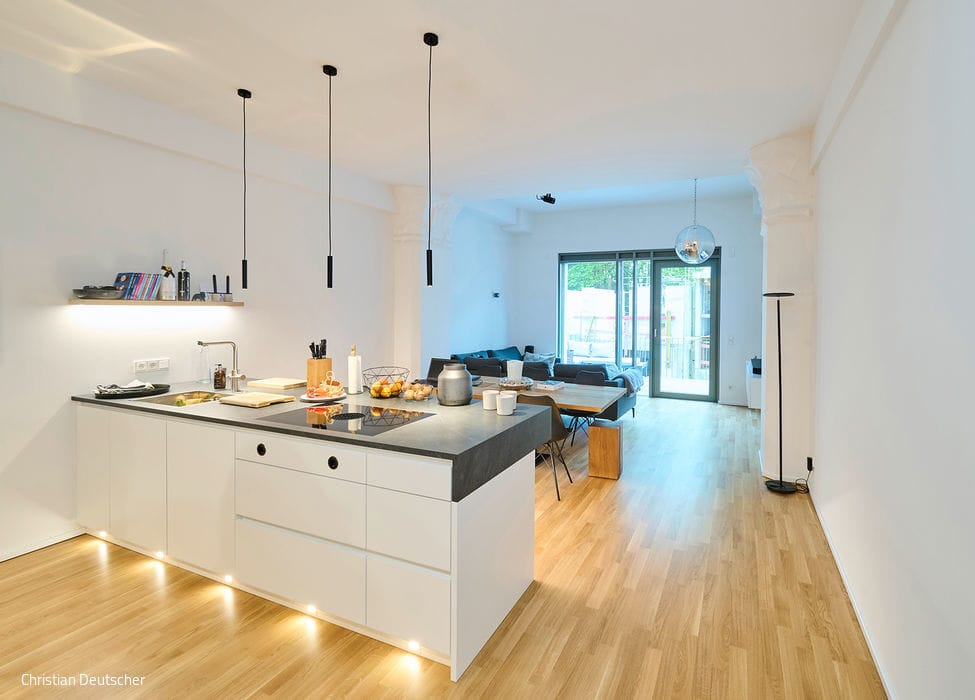
Im einstigen Sakralbau sind zwölf Eigentumswohnungen in Größen von zirka 52 bis 153 m² entstanden, die sich überwiegend über zwei Etagen, bei den Einheiten in den beiden seitlichen Türmen über drei Etagen, erstrecken. Von Beginn an wurden die Maßnahmen eng mit der Denkmalbehörde abgestimmt. Das vormalige Gotteshaus durfte äußerlich kaum verändert werden, genehmigt wurden größere Fensteröffnungen sowie an der Westseite Balkone, die jedoch, ohne in die Fassade einzugreifen, angebracht wurden. „Die Baumaßnahmen sind auch innen so erfolgt, dass das Gebäude theoretisch wieder in seinen ursprünglichen Zustand zurückgebaut werden könnte“, erläutert Reinhard Kalker, Geschäftsführer der Schlun Projektentwicklung. Innen gliedert ein Holzständerwerk mit Trockenbauwänden die Wohnungen, die rechts und links vom gemeinsam genutzten Mittelgang im Kirchenschiff abgehen. Der originale Sandsteinboden konnte nicht erhalten werden, dennoch zeugen viele Details von der einstigen Nutzung. So lassen denkmalgeschützte Kirchenfenster einige Räume in einem fantastischen Licht erscheinen und die Kapitelle von Säulen, die sich erkennbar über die hohen Räume erstrecken, finden sich nun in einem modernen Bad wieder. Während der Baumaßnahmen wurden die historischen Elemente gesichert und teils restauriert. So musste die Kupferverkleidung der dreiflügeligen Eingangstür wieder auf die neue, den Schall- und Wärmeschutzanforderungen entsprechende Eingangstür aufgebracht werden. Erhalten blieben auch das Taufbecken und eine Kirchenglocke, die in die neu gestalteten Außenbereiche integriert wurden.
www.schlun.de
www.dr-klapheck.de
Fotos:
Christian Deutscher
www.deutscher-fotografie.de
(Erschienen in CUBE Ruhrgebiet 02|23)

Exklusives Design
Felix Schwake entwirft Möbel, die als Solitär im Raum wirken
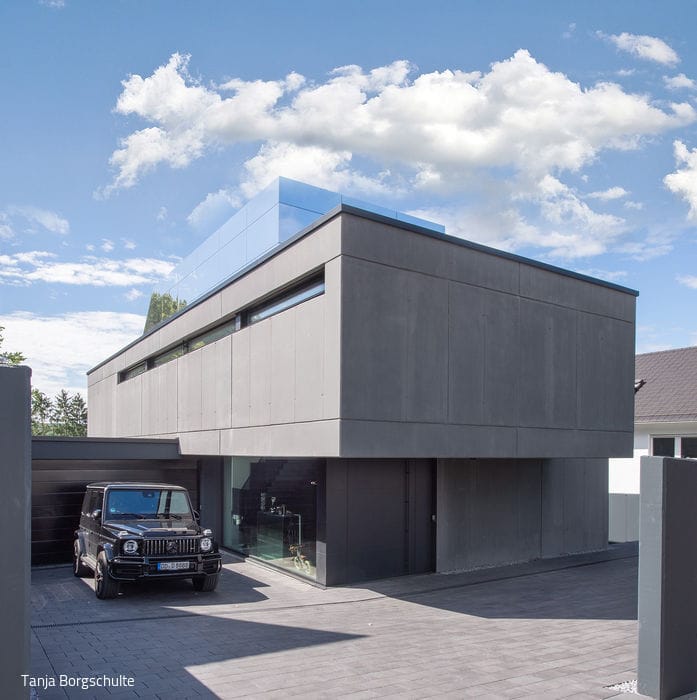
Gestapelte Eleganz
Ein kompaktes Wohnhaus garantiert Privatsphäre und bietet größtmögliche Offenheit
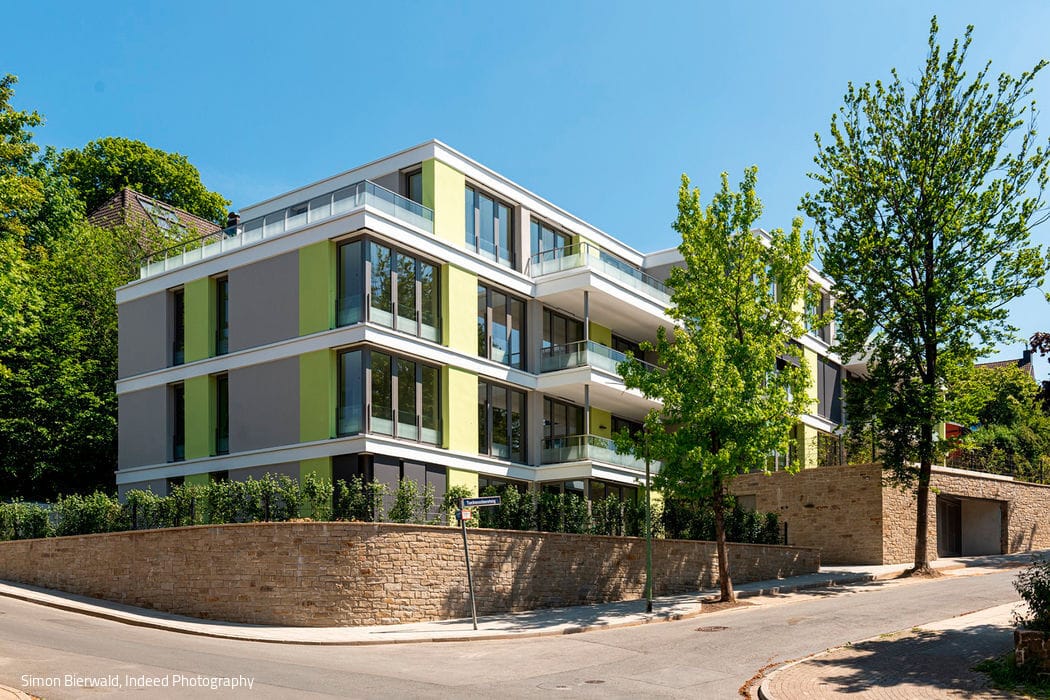
Wohnen auf der Sonnenseite
Dieses Mehrfamilienhaus passt harmonisch in seine Umgebung
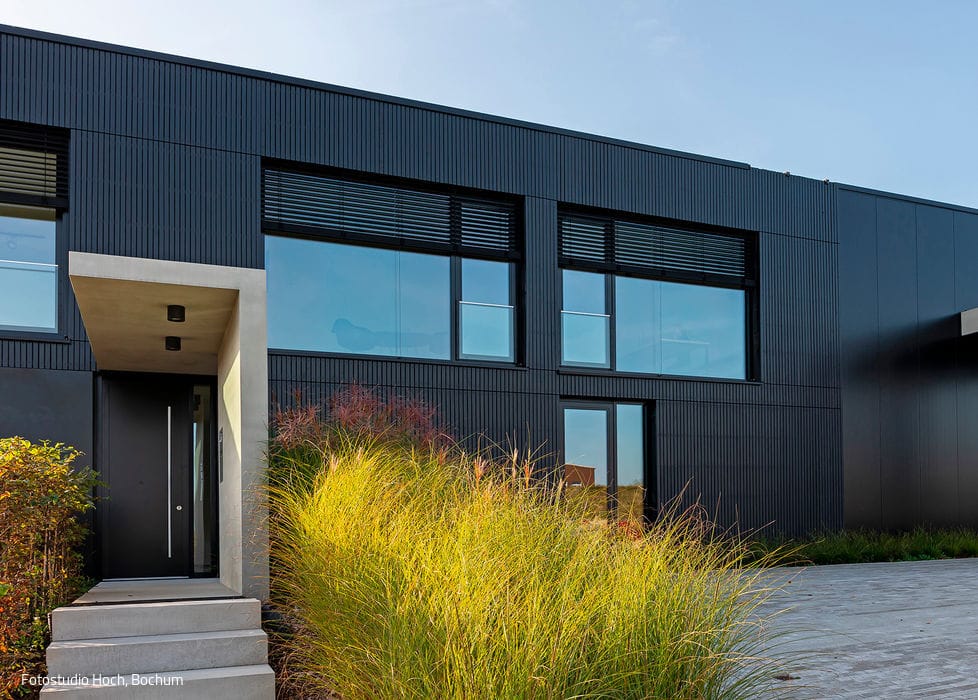
Schöne Ein- und Ausblicke
Ein Logistikcenter mit Büroräumen in Bochum zeigt sich überraschend wohnlich